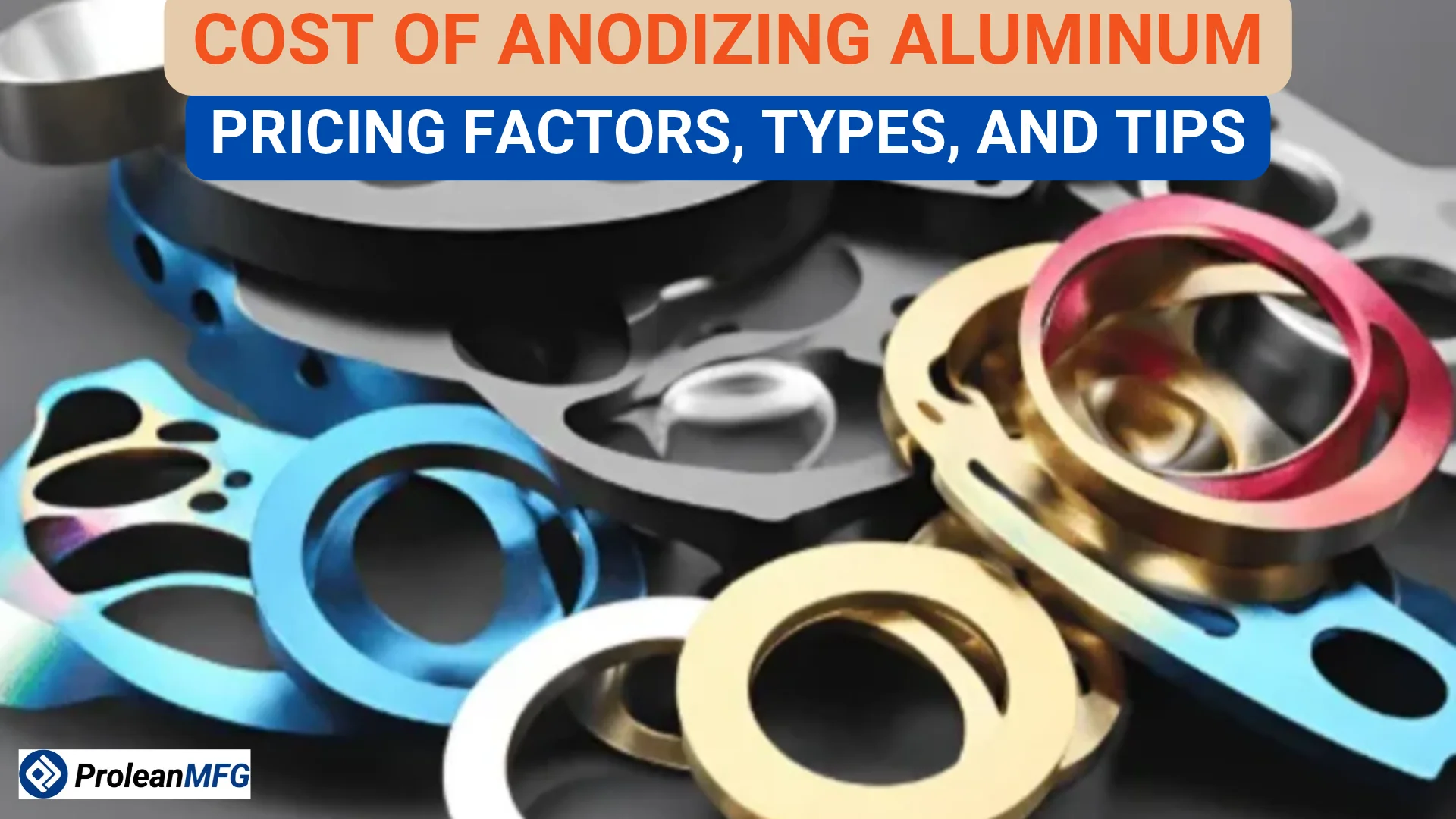
Aluminum anodizing is a familiar surface finishing method for aluminum products. If you are considering this method, it’s worth knowing the anodized aluminum cost.
However, there is no single cost for the anodizing aluminum process because various factors determine the price: Types of anodizing, order quantity, part size, part shape, and color choice.
Understanding what makes each quote unique can help make better business decisions when anodizing aluminum. For a more optimized balance of quality and budget, let’s dig deeper into how anodizing is priced.
The Key Takeaways
- The cost of anodizing aluminum is $0.50 to $5.00 and $2 to more than $100 for per-square-foot and per-part rates, respectively. Additional charges may also be incurred.
- The biggest drivers for anodized aluminum cost are part size, coating thickness, color, and batch quantity
- Hidden costs on the unit price typically emanate from reworks
- Process factors can determine the quote accuracy – current density, time in the tank, etc.
How Much Does Anodizing Aluminum Cost?
The per-square-foot cost of anodizing aluminum mostly ranges from $0.50 to $5.00. Per-part cost can be anything from $2 to more than $100. Additional charges include dyeing and inspection reports.
The exact total cost depends on factors such as coating thickness, machining surface finishes, anodizing material, and order size. These cost categories are explained in detail below.
Cost Breakdown for Anodizing Aluminum
The invoice for anodizing aluminum comprises three layers: a per-part price, a per-square-foot rate, and additional costs. The largest cost share goes to labor and tank processing. These layers are the key to understanding the cost of anodizing aluminum.
Per Part Method
This is a flat rate for each anodized part. Manufacturers typically use the option for simple geometries, small parts, and low volumes. A notable charge is the minimum lot, which covers the setup.
Per Square Foot Method
The per square foot rate is preferred for larger parts, production runs, and sheet metal parts. The method is usually paired with Type III hardcoat and thicker coatings. The higher cost of anodizing aluminum is due to the higher power and tank time requirements.
Anodized aluminum sheet metal
Additional Costs
These charges are added to the base price of anodizing aluminum. Charges for inspection reports, special dyeing, racking, and so on should be stated in the RFQ. They can be significant, so this step is crucial.
What Are the Factors Affecting Anodized Aluminum Cost?
The anodized aluminum cost depends on these factors: Type of anodizing method, size of the part, number of parts, coating thickness, racking, anodizing color, and post-processing.
- Type of Anodizing Method: Type III hardcoat method requires a chilled bath, higher power, and longer time. That’s why it is typically more expensive than Type II.
- Size of the Part: Larger parts in anodizing aluminum require higher current and larger tanks. Fewer of the larger parts can fit on a rack.
- Number of Parts: Economies of scale are evident in that the cost per part in larger batches is lower.
- Coating Thickness: Thicker metals require a stronger current and more time in the tank. There is a resultant increase in the cost of labor and energy.
- Racking: Standard racking is available, but customized racking may be necessary for complex parts. Expect additional costs for labor and other elements that come with custom services.
- Anodizing Color: Clear aluminum anodizing is the most cost-effective. Clear and black colors are generally more expensive because of tighter process control and extra dyeing steps.
- Post-Processing: Time is spent sealing, removing masks, inspecting, and packaging the part. Further cost is accrued with PTFE impregnation and other steps.
What Is the Best Grade of Aluminium for Anodizing?
The standout aluminum alloys for anodizing in aluminum CNC machining projects are 5000 series, 6000 series, 7000 series, and 1000 & 3000 Series. Specific representative grades include 5052, 6061, 7075, 1100, and 3003.
The color, clarity, and uniformity of the coating are highly influenced by the alloy composition. Below are more details about the series.
6000 Series
The 6000 series is considered the best aluminum alloy for anodizing because of its clean and uniform oxidation. It is the default choice for most machined parts, offering good strength and consistent color.
5000 Series
This magnesium-based series delivers a uniform, bright finish. That explains its common application in sheet metal parts. Consider it for China anodized aluminum sheet metal parts where aesthetics matter prominently.
7000 Series
Aluminum alloys in this series, for instance, 7075, are used for high-strength parts in performance applications. A slight color variation is expected due to the zinc content. Here’s one area where process control is tighter, so expect a relatively higher cost of anodizing aluminum.
1000 and 3000 Series
The 1000 series is nearly pure, while the 3000 series is for brightness. These aluminum alloys are often specified for appearance or corrosion performance, not for strength.
Quick Comparison of Aluminum Grades for Anodizing
Here is a table comparing grades for anodizing by quality, typical use, and cost impact.
| Aluminum Alloy Series | Anodizing Quality | Typical Use | Cost Impact |
| 6000 series (6061) | Excellent | Frames, CNC parts | Low |
| 5000 series (5052) | Uniform | Sheet metal panels | Low |
| 7000 series (7075) | Variable color | High-load parts | Medium-to-high |
| 1000/3000 series | Bright | Cookware | Low-to-medium |
What Is the 720 Rule for Anodizing?
The 720 rule for anodizing describes or estimates the anodizing time based on coating thickness and current density.
The formula for this time is:
Time (minutes) = (Thickness × 720) ÷ Current density
(Thickness in mils (1 mil = 0.001 in, about 25 µm)
Current density in amperes per square foot (ASF))
Here is an example of how to use the 720 rule.
You want to produce a 0.7 mil (approximately 18 µm) coating at 24 ASF.
Time in minutes = (0.7 × 720) ÷ 24 = 21 minutes
The 21 minutes are an estimate. Factors that can shift the result are alloy type, electrolyte condition, and bath temperature.
The Three Types of Anodizing: Cost and Application
You can choose from Type I (chromic), Type II (sulfuric), and Type III (hardcoat) types of anodizing. Choose these coatings by function, matching the type to your specific requirements.
| Property | Type I (Chromic) | Type II (Sulfuric) | Type III (Hardcoat) |
| Thickness | 0.5–2.5 µm | 2.5–25 µm | 25–75 µm |
| Wear resistance | Low | Average | Very high |
| Dye options | Limited | Broad range | Typically dark |
| Dimensional impact | Minimal | Small | High |
| Relative cost | Average to high | Lowest | Highest |
| Typical applications | Aerospace | Enclosures, consumer products | Tooling, hydraulics |
How Long Does It Take to Anodize Aluminum?
The actual anodizing process takes between 30 minutes and a few hours. However, the entire anodizing project could last longer due to planning, invoicing, and other logistical requirements.
Plan for up to 10 business days. Tank time does not go beyond 2 hours. The remaining time is for cleaning, dyeing, racking, sealing, and inspection. However, some providers may provide a premium service for a shorter lead time, say, 3 business days.
Here are some details about the steps:
Step 1: Cleaning and Etching: Cleaning removes dirt and oils. Etching ensures the coating forms evenly.
Step 2: Racking: Racking entails placing the part on conductive racks. It holds the part in position and transmits current to the part.
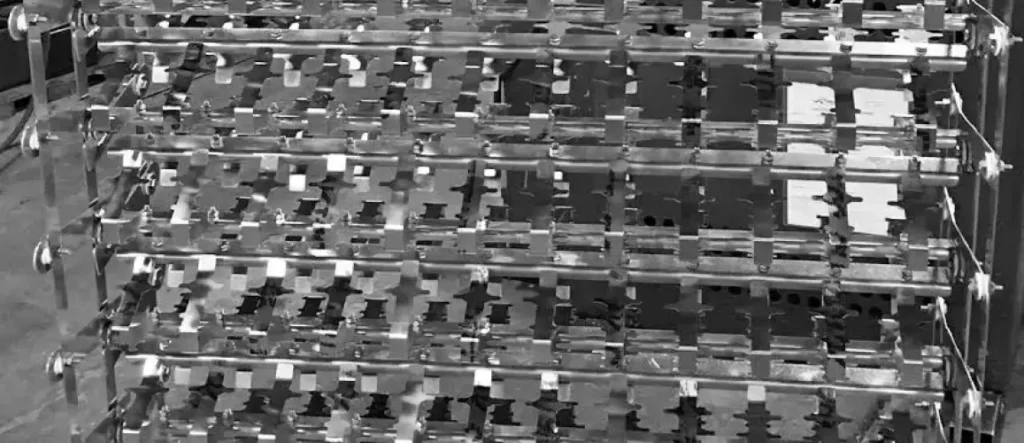
Anodizing aluminum process racking
Step 3: Anodizing: The rack containing the part is immersed into the electrolyte. Current is passed through the setup, leading to the buildup of an oxide layer on the part’s surface.
Step 4: Dyeing (where necessary): Dye can be applied to the part to give the desired color. The porosity of the oxide layer enhances dye absorption.
Step 5: Sealing: Sealing locks the pores. It enhances corrosion performance and durability of the dye.
Step 6: Inspection and Packing: The part is checked for color, appearance, and coating thickness. It is then packed for shipment.
The Real Cost of Getting It Wrong
A cheap anodizing quote can become expensive because of five failures: Color mismatch, coating peeling, out-of-tolerance parts, poor seal, and missed deliveries. Each of these failures can create bottlenecks in the assembly line and increase the anodized aluminum cost.
| Type of anodizing aluminum failure | Common cause | Impact on business |
| Color mismatch | Uncontrolled alloy/dye | Rejected parts, damage to the brand image |
| Coating peeling | Inaccurate current | Reworks |
| Out-of-tolerance parts | Coating buildup | Scrap, assembly issues |
| Poor seal | Inaccurate batch control | Warranty claims |
| Missed deliveries | Overbooked supplier | Manufacturing delays |
How to Get an Accurate Anodizing Quote
We derive the anodizing quote from these inputs: Drawings, quantity, alloy, color, anodizing type and thickness, lead time, and specifications.
You can always confirm this with your RFQ checklist.
- Drawings: Masked areas, critical surfaces, and tolerances
- Quantity: Order size stated
- Alloy: Details beyond the aluminum series, for instance, 6061-T6
- Color: Name the color. You can also state the standard for critical matches.
- Anodizing Type and Thickness: State whether the thickness is I, II, or III. As you also give the thickness range, indicate whether it should be maintained within the tolerance.
- Lead Time: The delivery time should also be stated.
- Specifications: MIL-A-8625 or any other relevant standard should be stated
A model that many shops use to estimate the total cost is;
Total Cost= (Surface Area × Material Cost × Thickness Factor) + Labor + Additional Costs
Expert Tips for Reducing the Cost of Anodizing Aluminum
You can lower the cost of anodizing aluminum by insisting on the levers below:
- Designing for anodizing
- Standardizing colors
- Using process-friendly alloys
- Planning the lead time
- Strict specifications
- Batching orders
- Limiting masking
- Consolidating suppliers
What Is Anodizing and How to Tell If Aluminum Is Anodized?
Anodization is an electrochemical process for increasing the oxide layer on metal or alloy surfaces. The metal is immersed in an electrolytic solution as an anode. When a current passes through the setup, hydrogen is released at the cathode, and an oxide layer is built at the anode.
The anodizing aluminum process transforms the aluminum surface into a hard oxide layer. The key property changes are;
- Electrical insulation
- Corrosion resistance
- Durable appearance
- Wear resistance
Unlike a paint layer, an anodized coating is part of the aluminum surface. The anodizing process provides durability that is incomparable to plating and paint. Because of this superiority, China anodized aluminum sheet is often specified for parts in consumer, medical, and electronics applications.
So, how can you check if a part has been anodized? Here are common approaches.
- Visual inspection
- Seal and quality tests
- Conductivity test
- Thickness measurement
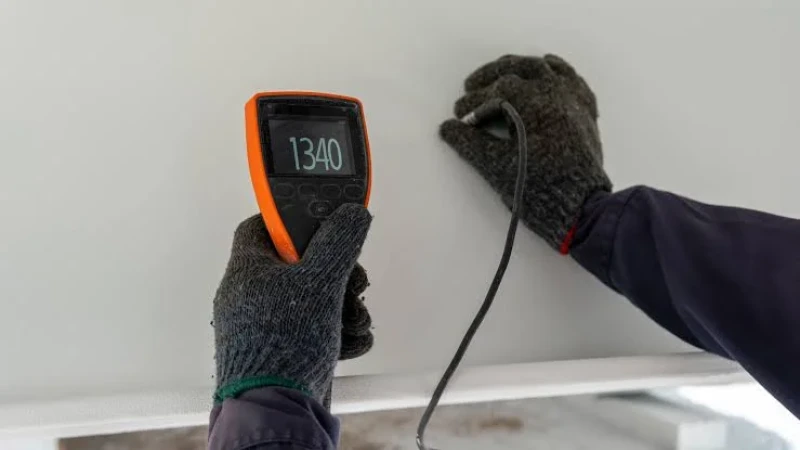
Anodized thickness probe
For critical parts, combine both visual checks with reference to documented inspection reports.
In Conclusion
The lowest quote and the lowest cost of anodizing aluminum are two different things. As insignificant as anodizing may appear on the bill of materials, it can significantly affect the suitability and performance of machined parts.
As a buyer, focus on specification clarity over merely price per square foot. A drawing should leave no questions about important elements such as tolerances and thickness.
Understanding the details of the cost of anodized aluminum is valuable because it helps in pursuing consistent quality and stable pricing. You can get this value from an integrated anodizing aluminum process.
Are you confused or worried about the cost of anodizing aluminum for your project? Be confident; ProleanMFG provides quality services at cost-effective rates. Contact the team anytime with questions and requests about anodizing services. We will respond within 24 hours with a quote.