
Precision Surface Finishing Services
Surface finishing solutions for CNC machined parts, sheet metal components, prototypes, and OEM production parts.
- Finishing for metal and plastic components
- Anodizing, plating, powder coating, bead blasting, passivation, and polishing
- Cosmetic, protective, and functional surface treatments
- Prototype and low-volume production finishing
- Surface finish selection support for engineering applications
- ISO-certified manufacturing and quality control
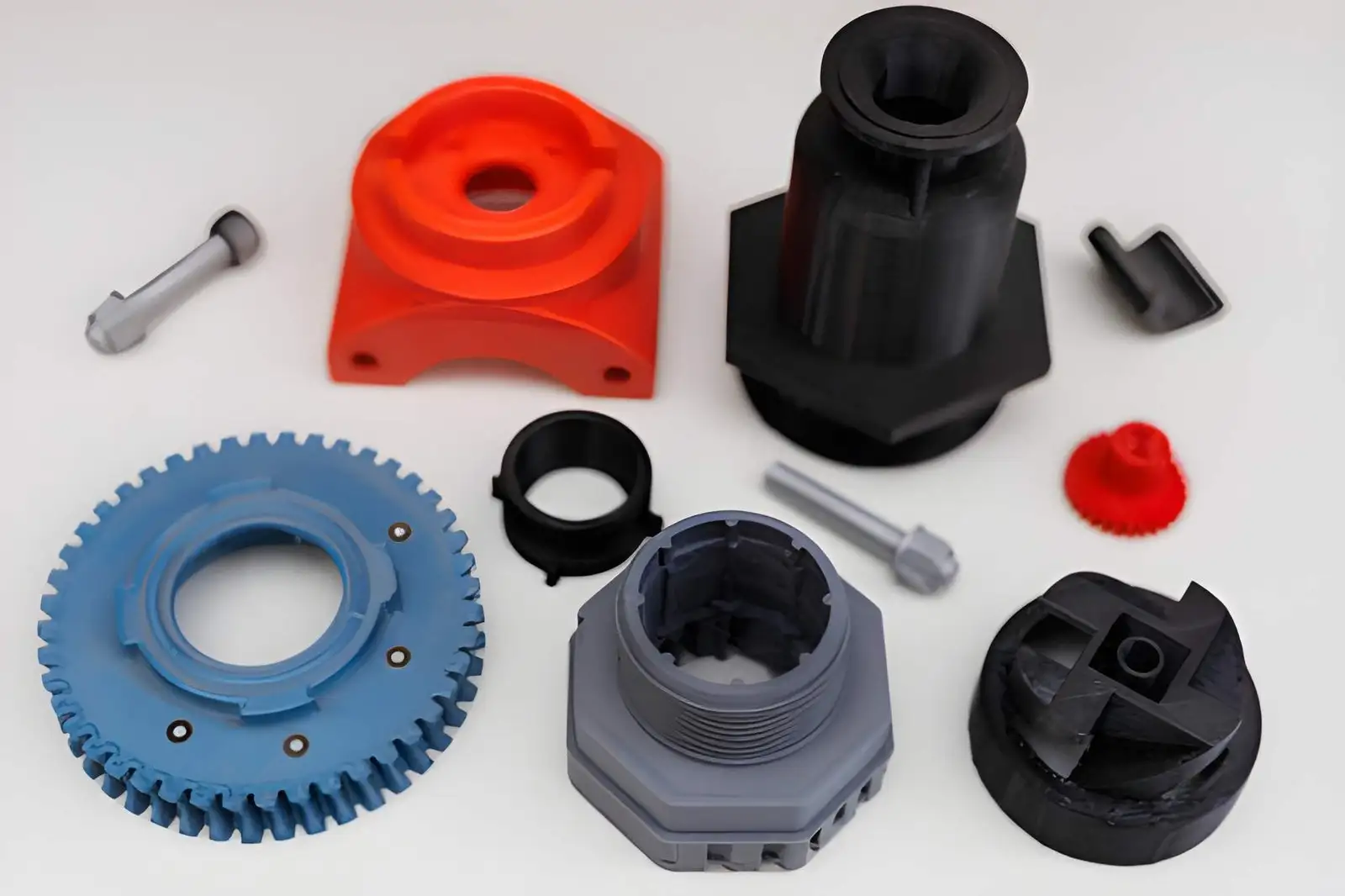
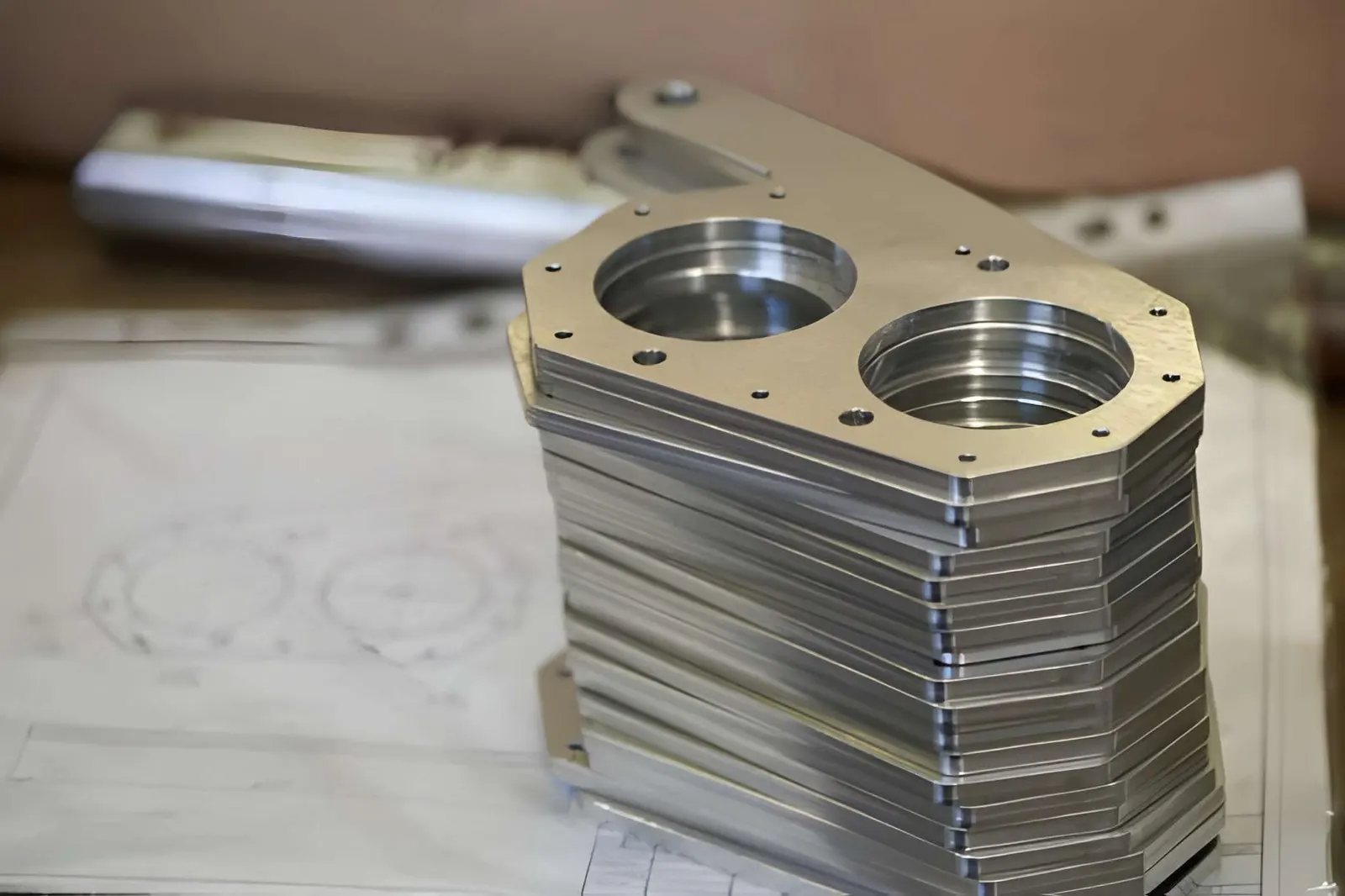
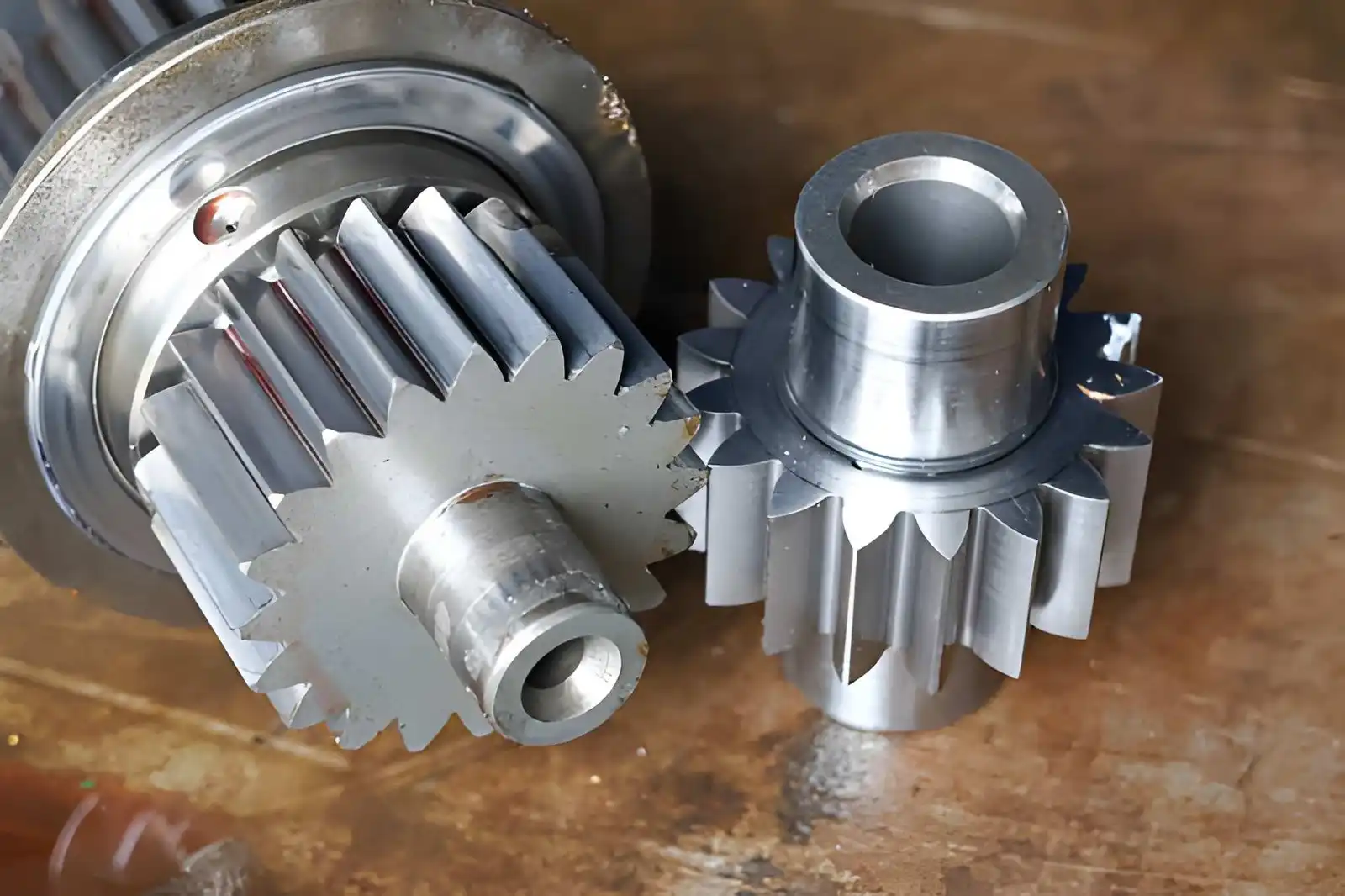
Surface Finishing Capabilities for Custom Parts
Prolean provides a wide range of surface finishing options for custom metal and plastic parts. Different finishing methods are available depending on material, application, appearance requirements, corrosion resistance, wear resistance, and dimensional tolerance needs.
| Finishing Process | Main Function | Common Materials | Typical Applications |
|---|---|---|---|
| Anodizing | Corrosion resistance, color, surface hardness | Aluminum | Aerospace parts, housings, brackets |
| Hard Anodizing | Wear resistance, thicker protective layer | Aluminum | Mechanical components, sliding parts |
| Bead Blasting | Matte texture, cosmetic finish | Aluminum, stainless steel, plastics | Enclosures, visible components |
| Powder Coating | Durable colored coating | Aluminum, steel, sheet metal | Frames, covers, outdoor parts |
| Yellow Chromate Coating | Corrosion resistance, improved paint adhesion, electrical conductivity | Aluminum, magnesium, zinc-plated steel | Aerospace parts, automotive components, electrical enclosures, fasteners |
| Zinc Plating | Corrosion protection | Steel | Fasteners, brackets, industrial parts |
| Laser Cladding | Wear resistance, corrosion protection, dimensional restoration | Steel, stainless steel, nickel and cobalt alloys | Shafts, valves, molds, turbine parts and industrial components |
| Passivation | Corrosion resistance | Stainless steel | Medical, food-grade, precision parts |
| Black Oxide | Appearance and mild corrosion resistance | Steel, stainless steel | Tools, fixtures, mechanical parts |
| Alodine / Chromate Conversion | Corrosion resistance, conductivity support | Aluminum | Aerospace and electrical parts |
| Brushing | Directional cosmetic texture | Aluminum, stainless steel | Panels, covers, consumer products |
| Polishing | Smooth and glossy surface | Metal and plastic parts | Decorative and optical components |
| Laser Marking | Permanent identification | Metals and plastics | Logos, serial numbers, QR codes |
How to Choose the Right Surface Finish
| Requirement | Recommended Finishing Options |
|---|---|
| Corrosion resistance | Anodizing, passivation, zinc plating, electroless nickel plating, powder coating |
| Wear resistance | Hard anodizing, electroless nickel plating, black oxide |
| Matte appearance | Bead blasting, anodizing, powder coating |
| Colored finish | Anodizing, powder coating, painting |
| Stainless steel protection | Passivation, electropolishing, polishing |
| Aluminum protection | Anodizing, hard anodizing, alodine |
| Steel protection | Zinc plating, black oxide, powder coating, electroless nickel plating |
| Branding or identification | Laser marking, silk screen printing |
| Smooth cosmetic surface | Polishing, brushing, electropolishing |
Surface Finishing Options by Material
| Material | Suitable Finishing Options | Common Use Cases |
|---|---|---|
| Aluminum | Anodizing, hard anodizing, alodine, bead blasting, powder coating, brushing | Housings, brackets, aerospace parts, consumer products |
| Stainless Steel | Passivation, polishing, electropolishing, bead blasting, brushing | Medical parts, food-grade components, precision hardware |
| Carbon Steel | Zinc plating, black oxide, powder coating, electroless nickel plating | Fasteners, fixtures, mechanical parts |
| Alloy Steel | Black oxide, zinc plating, electroless nickel plating, powder coating | Tooling, shafts, structural parts |
| Brass | Polishing, brushing, plating, clear coating | Decorative parts, electrical components |
| Copper | Polishing, plating, brushing, protective coating | Electrical and thermal components |
| Titanium | Anodizing, polishing, bead blasting | Medical, aerospace, lightweight parts |
| Plastics | Bead blasting, polishing, painting, laser marking | Prototype housings, display parts, functional plastic components |
Frequently Asked Questions
What is surface finishing in manufacturing?
Surface finishing is a post-processing method used to improve the appearance, durability, corrosion resistance, wear resistance, or functionality of a manufactured part.
What surface finishing options are available for custom parts?
Common options include anodizing, hard anodizing, bead blasting, powder coating, electroless nickel plating, zinc plating, passivation, black oxide, brushing, polishing, painting, and laser marking.
Which surface finish is best for aluminum parts?
Common finishing options for aluminum include anodizing, hard anodizing, alodine, bead blasting, powder coating, brushing, and polishing. The best option depends on whether the part requires corrosion resistance, wear resistance, color, conductivity, or cosmetic appearance.
Which surface finish is best for stainless steel parts?
Passivation, polishing, electropolishing, bead blasting, and brushing are commonly used for stainless steel parts. Passivation is often selected when corrosion resistance is the main requirement.
Does surface finishing affect part tolerances?
Yes. Some finishing processes add coating thickness or slightly change surface dimensions. Tight-tolerance features, threads, holes, and mating surfaces should be reviewed before finishing.
Can prototypes receive surface finishing?
Yes. Prototypes can be finished for visual presentation, functional testing, design validation, or customer review. Common prototype finishes include anodizing, bead blasting, polishing, painting, and powder coating.
How should I specify surface finishing requirements?
You should provide the material, finish type, color, texture, coating thickness if required, masking areas, cosmetic surfaces, and any inspection standards or functional requirements.
Can one part use multiple surface finishes?
Yes. Some parts may require multiple finishing steps, such as bead blasting before anodizing or polishing before plating. However, finish combinations should be confirmed based on material and geometry.