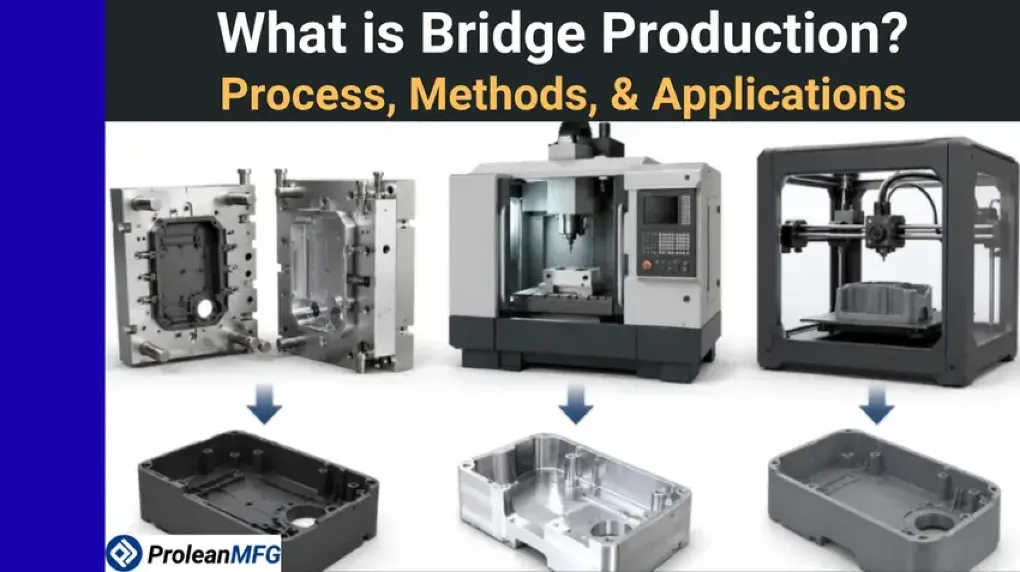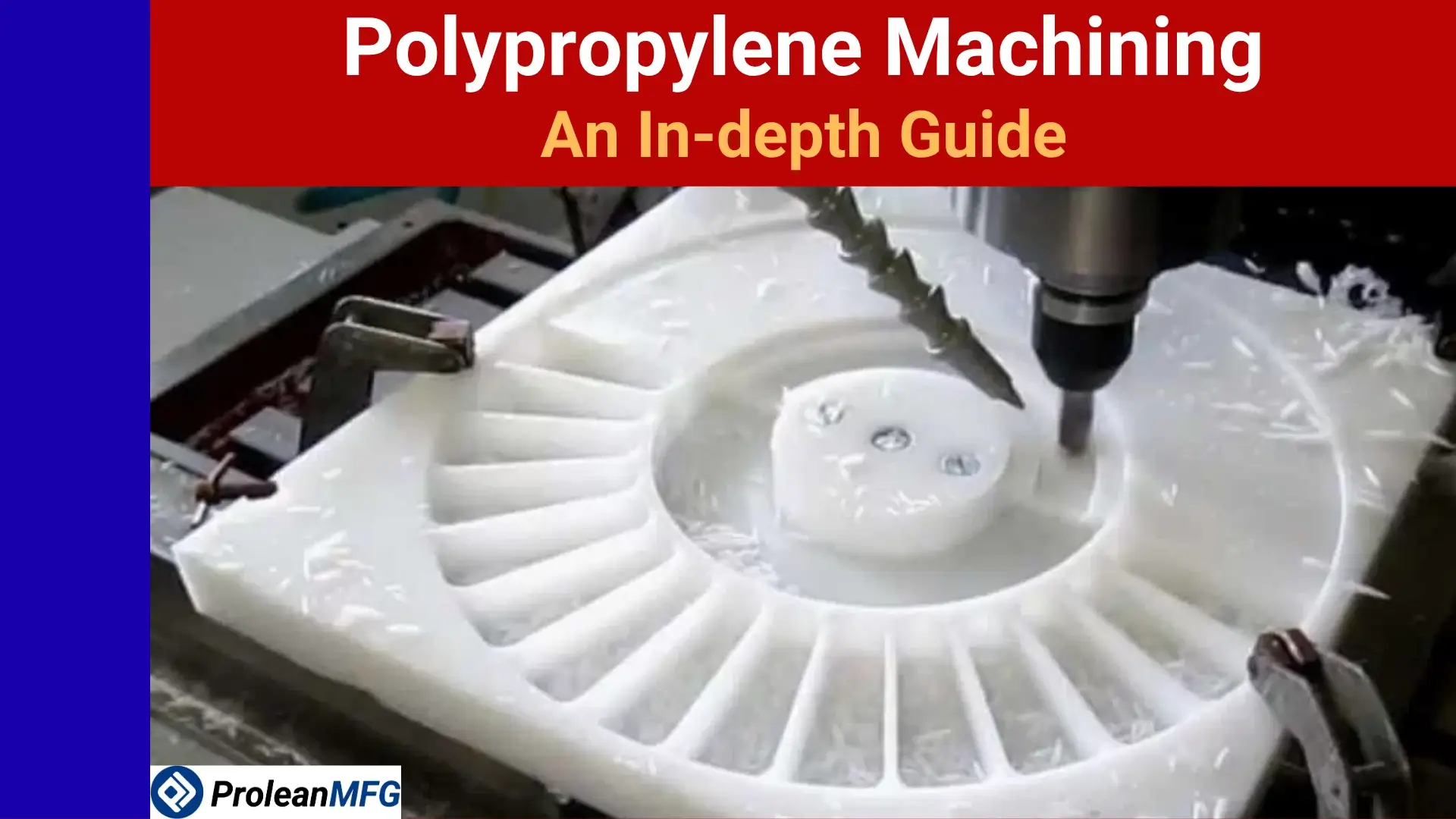

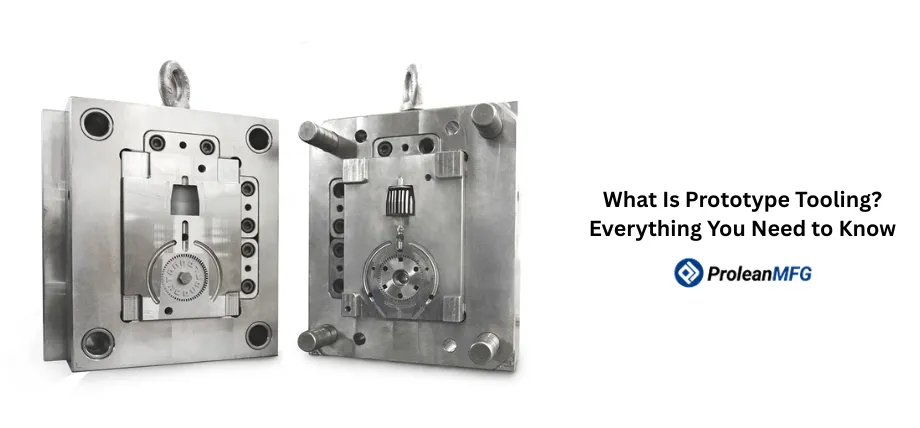

Before committing to large-scale production and hard tooling, smart manufacturing demands a physical proof-of-concept. Prototype tooling bridges the gap between digital design and full-scale design. You can create functional prototypes quickly, test them under the same conditions used in the production process, and redesign them if required before investing in hardened production molds.
You can validate designs within days or weeks using rapid prototyping, prototype injection mold tooling, CNC machining, and additive manufacturing.
What Is Prototype Tooling?
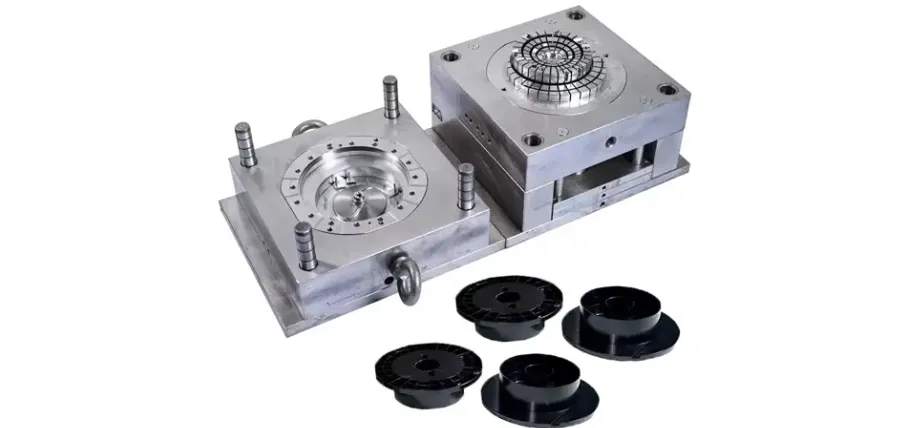
Prototype tooling produces parts in small volumes using special machining setups before beginning the full-scale production process. If you want to test accurate dimensions, material, and performance of the final part, prototype tooling allows you to produce parts accurately.
Material Applications
Using rapid prototype tooling decreases the development time and lead times for CNC machine shops. Combining prototype tooling with CNC machining, cast molding, and additive manufacturing means the processes require less time than conventional production tooling.
- Plastics: Using thermoplastics for prototype tooling is a cost-effective way to evaluate plastic part characteristics before mass production.
- Metalworking: Prototype tooling is a standard practice. For example, metal stamping tooling is applied to check dimensions, designs and forming behavior of sheet metal parts before full-scale production.
Types of Prototype Tooling
You can choose the prototype tooling for your manufacturing process depending on the production volume, material, cost, durability of the tooling and lead time. The following table represents the characteristics of each type of prototype tooling for your reference.
| Tooling Type | Best For | Lead Time | Cost | Volume |
|---|---|---|---|---|
| Soft Tooling | Early-stage validation | 1 to 3 weeks | Low | 10 to 5000 parts |
| Hard Tooling | Production intent validation | 4 to 12 weeks | High | 50,000+ parts |
| Bridge Tooling | Pilot production | 2 to 8 weeks | Medium | 5,000 -100,000 parts |
| Printed Injection Molds | Fast design testing | 1 to 5 days | Very low | 10 to 100 parts |
Soft Tooling
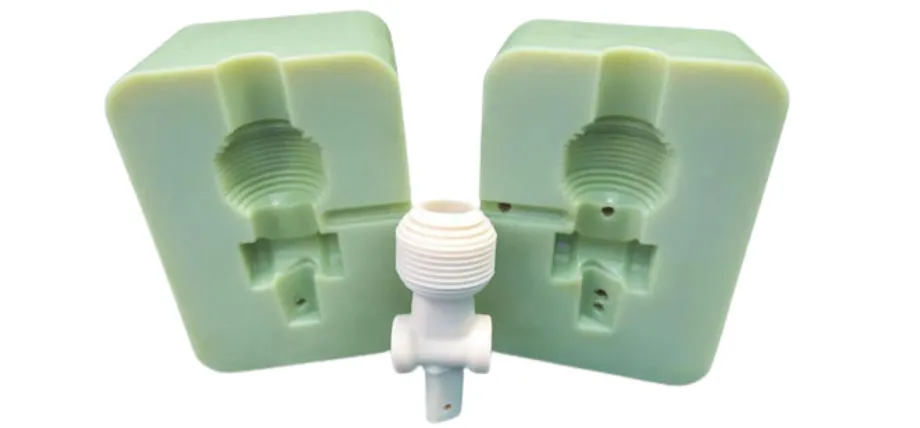
Rapid prototype tooling provides a fast, cost-effective method which allows you to test and verify design functionality, geometric accuracy and fit.
You can apply aluminum, silicone, epoxy or softer steels as materials to produce soft tooling, including molds that are suitable to produce less than 5000 prototype parts. Soft tooling is a form of rapid prototype tooling because of its balance between speed and cost.
Aluminum is the most widely used material for prototype injection mold tooling. These can produce parts quickly, transfer heat efficiently, and the cost is considerably lower compared to hardened steel. You can use soft tooling for prototype tooling plastics, as thermoplastic material produced using aluminum tooling represents the dimensions, shrinkage behavior, and material properties of the final product.
Hard Tooling
Hard tooling is tooling manufactured from durable materials like hardened steel and aluminum alloys. These types of tooling require capital investment at the start and are designed for high-volume repeatable unit production.
Hard toolings are built to withstand hundreds of thousands of production units and cycles with very little to 0 dimensional variation.
Hard tooling can cost at least 3 times as much as soft tooling, but is necessary when production volumes are more than 10,000 units.
Bridge Tooling
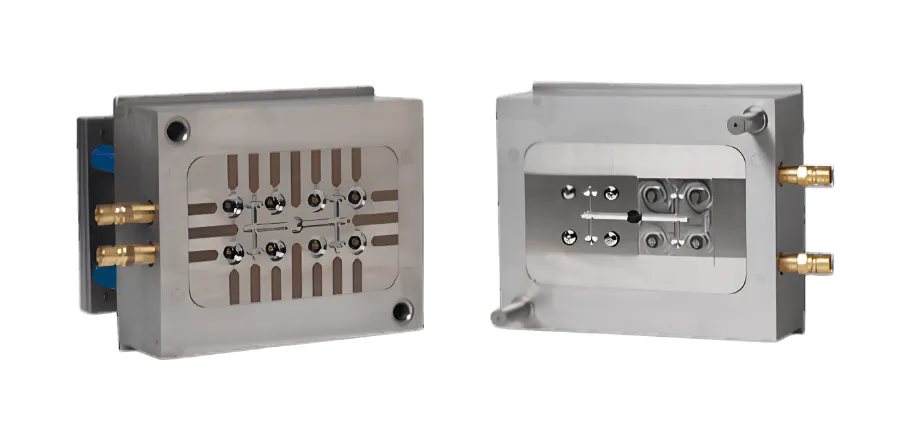
You can apply bridge tooling to produce prototype parts between 5000 and 100,000 before starting the production process using hardened steel tooling. P20 steel or high-grade aluminum are the most commonly used materials to produce bridge tooling. Bridge tooling maintains the dimensional consistency for a higher number of prototype parts within a shorter lead time while designing the tooling for mass production.
Bridge tooling is beneficial if you need to launch products immediately before starting the full-scale production process, while supporting pilot production and market testing.
Printed Injection Molds
You can apply 3D printed injection molds, which are a form of rapid prototype tooling for the production of prototype parts in very low quantities, ranging from 1 to 100 parts. This type of prototype tooling includes mold inserts created with additive manufacturing technologies such as SLA, DLP or SLS directly from CAD data instead of machining molds manufactured from metal.
Printed injection molds are beneficial to evaluate gate placement, wall thickness, shrinkage behaviour and assembly fit of a product within days.
There are some limitations to using this type of mold over conventional tooling. The thermal conductivity and wear resistance of printed injection molds are less than those of metal molds. Therefore, after tens or hundreds of injection cycles, dimensional degradation occurs in these molds.
But you can use them for early-stage validation of the product, as they drastically reduce the lead time and tooling costs compared to other methods.
Key Rapid Tooling Methods in the Prototyping Process
Rapid tooling methods like soft tooling, bridge tooling, and molding have distinct benefits for designers and prototyping in terms of material compatibility, accuracy, lead times and most importantly, cost.
| Method | Materials | Lead Time | Accuracy | Cost |
|---|---|---|---|---|
| Injection Molding | Thermoplastics | 1 to 4 weeks | High | Medium |
| CNC Machining | Metals and plastics | 1 to 10 days | Very high | Medium |
| Urethane Casting | Polyurethane resins | 3 to 10 days | Medium | Low |
| Vacuum Forming | Thermoplastic sheets | 2 to 7 days | Medium | Low |
| Compression Molding | Rubber and composites | 1 to 3 weeks | High | Medium |
| SLA / SLS | Polymers | 1 to 5 days | High | Low |
Injection Molding
In prototype tooling and plastics manufacturing, injection molding is the most widely used tooling method. Molded thermoplastic is injected as the material into a mold cavity under pressure, and ejects the finished part, and it is then cooled. You are able to manufacture plastic parts equivalent to the final product using prototype injection mold tooling. These molds are able to replicate the material properties, surface finishes, weld lines and shrinkage behavior of the final product.
The main difference between prototype injection molding and production molding is the tooling. Production molds are manufactured with a hardened steel multi-cavity system to run millions of cycles. Prototype molds are created with aluminum or soft steel tools for rapid manufacturing of tens to hundreds to thousands of cycles.
This method can be widely applied in automotive, aerospace, electronics and medical industries because injection molding supports a vast range of thermoplastics, including ABS, polypropylene, nylon, polycarbonate, PEEK and glass-filled composites.
CNC Machining
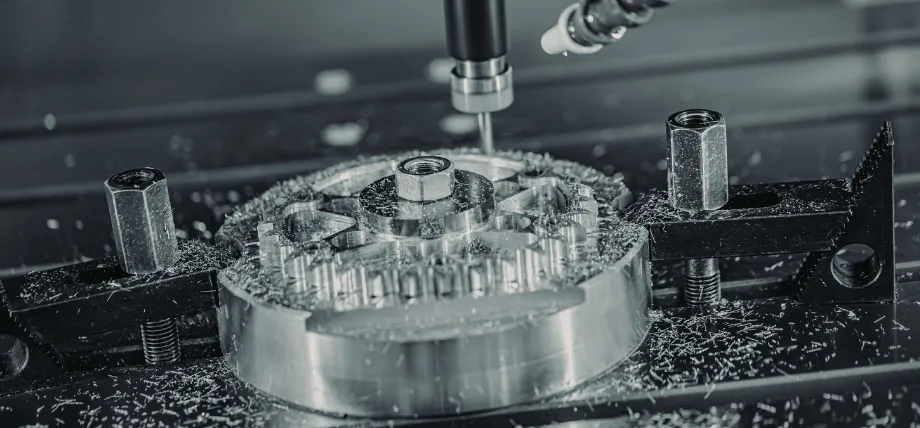
CNC machining uses computer-controlled cutting tools and removes material from solid blocks to create prototype parts accurately, unlike molding processes that require tooling cavities.CNC turning is ideal to create low-volume prototype parts from metals, plastics and composite materials. You can produce prototype parts while maintaining the tight tolerance and rapid turnaround time using CNC machining services. This method can be used to manufacture mold inserts and metal stamping tooling components for soft tooling applications.
Urethane Casting (Cast Mold)
You are able to use urethane casting, which is also referred to as cast mold, to produce polyurethane parts that represent the appearance and texture of injection-molded plastics. Silicone rubber molds are used to create casting tooling. This is a cost-effective option for the production of low-volume prototypes ranging from 25 to 50 parts within a short lead time while supporting a wide range of Shore hardness values. But this is not suitable for the production of parts involving high mechanical stress or elevated temperatures.
Vacuum Forming
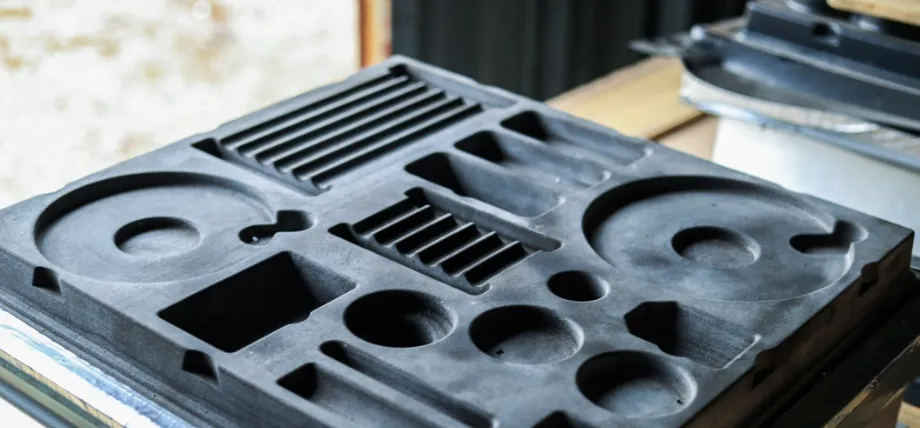
Vacuum forming tooling is manufactured from materials such as aluminum, wood or high-density foam. This type of tooling creates parts such as trays, covers and enclosures from a heated thermoplastic sheet over a single-sided mold using vacuum pressure. This allows them to be suitable for early-stage concept development and prototyping at a lower cost.
Compression Molding
This process involvesis involved with two steps, which are,
- Placing a pre-measured amount of material, such as silicone rubber or a thermosetting compound, into a mold cavity.
- Closing the opened mold cavity under heat and pressure to form the intended part.
This method is used for the production of silicone parts, gaskets, seals and for composite tooling applications. Compression molding is useful for the production of parts at a low tooling cost using a wide range of materials. Therefore, you can apply this method to produce flexible and elastomer-based prototypes.
SLA and SLS (Additive Manufacturing)
Additive manufacturing includes SLA (stereolithography) and SLS (selective laser sintering), which create parts from CAD models directly without the requirement of tooling. SLA cures liquid photopolymer resin with ultraviolet light to form prototype parts. SLS produces parts by fusing layers of nylon powder using a laser. Both methods are useful to produce parts during early product development to evaluate their design, dimensions, functionality and the fit. But, both processes fail to reproduce the material behaviour, mechanical performance and surface finish, unlike injection molded thermoplastics.
How Rapid Prototype Tooling Improves the Early Product Development Cycle?
Rapid prototype tooling shortens development timelines, and this in turn reduces the costs of optimizing and iterating designs. This gives product developers and designers an edge in the early stages of product development.
Faster Time to Market
You are able to shorten the time between finalizing a design and obtaining physical parts for evaluation and further testing significantly using rapid prototype tooling. Aluminum tooling is an example of rapid prototype tooling, which produces parts within 01 to 03 weeks. Therefore, the design revisions and validation cycles have become faster due to the reduced lead time.
Avoid Costly Mistakes
Prototype tooling helps you to reduce cost and project delaying by identifying issues of a design flaw before the beginning of the production process. Aluminum mold is an example of a type of prototype tooling. It reduces the cost for the modification of a hardened steel production tool during the production process, as its tooling can be remachined or replaced at a lower cost.
Efficient and Flexible Process
You can redesign parts with the help of prototype tooling during the development process without replacing the entire tool. This efficient and flexible process of prototype tooling supports the product development process by allowing part modifications such as geometry, wall thickness and functional features.
Facilitate Functional Testing
The main purpose of prototype tooling is to produce parts to test and evaluate their design, functionality and geometry before the beginning of the full-scale production process. Therefore, the testing process can be categorized into the following stages.
- Fit testing ensures the assembly of parts is correct, dimensional tolerances are maintained, and interfaces are aligned properly within the overall assembly.
- Form testing verifies that the part meets the intended design, dimensions, surface finish and parting line quality.
- Functional testing confirms the performance of the part under actual operating conditions. Prototype parts are exposed to mechanical stress, thermal cycling, chemical environments and other necessary conditions.
- Material validation is required to confirm that the selected resin, metal and alloy perform as expected when processed using manufacturing conditions applied to the production process.
- Manufacturability assessment is required to identify the production-related defects such as sink marks, warpage, knit lines or short shots. These defects require tooling or process adjustments before designing the production tooling.
Choosing the Right Prototype Tooling for Your Project
The right type of prototype tooling depends on production volume, material requirements, dimensional tolerance, cost and the lead time. These factors combine to help you decide whether you should use soft, bridge, or hard tooling.
| Project stage | Recommended tooling | Material | Volume | Key Priority |
| Concept/Form Check | SLA/SLS or Urethane casting | Photopolymer or Silicone mold | 1 to 20 parts | Speed and low cost |
| Design validation | Soft tooling/ Aluminum injection mold | Aluminum 6061/075 | 100 to 2000 parts | Production-representative material |
| Functional testing | Prototype injection mold tooling | Aluminum or P20 steel | 100 to 2000 parts | Accurate material and process behaviour |
| Bridge/Pre-production | Bridge tooling | P20 steel or composite tooling | 500 to 50,000 parts | Quality at a manageable cost |
| Low-volume production | Hard tooling or bridge tooling | Hardened steel | 10,000 to 100,000 parts | Repeatability and durability |
Prototype Tooling vs. Production Tooling: Key Differences
| Factor | Prototype Tooling | Production Tooling |
|---|---|---|
| Lead Time | 1 to 6 weeks | 8 to 20 weeks |
| Cost | $1500 to $30,000 | $20000 to $300,000+ |
| Material Choices | Aluminum, silicone, P20, composites | Hardened steel (H13, S7, P20HH) |
| Durability | Up to 10,000 to 50,000 cycles | 500,000 to 1,000,000+ cycles |
| Volume Capacity | Low to medium | High volume |
Advantages of Rapid Prototype Tooling
Rapid prototype tooling provides many manufacturing and business advantages.
- You can validate designs without a large capital cost due to the reduced tooling cost.
- Product launching can be accelerated, and competitiveness can be improved due to faster turnaround times.
- Physical prototypes can be evaluated early in the development stage, connecting engineering, manufacturing and marketing teams together for quality decision making.
- You can identify tooling issues and design flaws before the beginning of mass production, improving the quality control of the production process.
- You can reduce the cost for redesigning the production tooling by confirming the final product design, variations and characteristics using rapid tooling for customization and low-volume manufacturing strategies.
Industries That Benefit Most from Rapid Prototype Tooling
There are several industries that use rapid prototype tooling for design verification, functional validation and cost control. These industries are,
- Medical devices or orthodontics: Prototype injection mold tooling and vacuum forming methods are used to create enclosures, clear aligner trays and surgical instrument grips.
- Consumer electronics: You can use aluminum tooling and urethane casting for housing components, connectors and buttons production process
- Automotive: Soft tooling, bridge tooling and composite tooling are applicable for the production of interior trim, brackets, and body panel concepts.
- Aerospace industry: Composite tooling and CNC machining are applicable tooling methods in the industry for the production of structural brackets, panels and ducting.
- Industrial equipment: You can apply metal stamping tooling for the production of sheet metal enclosures, brackets and stampings.
Rapid Tooling Service
Choosing a manufacturing partner for rapid tooling requires high precision, speed and deep material expertise. At PROLEANMFG, we go beyond cutting molds by optimizing the entire production path.
We provide:
- Material versatility with standard and custom alloy formulations
- Instant DFM Feedback
- Post machining processes
- Host of surface finishes
- Flexible manufacturing quantities.
Request a free quote today!
Conclusion
You can create, test, and validate a physical part of an engineering concept using prototype tooling before committing to the full-scale production process. Choosing the most appropriate tooling depends on a range of variables such as your industry, material, cost, design and the turnaround time, etc.