
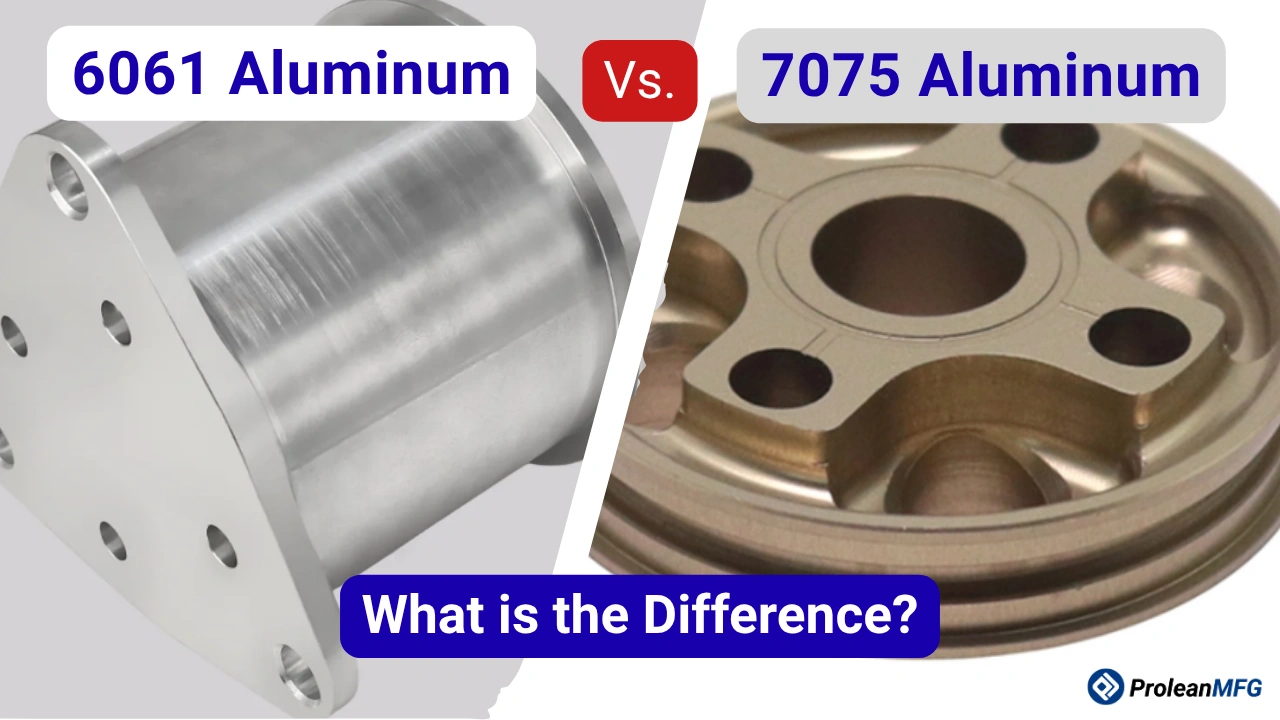

The 6061 aluminum vs 7075 aluminum comparison is centered on the higher strength and fatigue resistance of 7075, and better corrosion resistance, easier fabrication, and lower cost for 6061 aluminum.
The two metals are commonly used in the Al-Mg-Si series and the Al-Zn-Mg-Cu series, respectively. 6061 aluminum is selected for its corrosion resistance, medium strength, and relative affordability.
Engineers recommend 7075 aluminum when a project requires higher tensile strength and fatigue resistance, albeit at a higher cost. Stress corrosion cracking is also a major limitation related to this aluminum alloy.
The two alloys may be widely available and heat-treatable, but careful selection among them is still critical to avoid unnecessary costs and premature part failure. This calls for an expert balance of mechanical capability, corrosion resistance, machinability, weldability, anodizing behavior, and budget.
Next up is a comprehensive side-by-side comparison of 6061 aluminum vs 7075 aluminum. It highlights the elements already mentioned to help you choose the best aluminum alloy for your next CNC machining project.
What is 6061 Aluminum?
6061 aluminum is a popular aluminum alloy within the 6XXX series. Its main alloying elements are magnesium, iron, and silicon. The alloy combines ductility and strength.
The material also has superb corrosion resistance, which can be enhanced by anodizing if required. As for enhanced mechanical properties, engineers typically use heat treatment. This gives rise to tempers such as T4 and T6.
These properties make 6061 aluminum common in automotive, architectural, and plumbing applications. It’s also a frequent choice for marine fixtures and bike frames, where corrosion resistance matters as much as strength.
6061 aluminum is the most widely used in the 6xxx series. Its applications even extend to certain versions of the iPhone, where 6xxx series aluminum extrusions have been used. [1]
If your part’s requirements match 6061 aluminum properties, upload your design, and we will initiate production.
7075 aluminum still on the cards? The highlights below on cost, fabrication, and strength will help you decide. Alternatively, you can contact the engineering team for a direct recommendation on machining aluminum based on your specific application.
What is 7075 Aluminum?
7075 aluminum is a 7XXX series aluminum alloy. Among the main aluminium alloy 7075 properties are high strength and excellent fatigue resistance. Like 6061 aluminum, 7075 aluminum is heat treatable. This process produces tempers such as T6, T651, T73, and T76.
7075 aluminum’s higher strength means it requires more aluminum machining power than softer alloys like 6061. With the right tooling, it still holds tight tolerances for demanding applications.
Some of the common applications of 7075 aluminum parts are gears, shafts, aircraft parts, and fuse parts.
6061 Aluminum vs 7075 Aluminum: What is the Difference?
The main differences between 6061 aluminum and 7075 aluminum are in strength, fabrication ease, and cost. Generally, the areas to consider for your aluminum machined parts are mechanical properties, chemical properties, fabrication, surface finishing, cost, and applications.
These elements are discussed in more detail below.
Chemical Composition
Every other distinction between 6061 aluminum vs 7075 aluminum is based on the fact that 6061 is a magnesium-silicon alloy and 7075 is a zinc-based alloy. The main alloying elements for 6061 aluminum are magnesium and silicon. 7075 aluminum is mainly composed of zinc, magnesium, and copper.
The elements behind 6061 aluminum and aluminium alloy 7075 properties are as shown in the table below.
| Composition | 6061 Aluminum | 7075 Aluminum |
| Silicon | 0.40–0.8 | 0.40 |
| Iron | 0.7 | 0.50 |
| Copper | 0.15–0.40 | 1.2–2.0 |
| Manganese | 0.15 | 0.30 |
| Magnesium | 0.8–1.2 | 2.1–2.9 |
| Chromium | 0.04–0.35 | 0.18–0.28 |
| Zinc | 0.25 | 5.1–6.1 |
| Titanium | 0.15 | 0.20 |
| Vanadium | 0.05 | 0.05 |
| Other elements | 0.15 | 0.15 |
| Aluminum | Remainder | Remainder |
[2]
If your file already specifies the alloy, the next crucial consideration is mechanical properties.
Mechanical Properties
While 6061 is more workable, 7075 is unbeatable on raw strength. The gap is mostly noticeable for 6061 t6 aluminum vs 7075. These are the most commonly cited tempers. The tensile strength of 7075 aluminum is almost double that of 6061-T6.
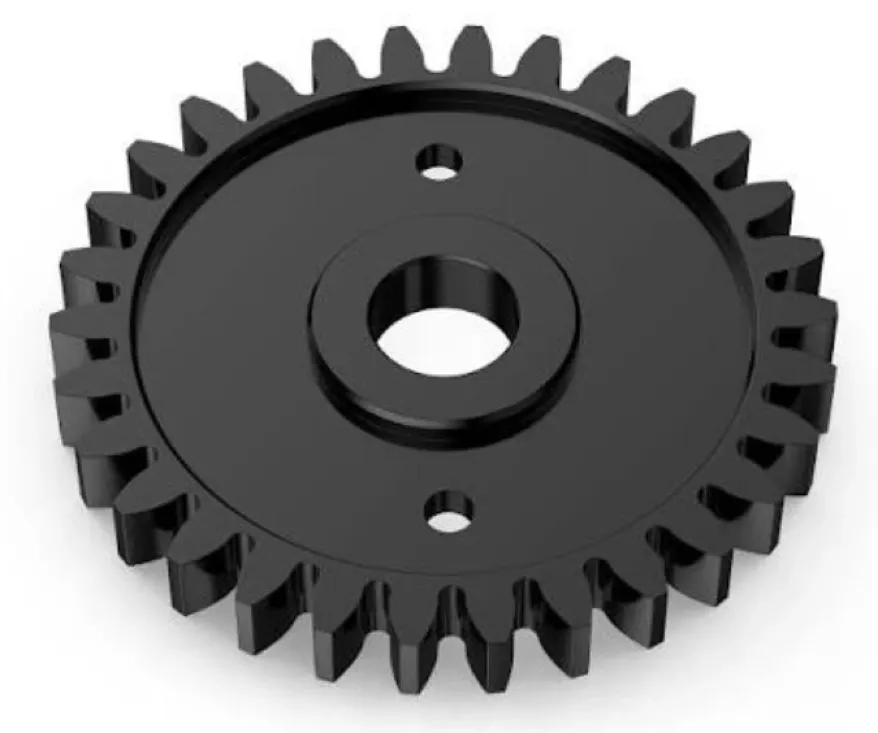
7075 is usually specified for load-bearing components with cyclic stress, for instance, gears and structural fittings.
Corrosion Resistance
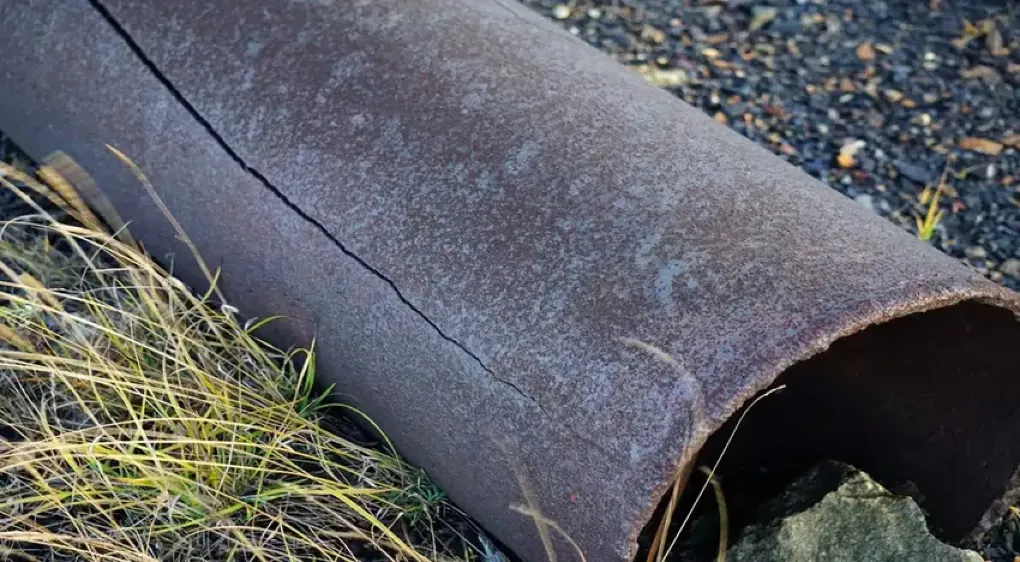
6061 aluminum does not require extra protection to perform optimally in marine and atmospheric exposure. However, pitting and stress corrosion cracking may affect 7075 aluminum due to its elevated zinc/copper content.
If you are using 7075 aluminum for aerospace, the parts will require a reliable coating as a standard. If you want to avoid the coating investment, use 6061 aluminum for lower-strength applications.
Fabrication (Machinability)
Being soft and ductile, 6061 aluminum cuts easily, which is a reason why it’s considered the most common aluminum alloy for machining. However, machinists have to grapple with gumming at higher feed rates. Although 7075 is stronger, many manufacturers consider it easier to machine; it produces shorter and cleaner chips.
The point is, 6061 aluminum is not necessarily easier to machine due to its softer nature.
Welding
Hot cracking is a problem with 7075 aluminum during welding due to the zinc content.
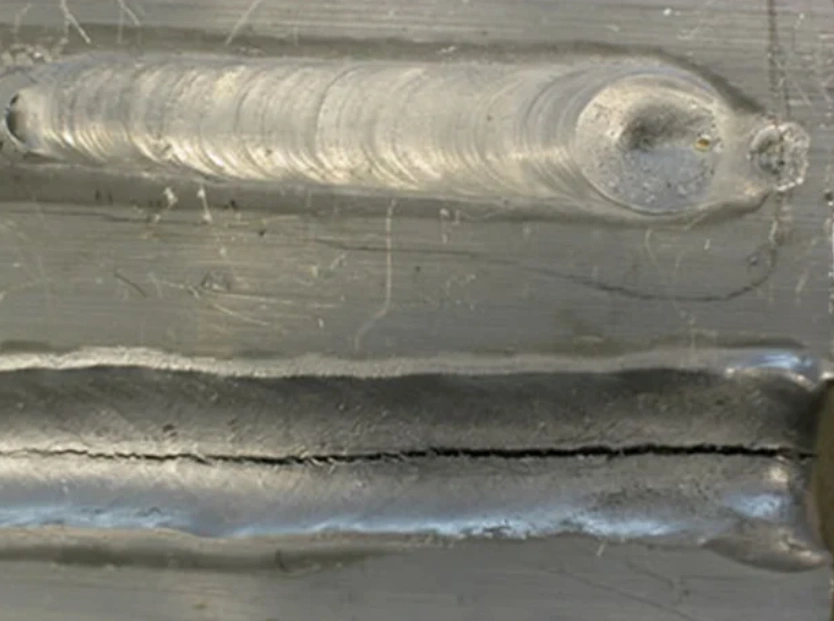
On the contrary, 6061 aluminum is easy to weld using MIG and TIG technologies. So, if your metal fabrication project requires welded joints, 6061 is the more realistic aluminum alloy of the two.
Surface Finishing (Anodizing)
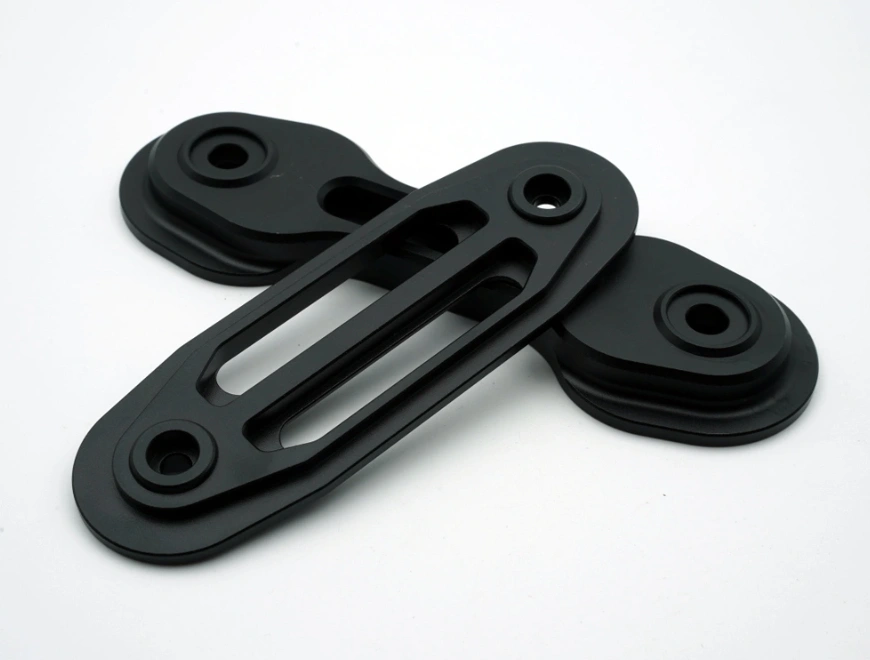
The copper content in 7075 aluminum hinders the anodizing process. Expect a dull, inconsistent anodized finish for this alloy. 6061 aluminum anodizes more consistently and cleanly.
Cost
6061 aluminum beats 7075 aluminum on cost when you consider processing and raw material. Machining 6061 causes less tool wear, and the material does not require the extra surface finishing for 7075 aluminum.
Applications
Many users consider 6061 aluminum more of a general-purpose alloy. Unlike 7075 aluminum, which is usually specified for high-strength components, 6061 can be used for cosmetic and common structural applications.
Common 6061 aluminum applications: general fixtures, marine fixtures, brackets, bike parts
Common 7075 aluminum applications – Gears, high-stress fasteners, aircraft parts
Comparison Table for 6061 Aluminum vs 7075 Aluminum
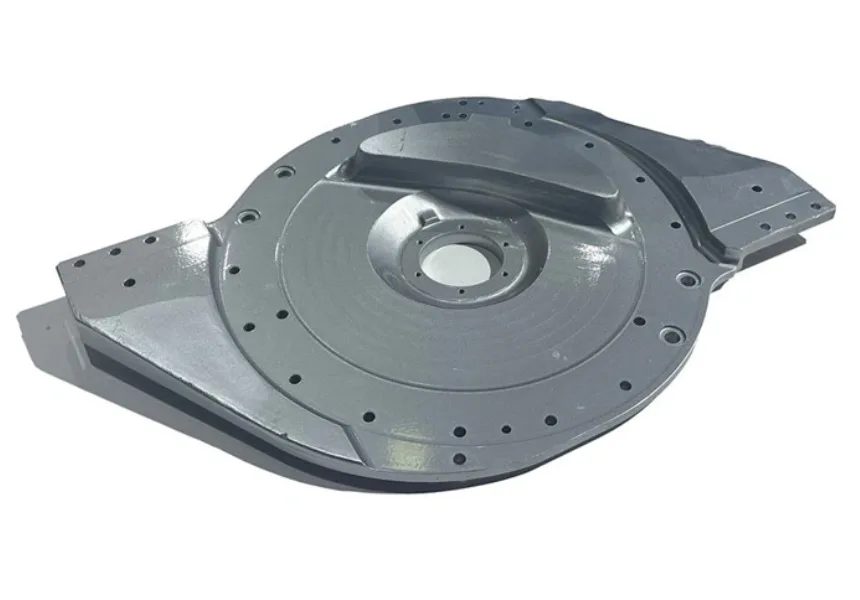
As the following table summarizes, 6061 t6 aluminum vs 7075 differ in corrosion resistance, tensile strength, cost, and other areas.
| Element | Aluminium alloy 6061 properties | Aluminium alloy 7075 properties |
| Tensile strength (UTS) | Lower (310 MPa) | Higher (572 MPa) |
| Fatigue resistance | Good | Excellent |
| Corrosion resistance | Excellent | Average |
| hardness | Lower (95 HB) | Higher (150 HB) |
| Weldability | Excellent | Poor |
| Machinability | Very good | Excellent |
| Relative cost | Lower | Higher |
| Common applications | Bike frames, marine hardware, general fixtures | High-stress fasteners, aircraft parts, gears |
6061 Aluminum vs 7075 Aluminum: When To Choose Either of Them
7075 aluminum is the better option for strength, load-bearing capability, and fatigue resistance, while 6061 aluminum wins where higher corrosion resistance, lower project cost, and easier fabrication are the focus.
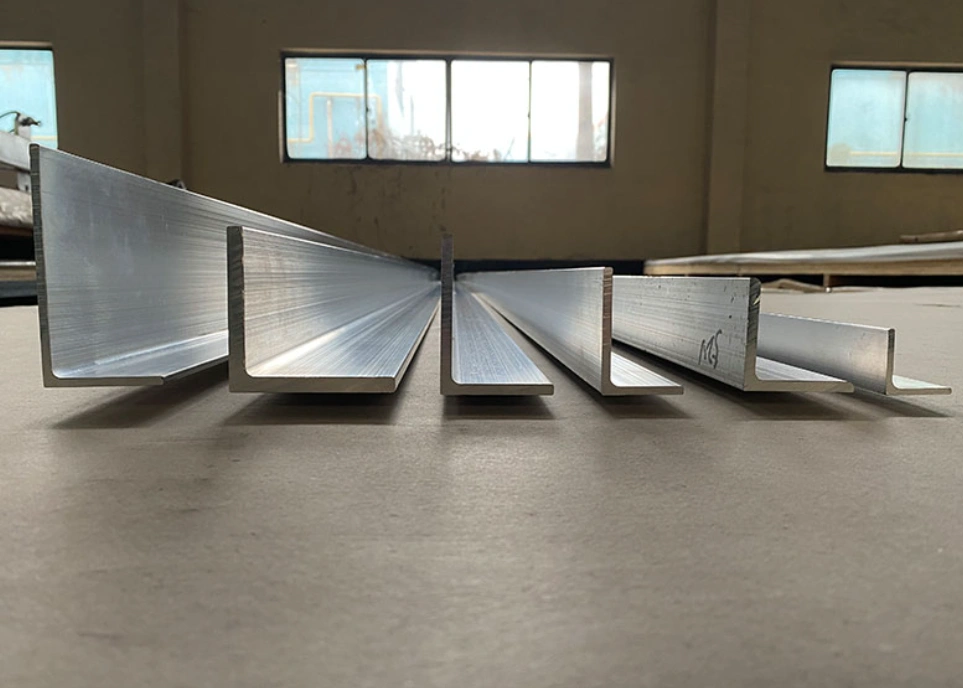
With the core trade-offs in corrosion resistance, strength, and cost presented, the choice between aluminium alloy 6061 properties and aluminium alloy 7075 properties narrows down to the most important factor for your specific part.
Conclusion
The discussion above reiterates that 6061 aluminum presents a balance of cost, strength, machinability, and corrosion resistance. 7075 aluminum is the option for applications requiring higher strength with room for higher costs. For most general structural components, 6061 aluminum is cost-effective.
With this information about 6061 aluminum vs 7075 aluminum, we hope you are set for your aluminum machining projects.
Whether your focus is on 6061’s corrosion resistance, 7075’s superior strength, or just keeping the project costs in check, you can share the part file to set the project rolling.
If you still need consultations on these and other alloys, you can always engage our aluminum machining services experts for advice and recommendations within 24 hours regarding your material choice.
Resources