Titanium CNC turning
For sleeves, shafts, spacers and threaded fittings. Review concentric features, bore-to-diameter relationships and the surfaces that control sealing or assembly.
DRAWING FOCUSCritical diameters, runout, threads and engagement.

TITANIUM / CUSTOM PART MANUFACTURING
Request custom titanium parts with turning, milling and material review built around your drawing. Share the grade, critical features and quantity to define the machining route and inspection scope.
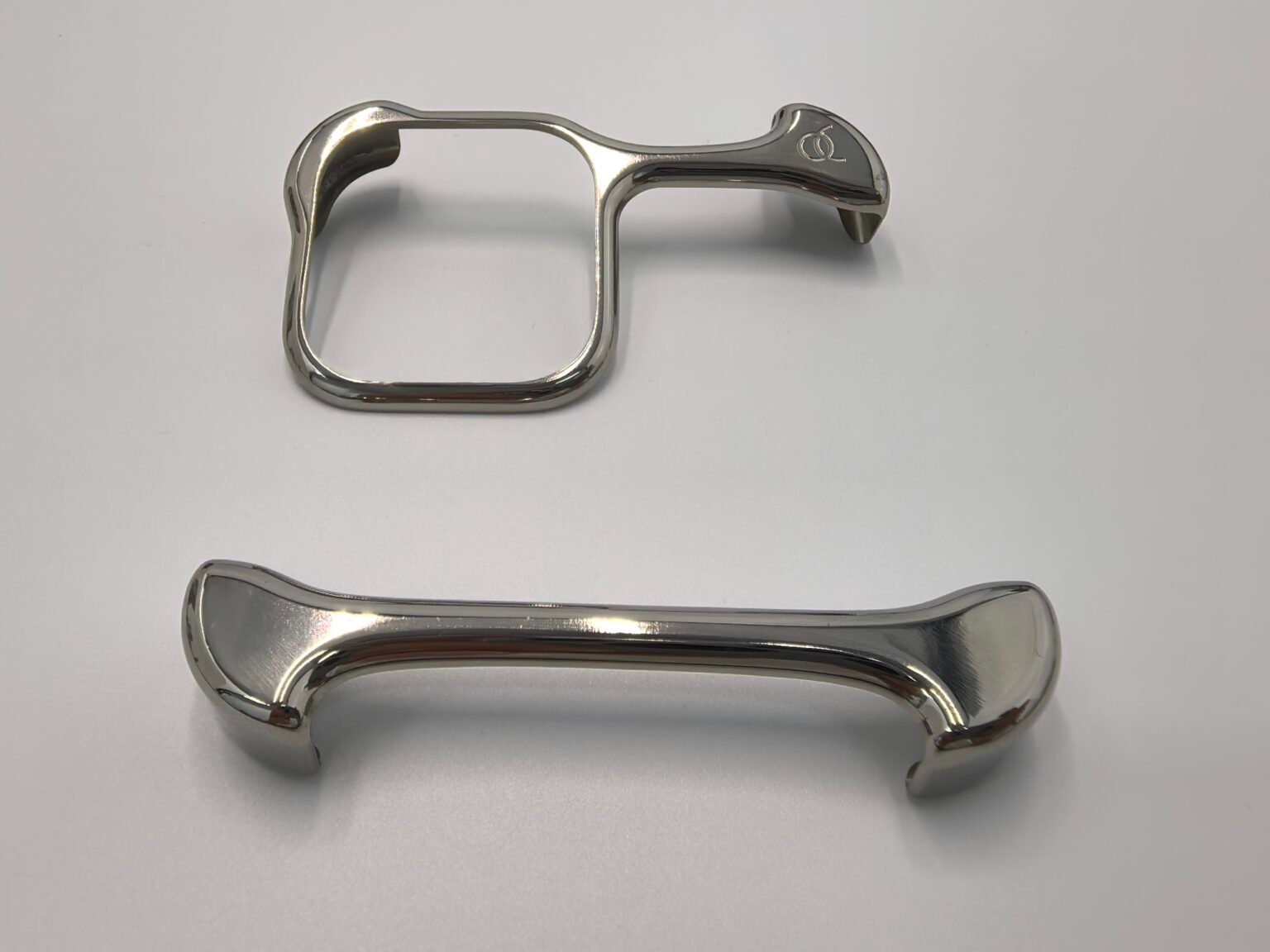
Choose the process around the functional surfaces, tool access and relationships between features. The complete drawing determines the final route.
For sleeves, shafts, spacers and threaded fittings. Review concentric features, bore-to-diameter relationships and the surfaces that control sealing or assembly.
DRAWING FOCUSCritical diameters, runout, threads and engagement.
For brackets, housings, pockets and mounting interfaces. Connect the datum scheme to workholding, stock removal and the final position of critical features.
DRAWING FOCUSThin walls, pocket depth, internal radii and hole position.
For intersecting features, angled access and multiple machined faces. Assess whether indexed setups or a 5-axis route can simplify access and datum transfer.
DRAWING FOCUSTool reach, setup access and relationships across faces.
Grade 5 is a common starting point for alloy parts. Your specified grade, material condition and stock form guide the sourcing and machining review.
Material availability and any proposed alternatives are confirmed in the quotation.
TITANIUM ALLOY
Ti-6Al-4V
A widely used alloy for components that need a balance of strength, weight and fatigue performance.
EXTRA-LOW-INTERSTITIAL ALLOY
Ti-6Al-4V ELI
The extra-low-interstitial variant of Ti-6Al-4V. Use it when the drawing calls for its specific chemistry and fracture-performance requirements.
COMMERCIALLY PURE TITANIUM
CP titanium
A commercially pure titanium option for corrosion-focused applications. It is a different material choice from a titanium alloy such as Grade 5.
ENGINEERING APPROACH
The machining review connects your requirement to a proposed process and an acceptance check. Mark the features that control fit, motion or sealing.
Proposed approachReview support and the roughing-to-finishing sequence around part stiffness.
Acceptance checkDefine critical geometry and whether it is measured free of clamping or in an agreed fixture.
Proposed approachReview cutter engagement, coolant access and tool condition around the surfaces that matter.
Acceptance checkIdentify the critical dimensions, surface roughness and edge conditions to inspect.
Proposed approachAssess reach, chip removal and coolant delivery. Compare the threading route with size, depth and access.
Acceptance checkSpecify bore geometry, thread standard and class, functional engagement and exit-burr requirements.
Proposed approachPlan workholding and datum transfers around the relationships between mounting and locating features.
Acceptance checkUse the drawing's datum scheme and agree how feature position and orientation will be checked.
Titanium machining cost depends on more than the raw material. Tool access, stock removal, setup count and inspection requirements all belong in the review.
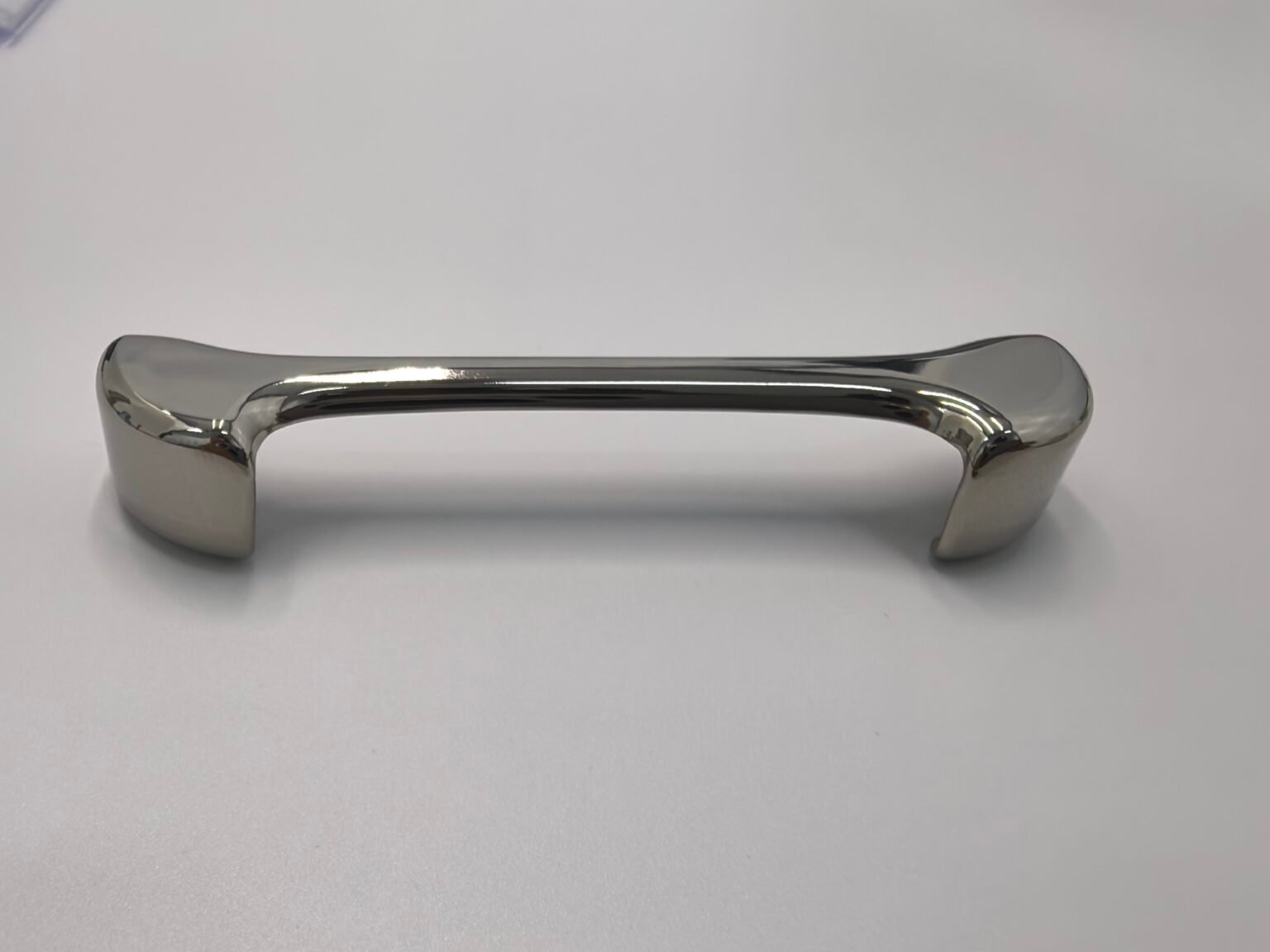
Mark internal corners that are functional. Where the design allows, review larger radii, shorter reach and better access to deep pockets.
Separate critical fits and geometric controls from general dimensions. Tight requirements should support a defined function and inspection method.
Consider stock form, material removal and the number of orientations. Discuss permitted design changes before locking the machining route.
Share prototype and repeat quantities, finishing needs and documentation requirements. They affect the work included in the quotation.
Design changes and material substitutions require your approval. Cost and delivery are confirmed against the complete drawing.
A useful titanium machining quote connects the material, geometry and inspection scope in one review.
Share the CAD model and drawing revision, exact titanium grade, quantity and requested date.
Review critical features, material availability, machining feasibility and any proposed changes.
Confirm the manufacturing scope, price, delivery, inspection records and any first-off approval.
Use the approved drawing and acceptance requirements to define production and final inspection.
A few details help turn a titanium part enquiry into a useful quotation.
Send the CAD model, a 2D drawing with its revision, the titanium grade and material specification, quantity and requested delivery date. Identify critical fits, threads, functional surfaces and any required inspection or material documents.
Yes. Include the first quantity and the expected repeat quantities in your enquiry. This lets the review consider the initial setup, any first-off approval and the scope of later orders. Feasibility and timing are confirmed in the quotation.
Grade 5 is Ti-6Al-4V. Grade 23 is its extra-low-interstitial variant, Ti-6Al-4V ELI, with different chemistry requirements. Grade 2 is commercially pure titanium. Specify the required material and condition; these grades are not automatic substitutes.
Turning is a starting point for rotational features such as shafts, sleeves and concentric diameters. Milling suits pockets, mounting faces and non-rotational geometry. Some parts need both. The drawing, tool access and feature relationships determine the proposed route.
Send the required dimensions, geometric controls and surface finish on the drawing. Feasibility depends on the grade, part size, stiffness, access and inspection condition. The quotation confirms the accepted requirements for your part.
Identify the exact records you need when requesting a quote, including the required material specification, heat or lot traceability and dimensional inspection scope. Availability and the documents included are agreed before the order.
The material specification and stock form, quantity, volume of material removed, tool reach, number of setups, critical tolerances and inspection requirements all affect the quotation. Permitted design changes can be reviewed against these cost drivers.
YOUR NEXT TITANIUM PART
Send the part. Highlight what matters.
Request a titanium machining quote built around your requirements.
Material availability, feasibility, inspection scope and delivery are confirmed in the quotation.
INCLUDE IN YOUR ENQUIRY