Cut and bend
A practical starting point for simple angle, U-channel and offset brackets, especially while the design changes. Review bend clearance, corner relief and where holes sit relative to the bend.

Sheet metal fabrication / made to drawing
Source bent and cut mounting brackets for your assembly. Share the finished geometry, mating features and order quantities so we can review the fabrication route, finish and inspection requirements together.
Review the mating geometry, fastener access and finished dimensions before committing to a fabrication route.
STEP / STP · PDF
Need an NDA before sharing? ↗
 01 / THE COMPONENT
01 / Project fit
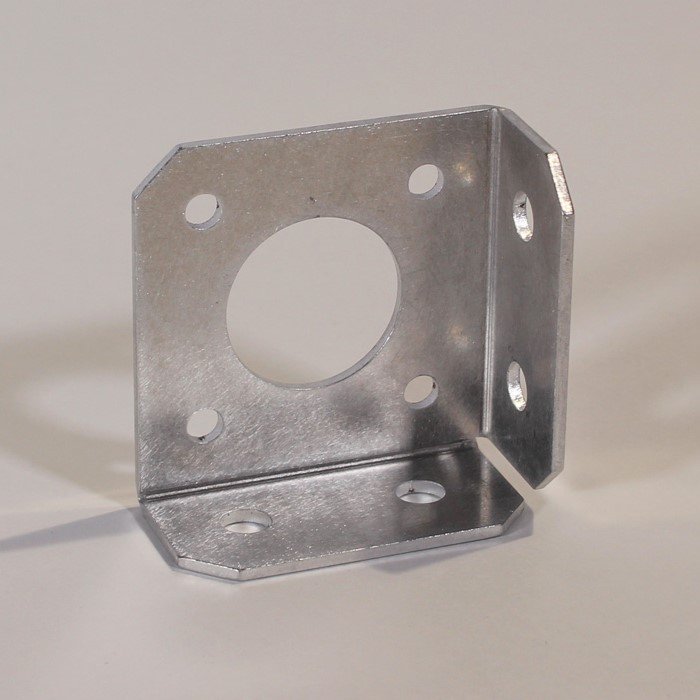
Brackets locate, support or attach other parts. Their cost and fit depend on more than the flat outline. The locating face, formed angle, hole pattern and hardware access determine what has to be controlled in the finished part.
02 / Capabilities
Define how the bracket mounts, where it locates and which surfaces carry load. The finished shape and mating interfaces guide the cutting, forming and hardware sequence.
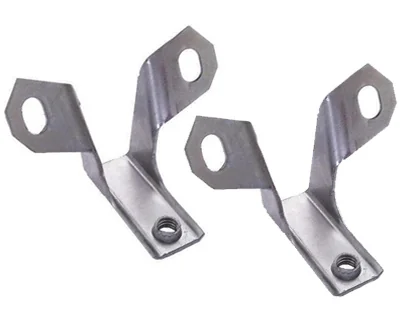
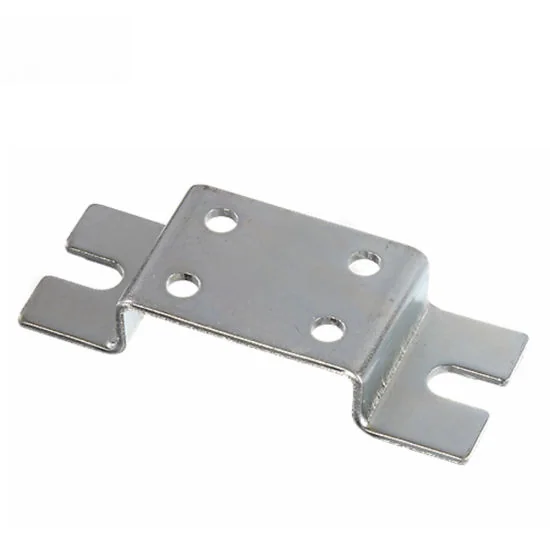
A practical starting point for simple angle, U-channel and offset brackets, especially while the design changes. Review bend clearance, corner relief and where holes sit relative to the bend.
Consider for repeated mounting patterns or slots when available tools match the geometry. Review feature position after bending and specify the acceptable burr side.
Compare dedicated stamping for a stable repeat design. Where a single blank cannot provide the geometry, review separate parts, gussets, joining access and inspection of the assembled bracket.
03 / Specifications
Usable dimensions, tolerances and tooling are confirmed against the part geometry, material and finished condition.
04 / Materials
These material families are starting points for drawing review. Confirm the exact grade and stock condition for the job.
Specify grade and temper. Check forming suitability around tight radii and choose an appropriate finish if appearance or corrosion exposure matters.
Specify grade, surface condition and corrosion requirements. A finish review can cover coating, plating and masking at threaded or grounding interfaces.
Specify grade and surface appearance. For brushed parts, mark grain direction and cosmetic faces. Review forming and any required passivation against the drawing.
05 / Finishing and secondary operations
List downstream operations and the features they affect so they can be included in the quotation.
Identify the exact insert, stud or nut and its installation face. Review hole preparation, flange clearance, wrench access and protection of threads through finishing.
Choose a coating based on appearance and service conditions. Mark areas that must stay electrically conductive, free of coating or within a post-finish clearance.
Where the design calls for welding, rivets or gussets, show the joint and adjacent interfaces. Confirm which operations are included in the quote and which dimensions apply after joining.
06 / Quality and inspection
ProleanMFG's SGS-certified ISO 9001:2015 quality management scope is production of hardware accessories. Part-level checks are agreed against the order and drawing.
Use functional datums for the mounting face and critical hole pattern. Agree whether the drawing requires individual dimensions, a fixture check or a mating sample.
Define the critical flange angle and offset after forming. Where the assembly is sensitive to springback or twist, mark the measurement location and any restraint conditions.
Call out the features to inspect after coating or plating. Agree on sampling, cosmetic criteria and any dimensional or material records in the RFQ.
07 / Design guide
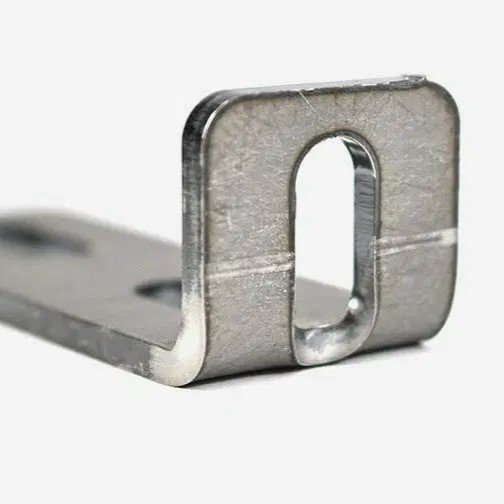
Show the required finished hole shape and position. Where a hole sits close to a bend, review whether the geometry can move, whether relief is appropriate, or whether a secondary operation is needed.
Check installation and service access with the bracket in the assembly. A short flange can constrain tools or insert placement even when the hole fits the flat pattern.
Supply the formed model and mark which drawing governs. Identify any supplied DXF as controlled or reference so bend allowance and revision changes are handled explicitly.
08 / From inquiry to delivery
The quotation defines the supplied condition, operations, inspection requirements and expected schedule.
Share the model and current drawing revision, material, thickness, finish, first order and expected repeat quantities.
Review process choice, critical geometry, tooling or hardware, finish and inspection records. Agree how any exceptions will be documented.
Confirm the drawing revision and order scope before production. Agree what to inspect and how to protect finished parts for delivery.
09 / FAQ
Yes. Send the formed model and drawing where available, plus quantity, material and finish. A sketch or mating-part model can support an initial discussion, with final requirements agreed before quoting.
The choice depends on the profile, repeated features, tooling and expected demand. Cutting and bending are options for changing designs. Repeated holes may suit punching, while a stable geometry and repeat demand may justify dedicated stamping tooling.
Include the hardware specification, installation direction and finish callout. The quote can define which operations are included, the order of operations and any masking or fit checks.
Identify the actual locating faces and critical interfaces on the drawing. Agree how to check hole location, angle, fit and finished dimensions, including whether a sample or mating reference is needed.
Material utilization, bend count, hardware, joining, finish, inspection and order quantity can all affect the quote. Share both the first order and expected repeat quantities so setup and recurring work can be considered separately.
Share the expected repeat demand and whether the design is released. Review tooling, revision control and the inspection plan before changing the production route.
From drawing to part
Include material, quantity, critical features and finish. We can review the process and quote scope against your requirements.