
Acrylic (PMMA) Machining Service
Request an Acrylic Machining Quote
3 to 7 Days
Typical Lead Time
±0.10 mm
Standard Tolerance
0.8 mm
Minimal Wall Thickness*
Prototype to Production
Supported Volumes
Why Choose Us
3 to 7 Day Lead Times
Fast scheduling for prototype parts and repeat production orders.
Complex Part Capability
Pockets, slots, threads, engraving, deep contours, and turned features.
Reviewed Tolerance Capability
Standard tolerance is ±0.10 mm. Tolerances down to ±0.01 mm may be achievable on selected dimensions after engineering review.
Multiple Finish Options
As-machined, sanding, polishing, vapor polishing, blasting, and engraving.
ISO 9001 Quality System
Production and dimensional inspection are managed under an ISO 9001 quality management system.
Free DFM Review
Engineering feedback on wall thickness, tool access, tolerances, and machining cost.
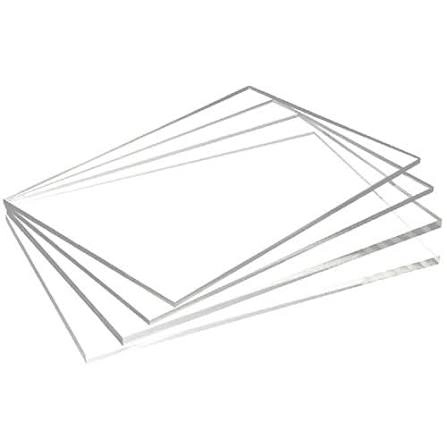
What Is Acrylic (PMMA)?
- Excellent Optical Clarity
- Good Weather Resistance
- Easy to Machine
Typical Acrylic Properties
| Property | Typical Value | Test Standard |
|---|---|---|
| Tensile Strength | 8,038 psi | ASTM D638 |
| Elongation at Break | 2.7% | ASTM D638 |
| Tensile Modulus | 350,000 to 500,000 psi | ASTM D638 |
| Flexural Strength | 12,000 psi | ASTM D790 |
| Rockwell Hardness | M80 to M100 | ASTM D785 |
Benefits of Acrylic CNC Machining
Glass-like Transparency
Suitable for viewing windows, covers, and optical components.
Lightweight Construction
Reduces component weight compared with glass.
Dimensional Accuracy
Supports controlled mating features and assembly interfaces.
Smooth Surfaces
Machined faces and edges can be polished where required.
Complex Geometry
Pockets, contours, holes, threads, and engraved details.
Outdoor Durability
Good UV and weather resistance for exposed applications.
Low Moisture Absorption
Supports stable dimensions in typical service environments.
Electrical Insulation
Useful for covers, guards, and electrical equipment parts.
PMMA CNC Machining at Prolean MFG
| Capability | Details |
|---|---|
| Available Grades | Clear, white, black, colored, cast, extruded, impact-modified, and UV-resistant acrylic |
| Minimum Wall Thickness | 0.8 mm typical; thinner sections require geometry review |
| Standard Tolerance | ±0.10 mm. Tolerances down to ±0.01 mm may be achievable on selected dimensions after engineering review. |
| Surface Finish Options | As-machined, fine sanding, mechanical polishing, vapor polishing, bead blasting, and engraving |
| Production Volume | Prototypes, low-volume batches, and high-volume production |
| Common Applications | Displays, machine guards, instrument covers, lighting parts, medical equipment, and custom plastic components |
Acrylic Grades Available for CNC Machining
| Grade | Strength | Clarity | Machining | Typical Use | Price |
|---|---|---|---|---|---|
| Cast Acrylic | High | Excellent | Excellent | Precision parts and optical components | $$ |
| Extruded Acrylic | Medium | Excellent | Very Good | General-purpose components | $ |
| Impact-Modified Acrylic | Very High | Good | Good | Protective covers and industrial parts | $$$ |
| UV-Resistant Acrylic | High | Excellent | Very Good | Outdoor components | $$$ |
| Colored Acrylic | High | Opaque / Translucent | Excellent | Display and decorative parts | $$ |
Acrylic CNC Machining Design Guidelines
Minimum Wall Thickness
A minimum wall of 0.5 mm is recommended for many acrylic parts. Thin, unsupported sections may chip or deflect and should be reviewed before machining.
Minimum Feature Size
- Minimum end mill size: 0.8 mm (0.03 in)
- Minimum drill size: 0.5 mm (0.02 in)
- Smaller features may require special tooling
Maximum Part Size
- CNC milling: up to 1200 × 500 × 152 mm
- CNC turning: up to Ø152 × 394 mm
- Larger parts can be reviewed individually
Undercut Features
Square, full-radius, and dovetail undercuts can be machined where cutter access and surrounding wall strength permit.
Hole Depth
As a general rule, drilled depth should not exceed 12 times the drill diameter to support chip removal, tool stability, and hole quality.
Deep Internal Features
End-mill depth should generally remain within 10 times the cutter diameter. Larger internal radii reduce tool reach and machining time.
Design Choices That Help Control Cost
- Use standard hole and tool sizes where possible.
- Avoid deep pockets with small internal corner radii.
- Apply tight tolerances only to functional dimensions.
- Reduce unnecessary setups and inspection callouts.
Surface Finishes for CNC-Machined Acrylic Parts
| Finish | Applicable To | Appearance / Effect |
|---|---|---|
| As-Machined | All acrylic grades | Accurate dimensions with fine tool marks |
| Fine Sanding | All acrylic grades | Smooth matte surface; typically removes 0.02 to 0.05 mm |
| Mechanical Polishing | Cast and extruded acrylic | High-gloss edges and improved surface clarity |
| Vapor Polishing | Primarily cast acrylic | Crystal-clear machined edges |
| Bead Blasting | Opaque and colored acrylic | Uniform, non-reflective matte texture |
| Laser Engraving | All acrylic grades | Permanent frosted text, logos, and markings |
| CNC Engraving | All acrylic grades | Sharp recessed details |
| Protective Film | All acrylic grades | Protects surfaces during shipping and assembly |
Finish Selection Notes
Not every finish suits every grade or critical dimension.
- Vapor polishing is generally better suited to cast acrylic.
- Mechanical polishing works with cast and extruded acrylic.
- Finish allowances should be identified on the drawing.
- Protective film can remain in place until assembly.
Common Acrylic Machining Applications
- Machine Guards
- Display Components
- Instrument Covers
- Lighting Components
- Medical Equipment Parts
- Optical Components
- Electrical Covers
- Enclosures
- Light Diffusers
- Custom Plastic Parts
Controlled Acrylic Machining
CNC Milling for Clear, Accurate PMMA Parts
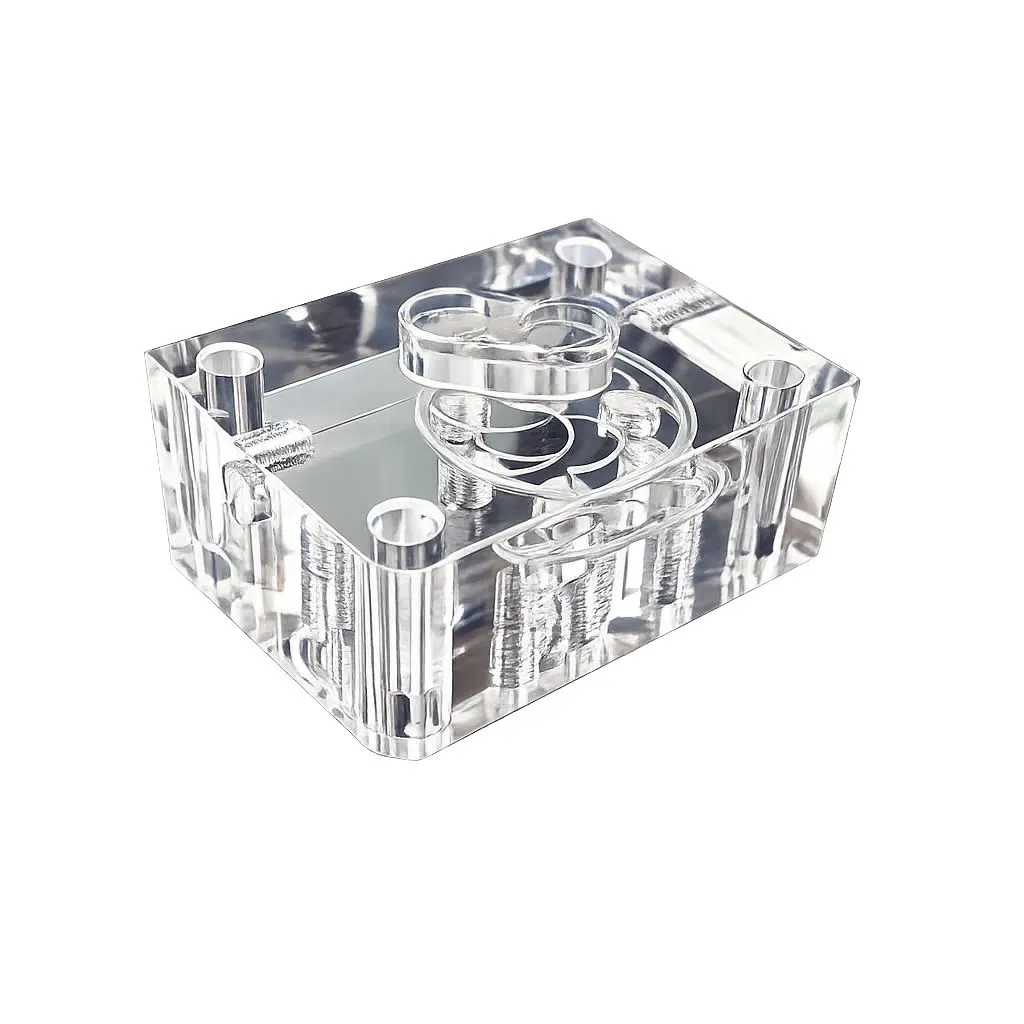
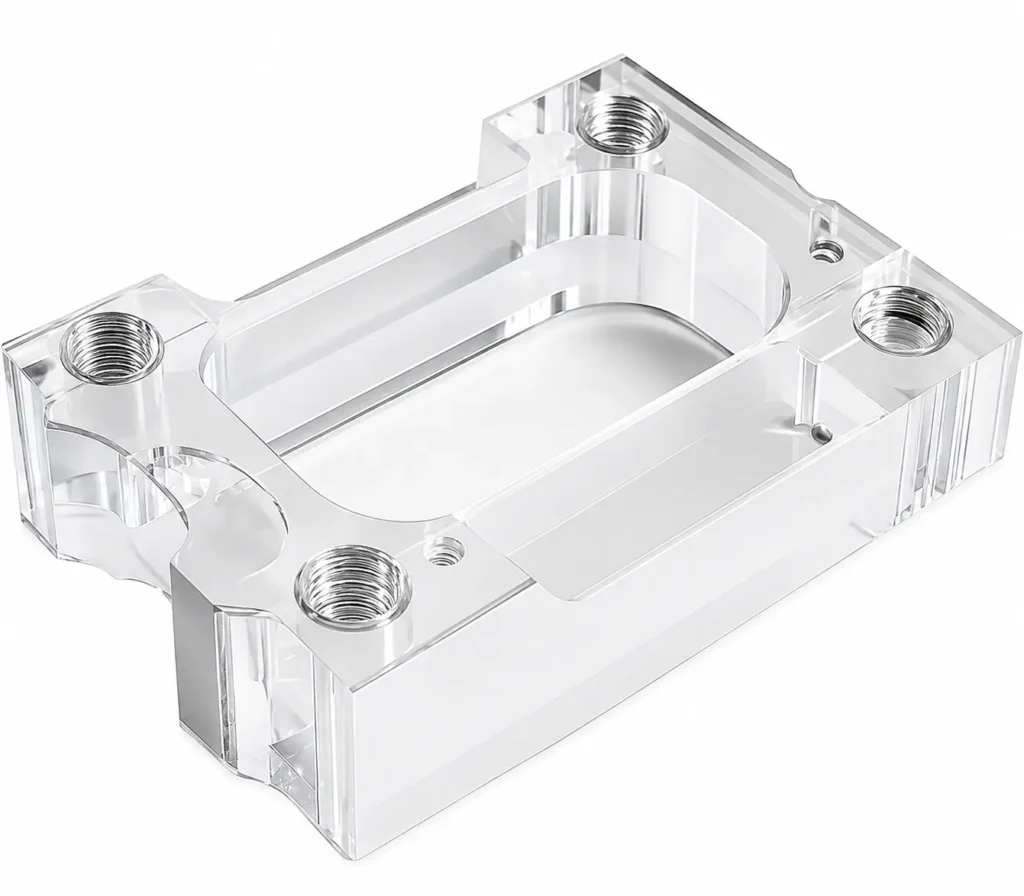
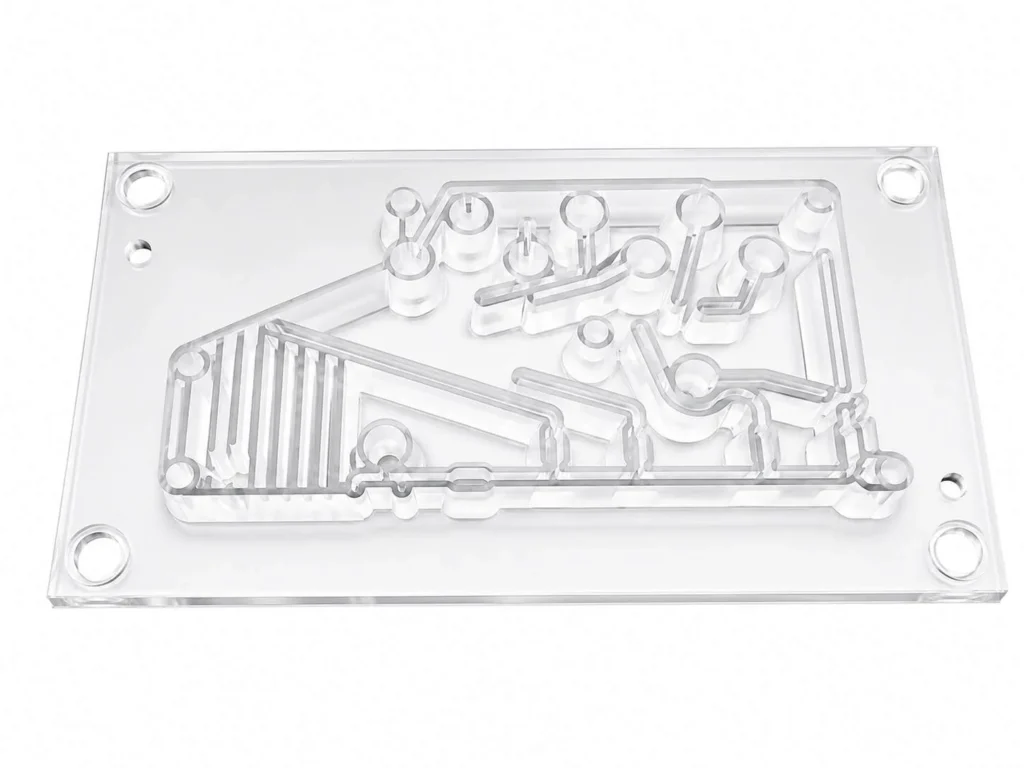
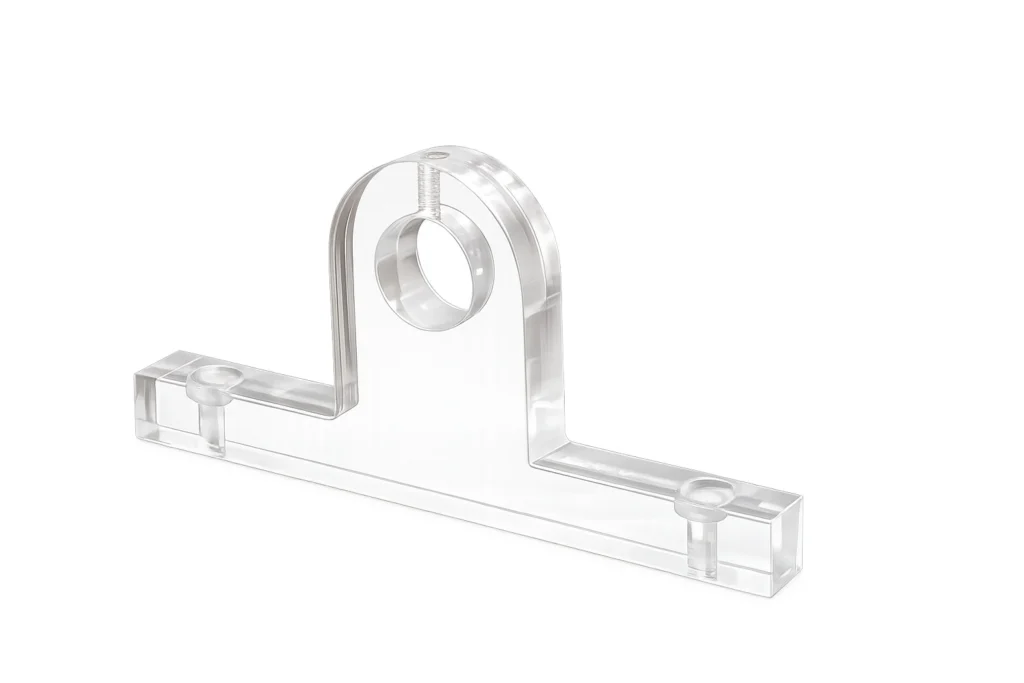
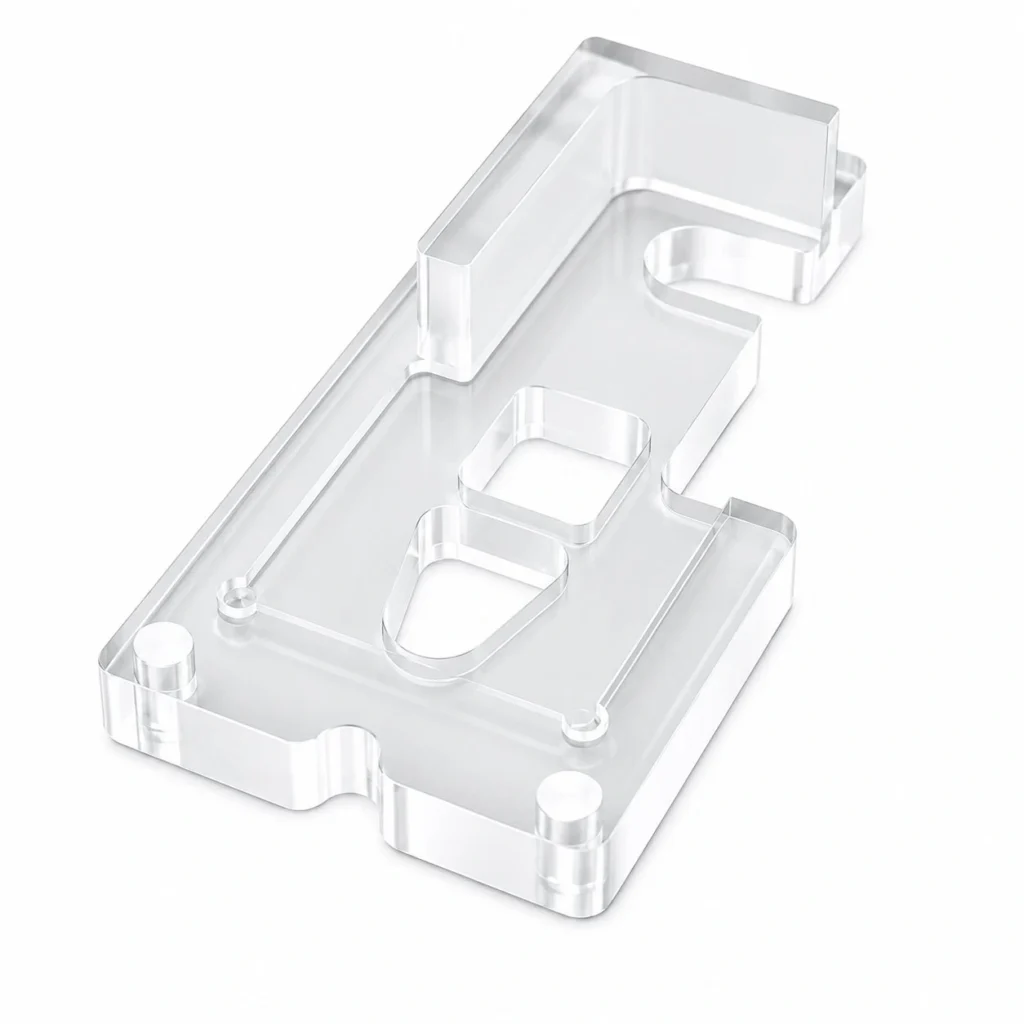
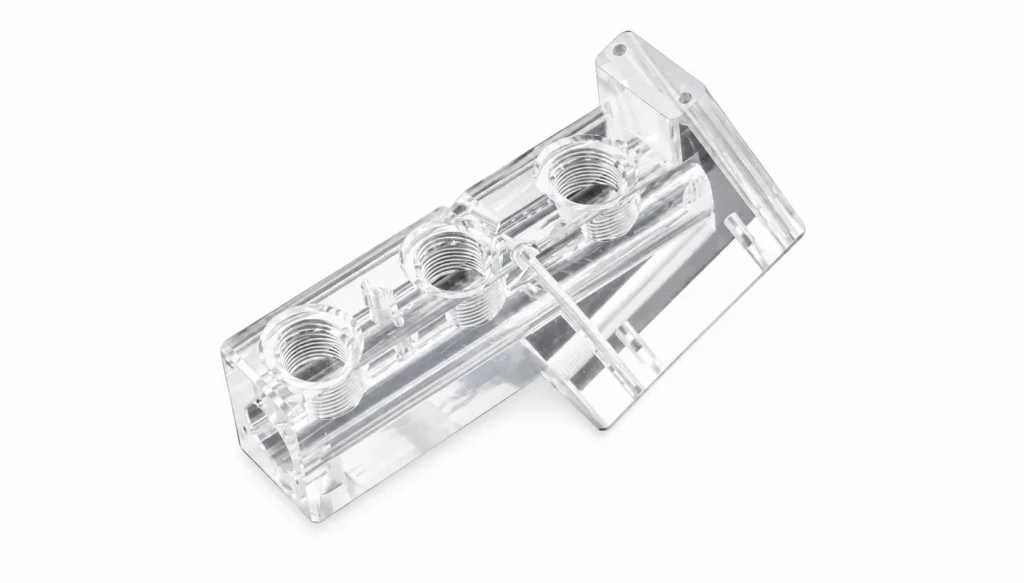
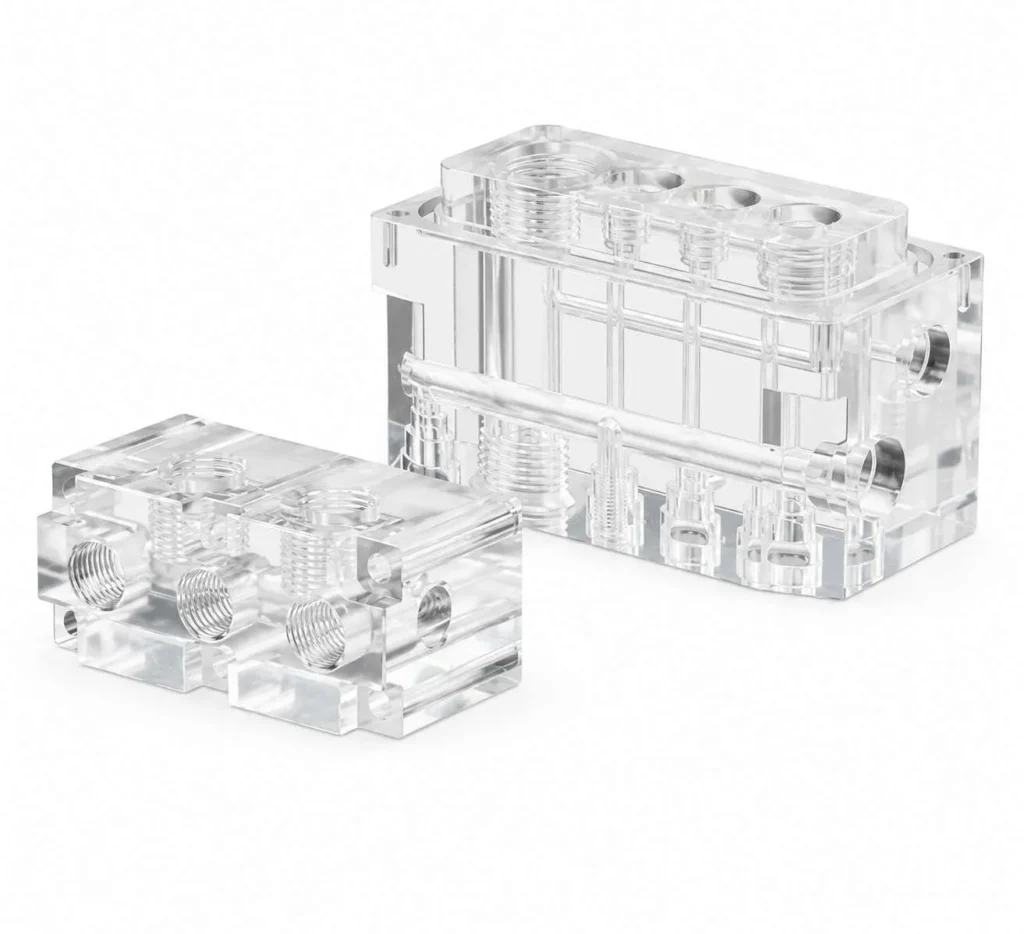
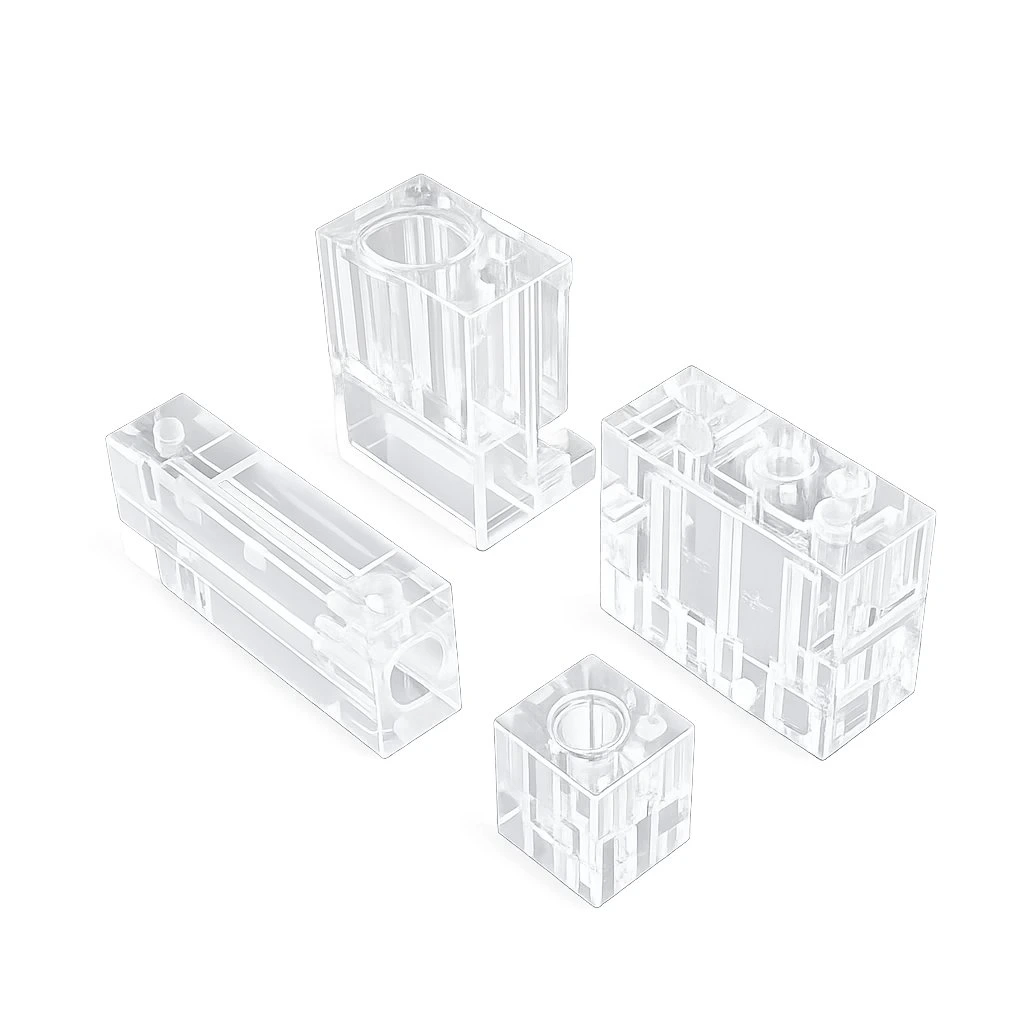
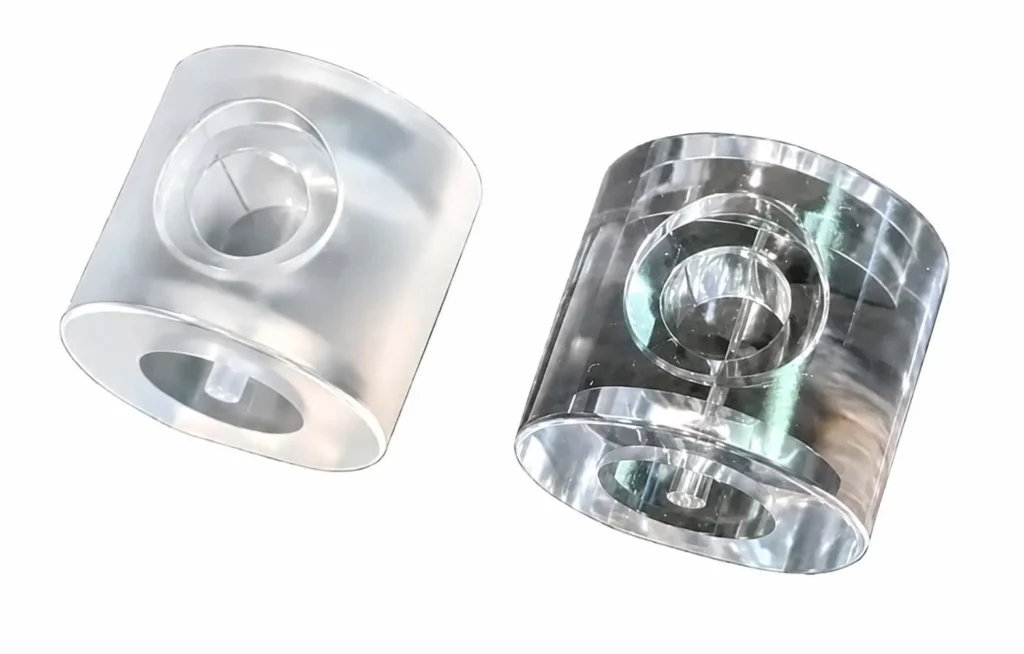
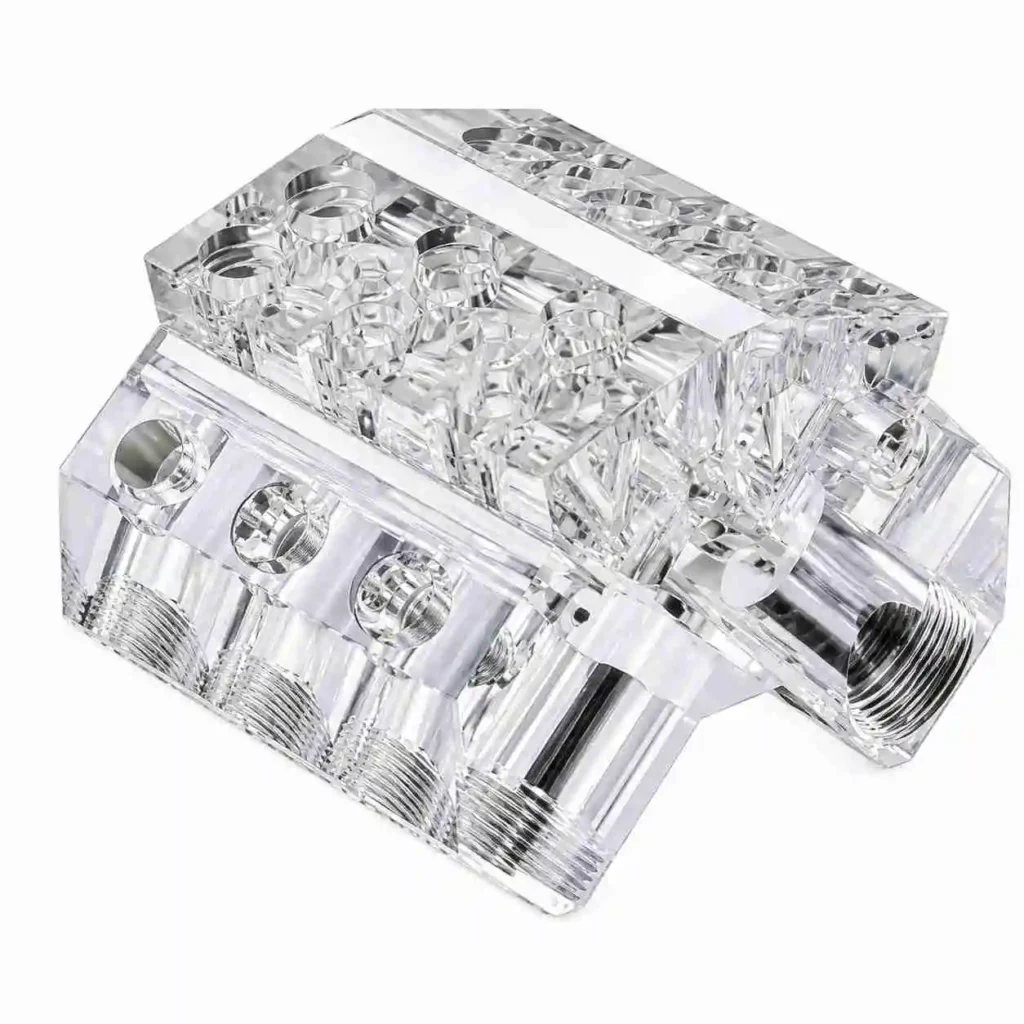
Acrylic Parts Gallery
Start With Your Part Requirements
Need Custom Acrylic Machined Parts?
For a Faster Review
- 3D CAD model and 2D drawing
- Acrylic grade and color
- Quantity and target delivery date
- Critical tolerances
- Surface finish and optical requirements
- Inspection documentation, if required