
BLACK OXIDE COATING SERVICES
Get your metal parts finished with a uniform black oxide coating. Preserve tight dimensions while adding a matte-to-satin black appearance, enhanced lubricity, and oil-sealed corrosion resistance.
- Precision Machining + Black Oxide Coating
- Oil-sealed coating
- ISO 9001 quality management
Why Choose Us
Machining + Finishing
Material-Specific Chemistry
Masking Review
Engineering Support
Inspection Options
Prototype to Production
0.5–2µm
Typical coating thickness
Minimal
Dimensional change
No MOQ
Prototype to production
Confirmed
Lead Time
Precision Protection with a True Conversion Finish
Black oxide is a chemical conversion process that forms a thin film of magnetite (Fe₃O₄) on common ferrous substrates such as carbon steel, alloy steel, tool steel, and cast iron in a controlled alkaline bath at approximately 285–295°F (140–146°C). Stainless steel, copper-based alloys, and zinc require specialized blackening chemistries and separate process controls.
After coating, oil, polymer, or wax is used to seal the microscopic pores of the coating. It improves corrosion protection and surface lubricity.
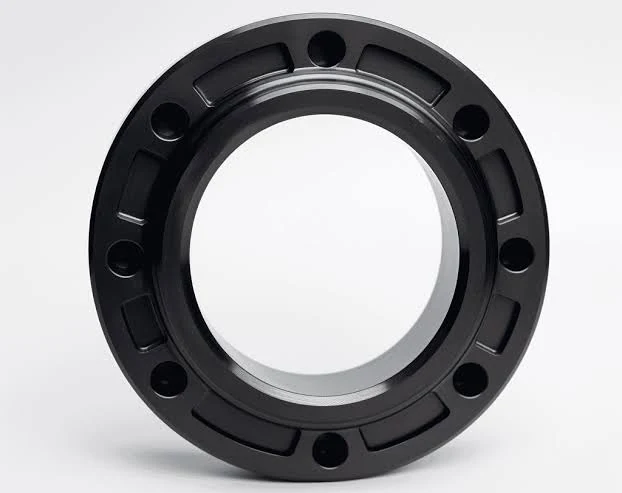
Coating Type
Hot alkaline Fe₃O₄
Thickness
0.5–2 µm
Surface
Machined, blasted, polished
Colour
Matte to semi-gloss black
Common Substrates
Carbon, alloy and tool steels; cast iron
Accuracy
Minimal dimensional changes
Corrosion
Good with oil/wax seal
Hardness
Relief for HRC ≥40
Standards
ISO 9001 quality control, salt spray testing, FAIR, and CMM inspection as required
Value
Cost-effective for all production volumes
Black Oxide Coating Capabilities
Process
Hot alkaline immersion conversion coating, 138–146°C bath, forming true magnetite (Fe₃O₄).
Production Line
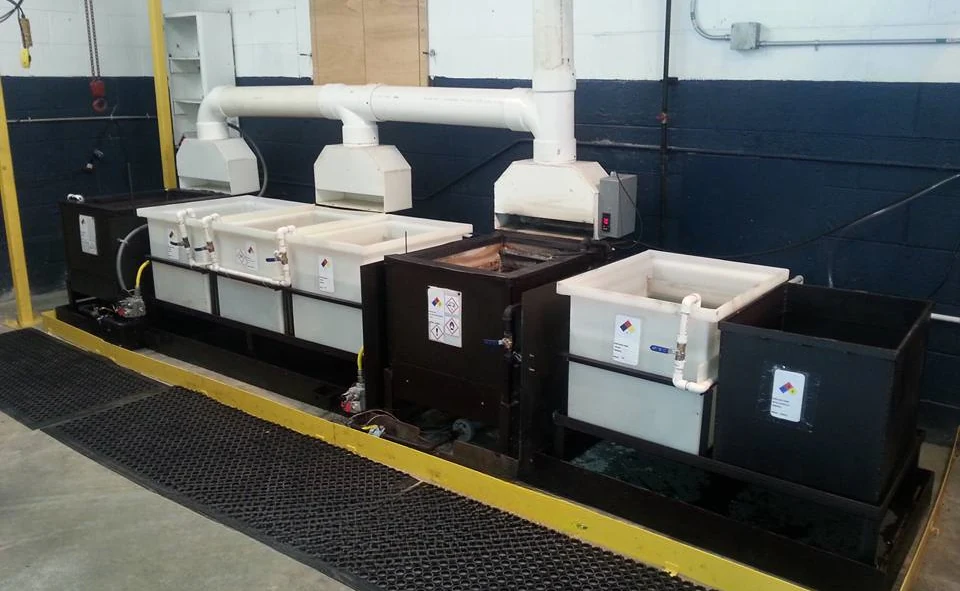
Multi-tank sequence: alkaline clean, rinse, acid activation as needed, black oxide immersion, cascade DI rinse, oil/wax/polymer seal, and drying.
Substrates
Carbon steel, alloy steel, tool steel, and cast iron. Stainless steels, copper-based alloys, and zinc use material-specific blackening chemistry.
Thickness & Accuracy
0.5-2 microns while holding dimensional tolerances of ±0.01 mm.
Part Size Range
Minimum 5×5×5 mm or Ø2×2 mm; maximum 2000×1500×300 mm or Ø500×2000 mm.
Geometry & Pre-Finish
Full immersion coats blind holes, threads, and internal cavities. Compatible with as-machined, ground, media-blasted, and polished surfaces.
Sealing / Masking
Oil, wax, or polymer sealing improves corrosion resistance and lubricity. Plugs, caps, or stop-off lacquer protect critical areas.
Appearance & MOQ
Deep, uniform matte-to-semi-gloss black. No MOQ from prototypes to production runs.
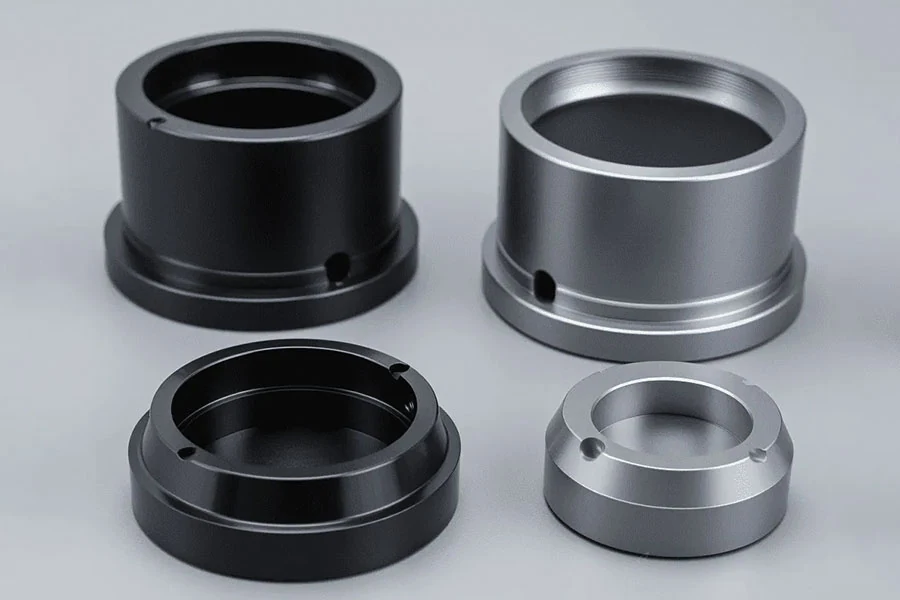
Why Choose ProleanMFG?
Machining + Finishing Coordination
Our machining and finishing teams coordinate part geometry, surface preparation, coating sequence, and final requirements through one managed workflow.
Engineering Review
Engineers review drawings, material condition, functional surfaces, sealing requirements, and applicable specifications before production begins.
Masking & Critical-Feature Review
Threads, datum faces, sealing surfaces, electrical contacts, and other no-coat zones are identified before processing.
Dimensional Control
Critical dimensions and mating features are tracked from machining through finishing to help preserve fit and function.
Inspection & Documentation Support
Projects can include visual and dimensional inspection, lot traceability, Certificates of Conformance, FAIR documentation, and reports.
Material-Specific Process Review
Common ferrous substrates and materials requiring specialized blackening chemistry are routed through the appropriate controlled process.
Advantages of Black Oxide Finish
Black oxide combines a thin conversion layer with optional sealing to improve appearance, handling, lubricity, and corrosion resistance without meaningful build-up.
Lubricity & Galling Prevention
The porous oxide layer absorbs and retains lubricant, reducing friction between moving surfaces and easing the break-in period.
Electrical Conductivity
Unlike thick organic coatings, black oxide largely preserves the electrical conductivity of the metal substrate.
Colour Stability
The chemically formed black finish maintains visual consistency at operating temperatures up to approximately 900°F (482°C).
Minimal Hydrogen Embrittlement
Because black oxide is a conversion treatment rather than an electroplated deposit, embrittlement risk is substantially reduced for most components.
Fast Processing
Standard cleaning, immersion, rinsing, and sealing cycles can be completed in roughly 20–40 minutes for many parts.
Weld & Paint Friendly
Parts can be welded through the finish while the converted surface also provides a practical base for paint.
How Is Black Oxide Coating Carried Out?
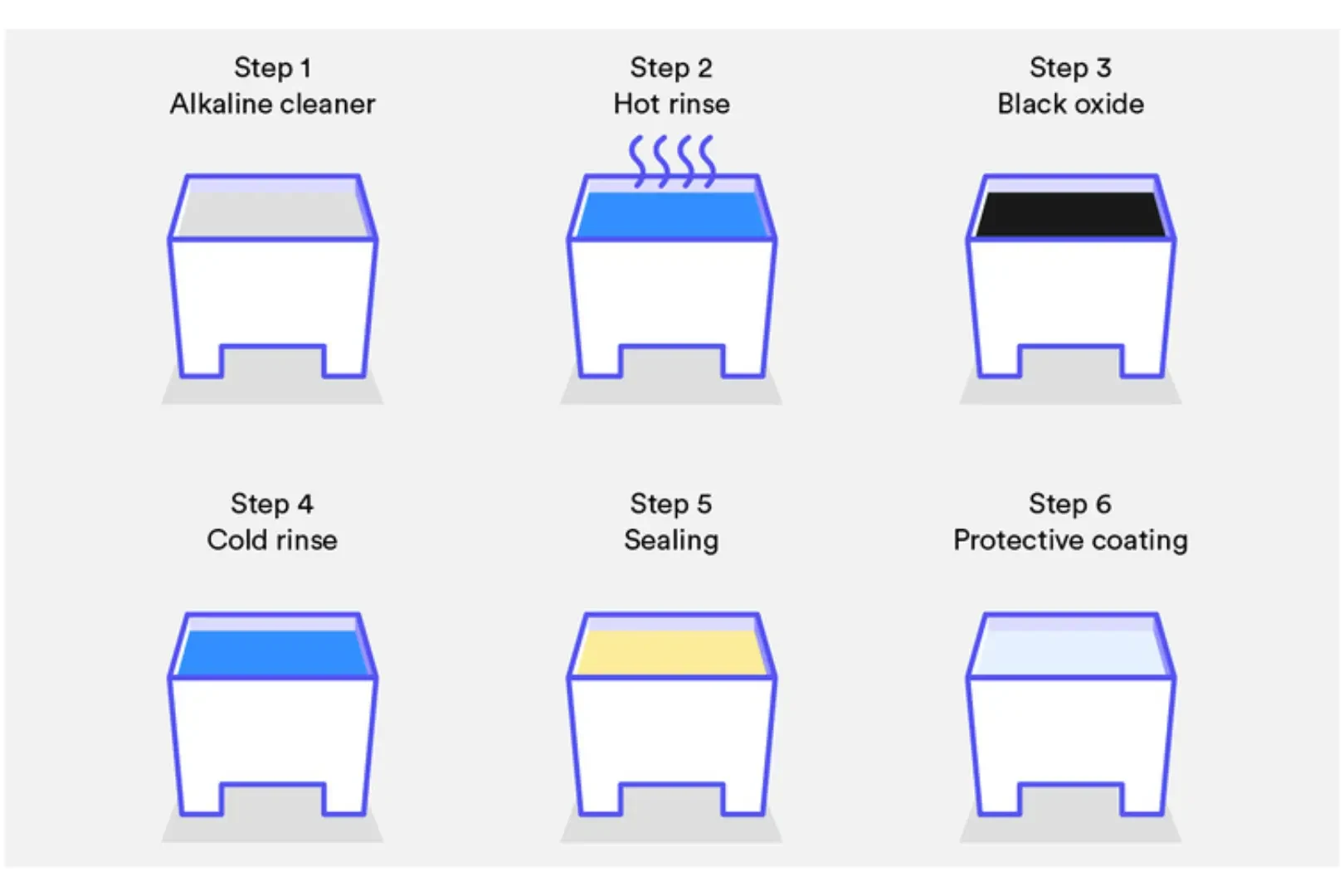
01 Pre-Clean
Parts are degreased in an alkaline or solvent-based cleaner to remove oils, cutting fluid, handling residue, and other contaminants.
02 Acid Activation / Descale
An acid dip removes rust, mill scale, and heat-treatment discoloration, producing a clean and consistent metallic surface.
03 Rinse
Parts are thoroughly rinsed in water to remove residual cleaner and activation chemistry.
04 Black Oxide Immersion
Components are submerged in a hot alkaline salt solution at 140–146°C (285–295°F) for approximately 10-30 minutes.
05 Post-Rinse
An agitated cascade deionized-water rinse clears trapped salts from threads, blind holes, recesses, and complex geometry.
06 Seal and Inspect
Parts are impregnated with oil, wax, or polymer sealant, then dried and inspected for appearance, coverage, and dimensional compliance.
Applicable Industries and Components
Automotive
Gears, shafts, pulleys, sprockets, brackets, bushings, fasteners, and transmission components.
Aerospace & Defense
Optical mounts, actuator parts, control hardware, brackets, pins, bushings, fasteners, and instrument components.
Tooling
Fixtures, gauges, dies, cutting-tool holders, collets, clamps, punches, and machine-tool components.
Industrial Equipment
Bearings, housings, couplings, rollers, valve parts, guide rails, chain components, and mounting hardware.
Industrial Automation
PLC enclosures, sensor mounts, actuator brackets, linear guide blocks, gripper components, drive couplings, and conveyor hardware.
Robotics & Automation
Joints, linkages, actuators, grippers, sensor mounts, drive gears, linear guides, and end-effector hardware.
Quality Control Procedures
Inspection and documentation scope is agreed before production and tied to the drawing, applicable specification, and project requirements.
01 Material Verification
Material certificates can be reviewed, and alloy or hardness testing can be arranged when required.
02 In-Process Control
Bath alkalinity, concentration, temperature, and water-break controls are managed during processing.
03 Coating Inspection
Visual checks for appearance and uniformity are available within the agreed inspection scope.
04 Coating Integrity Verification
Oxalic acid spot, adhesion, specification spot tests, and salt spray exposure can be arranged when required.
05 Embrittlement Relief
Post-bake treatment or mechanical testing for hardened parts is available when material condition and specifications require it.
06 Final Release
CMM inspection, dimensional reports, lot traceability, Certificate of Conformance, and FAIR documentation are available when specified.
Specifications and Documentation
ProleanMFG can review customer drawings and commonly referenced black oxide requirements. Available documents may include coating inspection results, dimensional reports, certificates of conformity, FAIR documentation, and other agreed inspection records.
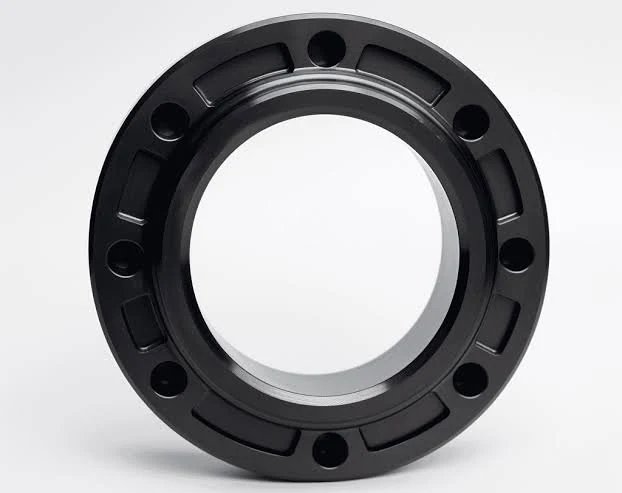
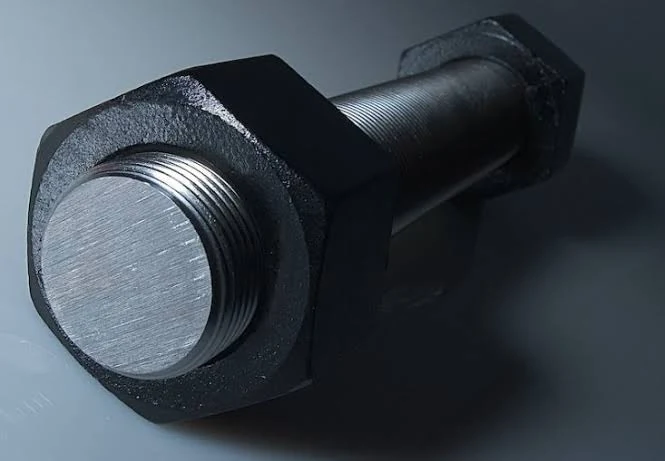
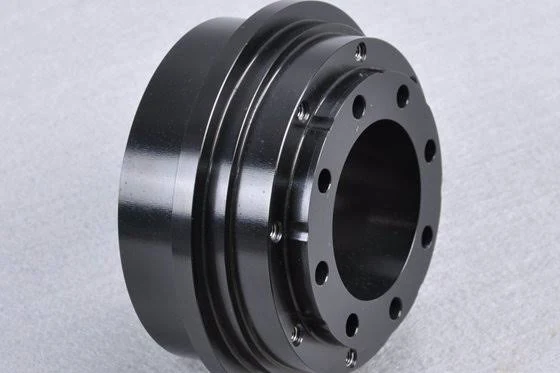
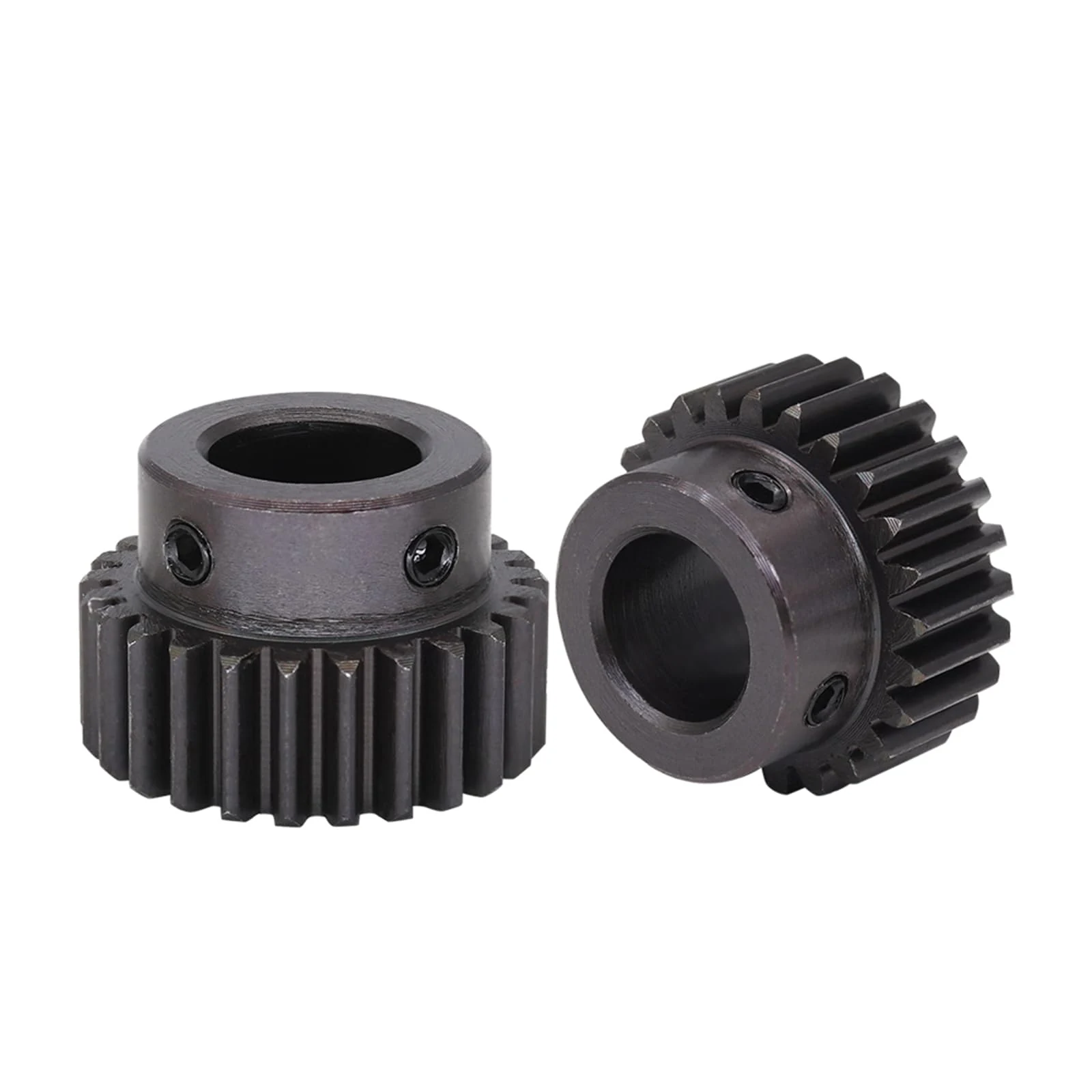
Black Oxide Coated Components
Design for Manufacturing Considerations
Drain/Vent Holes on Blind Cavities
Ensure proper drainage or vent paths so caustic salts do not get trapped in blind holes and cavities.
Uniform Roughness
Label consistent Ra across critical faces for coating uniformity. Marks, scratches, porosity, welds, and defects can remain visible after coating.
Hardness Features
For HRC ≥40, clearly flag the hardness level so hydrogen-embrittlement relief can be reviewed.
Hang Points
Because black oxide is a full-immersion process, fixture contact locations should avoid critical surfaces.
Coating Allowance for Datum-Critical Fits
Although buildup is negligible, provide a nominal callout on ultra-tight-fit assemblies rather than assuming zero.
Masking Boundaries
Mark every uncoated area and define clear start and stop locations for sealing faces, contacts, threads, holes, and interfaces.
Define the Finish Before Production
Send your drawing, material, coating area, masking, quantity, and applicable specification.
For a Quick DFM Review
- 2D drawing or 3D CAD model
- Material grade and heat treatment
- Coating and masking boundaries
- Final dimensions and inspection needs
- Blind holes and trapped features
- Seal preference and target lead time