
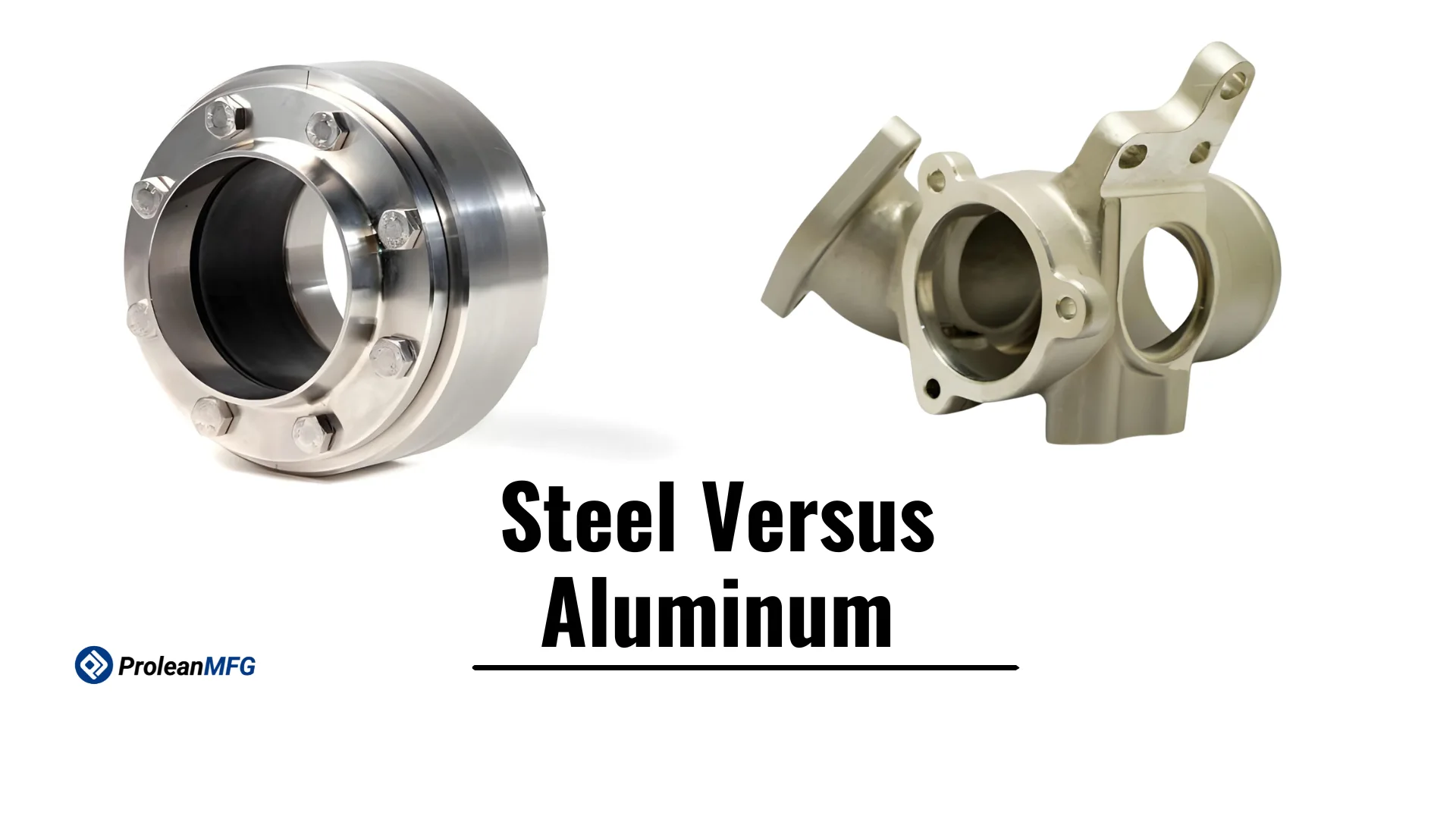

Steel and aluminium are the two most prevalent CNC machining materials. They are widely used in custom metal part manufacturing techniques such as stamping, spinning, CNC machining, and sheet metal fabrication.
While the two metals may appear similar, their physical and mechanical properties differ significantly. When comparing steel vs aluminium, engineers typically evaluate factors such as strength, weight, corrosion resistance, cost, and formability. The selection often depends on the part geometry, the manufacturing process, and the requirements of the final application.
This article compares steel versus aluminium metal properties by examining the factors: cost, weight differences, strength and formability, corrosion resistance, typical applications of each material, and when to choose each.
Aluminum Vs Steel Strength: Is Aluminum Stronger than Steel?
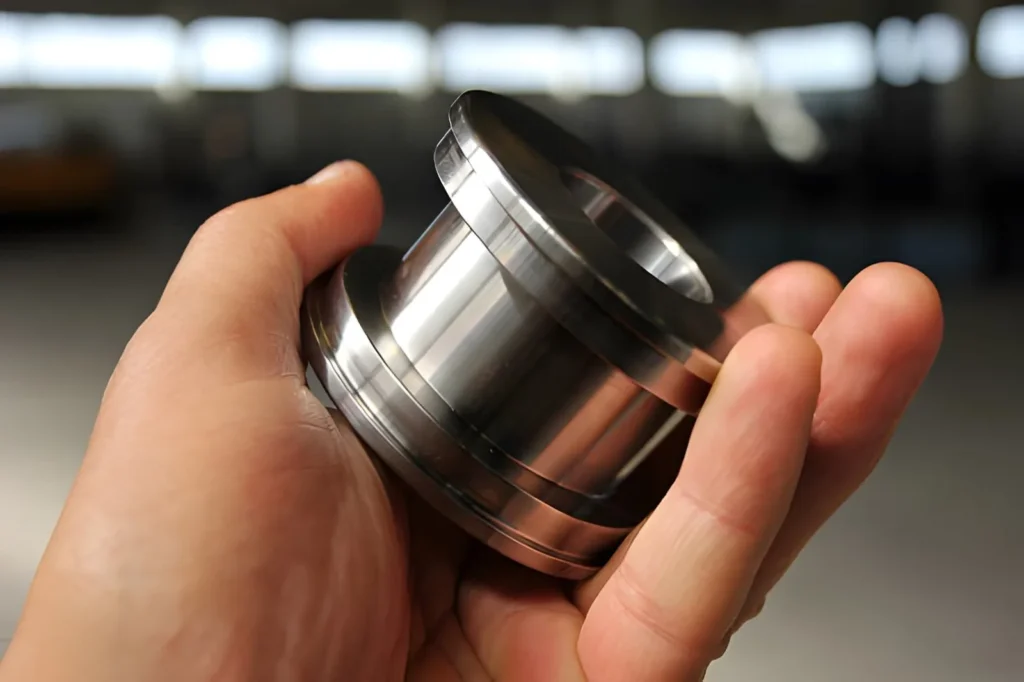
Cylinder stock – precision-machined stainless steel part
Manufacturers and design engineers use various methods to evaluate metals for their suitability for fabricated parts. When evaluating materials, engineers typically consider three properties: how much load each material can carry, how well it forms, and how well it performs under actual conditions over extended periods.
Steel: Higher Load Capacity and Structural Strength
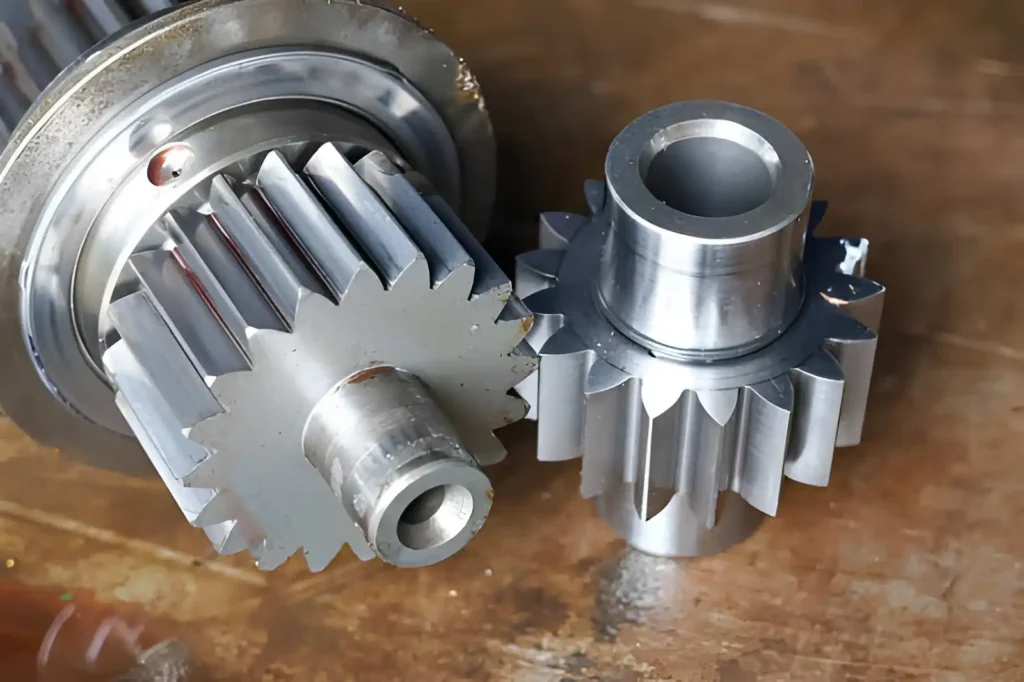
Industrial gear pump components – machined parts
The first consideration is the absolute material strength. While aluminum offers a high strength-to-weight ratio, some steel grades provide greater absolute strength. Whereas some aluminum alloys, like 7075, can even match the strength of some steels, depending on the application.
Therefore, the choice depends on whether the part needs to maximise load-carrying capability or minimise overall weight.
When comparing steel versus aluminium, steel generally offers greater mechanical strength. It is also denser and contains a higher carbon concentration. As a result, it can withstand heavy loads, impacts, and repetitive mechanical stresses.
For this reason, steel is widely used in parts requiring structural integrity, such as structural brackets, machine frames, load-bearing supports, and industrial tools.
Both carbon steels and high-strength stainless steels can withstand the rigours of extreme operating environments where strength and durability are the highest priorities.
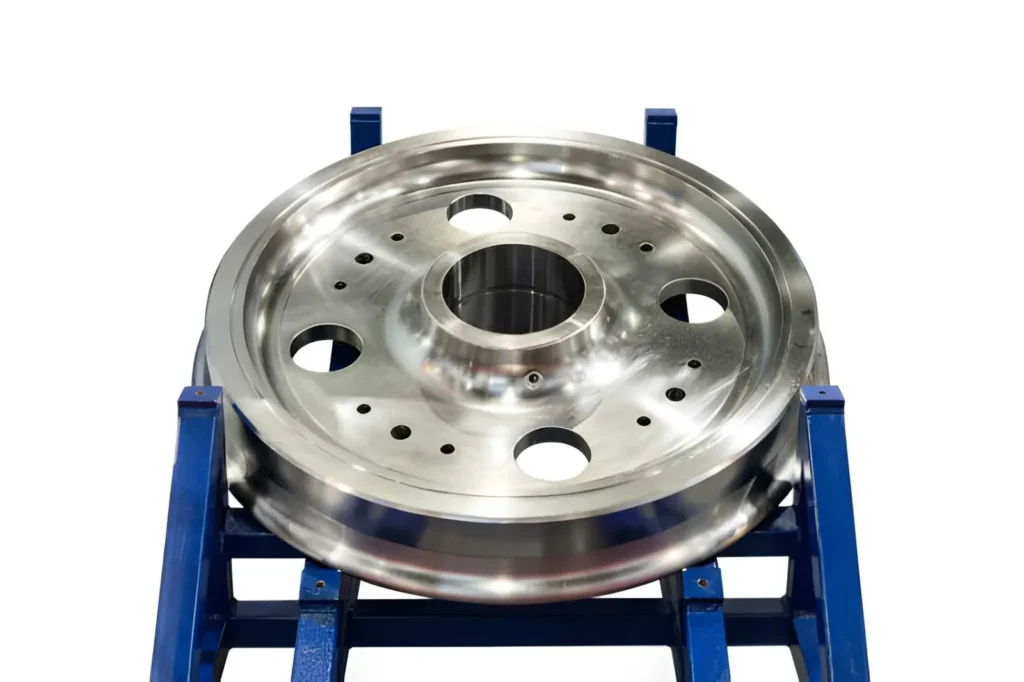
Pulley Wheel – CNC Machined Steel Part
While steel is stronger than aluminium, it is also considerably heavier. A given part made from steel will weigh more than the same part made from aluminium. Additionally, steel is generally less malleable than aluminium.
While this difference in malleability allows for the creation of more complex aluminium shapes with fewer steps, creating the same shapes in steel may require greater force or additional forming operations.
Aluminium: Lower Weight with Good Strength-to-Weight Performance
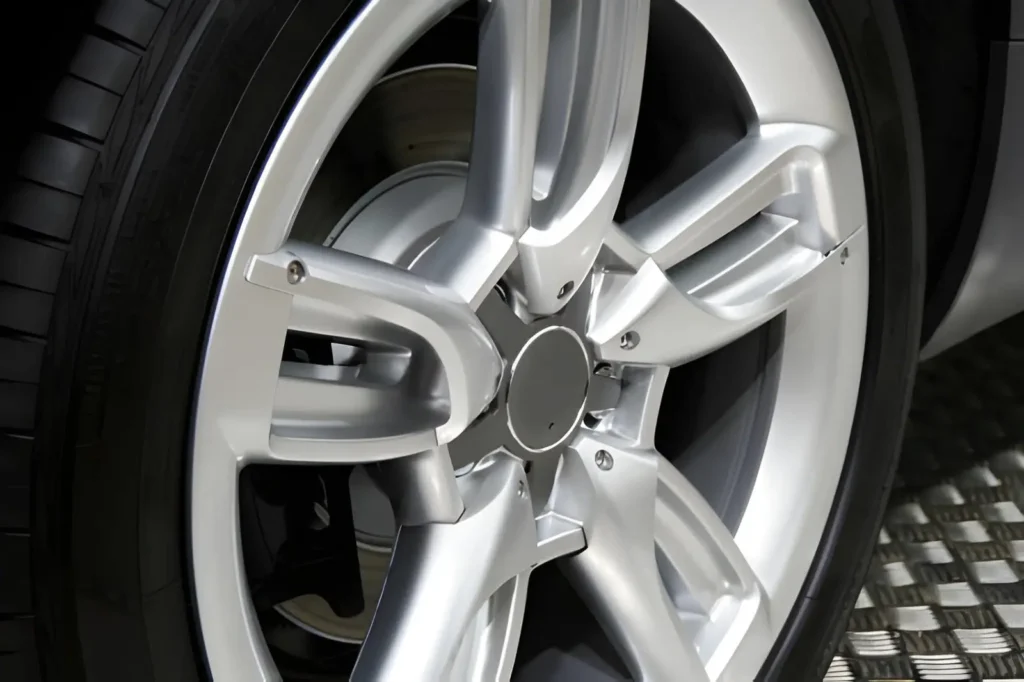
Aluminum Car Wheel – lightweight CNC-machined
Aluminium offers a lower absolute strength than most steels; however, aluminium’s low density provides an excellent strength-to-weight ratio. This allows aluminium parts to exhibit good structural performance while retaining a lower weight than would otherwise be possible with other materials.
Another benefit of aluminium is its ability to be formed. It is more malleable and ductile than steel. Aluminium can be drawn, bent, twisted, and shaped into more complex geometries without risk of cracking.
This ease of forming is one of the reasons aluminium is so useful in operations such as extrusion, spinning, and complex sheet metal forming.
Steel Versus Aluminium: Fabrication and Workability Comparison
The behaviour of both steel and aluminium in machining, welding, and forming determines which is best suited to each application. Both materials have their own advantages and disadvantages for industrial manufacturing.
Machinability
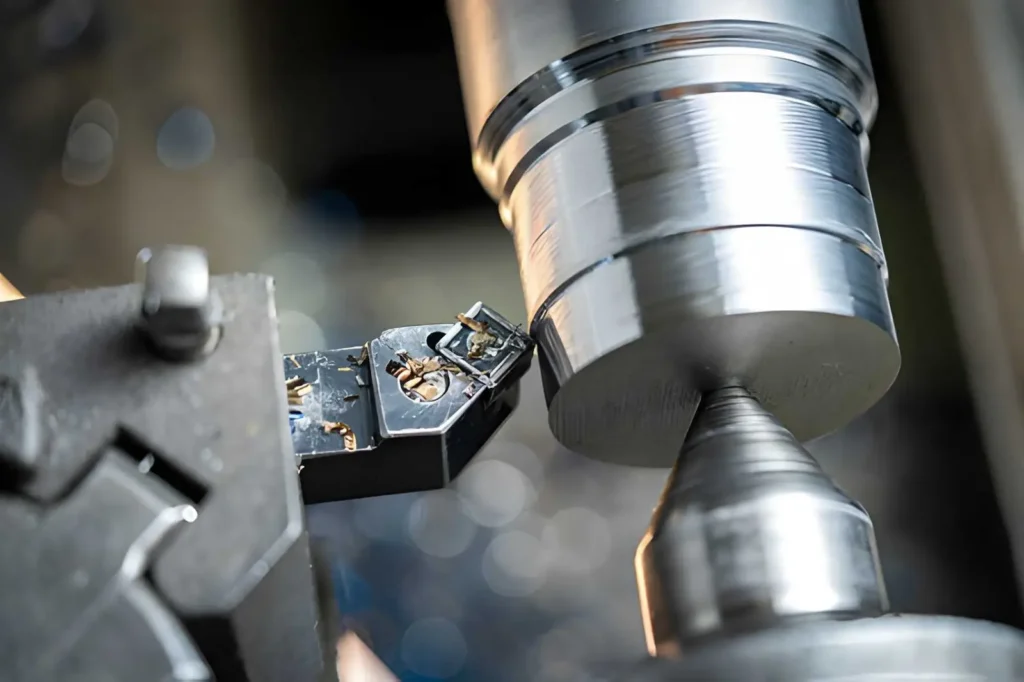
Steel CNC turning
Material properties like hardness and strength influence how easily a part can be machined. Aluminium is softer, and therefore easier to machine (cut, drill, mill). Aluminium also generates significantly less heat when machining than steel; as a result, cutting tools will experience significantly longer service life. Aluminium is often selected when creating detailed or complex parts.
Steel is harder to machine. Machining steel will require lower speed machining, larger, heavier-duty cutting tools, and greater energy to complete the operation. Alloy steel CNC machining is generally preferred over aluminium when strength and/or wear resistance are more critical than ease of machining.
Weldability
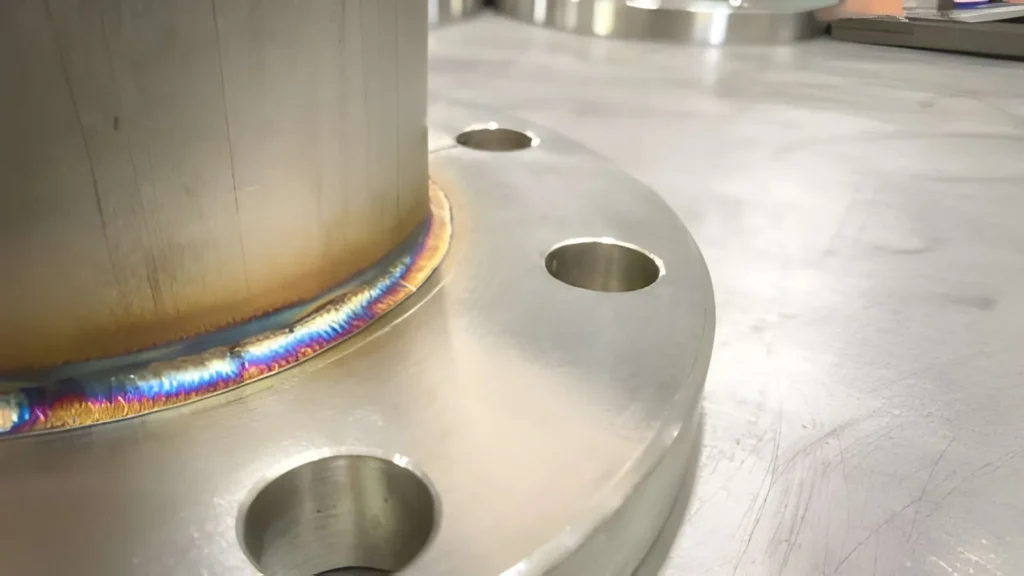
Steel Welded Pipe and Plate – Arc Welding
The ability to weld a material reliably depends on its thermal conductivity and surface characteristics. Steel is generally easier to weld and produces more consistent welded joints than aluminium. As a result, steel is often used for structural-type applications.
Aluminium is more difficult to weld due to its surface oxide layer and relatively high thermal conductivity. Proper surface preparation (cleaning), the use of appropriate filler materials, and adequate welding techniques are required to avoid defects. In general, welding aluminium is better suited to producing lighter-weight parts but requires more attention.
Forming and Bending
The strength and ductility of a material determine how easily it can be formed or bent without cracking. Aluminium is more easily formed into curves than steel, and is often selected for this reason for decorative or other curved parts. However, aluminium can crack when bent beyond a certain point.
Steel is stronger and more predictable in terms of bending. Therefore, steel is more commonly selected for structural-type parts and thicker sheets of metal.
Steel Versus Aluminum: How Weight Affects Material Selection
The weight difference between steel and aluminium is likely one of the most apparent differences as you compare these two metals. Each metal has a vastly different density, which directly affects the weight of your part and the ease of moving and transporting it. As a result, designers/engineers typically evaluate weight early in the design process for all products that require mobility, efficiency, or reduced shipping costs.
Steel: Higher Density and Greater Mass
Steel is heavier than aluminium because it has a higher density. Steel has a density of approximately 7.85 g/cm³. A part made from the same material (in terms of dimensions) would weigh at least several times more than a corresponding aluminium part. While additional mass provides many benefits in certain applications, larger steel components tend to be less mobile during manufacturing. They may incur greater transportation costs due to their increased weight.
Aluminium: Lightweight for Easier Handling and Reduced System Weight
Aluminium is significantly lighter than steel, with a density of about 2.7 g/cm³. As such, aluminium parts are generally about 3x lighter than corresponding steel parts of the same volume. This reduction in system weight provides many advantages. Lowering weight increases the ease of movement during assembly. It also reduces the installation time and the cost of shipping in bulk. Therefore, aluminium is often used in bicycle frames, automotive parts, aircraft parts, and light enclosures.
Steel Versus Aluminium: Corrosion Resistance
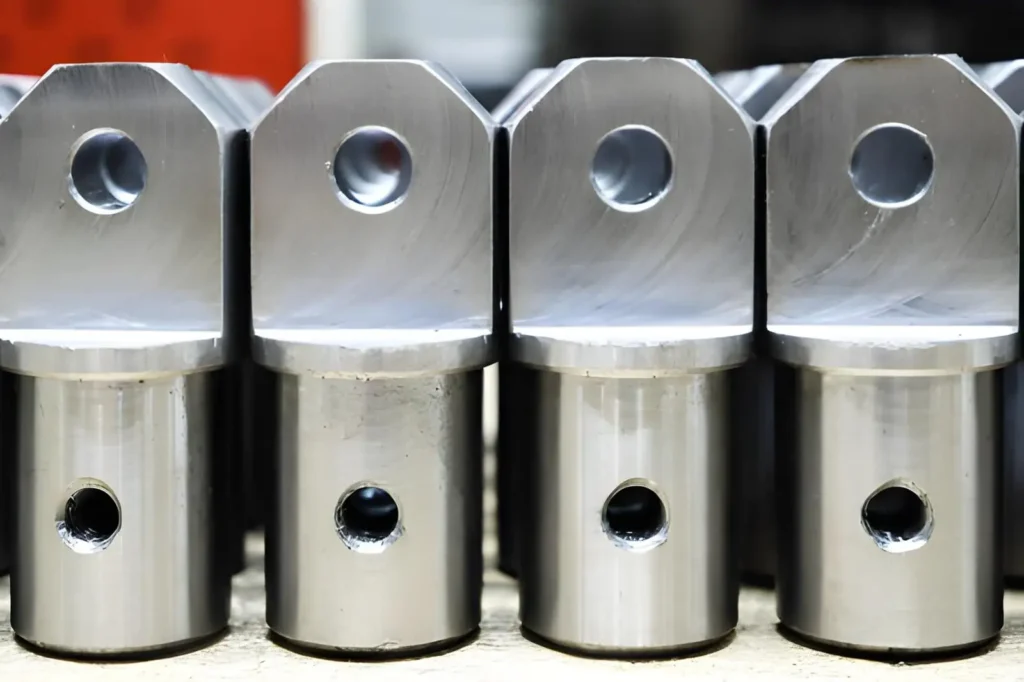
Steel Machined Components – Milling Process
Corrosion resistance should always be a concern when choosing a material for parts that will be in contact with water, chemicals, or the elements. When comparing steel to aluminium, it comes down to how each metal reacts to its surroundings and whether it needs additional protection.
Aluminum: Naturally Forms a Protective Oxide Layer
Aluminum naturally forms a thin oxide layer that helps protect it from corrosion, but this layer can be damaged. So additional treatments or coatings may be needed in harsh environments. As a result, aluminium components can typically be used in the great outdoors, marine equipment, and building architecture without the need for a secondary coating.
Aluminium components can also be treated with anodising, powder coating, polishing, and/or many other finishes to increase their durability and aesthetic appeal.
Steel: Requires Protection or Stainless Alloy
Carbon steel does not provide any natural corrosion resistance. If carbon steel is exposed to moisture, it will begin to corrode, leading to rust. Therefore, most carbon steel components are either painted, galvanised, or plated to protect them from corrosion.
Stainless steel has chromium added, which provides corrosion resistance by forming a protective film, like the aluminium oxide film. There are many different types of stainless steel with varying levels of corrosion resistance. The two most common grades of stainless steel are 304 (standard) and 316 (marine, chemical).
Aluminum Vs Steel Cost: Is Aluminum More Expensive than Steel
Cost is one of many deciding factors that will influence your choice between steel and aluminium. The pricing differences between steel and aluminium come from the cost of raw materials, production process, and long-term maintenance considerations.
Steel: Less Expensive To Buy (Raw Materials)
Steel is generally cheaper than aluminium. Iron ore is abundant and less costly to obtain than bauxite, the main source of aluminium. Of all the types of steel, basic carbon and mild steel are the least expensive.
The cost of a protective coating (paint or galvanised) may need to be added to steel in areas with corrosive conditions, increasing the total cost of ownership over time.
Aluminium: More Expensive To Buy (Raw Materials), But Generally Lower Costs Over A Long Term Life Cycle
Generally, aluminium is more expensive per pound than steel because the electrolysis required to extract it from bauxite is very energy-intensive. Depending on the grade, stainless steel may be more expensive to purchase than aluminium.
Although it may be more expensive to buy initially, aluminium generally has lower lifecycle costs. Because of its inherent corrosion resistance, there is less need for regular maintenance. Because aluminium is so light, it may reduce transportation and handling costs. Additionally, aluminium extrusions can be produced economically at reasonable tooling costs, enabling the development of custom designs.
Steel Versus Aluminum: When to Choose Each Material
When choosing steel vs aluminium, you must consider the application’s requirements, including strength, weight, environmental conditions, and your manufacturing process.
When To Choose Steel
Steel is typically used when high strength and durability are required. Consider it when:
- Your product must carry maximum loads.
- The product will be subjected to continuous mechanical stress or heavy usage.
- You are making components such as brackets, plates, support, tooling, or structural frame members.
- The product will be used in an environment that requires corrosion protection and can be made from stainless steel grades (e.g., 304, 316, 316L).
When To Choose Aluminium
Aluminium is usually considered when weight savings, formability, and/or corrosion resistance are necessary. Consider aluminium when:
- Your product will have lightweight characteristics, resulting in better performance and reduced energy consumption (e.g., drones, vehicles, automation).
- The product will be exposed to outside or marine environments.
- You require complex or custom shapes or wish to take advantage of CNC machining efficiency.
Steel Versus Aluminum: Practical Comparison Table
The table below summarises the main differences between steel and aluminium, highlighting grades, cost, typical applications, limitations, and possible alternative materials.
| Material | Common Grades/Types | Cost Level |
| Steel | Carbon Steel: 1018, 1045, A36; Stainless Steel: 304, 316, 440C steel, 904l and 316l stainless steel | $ – $$$ |
| Aluminum | 6061, 7075, 2024 | $ – $$ |
Choosing the Right Material for Your Project
Choosing the right metal for your part depends on the performance requirements, design, and budget. For lightweight applications such as aerospace or transport, aluminium offers excellent strength-to-weight performance. On the other hand, for parts that require high durability and cutting-edge toughness, custom steel machining is often the preferred choice.
At ProLean MFG, we provide a wide range of steel and aluminium grades to suit different manufacturing needs. Explore our material specifications to find the ideal metal for your next project and ensure your design meets both performance and cost objectives.