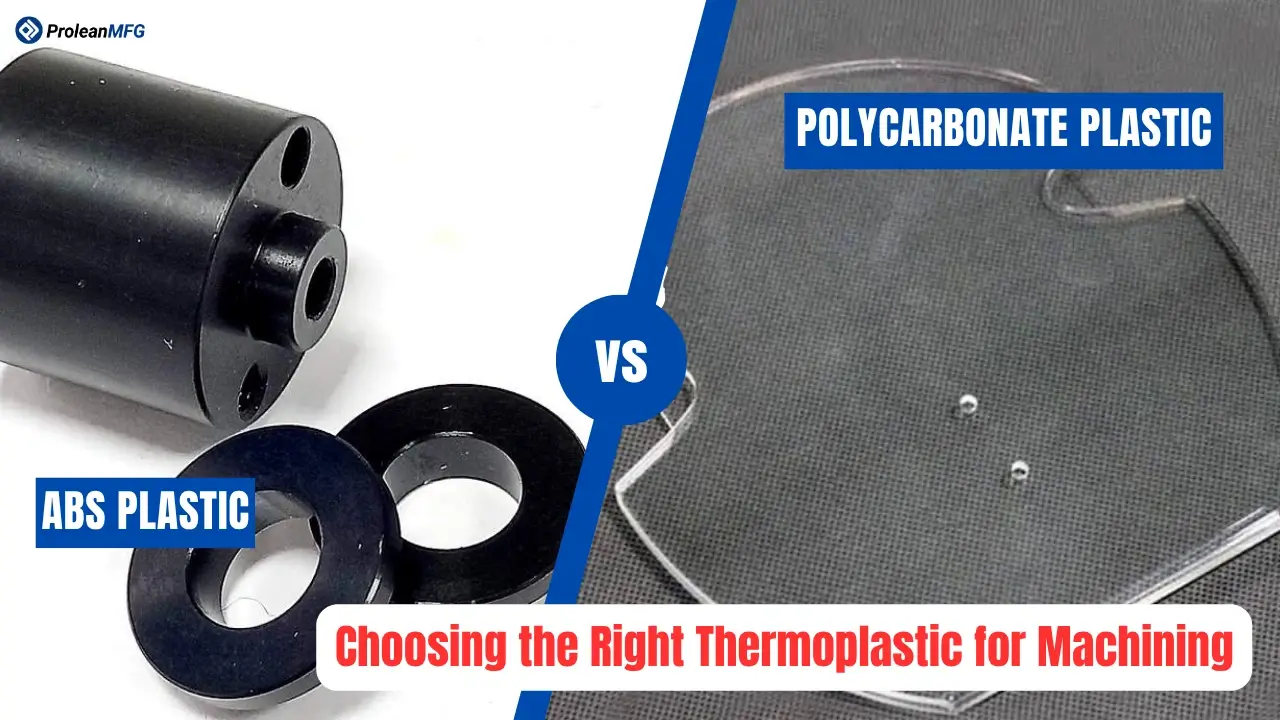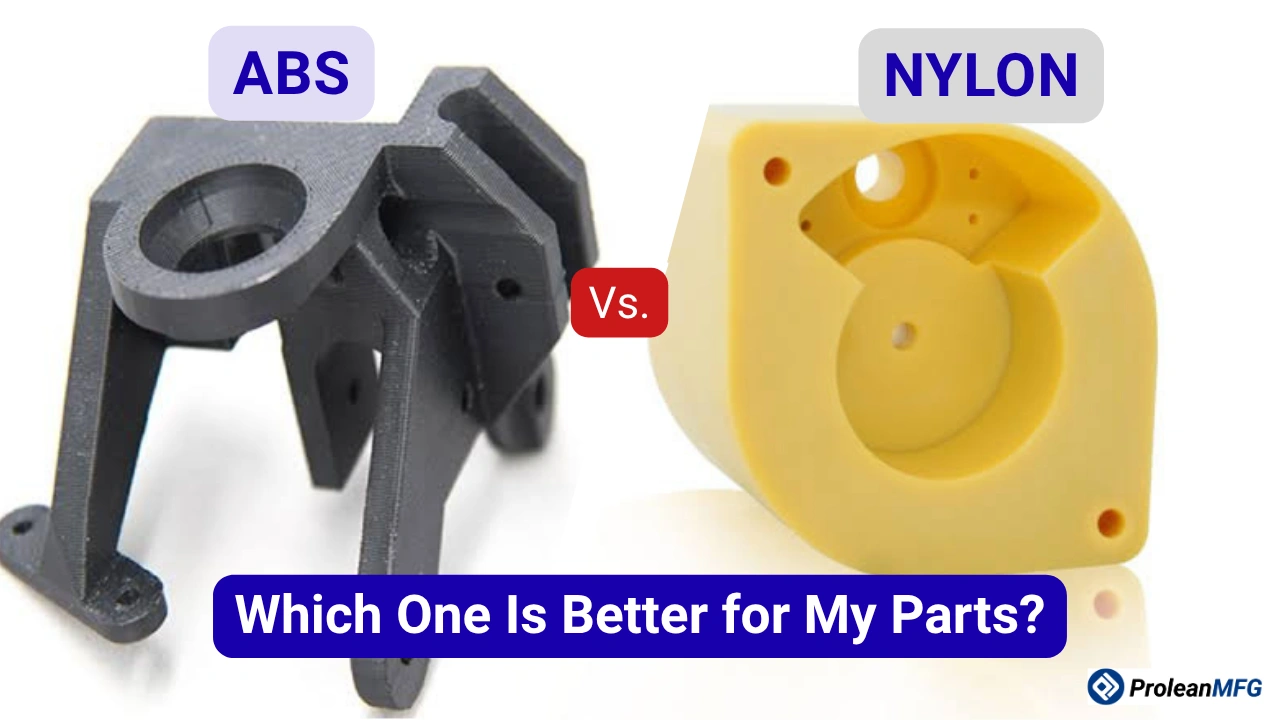

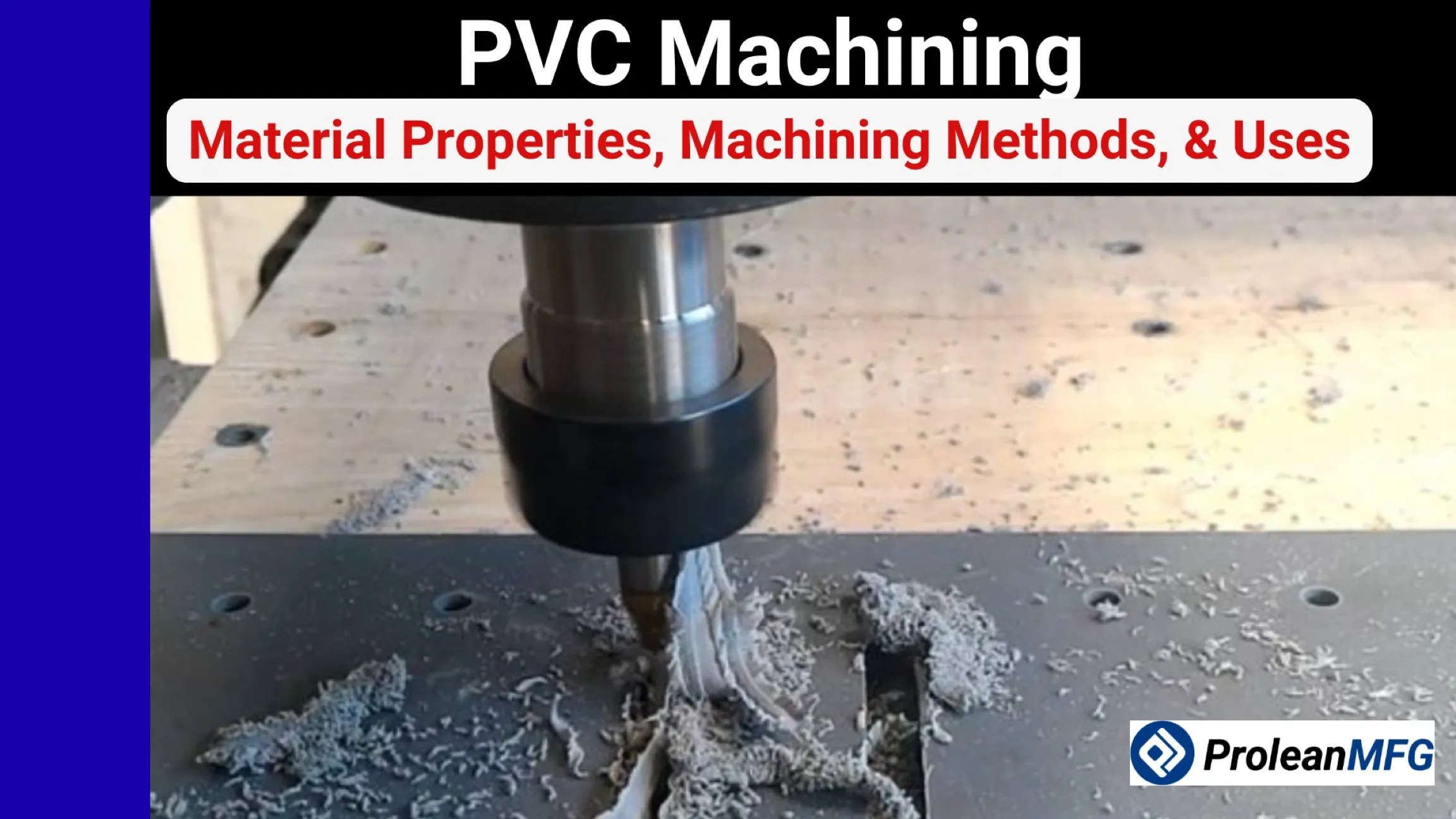

Polyvinyl chloride (PVC) is a versatile, lightweight, and durable thermoplastic polymer. It is popular in CNC machining for plastic parts in a wide range of industries – chemical processing, healthcare, packaging, construction, and more.
The plastic is easy to machine, a characteristic that blends perfectly with the other material properties. The high-performance parts find widespread use because PVC comes in different grades. Whether you select based on chemical composition or flexibility, there is a PVC grade to suit your project.
PVC is naturally brittle, but plasticizers can be used to make it more flexible.
This article covers the fundamentals of PVC material in relation to machining. The main areas covered include benefits, limitations, applications, machining, and common PVC types.
What is PVC?
PVC (polyvinyl chloride) is a popular, durable, cost-effective, and versatile thermoplastic polymer. Its blend of chemical and physical properties makes it suitable for a range of industrial applications.
Fundamentally, the chemical is white. The other names for PVC are white powder PVC resin and PVC homopolymer resin.
The building block for PVC is the Vinyl Chloride Monomer (VCM), written as C₂H₃Cl. It is derived from ethylene (petroleum/natural gas) and chlorine (from salt via electrolysis). With polymerization techniques such as bulk polymerization and emulsion polymerization, PVC, the polymer, is achieved.
The chemical structure for PVC is [-CH₂-CHCl-]ₙ, where “n” is the number of the fundamental units in the chain.
Properties of PVC Plastic
The main properties of PVC plastic are excellent chemical resistance, rigidity, low weight, high tensile strength, and high impact strength. The thermoplastic is also recyclable, a good insulator, and self-extinguishing.
The level of these properties can vary depending on the type of PVC used. For instance, the tensile strength of Type I PVC is higher than that of Type II PVC. However, Type II PVC has higher impact resistance.
Table of Properties of PVC Material
The table below outlines the main properties of PVC material.
| PVC Material Property (PVC Gray Type 1) | Value |
| Tensile strength | 7,000 psi (48.3 MPa) |
| Flexural strength | 14,000 psi (96.5 MPa) |
| Tensile Modulus of Elasticity | 480,000 psi (3,310 MPa) |
| Density | 1.40 g/cm³ |
| Notched Izod Impact | 0.9 ft·lb/in (48 J/m) |
| Operating Temperature | −15 to 60 °C (5 to 140 °F) |
| Coefficient of Linear Thermal Expansion | 3.0 × 10⁻⁵ in/in·°F (5.4 × 10⁻⁵ m/m·°C) |
| Flammability Rating | UL 94 V-0 (self-extinguishing) |
| Chemical resistance | Excellent |
| Recyclability | Recyclable — resin code #3 (V) |
Can You CNC PVC?
Yes, PVC is compatible with CNC machining. The material can be easily CNC milled, turned, routed, laser-cut, and drilled. The process is doable with standard machines and tooling.
Depending on whether it is type 1 (rigid) or type 2 grade, PVC can be machined to make structural parts, insulators, fittings, enclosures, and many other items.
Is PVC Easy to Machine?
Yes, manufacturers consider PVC one of the easiest thermoplastic polymers to machine. However, this ease of manufacturing is only guaranteed with the consideration of the following points:
- Moderate cutting speeds to minimize heat generation
- Use of sharp carbide or HSS tools
- Proper chip evacuation to prevent recutting
- Using air cooling or light mist coolant instead of water cooling
- Light deburring may be necessary to get rid of burrs on the edges
Types of PVC Materials
There are four main types of PVC materials, namely foamed PVC, transparent PVC, flexible PVC, and rigid PVC.
Foamed PVC – Foamed PVC is cellular with air pockets. It is commonly used to make display boards and signs.
Transparent PVC – This type is manufactured to allow light to pass through. Its machined parts are perfect for enclosures, tubes, and protective covers.
Flexible PVC – Flexible PVC is also called soft Polyvinyl Chloride (PVC-P) or plasticized PVC. The thermoplastic contains plasticizers for added elasticity and flexibility.
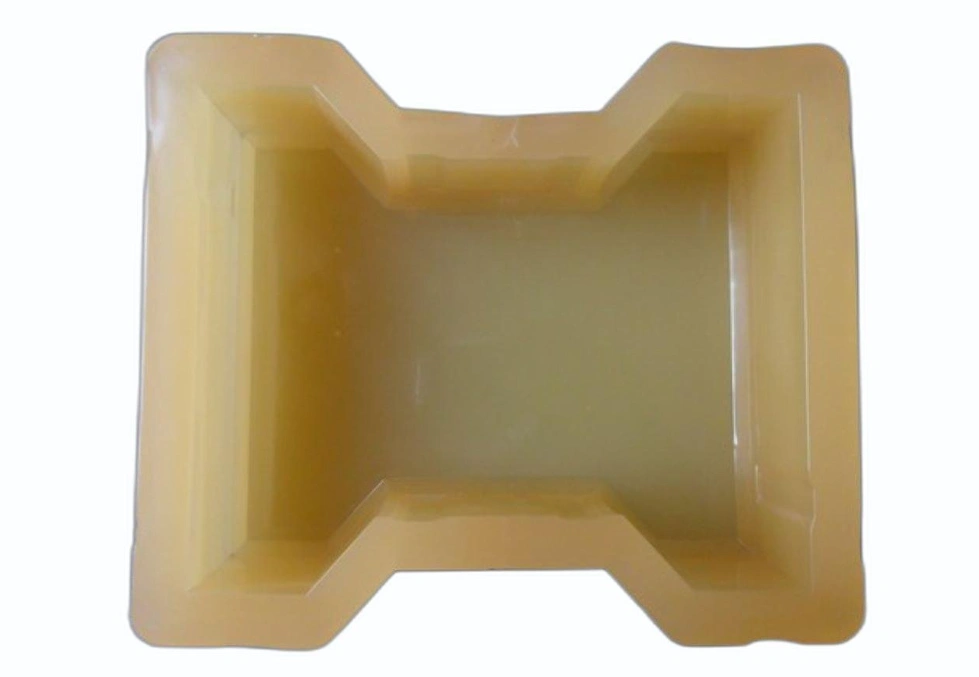
Flexible PVC component
Rigid PVC – Its alternative name is unplasticized PVC or uPVC. Since it doesn’t contain plasticizers, this thermoplastic polymer is rigid. CNC manufacturers often use it to produce PVC pipes and structural components.
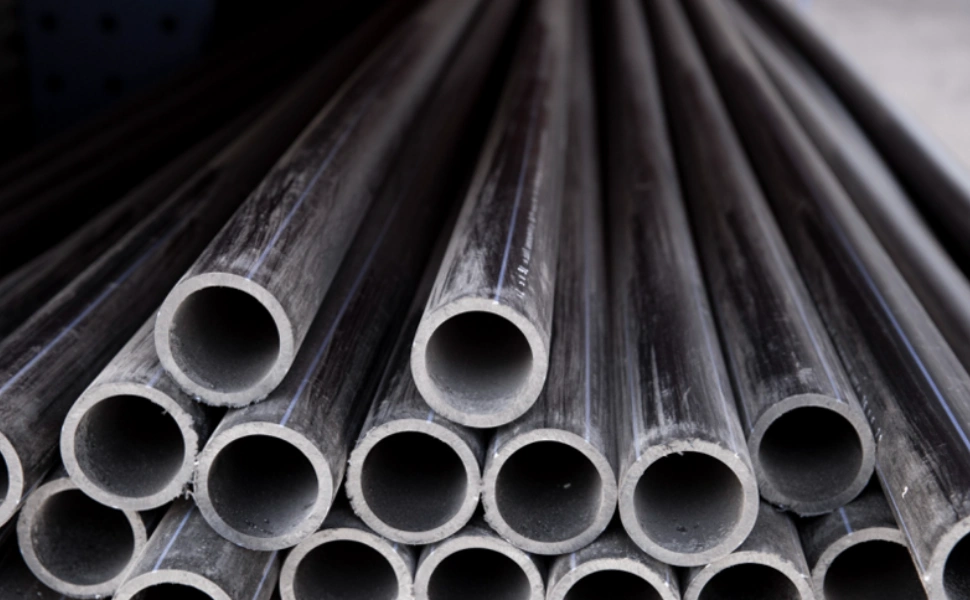
PVC pipes
Chlorinated polyvinyl chloride (CPVC) – CPVC provides a higher chemical and heat resistance than conventional PVC. You can use its parts in industrial chemical handling and hot-water piping in plumbing systems.
Note that PVC can also be processed through the PVC molding method. Categories of PVC molding include injection molding, compression molding, extrusion molding, rotational molding, and blow molding. PVC molding is preferable for producing complex parts in high volumes.
Choosing the Right PVC Grade for Your CNC Machining Project
The choice of a PVC grade for CNC machining depends on operating temperature, mechanical requirements, chemical environment, machinability, surface finish requirements, and dimensional stability. The aspect of rigidity vs. flexibility is also critical.
- Operating Temperature: The operating temperature for standard PVC is around 60°C. For higher temperatures, CPVC is recommended.
- Mechanical Requirements: The structural requirements of the PVC part guide elements, such as impact resistance and tensile strength.
- Chemical Environment: Chemical environments differ, so the PVC material should be matched appropriately.
- Machinability: The machinist should evaluate how the PVC grade responds to different cutting and shaping types.
- Surface Finish Requirements: Some applications require rougher finishes, and others smoother ones. This affects machining parameters and the PVC type used.
- Dimensional Stability: The material’s thermal expansion is critical, especially for precision parts.
- Rigidity vs. Flexibility:
Advantages of PVC for Machining
PVC machining offers benefits such as cost-effectiveness, machining ease, durability, electrical insulation, good mechanical properties, and self-extinguishing capability.
Cost-Effectiveness: PVC parts are manufactured cost-effectively and quickly. In this respect, the parts can be good alternatives for conventional metal parts.
Machining Ease: PVC is easy to machine due to its homogeneous nature, low melting point, and good dimensional stability. It can be easily processed into precise, complex parts.
Durability: With the correct choice of PVC CNC machining material, accurate dimensional tolerances, and excellent mechanical and chemical properties, PVC parts often last longer.
Electrical Insulation: PVC is a good electrical insulator. Its parts can be used to protect against electrical currents.
Good Mechanical Properties: The plastic has high tensile strength, impact resistance, and other mechanical properties. These properties make the material perfect for structural and comparable applications, for instance, support brackets.
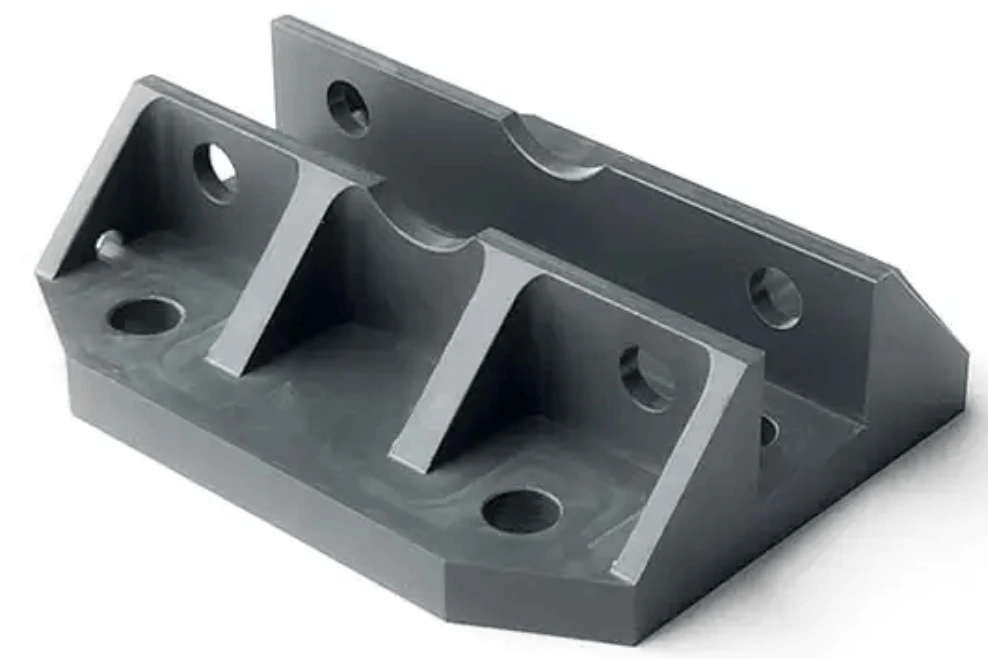
PVC support bracket
Self-Extinguishing Capability: Many PVC grades exhibit self-extinguishing behavior, though UL94 ratings vary by formulation.
What is a Disadvantage of PVC in Machining?
The main areas of concern for PVC machined parts are a low temperature limit, unsuitability for food contact, and limited ductility.
Low Temperature Limit: The maximum use temperature for PVC parts is around 60°C, which is relatively low.
Unsuitability for Food Contact: PVC can release harmful components; therefore, it is unsuitable for beverage and food contact.
Limited Ductility: Extreme loads can deform or crack the plastic due to its low ductility.
Key Machining Techniques for PVC Material
Regarding techniques for PVC machining, the options include CNC turning, CNC milling, drilling, sawing, routing (CNC routing), and laser cutting.
1. CNC Turning
This technique is used to produce cylindrical PVC parts. The PVC material rotates while a stationary cutting tool produces the desired geometry and dimensions. PVC connectors are examples of parts made this way.
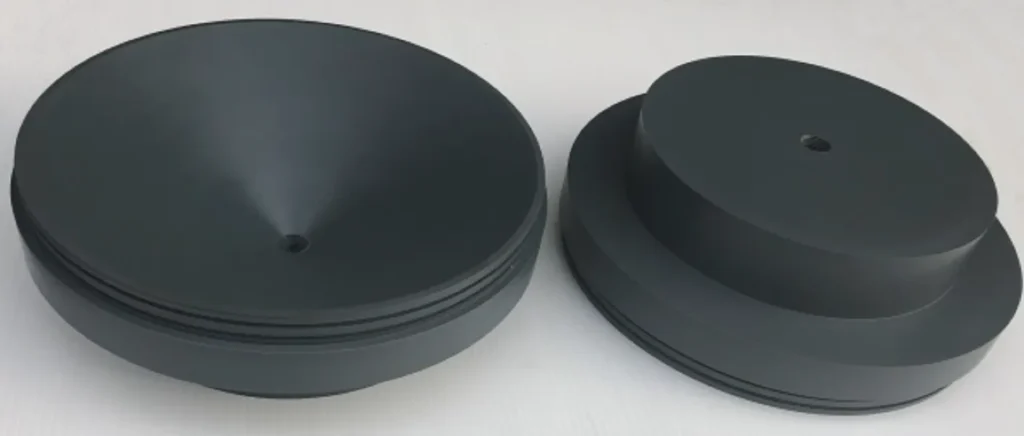
turned PVC parts
2. CNC Milling
CNC milling is a popular method for producing pockets, grooves, and flat surfaces. It is perfect for producing intricate geometries for PVC components such as flanges, enclosures, and housings.
Since the process is repeatable and precise, it works for both prototyping and regular production runs.
3. Drilling
CNC drilling is the go-to technique for making accurate holes in PVC material. It is a popular technique where fastening, fluid passage, and assembly are required. Provided the cutting parameters and tooling are optimized, drilling is a reliable processing method for PVC.
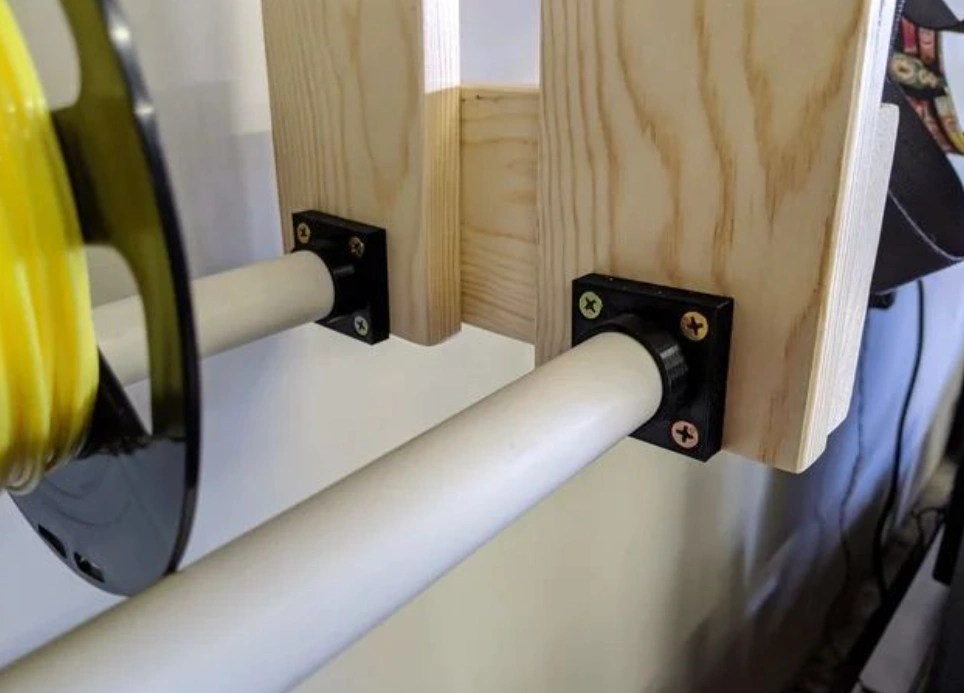
4. Sawing
Sawing is a machining technique involving machines such as bandsaws and circular saws. Manufacturers use it to rough size and make straight cuts. Sawing is typically followed by precision machining. PVC machining can take care of the potential for PVC to melt and chip.
5. Routing (CNC Routing)
CNC routing is somewhat similar to CNC milling, but it is optimized for plastics and other soft materials. The technique is used to make lightweight items such as panels and signage.
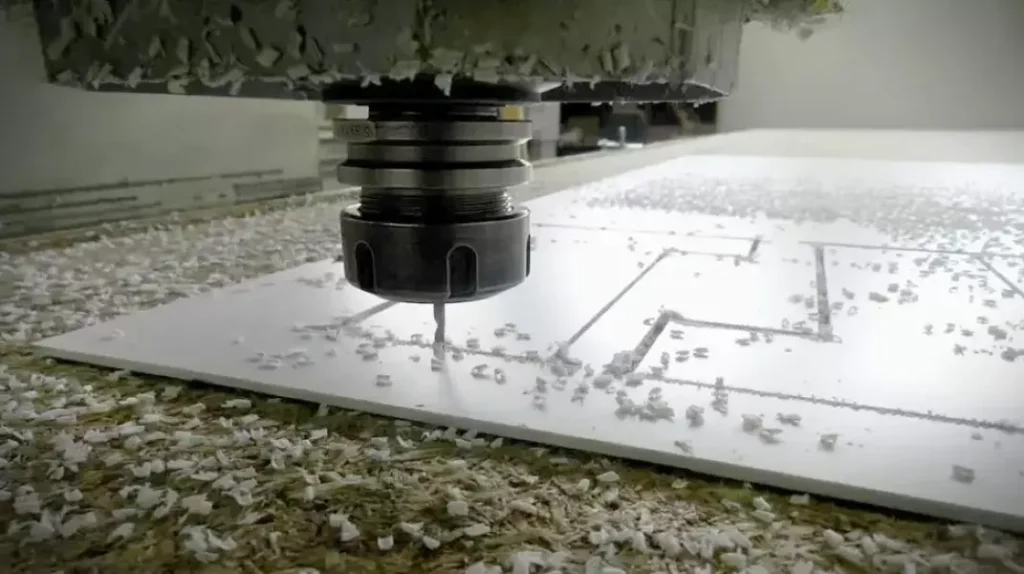
PVC CNC router cutting
6. PVC Laser Cutting
Laser cutting PVC is an alternative technology, but under controlled conditions – high laser temperatures prompt the release of hydrogen chloride and other hazardous gases.
Its smooth edges and precise cuts can be worth the effort in terms of fume extraction systems and enhanced ventilation.
Surface Treatment for PVC Machining Parts
PVC machined parts require the right surface treatment in the form of coating, painting, surface finish, and optimized tolerances.
Coating and Painting – Painting or coating with a UV-resistant layer may be necessary for outdoor PVC machined parts. With proper surface preparation and application of primer, the longevity of the parts can be significantly enhanced.
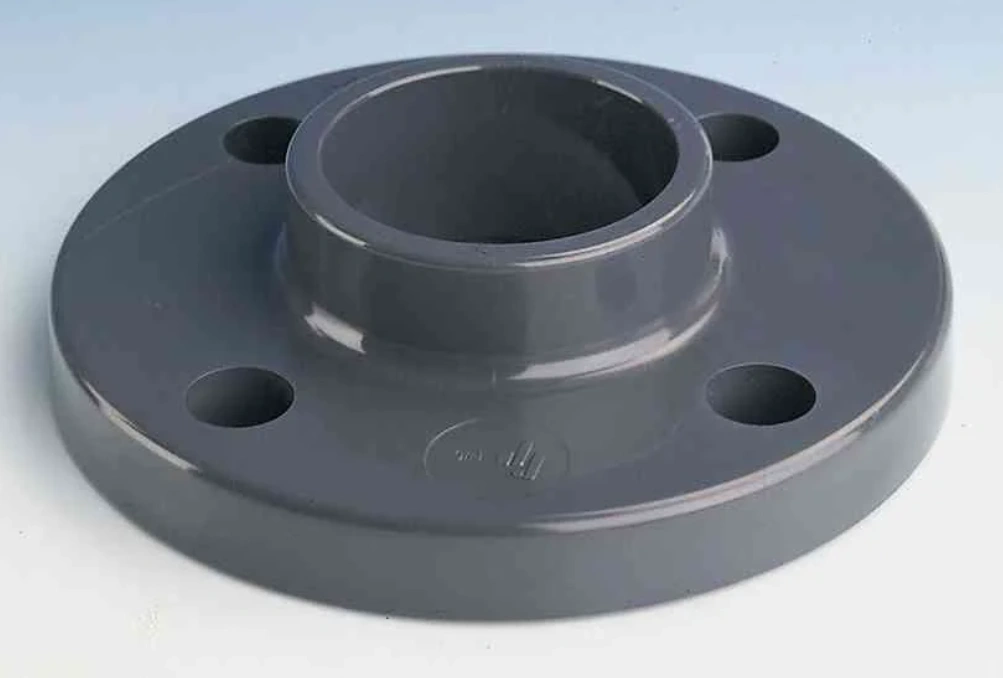
Coated PVC flange
Surface Finish – Optimized cutting parameters and sharp cutting tools can produce a surface finish of Ra ≤0.8 μm. For an even better finish, flaming, polishing, or sanding is used.
Optimized Tolerances – Proper machining setup can produce ±0.05 mm or even better tolerance on PVC parts. With the material’s thermal expansion, the environment should be well controlled. Compliance is ensured with verification technologies such as Non-Destructive Testing (NDT) and Coordinate Measuring Machines (CMMs).
Common Applications of PVC Machined Parts
The automotive, aerospace, electronics, and medical sectors are among the most common applications of PVC-machined parts.
Automotive Sector: Examples of CNC-machined PVC in this area are spacers and brackets. PVC makes sense in the sector for its manufacturability, durability, and low weight.
Aerospace Sector: The low weight, durability, and safety of PVC parts are relevant in parts such as spacers, insulation parts, and lightweight brackets.
Electronics Sector: Since the plastic is insulating, reliable, and easy to process, its parts are perfect for mounting plates, terminal blocks, and insulating spacers.
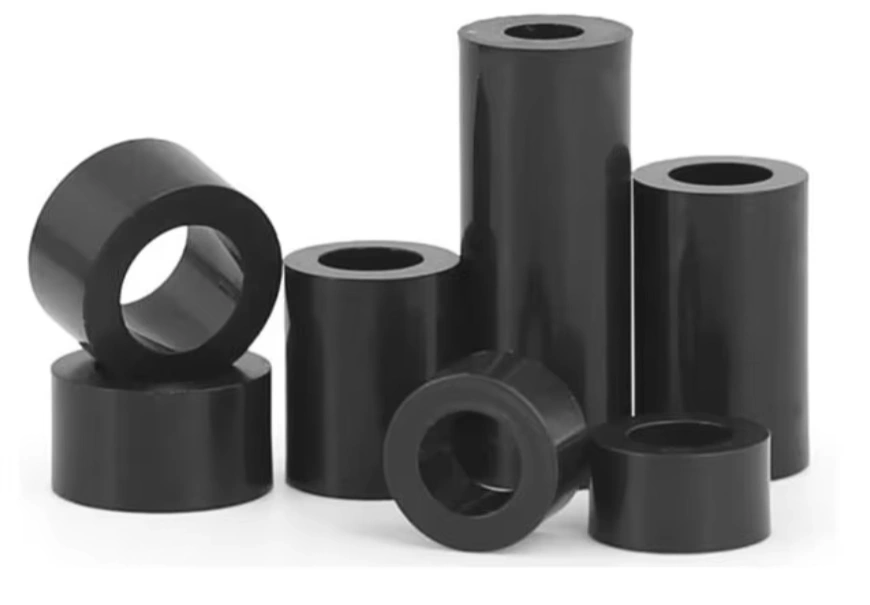
PVC insulating spacers
Medical Sector: PVC machining is used for valve parts, lab fixtures, and custom housings. Key characteristics critical in these applications of PVC are the capability to be sterilized and high corrosion resistance.
Note that not all PVC materials can be sterilized. This industry uses medical-grade PVC for machined parts.
Challenges and Solutions in PVC Machining
Machining PVC material has several challenges, including melting, warping, cracking, chip adhesion, chlorine release, and surface roughness. Fortunately, these issues have solutions, as the table below shows.
Table of common PVC machining challenges and their solutions, such as annealing PVC, using coolant, proper ventilation, and optimizing cutting parameters.
| PVC Machining Challenge | Solution |
| Melting and warping | Use the right coolants, optimize cutting speeds, and use sharp tools |
| Cracking | Matching the machining technique to the PVC grade, reducing tool pressure, and annealing PVC to reduce brittleness |
| Chip adhesion | High-pressure air and advanced chip evacuation strategies |
| Chlorine release | Implement operator safety measures and use proper ventilation systems |
| Surface roughness | Use stable machinery and optimize cutting parameters for PVC |
In Conclusion
As this article has highlighted, PVC (polyvinyl chloride) is a reliable and versatile material. Its outstanding properties make it easy for manufacturers, dealers, and users of CNC-machined parts in different industries.
The thermoplastic shows remarkable chemical resistance, dimensional stability, machinability, and electrical insulation. Its machined parts are also relatively cost-effective. Of course, like any other industrial material, PVC has its cons, which are worth considering.
ProleanMFGTech combines years of expertise with advanced machinery to deliver unparalleled CNC machining services for PVC and other materials. Contact us today!