

Polycarbonate (PC) is a clear and tough amorphous thermoplastic. Lighter than glass, this plastic is an excellent alternative. It can also substitute acrylic where better temperature resistance is required. CNC machining PC produces optically clear parts, but further processing may be required to perfect the parts.
Leveraging the computer numerical control (CNC) technology for polycarbonate may have its requirements, but it is worth the effort. High impact strength, low weight, good chemical and electrical properties, and tight tolerances are appealing to many industries.
So many parts can be made from PC machining – communication equipment housings, vehicle parts, optics, medical devices, and so on. The plastic’s many applications demonstrate the versatility it offers.
In the next sections, we highlight the fundamentals of polycarbonate machining, including the properties of polycarbonate, the processing methods applicable, and the applications for the PC machined parts.
What is Polycarbonate?
Polycarbonate (PC) is a popular, stable, durable, and clear thermoplastic discovered by Alfred Einhorn in 1898. Excellence in strength, machinability, and formability makes PC popular in a wide range of engineering applications. Popular applications include car glass parts, laboratory lenses, and electric circuits.
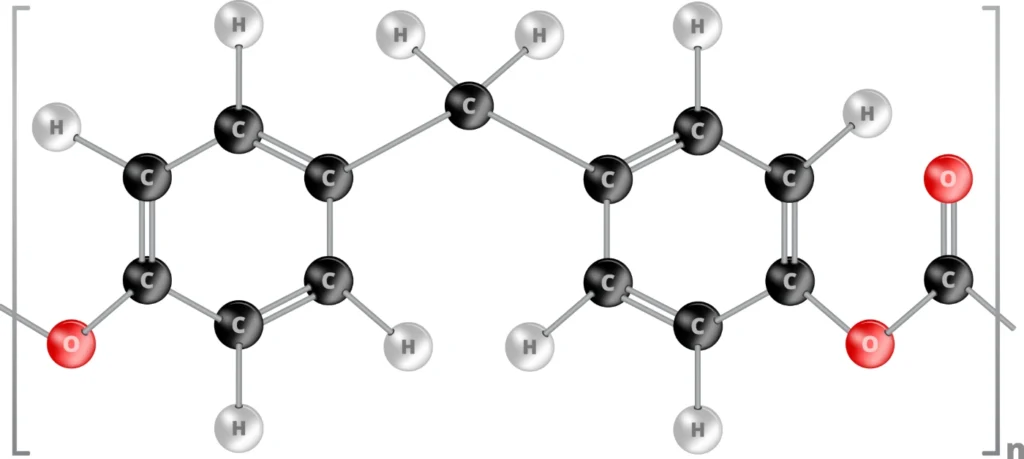
As the above diagram of the chemical structure shows, polycarbonate has both carbonate and organic functional groups. Polycarbonate chemical formula is (C16H18O3)n.
Can Polycarbonate Be Machined?
Yes, polycarbonate is easy to machine. As long as the proper cutting conditions are met, the thermoplastic produces reliable machined parts. Experts manage heat generation and other aspects and optimize the toughness and overall machinability of this material.
Can You Cut Polycarbonate on a CNC?
Polycarbonate properties allow it to be precisely cut on a CNC machine. Processes such as CNC turning, CNC milling, and CNC routing can be smoothly performed on this plastic. CNC machining is one of the most popular methods to produce parts from polycarbonate.
Can I Use a Grinder to Cut Polycarbonate?
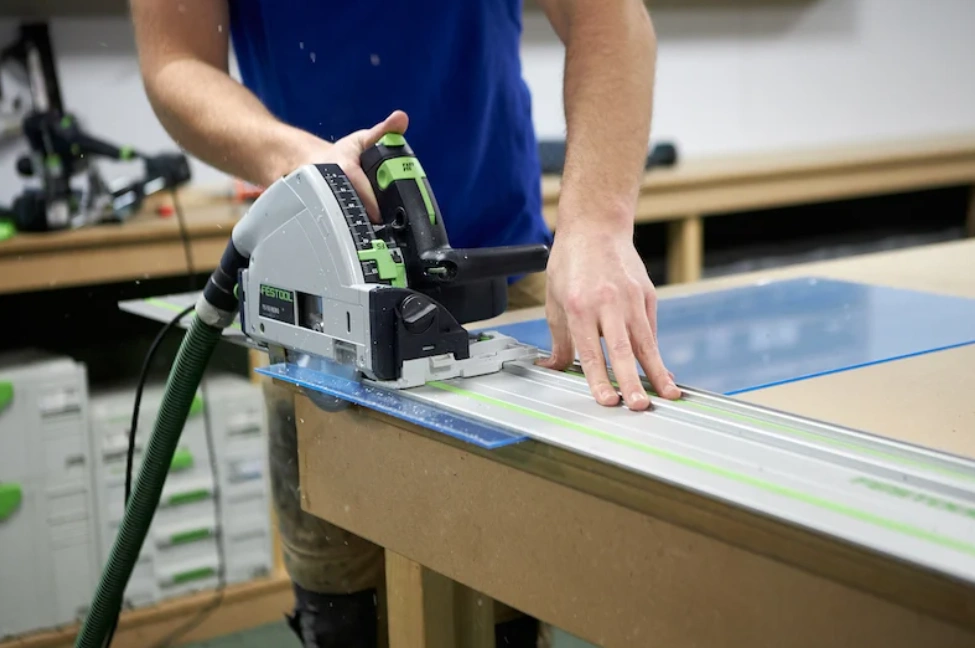
While a grinder can cut through polycarbonate, it is not a recommended method due to excessive heat generation. The grinder method can easily damage polycarbonate and affect the precision and quality of the part.
On the contrary, you should use controlled cutting methods such as table saws and jigsaws.
Properties of Polycarbonate Suitable for CNC Machining
Polycarbonate is preferred in CNC machining applications due to properties such as dimensional stability, toughness, and thermal resistance.
Here is a table summarizing polycarbonate mechanical properties, physical properties, and chemical properties.
| Polycarbonate Physical Properties | Polycarbonate Chemical Properties | Polycarbonate Mechanical Properties |
| Melting point: 155°C Density: 1.20 – 1.22 g/cm³ Glass transition temperature: 147°C Water absorption: 0.15 – 0.35% Thermal conductivity: 0.19 – 0.22 W/m·K Transmittance: Transmits 90% of light | UV resistance: Poor, requires stabilization Chemical resistance: Poor against strong solvents, good against dilute acids Flammability: Self-extinguishing | Impact Strength (Notched Izod): 600 – 850 J/m Compressive strength: 80 – 90 MPa Tensile strength: 55 – 75 MPa Flexural Modulus: 2,300 – 2,400 MPa |
Pros and Cons of Polycarbonate Machining
Polycarbonate machining parts are popular for their precision, impact resistance, and durability. However, they present several limitations, including surface finishing issues and heat sensitivity.
Below is an outline of the pros and cons of polycarbonate machining.
Pros of CNC Polycarbonate Parts
- Lightweight
- High impact resistance
- Optical transparency
- Accepts a wide range of machining operations
- Good dimensional stability
- Can be sterilized
- Relatively good heat resistance
Cons of CNC Polycarbonate Parts
- Parts may require annealing to relieve internal stresses
- Typically costlier than alternative plastics
- The PC surface can be easily scratched
- Can melt during cutting
Common Challenges in Polycarbonate Machining
The main challenges in polycarbonate machining are heat buildup, surface defects, and chip adhesion.
Heat Buildup: The friction from the cutting tool produces heat. If cooling is inadequate, the area around the cut zone can melt and stress-crack.
Surface Defects: Poor cutting parameters can promote the formation of surface defects such as scratches and burn marks.
Chip Adhesion: The stringy chips from PC machining can stick to the cutting tool and plastic. This can raise the cutting temperature and damage the surface.
Important Tips in Polycarbonate Machining
Like for other CNC machining materials, Reliable CNC machining of PCpc material depends on several factors, including optimized cutting parameters, effective cooling, finishing allowance, and sharp tooling.
- The cutting parameters should be optimized.
- The cutting zone should be continuously cooled
- Sharp carbide tools with high helix angles are recommended
- The cutting tools should have a positive rake angle
- A small finishing allowance is necessary to account for thermal expansion and ensure correct tolerances
Parameters for Successful Polycarbonate Machining
Here are the recommended parameters for successful PC machining, covering cutting speed, feed rate, spindle speed, depth of cut, rake angle, tool material, and coolant type.
| Parameter | Recommended value |
| Cutting speed | 300–500 m/min |
| Feed rate | 0.05–0.2 mm/rev |
| Spindle speed | High RPM |
| Depth of cut | 0.5–5 mm |
| Rake angle | Positive rake, 5°–15° |
| Tool material | Sharp HSS or carbide |
| Coolant | Mild coolant or air blast |
Tolerances Achievable With Polycarbonate CNC Machining
Since polycarbonate is dimensionally stable, machining it under controlled conditions can achieve tight tolerances. The achievable tolerances are as outlined below.
Fine Tolerance: ±0.05 mm
Standard Tolerance: ±0.1 mm
Flatness/Straightness: ±0.05 mm per 100 mm
Hole Diameter Tolerance: ±0.025 mm
Surface Roughness: Ra 0.8–3.2 µm
The consistency of these values depends on residual stress, tool wear, and thermal expansion during machining.
Design Optimization for PC Machining
Design optimization for polycarbonate machining is based on design guidelines for wall thickness, corners/radii, feature placement, and bores/holes.
Wall Thickness: Should be maintained at a minimum of 1.5mm. It should also be uniform to reduce stress concentration.
Corners/Radii: Minimum internal radius should be 0.5 mm – no sharp corners
Feature Placement: Slots and features should be located at a distance of about 1.5× the feature diameter from the edges.
Bores/Holes: The diameter-to-depth ratio for holes and bores is recommended at 3:1. Peck drilling is ideal to prevent chip clogging.
Steps of Polycarbonate Machining
The general steps in PC machining include material preparation, machine setup, material clamping, machining, and post-machining.
Step 1: Material Preparation – Material is selected and cut to size in readiness for machining.
Step 2: Machine Setup – The tooling is loaded, feed rates and cutting speeds set, and the tool geometry verified.
Step 3: Material Clamping – Soft but firm fixtures are used on the polycarbonate material.
Step 4: Machining – The cutting operation is executed with emphasis on cooling and chip management.
Step 5: Post-Machining – The edges are deburred, and any required surface treatment is applied.
Different Methods of Polycarbonate Machining
Polycarbonate can be processed using several methods, including CNC turning, CNC milling, CNC routing, drilling polycarbonate, and laser cutting. The choice depends on what tolerances and geometries the manufacturer intends to achieve.
CNC Turning Polycarbonate
A lathe machine is the central machine in CNC turning. It is ideal for cylindrical PC parts. Using the correct tool geometry and type, and cooling the cutting zone, can ensure tight tolerances and excellent surface finish.
CNC Milling Polycarbonate
This method involves CNC milling machines equipped with tough carbide tools. It is based on a multi-point cutting tool rotating against a stationary PC workpiece. With optimized feed rates and cutting speeds, milling delivers precise and versatile parts.
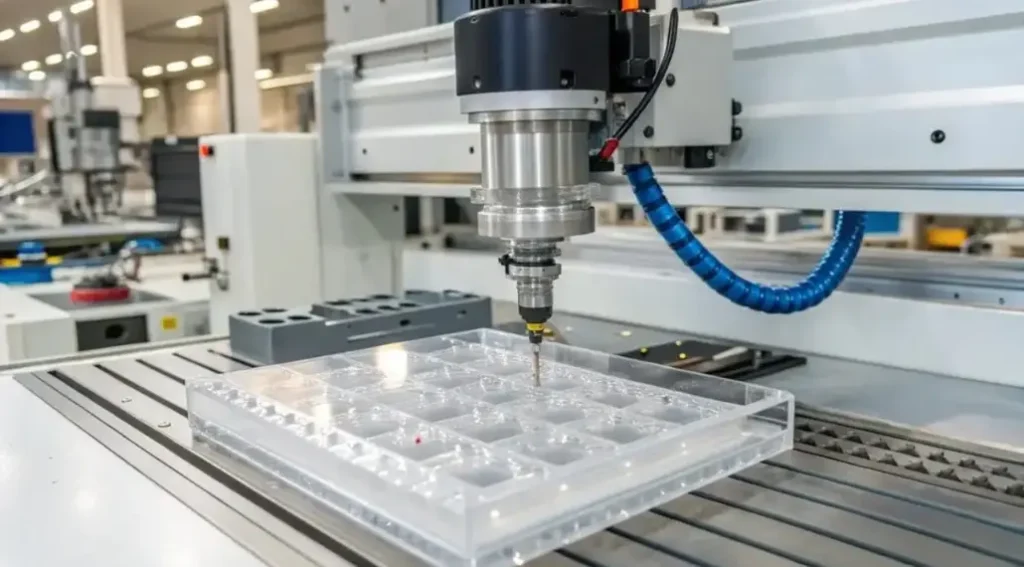
CNC Routing Polycarbonate
CNC routing is a common technique for producing 2D and 3D features on polycarbonate sheets. It is the technology behind PC signage and architectural models.
Polycarbonate Laser Cutting
Laser cutting is a preferred method of producing intricate parts from thin PC sheets. The main machines for this cutting method are CO2 and fiber lasers. Polycarbonate laser cutting suits complex parts such as gears.
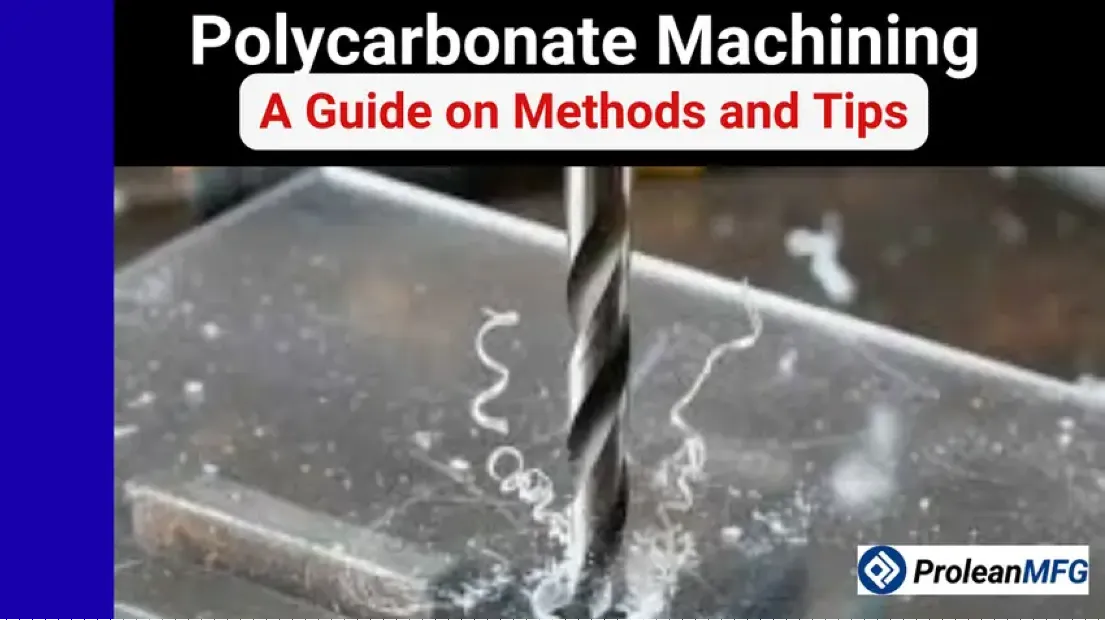
CNC Drilling Polycarbonate
Precision drilling polycarbonate equipment with controlled feed rates and sharp tooling makes smooth, clean holes. The process is slow and steady, and sufficient cooling is applied.
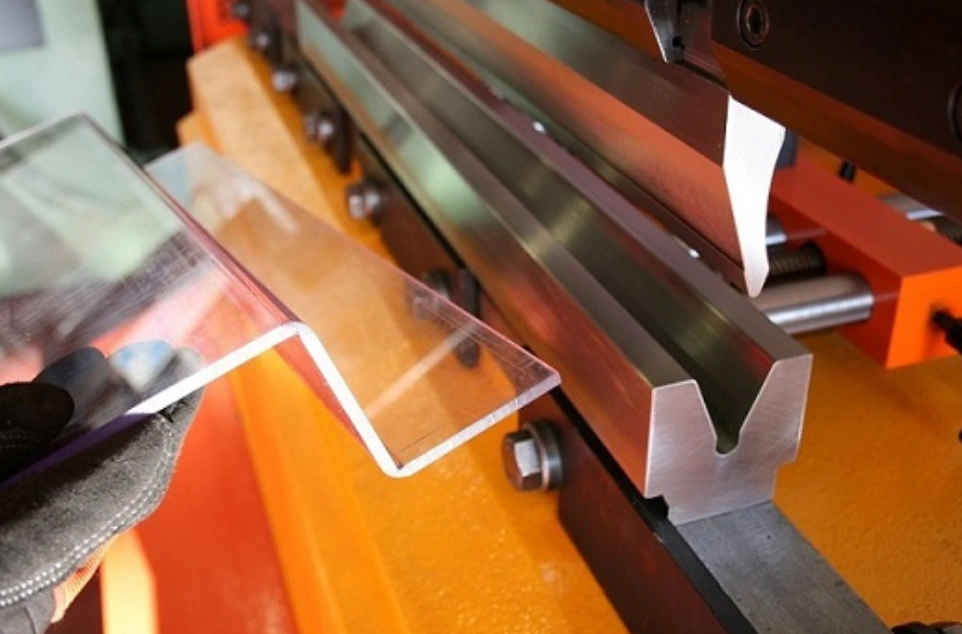
Other polycarbonate machining methods include bending polycarbonate, polycarbonate grinding, polycarbonate waterjet cutting, and polycarbonate welding.
Different Finishing Methods in Polycarbonate Machining
There are several finishing methods for PC machined parts, the main ones being as-machined, coating, flame polishing, vapor polishing, and annealing.
As-Machined – Tool marks are left on the machined part’s surface. Surface roughness of up to Ra 3.2 µm 3.2 Ra can be achieved. This cost-saving finishing method is suitable for non-critical parts such as brackets.
Coating – Coating is often used to protect the scratch-prone surface of polycarbonate. Some coatings can also enhance optical transparency.
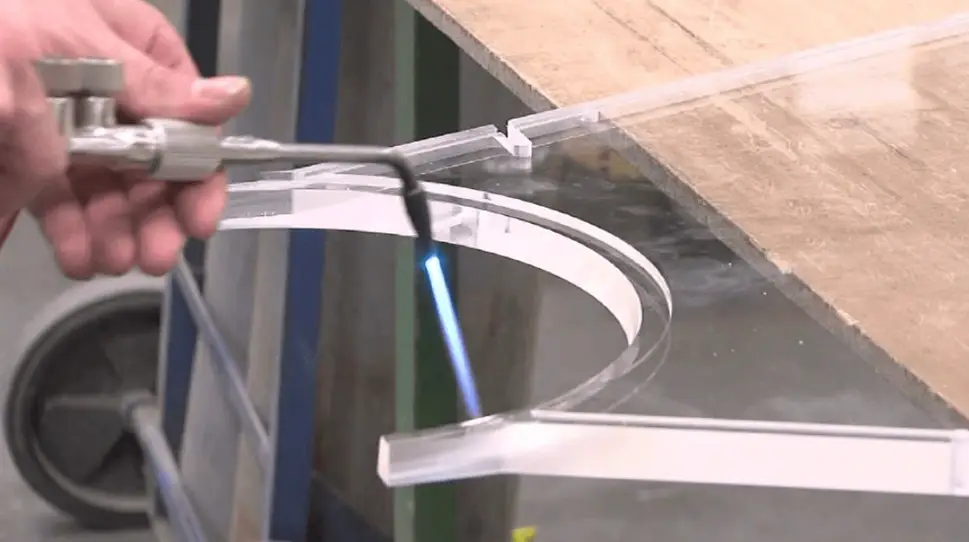
Flame Polishing – A hydrogen-oxygen torch is used to melt the surface layer. The process produces a crystal-clear surface, particularly in edge finishing.
Vapor Polishing – Vapor polishing involves the application of solvents on the surface. The solvents trigger a reaction that smoothens the surface and removes tool marks.
Annealing Polycarbonate – Annealing polycarbonate is heating the material up to 140°C for several hours. The duration depends on the part’s complexity and size. The process is performed on critical parts to prevent stress cracking.
Polycarbonate Grades for CNC Machining
The available polycarbonate grades for CNC machining include general-purpose grade, medical grade, flame-retardant grade, optical grade, and glass-filled grade.
The manufacturer will consider things like clarity, strength, and environmental suitability when choosing any plastic machining materials from these grades.
General-Purpose Grade – You will find this grade in everyday applications. While cost-effective, this PC grade gives reliable performance. It can withstand significant impact and allow about 90% of the light.
Medical Grade – Medical applications require parts that are strong, tough, heat-resistant, and chemically resistant. Medical-grade PC provides these properties and meets the strict performance requirements of the industry.
Flame-Retardant Grade – This grade has special fire resistance capabilities. It is popularly used in electrical and electronic applications.
Optical Grade – This grade is engineered for high optical clarity. It is commonly used in lenses and protective covers.
Glass-Filled Grade – Glass added to polycarbonate produces a material that is three times stiffer. The reinforcement also reduces the thermal expansion. Therefore, glass-filled PC can make parts with thinner walls and reduce component weight.
Polycarbonate Forms Used in Machining
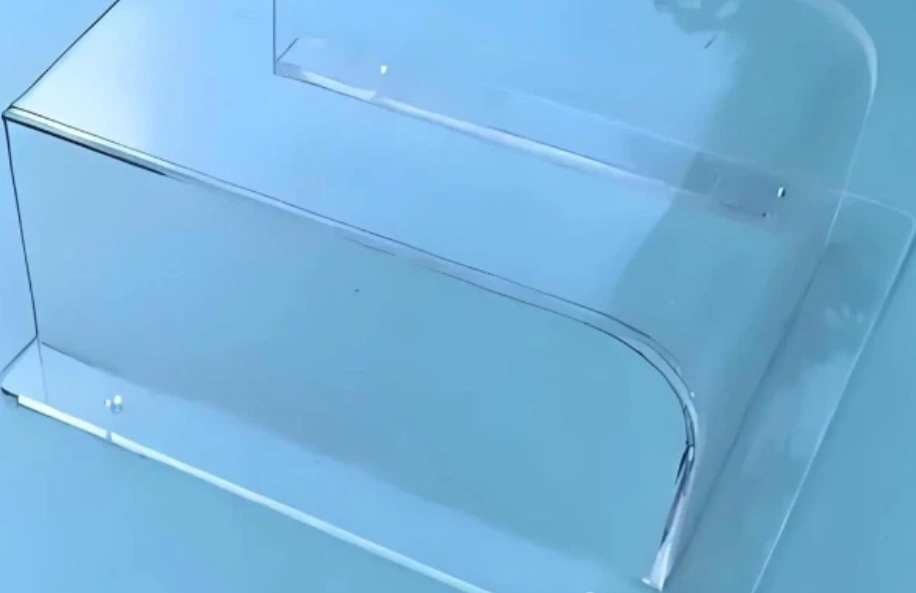
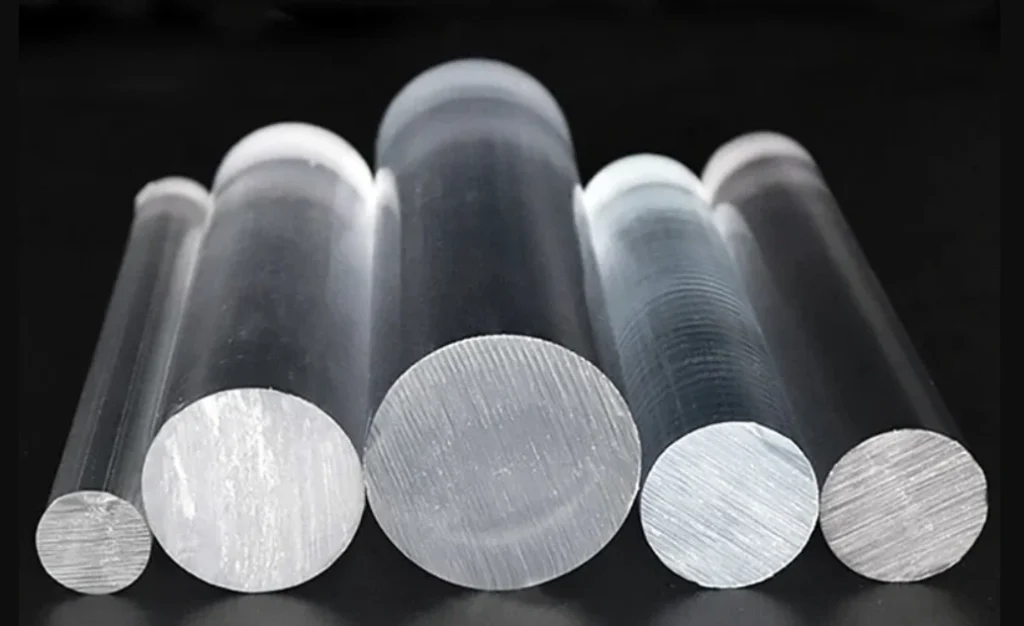
The main forms of polycarbonate used in CNC machining processes are sheets, tubes, and rods. The geometry of your PC part will determine which of these forms is used.
Polycarbonate Sheets: Polycarbonate sheets are available in standard thicknesses ranging from 0.5 mm to 25 mm. The common dimensions are 2050 × 3050 mm and 1220 × 2440 mm.
Polycarbonate Tubes: Polycarbonate tubes are also available in standard sizes. They are popularly used to manufacture cylindrical parts such as spacers and bushings.
Polycarbonate Rods: There are also the versatile PC rods. We can use them to produce fasteners, shafts, and pins using CNC turning.
Polycarbonate vs Other Plastics in Machining
Polycarbonate is often compared to acrylic (PMMA) and ABS (Acrylonitrile Butadiene Styrene). While PC stands out for its impact resistance, other CNC machining trade-offs to consider are highlighted below.
Polycarbonate vs. Acrylic (PMMA)
Acrylic, also called PMMA (Polymethyl methacrylate), offers better optical clarity than PC. Therefore, it is a better choice for applications such as lenses and displays.
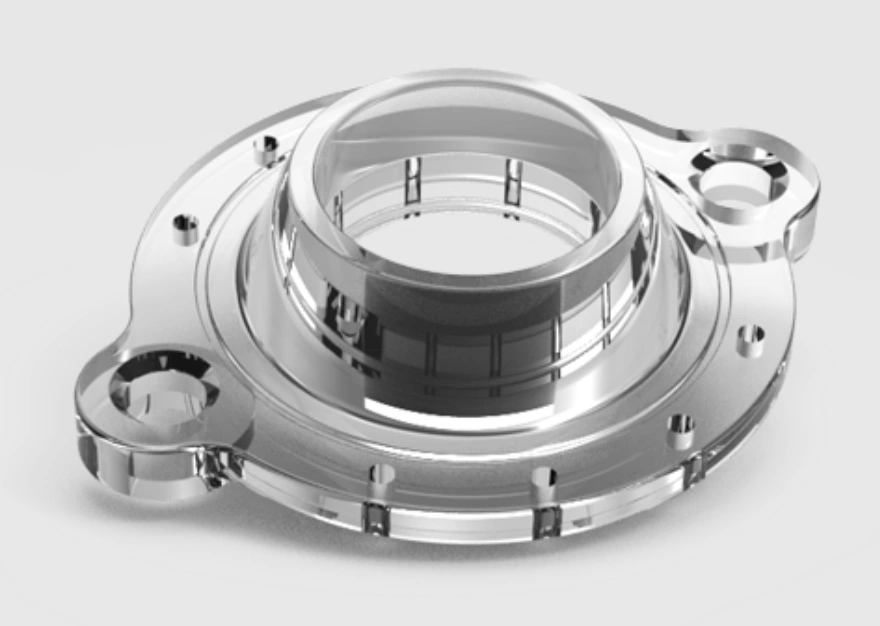
When it comes to impact resistance, custom polycarbonate parts are preferable. Machined PC parts make more reliable protective covers and other components requiring high impact resistance.
If you are concerned about the environmental performance of these materials, consider acrylic machined parts for indoor applications. For outdoor use, polycarbonate is better suited because it can withstand high temperatures.
PMMA is easier to machine, and its parts are more affordable. Consider it for high-volume applications, especially if it ticks in the other points. Polycarbonate parts may be more expensive, but their excellent performance in demanding applications justifies the cost.
Polycarbonate vs. ABS (Acrylonitrile Butadiene Styrene)
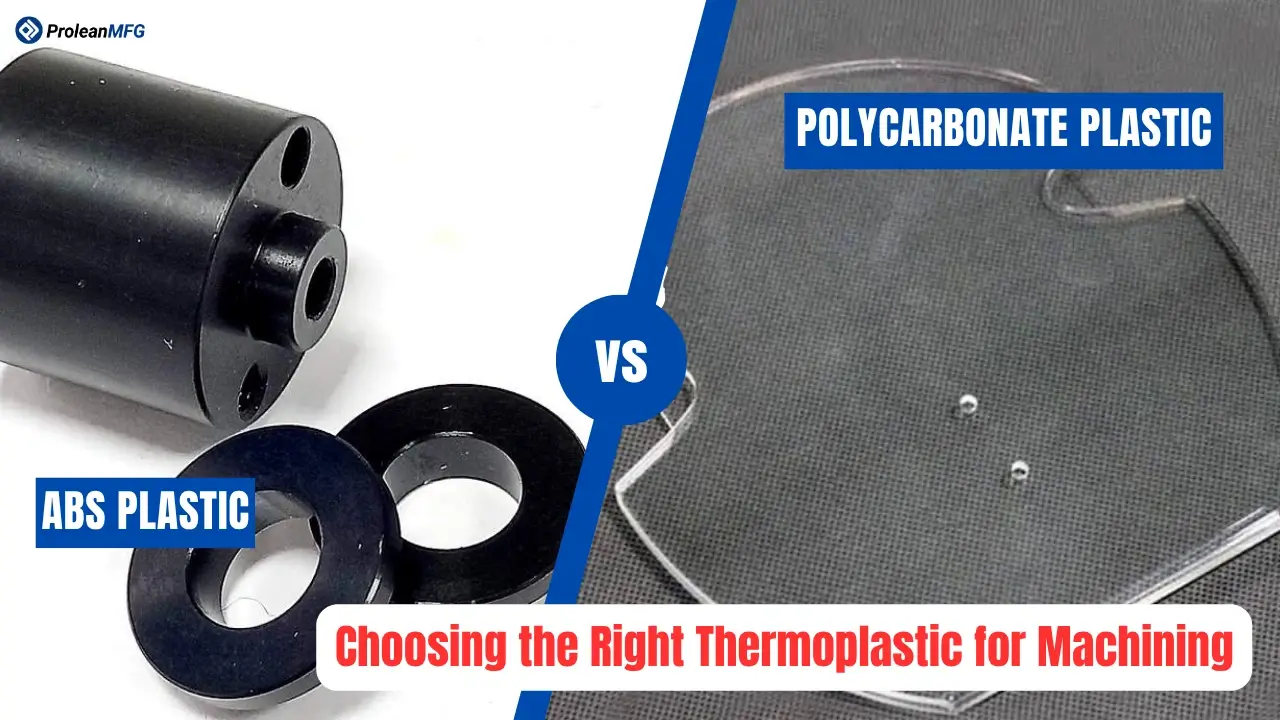
ABS is easier to machine than PC material. PC requires higher cutting forces, so the cutting tools tend to wear fast. Consequently, it is challenging to produce tight or thin features.
PC generally offers better dimensional stability, impact resistance, and optical clarity.
How to Minimize Costs in Polycarbonate (PC) CNC Machining Projects
Here are various strategies to minimize costs in PC machining:
- Proper material selection – Use standard stock sizes and general-purpose grade when possible
- Rational tolerance – Avoid over-tolerancing
- Batch manufacturing – Use larger manufacturing runs to take advantage of lower per-unit setup costs
- Tooling management – Tools should be well-maintained and sharp
- Simple designs – Design should not have unnecessary features. Multiple components can be consolidated for more machinability
Common Applications of Polycarbonate Machining
Polycarbonate machined parts are prominently used in areas such as aerospace, automotive, LED assemblies, and electronic enclosures. The material is commonly used where the parts need to be durable, clear, and strong under stress.
Aerospace Polycarbonate Parts

Cockpit windows, instrument covers, and overhead bin doors are some aerospace parts commonly made of polycarbonate. The material passes standards such as FAR 25.853 and lightweight requirements.
For the cockpit window, the material’s incredible impact resistance is effective against bird strikes. It also works excellently in the wide temperature ranges aircraft are exposed to.
Automotive Parts
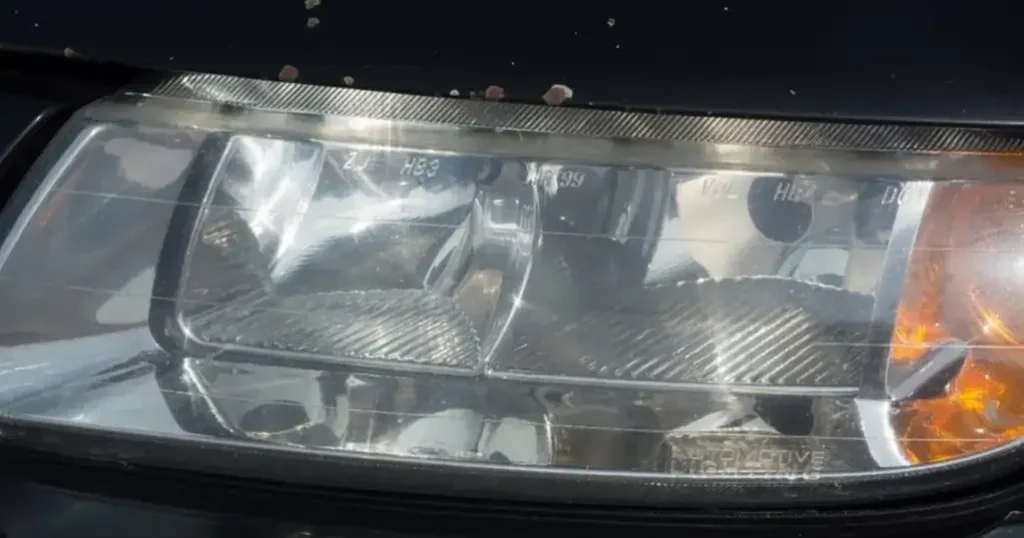
Polycarbonate material is suitable for automotive parts for its optical clarity, low weight, and compliance, for instance, with ECE regulations. Effective machining of Lexan for automotive and other industries delivers complex and durable parts.
You can have a thin PC panel (within ±0.05mm), but the material still withstands impacts.
LED Assemblies
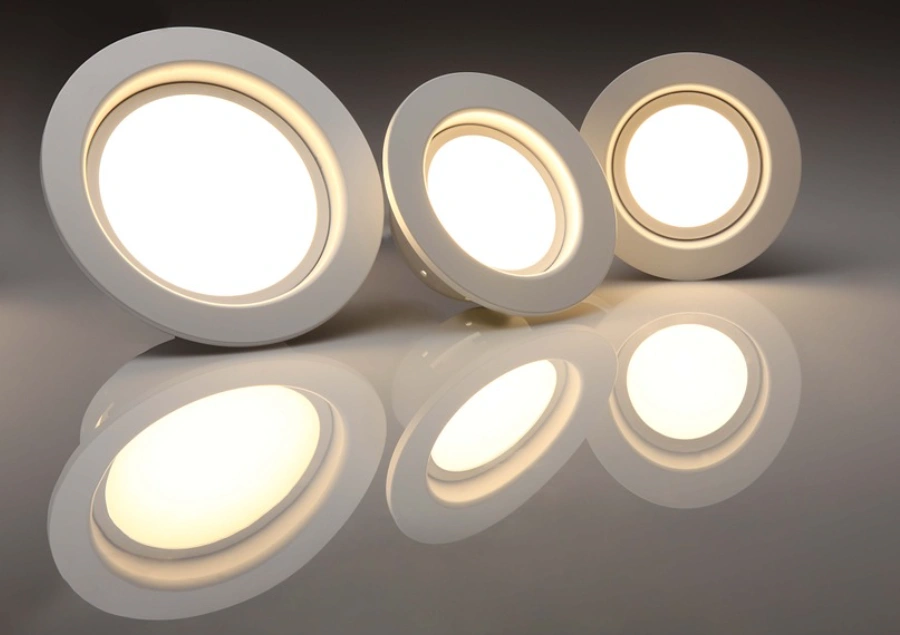
CNC polycarbonate parts can be used in LED assemblies as diffusers. They help in spreading the light evenly to minimize hot spots. Due to PC’s suitable refractive index, the material is a perfect alternative for the heavier and shatter-prone glass.
Electronic Enclosures
Polycarbonate electronic enclosures are capable of withstanding strong chemicals and UV rays. PC enclosures give excellent performance in harsh conditions where regular replacements are detested, for instance, in boats.
IP67-rated PC covers protect circuits in oily and other harsh industrial environments.
How is Polycarbonate Made?
There are four main polycarbonate production processes: Transesterification, carbonate polymerization, direct polymerization, and solution polymerization. While each of these processes is unique, the end goal is to give PC its characteristic clarity, strength, and performance reliability.
Method 1: Transesterification
This method entails the reaction of bisphenol A with dimethyl carbonate at 200-250°C. The removal of the by-product methanol results in the formation of polycarbonate.
Method 2: Carbonate Polymerization
Carbonate polymerization involves cyclic dimethyl carbonate or any other suitable cyclic carbonate. This relatively new technology specifically uses catalytic action. It may be complex, but it produces stable and pure polycarbonate.
Method 3: Direct Polymerization
In direct polymerization, a diphenol (such as bisphenol A) is reacted with diphenyl carbonate. The method allows for the production of polycarbonate with specific properties. The resulting PC has excellent chemical and physical properties.
Method 4: Solution Polymerization
Solution polymerization synthesizes PC in a solvent. An organic solvent is used during the mixing of a carbonate with bisphenol A. This method is ideal for small-batch production of specialty polycarbonate.
In Conclusion
Polycarbonate (PC) is a widely used engineering plastic. As highlighted, the plastic is mostly preferred for its impact resistance, optical clarity, low weight, strength, and durability. It is an excellent substitute for both glass and metal in some instances.
Yes, CNC machining PC presents challenges such as cracking and warping, but a professional can avoid such issues. Machining requires proper strategies involving the right tooling, cooling, post-machining, and so on.
With our expert CNC machining services, all these requirements fall into place.