
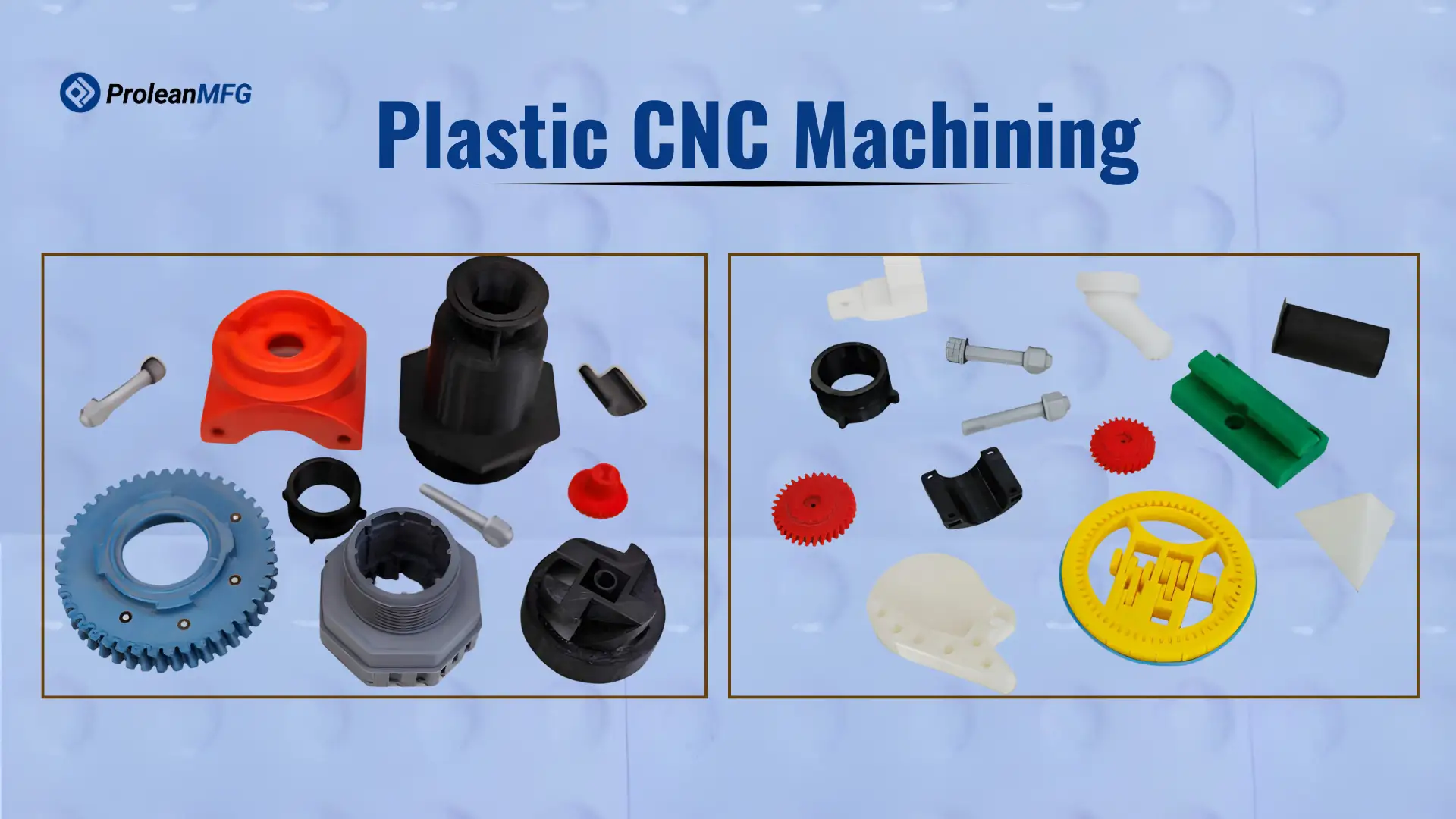

Many assume CNC machining is only applicable for metals such as aluminum, steel, and titanium. However, plastics are increasingly machined using CNC processes. Plastics offer low weight, dimensional stability, and are relatively more affordable than most metals. In many applications, plastic parts meet performance requirements while reducing material and machining costs.
CNC plastic machining is widely used for prototypes, functional components, and low- to medium-volume production. It allows tight tolerances, consistent geometry, and good surface finishes without the tooling investment required for injection molding.
This article explains the common machining of plastics based on functional requirements and operating conditions. It focuses on the advantages of using plastics and practical selection criteria to help you make the right choice for your project.
Can Plastic Be CNC Machined?
Yes, plastic can be CNC-machined. This question is understandable because CNC machining is mostly associated with metals and other conventionally rigid materials. And even when the process is targeted at plastics, it is usually done as a complementary process.
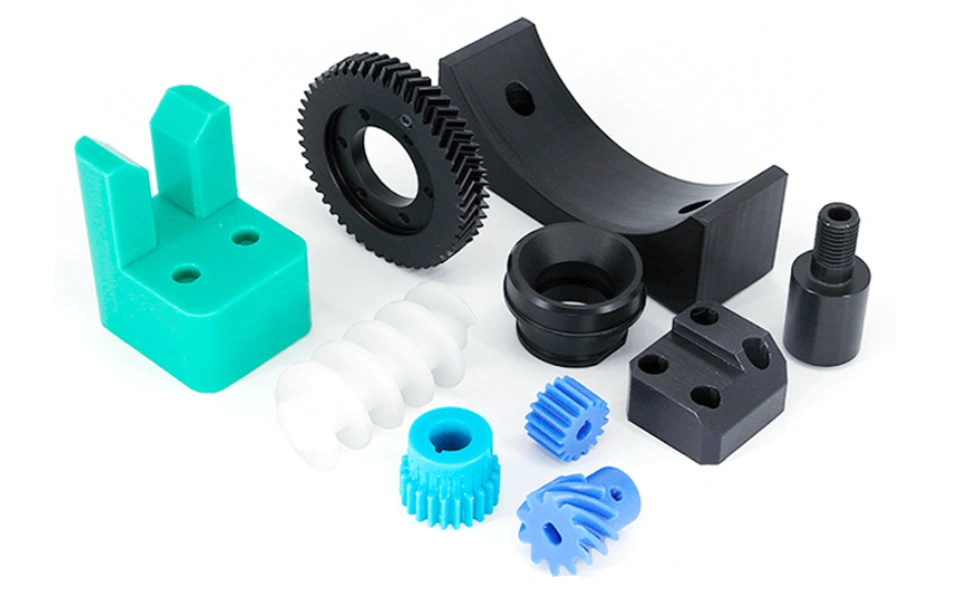
CNC plastic machining parts
That said, CNC machining plastic parts is popular and still growing in popularity. Some reasons for this are cost-effectiveness, flexibility for complex geometries, and support for tight tolerances.
Key Machining Considerations for Plastics?
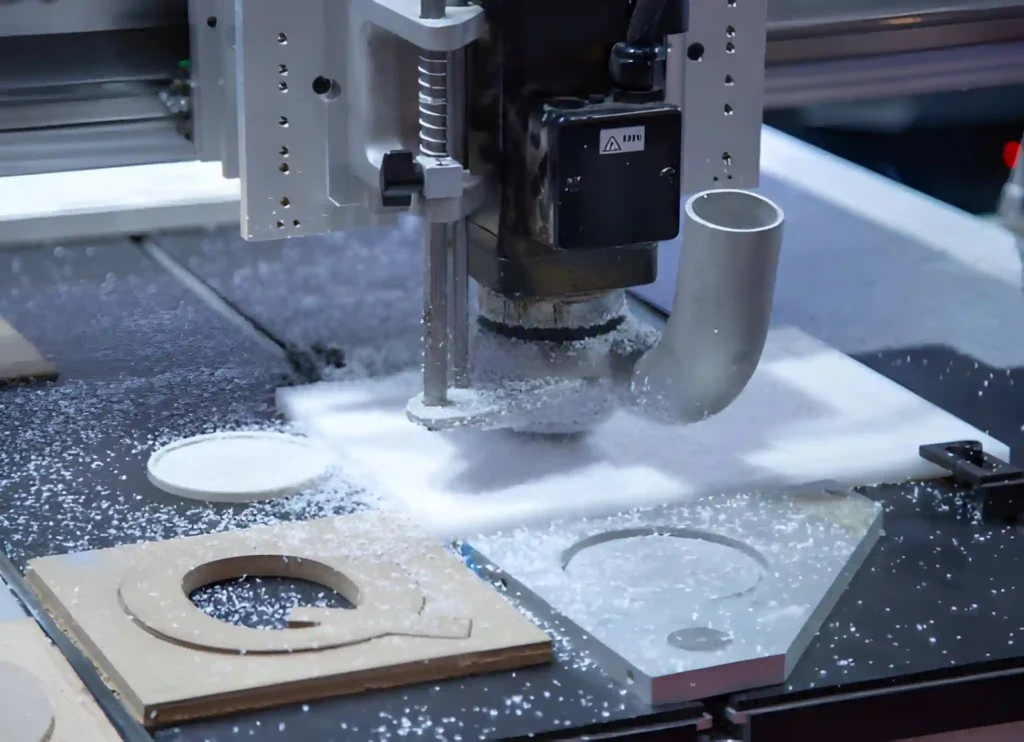
Laser engraving machine
Setting up a CNC machine for plastics requires an entirely different approach than running one with metals. Since plastics melt easily, you need to monitor heat buildup while machining.
Therefore, to maintain precision, you have to set your cut-optimised speed based on the material’s characteristics. A sharp cutter and adequate feed rates will also help prevent plastic melting. Also, the amount of pressure you apply to the cutter affects the chip size that comes off the workpiece. If the cutter exerts too much pressure on the plastic, the continuous chips are more likely to get tangled in the cutting tool and roughen the surface.
If you manage heat, cutter pressure, and chip removal properly, you can achieve an extraordinarily smooth edge and accurate dimensioning of your plastic parts. Therefore, plastic machining can accomplish high accuracy; however, most plastics cannot maintain the same tolerance stability as metals over a long period of time.
How Does CNC Plastic Machining Differ from Metals?
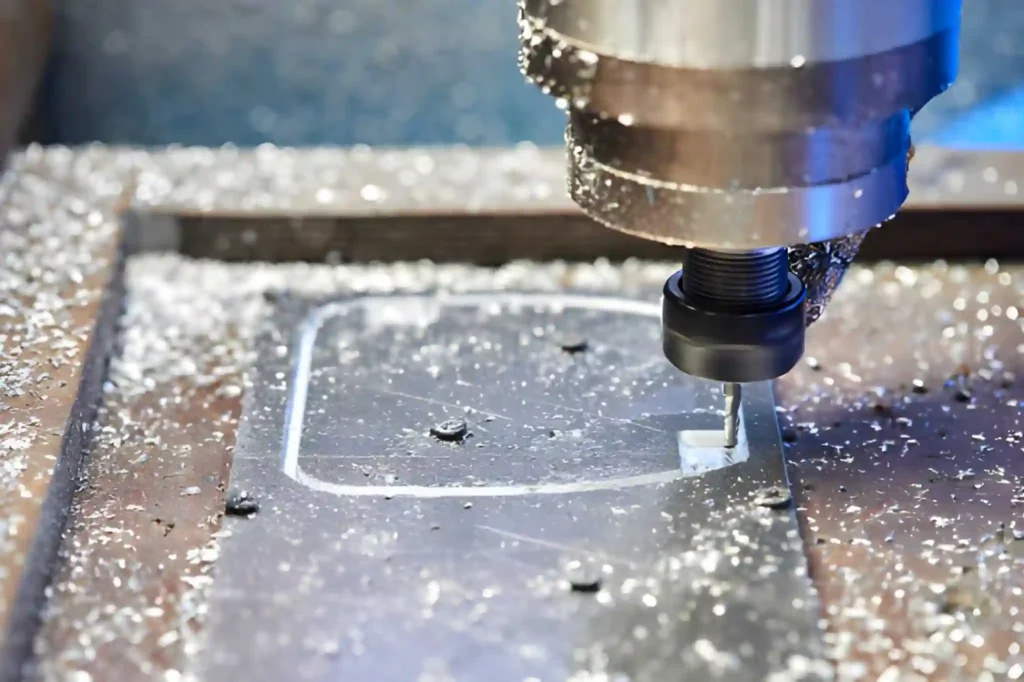
Milling Machine Cutting Metal Profile
When you use a CNC machine to work with metals, you are dealing with complex, stiff, and rigid materials. Most plastics are soft and flexible (except POM, PC, and FR4). When you CNC machine them, you must clamp them down firmly enough to prevent bending or distortion from the cutting force.
Additionally, the path that your cutter takes to remove material from the plastic part is critical, since excessive stress in any area of the part can cause it to distort or warp. Therefore, the path you take through the part should be as gentle as possible.
Finally, unlike metals, plastics can be machined faster, but once they heat up, they soften, become more prone to melting, and warp. Using sharp cutters, appropriate feeds, and coolants will help minimize this problem.
Controlling heat buildup, cutter pressure, and chip removal is key to achieving a nice, clean edge and accurate dimensioning of the plastic parts.
Properties of Machinable Plastic
CNC-machined plastics have unique properties such as corrosion resistance, low thermal conductivity, optical properties, impact resistance, lower density, and biocompatibility. Plastics are also more susceptible to cutting forces and thermal expansion.
- Corrosion Resistance: Plastics have good corrosion resistance, making them suitable for plastic CNC machining applications requiring such qualities. Some of the best options in this case are UHMW, PVC, PP, and Teflon® (PTFE).
- High Thermal Expansion Coefficient: The expansion of plastics under heat is higher than that of metals. For instance, POM’s linear expansion coefficient of approximately 100 × 10⁻⁶/K is higher than that of C2801 brass – 20.8 × 10⁻⁶/K.
- Optical Properties: Plastic CNC-machined parts offer different optical options, ranging from transparent to opaque. The factors that determine this performance include additives, crystallinity, and synthesis method.
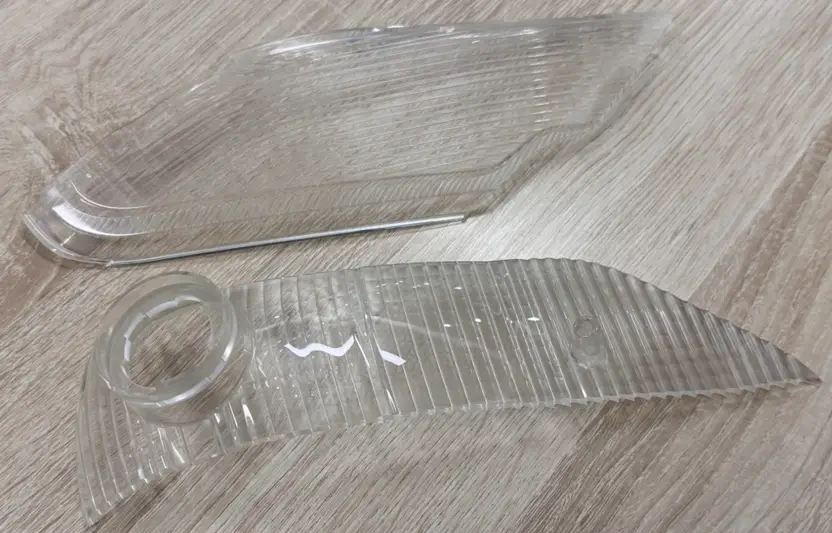
Transparent acrylic machined parts
- Impact Resistance: If you are looking for impact resistance in your next CNC machining project, you can rest assured that there are plastics that fit those requirements. Popular ones are ABS, PC, PET, and HDPE.
- Lower Density: Using custom-machined plastic parts also comes with the benefit of low weight. If plastics can match the properties of metal in applications where low weight is critical, then they are a perfect alternative.
- Biocompatibility: When it comes to a sensitive industry such as medical, the biocompatibility of parts is crucial. Some plastics are engineered for such requirements. Examples are polymethyl methacrylate (PMMA) (Acrylic) and silicone (polydimethylsiloxane (PDMS)).
What Tolerances Can Be Achieved with CNC Plastic Parts?
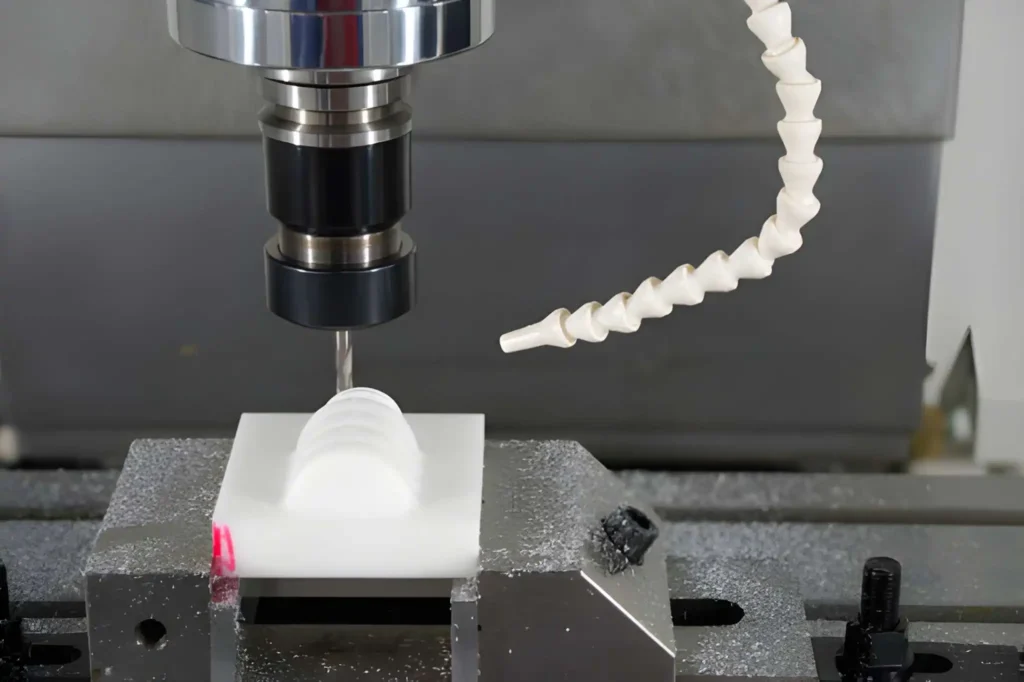
Tiny Plastic Part Milling
Depending on the plastic type used and the part thickness, you can achieve even tighter tolerances, close to +/-0.005 in (0.127 mm). However, as with any type of machining, there are limitations on how closely the tolerance can be held, depending on the part complexity, the kind of plastic, and the method of producing the part.
However, by using the appropriate tooling, securely holding the part during machining, and controlling the machining parameters, it is possible to produce plastic parts with consistent, repeatable, close tolerances.
What Are the Advantages of CNC Plastic Machining?
There are several advantages of CNC milling plastics:
- Cost-effective: Generally, plastics are less expensive to purchase and machine than metals, making them a viable option for prototype development and/or large-scale production.
- Easy to machine: Plastics are relatively easier to machine than most CNC machining materials and can be cut at high speeds, reducing the overall processing time. However, tools containing materials such as glass fiber and FR4 wear out extremely quickly.
- Corrosion-resistant: Since plastics don’t rust or corrode like metals, they provide a longer-lasting solution for parts exposed to harsh environmental conditions, including humidity, salt air, and chemicals.
- Design versatility: With numerous types of plastics available, including transparent, filled, and high-performance engineered plastics, designers have a wide range of options for creating innovative, functional parts.
How to Select the Right Plastic for CNC Plastic Machining
Selecting the right plastic for milling operations depends on the part’s intended application. Not all plastics exhibit the same degree of strength, durability, heat resistance, or chemical resistance. The following factors should be considered:
- Mechanical Strength: Will the part need to withstand physical abuse or support heavy loads?
- Dimensional Stability: Does the part remain dimensionally stable over a period of time?
- Chemical Resistance: Is the part subject to exposure to oils, solvents, or other chemicals?
- Temperature Limits: Will the part be subjected to extreme temperatures?
At Prolean Tech, we evaluate the part’s requirements and match it to the appropriate plastic material to ensure reliable performance and prevent common problems with plastic parts, such as warping, cracking, or premature wear.
What are the Common Plastics Compatible with Machining Applications
Here are the most common plastics for machining, their properties and performance, and all listed materials are compatible with CNC milling and turning.
ABS CNC Machining
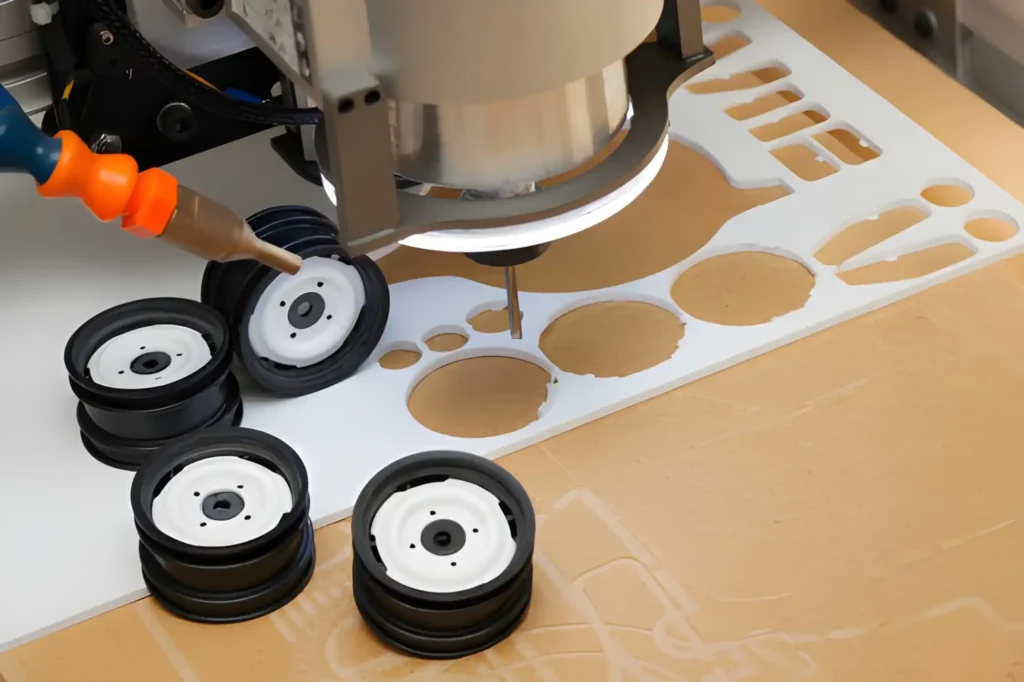
ABS CNC Machining
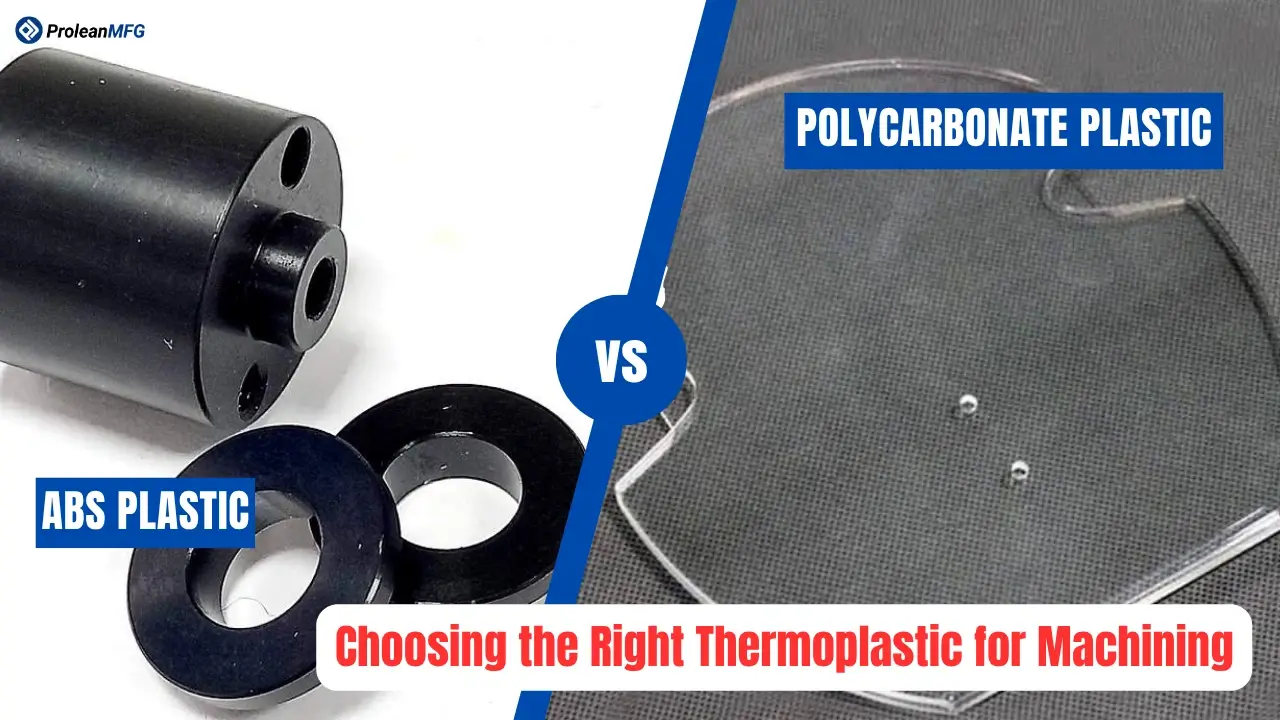
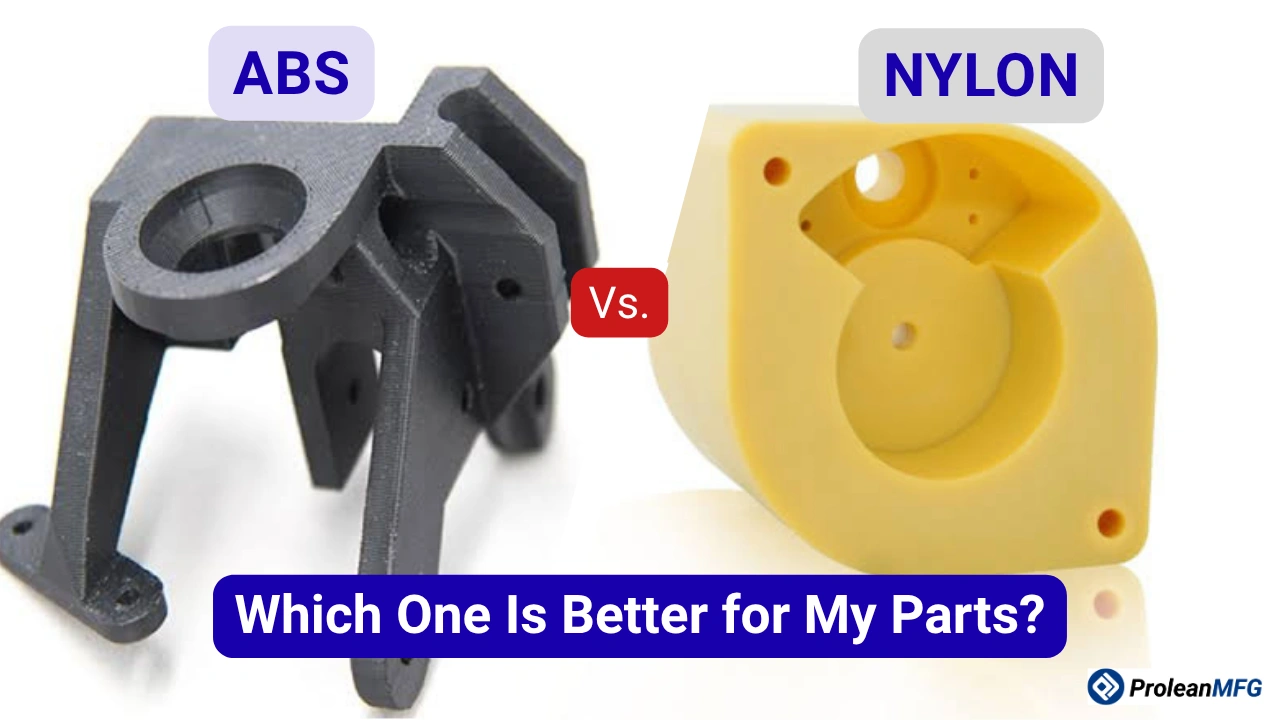
ABS is a versatile, affordable plastic for machining. It provides a good balance of impact resistance and toughness. ABS is relatively inexpensive to purchase and machine, and can be easily painted, bonded, or welded after machining.
Advantages
- Inexpensive and readily available
- Durable for prototyping and parts that may experience impacts
- Good electrical resistance
Disadvantages
- Sensitive to certain chemicals, such as acetone
- Limited abrasion resistance
- For larger stocks of ABS thicker than 2 inches, availability can be limited.
Applications
- Prototyping parts before mold development
- Housings for electronic devices
- Components for appliances
Nylon (PA/Nylon 6/6) CNC Machining
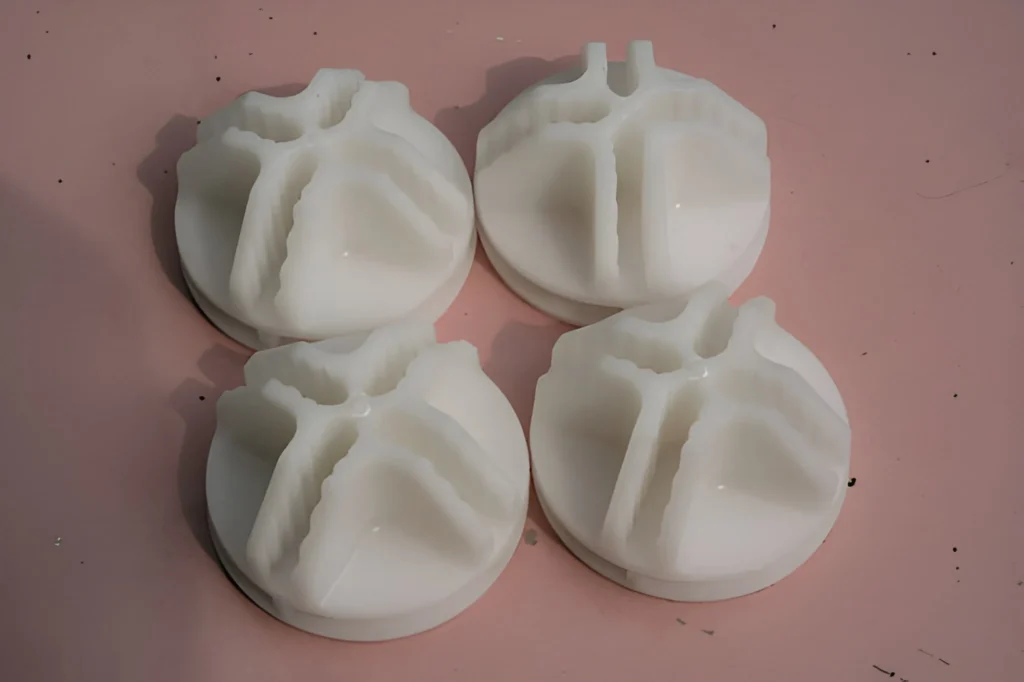
Nylon Machined Parts
Nylon is a highly resilient, durable machining plastic that retains its shape and rigidity even under heavy loads. Reinforced nylon is stiffer and more wear-resistant.
Advantages
- Strong and dimensionally stable
- Good chemical and wear resistance
- Cost-effective alternative to metals
Disadvantages
- Absorbs water, affecting dimensional stability
- Thin sections may warp if the material is removed unevenly
Application
- Gears and mechanical parts
- Insulation and fastening components for electrical devices
- Parts for the automotive and aerospace industries
Acrylic (PMMA) CNC Machining
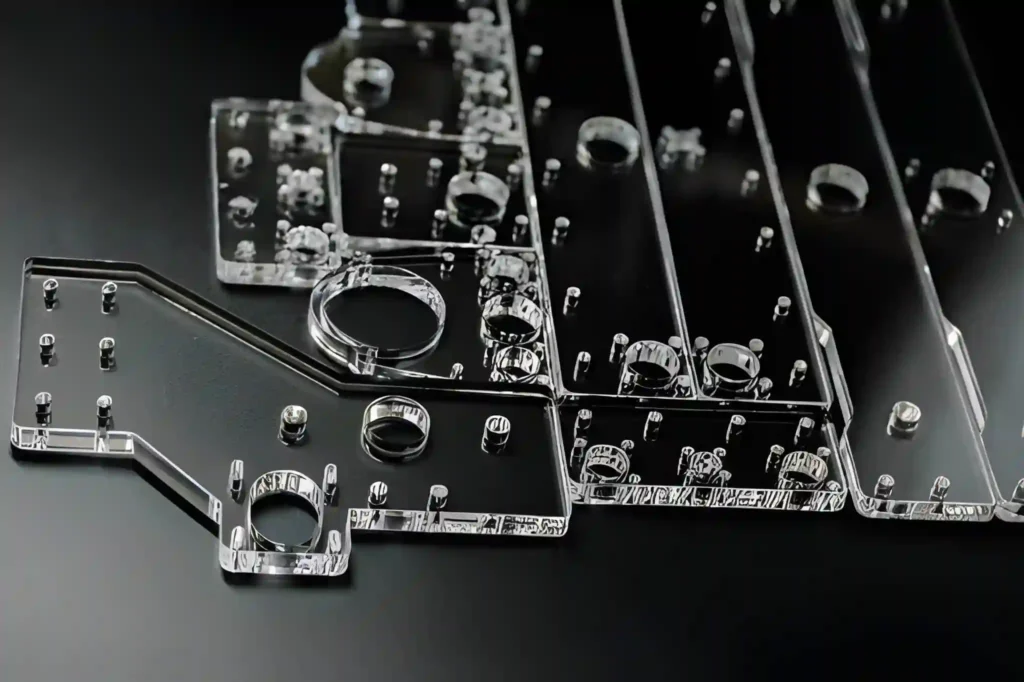
Acrylic form machine part
Acrylic is a clear, lightweight plastic that is resistant to minor scratches. It is the ideal choice for parts requiring high optical clarity.
Advantages
- Translucent and aesthetically pleasing
- Can be bonded with acrylic adhesive
- Scratch-resistant for light wear applications
Disadvantages
- Brittle, prone to cracking when walls are thin
- May create “frosted” surfaces unless polished
Application
- Light pipes and panels
- Transparent enclosures for electronic devices
- Signage and display cases
POM/Delrin CNC Machining
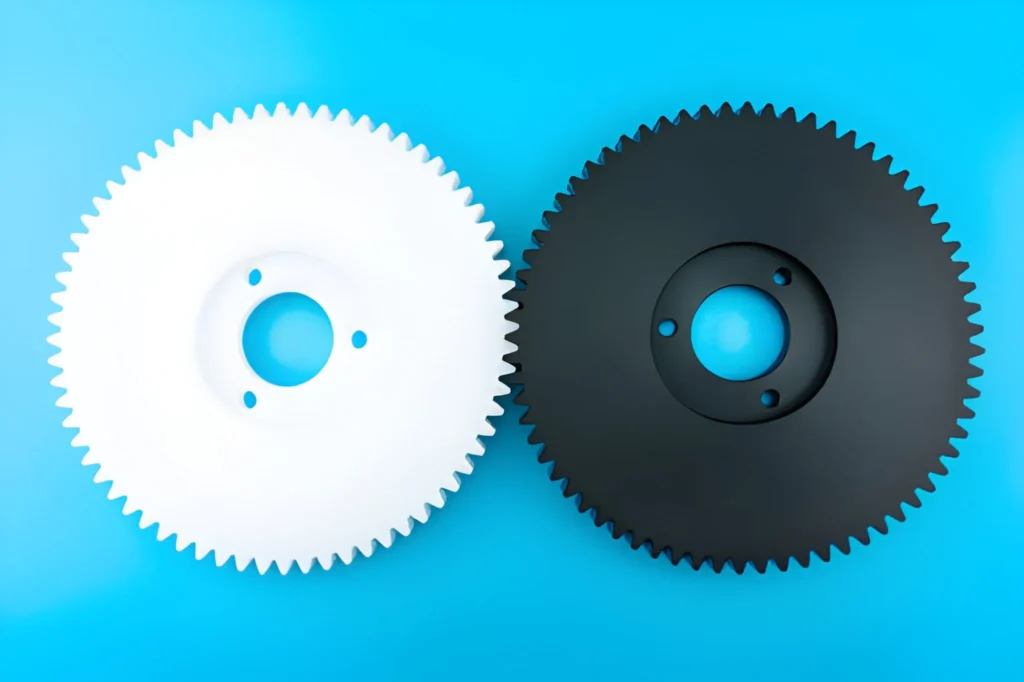
POM Machined Parts
Delrin (POM) is a semi-crystalline plastic with low friction and high stiffness. There are various grades of Delrin, including standard, toughened, glass-reinforced, and lubricated.
Advantages
- Dimensionally stable and capable of machining tight tolerances
- Has excellent wear and fatigue resistance
- Ideal for high-friction applications
Disadvantages
- Difficult to bond
- Prone to warping in thin or irregular cross-sections
Application
- Bearings, bushings, and gears
- Fasteners and jigs
- Automotive and industrial parts
HDPE (High-Density Polyethylene)
HDPE is a lightweight, chemical-resistant plastic that features a slick surface. HDPE excels in low-temperature impact applications.
Advantages
- Inexpensive and durable
- Resistant to chemicals
- Slippery surface, suitable for parts that slide
Disadvantages
- Weak in tension and flexure
- Prone to stress cracking
Application
- Tanks and piping for fluids
- Seals and plugs
- Parts that weigh little and require low friction
Polycarbonate (PC)
Polycarbonate is a rigid, translucent plastic that exhibits high impact resistance and thermal stability.
Advantages
- Extremely strong and durable
- Remains clear and free of defects
- Can substitute for glass in many applications
Disadvantages
- Prone to scratching unless coated or polished
- Stock thicknesses above 2 inches may be limited
Application
- Eye protection and light guides
- Optical discs and phone covers
- Structural parts that require impact resistance
Where Are CNC Plastic-Machined Parts Used?
CNC-machined plastic parts are used wherever precision, lightweight design, or chemical and wear resistance are required. Different plastics are suited to other tasks, depending on what the part will be doing.
Medical Equipment
Plastics such as nylon and polycarbonate are commonly used for custom prosthetics and orthotics due to their high strength and low weight. Acrylic (PMMA) is widely used in laboratory equipment, such as clear housings and fluid-handling parts, due to its chemical resistance and clarity.
Consumer Goods
ABS and polycarbonate are commonly used for enclosures, housing, and prototype parts. CNC machining allows manufacturers to rapidly and precisely produce these parts, enabling rapid prototyping and low-cost short-run production of plastic parts without the expense of metal parts.
Automotive/Aerospace
Nylon and POM are commonly used for gears, bushings, and other internal vehicle components. In aerospace, plastics are used to reduce weight while maintaining structural integrity. CNC machining enables manufacturers to guarantee that these parts fit together precisely and function dependably.
Electronic/Electrical Parts
Plastics such as FR4 and Bakelite are used for circuit boards, housings, and spacers. These plastics offer good heat resistance and electrical insulation, and are essential for electrical devices that must operate correctly every time.
Post-Processing for CNC-Machined Plastic
The most common post-processes for CNC-machined plastic parts are deburring, polishing, coating, and heat treatment.
These post-processing steps help enhance the aesthetics, performance, and quality of the plastic parts.
Deburring: This removes remaining burrs from the edges. Manual deburring involves knives, files, or sandpapers. Automated deburring machines are often used for larger batches.
Polishing: Polishing enhances the surface finish for a smoother feel and more attractive appearance. Buffing wheels and sandpapers are common tools for this step.
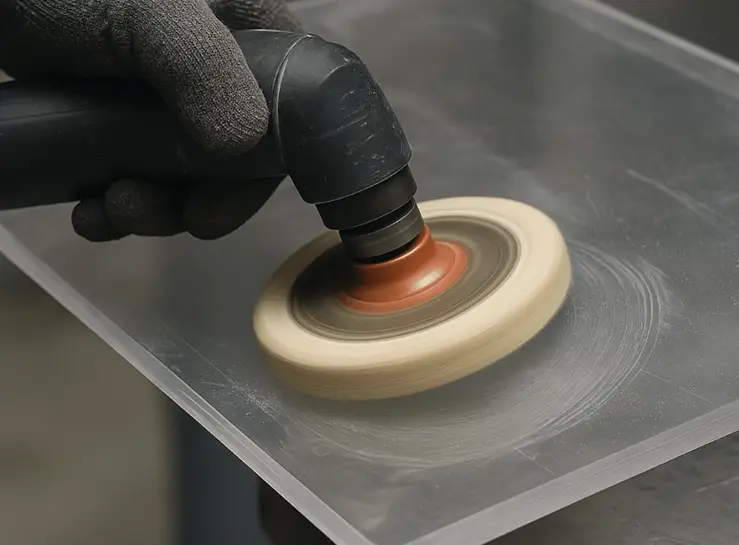
Plastic polishing
Coating: The goal of coating is to add aesthetic value and enhance the performance of the plastic parts. Decorative coatings change the part’s appearance. Protective coatings enhance resistance to chemicals, abrasion, and other environmental factors.
Heat Treatment: Heat treatment may also be necessary on CNC machining parts, specifically to relieve internal stresses. Each type of plastic material has its own effective heat treatment strategy.
Comparison Table for Different Machinable Plastic Materials
The success of plastic CNC machining is closely tied to selecting the right material. The following comparison table for different plastics can guide this process.
| Material | Machinability | Strength | Heat resistance | Wear resistance | Best used for |
| Acetal (POM / Delrin®) | Excellent | High | Medium | High | Bushings, gears |
| Nylon (PA6 / PA66) | Good | High | Medium | Very high | Bearings, gears |
| ABS | Excellent | Medium | Low-medium | Medium | Automotive parts, electronic parts |
| Polycarbonate (PC) | Good | Very high | Medium | Medium | Machine guards |
| UHMW-PE | Fair | Medium | Low | Extremely high | Conveyor guides and liners |
| PEEK | Good | Very high | Very high | Very high | Aerospace and medical parts |
| HDPE | Good | Medium | Low | Medium | Lightweight structural parts, tanks |
| PTFE (Teflon®) | Fair | Low | Very high | Very high | Seals |
| PMMA / Acrylic | Good | Medium | Low | Low | Display panels, lenses |
| Rigid PVC / CPVC | Good | Medium | Medium | Medium | Industrial enclosures, plumbing fittings |
Recommendations for Choosing the Right Plastic for CNC Plastic Machining
At Prolean Tech, we machine both metals and plastics. Our team produces precision plastic parts based on customer designs, whether for prototypes or functional components. Plastic CNC machining is especially useful when you need tight tolerances, fast turnaround, and flexibility without the high tooling costs of molding.
| Requirement | Recommended Material |
| Toughness / Impact Resistance | ABS |
| Moving Parts / Wear Resistance | Nylon (PA) / POM |
| Transparency / Clear Parts | Polycarbonate (PC) / PMMA |
| Chemical Resistance | PTFE |
| Heat Resistance / Electrical Insulation | FR4 / Bakelite |
| Lightweight Parts | HDPE / UHMW |
| Flexible / Bendable Components | TPU / TPE |
Key Takeaways
CNC plastic machining provides a low-cost, high-quality option for creating precision, functionally complete parts that are also very lightweight. However, to produce high-quality parts with CNC machining, you need to understand your plastic, select the appropriate cutting tool, and set the proper cutting speed.
The key things to consider when machining plastics on CNC:
- Selecting the right plastic at the start of a project can save a lot of time and money as well as potential problems during production.
- ABS and polycarbonate are suitable for most general-use parts. Still, nylon, POM, and acrylic are specifically designed for functional applications that require specific attributes, such as strength, abrasion resistance, and/or optical clarity.
- When cutting plastics, it is essential to control both the cutting speed and the cutting tool to prevent melting or warping.
- Using a CNC machine provides an excellent method for rapidly developing prototypes and small to large production runs, with no need to create molds (tooling), as is required for injection-molded parts.
At Prolean Tech, we help manufacturers, designers, and engineers turn plastic designs into reality. From selecting the right material to delivering standard CNC Machining Services, we make the process simple and precise.
If you have a project that needs durable, accurately machined plastic parts, we can help. Contact us today to discuss your requirements and get a non-obligatory quote for your CNC plastic parts.