
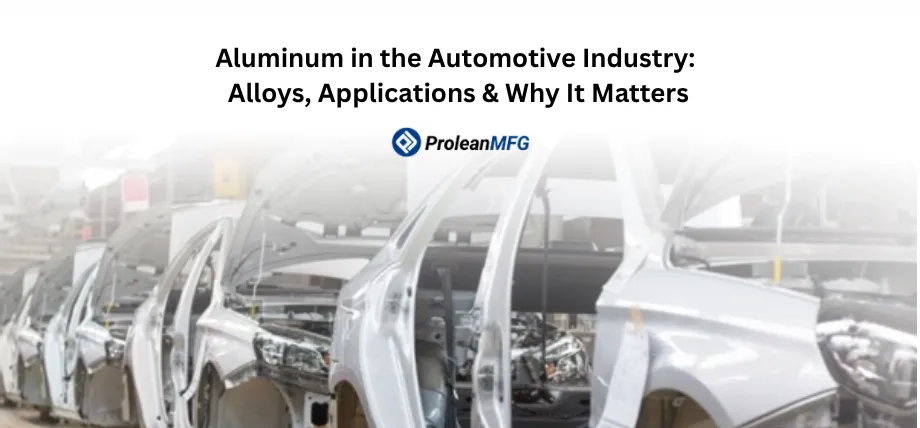

Reducing vehicle weight and improving fuel efficiency have become the modern goals of the automotive industry. Aluminum is an excellent material to achieve these goals in vehicle engineering. That’s why using aluminum for automotive applications is in high demand today.
Also, the automotive manufacturing industry is now moving toward electric mobility and sustainability. So, aluminum can play an even larger role in modern vehicle design.
Why Choosing Aluminum for Automotive is Important?
Aluminum is a unique metal that provides a combination of strength, lightweight, and corrosion resistance. Therefore, choosing aluminum for automotive applications brings you many advantages.
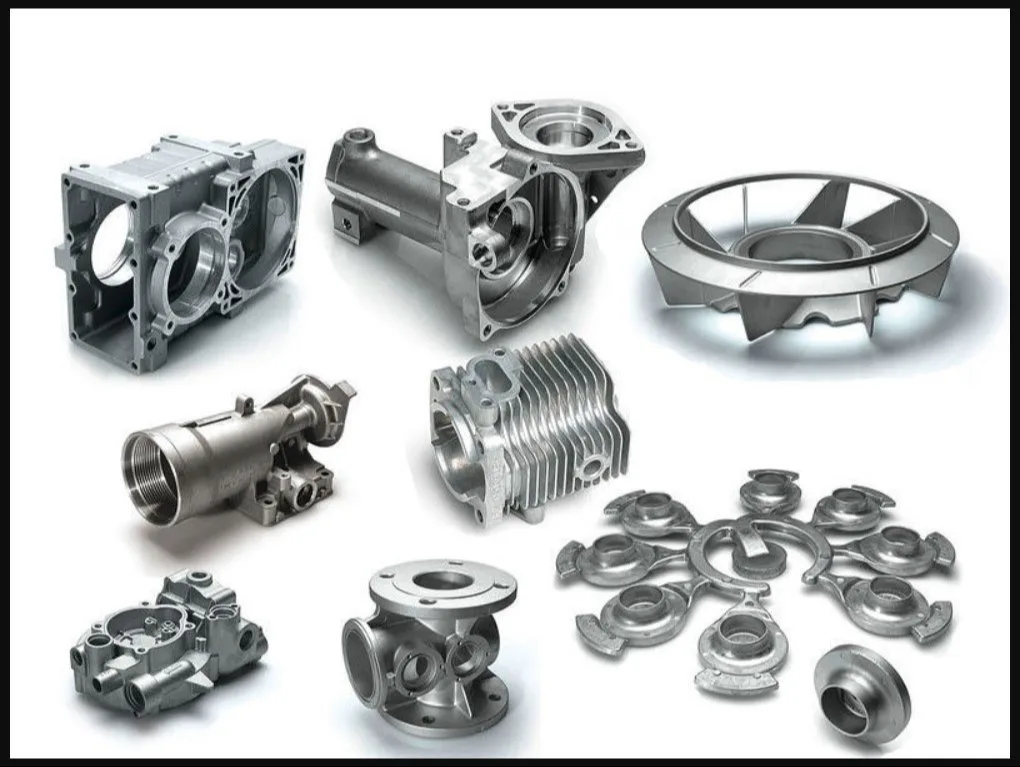
Aluminum Parts Used in the Automotive Industry
Here are the main reasons manufacturers choose aluminum for cars:
Lightweight Performance
Reducing weight is one of the biggest priorities in modern vehicle design. Aluminum is a metal with an excellent strength-to-weight ratio. Compared with steel, aluminum is about one-third the weight.
Using aluminum automotive components can lower overall vehicle weight by 30 – 40%. This also improves fuel economy and EV range.
Excellent Corrosion Resistance
Aluminum has excellent corrosion resistance due to its passive oxide layer. When exposed to the environment, it naturally oxidizes and forms a protective oxide (Al₂O₃) layer. This layer makes aluminum highly resistant to rust.
Because of this protective oxide layer, aluminum is a great choice for underbody components, suspension parts, and exterior panels.
Excellent Strength-to-Weight Ratio
Many aluminum alloy products offer impressive mechanical strength while maintaining low density. This property is ideal for structural automotive parts.
Recyclability
Aluminum is nearly 100% recyclable. And you can recycle aluminum without losing its properties. This is a big plus point for the automotive manufacturing industry to meet its sustainability goals.
Manufacturing Flexibility
Aluminum is comparatively easy to process. Sometimes it can be a bit softer, but it’s completely manageable with proper tooling. Aluminum can be processed through many manufacturing methods, including:
- casting
- forging
- extrusion
- sheet metal fabrication
- custom aluminum machining
So you can flexibly work with this metal to design complex and lightweight vehicle components.
Brief History of Aluminum in the Automotive Industry
Aluminum first appeared in vehicles in the early 1900s. It was mainly used in small engine parts and racing cars. However, it took a longer time for the automotive industry to adopt large-scale aluminum.
Given below are some of the important milestones in aluminum’s journey in the automotive industry:
| Year | Development |
| 1930s | Aluminum was used in racing engines |
| 1960s | Aluminum cylinder heads were introduced |
| 1990s | Aluminum body structures were introduced |
| 2010s | Industry largely shifted to lightweight aluminum vehicle bodies |
| Present | A popular choice for electrical vehicle (EV) platforms |
Now, modern vehicles use hundreds of aluminum automotive components. You can see aluminum’s applications from structural frames to interior parts of vehicles. Electric vehicles especially depend heavily on aluminum for automotive applications to offset battery weight.
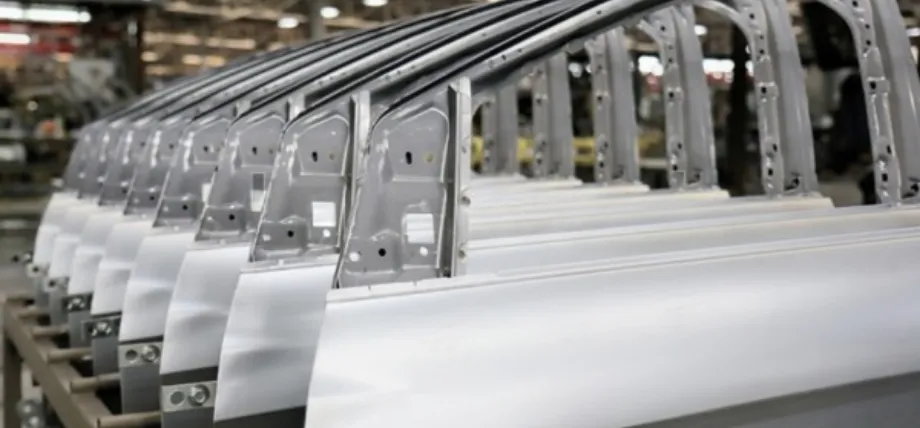
Aluminum has its applications in nearly every section of modern vehicles. Below are the major applications of aluminum for cars:
Body & Exterior Panels
Body panels are among the most visible aluminum automotive components. Common examples are:
- vehicle hoods
- doors
- fenders
- trunk lids
- roof panels
Using aluminum sheets greatly reduces vehicle mass. However, it can provide good crash safety and protection. Many luxury and electric vehicles now use aluminum-intensive body structures.
Chassis & Structural Components
Structural parts need materials that can balance strength with low weight. The most common aluminum structural components include:
- subframes
- crash structures
- cross members
- structural brackets
These parts are often produced using extrusions or forgings. Extruded aluminum profiles are widely used because they offer excellent structural strength and energy absorption.
Powertrain
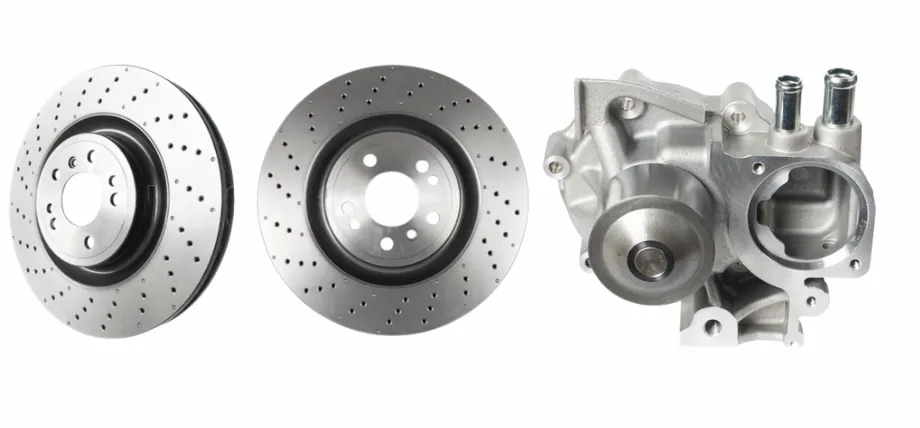
A powertrain has many heat-sensitive and high-strength components. Since aluminum has good heat dissipation properties, strength, and lightweightness, it is widely used in powertrains.
Examples of aluminum automotive parts in this system include:
- engine blocks
- cylinder heads
- transmission housings
- oil pans
These components are mostly manufactured using aluminum castings (such as die casting or sand casting). With cast aluminum, you can create complex shapes while maintaining excellent thermal and mechanical properties.
Suspension & Wheels
Suspension systems highly favor lightweight materials. Therefore, aluminum is widely used in suspension components, including:
- control arms
- knuckles
- steering housings
- wheel hubs
Aluminum alloy wheels are also highly durable. They have significantly less rotational mass. These parts are produced either through forging or casting processes.
Interior Components
Alongside its unique material properties, aluminum also has a premium aesthetic appearance. The appearance is backed by its inherent corrosion resistance. So, aluminum is extensively used in many interior parts, including:
- seat frames
- dashboard structures
- trim elements
- mounting brackets
Manufacturers usually produce these parts through custom aluminum machining or precision extrusion.
EV-Specific Applications
Electric vehicles need extensive weight reduction to improve driving range. As a result, aluminum for automotive applications is especially important in electric vehicle (EV) design. Popular EV aluminum components are:
- battery enclosures
- motor housings
- inverter cooling plates
- lightweight chassis structures
Aluminum is also a good choice for battery packs. Since aluminum has excellent thermal conductivity and structural strength, you can expect many benefits by using aluminum as a battery packing material.
Common Aluminum Alloy Grades Used in Automotive Manufacturing
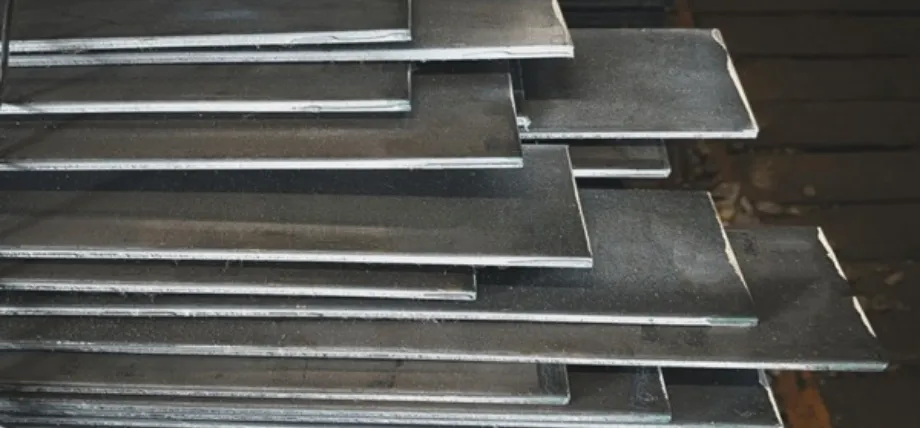
1000 Series: Pure Aluminum
The 1000 series contains aluminum with very high purity. Properties include:
- excellent corrosion resistance
- high electrical conductivity
- good formability
Alloys of the 1000 series are not very strong. They are useful for specialized applications such as electrical connectors and heat exchangers. You should not consider these for heavy-load or structural parts.
3000 Series: Aluminum-Manganese
The 3000 series contains manganese alloying. With magnesium, the strength of 3000 aluminum is improved. Also, adding magnesium doesn’t directly affect the formability and corrosion resistance. So, those properties are also preserved in 3000 aluminum. These are commonly used in:
- radiator systems
- heat exchangers
- thin sheet components
5000 Series: Aluminum-Magnesium
The 5000 series contains magnesium as the main alloying element. These alloys offer:
- excellent corrosion resistance
- good weldability
- moderate strength
They are commonly used in body panels and structural sheet components.
6000 Series: Aluminum-Magnesium-Silicon
The 6000 series is one of the most important alloy groups for aluminum automotive components. These alloys are widely used in:
- structural frames
- chassis components
- extrusions
- crash management systems
They offer a strong combination of strength, machinability, and corrosion resistance, making them ideal for custom aluminum machining and extrusion processes.
7000 Series: Aluminum-Zinc
The 7000 series provides extremely high strength. These alloys are commonly used in:
- high-performance vehicle components
- racing applications
- suspension systems
Although strong, they are more expensive and less corrosion-resistant than other aluminum alloys.
A Comparison Table of Popular Aluminum Grades
| Alloy Series | Main Alloying Element | Key Characteristics | Automotive Uses |
| 1000 | Pure Aluminum | Excellent corrosion resistance | Electrical components |
| 3000 | Manganese | Good formability | Heat exchangers |
| 5000 | Magnesium | Strong and corrosion-resistant | Structural panels |
| 6000 | Magnesium + Silicon | Excellent strength and machinability | Body structures |
| 7000 | Zinc | Very high strength | Performance components |
What are Tempers in Aluminum for Automotive Parts?

When aluminum is processed, it can undergo heat treatments or strain hardening. The resulting condition is called a temper. Temper determines the mechanical properties of aluminum alloy products. Some of the common aluminum tempers are given below.
| Temper | Meaning | Typical Use |
| O | Annealed (soft) | Forming processes |
| H | Strain hardened | Sheet metal parts |
| T4 | Solution heat-treated | Formable components |
| T6 | Heat-treated and aged | Structural components |
For example, 6061-T6 aluminum is widely used for aluminum automotive components because it provides excellent strength and machinability.
Aluminum Forms Used in Automotive Manufacturing
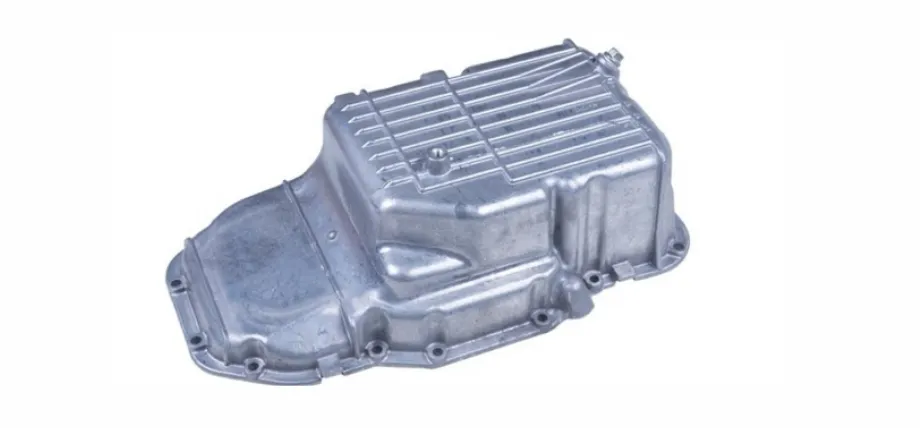
Aluminum is available in multiple forms in the market. These forms support different manufacturing methods.
Aluminum Sheets
Aluminum sheet is widely used for:
- vehicle body panels
- interior structures
- lightweight covers
These parts are produced through sheet metal fabrication of automotive parts. It includes steps like stamping, bending, and forming processes.
Aluminum Extrusions
Extruded aluminum profiles are commonly used for structural parts. The main applications of extruded aluminum are:
- bumper beams
- side impact beams
- frame components
Extrusions offer excellent strength while also maintaining lightweight performance.
Aluminum Castings (Die Cast, Sand Cast, Permanent Mold)
Casting is ideal for complex automotive components. There are three common casting methods in the industry, which are explained below.
| Casting Method | Automotive Uses |
| Die casting | engine housings, gearbox casings |
| Sand casting | prototype engine parts |
| Permanent mold casting | structural components |
These methods allow manufacturers to produce detailed aluminum alloy products efficiently.
Forgings
Forging improves strength through controlled metal deformation. Common forged automotive components include:
- suspension arms
- wheel hubs
- steering knuckles
Forged aluminum parts are stronger than cast parts. They are ideal for safety-critical applications.
How to Select the Right Aluminum for Your Automotive Application
Selecting the right aluminum alloy depends on several engineering factors, including mechanical strength, fatigue resistance, and environmental resistance. When choosing aluminum for automotive applications, you should evaluate the following criteria.
Mechanical and Material Properties
- Mechanical Strength – Structural components require high-strength alloys such as 6000 or 7000 series aluminum.
- Fatigue resistance – Suspension needs to bear repeated stress cycleans an vibrations to ensure long term durability under constant mechanical load
- Environmental resistance – body panel and engine bays often go through high temperature fluctuations and chemical contact, which requires them to be made of special alloys, such as 6000 series alloys, for better thermal and chemical exposure.
- Weight Requirements – Lightweight alloys help improve fuel efficiency and EV range.
- Corrosion Resistance – Exterior components should use corrosion-resistant alloys such as 5000 series aluminum.
Manufacturing and Assembly Methods
Different alloys perform better depending on the manufacturing process:
| Process | Suitable Aluminum |
| custom aluminum machining | 6061, 7075 |
| casting | A356, 319 |
| extrusion | 6063, 6061 |
| sheet metal forming | 3003, 5052 |
Manufacturers must also consider fastening methods and assembly processes when choosing aluminum. Common types of automotive fasteners used with aluminum parts are:
- aluminum rivets
- self-piercing rivets
- structural adhesives
- bolts and threaded inserts
You can prevent galvanic corrosion with proper fastener selection.
Production Cost
Material selection also affects CNC machining cost, tooling cost, and overall manufacturing efficiency. For example,
- Complex components may require custom aluminum machining
- Large-volume parts may be better suited for casting or extrusion
Therefore, proper cost analysis must be done before making the selection.
Custom Aluminum Machining
At Proleanmfg, we provide custom aluminum machining services for the automotive industry. We stand out from the competition through rigorous quality control in volume production, rapid turnaround, and multi-axis CNC machining.
We follow strict ISO quality control procedures, check fits through gauges, and achieve tolerances as tight as ±0.005 mm with a wide variety of aluminum grades and heat treatment support.
Conclusion
Aluminum has become one of the most important materials in modern vehicle engineering. Using aluminum for automotive applications has transformed how vehicles are designed and manufactured. Since electric vehicles and sustainability are the main focuses in the modern automotive manufacturing industry, the demand for aluminum alloy products will continue to grow. By understanding the different alloys, tempers, and manufacturing methods, you can confidently select the right aluminum for cars and develop high-performance automotive components.