
Home » CNC Machining Materials for Custom Parts » Aluminum
Precision Aluminum Alloy CNC Machining for Prototype & Production Parts
High-accuracy CNC machining of aluminum alloy parts for functional prototypes and low-to-medium volume production.
- ±0.01 mm tolerances
- Multiple aluminum grades
- Engineering-driven quotation
- 3-axis & 5-axis CNC milling and turning
Get a Aluminum CNC Machining Quote
What Is Aluminum Alloy CNC Machining?
Aluminum alloy CNC machining is widely used when lightweight, corrosion-resistant parts require tight tolerances without the cost of tooling.
By using CNC milling and turning, aluminum alloy parts can be produced directly from solid stock with high dimensional accuracy and repeatability.
Thanks to its excellent machinability and strength-to-weight ratio, aluminum alloy is commonly selected for precision engineering and industrial applications.
Aluminum CNC Machined Housing
Examples of custom aluminum alloy CNC machined parts produced for various industries.
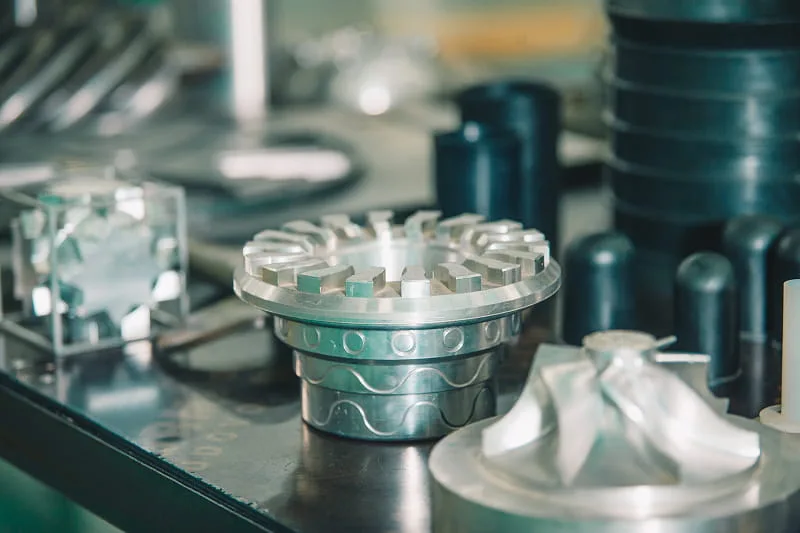
Aluminum 6061 CNC Milling Parts
Aluminum 7075 Precision Machined Parts
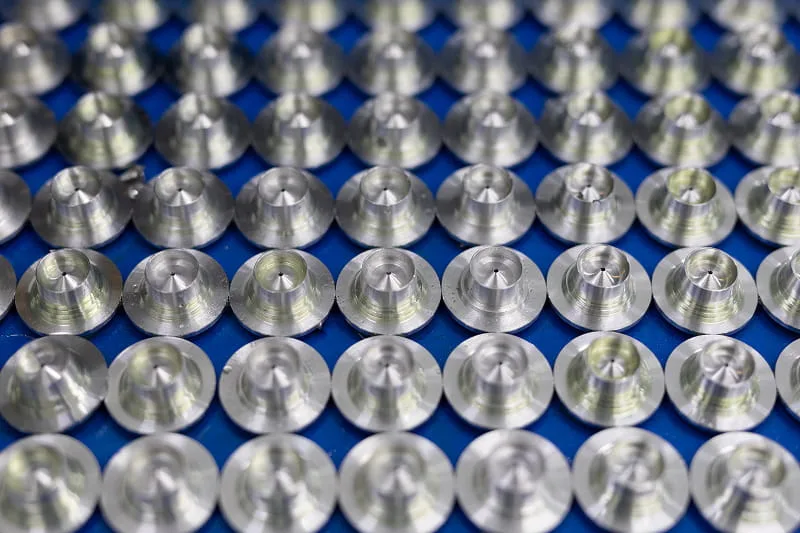
Anodized Aluminum CNC Parts
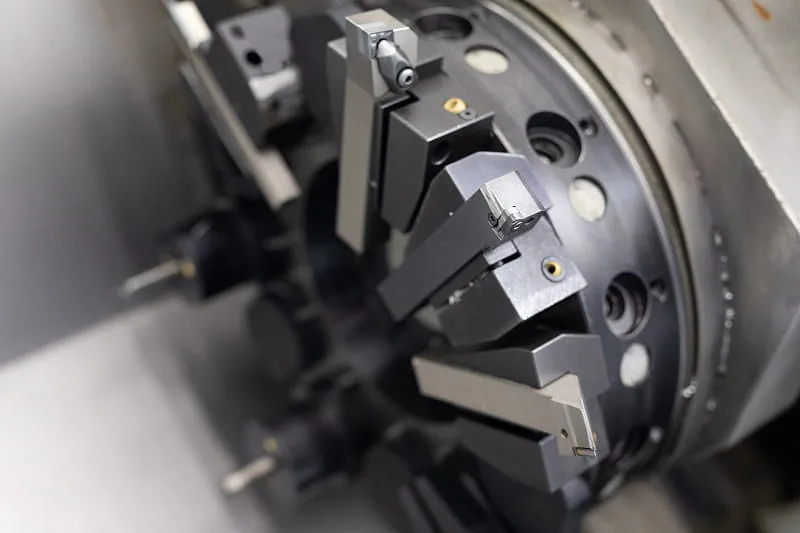
Aluminum CNC Turned Components
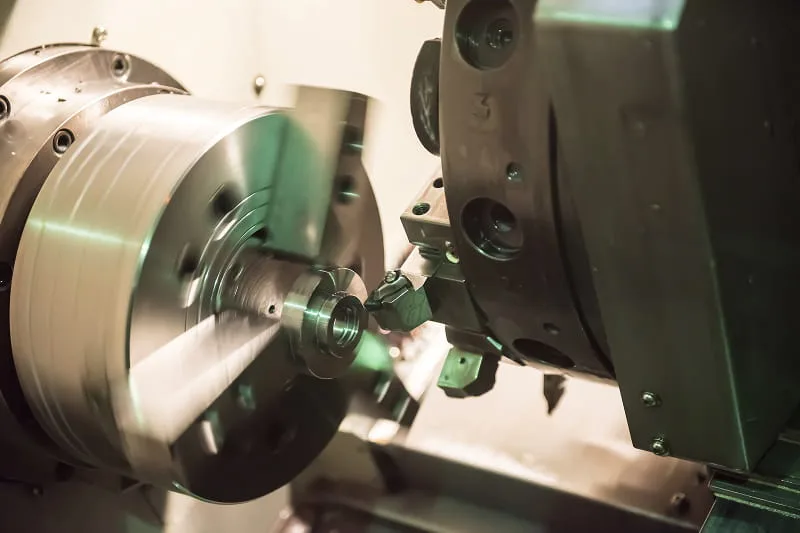
5-Axis CNC Machined Aluminum Part
Why Aluminum Alloy Is Ideal for CNC Machining
From an engineering and procurement standpoint, aluminum alloy offers clear advantages:
- High strength-to-weight ratio
- Excellent machinability for tight tolerances
- Good thermal and electrical conductivity
- Natural corrosion resistance
- Cost efficiency for prototypes and production
Aluminum Grades We Machine
We machine a wide range of aluminum alloys to meet different performance and application requirements.
| Grade | Key Characteristics | Typical Uses |
|---|---|---|
| 6061 | Balanced strength & machinability | Structural parts, housings |
| 7075 | High strength | Aerospace, load-bearing parts |
| 5052 | Excellent corrosion resistance | Enclosures, sheet metal parts |
| 2024 | High fatigue resistance | Aerospace components |
| 6082 | Good mechanical properties | Industrial parts |
CNC Machining Capabilities
We provide precision CNC machining services for aluminum parts with complex geometries and strict tolerance requirements.
- CNC Milling (3-axis & 5-axis)
- CNC Turning and Swiss Turning
- Multi-axis machining
- Drilling, tapping, and reaming
- Cost efficiency for prototypes and production
Typical Tolerances
- ±0.05 mm (standard)
- ±0.01 mm (high precision features)
Surface Finishing for Aluminum Parts
| Finish | Function | |
|---|---|---|
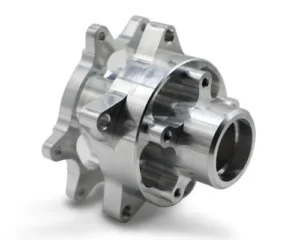 | As-Machined | Functional surfaces |
 | Anodizing (Type II & III) | Wear & corrosion resistance |
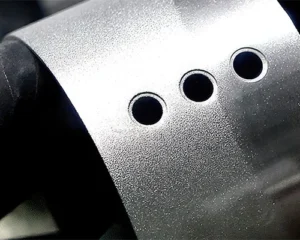 | Bead Blasting | Matte appearance |
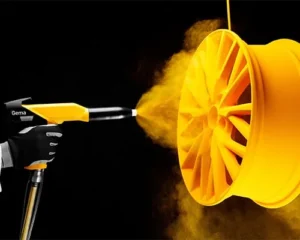 | Powder Coating | Protective coating |
 | Chemical Conversion | Conductivity & protection |
Applications of Aluminum CNC Machining
- Aerospace structural components
- Automotive lightweight parts
- Electronic enclosures and heat sinks
- Robotics and automation components
- Medical device housings
Quality Control and Inspection
Quality control is implemented throughout the machining process:
- Incoming material inspection
- In-process dimensional verification
- Final inspection using CMM
- Inspection reports available upon request
How to Get an Aluminum Machining Quote
1
Upload CAD files (STEP, STL, IGS, PDF)
2
Engineering review of drawings and notes
3
Quotation based on material, tolerance, and quantity
4
Production, inspection, and delivery
Frequently Asked Questions
Which aluminum alloy is best for CNC machining?
6061 aluminum is widely used due to its balance of machinability, strength, and cost.
Can you machine high-strength aluminum such as 7075?
Yes, we regularly machine 7075 aluminum for high-strength applications.
What is the lead time for aluminum CNC parts?
Typical lead time for prototypes is 2–5 working days.
What file formats do you accept for aluminum machining?
We accept STEP, STL, IGS, and PDF files. Providing clear drawings with tolerances and machining notes helps speed up quotation and production.
Do you support small batch aluminum CNC machining?
Yes. We support aluminum CNC machining for prototypes, small batch orders, and low-to-medium volume production.