
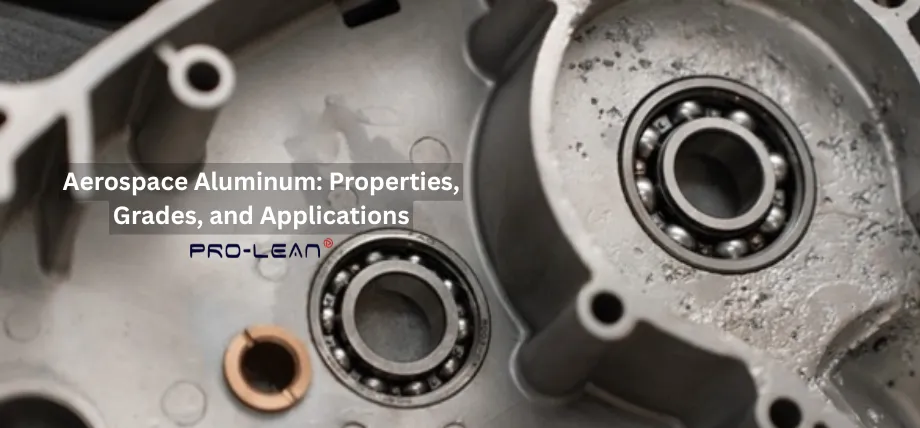

Aerospace aluminum is one of the central metals used in modern aircraft and spacecraft manufacturing, alongside titanium alloys and steels. Carefully engineered aluminum alloys can excellently balance strength, weight, and durability. Therefore, you can find many important uses of aluminum in different parts of aircraft, expanding from structural panels to precise, functional components.
What Is Aerospace Aluminum?
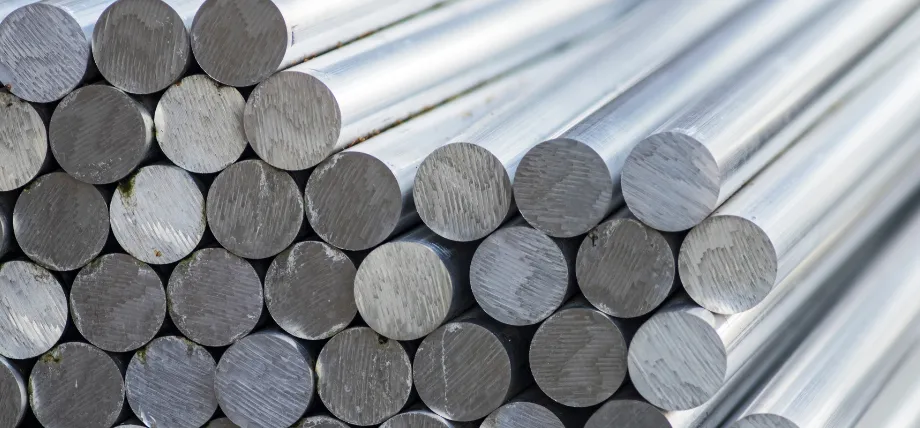
aluminum alloy
The high-performance, tightly controlled aluminum alloys specially designed to be used in the aerospace industry are known as “aerospace aluminum.” They are much more advanced and property-wise improved when compared with regular aluminum grades.
Aluminum can perform strongly under extreme conditions in high altitudes, such as:
- High stresses and cyclic loading
- Sudden temperature and pressure fluctuations
- Wind shear, weather changes, and icing
- Exposure to corrosive environments
- Lighting and electrical discharges
Therefore, aerospace aluminum machining services use certified grades (like 2024, 7075, 7050) tailored to different applications. Also, these are processed through advanced methods of solution heat treatment and aging.
Even with today’s advanced composites and synthetic materials, aluminum still accounts for nearly 70% of the weight of a general aircraft. Out of them, the most common parts where you can see aluminum are fuselages, wings and ribs, frames, and some parts of the landing gear.
Why Aluminum Is Used in Aerospace: Key Benefits
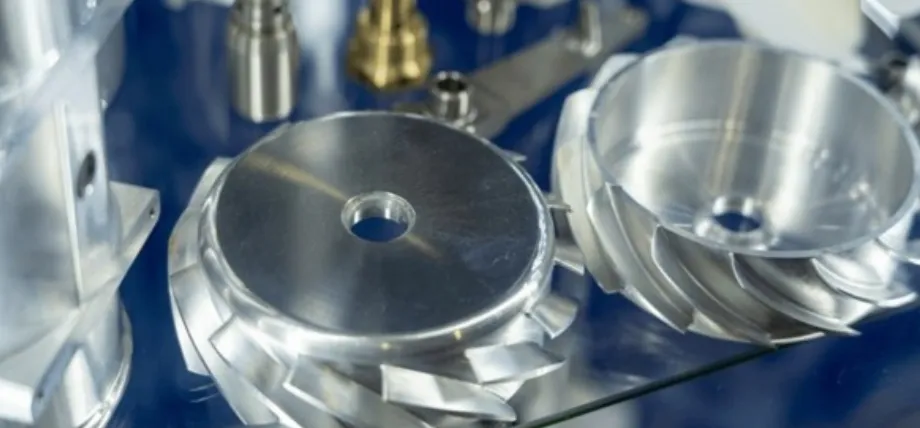
Aluminum’s unique balance of mechanical and material properties is extremely beneficial for an industry like aerospace.
Strength-to-Weight Ratio
Aluminum can provide excellent strength with a very low weight. It is one of the prominent metals with very high strength-to-weight ratios (specially when compared with steels). This directly helps to reduce the aircraft’s total mass and improve performance.
Many magnesium and titanium alloys are also extremely lightweight, but when considering the cost factor as well, aluminum is the ideal practical option for many cases.
Corrosion Resistance
Aluminum naturally has excellent corrosion resistance due to its oxide layer (Al₂O₃). This passive layer protects the metal from further corrosion.
But in aluminum products, additional techniques like alclad layers, anodizing, and coatings are used to further improve corrosion resistance in humid and marine environments.
Fatigue Resistance and Structural Performance
Aircraft usually experience repeated loading cycles, especially during takeoff and landing. To face that, aluminum grades like 2024 and 7050 are designed with high fatigue resistance and crack growth resistance. These grades are mainly used in wing and fuselage skins (e.g., 2024-T3), where the parts are more prone to fatigue.
Fuel Efficiency and Weight Savings
Reducing the aircraft mass as much as possible is the strategy to improve fuel efficiency. Aluminum is capable of reducing mass without reducing the performance and strength. So with aluminum, you can greatly reduce fuel economy, payload capacity, and emissions.
Machinability and Formability
Aluminum has very good machinability compared to many titanium grades and high-strength steels. Among many aerospace metals, aluminum is one of the best CNC machining materials that can be machined with high cutting speeds and lower tool wear. Also, it’s very easy to perform forming operations, such as rolling, extrusion, and forging, on aluminum.
Because of the above reasons, you can widely see aluminum in precision machining parts,
aerospace CNC machining components, and parts with complex geometries with tight tolerances.
Aerospace Aluminum vs. Other Aerospace Materials
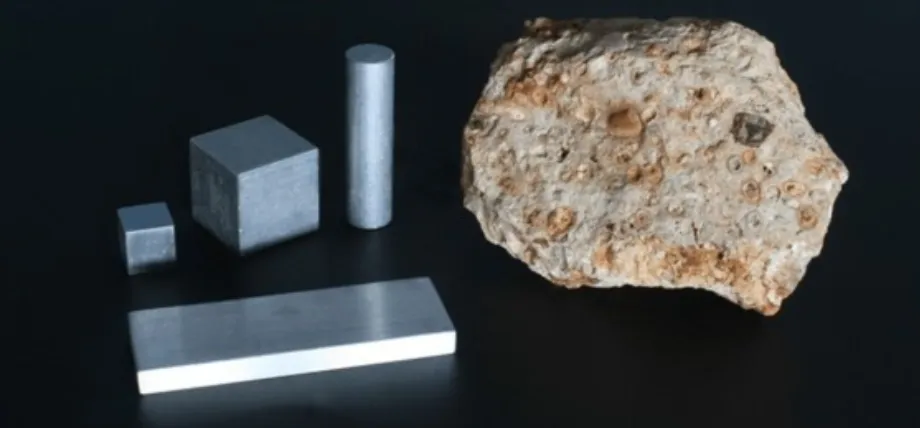
Titanium, stainless steel, and carbon fiber are some of the other highly competitive materials in the aerospace industry.
Aluminum vs. Carbon Fiber
Carbon fiber provides a superior strength-to-weight ratio and excellent stiffness compared to aluminum. Performance-wise, carbon fiber stands higher in most cases, but at the same time it is extremely expensive. It is mainly used in aeroplane fuselages because it can be molded, which improves aerodynamic efficiency.
Aluminum brings more advantages in cost and machinability than carbon fiber. Also, aluminum parts are easy to repair. Therefore, aluminum still finds many more applications in regular aircraft than carbon fiber.
Aluminum is almost always chosen over carbon fiber when impact resistance and electrical conductivity are prioritized, such as in ribs and internal bulkheads.
Aluminum vs. Stainless Steel
Stainless steel provides higher strength and better temperature resistance than aluminum. But it is nearly three times heavier than aluminum.
Therefore, you only use steel when you need extreme strength or wear resistance at the cost of weight.
Aluminum vs. Titanium
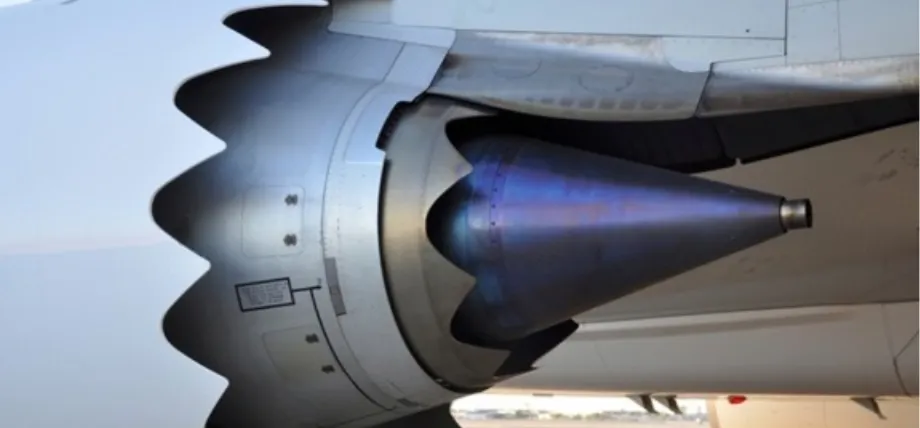
Titanium is well-known as a premium aerospace material. It also provides an excellent strength-to-weight ratio and superior corrosion resistance. However, titanium is highly expensive and is also difficult to machine.
Titanium has great temperature resistance and maintains consistent performance even at high temperatures. This feature makes it an essential part of jet engines and exhaust shrouds.
Therefore, for general aircraft applications, aluminum is the smarter option for a cost-efficient aerospace manufacturing process. Titanium is widely used in high-performance aircraft and spacecraft.
Aerospace Aluminum Alloy Designation System
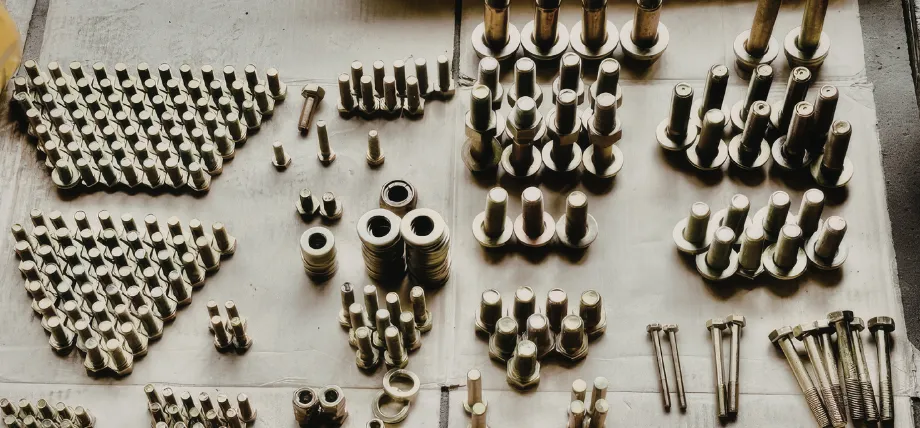
There’s a standard 4-digit alloy system to identify different grades of aerospace aluminum. If you decode simply, designations of several aluminum alloys specially used in aerospace are:
- 1xxx – Pure aluminum (≥99%)
- 2xxx – Aluminum-Copper alloys
- 6xxx – Aluminum-Magnesium-Silicon
- 7xxx – Aluminum-Zinc alloys
The three “xxx” digits show the specific variation of the composition. You can also find different tempered grades such as “2024-T3” and “7050-T6.” These “Tx” represent the specific type of solution heat treatment and aging process performed, such as:
- T3 – solution heat-treated + cold worked + naturally aged
- T4 – solution heat-treated + naturally aged
- T6 – solution heat-treated + artificially aged
- T651 – T6 + stress relieved by stretching
- T73 – solution heat-treated + overaged (for better corrosion resistance)
- T7451 / T7651 – aerospace tempers used (for better stress-corrosion resistance and dimensional stability)
With the above treatments, you can mainly improve the strength, ductility, and fatigue performance of aluminum.
Common Aerospace Aluminum Grades and Their Properties
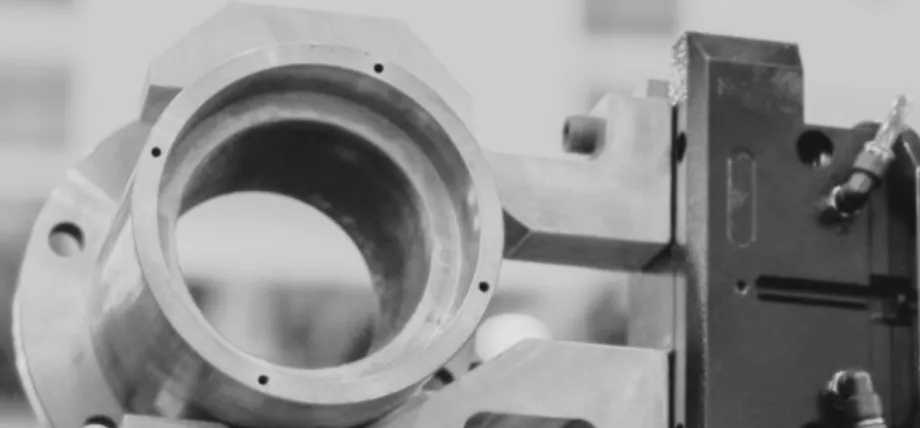
2024 Aluminum Alloy (Copper Aluminum Alloy)
Aluminum 2024 has excellent fatigue performance and is one of the most widely used aircraft materials. You can find this grade mainly in aircraft skins and structural parts. 2024 has slightly lower corrosion resistance than other grades, but you can improve it with an Alclad coating.
6061 Aluminum Alloy
Aluminum 6061 is a popular general-purpose alloy, but you can still see its applications in aircraft as well. 6061 has excellent corrosion resistance and is easier to machine than most 2xxx and 7xxx grades. So, it’s widely used in brackets, fittings, and secondary structures.
7075 Aluminum Alloy (Hard Alloy Aluminum)
The 7xxx series has the strongest aluminum alloys. Out of them, 7075 is one of the strongest aluminum alloys used in aerospace industry. You can see 7075 in wing spars and many stress-prone structural parts.
7050 Aluminum Alloy
7050 is slightly lower in strength than 7075. But still, it is a grade with high strength compared to other grades. In addition, 7050 comes with several improved properties such as fracture toughness, stress corrosion resistance, and thick section performance.
2219 and 2014 Aluminum Alloys
Both 2219 and 2014 belong to special aluminum alloys used in aerospace industry. You can use them when the standard grades are not the best fit under certain critical conditions.
Aluminum 2219 is designed to perform well at higher temperatures and is mainly used for space applications (fuel tanks, cryogenic structures). 2024 is a high-strength wrought alloy with a high load-bearing capacity and good machinability. It is commonly found in forgings, structural fittings, and other heavy-duty components.
Aluminum in Aircraft Applications
You’ll find aluminum almost everywhere in modern aircraft. Given below are some of the important uses of aluminum in the aerospace industry.
| Aircraft Component | Required Properties | Aluminum Grades Used |
| Fuselage (skins, frames, stringers) | High fatigue resistance, good damage tolerance, moderate strength, good corrosion resistance | 2024-T3, 2024-T351, 7075 (some structural parts) |
| Wings (ribs, spars, skins) | Very high strength, fatigue resistance, fracture toughness | 7075-T6, 7050-T7451, 2024-T3 |
| Empennage (tail structures) | Lightweight, moderate strength, corrosion resistance | 2024, 6061-T6, 7075 (critical areas) |
| Landing gear components | Very high strength, wear resistance, toughness | 7075-T6, 7050, 2014 |
| Interior structures and panels | Lightweight, good formability, corrosion resistance, cost-effectiveness | 6061, 5052, 2024 |
Aerospace Aluminum Products
The material comes in different stock forms. You can choose the best form according to the method used for machining aluminum, the thickness needed, and the cost.
Aluminum Plate and Sheet
Aluminum sheets and forms are the most commonly used forms in aerospace. You can purchase very thin sheets starting from 0.2 mm to thick plates greater than 150 mm in thickness.
You can roll and heat-treat the sheets under controlled conditions to achieve the required balance of properties. Plates and sheets are ideal for machining aircraft wings, skins, and panels.
Aluminum Extrusions for Aerospace
If you need complex cross-sections with uniform longitudinal geometry, extruded aluminum is the ideal form. By taking the form in the exact cross-section, you can greatly reduce material waste compared to machining from solid blocks.
In aerospace, extrusions are commonly used for stringers, frames, and structural supports.
Heat-Treated Aerospace Aluminum Products
Heat treatment is the main technique to achieve the required custom properties from the existing grades. A heat treatment process generally consists of three steps:
- Solution heat treatment
- Rapid quenching
- Aging (natural or artificial)
With the heat treatment, you can alter the microstructure, allowing precipitation hardening to occur. You can even increase the strength by 2 – 3 times with the proper heat treatment.
Aerospace CNC Machining
Aerospace CNC machining parts require strict control, precision, and reliability with every cut. At Proleanmfg, we achieve tight tolerances down to ± 0.012 mm for critical aerospace component manufacturing and have a host of high-performance vibration-damped CNC machines for 3-axis, 4-axis and multi-axis machining.
Our quality control certifications include AS9100 standards and ISO 9001 standards, material traceability and speciality alloy accessibility, including Inconel, aluminum, and composites.
Request a free quote today!
Conclusion
Even with the rise of composites and titanium, aluminum still holds a very strong position in the aerospace industry. Aluminum is the best material that gives you a unique blend of high strength at low weight, fatigue resistance, corrosion performance, and machinability, with excellent cost-effectiveness. With advanced aerospace CNC machining, digital manufacturing, and tighter tolerances, you can see modern aluminum alloys optimized even further for performance and efficiency.