
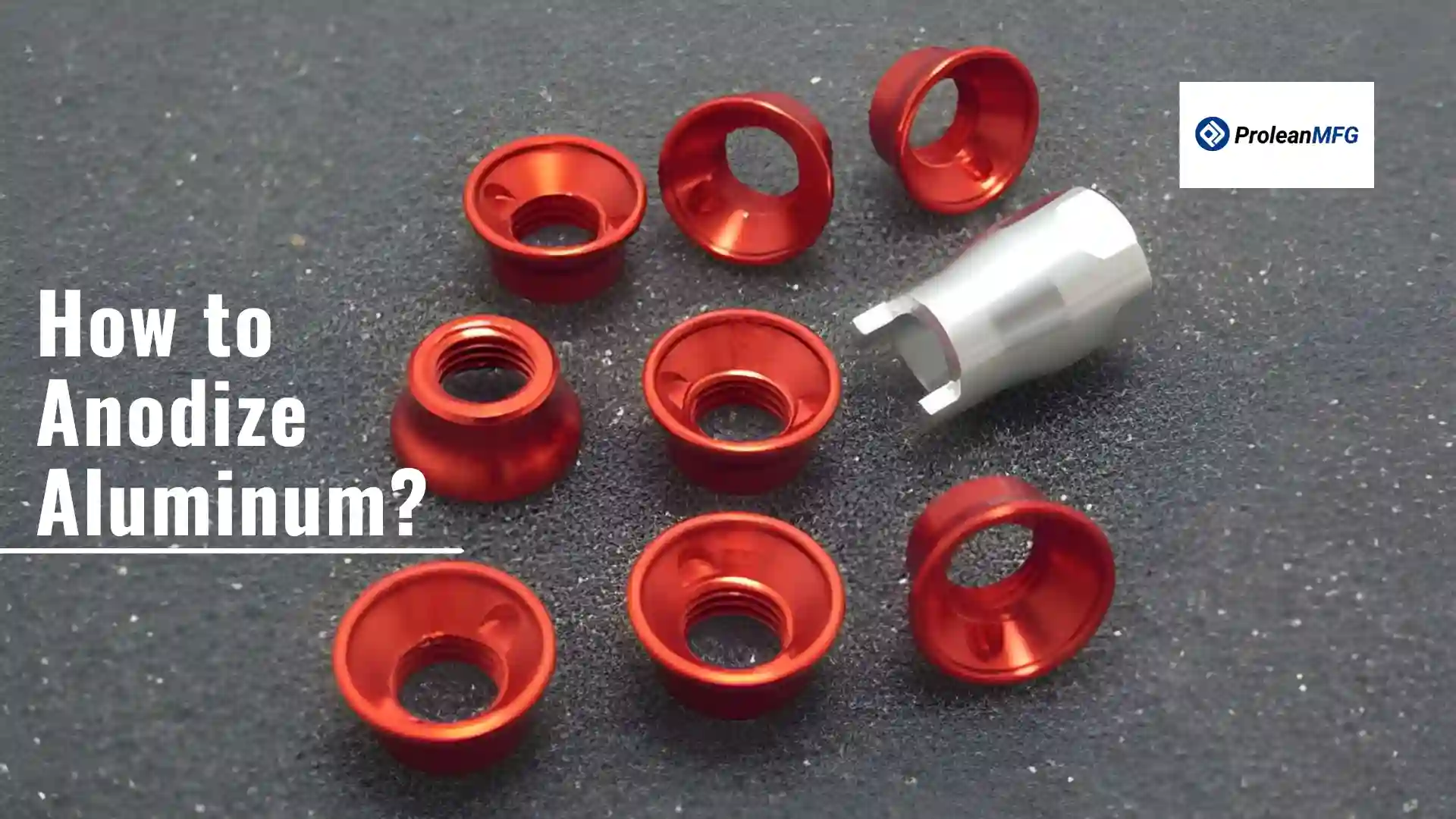

Anodizing improves the surface performance of aluminum parts. It increases surface hardness and corrosion resistance by thickening the natural oxide layer already present on aluminum. Unlike paint or plating, the anodized layer forms from the base material itself, so it does not peel or chip during regular use.
Aluminum is widely used for CNC machining surface finishes due to its light weight, high strength-to-weight ratio, and excellent machinability. It is common in consumer goods, automotive parts, housings, and structural components. However, untreated aluminum can scratch easily and may corrode in humid or outdoor environments. Anodizing addresses these weaknesses by creating a more complex, more stable surface without significantly altering part dimensions.
In the industrial aluminum anodizing process, anodizing is performed after machining and cleaning. The parts are submerged in an electrolyte solution and subjected to controlled electrical current. Process variables such as time and current density determine coating thickness and final appearance.
Below is a practical overview of how anodizing works, how it’s handled in production environments, and what the process looks like on a smaller scale.
What Is Aluminum Anodizing?
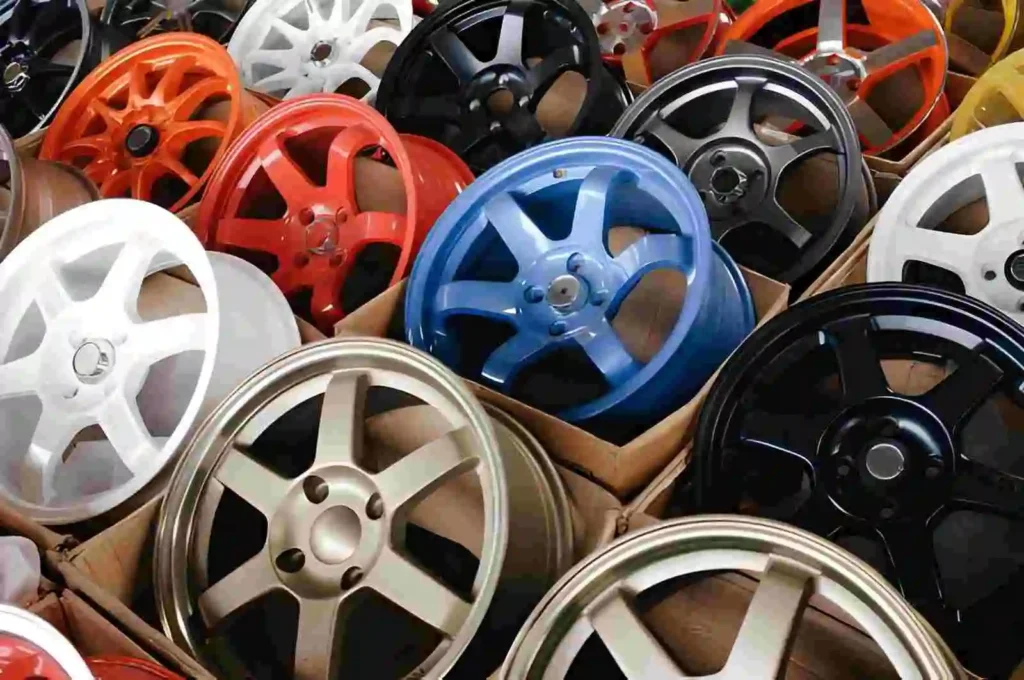
Anodized wheel rims
Aluminum forms a thin protective oxide film when exposed to air. However, this natural oxide film provides basic corrosion protection, but its thinness limits its resistance to wear, abrasion, and harsh environmental conditions. Anodizing is an electrochemical process that allows for the intentional growth of an oxide film (anodic layer) to increase durability.
Aluminum components are subjected to an acid solution and an electrical charge during the anodizing process. When both are applied together, the aluminum is oxidized, forming a thicker anodic layer on its surface.
Since the anodic layer is grown on the aluminum, it will not flake off or peel like paint or plated finishes do. A microporous structure is developed at the surface of the anodized aluminum component.
Pores can be colored using dye techniques if necessary, and are then typically sealed to enhance the corrosion-resistant properties. A sealed surface provides greater stability and less chemical reactivity in wet or weathered environments.
Due to its resistance to weathering, abrasion, and high usage, anodizing is widely used for exterior components that come into direct contact with water or are exposed to the elements. Some common examples include bicycle frames and accessories, automotive interior trim pieces, electronic enclosure components, marine hardware, decorative building panel systems, and cookware.
In addition to being extremely hard and scratch-resistant, anodized surfaces are non-conductive, making them ideal for use as electrical insulation barriers for some electronic and enclosure applications. Once sealed, anodized aluminum components are relatively easy to clean and resist staining much better than untreated aluminum.
What are the Benefits of Anodizing Aluminum Parts
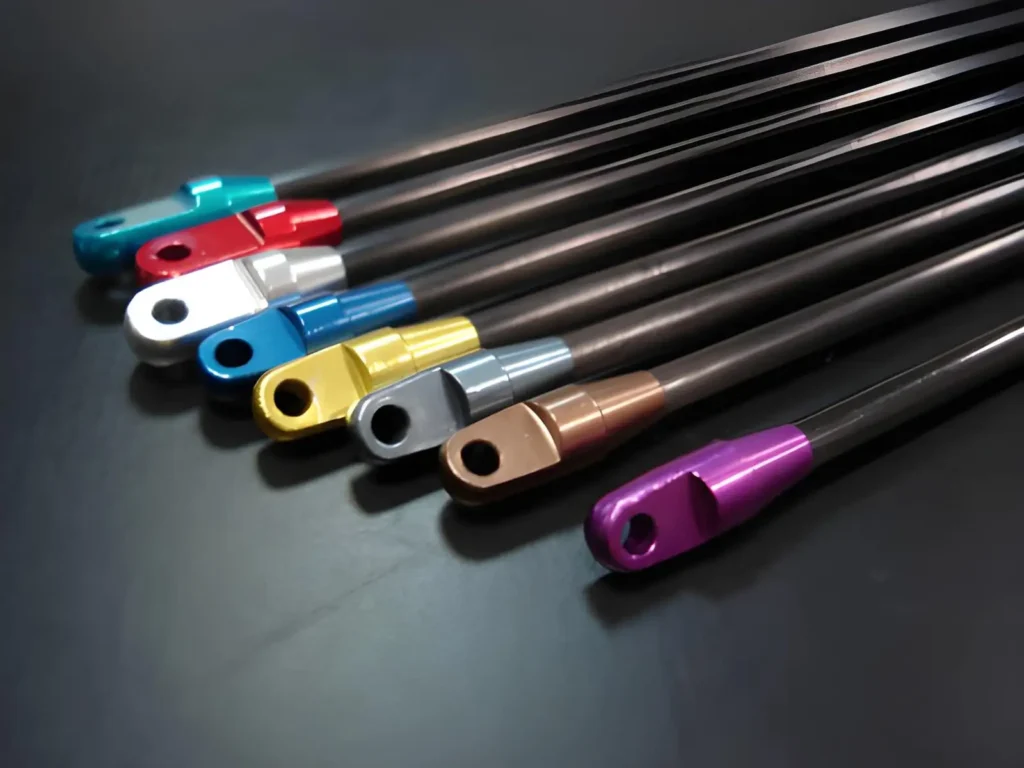
Anodized aluminum color samples
Anodizing is not simply a cosmetic finish; it fundamentally alters the aluminum’s surface to enhance performance in actual working conditions.
Better Wear and Corrosion Resistance
The primary benefit of anodizing is its ability to increase the surface hardness of the aluminum. The anodic oxide layer forms part of the aluminum substrate itself and therefore will not chip or flake from normal usage or wear.
Properly anodized surfaces provide improved resistance against:
- Scratches resulting from handling or assembly
- Wear resulting from repeated contact
- Corrosion resistance in both high-humidity and outdoor environments
These benefits allow aluminum extruded shapes and machined components to be anodized before being placed into service. Anodizing provides an additional layer of surface protection, enhancing product longevity, especially in harsh environments (e.g., outdoor and/or industrial).
Appearance
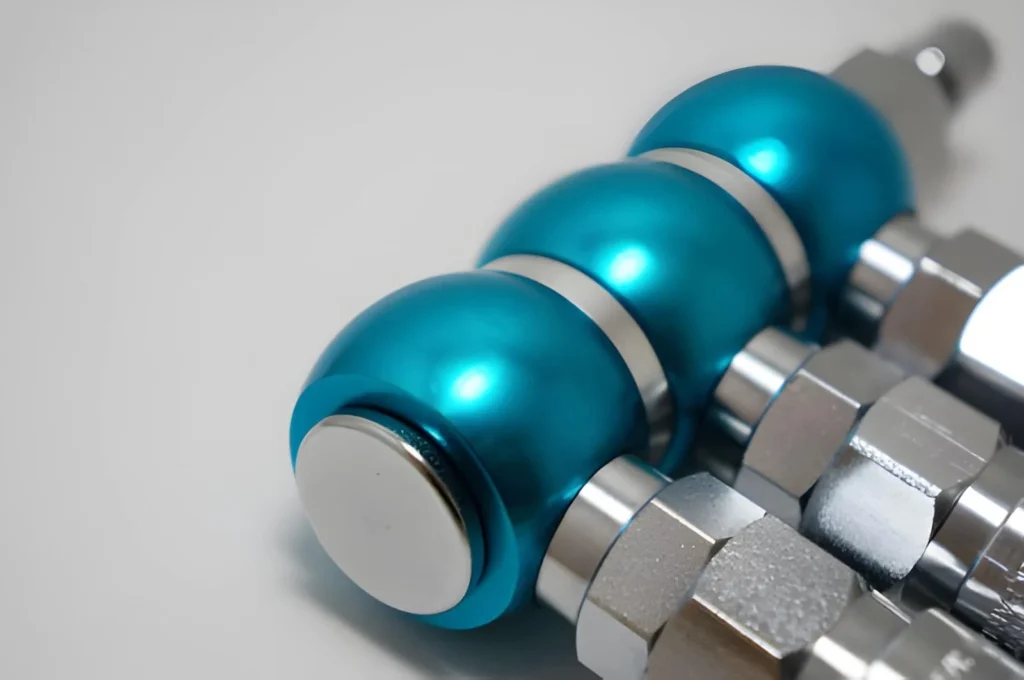
CNC-turned anodized aluminum parts
Anodizing also creates a uniform, consistent appearance on aluminum surfaces, which is critical for visible components.
Due to the unique porous structure of the anodic oxide layer, anodizing can be colored with various dyes before applying a sealant. After dyeing, the color is sealed into the surface during anodizing, making it resistant to fading and wear.
Since anodizing does not apply a paint coating, the finished surface maintains a smooth, metallic appearance for extended periods, regardless of the amount of handling the component receives.
Environmental Considerations
Compared to other surface-finishing techniques, anodizing is considered environmentally friendly when used in a well-managed industrial environment. Unlike some other processes, anodizing utilizes no heavy metals, and the anodic oxide layer formed during the process is chemically stable.
Facilities performing anodizing use strict chemical control protocols to minimize the potential for environmental damage, compared with plating processes.
Easy Maintenance
Many ask, ‘How to clean anodized aluminum?’ Well, the process is much simpler. The anodic oxide layer acts as a barrier, preventing stains from forming and minimizing interaction between the surface and airborne moisture.
In general, mild soap and water are sufficient for cleaning anodized surfaces to maintain their appearance. For applications involving architectural, automotive, or consumer products, reduced maintenance requirements and a consistent appearance over time are significant benefits.
No Thickening Coatings
Unlike paint coatings, anodizing produces a controlled oxide layer that slightly increases surface thickness while remaining integral with the aluminum substrate.
This is particularly beneficial for precision-machined parts where maintaining precise tolerances is essential.
How to Anodize Aluminum Parts
Here are the common steps involved in the aluminum anodizing process.
Surface Cleaning
Firstly, all products that will undergo anodizing must be thoroughly cleaned of any oils, machining residue, and surface oxidation. The cleaning can be done with an industrial-strength degreaser, an ultrasonic cleaner, or by blasting the surface with abrasives to ensure there is no residue. When properly cleaned, it allows for a good bond of the anodic film.
Alkaline Etching
After the parts have been cleaned, they will be placed in a series of chemical baths to allow etching. These baths are either alkaline or acidic, but the result will always be the same: the removal of a minimal amount of aluminum from the part’s surface to smooth it and open its pores, so that the anodic film has something to adhere to. In some cases, a brightening step may also be added to enhance the appearance of the finished product.
Anodizing Bath
Aluminum parts are then immersed in a sulfuric acid bath (or the electrolyte used, depending on the type of anodizing being produced). The bath temperature must be kept within a specified range, usually 68 to 75 degrees Fahrenheit (20 to 24 degrees Celsius), to produce a standard anodic film. The voltage and current flowing through the bath must also be strictly regulated, as both affect the thickness of the anodic film and its resulting hardness. Many industrial tanks are equipped with agitation and circulation systems to ensure that all areas of each part receive an even coat.
Dyeing (Optional)
Depending on the desired color, the porous anodic film can be colored with proprietary industrial colors. Coloration takes place at a set temperature for a set length of time to ensure consistent color throughout the entire product.
Sealing
Finally, the anodic film is sealed to retain the color and provide additional corrosion protection. Most manufacturers seal their anodized products using hot water or steam. However, some industrial facilities use nickel acetate to enhance the wear and chemical resistance of their anodized products.
Inspect/QC
Before shipping, all finished products are inspected to ensure compliance with the customer’s specifications. All manufacturers inspect their anodized products for thickness, color, hardness, and adhesion. Many manufacturers are now using more advanced testing methods, such as eddy current testing, microscopy, and optical inspection, to verify that all specifications are met.
Packaging/Storage
Finally, the anodized products are washed, dried, and packaged to prevent damage before shipping. If necessary, protective coatings or films are applied to sensitive surfaces to prevent scratches during transit.
Types of Aluminum Anodizing
Aluminum can be anodized using several methods based on the desired thickness, durability, or appearance of the finished product. Knowledge of these various anodizing methods will assist engineers and manufacturers in selecting the most effective method for their specific applications.
Chromic Acid Anodizing (Type I)
Chromic acid anodizing produces a relatively thin protective coating on aluminum, providing improved corrosion resistance and protecting the part from the effects of a mild environment. Because it adds so little additional thickness to the base material, it is commonly used on precision parts where maintaining exact size is critical. Chromic acid anodizing is a good choice when performance takes precedence over color.
Sulfuric Acid Anodizing (Type II)
Sulfuric acid anodizing produces a medium-thickness protective coating that is stronger than that produced by chromic acid anodizing and can be colored in a variety of hues. Sulfuric acid anodizing is also widely accepted because it offers an excellent balance between durability, corrosion protection, and aesthetics. For parts subjected to normal use, such as consumer products, automotive components, or architectural panels, engineers typically select sulfuric acid anodizing.
Hard Coat Anodizing (Type III)
Hard coat anodizing produces a significantly thicker, extremely durable surface coating. Hard coat anodizing provides superior wear and abrasion resistance, making it ideal for parts subject to extreme pressure, friction, or environmental conditions. Color is achievable; however, the coloration process may be inconsistent due to the high pore density created during hard-coat anodizing. As a result, hard-coat anodizing is generally used for industrial applications, machinery components, or other items requiring maximum protection.
Comparing Anodized Aluminum to Other Finishing Methods
Anodizing aluminum creates an outer layer that becomes part of the metal and alters the part’s behavior during use. So, this is different from a coating or a finish applied in some way.
Anodizing vs. Painting
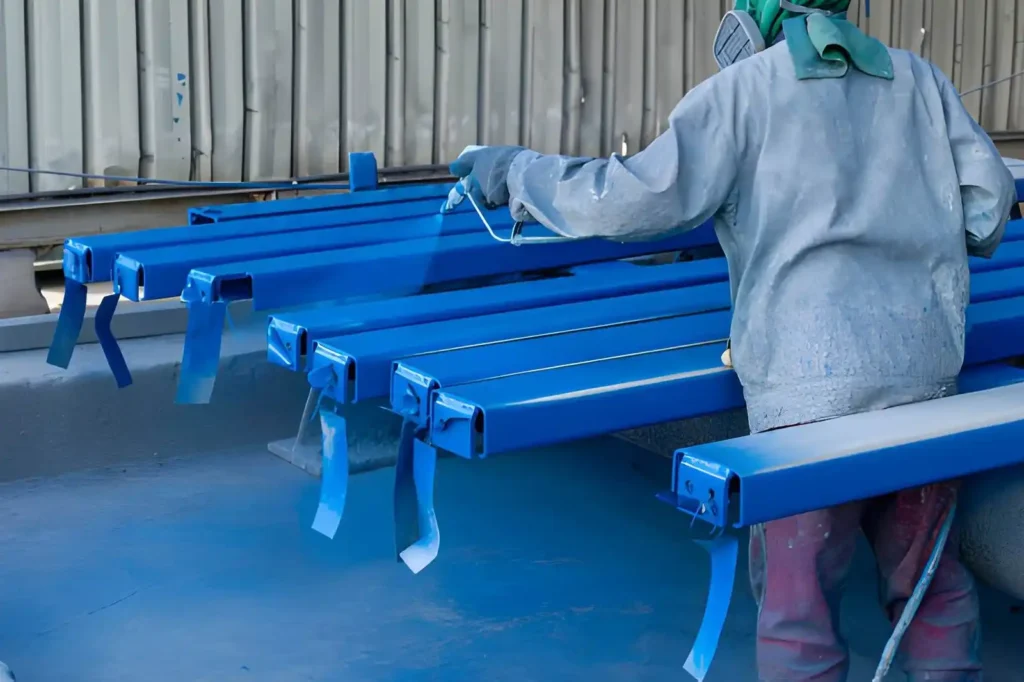
Steel Structure Painting
Paint is simply applied to the aluminum and can chip or peel as it wears away (especially on edges, threads, etc.) due to outdoor weathering. The anodic oxide layer formed by anodizing is thin and is permanently attached to the aluminum, so it does not scratch or corrode and therefore will not flake.
Thus, anodized aluminum is suitable for many types of outdoor components (enclosures) and outdoor parts (that may be exposed to the elements), as well as interior parts (that may be subject to frequent handling).
Anodizing vs. Powder Coating
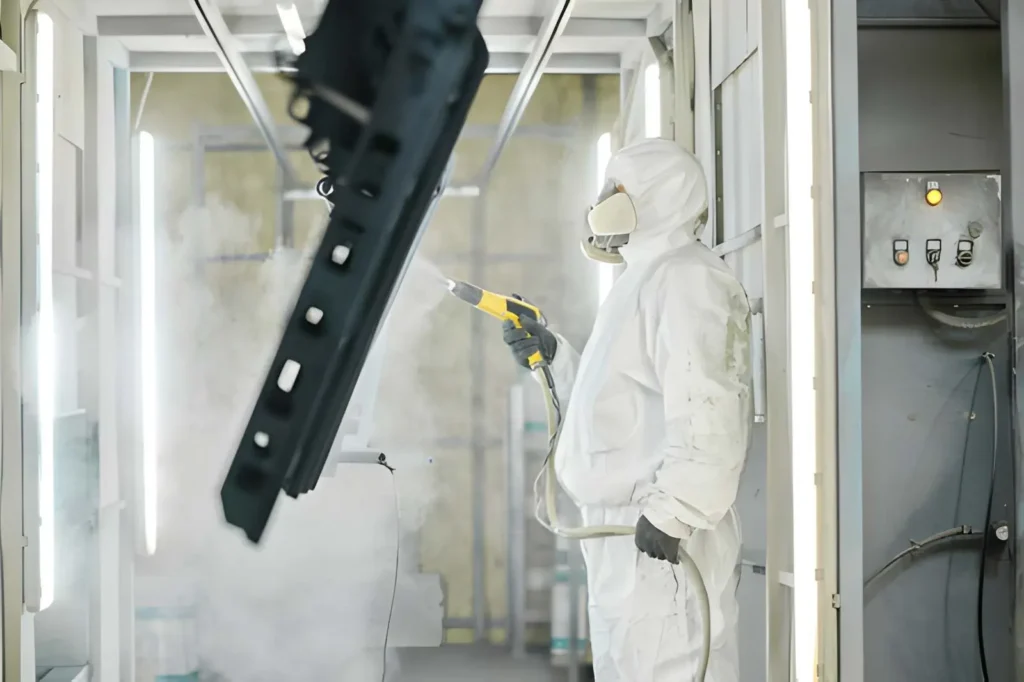
Powder coating process
Powder coating produces a relatively thick surface layer with the added benefit of a wide variety of colors. However, powder coating tends to crack and/or wear away on parts where friction occurs (such as during repeated assembly/disassembly). Anodizing will not change the dimensions of the original part, but will add additional corrosion protection, which is essential for all tight-fitting mechanical components, fasteners, and precision parts.
Anodizing vs. Electroplating
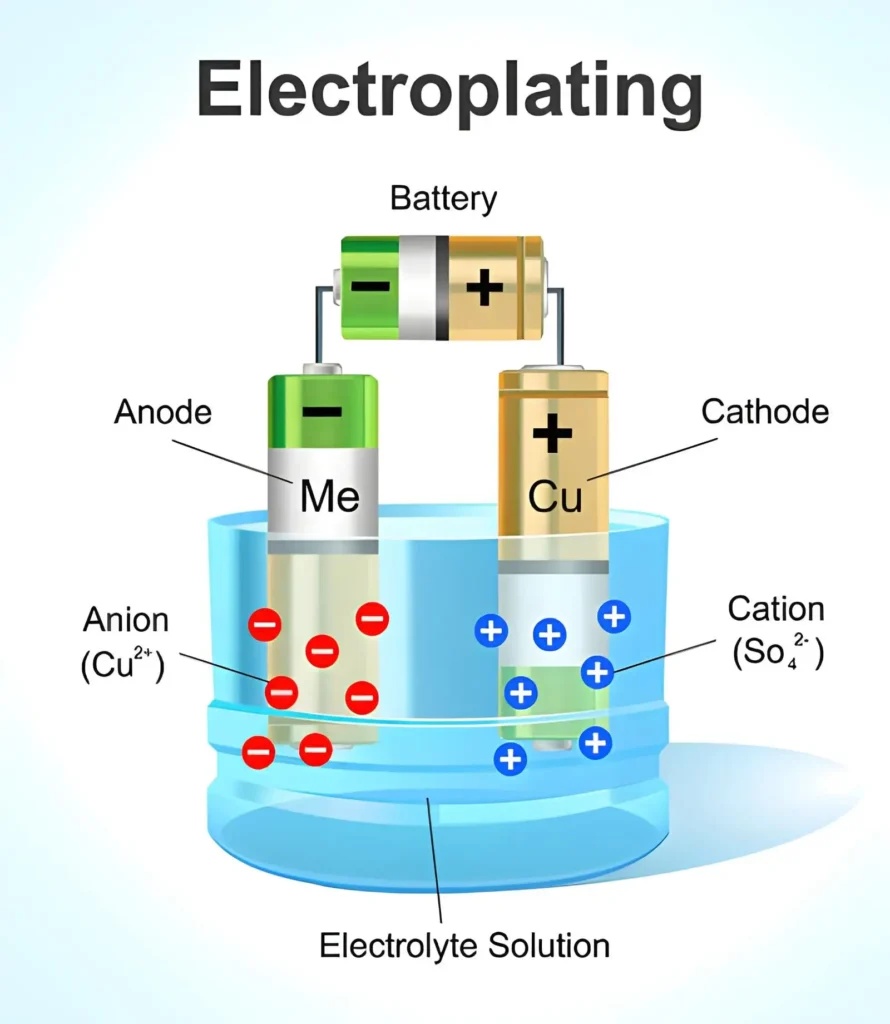
Electroplating Process
Electroplating imparts a metallic finish to the aluminum and can also increase its electrical conductivity. On the other hand, anodizing imparts a more rigid oxide surface on aluminum, which offers greater durability against repeated contact/handling/environmental exposure.
Design Considerations for Anodizing Aluminum
When designing anodized aluminum parts, you should consider factors beyond the anodizing process itself. An effective design will allow your parts to function as needed; maintain acceptable tolerances; and operate as desired in the specific application for which they are intended.
Account for Coating Thickness
The anodic oxidation process results in minimal increases in the thickness of surface features (e.g., threaded fasteners, drilled holes, and/or slotted openings) on anodized parts. As a result, when defining dimensional tolerances for anodized parts, account for the added coating thickness to ensure proper assembly of all components post-anodising.
Consider Surface Hardness
Hardness is an important consideration when selecting an anodizing process, as different processes yield different surface hardness levels. In cases where parts are subjected to friction, abrasion, or excessive load, it may be desirable to choose a method that increases surface durability while maintaining sufficient strength in the underlying metal. Selecting a suitable anodizing process will help ensure the longevity of your parts’ functionality.
Manage Color and Appearances
While dyeing anodized aluminum can create many color options, the resulting colors are influenced by both the alloy type and the surface preparation for anodizing. It is recommended to test dye samples of parts before full-scale production of colored parts to ensure the finished product’s appearance meets customer expectations.
Use Secondary Coatings and Treatments
In some applications, secondary coatings are applied over anodized parts to enhance corrosion protection, reduce friction, etc. Examples include painting, powder coating, and Teflon coating, which can add value to your anodized products.
Consider Electrical and Thermal
Since the anodized layer is non-conductive, it could affect applications that require electrical continuity at some point in the system. To address this issue, use selective masking techniques to protect contact points or apply a clear conversion coating to allow the necessary electrical connections. Use a multimeter to verify surface conductivity to ensure that the anodized layer meets the functional requirements of your application.
Conclusion
Anodising aluminium increases resistance to wear, corrosion, and everyday use. It doesn’t change the metal’s weight or fundamental strength, but it provides a protective surface that lasts longer and is easier to maintain.
Plan ahead when selecting your anodising method. What thickness do you want for your coating? Do you need a specific colour? What is the intended application of your parts? Making these decisions upfront will save you time in the long run, reduce your maintenance costs, and keep your parts running trouble-free.
Prolean MFG offers a wide variety of custom aluminum anodizing services to meet both your large and small production needs. Our goal is to provide you with practical solutions to help you choose the best anodizing process for your parts, so you receive quality parts that work and look as you would like. Whether you are developing a new product, have a prototype, or need to produce parts for your next project, our team can assist you with all your anodizing needs and deliver finished parts ready for field use.