
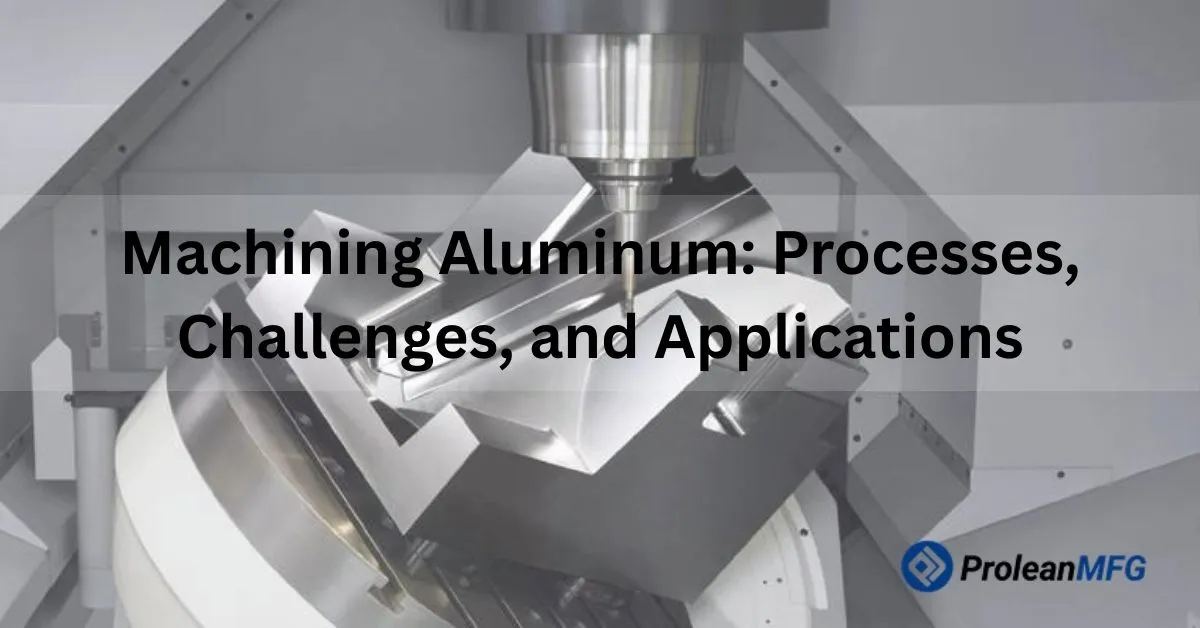

Aluminum machining is revolutionising modern manufacturing. It has enabled the production of lightweight and durable components in industries ranging from aerospace to medical devices. Aluminum CNC machining is essential for manufacturers who are looking to achieve the best strength-to-weight ratio. Advanced machining capabilities allow companies to produce complex geometries previously unattainable with traditional manufacturing methods.
Understanding the nuances of aluminum CNC machining is essential for maximizing its potential in production environments. While aluminum offers numerous advantages, machining it effectively requires knowledge of specific processes, techniques, and potential challenges. Different aluminum alloys respond differently to cutting operations, and factors like chip formation, tool selection, and cutting parameters significantly impact final part quality. Prolean Tech CNC machining services can provide you with the accuracy and reliability your project requires, whether it is for prototype development or large-scale production.
This guide explores the key processes involved in machining of aluminum, the common challenges manufacturers face, and the diverse applications where precision aluminum components make a critical difference in product performance and reliability.
What is Aluminium Machining?
Aluminium machining is the process of manufacturing in which we can remove material from aluminium blocks to create the desired shapes and components. This technique is used in different industries because aluminium has lightweight and corrosion resistance, making it an excellent choice in the manufacturing industry.
Why Aluminium is Best for CNC Machining
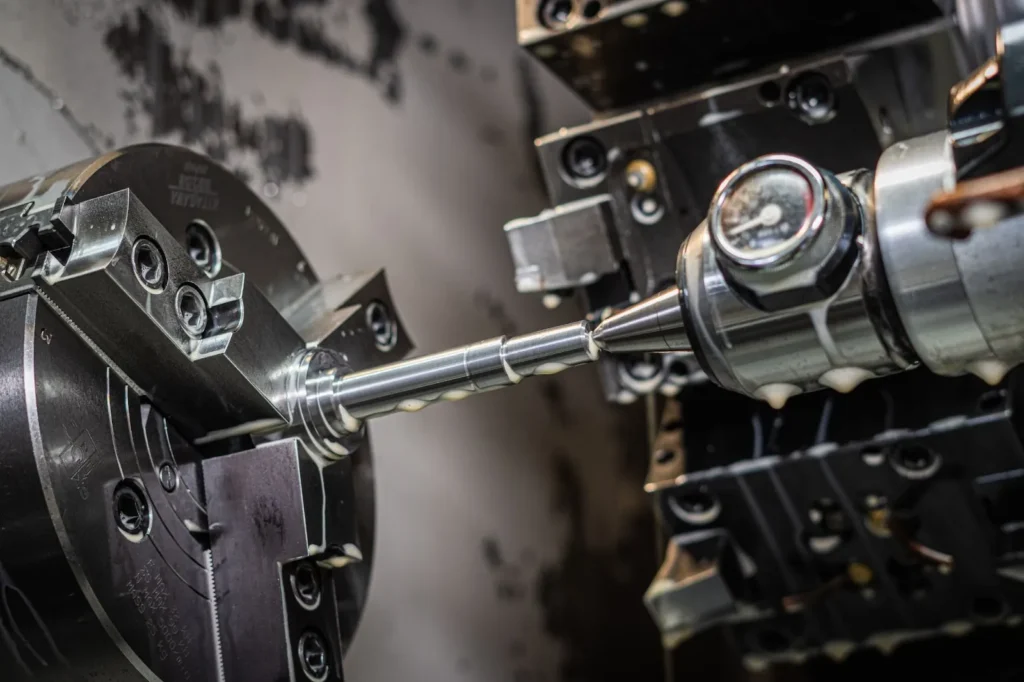
Aluminium has a different combination of physical and mechanical properties. Among other CNC machining materials, aluminum is an excellent choice for CNC machining. Here are some unique characteristics that help to explain why aluminium is best for CNC machining.
Mechanical Properties
Thermal conductivity
Aluminium has high thermal conductivity, which is significantly higher than carbon steel, making it an ideal choice during CNC machining. The heat which is generated during the process of CNC machining disappears more quickly, which reduces the thermal distortion and increases the speed of cutting as compared to other material which has low thermal conductivity.
Electrical conductivity
Due to its high electrical conductivity and low weight, it is commonly used in the manufacturing process. Aluminum has about 61% of copper’s electrical conductivity but roughly one-third of the density. The aluminum has stable electrical characteristics, which means it works the same, even though the temperatures change; it doesn’t react to magnets.
Ductility & Malleability
Aluminum has good ductility, which means without fracturing, it can deform under tensile stress, and its malleability means it can be shaped easily without damaging the material. During the CNC manufacturing process, aluminum requires less cutting force compared to other metals, which means that there are low chances of damage during the cutting process.
Machining Implications
Corrosion resistance
When we expose the aluminium to the air, it naturally forms a protective oxide layer; it’s a barrier that actually prevents further oxidation and deterioration. If the surface is scratched, the aluminium has the ability to automatically form a new protective layer, making it corrosion-resistant and extending the lifespan of the component.
Many industries benefit from this feature, such as outdoor equipment, different marine applications, and especially machinery that is used in food processing, because aluminium is resistant to environmental degradation, and additional protective coatings are not required.
Weldability
By using the TIG or MIG welding process, most of the aluminum alloys can be welded easily. This feature makes it an excellent choice if the parts can be damaged; we can easily join the machined parts into a bigger structure through welding.
The strength of the heat-affected zone of 6xxx alloys decreases significantly after welding. For hybrid manufacturing approaches, this characteristic is best when precision machining can be used to make the complex and strong parts.
Aluminium Grades Used in CNC machining
There are different grades that are popular in aluminum CNC machining services, so the selection of the right grade improves your machining efficiency and performance. Some of the common aluminium alloys are listed below.
Aluminum 6061-RAM2
This alloy has good corrosion resistance and has a high strength-to-weight ratio. It has good thermal conductivity and weldability, and due to its biocompatibility, it is used in medical devices.
6061
It has good weldability and heat treatable alloy, and has corrosion resistance and formability ability, which is why it is most commonly used in machining. Due to its wide availability making it is an excellent choice for many aluminium parts machining projects.
2011
It is also known as a free machining alloy FMA. It offers exceptional machinability, making it an excellent choice for high-speed production tasks and automated lathes. If it’s not anodised, it can easily corrode and has poor weldability.
2024
Grade 2024 has copper as its primary alloying element. It has impressive strength and fatigue resistance. It is valuable in applications that require high strength-to-weight ratios, making it the best choice for machining processes.
5052
It has an aluminium-magnesium alloy and high fatigue strength, excellent corrosion resistance, and formability. It is widely used in marine applications, such as boat components, and for coastal installations. You can read the differences of 5052 aluminum vs 6061 in detail here.
6063
An alloy with magnesium and silicon. It has medium strength and is heat-treatable. Grade 6063 is most commonly used in intricate extrusion processes.
7075
Grade 7075 is often called “aircraft-grade aluminium “. It is a zinc alloy aluminium. 7075 has moderate machinability, poor weldability, and limited formability.
Comparison of Common Aluminum Grades
| Grade | Strength | Machinability | Corrosion Resistance | Primary Applications |
| 6061 | Medium | Good | Excellent | General-purpose, structural |
| 2011 | Medium | Excellent | Fair | High-speed production parts |
| 2024 | High | Fair | Fair | Aerospace, high-stress |
| 7075 | Very High | Fair | Good | Aircraft, high-performance |
| 5052 | Medium | Good | Excellent | Marine, sheet metal |
Overview of Aluminium Machining Processes
When making the aluminum parts, different machining methods are used. Understanding the basic process makes your manufacturing workflow simpler and more efficient.
Milling
It is the process in which we can use the cutting tool to remove the material from aluminium workpieces. In this process, rotatory cutters are used to cut the metal materials into pieces called “chips.”The “workpiece “ is an aluminium block which is processed into another shape, and “chips” are the small fragments that are removed during the cutting process.
During the process of milling workpiece is firmly fixed on the table. When the table can move or rotate, it allows multi-axis machines to machine features at various orientations.
Turning
CNC turning is an automated machining process in which we can remove material from cylindrical parts. During the process, the material is held in chunks and spun at high speed while a cutting tool removes material with high precision. In this way, we can create complex structures easily. To work on cylindrical workpieces, CNC turning is typically used. It can also be used on other shapes.
Drilling
To create holes in a stationary workpiece, CNC drilling uses a rotating tool. This process is the same as manual drilling, but the CNC drilling process is fully automated, which makes it much more accurate. When we are making complex components that have very high tolerances, the CNC drilling is used to create the holes in aluminium parts.
How Aluminium CNC Machining Works
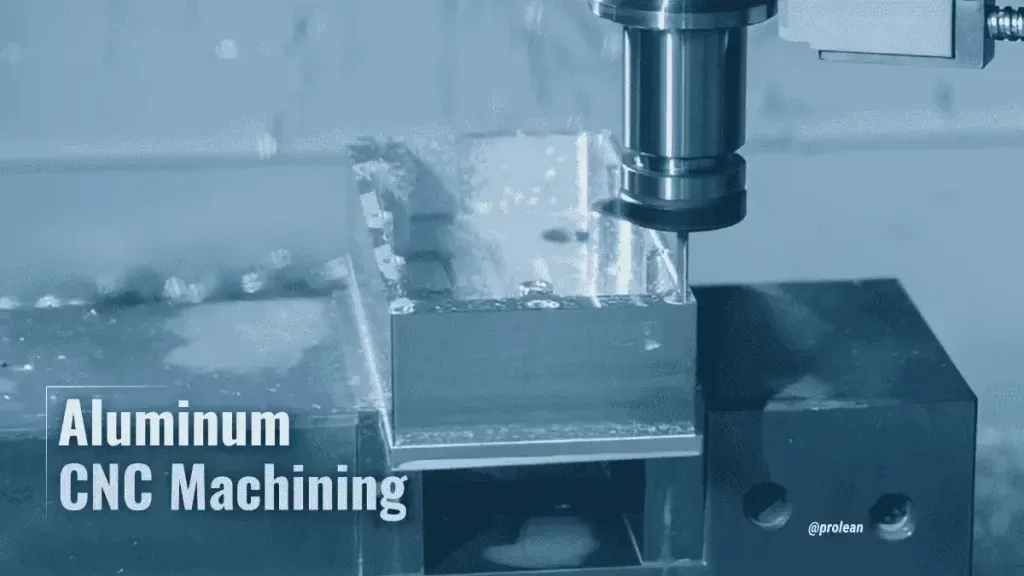
Here is the step-by-step process of how Aluminum CNC machining works to transform the design into a great workpiece through a systematic approach and controlled steps.
1. Design & Create a CAD File
The first step in the aluminium machining process is to create the computer-aided design (CAD) file, which is the foundation of the manufacturing process. This is an important step where precision and specifications matter a lot, especially in the automotive industry. When the design specifications are finalised, the engineer can develop the 3- dimensional model of the part.
A CAD file is important because all the details are saved, like the requirements of the material and size measurements, which are needed for manufacturing.
2. Choose Aluminium Grade
Different types of aluminum grades are available. Selection of the right aluminum grade is important because it can make our manufacturing process more precise and efficient. Different factors can be considered, such as strength, corrosion resistance, weldability, and heat treatability. The aluminum grade you can choose affects the cutting performance and surface finishes, so this is an important step if we want to enhance the performance and manufacturing efficiency.
3. The Machining Process
Once the aluminium type and CAD design are finalised, the actual process begins. To ensure accurate results, important decisions are made, such as the selection of cutting tools, angles, and cutting speed, to get the precise results.
Design of the tool
During the aluminium machining process, the selection of the right cutting tool is important. An important factor that can be considered is the tool’s flute count. Usually, the cutting tools for CNC operation of aluminum have two or three flutes. For plunging cuts, two-flute tools are best. If you want a good balance between strength and chip removal, then three-flute tools work well.
Helix angle
It’s an angle between the centre of the line of the tool and a straight line tangent to the edge of the cutting. During the cutting process, a higher helix angle helps to remove the chip faster, but it can create more friction and heat. Due to this, chips can stick to the surface of the tool during high-speed machining. A lower helix angle produces less heat, but it can remove chips more slowly.
Speed Of the Cutting
A fast speed is required to cut the aluminium, but too much speed can cause built-up edge, surface finish issues, and accelerated tool wear. Every aluminium alloy has its own cutting speed.
When these settings are done, the CAD file is converted into CNC codes and uploaded to the CNC machine. To cut and shape the aluminium, the CNC machine follows the programmed instructions using the selected settings and tools.
4. Post-Processing in CNC Machining
After the machining process to improve the appearance and performance, aluminium parts go through post-processing. These steps involve detailed steps for designing and final finishing. These steps can be complex and costly, especially for small businesses.
Applications
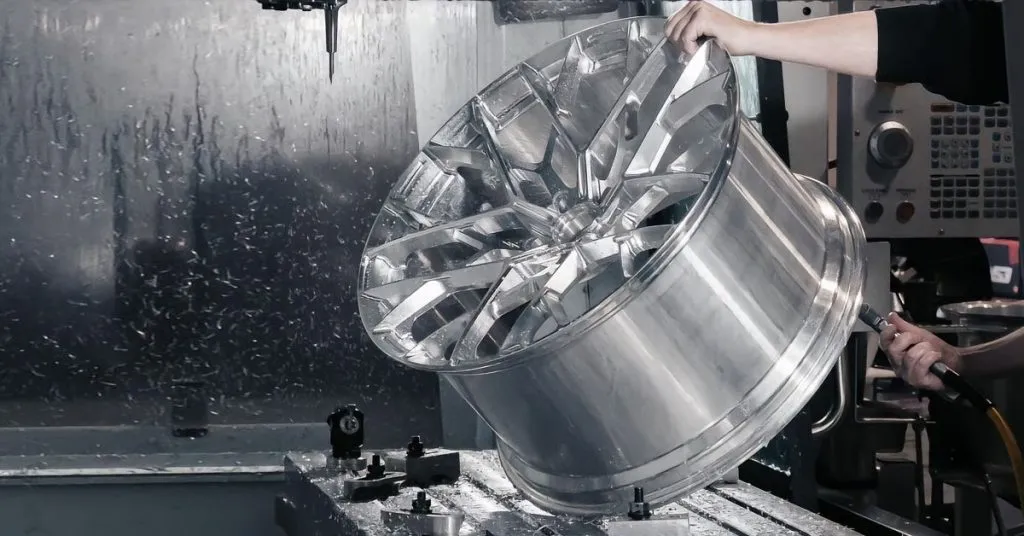
Due to its lightweight, corrosion resistance, high treatability, and weldability, it is used in different industries. Some of the common applications of the machining process of aluminum are listed below.
Aerospace Industry
Due to the aluminum strength-to-weight ratio, it is widely used to make the different parts of aircraft. Control systems parts require precision, so aerospace aluminum products have this amazing feature.
Automotive Industry
Machining operations on aluminum have high thermal conductivity and light weight, and it is used in the automotive industry. Some examples of aluminum automotive parts are underhood parts, engine blocks, and battery frames for EVs.
Medical Industry
Aluminium alloy is biocompatible with medical devices such as surgical and diagnostic instruments. It has a corrosion resistance feature, making it an ideal choice for the medical industry.
Electronics
Aluminum machined parts have high thermal and electrical conductivity. They are widely used in electronics such as housing connectors, heat sinks, and equipment enclosures.
Industrial Equipment
Machining tasks of aluminum have high durability and corrosion resistance, and it is used in different industrial equipment. These parts include pneumatic cylinders, valve bodies, and automation components. To achieve better performance and reliability, manufacturing equipment and processing machines use custom-machined aluminum parts.
Advantages of Using an Aluminum Machining Service
Here are some advantages of using an aluminum parts machining service for the manufacturing process.
Improved Precision
Professional services use advanced CNC machines, modern equipment, and skilled operators to achieve high accuracy with fewer defects. For high-level production, this kind of technology and expertise is very important. It will help to make more complex parts with different materials such as aluminium, stainless steel, titanium, plastic, and brass.
Faster Iterations
These services utilize specialized equipment and resources that help accelerate the production process, reduce turnaround time, and enhance machining workflow efficiency. We can quickly change the designs, do the prototype testing, and produce the aluminium parts fast without losing the quality. To meet the timelines and produce tooling, dies, and assembly fixtures in larger quantities, this efficiency is very important.
Design Flexibility
With advanced technology and strong expertise in CNC aluminum operations, you can create the complex structures and designs that are impossible to create in traditional methods. This flexibility helps manufacturing companies move designs into production faster, including detailed prototypes made through CNC prototyping.
Various Post-processing Options
Due to the use of modern technology and equipment, machining services offer many post-processing options. It includes different options such as sandblasting, anodizing, and many more to enhance the appearance and functionality of the parts. These processes will help metal and non-metal surfaces hold coatings and paint better with a variety of finishes.
Challenges in Aluminium Machining
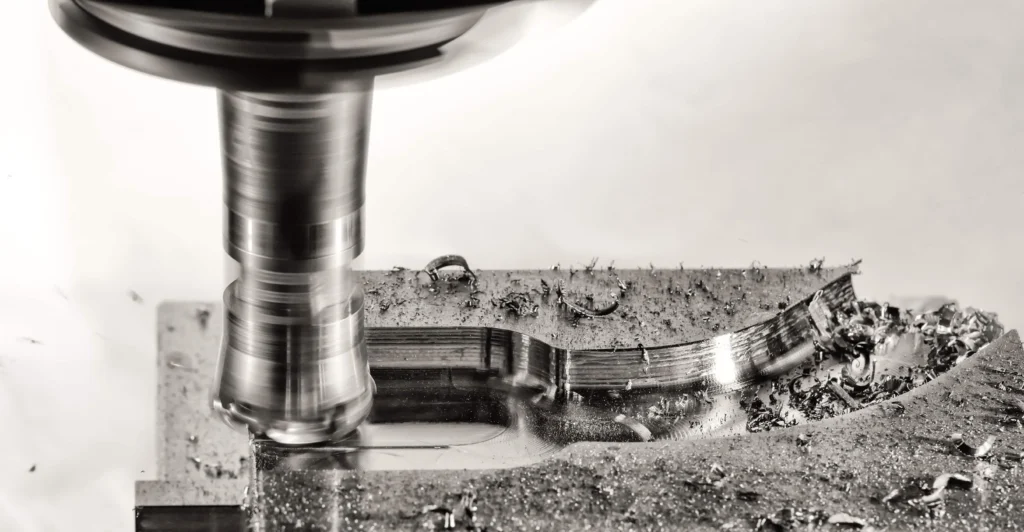
Although aluminium machining solves many problems that are common in traditional manufacturing processes, it also comes with some challenges that make the machining process difficult. Some common challenges in aluminium machining are listed below.
Chip formation
Although aluminum metal is usually soft and easy to shape, some aluminum alloy grades produce long, sticky chips that can wrap around the cutting tool and cause damage. To prevent this, choose the tool’s flute size carefully; it will save you cost and time.
High costs
For aluminum CNC machining, specialised tools are required, which can increase our expenses. Small businesses cannot bear too much machinery at initial stages.
Thermal buildup
Aluminum has an excellent thermal conductivity, but during the process of machining, excessive heat generation can cause dimensional changes and tool wear. Thin-walled aluminium parts machining is more susceptible to thermal distortion. To solve this issue, proper machining strategies are required.
Chatter
When we can cut the aluminum at very high speed, it can cause vibration or “chatter,” which makes it harder to get the precise results during aluminum cutting operations.
Warping
Aluminum is highly prone to warping due to its softness, which can make it difficult to produce aluminum parts accurately and precisely.
Design mistakes
During the machining process, designing mistakes such as ignoring the limits of materials and tolerances of the material, adding complex geometrical structures, and using sharp corners instead of proper fillets. These things can make the machining process difficult, leading to inefficiencies, causing quality problems, and increased costs.
ProLean Tech is a leader in providing high-quality CNC machining services tailored to meet your needs. Our precision machining experts use the latest equipment to make sure that every aluminum part is manufactured according to your specifications.
Conclusion
CNC aluminum custom machining is a combination of material advantages and advanced manufacturing technologies to produce precision components in countless applications. Aluminum’s advantages can be maximized by manufacturers who understand the processes and select appropriate aluminum grades. They also need to address common challenges. Investments in high-quality machining techniques, appropriate equipment, and expert knowledge pay dividends with superior part quality, lower production costs, and quicker project completion.
ProLean Tech offers exceptional custom aluminum machining backed by decades of experience and the latest CNC equipment. Our team works closely together with clients to optimise design, choose the best CNC machining materials, and implement manufacturing strategies that balance quality, cost, and delivery requirements. Contact us to learn how our aluminum machining services can take your project from conception to final components with precision and dependability.