

When your plastic prototype fails to meet performance expectations in dimensional accuracy and dimensional accuracy, it can delay validation. Worse, it had already missed the deadline – the iterations can be costly. The answer to this is a plastic prototyping service.
Plastic parts and components are first produced as visual functional models before full-scale manufacturing, in the prototype manufacturing process. Rapid plastic prototyping enables manufacturers to close the gap between digital designs and final products or parts.
With advantages such as accelerated product time-to-market and boosted investor confidence, plastic prototyping can be performed using four technologies – CNC plastic machining, injection molding, vacuum casting, 3D printing, and thermoforming.
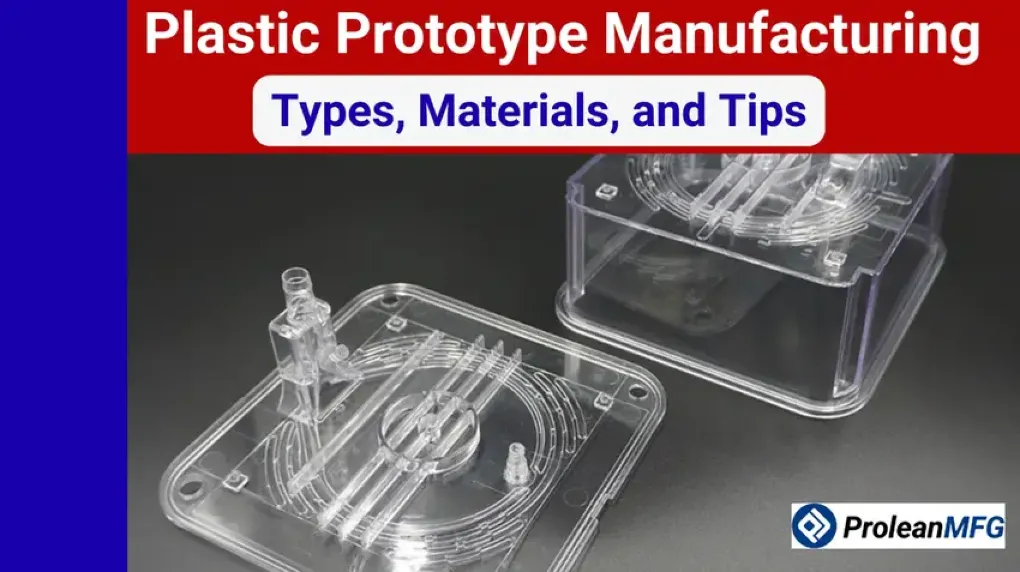
This article explains the process, techniques, types of plastics, types of plastic prototypes, and functions. It also shares insights into the design and optimization of plastic prototyping.
What is Plastic Prototype Manufacturing?
Plastic prototype manufacturing is an important development step for plastic parts and components. It creates preliminary versions of the part or product for design testing and provides crucial information to the stakeholders.
Depending on project requirements, rapid plastic prototyping can be offered through plastic CNC prototype method, vacuum casting, rapid prototyping, and plastic injection molding.
Advantages of Plastic Prototype Manufacturing
The main advantages of plastic prototype manufacturing are;
- Accelerates product time-to-market
- Promotes stakeholder and investor confidence – tangible product models
- Minimizes product development costs
- Supports regulatory pre-submission
Limitations of Plastic Prototype Manufacturing
There are various limitations of plastic prototype manufacturing, including;
- Not cost-effective beyond some volumes
- Schedules may extend for complex geometries – reworks
- Tolerance challenges due to warping and shrinkage
The Functions of Plastic Prototype Manufacturing – When to Use It
Plastic prototype manufacturing is crucial for design validation, material performance analysis, regulatory compliance, and market compliance.
Design Validation
For designs that have complex geometries, moving parts, and tight tolerances, prototyping is an important complement to simulation.
Material Performance Analysis
When choosing between different plastic materials for a project, prototype manufacturing allows for tests under different conditions – temperature, corrosion, loading, and so forth.
Regulatory Compliance
Regulatory requirements, such as UL electrical products and FMVSS for automotive safety components, mean that physical test specimens must be available.
Market Compliance
Looks-like prototypes are commonly used in trade shows and e-commerce listings. Product demand can be initiated even before the product is manufactured.
Types of Plastic Prototypes to Consider
The main types of plastic prototypes are concept, functional, and high-resolution (pre-production) prototypes. More about these options is in the table below.
| Prototype type | Function | Common Manufacturing Methods |
| Concept | Visualize the shape and ergonomics | SLA, FDM 3D Printing |
| Functional | Test performance – thermal, mechanical | CNC machining, vacuum casting, SLS |
| Hhigh-resolution (pre-production) | Final design, tooling verification | CNC machining, injection molding |
Manufacturing Options for Plastic Prototyping
When it comes to plastic prototyping manufacturing methods, the main options are plastic CNC prototype, 3D printing, injection molding, vacuum casting, thermoforming, and reaction injection molding (RIM).
Plastic CNC Prototype Manufacturing
CNC plastic machining precisely cuts and shapes plastic billet stock using subtractive techniques such as CNC turning and CNC milling. It is commonly used to make accurate engineering-grade prototypes.
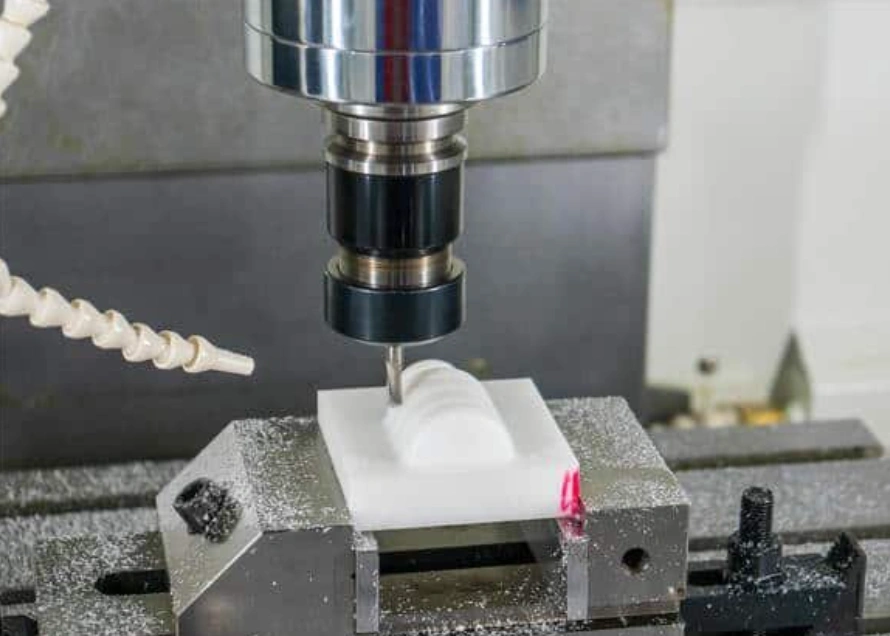
Plastic CNC prototype machining
The main advantages are;
- Tolerances within ±0.01–0.05 mm based on geometry
- Compatible with many engineering plastics
- Excellent surface finish
CNC plastic machining is often chosen for functional plastic prototyping where dimensional stability and mechanical performance are critical considerations.
3D Printing
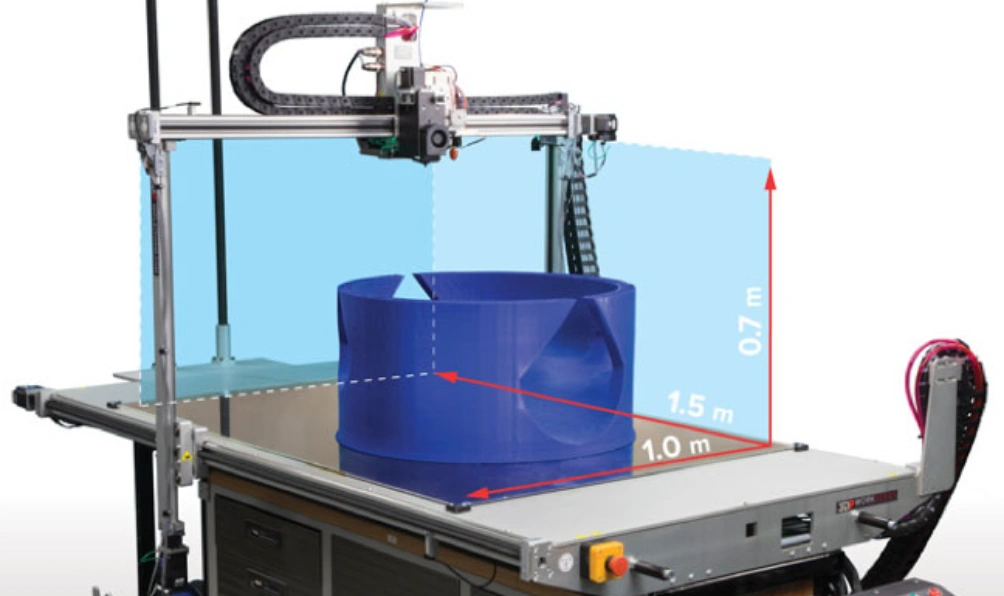
3D printing plastic prototype manufacturing
3D printing is a core additive manufacturing method characterized by layer-by-layer prototype fabrication from CAD data. Manufacturers rely on technologies like SLS (Selective Laser Sintering), SLA (Stereolithography), and FDM (Fused Deposition Modeling)to produce complex prototypes with relatively fast turnaround.
The specific reasons each of these 3D printing methods suits plastic prototype manufacturing are;
SLS: Produces sturdy, functional
SLA: Ideal for smooth surface finishes
FDM: It is a cost-effective manufacturing method for early-stage prototypes
Injection Molding
Molding tools, often made of steel or aluminum, are at the center of this prototype manufacturing solution. Process engineers choose injection molding when they want a prototype with the exact production material properties. The surface finish from this method is also excellent.
We recommend using injection molding for plastic prototypes when;
- High consistency and repeatability are required
- Multiple units are required for testing and validation
- Material properties must match final-grade parts
Although the initial cost of injection molding is high due to prototype tooling plastics requirements, the method produces consistent parts with superior surface finish and dimensional accuracy.
Vacuum Casting
For vacuum casting, soft silicone molds are used to manufacture polyurethane plastic parts. These molds can be manufactured through 3D printing or CNC machining. A vacuum is used for the casting process to reduce air entrapment.
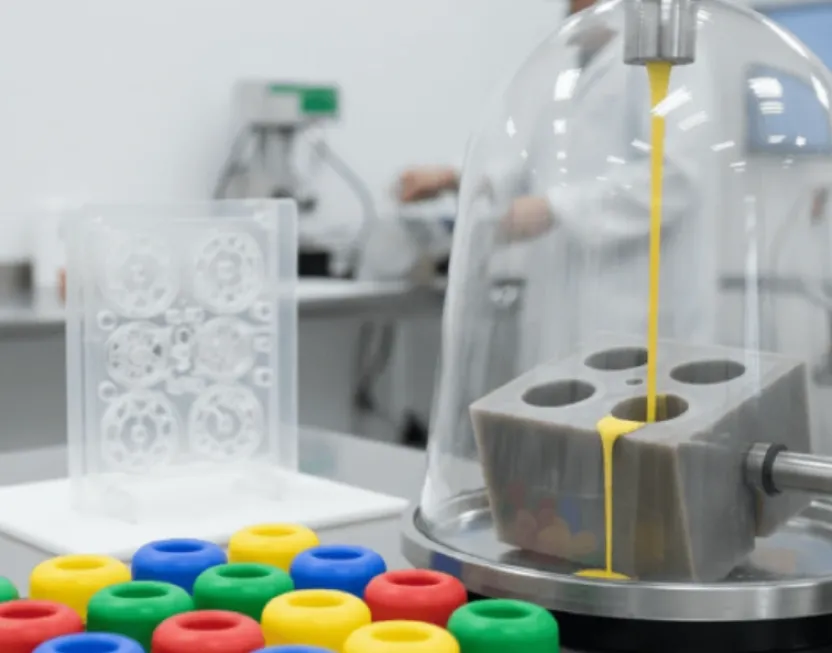
Vacuum casting for plastic prototype manufacturing
Here is why vacuum casting can be used for plastic prototype manufacturing;
- Low prototype tooling plastics cost
- Short lead time (usually a few days)
- Excellent surface finish
- Can produce small batches of between 10 and 50
Thermoforming (Vacuum Forming)
Thermoforming is a plastic prototype manufacturing technique entailing heating a plastic sheet to pliability. The sheet is then placed over a mold for forming. Vacuum forming is very dependable for producing thin-walled plastic parts.
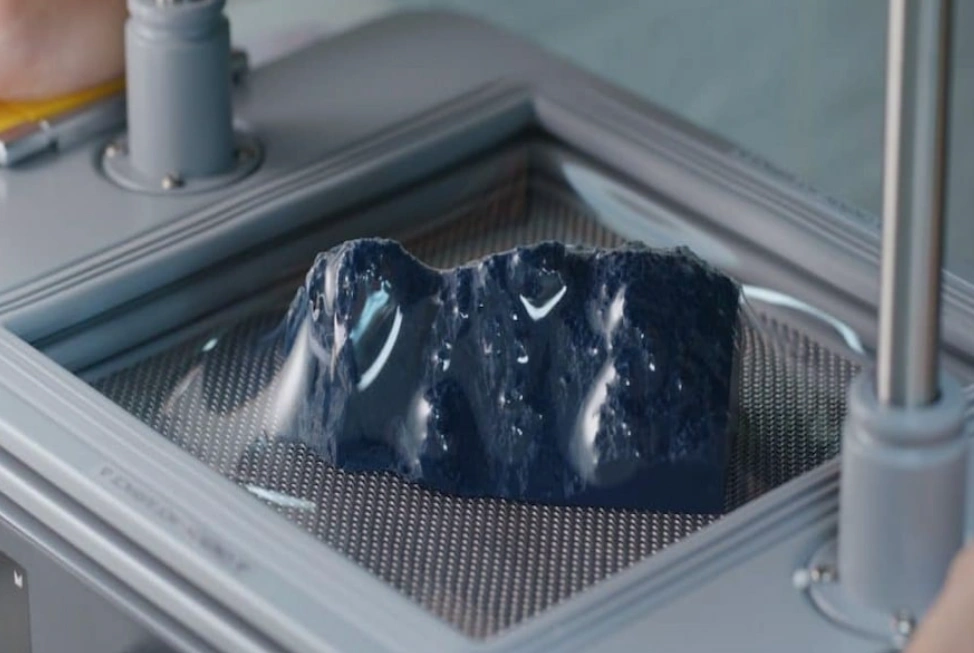
Vacuum forming
Main advantages of thermoforming for plastic prototype manufacturing are;
- Fast turnaround
- Low tooling cost
How to Make a Plastic Prototype: The Steps
The steps of plastic prototype manufacturing comprise design submission, feasibility analysis, selecting the manufacturing method, prototype manufacturing, and quality verification.
Step 1: Design Submission
The client submits a 3D CAD file and a 2D drawing showing specifications for material, tolerances, and surface finish. This brief should be as clear as possible to minimize revision cycles.
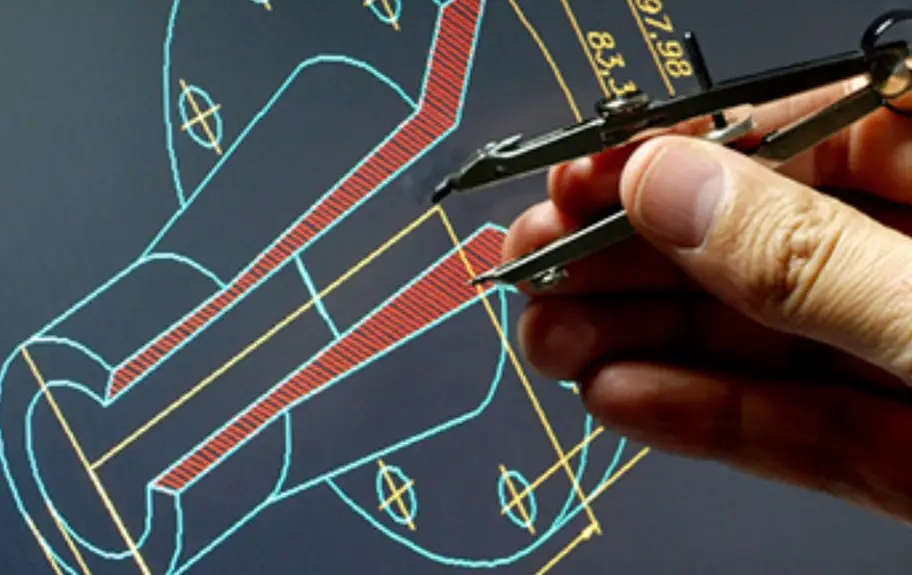
Prototype design
Step 2: Feasibility Analysis by the plastic prototyping service provider
A check of all the relevant geometry features is performed in what is called a Design for Manufacturability (DfM) review. Issues checked include part geometry, wall thickness, undercuts, and draft angles.
Step 3: Select the Manufacturing Method
The prototype manufacturing method is selected based on fundamental factors – Functionality, lead time, budget, and number.
Step 4: Prototype Manufacturing
Regarding manufacturing the plastic prototype, the specific execution depends on the method used. Of course, in-process checks and documentation are common for all manufacturing methods.
Step 5: Quality Verification
This is a rigorous step in plastic prototyping services. Visual inspection is complemented wtih gauging, optical scanning, and the coordinate-measuring machine (CMM) method.
Important Parameters and Specifications in Plastic Prototype Manufacturing
Plastic prototype manufacturers base their decisions and strategies on dimensional capabilities, surface finish requirements, lead time, and material property requirements. It is critical to understand these elements to plan better.
Here is a table capturing some of the specifications and parameters.
| Parameter | Benchmark or common range |
| Dimensional accuracy | ±0.3 mm for FDM to ±0.05 mm for CNC machining |
| Surface finish (Ra) | 1.6–6.3 µm 3D printed; 0.8–3.2 µm CNC machined |
| Lead time | 3–-6 weeks for injection molding; lLess than a week for FDM |
| Temperature resistance (HDT) | 160–170°C (typical) (PEEK); as low as 60°C (ABS) |
| Tensile strength | 20 to 100+ MPa, depending on the specific plastic resin and processing method |
Common Plastic Types for Prototype Manufacturing
It is equally important to recognize the applicable plastic types, which include ABS, PMMA, PC, Nylon, PEEK, PP, and fiber-reinforced plastics. The engineer will opt for one plastic over the other depending on functionality, budget, processing ease, and so on.
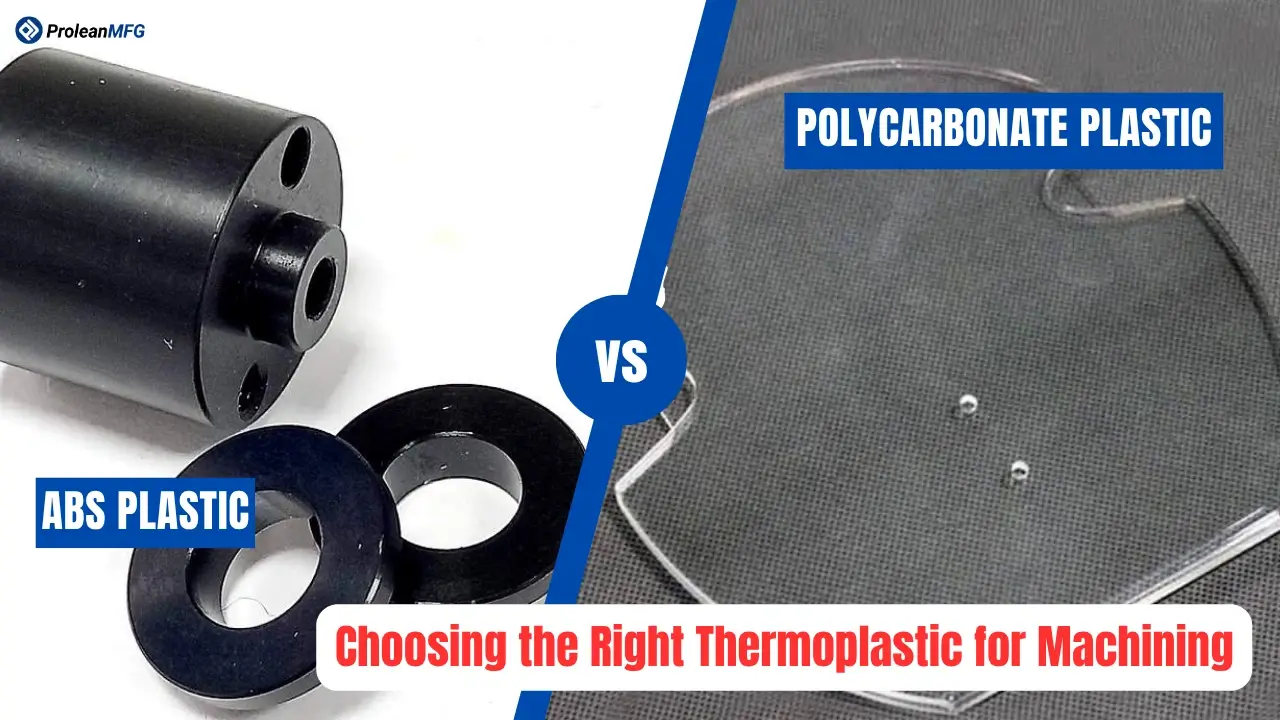
ABS – ABS (Acrylonitrile Butadiene Styrene) is widely considered the workhorse of plastic processing and prototyping. With an HDT of approximately 98°C, excellent impact resistance, and good processing capability, ABS is ideal for enclosures and housings.
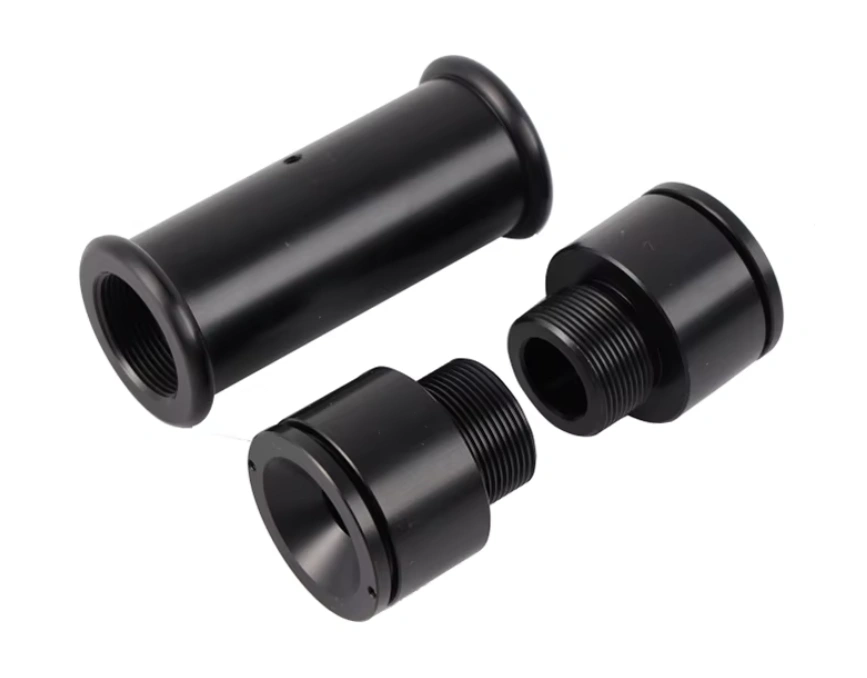
ABS plastic prototype
PMMA – PMMA (acrylic) has excellent optical clarity and impressive rigidity, but poor impact resistance. The plastic makes good lenses and display parts.
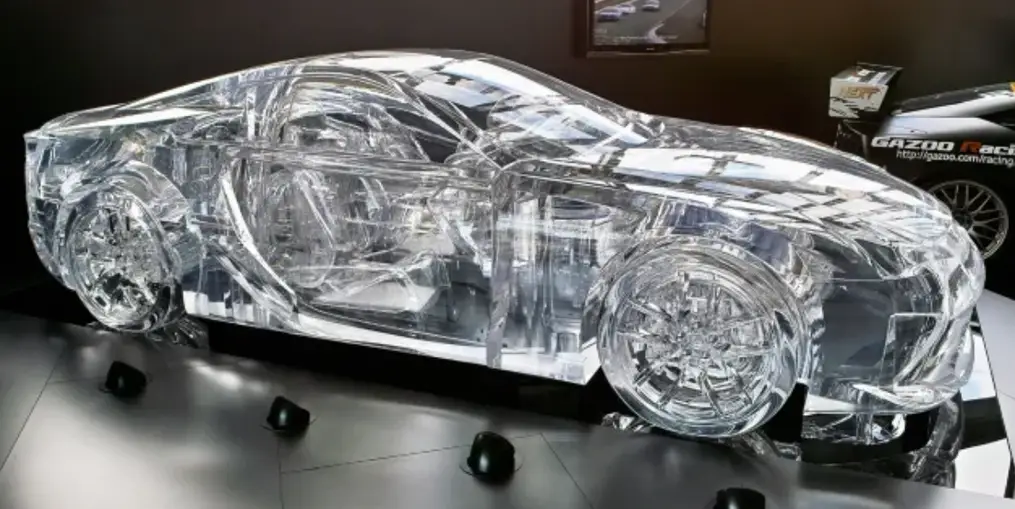
PMMA prototype
PC – Polycarbonate stands out for its high HDT, impressive impact strength, and good optical clarity. It is a preferred plastic type for aerospace and medical components.
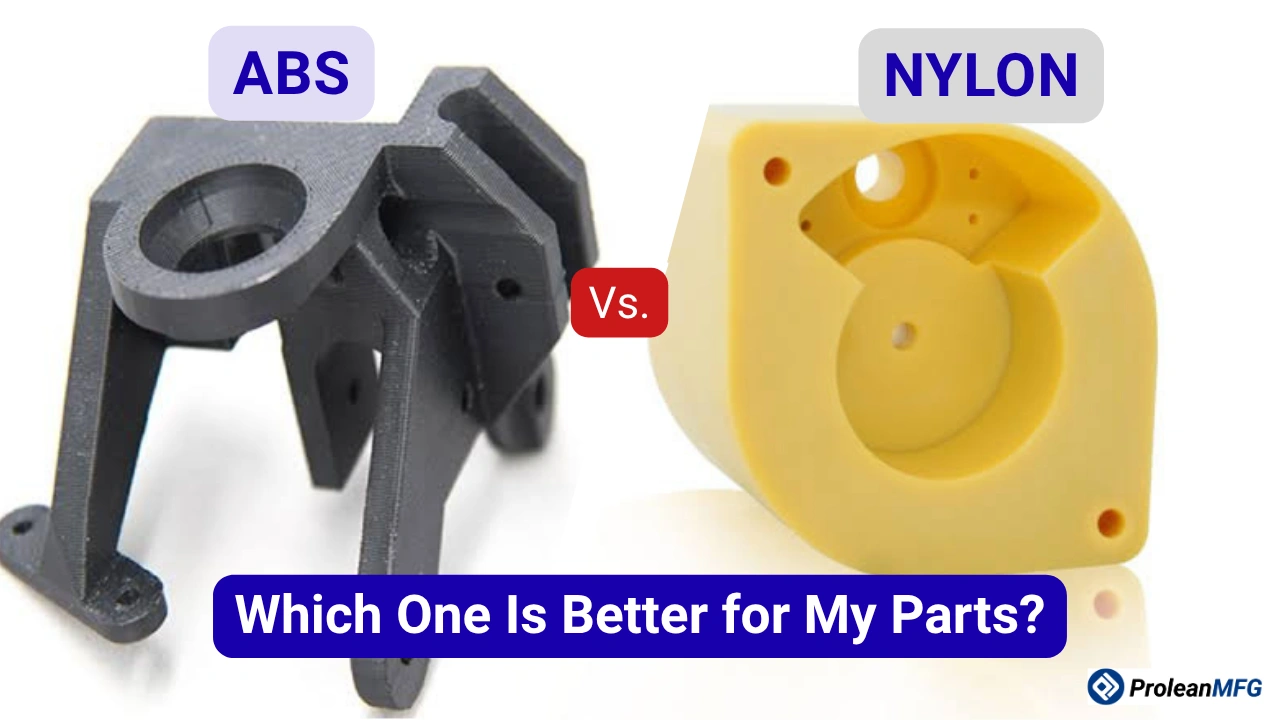
Polyamide (Nylon) – Nylon, specifically the PA6 and PA12 grades, is preferred for chemical resistance, low friction coefficient, and superior fatigue resistance. It is used to make high-quality functional prototypes.
PEEK – PEEK (Polyether Ether Ketone) is biocompatible and chemically resistant. Its CNC-machined prototypes are widely used for medical implants, aerospace components, and other demanding applications.
PP – PP (Polypropylene) prototypes are used for fatigue and chemical resistance. This plastic is usually CNC-machined or vacuum cast, but it is challenging to 3D print.
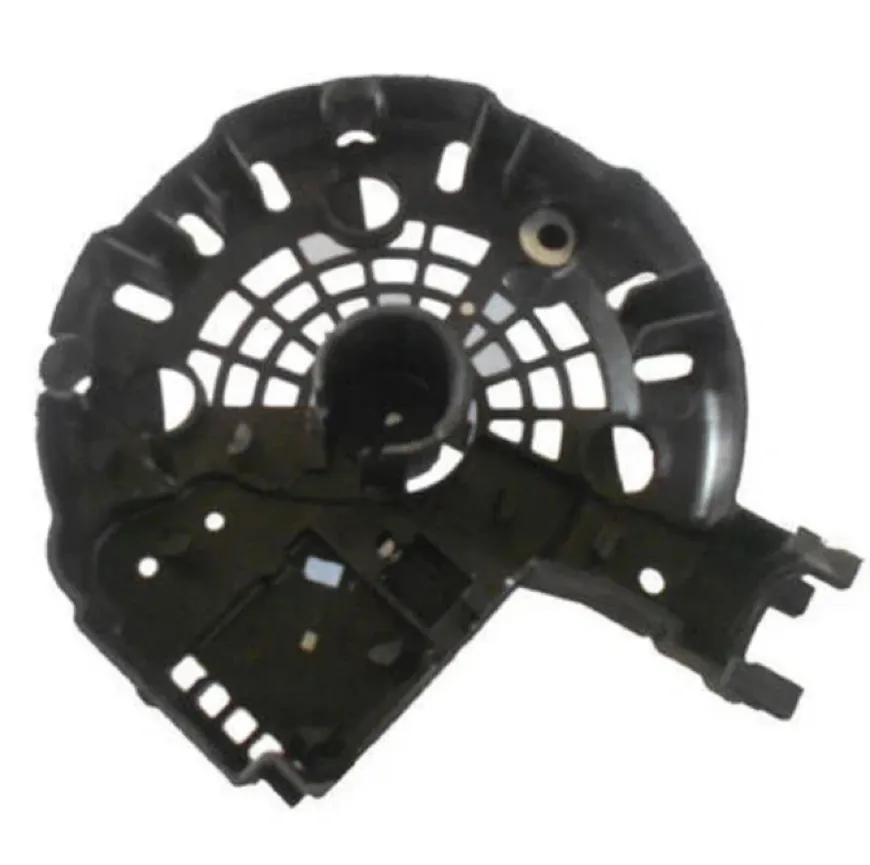
PP (Polypropylene) prototype
Fiber-Reinforced Plastics – This type comprises glass fiber or carbon fiber reinforced grades such as PEEK-GF and PA-CF, which are light and stiff.
Design and Optimization in Plastic Prototype Manufacturing
Prototype manufacturing design focuses on aspects such as stress points, wall thickness, draft angles, tolerance, radii, surface finishes, and clearance for adhesion and ribbing.
Optimization is about hybrid methods, good documentation, lead time & budget, simple geometries, and iterative testing.
To properly design and optimize plastic prototype manufacturing, engineers have to plan carefully, based on a thorough understanding of both the prototype’s intended use and manufacturing process.
Considerations for Design
The most notable considerations when designing for plastic prototype manufacturing are;
- Maintain a uniform wall thickness to minimize sink marks and warping
- Implement a minimum 1–2° draft on all vertical faces
- A minimum of 0.5× wall thickness for internal radii
- Ra values should be specified on the drawing
- Press-fit joints should have a 0.1–0.2 mm clearance
- Over-tolerancing should be avoided – tolerances only defined where necessary
- Stress points should be identified and appropriately reinforced
Optimization Strategies
Manufacturers apply hybrid methods, material substitution, and design for complexity strategies for a seamless, rapid plastic prototyping workflow. These fundamental strategies are discussed more below.
- Hybrid Methods
Techniques can be combined when necessary. For instance, CNC machining can be used to refine the critical features on a 3D-printed plastic prototype
- Material Substitution
To optimize cost, manufacturers use machinale, cost-effective materials for form and function validation. They then switch to more suitable engineering materials to make the final product.
With this strategy, the manufacturer can minimize production costs while providing timely plastic prototyping insights.
- Design for Prototyping (DFP)
Further, simplifying the prototype design complexity is applied because it affects the production time and amount of material used. Important aspects considered under this strategy are tolerances, wall thicknesses, and internal features. The idea is to avoid complications and feature variations as much as possible.
Critical Considerations in Plastic Prototype Manufacturing
Engineers and designers focus on several considerations to manage the complexity of plastic prototype manufacturing, including the function, design complexity, type of plastic, lead time, and budget.
| Consideration | Important Questions |
| Function | Is the primary function of the prototype fit, form, or functional testing?What sort of environment will the part be exposed to? Chemical exposure, thermal conditions, mechanical loading, etc. |
| Design complexity | Are there undercuts, thin walls, or tight tolerances?Are secondary operations or multi-axis machining required? |
| Plastic type | Does the plastic type suit the chosen prototyping method?Are final–use properties required in the material? |
| Lead time | What is the desired turnaround time?Can redesigning suit to use faster plastic prototyping methods? |
| Budget | Can optimization strategies be applied without affecting critical performance? |
The Future of Plastic Prototype Manufacturing
The evolution of plastic prototyping is evident, with advancements in AI integration and the adoption of sustainable materials likely to dominate.
Integration of AI and other Advanced Technologies: AI-based DfM tools, digital twins
Adoption of Sustainable Materials: Bio-PC, PLA blends, and other sustainable resins
Conclusion
As indicated in this article, there is much to ponder about in plastic prototype manufacturing. From the specific material to be used to the ideal technology. Each decision carries weight and should be driven by project requirements.
While CNC plastic machining works for functional prototypes requiring tight tolerances and real material performance during iterative development, plastic injection molding is the preferred technique for high-volume production and consistent part replication.
These and other technical considerations ensure high-quality plastic prototypes.
There is no point in struggling with process optimization, manufacturing tolerances, and plastic material selection. Partner with experts in rapid prototyping services to transform your design into precise, cost-effective prototypes.