
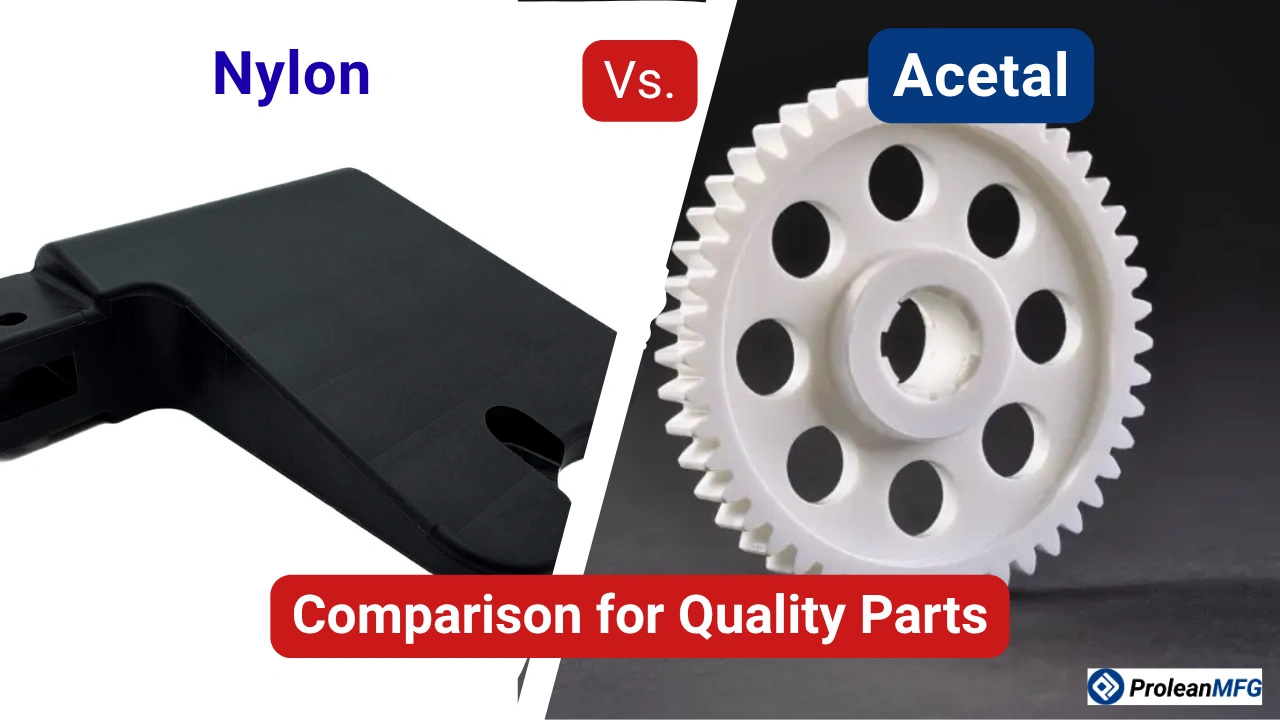

Both nylon and acetal materials are valued engineering plastics for their impressive mechanical performance, but they differ in core aspects, including chemical structure, moisture performance, strength, and machinability.
Acetal, available under brand names such as Delrin, is a favorite in precision machining due to its low moisture absorption and good dimensional stability.
Many nylon parts offer higher temperature capability and tensile strength than standard acetal types, making sense in high-load applications. However, since it absorbs much more moisture, the plastic has lower dimensional stability for machined parts.
With these stark differences, choosing the wrong plastic can trigger failures, scraps, or reworks, and affect the bottom line.
The right choice for nylon vs acetal machine parts comes down to the operating conditions: Acetal wins for low water absorption and tight tolerances, while nylon can be a good choice where repeated mechanical stress and heat resistance are key properties.
Read this rundown of the comparison – which also reviews alternative materials like PEEK, UHMW-PE, and PC – to help you match the right plastic parts to your application.
What is Nylon Plastic?
Nylon (Polyamide) is a widely used plastic recognized for its exceptional wear and bearing properties. It is a universal term for long-chain fiber-forming polyamides based on recurring amide groups.
The most common nylon grades are nylon 6/6 and nylon 6, along with nylon 6/10, 6/12, 6/11, and 6/12.
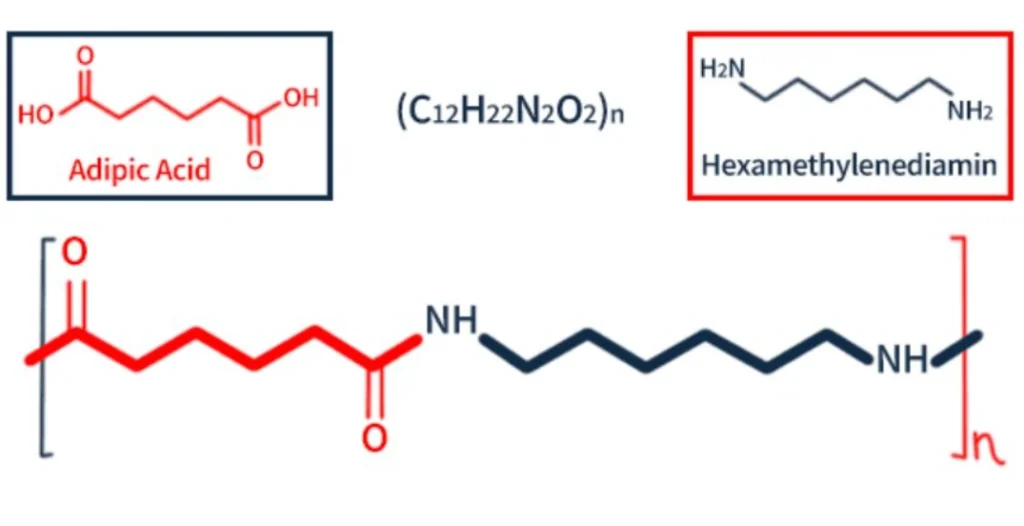
Nylon plastic has several industry-relevant properties, including modulus of elasticity, tensile strength, heat distortion temperature, impact resistance, and vibration resistance.
Is Nylon 100% Plastic?
Yes, nylon is a synthetic thermoplastic polymer. However, manufacturers can adjust moisture resistance, impact resistance, and other relevant properties, through the inclusion of additives or reinforcements.
What is Acetal Plastic?
Acetal material, also called Polyoxymethylene (POM), is a synthetic polymer used in various engineering applications. The engineering plastic is categorized as Copolymer acetal (POM-C) and Homopolymer acetal (POM-H).
Both POM-H (Homopolymer) and POM-C (Copolymer) are engineering plastics, but their specific advantages differ. POM-H (Homopolymer) has higher stiffness and mechanical strength, while POM-C (Copolymer) has higher chemical resistance and hot-water resistance.
Acetal Chemical Compatibility: Is Acetal Plastic Chemical Resistant?
Yes, acetal plastic is resistant to hydrocarbons and solvents. It offers good resistance in applications exposed to many of these chemicals, including automotive parts, fluid handling systems, and fuel systems.
However, the material is noticeably weak against strong acids and oxidizing agents. Extended UV light exposure also degrades acetal polymer parts, unless the plastic contains stabilizers.
Is Acetal Better Than Nylon? A comparison of Various Characteristics
Having reviewed the properties of nylon vs acetal, let’s now shift focus to the core differences around chemical composition, physical properties, mechanical properties, thermal properties, moisture resistance, chemical resistance, industrial applications, and machinability.
Plastic vs Nylon: Is Nylon the Same as Plastic?
Not specifically. Nylon is a type of plastic. In other words, all nylon is plastic, but not all plastic is nylon. Nylon is an engineering thermoplastic defined by high toughness and wear resistance, which are derived from its polyamide structure.
Is Nylon Thermoplastic?
Yes, nylon is a thermoplastic. It undergoes a cycle of softening on heating and solidifying on cooling without extensive chemical damage. With these properties, nylon is easy to CNC machine, extrude, and injection mold.
Nylon vs Acetal: Chemical Composition
Acetal (POM) is a formaldehyde polymer with two -OR groups bonded to carbon. It has a stable structure and with low friction.
Nylon has the amide-linked units of the polyamide family. The plastic is available in different variants, including nylon 6 and nylon 6/6. Each of these features different mechanical and thermal properties.
Nylon vs Acetal: Physical Properties
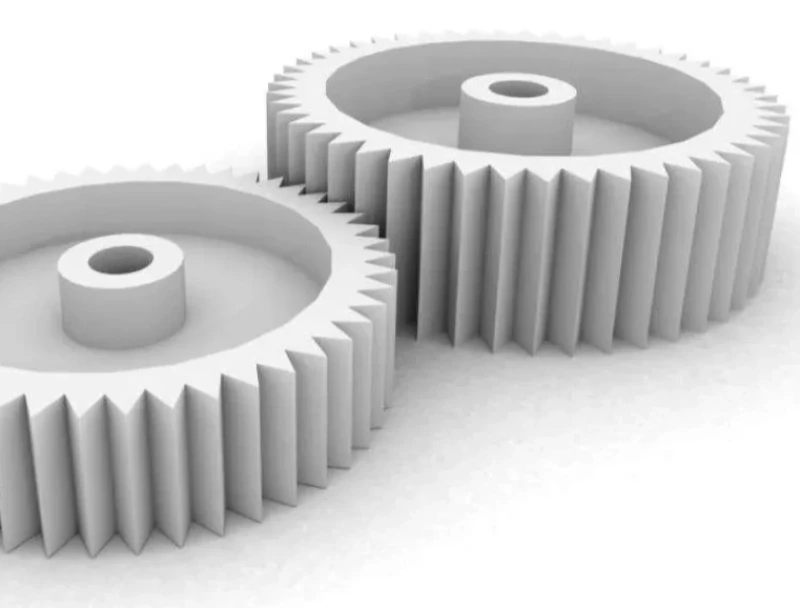
Acetal is still wear-resistant and offers low friction. This makes the material valuable for rotating or sliding applications. Nylon’s physical properties include impact resistance and flexibility. Note that nylon’s properties can change extensively with moisture absorption.
Nylon vs Acetal: Mechanical Properties
Here is a table of the representative mechanical properties for the specific nylon 6/6 and acetal grades referenced in data sheets. It highlights tensile strength, compressive strength, and flexural modulus.
These properties are fundamental considerations in acetal and nylon machining suitability.
| Property | Nylon 6/6 | Acetal |
| Tensile strength | 83 MPa | 67 MPa |
| Compressive strength | 86 MPa | 35 MPa |
| Flexural modulus of elasticity | 2.8 GPa | 2.6 GPa |
For the grades referenced in the table, nylon 6/6 offers higher stiffness and tensile strength than the listed acetal grade. Due to such a comparison, nylon machined parts tend to be preferable for structural brackets in industrial machinery and tension-loaded fasteners.
Nylon vs Acetal: Thermal Properties
Thermal behaviour can be interpreted from the melting temperature. However, it is not the same as maximum continuous service temperature.
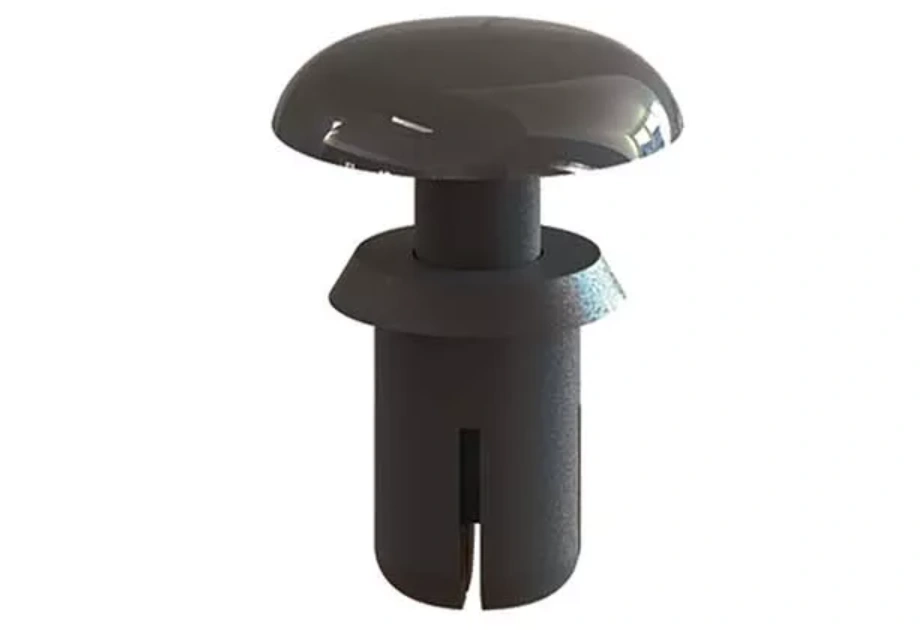
In many cases, nylon’s temperature capability is better than that of acetal grades. For these properties, the most important point to note is that the plastic grade and operating conditions determine the specific service temperature.
| Property | Nylon 6/6 | Acetal |
| Melting point | Nylon 6/6 melting point is approximately 260°C | Acetal melting point is approximately 166°C |
| Thermal Conductivity | 0.245 W/(K*m) | 0.39 W/(K*m) |
Nylon vs Acetal: Moisture Resistance
There is another divergence here, with nylon absorbing much more moisture than acetal. If you are using nylon parts in humid conditions, this would be a major consideration because of the potential dimensional changes involved.
Nylon vs Acetal: Chemical Resistance
The chemical resistance profiles for nylon and acetal are distinct. Acetal material provides good resistance against many solvents, hydrocarbons, fuels, and oils.
For nylon parts, the most noticeable thing is that chemical resistance varies significantly based on the material grade and operating conditions.
Acetal polymer is usually recommended for automotive fluid-handling systems exposed to solvents and hydrocarbons.
Nylon vs Delrin: Machinability
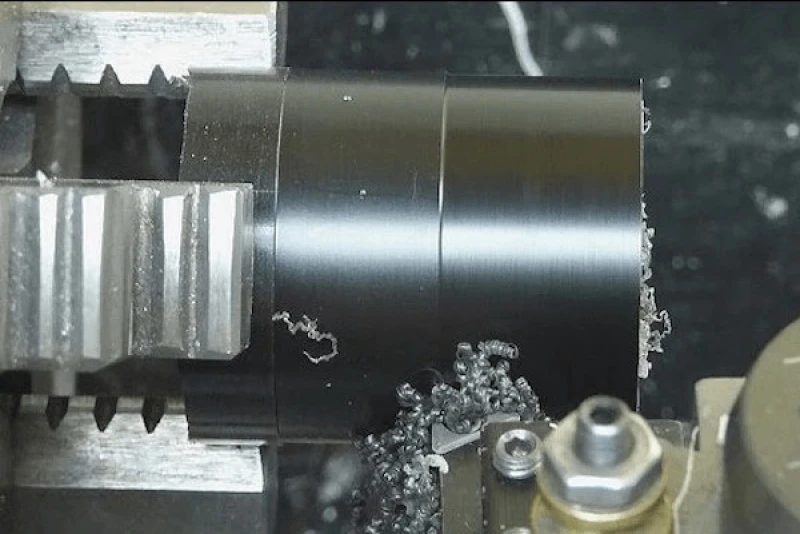
Nylon’s poor moisture resistance affects machinability and achievable tolerances due to swelling. For its excellent tolerance holding backed by low moisture absorption, acetal/Delrin is usually picked for precision machining.
Nylon vs Acetal: Industrial Applications
Nylon is recommended for:
- Impact resistant components – gears, fasteners
- Electrical insulators
- Pan head screws
- Lightweight structural parts in aerospace and automotive industries
Acetal is recommended for:
- Low friction and high dimensional stability – bushings, bearings, and so on.
- Automotive parts exposed to oils and fuels
- Fluid handling components
- Select medical equipment
Summary Table for Nylon vs Acetal Plastic
The comparison table between nylon and acetal covers dimensional stability, friction performance, machinability, moisture absorption, fatigue resistance, impact resistance, wear resistance, and common applications.
| Property | Nylon Plastic | Acetal Plastic |
| Dimensional stability | Poorer – affected by moisture | Excellent |
| Friction performance | Good | Excellent |
| Machinability | Good | Excellent |
| Moisture absorption | Higher | Very low |
| Fatigue resistance | Good | Good to Excellent |
| Impact resistance | Generally higher | Good |
| Wear resistance | Good to excellent | Good to excellent |
| Common Applications | Impact-resistant components, structural components | Bearings, gears, precision components |
Alternative Materials to Nylon and Acetal Machined Parts
Alternatives to nylon and acetal materials such as PEEK, polycarbonate (PC), and UHMW-PE provide different blends of chemical resistance, heat resistance, tighter tolerance control, and impact resistance.
PEEK (polyether ether ketone)
PEEK costs more, but it delivers higher chemical resistance and heat resistance. It is commonly specified in demanding aerospace, industrial, and medical applications.
UHMW-PE (Ultra-High-Molecular-Weight Polyethylene)
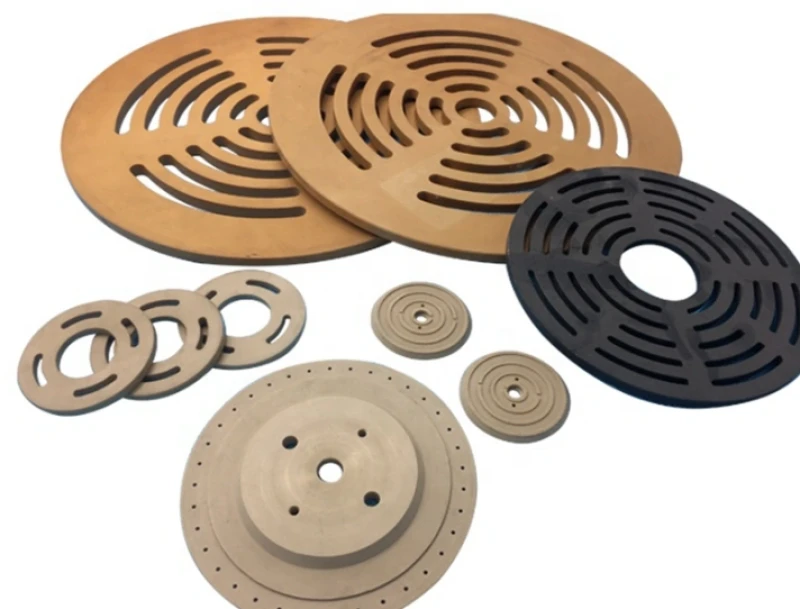
UHMW-PE is an excellent choice if the application demands high wear and impact performance. It performs reliably in construction and industrial applications.
Polycarbonate (PC)
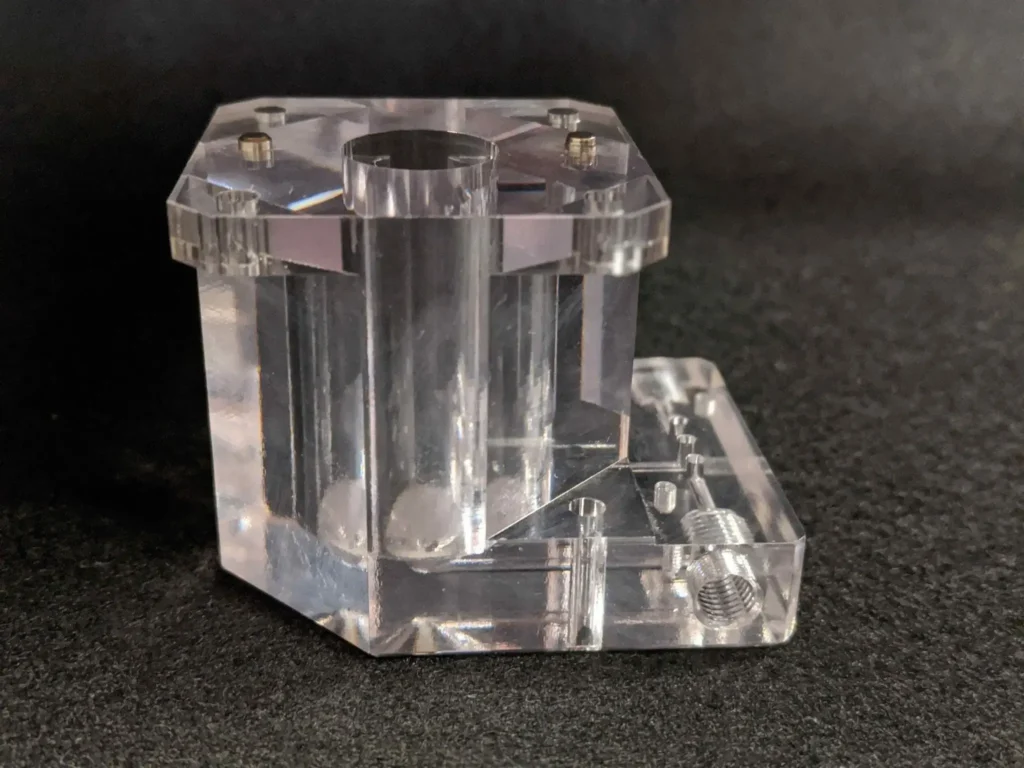
Use PC machined parts for a good trade-off for optical clarity and impact strength. Example applications are car headlamp lenses and machine safety shields.
In Conclusion
Nylon and acetal differ in several circumstances: Nylon supports structural and high-load applications with toughness, tensile strength, and temperature capability.
Acetal polymer is well-suited to solvents and humid environments, thanks to its low water absorption, dimensional stability, and chemical resistance.
These differences in properties and capabilities show that neither nylon nor acetal polymer is universally preferable. Your part’s load requirements, operating environment, and tolerance specifications determine which material to machine.
You don’t have to struggle with dimensional inconsistency and poor tolerances. With our precision acetal and nylon machining services, you get guidance for better material selection.
Resources
[1]. https://www.dynalon.com/PublicStore/pages/Acetal_Properties.aspx
[2]. https://www.microspecorporation.com/materials/nylons/nylon-6/
[3]. https://www.curbellplastics.com/wp-content/uploads/2022/11/Curbell-Plastics-Nylon-Data-Sheet.pdf
[4]. https://actionplasticsinc.com/wp-content/uploads/2022/02/Nylon-66-Data-Sheet.pdf
[5]. https://www.directplastics.co.uk/pdf/datasheets/Acetal%20Data%20Sheet.pdf