

The medical device manufacturing process involves producing the devices and equipment used in healthcare settings. These products help doctors and medical staff diagnose conditions, monitor patients, and perform treatments. Some of the common examples include:
- Surgical tools.
- Diagnostic instruments.
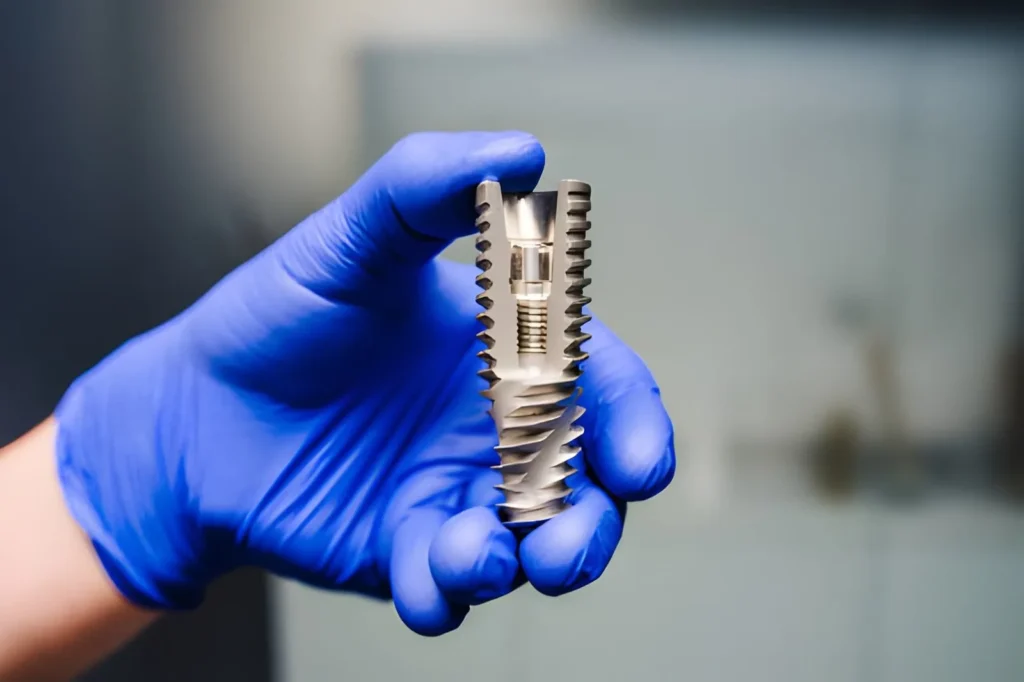
- Implantable devices.
- Patient monitoring systems.
- Orthopaedic implantable devices.
These products are used directly in patient care, and manufacturing must follow strict quality and regulatory requirements. Choosing the compatible medical device materials, machining processes, and assembly steps must be carefully controlled. This way helps ensure safety, precision, and reliability.
In this article, we will discuss the medical device manufacturing process, typical medical standards, types of medical devices, and the challenges manufacturers face when producing these components.
What is the Medical Device Manufacturing Process?
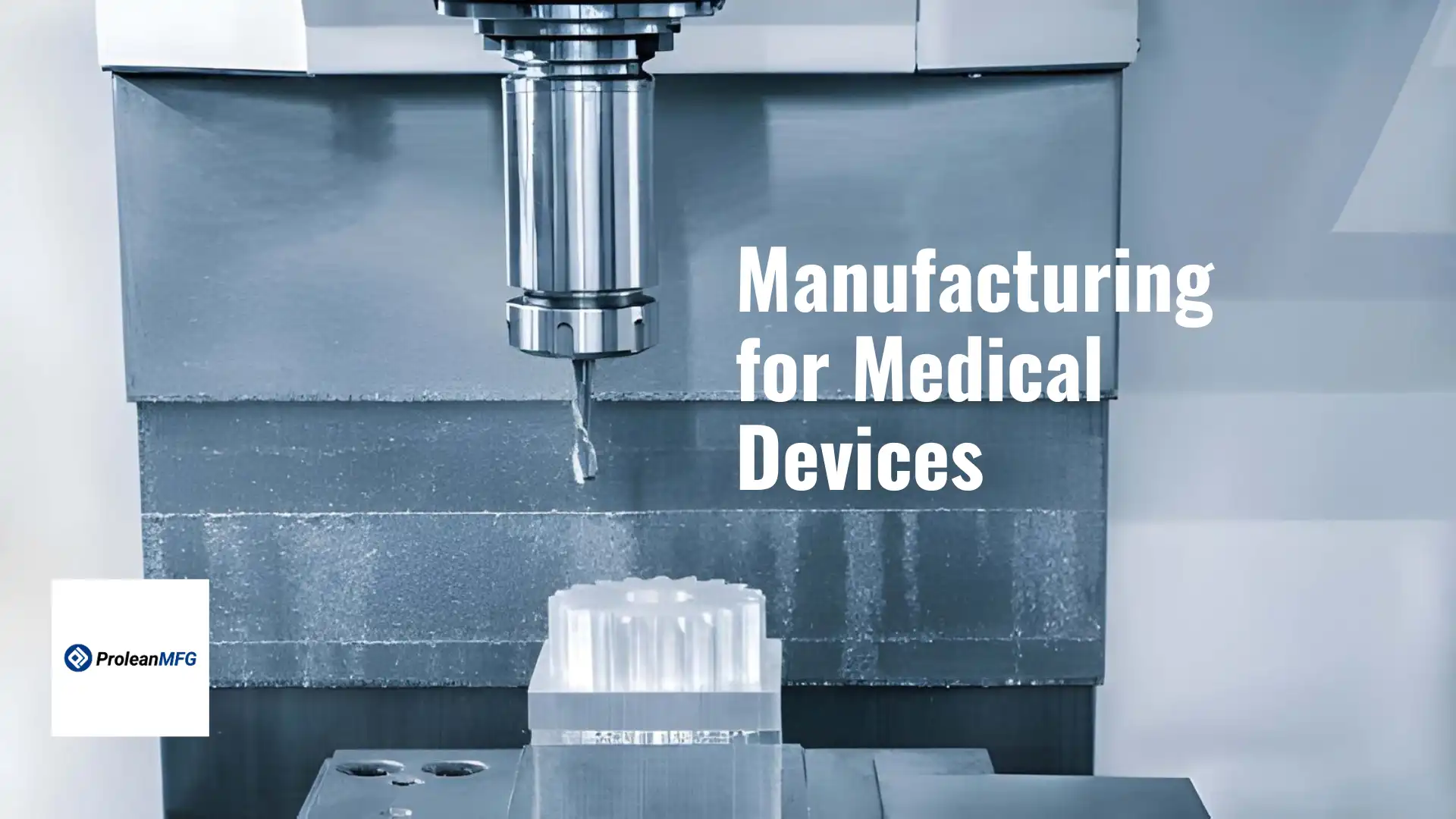
Manufacturing for medical devices is a product development process that produces the tools, components, and equipment used in healthcare. These devices allow physicians and medical personnel to identify the cause of an illness, monitor their patients’ health, and treat them.
There are various medical devices, ranging from the relatively simple (e.g., syringes, tubing) to the relatively complex (surgical instruments, orthopaedic implants, diagnostic equipment). Since medical devices come into direct contact with patients, they must meet rigorous medical regulatory and quality standards.
Each manufacturer must have complete control over raw materials, production techniques, and inspection processes to ensure that every component produced meets all necessary safety protocols and performance requirements before being shipped to hospitals and clinics.
The medical device materials choice usually depends on the device’s intended application. For example,
- Stainless steel is often selected for surgical instruments.
- Titanium is selected for implants.
- Medical-grade plastic is selected for applications where a lightweight, disposable component would be desirable.
Regardless of the type of material selected, it must provide strength, durability, corrosion resistance, and the ability to withstand repeated exposure to sterilising agents.
To fabricate the medical components and devices, manufacturers utilise extremely precise fabrication techniques. Common medical device product development techniques for accurately fabricating miniature components include precision machining, injection moulding, precision laser cutting, and casting.
Essential Standards Followed for Medical Device Production in the Healthcare and Medical Sector

Here are the common regulatory standards used in the medical industry
Good Manufacturing Practices (GMP): This standard establishes the minimum quality and reliability standards for all products manufactured.
ISO 13485: This provides a model for developing a quality management system for organisations involved in the design, development, production, installation, and servicing of medical devices.
ISO 14971: This standard defines the process for managing risks associated with the design and production of medical devices.
Technologies and Processes in Medical Device Manufacturing
As mentioned earlier, types of machining processes for medical devices require strict, precise control throughout all phases of production. This ensures safety, performance, and regulatory compliance.
Every phase of the manufacturing process is established to maintain consistent quality, reliability, and biocompatibility.
3D Printing
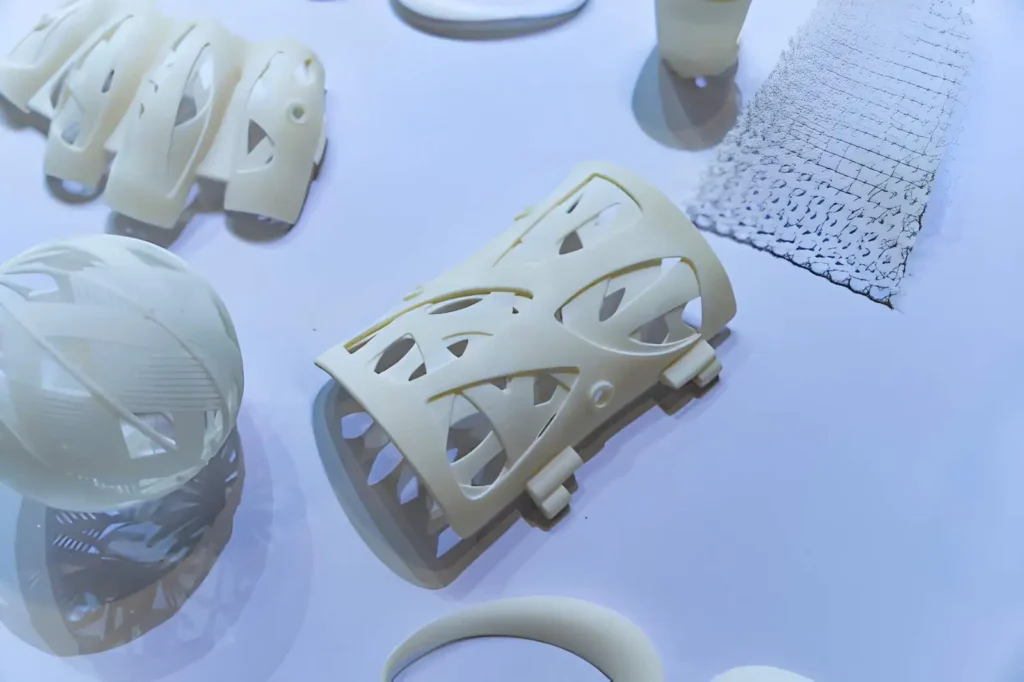
3D printing allows engineers to rapidly produce customised implants, surgical guides, and prosthetic limbs. It is a useful technique for developing patient-specific items and for creating complex geometries that are difficult to produce using conventional manufacturing methods. Combining 3D printing with imaging technology will accelerate prototype development and shorten the design-to-production timeline.
Precision Machining and Micromanufacturing
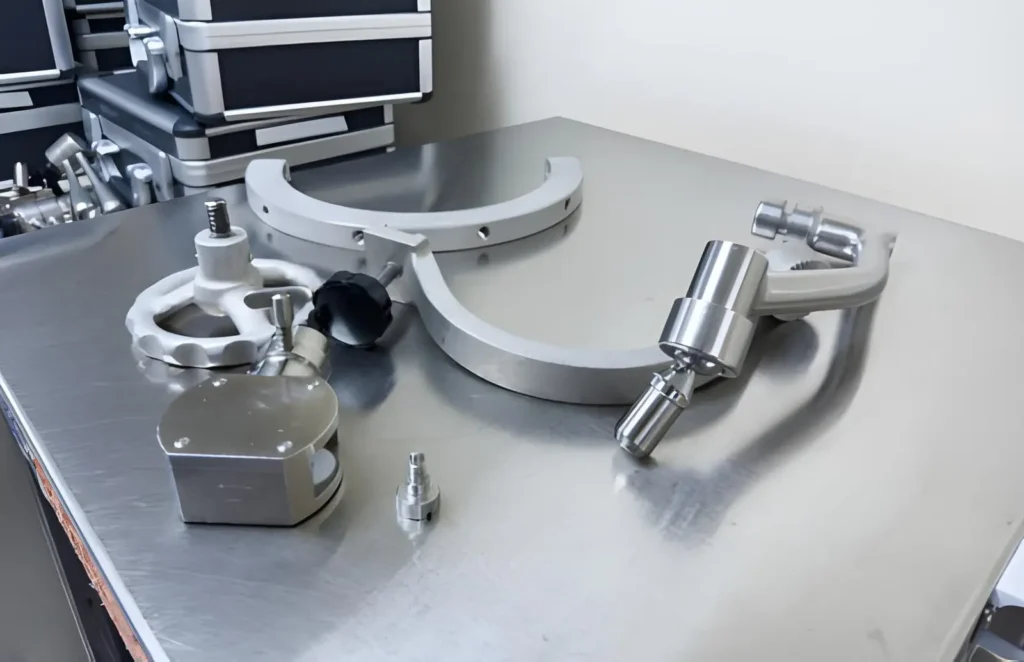
Many medical products, such as joint replacements and surgical instruments, require highly accurate machining (Also read: 5-axis machining). These products are typically made from metals such as titanium and stainless steel; it is necessary to monitor both the cutting tool’s speed and its wear.
Techniques such as micromachining, micromolding, and EDM machining are being utilised to develop product components smaller than 10 microns. This is required for the development of micro-+scale devices such as sensors and minimally invasive surgical tools.
Assembly
The sheet metal forming for medical products typically involves assembling small-scale components. Therefore, joining methods must protect the component(s) integrity and remain biocompatible. In addition, medical products are assembled in a clean room environment to prevent contamination and ensure the assembled product is safe for patient use.
Surface Treatments and Coatings
Surface finishing and coatings improve medical devices by increasing wear resistance, reducing friction, and supporting tissue integration in implants through safe and compatible material interactions. Additionally, biocompatible coatings are applied to protect the surrounding tissue. This often extends the service life of the medical product. This is evident in cardiovascular stents or orthopaedic implants.
Laser Fabrication
Laser fabrication is typically used for producing precise cuts, welds, and markings on medical components. It provides focused beams of light that can be adjusted to produce tolerances as small as 1 micron. Therefore, lasers are an ideal choice for the development of highly detailed, small medical product components that require high precision.
Common Types of Medical Devices Manufactured
Here are the common medical devices used extensively across the healthcare industry. These devices are manufactured to a high level of safety, accuracy, and reliability.
Orthopaedic Devices
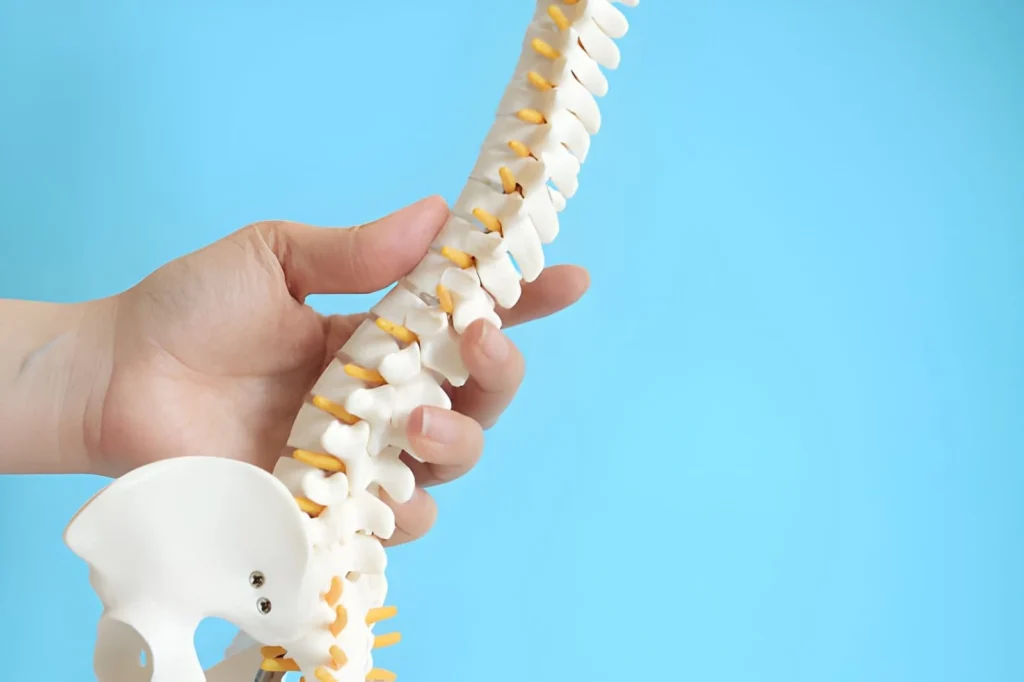
These devices provide support for bones, joints, and muscles. The common examples are:
- Hip and knee implants.
- spinal devices.
- Arthroscopy devices.
The most common methods for producing orthopaedic products are CNC machining, casting, and surface polishing.
Surgical Instruments and Technologies
All surgical instruments require high precision in their manufacturing process. They are made using multi-axis CNC machining and controlled surface treatments. The reason is that the surgical instrument must maintain its hygienic quality and its ability to withstand wear.
Diagnostic Equipment
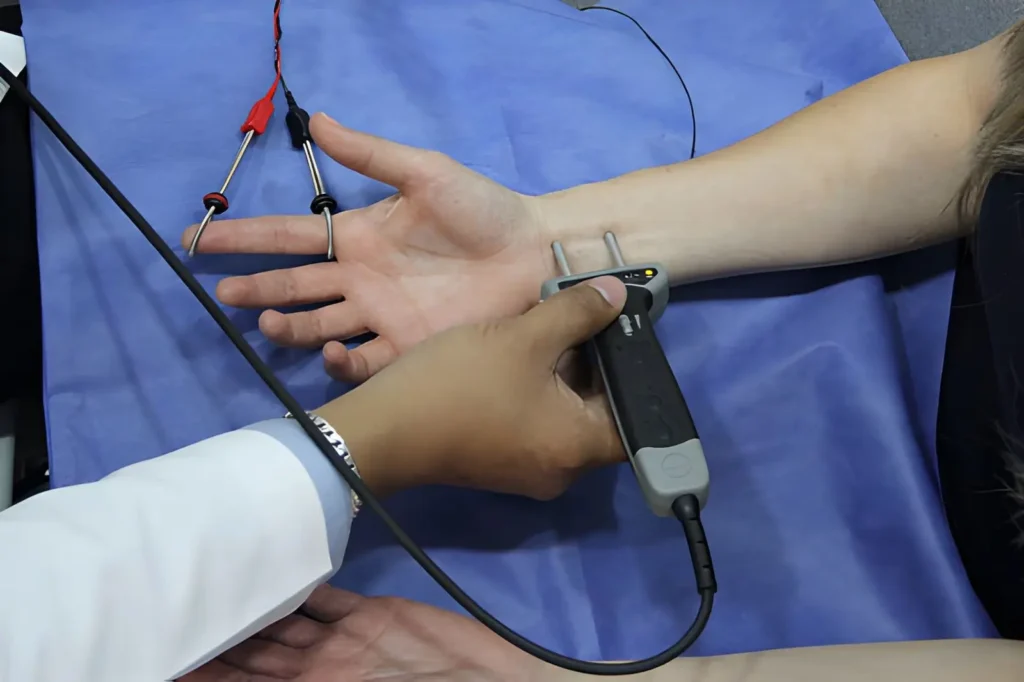
Common examples include endoscopes, ultrasound, MRI machines, and precision-machined miniature parts that are integrated with electronics. If parts are inaccurate, the diagnostic results may not be accurate.
Cardiovascular Devices
These include pacemakers and stents that help support the heart. Micro-moulding and assembling techniques are used for these devices with meticulous care to ensure correct functioning. In addition, the power source for these devices must be reliable to prevent malfunctions.
Diabetes Monitoring Devices
Glucose monitors and wearable sensors are common examples of diabetes monitoring devices. To achieve high consistency and safety, nanotechnology and precise component assembly are necessary. Additionally, because diabetes monitors are typically compact and lightweight, their manufacture requires high precision.
Dental Instruments and Equipment
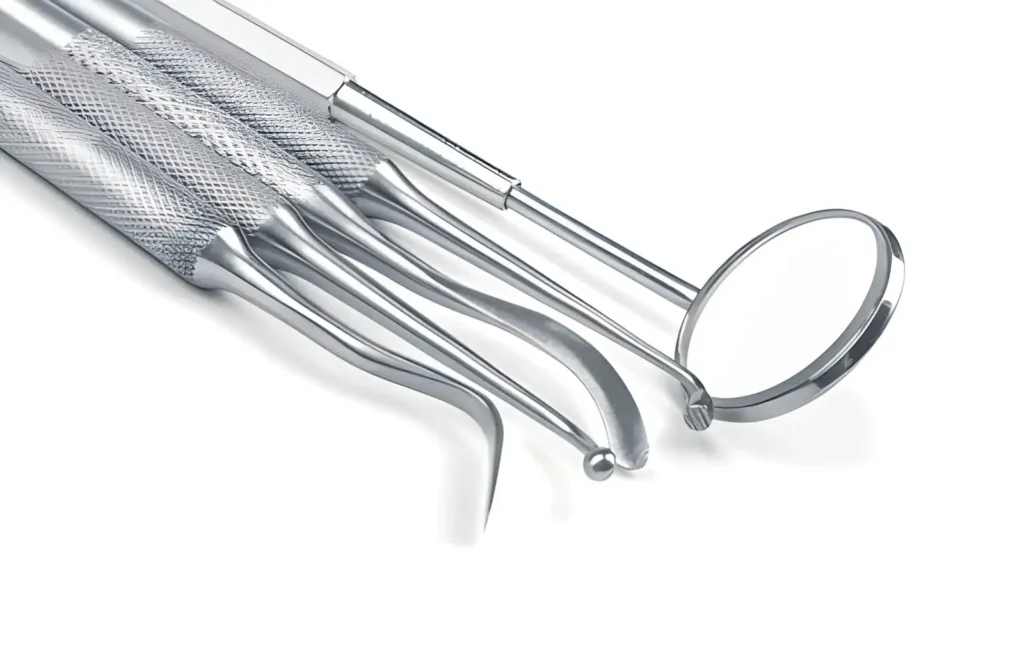
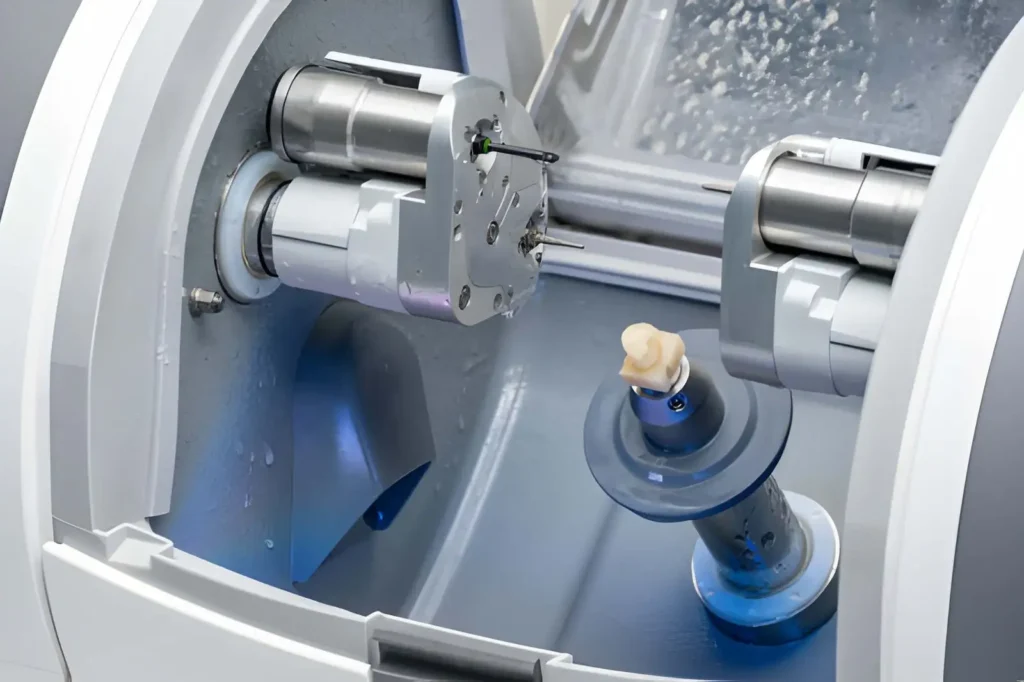
These include dental drills, dental implants, and dental imaging equipment. These are generally produced using medical CNC machining and 3D printing. Precision is a critical aspect of the production of dental instruments and equipment. Clinical tolerances must be met to ensure high quality.
What are the Challenges in Medical Device Manufacturing & How to Overcome Them?
Manufacturing for medical devices is a complex job. These devices come in direct contact with humans, which means that each aspect of a medical product, from design to procedure, to the material, has to be reliable and safe throughout
- Regulatory Compliance: Medical devices must comply with the regulatory guidelines issued by the FDA and ISO. Documentation for each stage of the device development life cycle (design through manufacturing) will need to be maintained. In addition to documentation, manufacturers incur costs for testing and auditing to ensure the medical devices in question are safe for patients.
- Controlling Costs: Materials, tooling, and testing equipment drive up costs. Additionally, when producing a custom medical device or prototype, costs tend to increase further. Therefore, small companies often find it difficult to balance producing a high-quality medical device with managing expenses.
- Supply Chain Issues: Reliable sources of the raw materials needed to produce medical devices (e.g., titanium, stainless steel, specialised polymers) are not always available. Manufacturers may experience delays and even complete shortages of these supplies. Developing strong, reliable supplier relationships and planning accordingly will help prevent production disruptions.
- Adapting to Technology: Modern medical devices require advanced manufacturing technologies such as 3D printing, CNC machining, and automated assembly. To successfully utilise new equipment, engineers will need to stay up to date with such technology. In addition, the increasing number of “smart” devices and implantable electronic devices presents additional technical challenges.
- Practical Solutions: Manufacturers should implement well-planned approaches, efficient procedures, and establish strong relationships with their suppliers. A skilled workforce and a quality management system will allow manufacturers to produce safe and reliable medical devices on schedule and efficiently.
Start Your Medical Device Manufacturing Project with Prolean MFG – One Shop Stop Solutions
At Prolean MFG, from prototyping to full-scale production, our FDA- and ISO-certified facilities ensure precision, reliability, and repeatable results in medical device machining.
Whether you need clean-room manufacturing, assembly line setup, or test and inspection integration, we provide the expertise and resources to bring your devices to market efficiently.
Talk to our team today and see how Prolean MFG can help streamline your manufacturing process and deliver consistent, safe, and high-quality medical devices.