
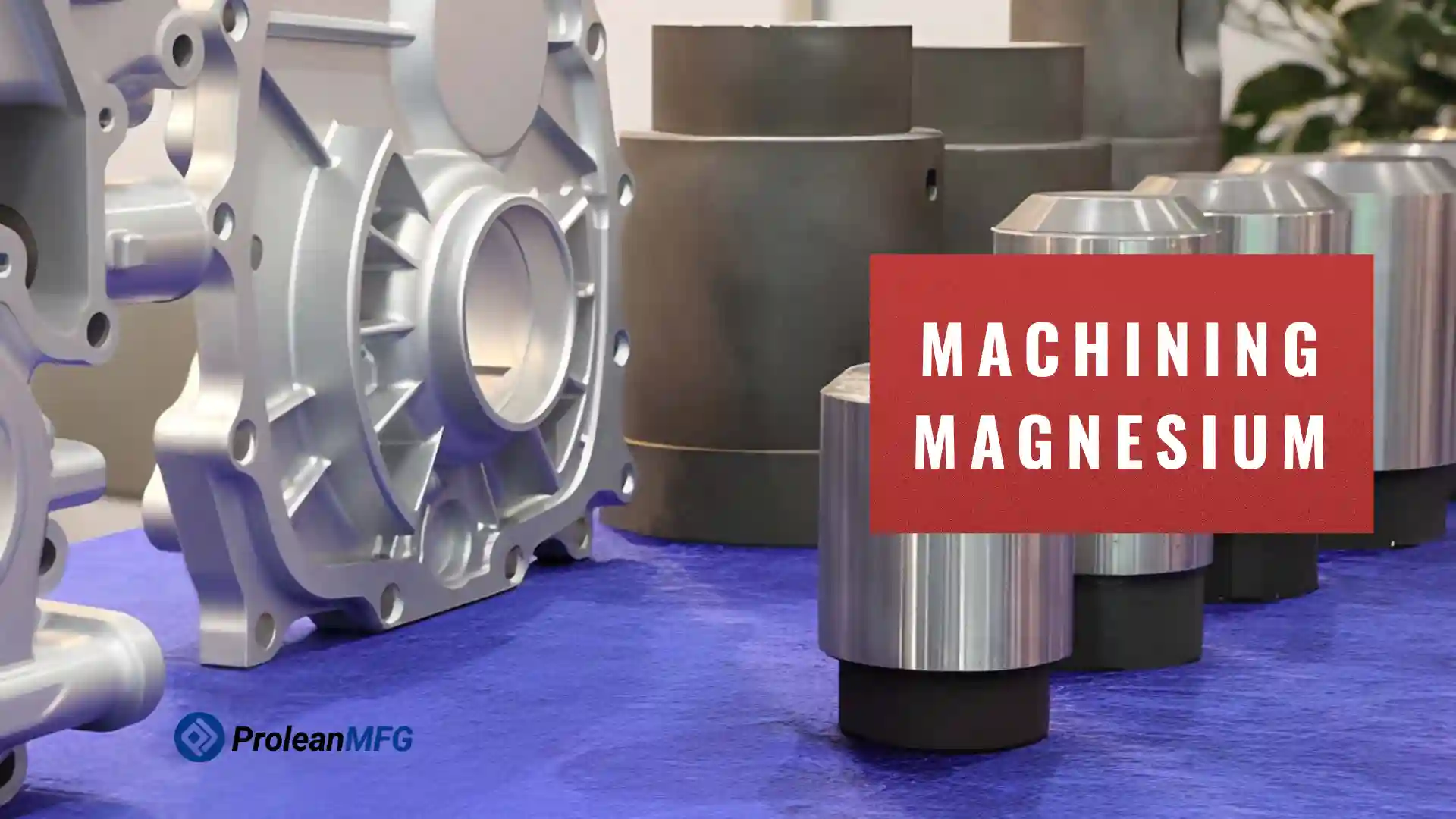

Magnesium is a lightweight, fast machining metal used for efficient aerospace, automotive, and electronic parts.
In comparison with heavier engineering metals, magnesium removes material with lower cutting forces and reduced tool wear. However, machining magnesium alloy also needs proper safety control. Small chips and dust may catch fire during cutting operations. As a result, machinists must carefully manage heat, chips, and cutting conditions.
This article explains CNC machining magnesium methods, tooling, cutting tips, chip control, and important shop safety practices.
Key Takeaways
- Magnesium cuts and machines with relative ease, and causes low tool wear
- Chip and heat control are important during machining
- Fine chips and dust can be flammable
- Proper cutting conditions improve safety and machining outcomes
What are the Tooling and Machining Considerations for Magnesium Parts?
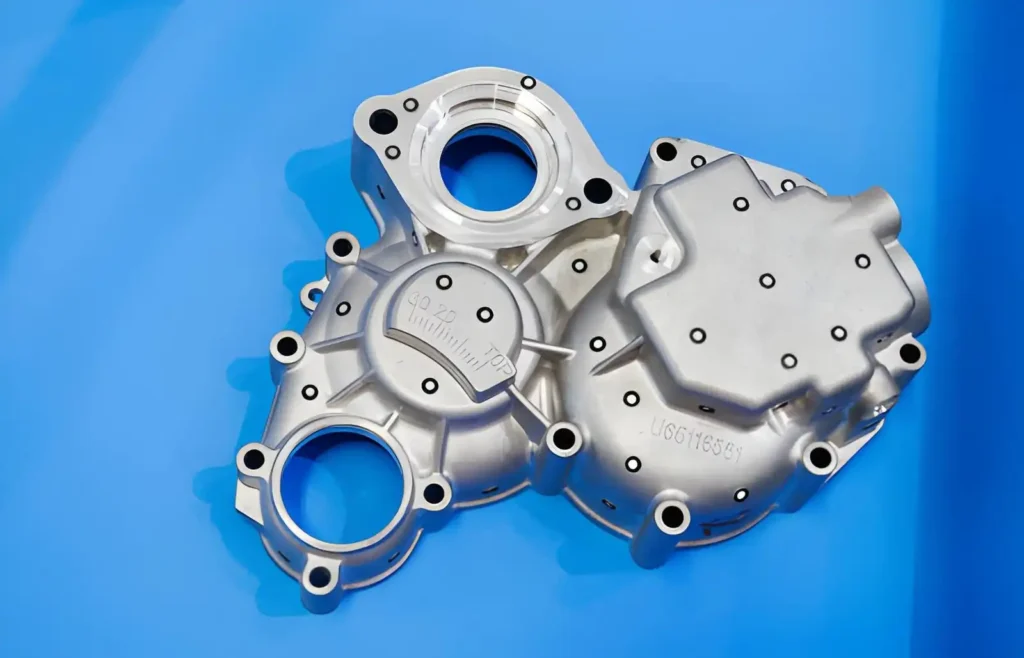
The optimal machining of magnesium lies in the use of properly designed and maintained tooling, maintaining acceptable temperature levels, and good chip control. Magnesium is an easy-cutting metal; however, its relatively low melting point poses a risk of ignition when heated excessively or improperly evacuated during machining.
- Use sharp cutting tools to maintain cutting performance and reduce tool wear.
- Keep cutting temperature and machining conditions stable for consistent results.
- Remove chips, dust, and debris from the work area to ensure safe machine operation.
Cutting Tools for Magnesium Machining
Carbide and high-speed steel (HSS) tools are effective for metal machining of magnesium. Carbide tools have advantages over HSS in terms of longevity and reduced thermal expansion, helping prolong their life in continuous production machining.
Tools with positive rake angles are ideal for machining materials like magnesium. Positive rake angle tools produce less force on the part being cut, allowing for easier chip flow through the cutting area.
Additionally, tool coatings such as titanium nitride (TiN) and titanium aluminum nitride (TiAlN) provide reduced friction on the tool face, extending the tool’s ability to cut for longer periods.
Machine Setup and Chip Control
Machining centers used to machine magnesium should feature high-RPM spindles and adequate chip removal. A large accumulation of fine magnesium chips cannot be allowed around the machining center due to potential ignition hazards from excessive heat.
Utilizing mist collector systems and regulating coolant flow rates are methods to enhance safety in magnesium machining. Minimum quantity lubricating systems (also referred to as “dry” machining) are used in some machining applications, provided adequate ventilation and regular chip removal techniques are employed.
Clean Working Environment
All machining areas used to machine magnesium must remain clean throughout production. All machinery, tooling, and adjacent surfaces need to be cleaned of chips and dust on a routine basis.
Why Choose Magnesium for CNC Machining
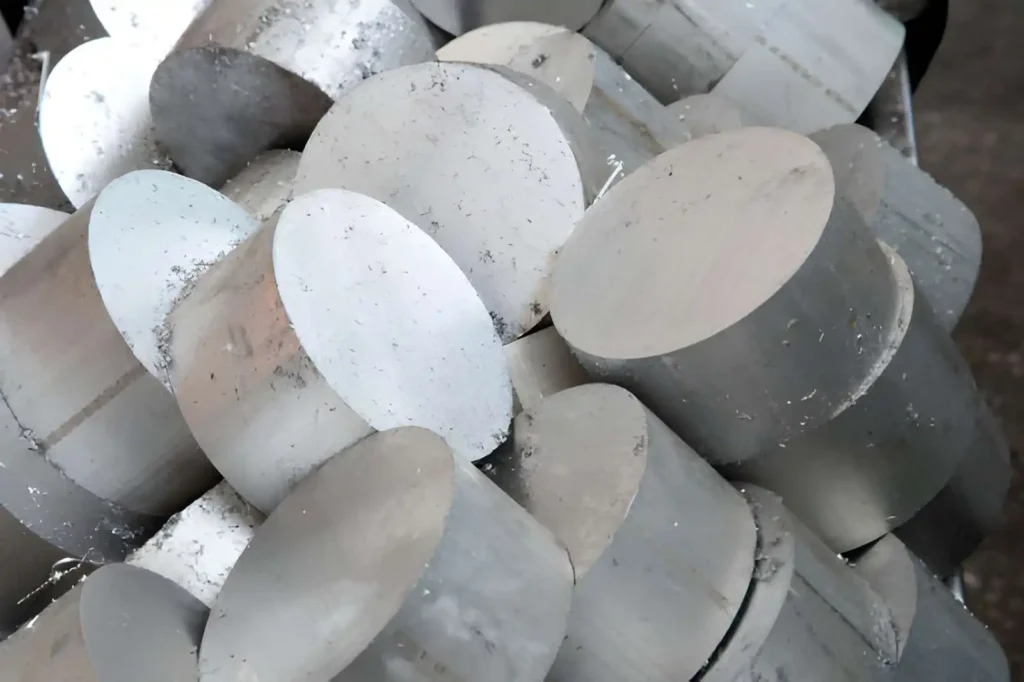
Even though machining magnesium is subject to very strict safety guidelines, Magnesium is still considered one of the most desirable “lighter metals” used in various types of industrial components due to its ability to machine rapidly and support production of complex parts on an industry-wide basis.
Fast Material Removal
The rate at which magnesium alloys remove material during machining is often higher than that of other common engineering metals. Due to lower cutting forces, less load will typically be placed on the tool during machining. Reduced tool load results in reduced wear and shorter cycle times.
Suitable for Complex Components
Due to the magnesium alloy’s low strength and its relative ease of machining, complex geometries such as thin-walled components, pockets, and details can be produced using conventional machining methods.
For this reason, manufacturers have begun using magnesium alloys in the design and construction of aerospace housing components, electronic enclosure components, and lightweight structural components.
Additionally, multi-axis CNC machining enables machining features of a part from multiple angles without requiring additional setup time.
Recyclable Machining Material
Material removed during machining operations can be collected, processed for recycling, and reused as raw material in future processing. Compared with other non-recyclable materials used in machining applications, magnesium recycling is a much more environmentally friendly way to manage machining chips.
Is Magnesium Weldable?
Some magnesium alloys are weldable, but they require controlled oxide removal, heat input, shielding gas, and filler-metal selection. There are several ways to weld magnesium alloys, including TIG (Tungsten Inert Gas) and Resistance welding. As with many materials, magnesium has a relatively low melting point. Therefore, excessive heating must be avoided.
This is because if too much heat is applied to the metal during welding, the area where the two pieces meet will be subject to stress, which could cause warping or create weak joints.
Before welding, the components’ surfaces should be cleaned. Any oxide layer on either component should be removed before welding. Filler metals should also be selected properly. Different types of magnesium alloys exhibit different reactions when welded.
Key Parameters for Machining Magnesium Alloy
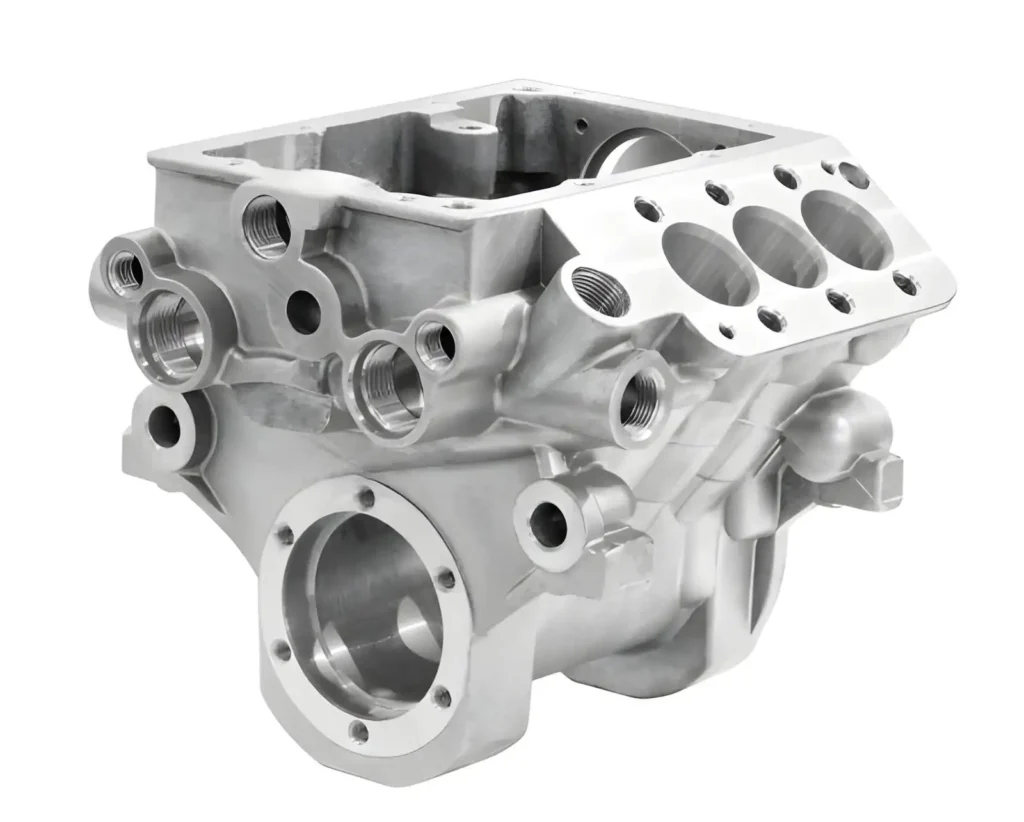
Magnesium machining depends on properly set parameters, such as cutting conditions. Magnesium machines rapidly; however, it requires a stable temperature and chip formation during machining.
If the appropriate machining parameters are selected, this will result in smooth machining with consistent tool performance.
Cutting Speed
The cutting speed for magnesium can be significantly greater than that of most other engineering materials. The typical cutting speed for machining magnesium using a CNC machine ranges from 350 to 600 SFM. However, it depends on alloy grade, tool material, coating, and operation type.
Increasing the cutting speed will improve machining efficiency; however, excessively high speeds can generate excessive temperatures near the chip. Therefore, machinists need to determine the optimal cutting speed for their specific tool condition and part design.
Feed Rate
The feed rate affects both how the chip is formed and which portion of the cutting edge contacts the workpiece. Low feeds create “rubbing,” which is undesirable.
Typical feed rates for machining magnesium in CNC turning range between 0.005 and 0.015 mm/rev. Using these feed rates produces clean chip separation from the cutting zone and minimizes tool loading during machining.
Depth of Cut
The depth of cut directly affects the force applied to the cutting tool and the finish quality of the finished product. Small depths of cut minimize cutting forces and tool vibration, while large depths of cut maximize them.
The depth of cut depends on the machining stage.
- Roughing uses a larger depth of cut of about 0.020 to 0.100 inches to remove material quickly.
- Semi-finishing and finishing use smaller depths for better accuracy and surface finish.
The value may also change based on part shape, tool size, and whether the process is milling or turning.
Tool Material and Geometry
For machining magnesium, carbide or high-speed steel (HSS) tools are common. HSS tools tend to be less expensive initially but have a limited lifespan due to excessive wear at the high temperatures generated during magnesium machining.
Carbide tools are also available in a variety of geometries; they produce lower thermal shock and last longer than HSS tools. Tools with positive rake angles produce lower frictional forces and facilitate easier chip removal from the cutting zone.
Cutting sharp edges will help keep temperatures away from the cutting area, minimizing thermal damage.
Magnesium CNC Machining Processes for Custom Parts Manufacturing
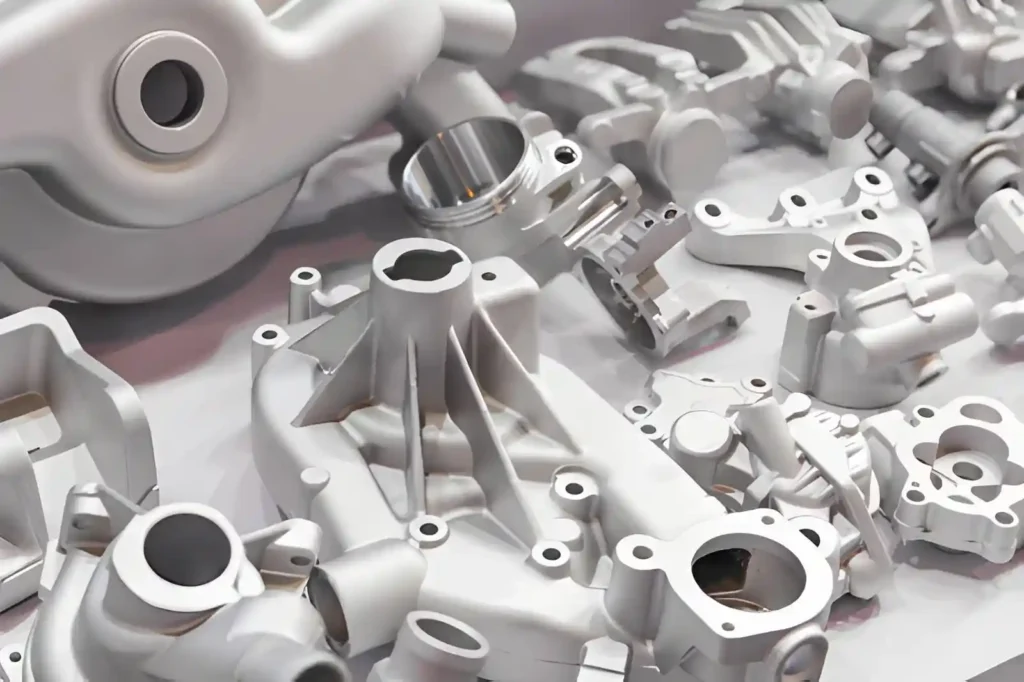
Magnesium components can be manufactured using conventional CNC methods. Depending on the component’s shape, features, or requirements, each process may be best suited. The appropriate method will depend on both the component’s design geometry and its manufacturing needs.
CNC Milling Magnesium
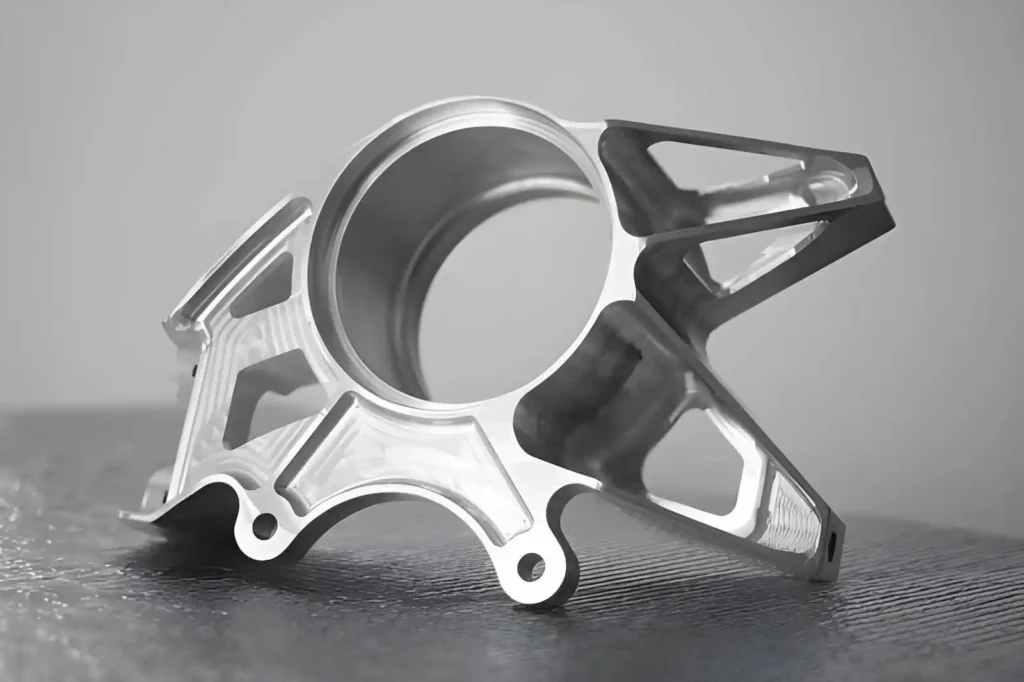
CNC Milling is primarily used to create surface features such as pockets, slots, and other features. Material is removed in controlled passes using a rotating cutter. It is particularly useful for housing, brackets, and other lightweight structural parts with varying geometries.
CNC Turning Magnesium
CNC Turning is generally limited to producing cylindrical magnesium parts. As the part (work) is rotated, material can be removed from its surface at the desired location, a process that is very common when creating shafts, pins, and circular components.
CNC Drilling Magnesium
CNC Drilling creates holes through which fasteners can be inserted into assembled components. This method allows the production of a single hole or multiple holes. Proper chip removal is crucial to avoid overheating during deep drilling operations.
Laser Cutting Magnesium
Laser Cutting is primarily used for cutting magnesium sheet materials and/or thin magnesium sections. It provides high-quality edge definition to flat components. Heat management is important when laser cutting magnesium to control its response during the cutting operation.
Tapping Hole In Magnesium
Tapping is a process that allows an operator to create internal threads within a magnesium part. After drilling, tapping is typically used. Using proper speed to facilitate clean thread creation is important during this type of machining.
Magnesium CNC Machining Process: Step-by-Step
A well-organized and controlled manufacturing process is important to help control how each stage of the process will affect the type of chips produced, the condition of the tool(s) being utilized, and overall shop safety.
By organizing each step of the process into a defined sequence, you can ensure that each step of the process produces a steady state of cutting action and minimize the number of interruptions during the production phase.
Step 1: Select a Suitable Magnesium Alloy
The different types of magnesium alloy produce different responses during machining. As such, select an appropriate grade of magnesium alloy before beginning machining operations, ensuring it meets both functional requirements and design criteria for your parts.
Step 2: Preparing the Machining Tools
High-speed steel (HSS), carbide-tipped HSS, and carbide inserts are all common choices when machining magnesium. Sharp cutting edges are most suitable for magnesium CNC machining. These do several things: they produce less frictional heat in the cutting area, improve material finish, provide longer tool life, and make handling easier. It’s also recommended to check the tooling for dullness before machining.
Step 3: Machine Setup and Cutting Conditions
When setting up the CNC machine, establish conservative feed rates and spindle speeds. Then adjust these parameters as needed based on chip flow during initial cutting.
To maintain stable cutting performance throughout machining operations, adequate chip removal is required. Maintaining a clean working environment also contributes to shop safety during machining operations.
Step 4: Monitor Cutting Performance
During machining operations, observe the surface finish quality and the size and shape of the chips produced. If the machine’s sound changes or if there appears to be an abnormality in chip shape or quantity, this indicates that adjustments are needed to maintain consistent machining performance throughout the process.
Step 5: Clean Work Area and Chip Handling
Metal chips generated by machining magnesium must be continuously removed from under machinery to prevent them from becoming hazardous. Metal chips may accumulate quickly, creating hazards during machining. As soon as possible after machining is complete, metal chips should be properly collected and safely disposed of in designated containers.
Machining Magnesium Safety Practices
To properly manage metal removal and minimize risk to operators in a CNC environment, operators must understand how to apply proper machining techniques when machining magnesium.
Maintain Sharp Cutting Tools
A sharp edge on all cutting edges will result in lower heat generation at the point of contact. A dull edge will generate high friction and excessive heat as the tool travels through the workpiece. As such, the tool should be inspected before each cut for sharpness.
Avoid Restrictive Cutting Angles
Tight cutting-angle selections can result in long chip strings. A longer string of chips can wrap around the end of the tool, leading to increased heat buildup. A properly selected cutting tool angle should produce a short string of chips.
Encourage Short Chip Formation
Short chips have less thermal mass than long chips and therefore dissipate heat more quickly from the cutting area. The use of controlled feeds and cutting parameters can help create a short chip. Additionally, short chips facilitate better evacuation during continued cutting.
Avoid Water-Based Coolants
Avoid unverified water-based coolants and select cooling/lubrication methods based on SDS, alloy behavior, and shop safety rules. Oil-based coolants (mineral oil) are normally recommended to provide a consistent machining process.
Use Proper Chip Removal Systems
Magnesium chips should never remain within the machining center. Specialized chip-collection equipment should be used to remove dust and chips from the machining area. The use of these systems helps maintain clean machining conditions during operation.
Avoid Water in Fire Situations
In the event of a magnesium fire in a machining center, do not use water to suppress the fire. Magnesium fires should be controlled using a Class D fire extinguisher and other approved combustible-metal fire suppression methods, following NFPA guidance and shop safety procedures. These methods will suppress localized fires without causing additional damage to machinery.
Prolean MFG: Source Custom Magnesium Machined from CNC Machining Specialists – Backed by Decades of Experience
Magnesium machining facilitates the production of lightweight engineering parts used across multiple industries. It cuts quickly and allows detailed part shapes to be produced through CNC processes. However, stable outcomes depend on controlled cutting practices, appropriate tool selection, and consistent chip removal during production.
Therefore, workshops must maintain steady machining conditions throughout the process. Tool condition and setup settings directly affect cutting behavior and part output.
At Prolean MFG, machining magnesium alloy is performed using controlled CNC parameters, proper tooling, chip management, and safety measures. Each component is produced with attention to machining behavior and production requirements. We provide CNC Machining Services for magnesium and other engineering materials like aluminum, steel, titanium, and plastics. Our in-house facility supports the production of custom parts from prototype to full-scale manufacturing.
Upload your design files to receive a quick manufacturing quote and technical review from our engineering team.
FAQs
Magnesium is a relatively easy-to-cut material compared to many engineering metals. Therefore, it supports fast production cycles and is used for parts with reduced weight characteristics.
The main concerns and risks involved during machining magnesium are heat buildup and fine chips during cutting. Packed chips near the tool may catch fire if machining conditions are not controlled properly.
Yes, magnesium is safe to machine. However, it requires careful control over chip removal, sharp tools, and controlled cutting conditions to avoid hazards during its machining.