
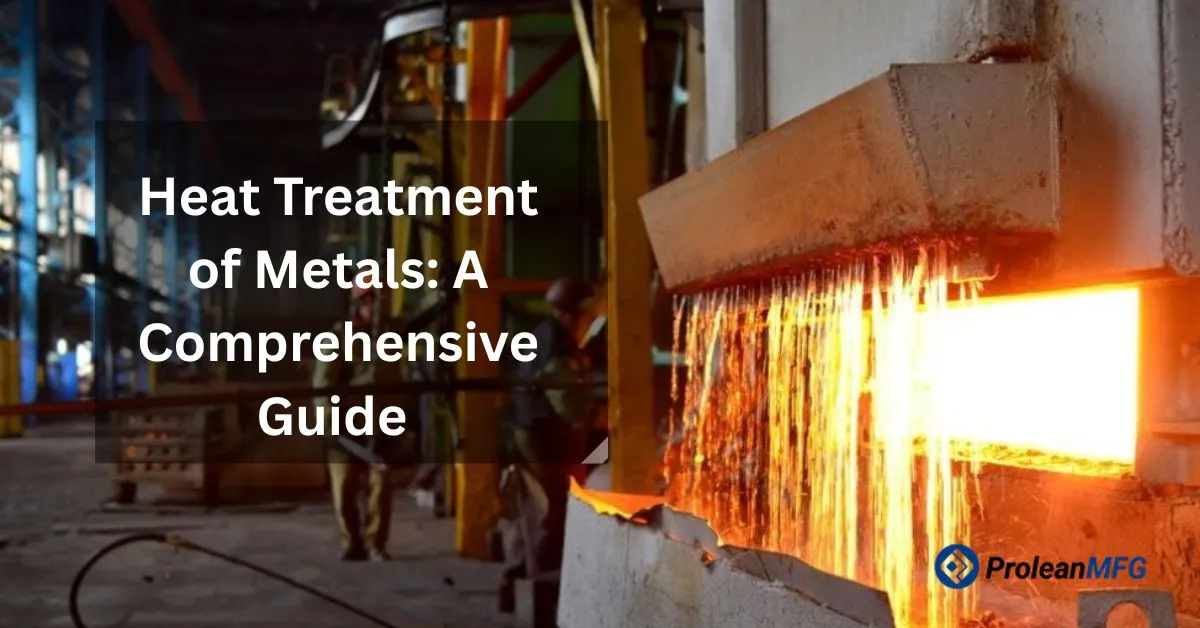

The heat treatment of metals in industrial manufacturing is a critical step. The way metal is heated and then cooled directly affects its mechanical properties, such as hardness, toughness, and ductility. Even high-grade metals can crack, fail, or wear out prematurely without the proper heat treatment.
The global heat treating services market shows how important this process is. It is worth over $100 billion and supports industries from oil and gas to medical devices. Industrial heat treating has evolved to meet the increasing demands of material performance and tighter manufacturing tolerances. It covers a wide range of thermal processes that are controlled to produce very specific results in metal behavior.
Understanding how heat treatment can be integrated into your production workflow, especially if you work with machined or fabricated parts, is crucial. ProLean MFG optimizes part production, from raw material through to the finished component. If you are researching 440C applications or metal machining services, it is important to get the thermal processing done correctly from the beginning. This will save money and avoid failures down the line.
What is Heat Treatment?
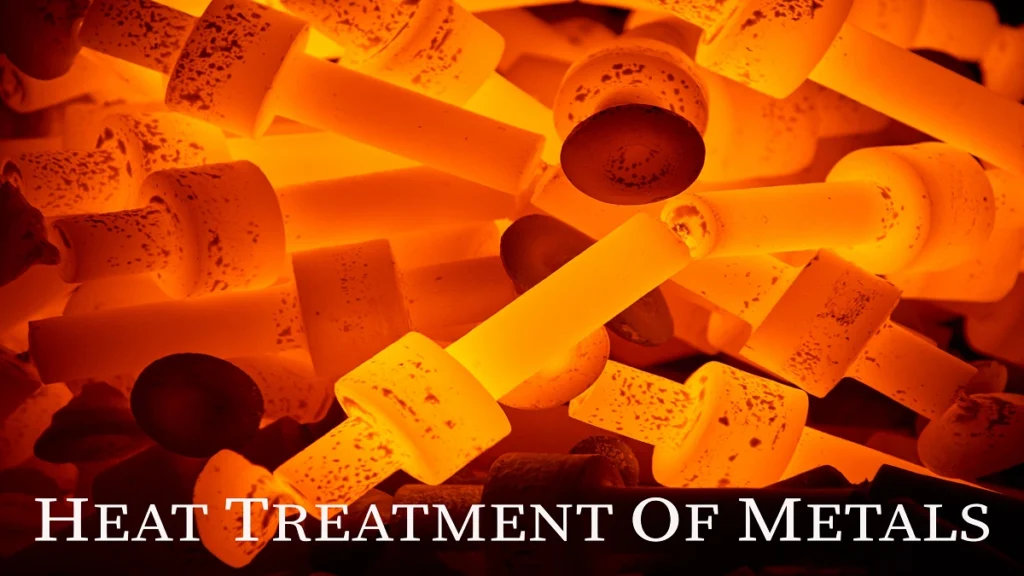
Heat treatment is the controlled process of heating metal and cooling it to change its mechanical and physical properties without altering its shape. The goal of heat treating is not to form or melt the metal, but to alter what occurs at the microstructural levels within it.
Heat treatment is a process that manipulates the grain structure of metal. The size, distribution, and arrangement of crystals in metals will determine the hardness, toughness, and flexibility of the final product. Manufacturers can change the microstructure of metals by applying specific temperatures and cooling rates. This could be to create a hard cutting edge, more ductile structural beams, or components that are resistant to fatigue after millions of cycles. It is often applied after the metal machining to enhance the part’s properties.
Heat treatment is not one size fits all. The thermal cycle of different metals is not the same. Even the same metal may be treated differently, resulting in very different results. Process selection, temperature control, and cooling method are all equally important.
Heat Treating Process
All heat treatment operations, regardless of the method, follow a three-stage sequence. The final properties of a treated part are determined by the variables in each stage.
Heating Stage
The metal is heated to a certain temperature. The temperature chosen is not random. The temperature is determined by the alloy composition of the metal and the desired result of the treatment.
- To avoid thermal shock, which can lead to warping or cracking of parts, it is important to heat at a controlled pace.
- Atmosphere control is also important during heating. Metal exposed to oxygen and high temperatures may oxidize, or lose its carbon, a process called decarburization. This weakens parts.
- The type of furnace is important. Depending on the volume, materials, and precision required, batch furnaces are used, as well as continuous furnaces and vacuum furnaces.
The Soaking Stage
The metal must remain at the temperature set for a certain period of time after reaching the target temperature. The soaking stage is used to ensure that the heat is evenly distributed across the cross-section.
- The soaking time is determined by the mass and thickness of the component. A thin sheet can be soaked in minutes while a large block of forged steel may take several hours.
- A lack of soaking can lead to an uneven microstructure. This means that the surface and the core may react differently.
- The difference between a heat-treated component that has been professionally treated and one that simply reached the correct temperature is in the soaking process.
Cooling Stage
The actual microstructure of the metal is transformed during cooling. The rate of cooling has the greatest influence on final material properties.
- Slow cooling produces generally softer and more ductile results.
- Rapid cooling results in structures that are harder and more durable.
- The cooling medium is selected based on metal type and desired result.
For example, steel that is cooled slowly in a furnace becomes soft enough to be machined or formed easily, which is useful when the part still needs further shaping. Steel that is cooled rapidly by quenching in water or oil becomes very hard and wear-resistant, making it suitable for cutting tools, gears, and structural components that must handle heavy loads. Matching the cooling rate to the intended application ensures the final part has the right balance of hardness, strength, and ductility for its working conditions.
Gradual Cooling
Gradual cooling is also known as controlled or slow cooling. It is used to soften metals, reduce internal stresses, or improve their machinability. The metal can be allowed to cool in the furnace, or even outside, depending on the processing.
This method is used in processes such as annealing or normalizing, where the main objective is to refine grain structure or relieve stress, rather than harden. The metal’s internal structure can be reorganized into a more uniform, stable arrangement with gradual cooling.
It is best to cool components gradually after heat treatment if they will be further processed or formed. This reduces distortion risk and makes it easier to work on the component.
Rapid Cooling
Quenching is a rapid cooling technique that involves quickly removing the heat from a metal by immersing it in a liquid or a gas. The sudden temperature drop locks the metal into a stressed, hard state.
The quenching medium has a significant impact on the final result. The fastest cooling and hardest result are achieved with water, but it also carries a higher cracking risk. Oil cools at a more moderate rate and is often used with alloy steels. Certain tool steels and special alloys are quenched with air or gas to minimize distortion.
Quenched parts can be brittle when they are quenched and require tempering afterward to restore their toughness.
Different Types of Heat Treatment Methods
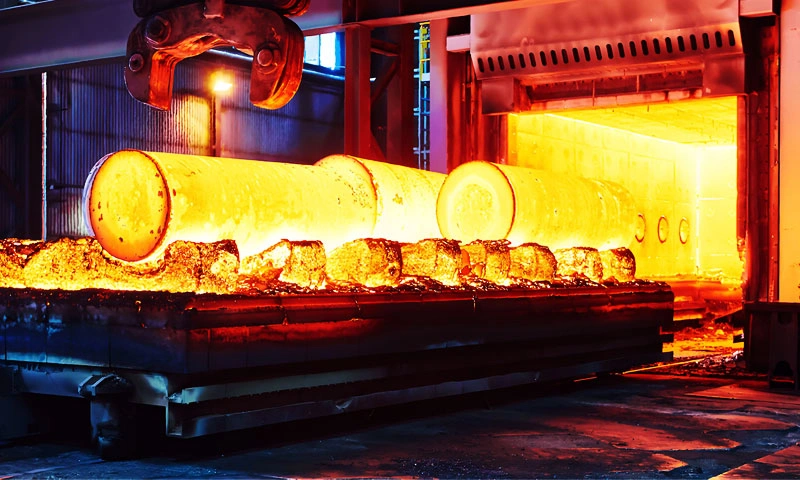
The method selected depends on the type of metal, the application, and the mechanical properties needed. Each process aims to achieve a specific outcome by using a unique thermal cycle.
Annealing Process
The metal is heated to a certain temperature and then cooled very slowly. This usually takes place inside the furnace. The goal is to soften metal, improve ductility, and relieve internal stress.
- Often used on copper, brass, and aluminum
- Cold working or heat treatment can reduce the hardness of the metal.
- The metal is more able to be drawn, bent, or machined without breaking.
Full annealing is one of several variants, depending on the condition of the metal at the start and the level of softening needed.
Normalizing
Normalizing is similar in concept to annealing, but it uses a higher cooling rate. This usually occurs outside of a furnace rather than within one. The grain structure is more uniform than in the original condition.
Normalizing is a common process used to remove the irregular grain structure that was introduced by forming steel forgings and castings. The result is a stronger and harder material than full annealing, while improving the machinability and toughness of the material compared to that which has not been treated.
Quenching
The rapid cooling of metals from a high temperature locks in the microstructure. This is the most common process for hardening carbon and alloy steels.
The choice of quenching media directly impacts hardness, distortion risks, and cracking. Water, oil, polymer solution, and pressurized gas are all common media. The hardenability and geometry of the alloy determine the correct media.
Tempering
After quenching, tempering is almost always done. As-quenched stainless steel is extremely hard, but also extremely brittle. This makes it unsuitable for most applications.
The quenched piece is reheated to a temperature that is below the critical transformation and held there for a specified time before cooling. This process relieves internal stress and reduces brittleness while maintaining a useful degree of hardness. Tempering temperature is used to determine the balance between toughness and hardness. This is calibrated according to the intended service conditions of the part.
Case Hardening
The outer layer of the metal is hardened, while the core remains soft and strong. This combination is perfect for parts such as gears and shafts that need to resist surface wear, while also absorbing impact loads.
Carburizing is the most common method of case hardening. This involves introducing carbon into low-carbon steel surfaces at high temperatures. Nitriding is another option, which uses nitrogen to create a hard layer on the surface without quenching.
Induction Hardening
Induction hardening is a process that uses electromagnetic induction for rapid heating of the metal surface. This is followed by immediate quenching. The result is an extremely hard surface that resists wear and tear, with a core that remains tough.
- It is ideal for hardening specific areas, such as gear teeth and bearing surfaces.
- It is well-suited for high-volume production due to its fast cycle time.
- Only the surface layer is heated, resulting in minimal distortion
Flame Hardening
The results of flame hardening are similar to those achieved by induction hardening, but the surface is heated directly with a flame rather than using electromagnetic induction. This method is flexible and doesn’t require special coils. It can be used for parts with irregular shapes or large geometries.
Flame hardening can be used to harden large gears, machine tools, surfaces, and structural components when only a few areas are required.
Precipitation Hardening (Aging)
The process of precipitation hardening is primarily used on nickel-based alloys and certain stainless steels. This process involves a solution treatment at a high temperature, accelerated quenching, and then an extended period of aging at lower temperatures.
During the aging process, fine particles are precipitated within the microstructure of the metal, which blocks dislocations and increases strength and hardness. It is this process that gives high-strength alloys like aluminum used in aerospace, and stainless steel 17-4 PH used in precision components, their hardness.
Heat Treating Applications
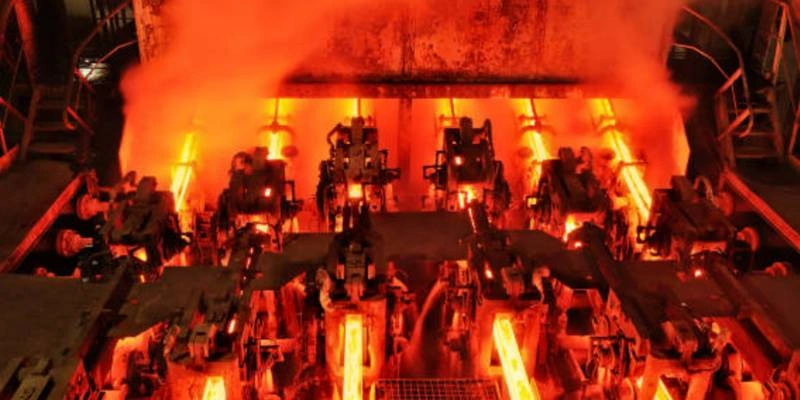
Heat treatment of metals is used in nearly all major industries. Understanding the applications of these processes helps to illustrate why they are fundamental for modern production.
| Industry | Common Application | Heat Treatment |
| Automobile | Gears, crankshafts, axles | Case hardening, induction hardening |
| Aerospace | Turbine blades, structural frames | Annealing, precipitation hardening |
| Oil and Gas | Drill bits and valve bodies | Nitriding and quenching |
| Medical Treatment | Implants and surgical instruments | Vacuum annealing and stress relief |
| Tooling | Cutting tools, dies, molds | Tool steel hardening, tempering |
| Construction | Beams and structural fasteners | Normalizing, Stress Relief Annealing |
These applications are a reflection of one fundamental truth: The performance of a part in real-world conditions is not dependent on its thermal history.
Common Metals Associated with Heat Treatment
Heat treatment does not affect all metals in the same way. Some are treated more than others depending on their metallurgy.
Carbon Steel is one of the most commonly heat-treated materials. Carbon Steel is the most widely heat-treated material.
Alloy Steels are alloy steels that contain extra elements such as chromium and molybdenum to improve hardenability. Heat treatment can also be used to increase the strength of these steels. This category includes Chromoly steels and tool steels.
Heat treating stainless steel presents unique challenges because the chromium in the material can react with carbon to form carbide precipitates, which reduce corrosion resistance. It is important to select the right process and maintain a controlled atmosphere. Through-hardened grades like 440C steel are used in precision instruments, bearings, and blades.
Aluminum alloys can’t be hardened the same way as steel. Precipitation hardening is the main thermal process used to increase strength in aluminum alloys.
In extreme environments, titanium and nickel alloys are used. They are treated to reduce stress, improve fatigue resistance, or achieve specific microstructural characteristics rather than increase surface hardness.
Heat Treatment Process: Benefits
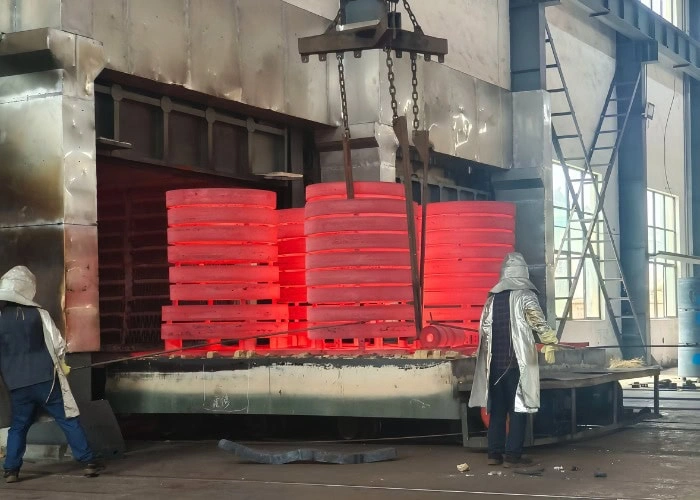
Heat treatment has more than just a technical basis. Heat treatment has direct financial and operational implications for manufacturers.
Strengthen metal with heat: Hardened surfaces are more resistant to wear and tear, lasting longer in abrasive or sliding contact. This reduces the frequency of replacements as well as downtime.
Enhanced Strength-to-Weight Ratio: Precipitation-hardened aluminum and high-strength steel allow lighter parts to carry heavier loads, which is critical in aerospace and automotive design.
Improved Machinability: Metals that have been annealed or normalized cut more consistently and cleanly, reducing wear on tools and increasing dimensional accuracy.
Stress Reduction: After welding, forming, or machining, parts accumulate internal stresses that can cause distortion or cracking. Heat treatment can remove these stresses before problems arise.
Heat-treated components last longer. This is a major consideration in industries where failure of a component can lead to equipment downtime and safety risks.
Material Versatility – Heat treatment can be used to tune the same material for different applications. One steel grade can be annealed to improve formability for one application, and then through-hardened to increase wear resistance for another.
Common Mistakes in Heat Treatment
When heat treatment parameters aren’t carefully controlled, even experienced manufacturers can run into issues. The most common issues and their causes are listed below.
Incorrect Temperature selection: The wrong austenitizing temperatures for a steel grade can lead to inconsistent hardness. Every alloy has a temperature window, and if you deviate from that, it will undermine the whole process.
Insufficient Soaking Time: If parts are not kept at the right temperature for a sufficient amount of time, they will develop uneven hardness in their cross-section. This occurs most often with thick sections that are treated in large-scale batch operations.
Wrong Quenching Medium: Choosing a too aggressive quench medium can lead to quench cracking. If you choose a mild medium for an application that requires high hardenability, then the hardness is lost.
Skipping Post-Quench Tempering: Parts that have been quenched but not tempered are fragile. It is common for hardened components to fail unexpectedly in the field when they are sent into service without being tempered.
Ignoring Atmosphere: Oxidation during heating reduces surface quality and the effective hardness in the outermost layer. This is often the most important zone.
FAQs
Can all metals undergo heat treatment?
All metals do not respond the same to thermal processing. The most dramatic changes in properties are seen with ferrous metals such as carbon and alloy steel. Aluminum, a non-ferrous metal, can be hardened with age but not by quenching. Heat treatment is not a good way to harden pure metals without alloying.
Does heat treatment change the dimensions of a part?
Heat treatment processes can cause significant dimensional changes to metal machining components, but it should be clarified that such changes are often predictable and can be controlled with proper fixturing. By using the right fixturing and selecting the correct quench media, distortion can be minimized. After heat treatment, parts with tight tolerances will typically be finished machining.
What is the difference between strengthening and hardening metal with heat?
Hardening is the process of increasing the surface or through-hardness. This is usually done via quench and temper cycles. Strengthening metal by heat is a concept that encompasses precipitation hardening and normalizing, as well as other processes that improve tensile strength or yield without necessarily maximising hardness.
What heat treatment is required for my part?
Answers depend on the base materials, service environment, and mechanical properties needed. An experienced heat-treating metal parts provider or a qualified materials engineer can provide the best process recommendation based on your requirements.
Conclusion
final step. Heat treatment is an integral part of the engineering processes that determine whether or not a metal component performs as intended. Every thermal process, from the precise induction-hardening of a single gear to the controlled atmosphere in an annealing oven, is a deliberate alteration of the microstructure in the material. All of these decisions, including the method, temperature, cooling rate, and the duration of each process, have a direct impact on the final part’s strength, toughness, durability, and hardness. Understanding these processes helps manufacturers make better material selections, more precise specifications, and smarter procurement decisions.
ProLean MFG is able to help you with both. Whether you’re evaluating heat treatment options for industrial applications or are looking for precision-machined parts that need specific mechanical properties, they can guide you through the process. Our team works closely with manufacturers to ensure that material selection, machining, and thermal processing are aligned so that each part is designed to meet its performance requirements right from the beginning. Early communication with our team can result in lower production costs and fewer surprises during the inspection phase.