

Metal corrosion is a common problem in engineering and manufacturing applications. Gradual deterioration of metal surfaces occurs as they react with either moisture, oxygen, or other very aggressive chemicals.
Over time, gradual deterioration (or corrosion) can compromise the metal’s structural integrity, affecting the overall performance of a component or system. Generally, corrosion rate depends on the material used and the component’s specific operating conditions.
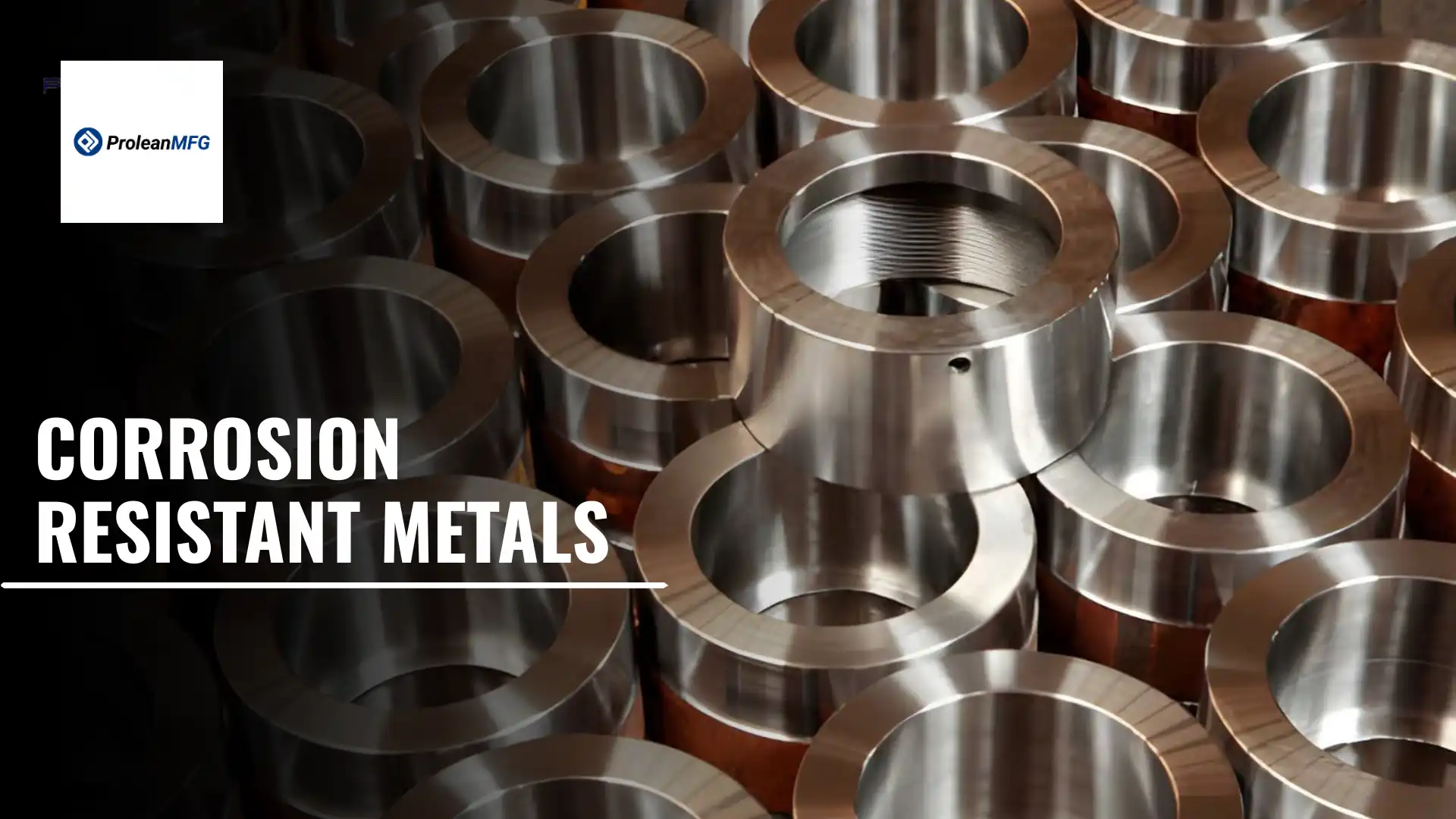
Some common materials for CNC machining (e.g., stainless steel, aluminium, titanium, and bronze) are naturally resistant to corrosion due to their inherent chemical properties and protective oxide layers on their surfaces. However, metals (e.g., mild steel, iron, copper, and low-grade aluminium) are susceptible to corrosion and therefore require additional surface finishing techniques to protect against environmental degradation and maintain the component’s integrity.
In this article, we will discuss commonly available corrosion-resistant metals, the manufacturing processes used to produce them, and various post-processing treatments to further enhance the finished product’s surface protection.
Most Commonly Used Corrosion-Resistant Metals & Their Alloys
Here are some of the commonly used corrosion-resistant metals and their respective alloys:
Stainless Steel
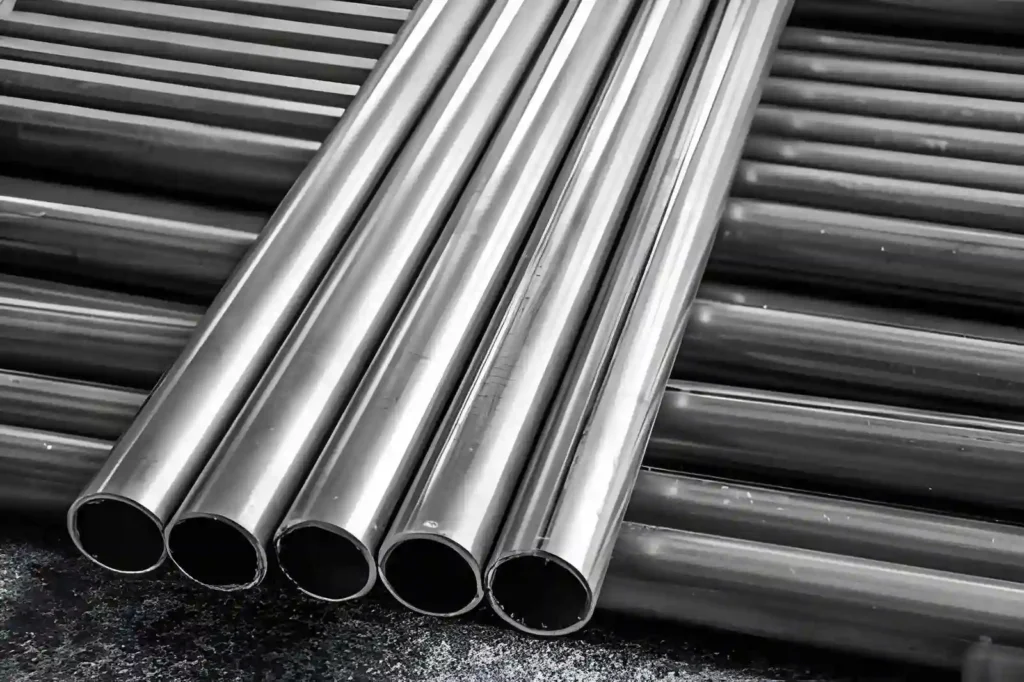
Stainless steel is a common material used in CNC metal machining. The primary reason why it is so well-liked among manufacturers is its corrosion resistance, which stems from its high chromium content. Once the chromium content reaches approximately 10.5% or higher, the alloy forms a very thin protective oxide layer on the surface. That protective layer protects the metal from attack by oxygen and water, thereby slowing corrosion.
Stainless steels are categorized into several groups based on their microstructure and alloy composition. For example, some of those categories may offer greater corrosion resistance than others. Also, different grades of stainless steel vary in strength and machinability.
Austenitic Stainless Steels
The most popular type of stainless steel used in industrial parts is austenitic stainless steel. Austenitic stainless steels are generally composed of approximately 18% chromium and 8-12% nickel, with trace amounts of carbon or nitrogen. The addition of chromium enhances the alloy’s corrosion resistance, and the nickel stabilizes its crystal structure, improving its resistance to cracking.
Some of the more common grades of austenitic stainless steel include 304 and 316. Grade 304 is used for all-purpose applications. Grade 316 is used in marine or chemical applications because it contains molybdenum, which enhances its resistance to chlorides.
Martensitic Stainless Steels
Martensitic stainless steels have chromium levels ranging from approximately 11 to 13% and a considerably higher carbon content than the other two types of stainless steel mentioned above. The higher carbon content allows martensitic stainless steels to be strengthened through heat treatment, improving wear resistance and tensile strength. However, their lower chromium content generally results in lower corrosion resistance compared with austenitic stainless steels.
For example, 420 stainless steel is often used to manufacture cutting tools, shafts, and other mechanical parts that require hardness. However, the lower chromium level in martensitic stainless steels means that these alloys usually do not exhibit the same corrosion resistance as austenitic stainless steel grades.
Ferritic Stainless Steels
Ferritic stainless steels are primarily chromium-based alloys with little or no nickel. The chromium content in ferritic stainless steels can range from approximately 10.5% to 30%. The carbon level in ferritic stainless steels is extremely low.
Because they cannot be strengthened by heat treatment, ferritic stainless steels offer excellent corrosion resistance in many indoor and mild outdoor environments. Ferritic stainless steel is a common alloy used in applications such as appliances, architectural parts, and decorative components; grade 430 is a typical example.
Duplex Stainless Steels
Duplex stainless steels are a combination of the structures of both austenitic and ferritic stainless steel. This blended structure offers a good compromise between corrosion resistance and tensile strength.
Examples of duplex stainless steel grades include 2205 and super-duplex S32750. These grades of duplex stainless steel have higher levels of chromium and molybdenum than other grades of stainless steel, which significantly improve their resistance to chlorides and aggressive chemical environments. Therefore, duplex stainless steels are often employed in applications such as offshore equipment, chemical processing systems, and marine structures, where both strength and corrosion resistance are critical. (Also read: 904L and 306L stainless steel)
Corrosion Resistance Comparison of Stainless Steel Types
| Stainless Steel Type | Typical Grades | Marine Environment | Chemical Environment | Indoor/ Mild Outdoor | Characteristics |
| Austenitic | 304, 316 | Excellent (316 especially) | Good to Excellent | Excellent | High corrosion resistance, good ductility |
| Martensitic | 410, 420 | Limited | Moderate | Good | High hardness and wear resistance |
| Ferritic | 409, 430 | Moderate to Limited | Moderate | Good to Excellent | Chromium-based, low-carbon, good oxidation resistance |
| Duplex | 2205, S32750 | Excellent | Excellent | Excellent | High strength with strong chloride resistance |
Superalloys
Superalloys are specifically engineered to meet demanding requirements, particularly when parts are subjected to extreme temperatures, stresses, and/or corrosive environments. Superalloys are frequently used in industries such as aerospace, energy systems, and medical devices, where product reliability is of utmost importance.
Generally, superalloys are categorized by the major alloying element, such as nickel, cobalt, or iron.
Nickel-Based Superalloys
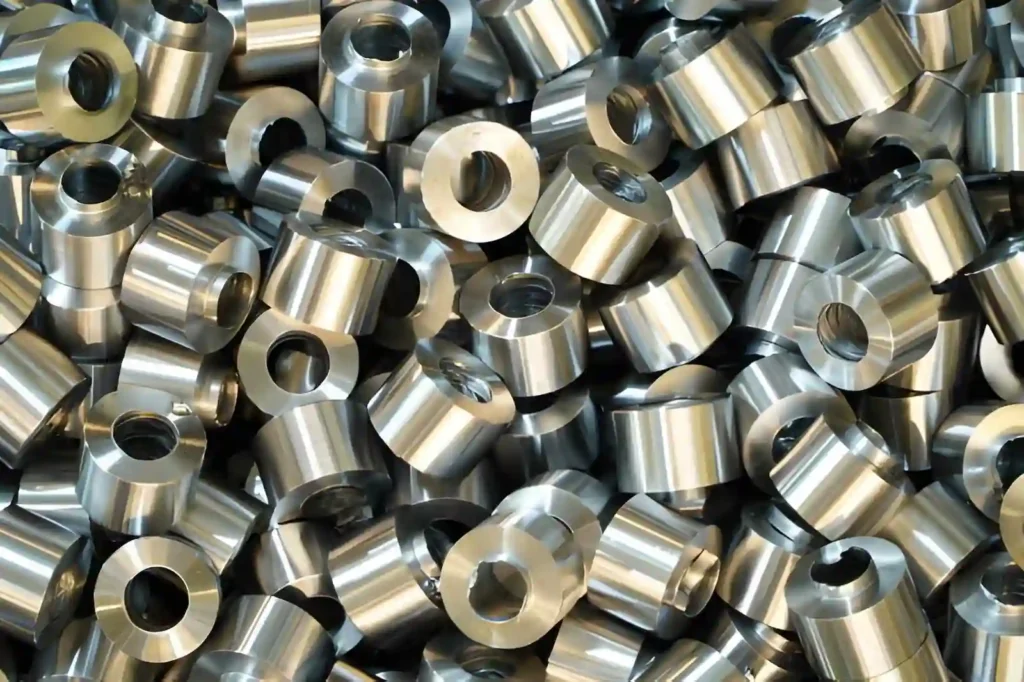
Nickel-base superalloys are widely used for components that operate for extended periods at elevated temperatures. The alloys maintain their mechanical properties (strength) and resist oxidation and corrosion even under extreme temperature conditions.
A prominent example of these alloys is Inconel 718; it is one of the most widely used in turbine components and aerospace-related equipment. The alloy is also suitable for advanced fabrication processes, such as metal 3D printing.
Cobalt-Base Superalloys
Cobalt-based alloys exhibit superior performance at extremely high temperatures. Additionally, they can withstand hot corrosion well; as such, they have been applied successfully in various applications, including turbine components, medical implants, and wear-resistant components. Cobalt-base alloys tend to be easier to weld than some nickel-base alloys.
Iron-Base Superalloys
Iron-base super-alloys provide an alternative to both nickel-base and cobalt-base alloys, offering a lower-cost solution while retaining high strength and good resistance to oxidation, wear, and corrosion. Iron-based alloys are typically used where high performance is required alongside cost constraints.
Aluminum
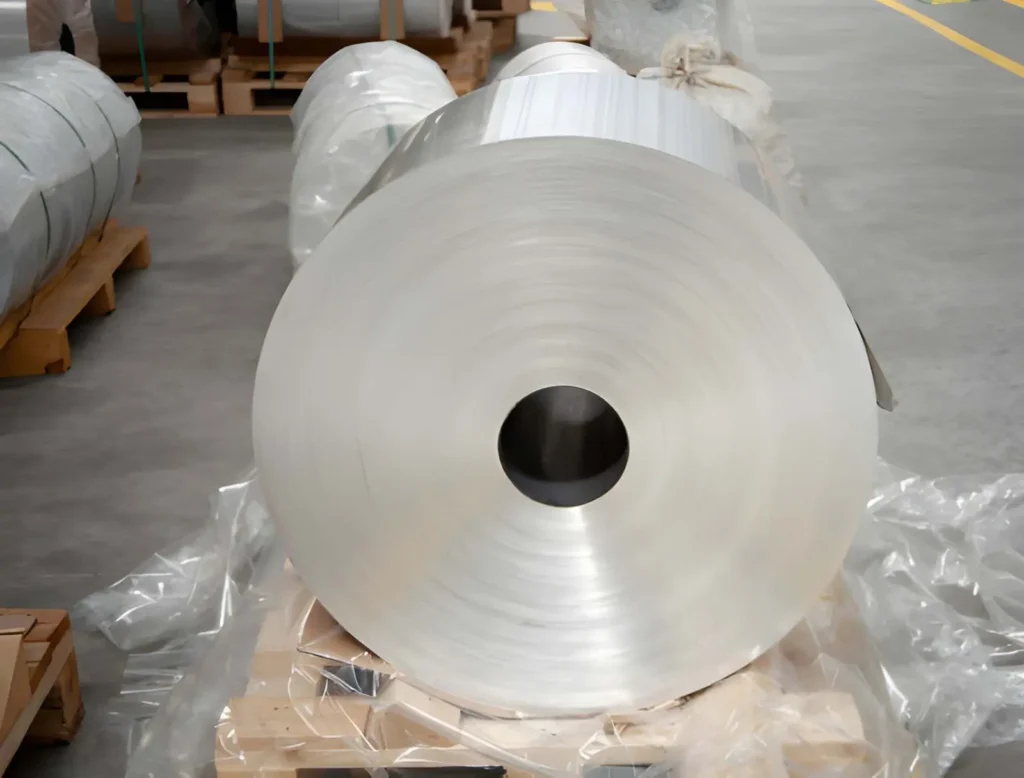
Aluminium inherently resists corrosion by forming a very thin protective oxide layer on its surface upon exposure to air. The surface layer provides a barrier to protect the underlying metal from further damage. Due to this inherent characteristic, aluminium has been utilised extensively in industrial, structural, and exterior applications.
There are several aluminium alloy series that exhibit greater corrosion resistance than others, specifically the 1xxx, 3xxx, and 5xxx series. Many of these alloys have been found to perform effectively within many standard environmental conditions.
Surface treatments, such as anodic coating, are also commonly applied to enhance the corrosion protection and surface durability.
1xxx Series Aluminium
The 1xxx series comprises pure aluminium, generally exceeding 99% purity. Due to its high purity, the material exhibits exceptional corrosion resistance. As a result, it is frequently utilised wherever chemical stability is required.
3xxx Series Aluminium
The 3xxx series is characterized by the addition of manganese as the primary alloying element. Manganese additions increase aluminium strength while maintaining acceptable corrosion resistance. The alloys in this series are commonly used for sheet metal products and general industrial components.
5xxx Series Aluminium
The 5xxx series utilizes magnesium as the primary alloying element. Magnesium additions enhance the alloys’ strength and corrosion resistance. These alloys are commonly used in marine and transportation-related applications where moisture or salt exposure is present.
Copper Alloys
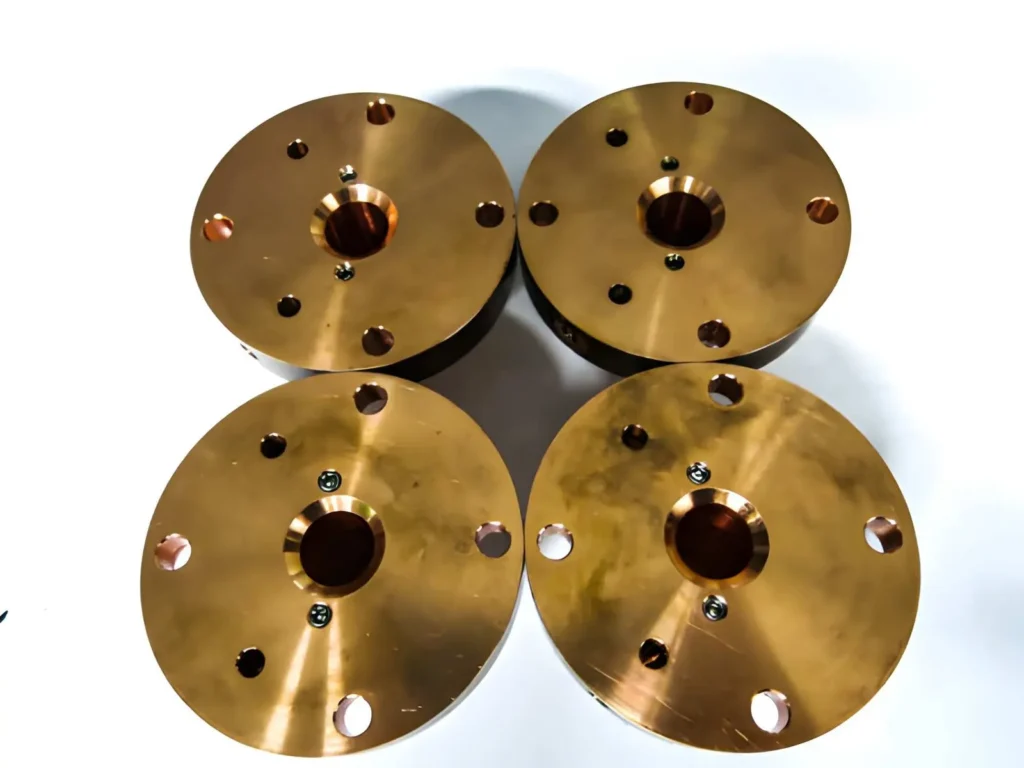
Copper alloys have several key advantages, including corrosion resistance, efficient thermal and electrical conductivity, and durability under many industrial conditions; therefore, they are frequently selected for a wide variety of applications.
Bronze (CuSn) and brass (CuZn) are two of the most common copper alloys that are utilized in many industrial applications.
Bronze
Modern bronze alloys are primarily composed of copper and tin (CuSn). Modern bronze alloys may be alloyed with small amounts of other elements, such as aluminium, silicon, and/or nickel, to enhance their mechanical properties and corrosion resistance.
Because of its ability to withstand severe service conditions, bronze has been widely used for bearings, bushings, marine parts, and various industrial components.
Brass
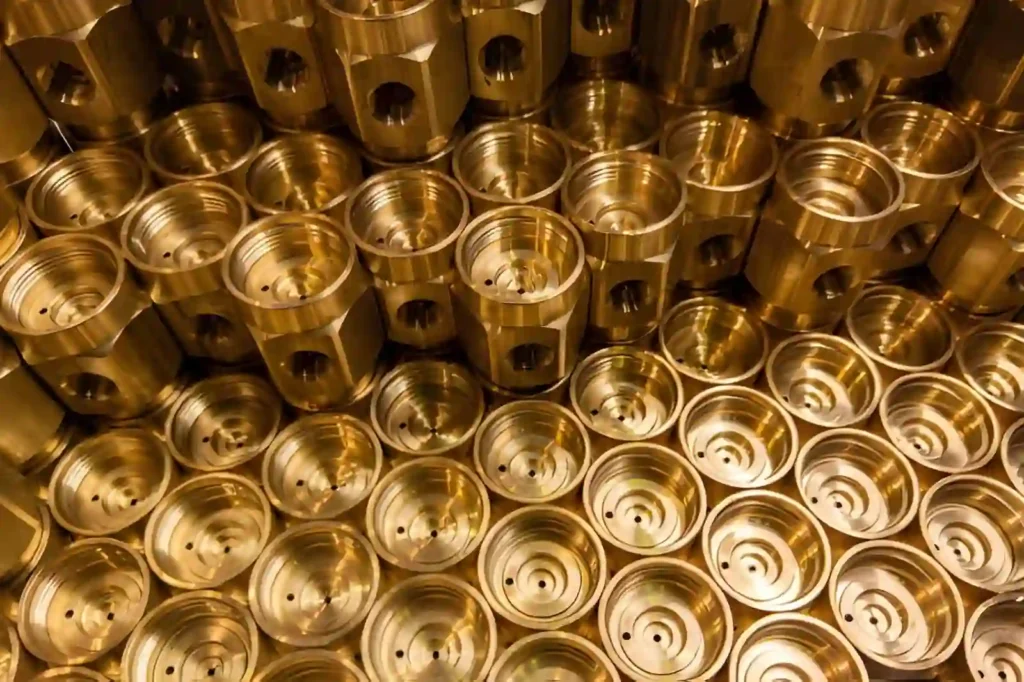
Brass alloys are primarily composed of copper and zinc (CuZn). They offer excellent machining characteristics, making them easy to shape and contributing to their extensive use in many types of component manufacture.
Brass is also known for its superior corrosion resistance and high strength, and is typically used to make various valve, fitting, connector, and electrical terminal components.
Titanium
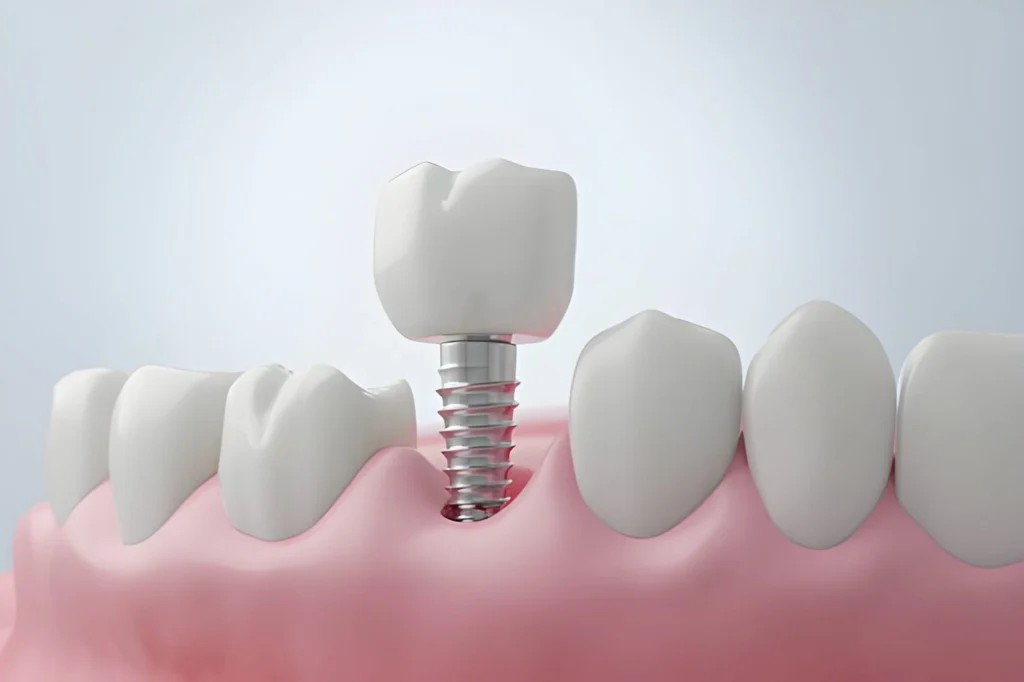
Titanium is well recognized for its exceptional combination of light weight, high strength-to-weight ratios, and excellent corrosion resistance. Although titanium is significantly less dense than steel, it provides comparable strength in many applications.
To protect itself from corrosion, titanium forms an extremely thin oxide layer on its surface, preventing oxidation. The most commonly used grade is Ti-6Al-4V, also known as Grade 5 titanium.
Improve Corrosion Resistance With Surface Treatments
CNC-machined, sheet-metal, and 3D-printed parts can be improved in corrosion resistance by applying specialised post-processing methods that help protect surfaces, provide additional wear resistance, and extend the overall lifespan of parts in hostile environments.
Anodizing
Anodising is most commonly applied to aluminium alloy parts, such as 6061, 5052, and 7075. It forms a controlled oxide layer on the part’s surface. The thickness of this oxide layer can vary based on type. Type II (deco) anodising produces an oxide layer 10-25 microns thick, while Type III hard-anodised layers can be produced up to 50–100 microns thick.
Spray Painting/Powder Coating
Spraying or powder coating adds a uniform protective layer to the metal. The thickness of the layer will depend on how it was applied and can range from approximately 50 microns to 120 microns.
Electroplating
Electroplating uses an electric current to deposit a very thin layer (about 5–50 microns thick) of a corrosion-resistant metal such as nickel, chrome, or zinc onto the surface of a component. It usually applies to heavy-industry fittings and automotive parts, e.g., fasteners and hinges.
Mechanical Deburring/Tumbling/Polishing
Tumbling removes burrs and sharp edges from machined parts, as well as small-scale micro-roughness on the surface; this ensures the parts are safe to handle and produces a good-quality surface finish. Tumbling methods include mechanical tumbling, vibratory polishing, and hand polishing.
How to Choose the Right Corrosion-Resistant Metal?
Metal selection should be based upon performance characteristics, environmental conditions, and manufacturing considerations. In addition, cost and durability are very important factors.
Environmental Conditions
The performance of metals varies significantly depending on the environment in which they are utilized. Metals intended for exposure to saltwater or high chloride concentrations should be constructed from materials such as bronze, titanium, or nickel-based alloys.
Metals that will be exposed to acids or strong chemicals will provide a longer lifespan when constructed from materials such as Hastelloy or Inconel. Uncoated magnesium corrodes at rates of 0.5 -1.5 mm per year, whereas anodized magnesium corrodes at a rate of 0.05 – 0.2 mm per year.
Mechanical Requirements
The metal selected to fulfil a particular function must also meet the mechanical requirements of the application, including strength, abrasion resistance, and weight. The tensile strength of stainless steel varies from 200 to 600 MPa. Bronze has a tensile strength of approximately 300-500 MPa. High-performance alloys have achieved tensile strengths of 550-1300 MPa. When selecting metals for light-weight applications, aluminium (2.7 g/cm3) or magnesium (1.7-1.9 g/cm3) would be suitable choices.
Manufacturing Considerations
Some metals are more difficult to machine than others. To machine harder metals, such as Inconel and titanium, specialised tooling and slower machining speeds are required. Soft metals, such as aluminium and brass, are relatively easy to cut and form.
Consider whether the part requires additional surface treatments, stress relieving, or unique welding techniques to maintain the base metal’s corrosion-resistant characteristics.
Cost vs. Performance
While high-performance alloys may provide a longer service life due to their increased corrosion resistance, they are generally more expensive than other alloys. It is necessary to evaluate the initial cost of the raw materials against the ongoing maintenance costs for each metal type.
Contact Prolean MFG for Your Project
Prolean MFG is a leading China-based company. We supply metal machined parts/components to customers worldwide. We have a wide variety of corrosion-resistant metals in our inventory, including stainless steel, bronze, aluminium, and titanium. Each part is carefully selected and finished to withstand everyday use and challenging environments.
Choosing the correct metal ensures your parts perform their intended function while remaining durable and corrosion-resistant.
In addition, we also offer CNC machining, sheet metal fabrication, and technical support to help convert your metal into the parts that fit your design.
Contact us today to discuss your custom metal machining project, receive a quote, or determine which type of corrosion-resistant metal is best suited to your needs. We supply custom-machined metal parts to customers worldwide and accept orders of any size.