

When machined parts begin to corrode in service or fail prematurely, it is usually more than just a material problem. An incorrect surface finishing process means that parts are likely to be mismatched against real-world requirements.
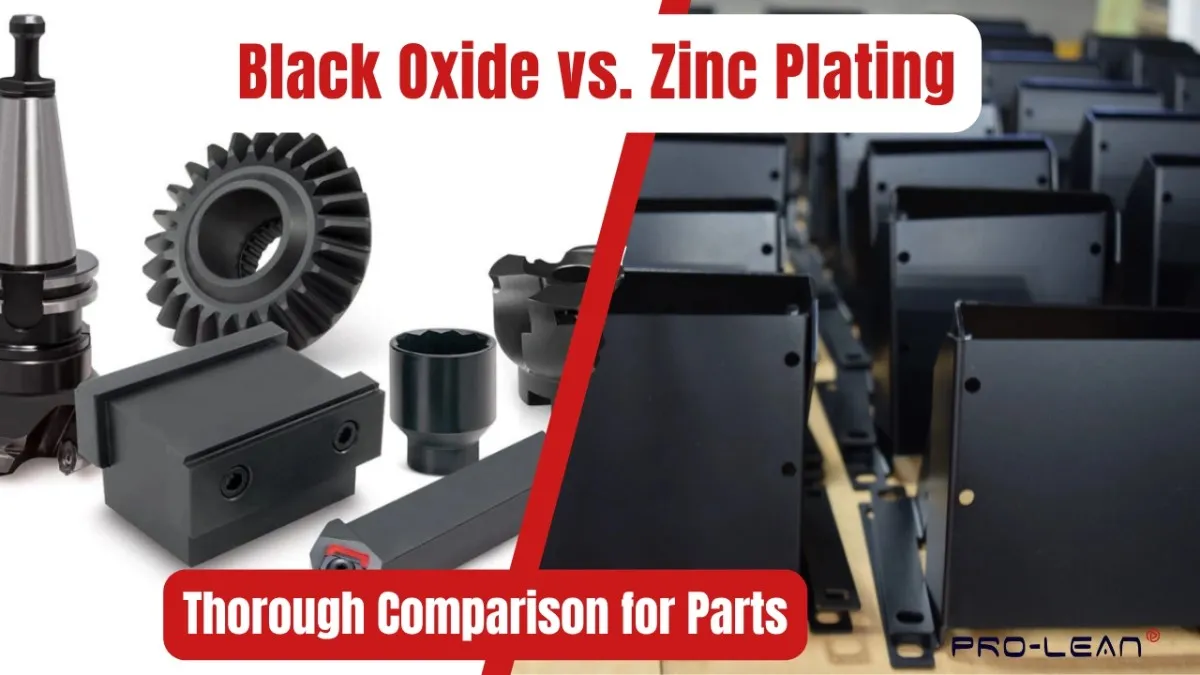
Black zinc and black oxide finish services are both popular surface finishing strategies for metals, particularly steel. These methods have close resemblance, but their underlying sciences, performances, and applications differ.
Black zinc coating has a matte to semi-gloss black finish. The electroplating process involves sacrificial corrosion resistance, meaning that the zinc corrodes first.
The process is mostly done on low-alloy steel and carbon steel for marine, automotive, and other industries where corrosion resistance is critical.
Black oxide coating provides a matte black appearance, which results from a chemical conversion coating. The high-temperature technique produces a magnetite (Fe₃O₄) layer, which is ideal for fasteners, tools, and other applications where aesthetic finish is paramount.
This article focuses on the different elements of black zinc vs black oxide coatings, including the advantages, limitations, types, and applications.
What is Black Oxide?
Black oxide is a conversion coating for copper, stainless steel, and ferrous metals. This coating is created when a part is placed in an alkaline aqueous salt solution at around 140°C.
This coating can be applied to ferrous metals. It can also be performed at room temperature, although that would mean forfeiting some of the benefits of the “hot” oxide process.
The black oxide conversion coating process is done in several steps, namely:
- Cleaning the part
- Rinsing the part
- Black oxide step
- Rinsing again
- Supplementary coating
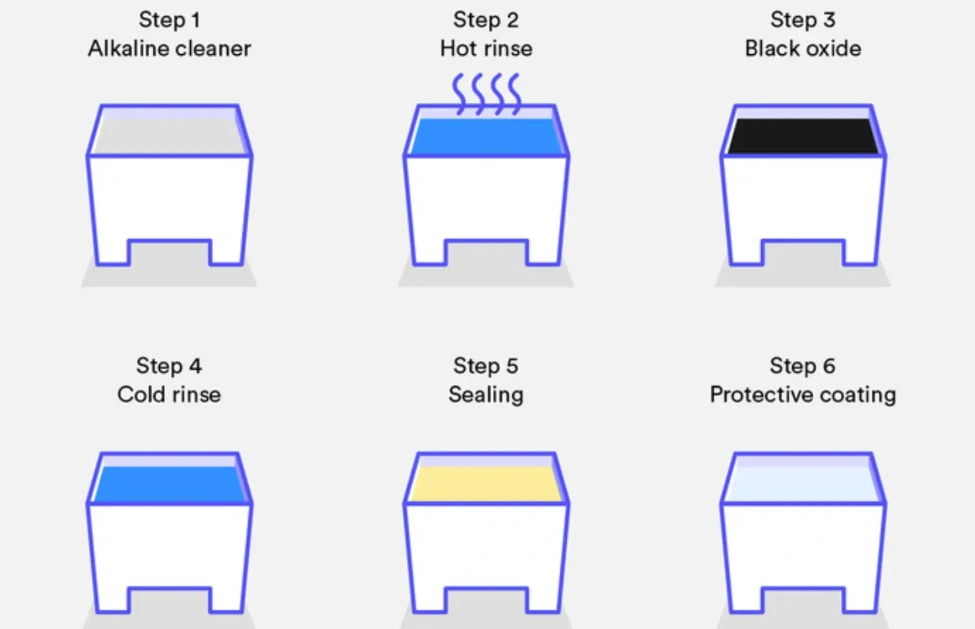
Black oxide coating process steps
The factors to consider for the black oxide conversion coating include the desired black oxide finish, storage conditions, and longevity of the protection.
Types of Black Oxide Coating
The black oxide process is categorized as hot, mid-temperature, and cold.
Hot Black Oxide – This process is performed at a high temperature – 141 °C (286 °F). It turns the ferrous material’s surface into the naturally black and opaque magnetite (Fe3O4).
Mid-temperature Black Oxide – For this one, the temperature is lower – in the range of 90 °C to 120 °C (194 °F to 248 °F). The coating may not generate toxic caustic fumes, but it uses alkaline chemicals.
Cold Black Oxide – The cold black oxide process takes place at 20 °C to 30 °C (68 °F – 86 °F), which is in the room temperature range.
What Are the Advantages of Black Oxide Coating?
The black-oxide coating enhances corrosion and wear resistance, maintains tight tolerances, creates an attractive appearance, and minimizes light reflection.
How Black Oxide Improves Wear Resistance Without Adding Thickness
The black oxide layer is 1–2 µm, so it is perfect for precision parts. The hot black oxide does not simply deposit a layer on steel; it is a surface conversion.
While the part becomes more wear-resistant, it does not become thicker. The surface becomes even more friction-resistant with wax or oil application.
What are the Disadvantages of Black Oxide Coating?
The main limitations of black oxide coating are limited corrosion resistance and relatively lower durability.
Limited Corrosion Resistance – The coating’s corrosion resistance is not that impressive compared to alternatives
Lower Durability – The black oxide coating may erode, subjecting the substrate to environmental and other types of harsh elements.
Other Materials for Black Oxide Process
The black oxide process is ideally designed for carbon steel, cast iron, and other iron-based metals. However, it can also be performed on copper, stainless steel, and zinc.
Black oxide on copper – A cupric oxide is formed on the copper surface. This layer is highly temperature-resistant.
Black oxide on zinc – The zinc material is placed in an alkaline solution at a temperature of between 72 °C and 82 °C (160 °F and 180 °F). It enhances corrosion resistance.
Black oxide on stainless steel – The mid-temperature black oxide process fits best. It reduces the reflectivity of black oxide on stainless steel.
What is Zinc Plating?
Zinc plating is the technology whereby zinc metal is electrodeposited on the surface of a different material. The zinc enhances the mechanical and physical properties of the base metal.
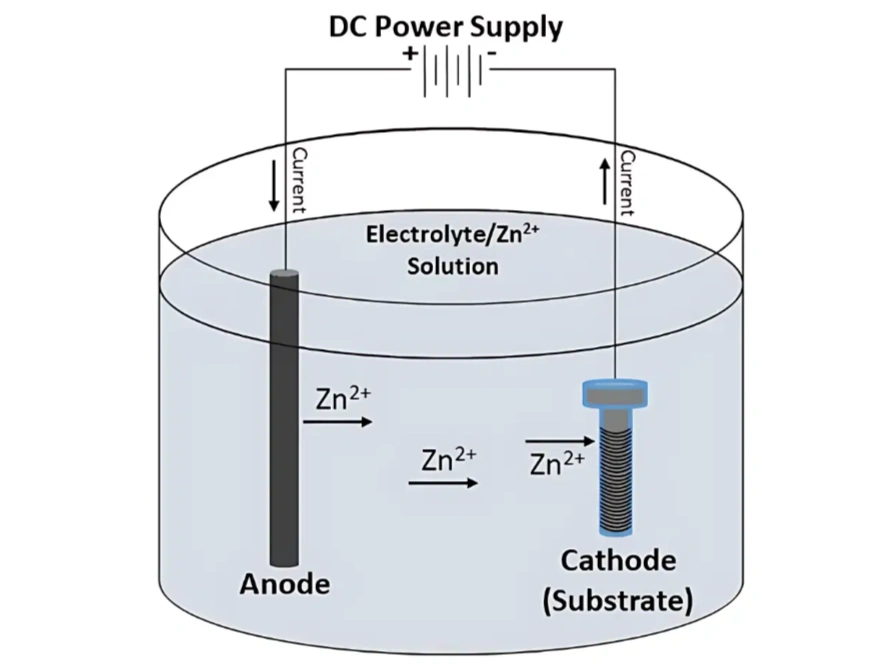
Zinc plating
Zinc plating provides both physical protection and galvanic protection to the material. Since zinc reacts more than iron and steel, it undergoes preferential corrosion when the plated surface is damaged. In other words, when the coating is scratched, the zinc layer is sacrificed instead of the base metal.
The basic steps in zinc plating are;
- Cleaning and preparing the surface
- Zinc deposition
- Post-treatment
Types of Zinc Plating
The main types of metal plating under this category are acid zinc plating, black zinc plating, alkaline non-cyanide zinc plating, blue/clear zinc plating, and yellow zinc plating. Others are zinc-cobalt plating, zinc-iron plating, and zinc-nickel plating.
As outlined below, each type of zinc plating has distinct capabilities and applications.
Acid Zinc Plating: Acid zinc plating relies on chloride-based electrolytes. It is recommended for complex parts with recessed areas.
Black Zinc Coating: Black zinc coating involves dyeing or chromating to produce a chromate passivation layer on zinc. The process enhances corrosion resistance and is common in automotive and construction applications.
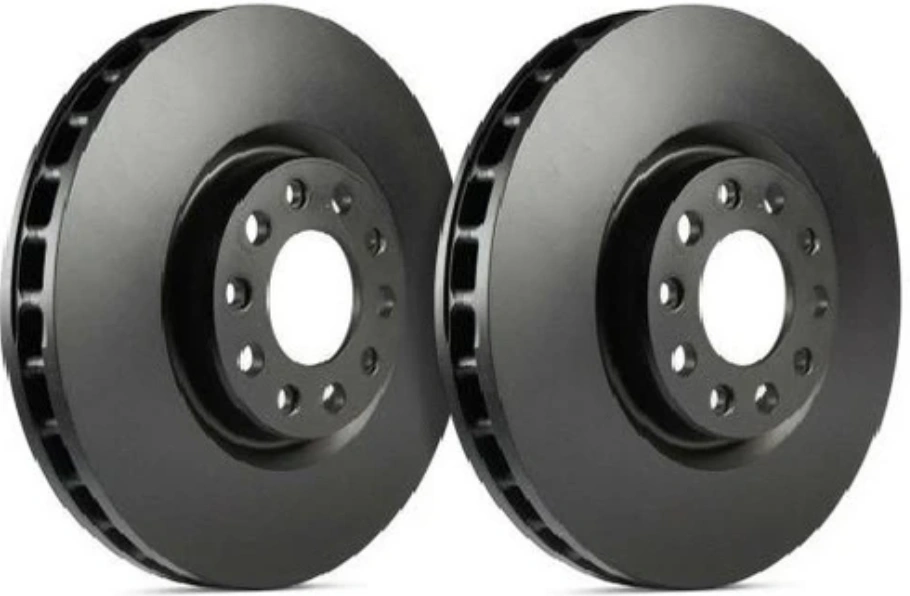
Automotive rotors with black zinc coating
Alkaline non-cyanide zinc plating: The electrolyte in this case is a non-cyanide alkaline-based one. The toxicity of cyanide is avoided in the high-pH caustic baths. This type of zinc coating provides good corrosion resistance.
Blue/Clear Zinc Plating: This coating comprises blue/clear chromate passivation on a zinc coating. The silvery coating has some corrosion resistance, enough to be used on fasteners and automotive items.
Yellow Zinc Plating: The yellow chromate conversion coating process makes this coating appear yellowish gold.
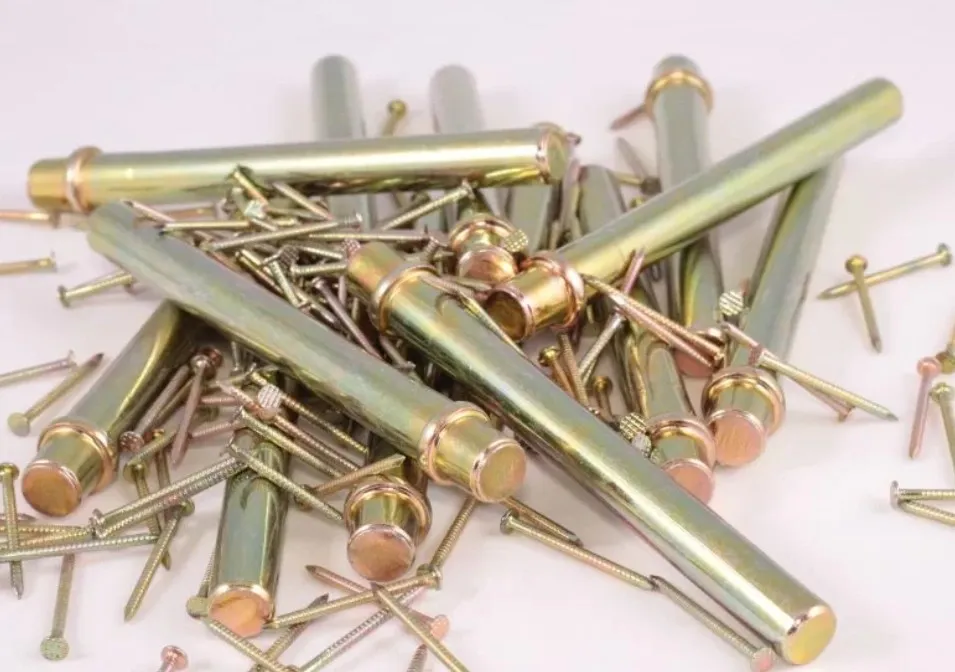
Yellow zinc-plated parts
Zinc Cobalt Plating: Zinc cobalt plating is characterized by the addition of about 0.8–1.0% cobalt in the zinc layer. This plating enhances chromate receptivity and high-temperature corrosion resistance. It is common in the automotive industry.
Zinc Iron Plating: This alloy coating contains 0.3–0.8% iron. This low iron content adds wear resistance and hardness.
Zinc Nickel Plating: Zinc nickel plating is high-performance, with excellent wear and corrosion resistance. This alloy contains approximately 15% nickel; the rest is zinc.
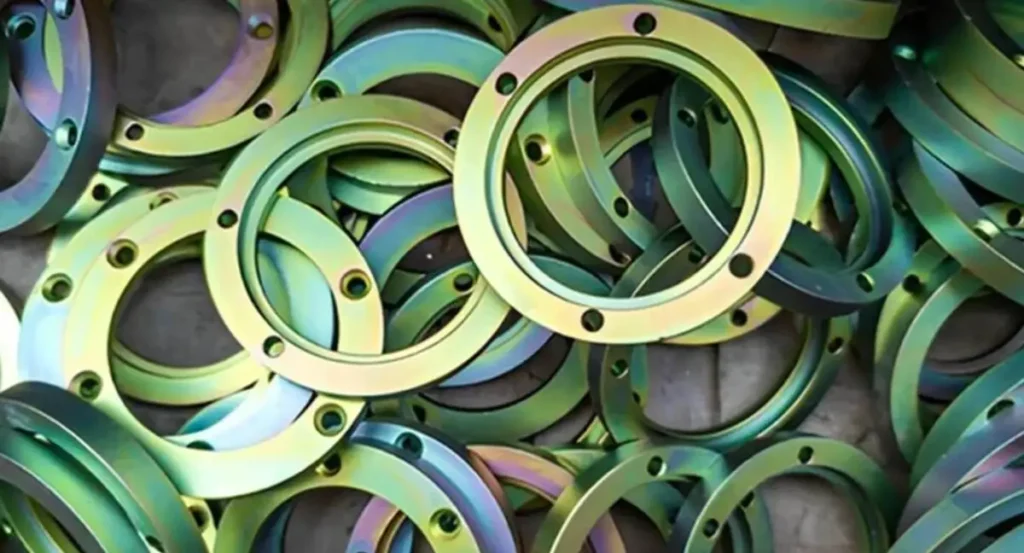
Zinc nickel-plated parts
What are the Advantages of Zinc Plating?
Here are the main advantages of zinc plating;
- Cost-effective in large volumes
- Superior corrosion resistance
- Good adhesion
- Good appearance with different zinc-plating colors
What are the Disadvantages of Zinc Plating?
The limitations of zinc plating are;
- Not as durable as other coatings
- Potential for hydrogen cracking and embrittlement
- Toxicity of conventional alkaline cyanide zinc baths
Black Oxide vs Zinc Plating: Key Differences
Black oxide coating and zinc plating have a dark appearance, but beyond that, they have the following notable differences in aesthetics, corrosion resistance, cost, material compatibility, thickness, layer type, complexity, and common applications.
The table below expounds on these black zinc vs black oxide differences.
| Property | Black Oxide Coating | Black Zinc Coating |
| Aesthetics | Matte black | Bright/clear metallic |
| Corrosion resistance | Minimal | Superior |
| Cost | Lower | Higher |
| Material compatibility | Typically, ferrous metals, copper, and some stainless steels | Typically, iron and steel |
| Typical thickness | Thinner (1–2 µm) | Thicker (5–25 µm) |
| Layer type | Conversion coating (Fe₃O₄) | Electrodeposited sacrificial metallic layer |
| Process complexity | Low | Moderate to high |
| Common applications | Fasteners, optical devices, precision tools | Industrial fasteners, automotive parts, construction equipment |
Salt Spray Test Comparison: How Long Do Black Oxide and Zinc Plating Last?
The salt spray test (ASTM B117) is an industry-accepted measuring method for corrosion resistance on coatings and materials. The test comprises the part placed in a controlled chamber and subjected to 5% sodium chloride mist.
The time for red rust to appear is recorded. As the table below shows, the performance gap for black oxide vs black zinc is noticeable.
| Type of Coating | Hours Taken for Red Rust to Appear | Protection Level |
| Black Oxide (no sealant) | 2-24 | Low |
| Black Oxide (with oil/sealant) | Up to 100 | Low-average |
| Zinc Plating (clear/blue) | 48-200 | Average |
| Zinc Plating (yellow chromate) | 96-500 | Good |
| Zinc-Nickel Plating | 50-1,500 | Excellent |
When to Use Black Oxide vs Zinc Plating (Indoor vs Outdoor Applications)
The black oxide vs black zinc choice depends on the applications of the part. Here are the recommended applications for each type of surface finish.
Black oxide finish services are preferred when;
- The environment is indoor and low-moisture
- The part is visually exposed – aesthetics are critical
- Tight tolerances are required in parts
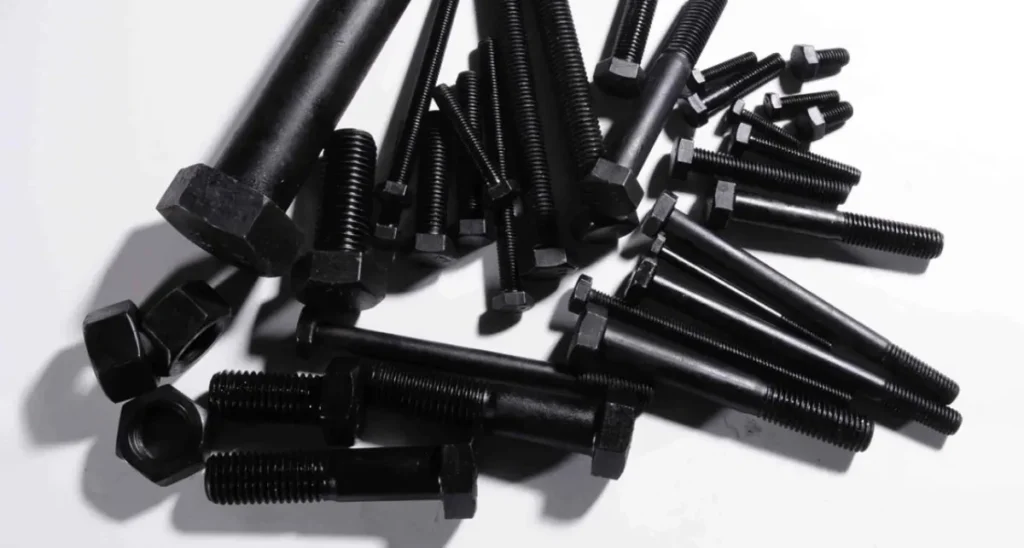
Black oxide-coated fasteners
Zinc plating is preferred when;
- Higher corrosion resistance is desired
- Some electrical conductivity is required
- The environment has chemicals or moisture
How Steel Type Influences the Choice Between Black Oxide and Zinc Plating
The best surface finish in this case depends on the steel composition. Black oxide is the preferred option on plain carbon steel and cast iron. Zinc plating is more versatile, working on a wider range of steel types.
Here is how exactly the two processes behave on steel;
Stainless Steel: With its reduced adhesion on passive oxide layers, zinc plating is usually not the best for stainless steel. Black oxide, too, has poor adhesion and color inconsistency. However, the mid-temperature setting makes the plating process more effective.
Low-Carbon and Mild Steel: Both black oxide and zinc plating are applicable. However, zinc plating has better outdoor performance due to better corrosion protection.
High-Strength Steel: Black oxide is recommended because it does not advance atomic hydrogen. Zinc plating poses the hydrogen embrittlement challenge.
Cost of Failure vs Cost of Coating: Why the Cheapest Finish Can Be the Most Expensive
We have witnessed people approach the cost of black zinc vs black oxide from the perspective of upfront cost alone. This can be a misleading strategy because premature failure downstream means higher costs related to downtime, replacements, and brand damage.
The coating cost per part is higher for zinc plating compared to black oxide. However, the cost of part failure in service is higher for black oxide.
If you are dealing with harsh environments and using a black oxide finish, expect a higher or more frequent requirement for recoating.
Considering the full service of the part is the truest way to evaluate the cost. If the environment is demanding and corrosive, zinc plating is worth investing in.
But for precision parts for indoor applications, black oxide offers a more dimensionally stable and affordable option.
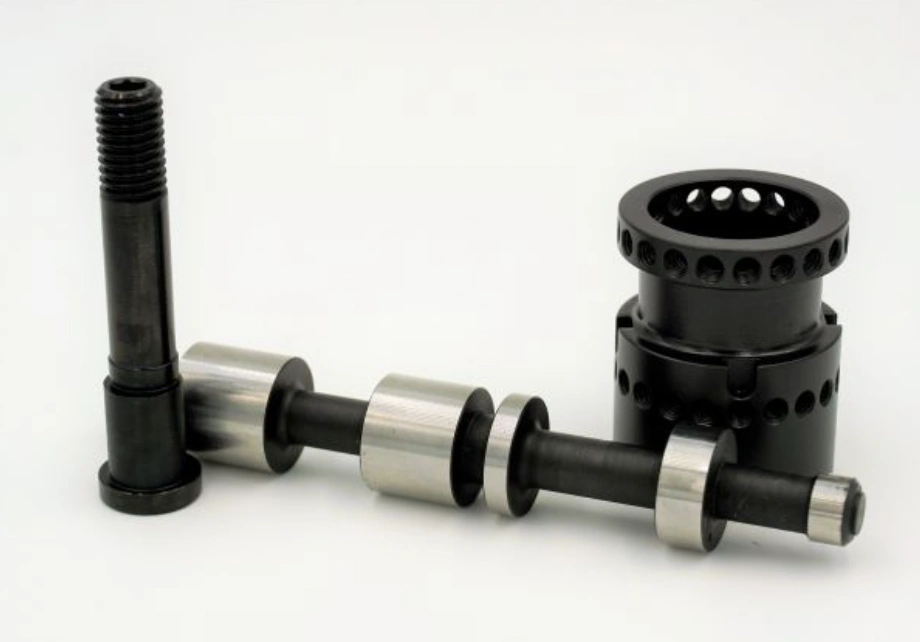
Black oxide finishing for precision parts
Common Black Oxide and Zinc Plating Mistakes and How to Avoid Them
Specifying the surface coating may not be enough with these mistakes: Applying black oxide outdoors, failing to pre-clean, and overlooking embrittlement precautions for high-strength steel. Other mistakes are choosing based on cost alone, failing to account for thickness buildup, and equating darker finishes to better protection.
Applying Black Oxide Outdoors
Black oxide’s corrosion protection is minimal, particularly when there is no sealant or oil protection. This finish is best reserved for indoor applications or controlled environments because it can rust quickly.
Failing To Pre-Clean
Surface contamination can have serious ramifications for black oxide and zinc plating. This could show in the form of premature failure. Parts should be thoroughly cleaned and rinsed before being treated with these processes.
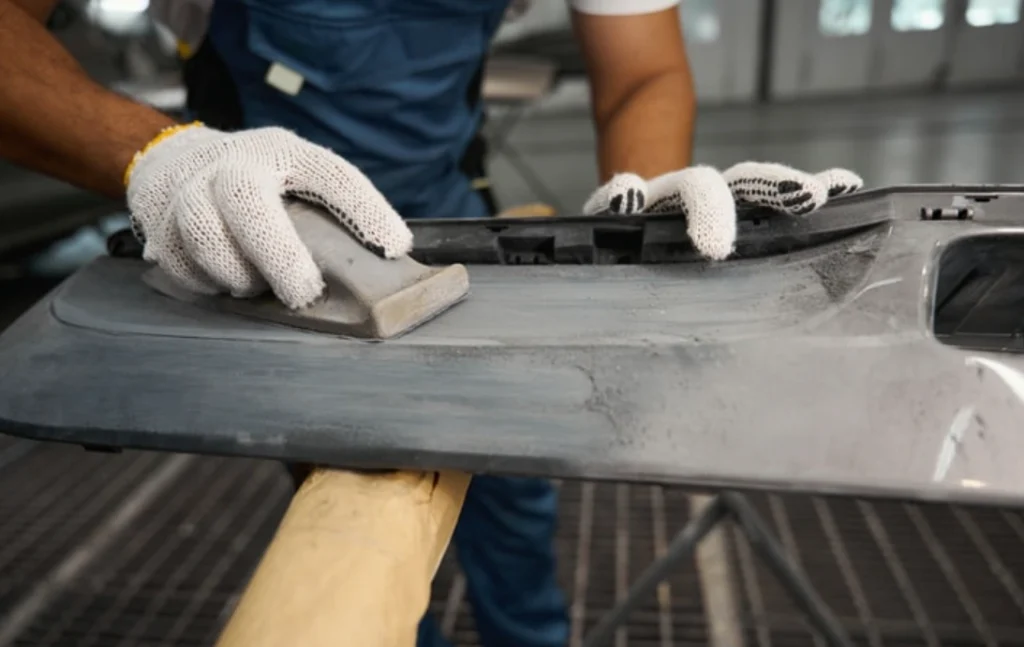
Surface preparation
Overlooking Embrittlement Precautions for High-Strength Steel
High-strength components are prone to delayed cracking due to electrodeposition. Unless using black oxide, processing engineers are expected to specify hydrogen embrittlement relief for such parts.
Choosing Based on Cost Alone
As already mentioned, the quoted cost should not be the only metric for black oxide vs zinc plating. The performance requirements in the real-world environment, considered over a longer time, are a better determinant.
Failing to Account for Thickness Buildup
For zinc plating, the thickness buildup is up to 25 µm per surface compared to 2 µm per surface for black oxide. Precision components require accurate anticipation of these dynamics to ensure accurate specification even after coating application.
Equating Darker Finishes to Better Protection
The dark appearance of black oxide and zinc plating can be misleading, particularly if color is the only specification provided. It is important to specify the underlying process because the protection levels are different.
Alternatives to Black Oxide and Zinc Plating
The alternatives to black oxide and zinc plating are aluminum anodizing, powder coating, phosphate coating, and black nickel coating.
Aluminum Anodizing
Aluminum anodizing entails the formation of an aluminum oxide (Al₂O₃) layer on the aluminum surface through an electrochemical process. A dark finish can be achieved through dyeing. The coating is lightweight with higher electrical insulation and hardness.
Powder Coating
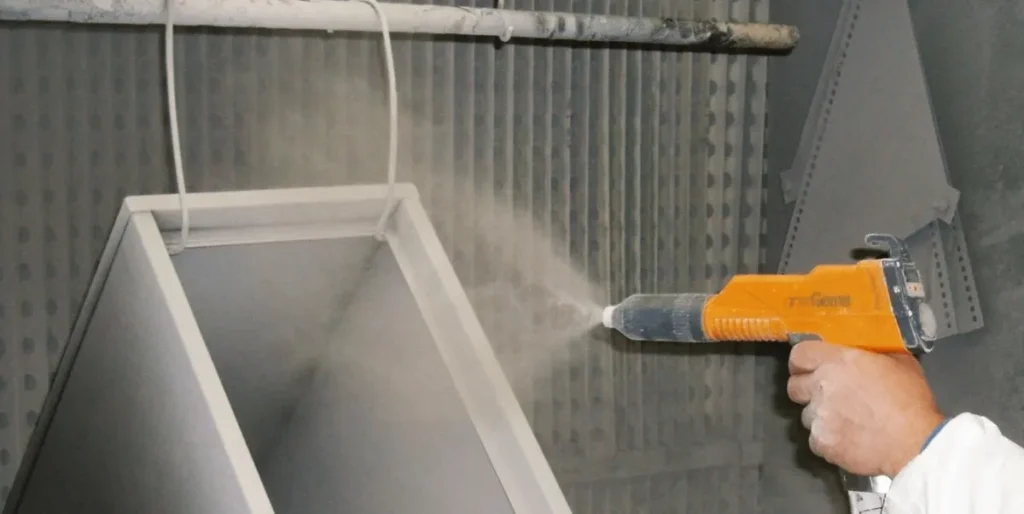
Powder coating
This process involves the application of electrostatically charged fine powder on a substrate. It produces a thick 60–100 µm layer that promotes UV and corrosion resistance, particularly on sizable structural parts.
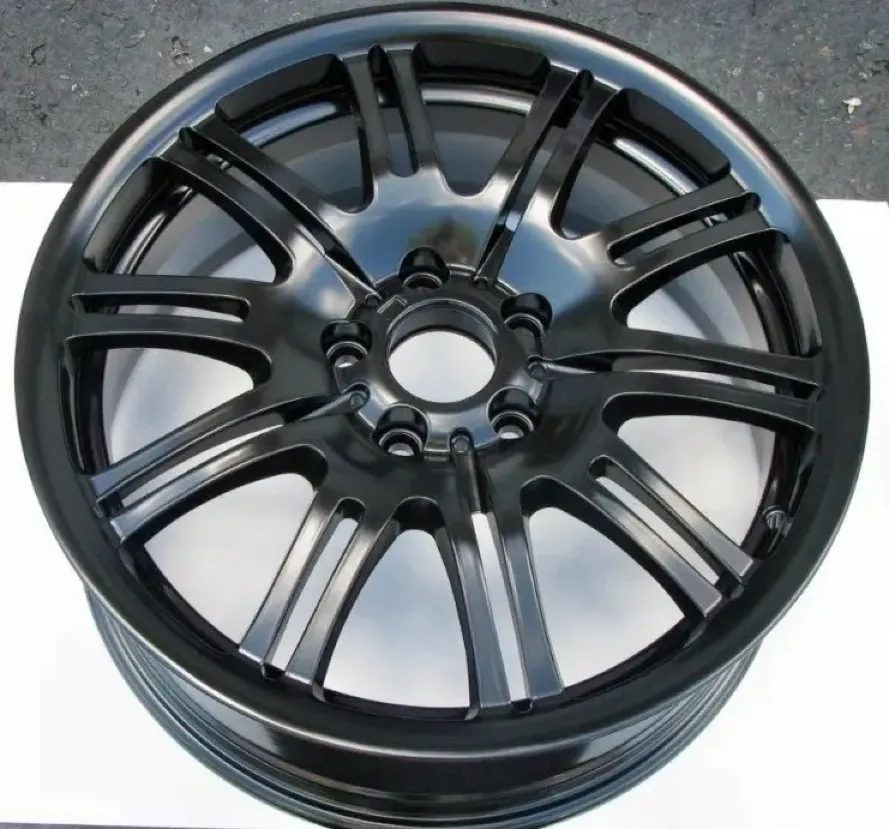
Black powder-coated part
Phosphate Coating
This chemical conversion coating is produced from the reaction between a phosphate-based solution and a metal surface. The coating is recommended when paint/primer adhesion is more important than corrosion resistance. It also enhances wear resistance.
Black Nickel Coating
Black nickel coating is another electrochemical process that enhances wear and corrosion resistance. A black nickel layer is deposited on a metal surface to produce a thin, deep-black finish.
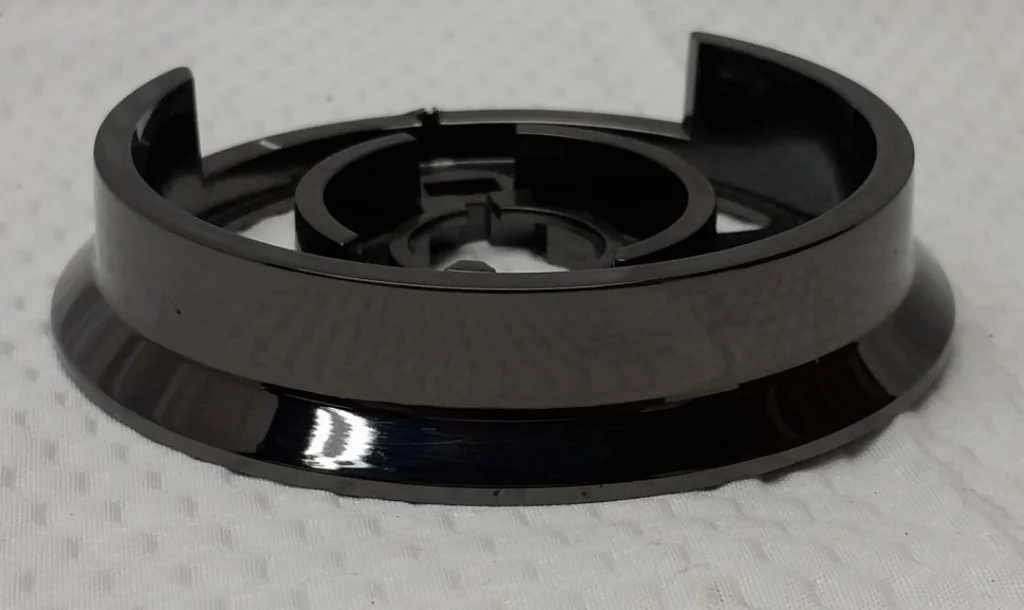
Black nickel-plated part
Conclusion
Black oxide coating and zinc plating are undisputably popular across industries- and for good reasons. They have a recognized balance of versatility, performance, and cost-effectiveness.
The black oxide vs black zinc comparison areas, such as corrosion resistance, appearance, dimensional stability, and applications, give a clearer comparison picture.
By understanding the black oxide vs zinc plating dynamics, businesses can ensure the surface finish suits part requirements.
Avoid poor fit due to coating piling, costly reworks due to coating failure, and preventable corrosion issues. Contact us for black oxide and zinc plating services today for help selecting and applying the correct coating.
FAQs:
Is black oxide better than zinc-plated?
Neither of the coatings is universally superior to the other one.
How Long Will Black Oxide Coating Last?
A professionally applied black oxide coating can last for many years. The exact duration depends on factors such as the material, humidity, temperature, and the rate of wear and tear.