
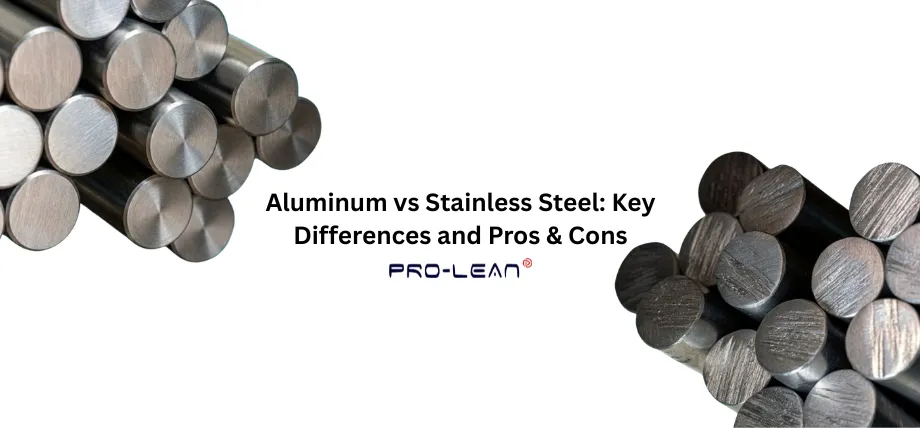

How do you decide between two of the most popular metals in machining? To answer this, you need ot understand the fundamental difference between aluminum and stainless steel for engineering applications like loads, stress, functionality, assembly options, and, more importantly, the ease of manufacturing.
Key Differences at a Glance
Table of differences between aluminum and stainless steel
| Property | Aluminum | Stainless Steel |
|---|---|---|
| Density | 2.7 g/cm³ (lightweight) | 7.9 g/cm³ (heavier) |
| Strength | Lower tensile strength | Higher tensile strength |
| Corrosion Resistance | Good (natural oxide layer) | Excellent (chromium layer) |
| Thermal Conductivity | High (205 W/m·K) | Low (16 W/m·K) |
| Heat Retention | Heats & cools quickly | Retains heat longer |
| Electrical Conductivity | Excellent conductor | Poor conductor |
| Cost | Lower cost | Higher cost |
| Weldability | More difficult | Easier to weld |
| Food Safety | Can react with acidic foods | Non-reactive, food-safe |
| Magnetism | Non-magnetic | ferritic grades can be magnetic |
What is Aluminum?
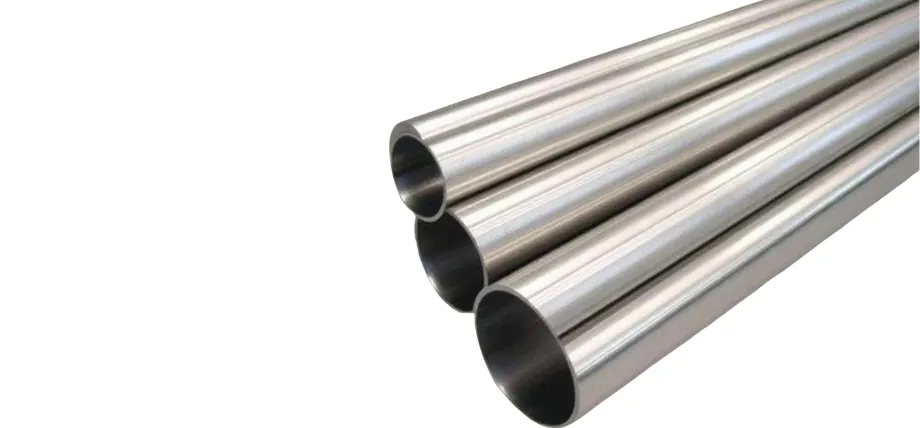
Aluminium is a shiny, soft, ductile, and highly conductive material that is widely used in manufacturing globally. Aluminium is soft and malleable, so alloys are made by alloying different elements with aluminium to make it more functional. Aluminium alloys have better strength and enhanced properties that cater to different applications.
Aluminium has a low density of 2.70 g/cm³ and excellent corrosion resistance due to its ability to naturally form unreactive aluminium oxide on its surface, which prevents corrosion. The material has excellent machinability along with great thermal and electrical conductivity. Due to its combination of strength, durability, and corrosion resistance, aluminium can be used in a wide range of industries and applications.
What is Stainless Steel?
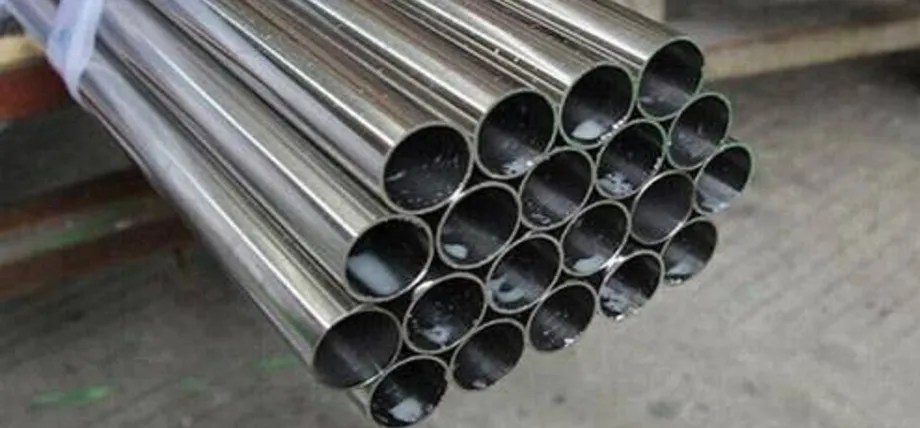
Stainless steel is an iron-based alloy that contains chromium around 10.5% by weight. The addition of chromium imparts the material with corrosion resistance by forming a thin self-repairing oxide layer.
There are numerous stainless steel grades that can be distinguished into 5 stainless steel families on the basis of their microstructures. Austenitic, ferritic, martensitic, Duplex, precipitation hardened.
In addition to its functional properties, stainless steel also has a modern look that can enhance the aesthetic of any project. This material comes in a variety of finishes so that you can find the perfect look for your project.
It is harder, stronger, and more durable than aluminium. The material’s electrical and thermal conductivity are extremely poor when compared to copper and aluminium.
Weight: Is Aluminum Lighter Than Stainless Steel?
The density of aluminium is 2.70 g/cm³, whereas stainless steel has a density that is almost three times as much, 7.9–8.1 g/cm³. This makes aluminium the lighter material compared to stainless steel. The light weight of aluminium is especially useful in applications where weight is a concern. This is also a major reason for its use in the aerospace sector.
Strength: Which is the Stronger Metal?
Looking at aluminum vs stainless steel strength, stainless steel is generally stronger than aluminium due to its higher tensile and yield strength. Although when compared on the basis of weight, aluminium’s specific strength surpasses that of stainless steel grades
Tensile Strength Comparison
There are two main metrics used to measure the material’s strength: tensile strength and specific strength. When it comes to tensile strength, stainless steel has higher tensile and yield strength. Standard grades such as 316 and 304 have tensile strengths up to 550 MPa, and duplex stainless steels, such as 2205, can exceed 850 MPa. This exceeds the tensile strength of the highest-grade 7075-T6 aluminium alloy used in aerospace components.
Strength-to-weight Ratio

Aluminum is lighter than stainless steel, approximately a third as heavy. This means by weight, aluminium is stronger than stainless steel. Aerospace-grade aluminium 7075-T6 has a specific strength of 196 kN ·m/kg, compared to steel’s 63 kN ·m/kg, which is three times as much.
This makes aluminium the ideal material for aerospace components and aircraft manufacturing. Since it provides greater strength per kilogram used in manufacturing, this helps improve fuel efficiency and aircraft payload capacity.
Corrosion Resistance: How Do They Compare?
Stainless steel is a corrosion-resistant material, however. It can rust if weathering compromises the protective chromium layer. Aluminium is corrosion-resistant, but aluminum’s corrosion resistance is prone to saltwater or acidic environments. In highly acidic environments, aluminum can corrode.
When it comes to corrosion resistance, stainless steel is usually more resistant than aluminium. This is because stainless steel contains chromium, which forms a protective oxide layer on the metal’s surface, preventing further oxidation. Aluminium, on the other hand, lacks this protective layer and has a greater affinity for oxygen.
How Aluminum Resists Corrosion
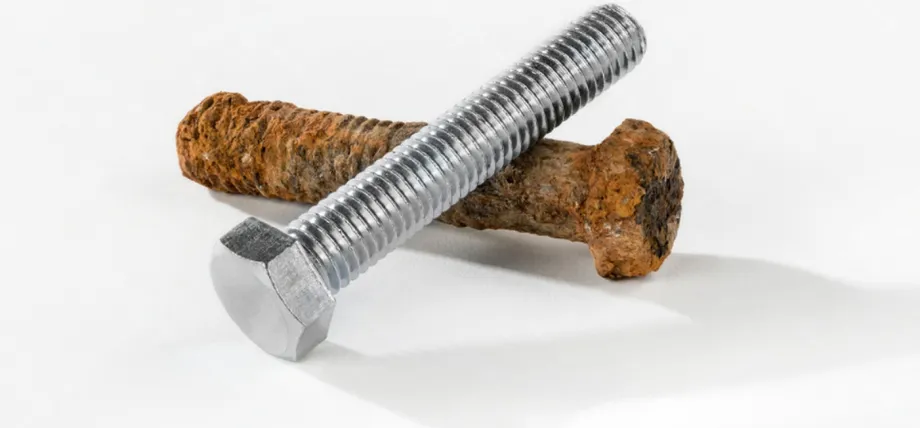
Aluminium resists corrosion by forming a protective layer of aluminium oxide, which acts as a barrier to further oxidation. This aluminium oxide layer does not flake and self-repairs if scratched. The corrosion resistance can be further enhanced through surface treatments such as anodising, which helps to improve scratch and abrasion resistance.
How Stainless Steel Resists Corrosion
The corrosion resistance of stainless steel is due to the presence of chromium, which also forms a protective chromium oxide layer similar to aluminium. Grade 316 has additional alloys such as molybdenum, which provide better crevice corrosion and pitting resistance.
In a standard application and environment, stainless steel has better performance than aluminium, but in a highly alkaline environment, aluminium performs better than stainless steel.
Thermal Conductivity: Why Aluminum Heats Faster
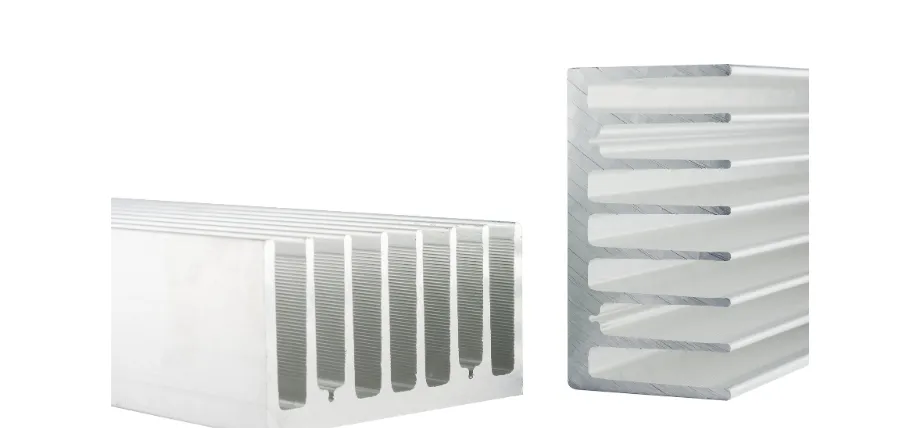
Heat conductivity and heat retention are crucial properties of metals that help to determine the metal’s functionality for a specific task. They show how fast a metal transfers heat. The conductivity og f aluminium is far superior to stainless steel. Aluminium 1100 has a conductivity of 222 W/m·K, while s316 steel has 14 W/m·K. This is 10 times less than aluminium.
This means aluminium heats up more evenly and is more efficient than steel, making it useful for heat exchangers, heat sinks, and cookware.
Although sinless steel does not heat evenly and is a poor conductor, it retains heat longer due to its higher density and slower thermal diffusion.
Aluminum vs. Stainless Steel Cookware: Which Should You Choose?
Why Stainless Steel is Generally Considered Safer for Food
Aluminum and stainless steel are both food-safe options. The WHO and EPSO have assessed the aluminum intake from aluminum cookware and direct contact with aluminum as minuscule. Represent only a fraction of dietary consumption.
Stainless steel grades 304 and 316 are FDA- and EU-approved food-safe options. The most significant concern is nickel presence in stainless steel, which can leech into food, and it is mainly a concern for nickel-sensitive people.
Anodized aluminum and stainless steel are food-safe options, with stainless steel being a better choice since it is more resistant to acidic environments.
Electrical Conductivity Aluminum vs. Stainless Steel
Electrical conductivity for metal is measured by comparing it to annealed copper (IACS) with pure copper at 100% IACS.
Aluminum conducts electricity 20 times better than stainless steel, depending on the alloy. This makes aluminum a great choice for high-voltage transmission lines and electrical bushings.
Stainless steel is also useful in certain applications. Its poor conductivity generates heat, which is useful in sensors, heating elements, and resistance wires.
Workability: Welding, Machining, and Fabrication
Welding Aluminum vs. Stainless Steel
Aluminum and stainless steel are both really versatile materials with great manufacturability. They can be welded, formed, and machined really well. Welding aluminum is harder and more challenging than steel welding, mainly due to it thermal conductivity, which is 4 times higher, around 205–235 W/m·K, compared to steel, which is 40–50 W/m· K. This causes immediate heat dissipation, and maintaining the arc is difficult. Formation of oxide is the other problem that needs to be cleaned before further welding to ensure high-quality welds.
Welding processes such as TIG and MIG use inert gases, which minimize oxide formation. The mechanical properties of the heat-affected zone can change, reducing the strength of the material in the area.
Stainless steel is prone to sensitization and requires careful control of parameters such as heat to ensure good welds. Sensitization is a concern because it can lead to chromium carbide precipitation in the pundareis, reducing the material’s corrosion resistance. Tig welding is the most common welding process used for welding stainless steel, while MIG and resistance welding are reserved for high-volume production.
Machinability and Fabrication
Aluminum is softer, ductile, and malleable, with better machinability than stainless steel, with cutting speeds that are 3 to 5 times faster. It doesn’t have problems such as built-up edges, work hardening, and heat sensitization. The machining process of aluminum uses less pressure, has longer tool life, and produces cleaner chips.
6061 aluminum has the highest machining rating, which makes it an ideal choice for machining parts and components. It is used in aerospace and automotive manufacturing to make fittings, heatsinks and engine housings
Stainless steel is machinable, but it presents several hurdles. Such as work hardening and excessive tool wear in hardened grades. To address these issues, carbide and ceramic cutting tools are often used, which can increase the cost of CNC machining.
Stainless steel is a great choice for the marine industry and food processing equipment due to its great corrosion resistance and machinability.
When it comes to fabrication, both metals can be stamped, bent, and formed without any major challenges. Aluminum’s softness makes it easier to process at room temperature, requiring lower forces.
Applications
Aluminum
- Aluminum is the preferred choice of material in the aerospace and aviation industry due to its excellent alloy strength and lightweight, which helps with weight constraints.
- The automotive industry uses aluminum for engine blocks, body panels, and lightweight chassis.
- It is used in consumer electronics for its great strength and durability for frames and bodies of phones and laptops.
- marine industry uses aluminum for its corrosion resistance to make hulls, propellers, and small structures.
- It is used in food packaging since it is a food-safe option authorized by the FDA and the EU.
Stainless steel
- Food processing and kitchen equipment are made using stainless steel as it is highly durable and FDA-compliant.
- Medical and surgical instruments and implants are made of 316-grade stainless steel due to its biocompatibility.
- It is used to make structural components in architectural applications.
- The oil and gas industry uses stainless steel to make various rigs and equipment due to its strength and durability
Aluminum Machining Service
ProleanMFG provides high-quality CNC machining of aluminum grades for critical parts like turbines, structural components, and performance parts like engine blocks. We also provide machining for consumer parts and smaller technical pieces in assemblies.
ProleanMFG has an edge in precision manufacturing with
- AS9100D & ISO 9001 Certifications
- Advanced 5-axis machining
- Fast lead times & prototyping support
- In-house surface finishing: anodizing, paint, and heat treatment
- Material certificates and traceability
Request a free quote today!
Conclusion
Aluminum and stainless steel are both versatile metals that excel in their own specific applications. The right choice depends on the nature of your project’s requirements. Aluminum’s major advantage is its low density and light weight, which helps with weight constraints, while stainless steel excels in high strength and corrosion resistance.
Stainless steel is a better choice for you if you need to prioritize long-term corrosion resistance, high stresses, and elevated temperatures. Aluminum suits your project if it has to be lightweight, highly conductive, and have complex geometry.
Frequently Asked Questions
Which is better aluminum or stainless steel?
Stainless steel is better for applications that require high strength, for applications that need to sustain high heat, and corrosive environments like chemical vessels. Aluminum is a cost-effective light weight alternative that is highly conductive and is suitable for medium strength applications.
Is stainless steel stronger than aluminum?
Yeah, stainless steel is stronger and harder than most aluminum alloys. The tensile strength of 304 grade, 515 MPa, surpasses that of the Boeing 737 aluminum alloy.
Is aluminum or stainless steel better for cookware?
Both are used to make cookware and have their own strength. Aluminum has better thermal conductivity than stainless steel, which is more durable and corrosion-resistant.
Which is better for baking sheets?
Aluminum has better thermal conductivity which heats up the sheet more and provides an even cooking surface.
Is aluminum cookware safe for health?
Yes aluminum cookware is safe for health, it is FDA and EU compliant. Acidic foods can react with aluminum, but it isn’t harmful.
Which metal is more corrosion-resistant?
Stainless steel is more corrosion-resistant due to the presence of chromium, which forms a protective chromium oxide layer that prevents further corrosion.
Does stainless steel cost more than aluminum?
Stainless steel costs more depending on the grade and market price per kilogram. Aluminum is more economical and cost-effective.
Which is a better heat conductor?
Aluminum 205 W/m·K is a better heat conductor with the ability to conduct heat 10 to 15 times better than stainless steel 15–25 W/m·K.