
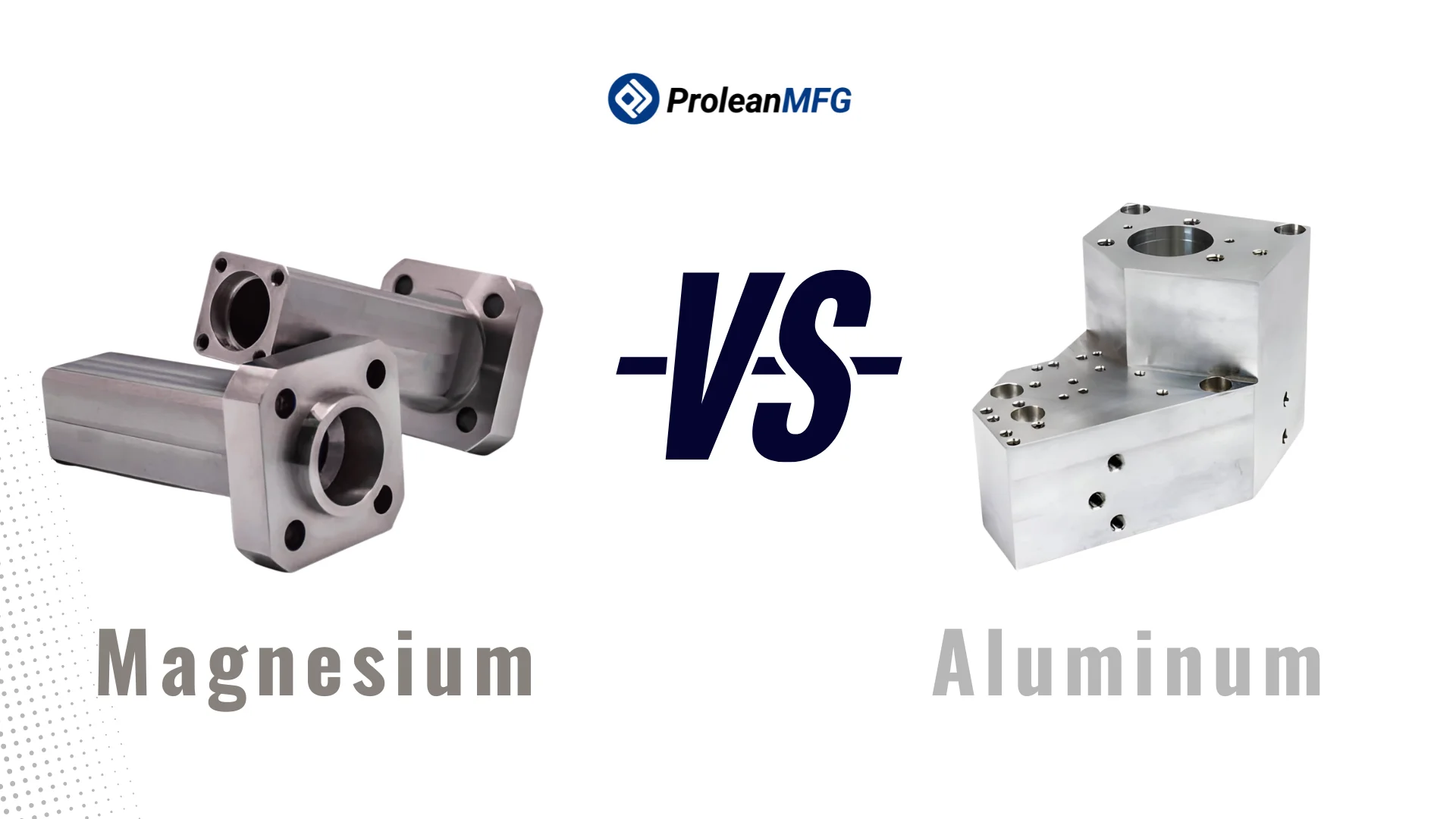

Magnesium and aluminium are both lightweight CNC machining materials. Magnesium is much lighter. On the other hand, aluminium is stronger and easier to protect from corrosion. The choice depends on the part’s load, environment, and cost.
Magnesium works well where weight is critical. Its low density makes it useful in aerospace, drones, and portable electronics. It machines easily, but it scratches and dents faster than aluminium. Protective coatings are often needed to prevent corrosion.
Aluminium is heavier than magnesium but holds up better under stress. It resists rust and can handle higher temperatures. Machining aluminum is common in automotive parts, housings, and structural components where strength and durability matter.
When deciding between the two, engineers consider more than weight. Machining behaviour, surface finish, and long-term durability are just as important. Magnesium saves weight, but aluminium lasts longer in harsh conditions. The right metal depends on the specific part and its intended use.
Difference between Magnesium and Aluminum in terms of Strength & Durability
Magnesium and Aluminum are two of the most commonly used metals in engineering. Both differ in weight, strength, corrosion resistance, and usage. As for which metal to choose, it depends on load, environmental conditions, and your weight limitations.
Density and Weight Difference
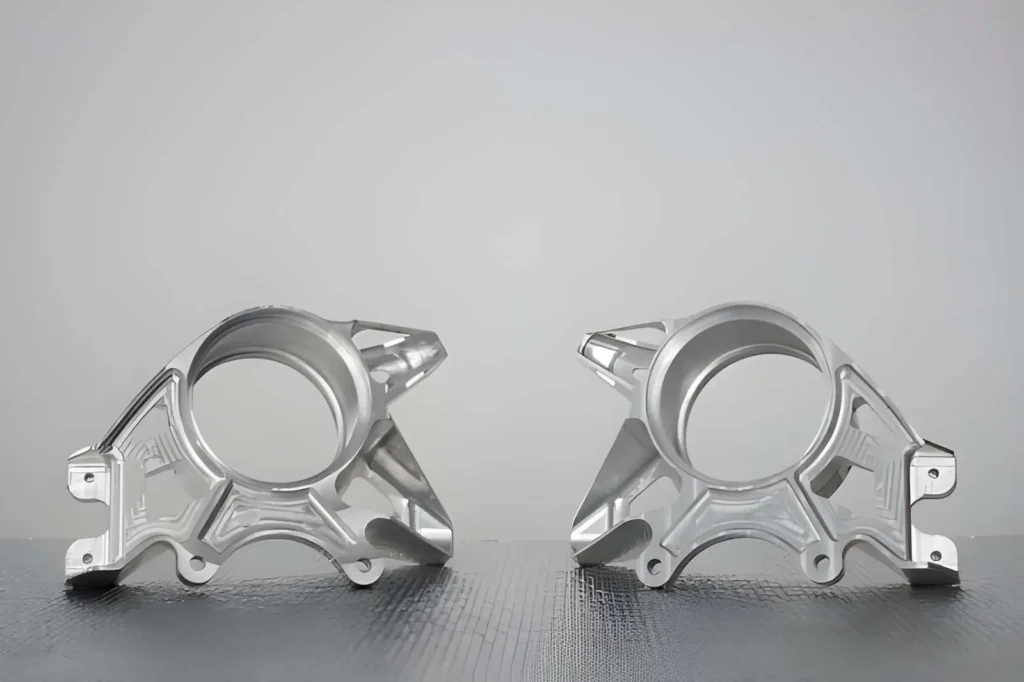
Aluminum suspension upright
Magnesium is approximately one-third the weight of Aluminum. Aluminium’s density is 2.7 g/cubic cm, compared to Magnesium at 1.74 g/cubic cm. These values will help determine which is best for an application that requires weight loss.
Strength and Load Capacity
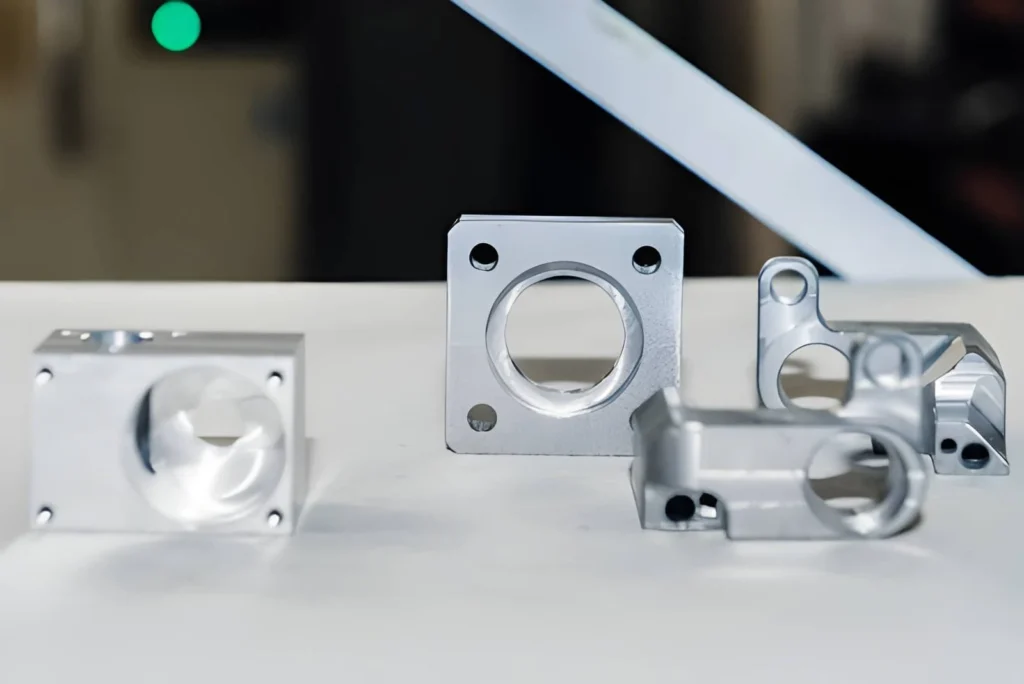
Custom magnesium parts
Aluminium has a significantly higher strength value than Magnesium. For example, aluminium alloy 7075 has a tensile strength of 500 to 570 MPa. Most Magnesium alloys remain below 300 MPa. Aluminum is therefore preferred for load-bearing applications.
Strength-to-Weight Ratio
Many ask, is magnesium lighter than aluminum? Still, weight considerations are a key concern. Magnesium does an excellent job. Magnesium’s lower density gives it a high strength-to-weight ratio, though in applications requiring maximum absolute strength, aluminum may still be preferable. Frames, housing, and other lightweight components benefit from using Magnesium.
Melting Point and Heat Resistance
Both metals have similar melting points. Aluminium melts at approximately 660°C. While magnesium melts at approximately 650°C, it becomes highly reactive at this temperature. Thus, it requires careful handling in engineering and machining applications.
In terms of temperature resistance, aluminium can withstand slightly higher temperatures and is less likely to warp under heat stress than Magnesium.
Corrosion Resistance
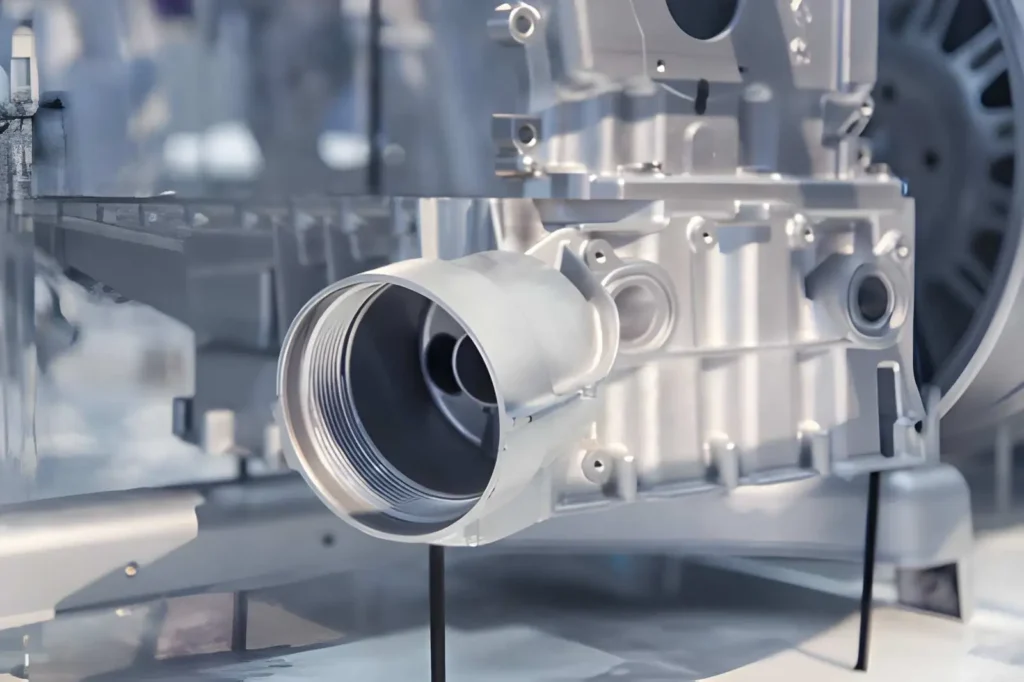
Magnesium cartridge body
Aluminium develops an oxide layer naturally. This protective layer helps prevent corrosion and degradation caused by exposure to water or air. Magnesium corrodes more quickly and requires a coating or treatment to protect it in humid or saltwater environments.
Practical Application and Selecting Between Aluminum and Magnesium
- Aluminium is often selected for structural parts, brackets, and panels where strength and durability are important.
- Magnesium is typically selected for applications requiring reduced weight. Examples include drone bodies, electronic devices, and lightweight casing designs.
Difference between Magnesium and Aluminum from Manufacturing and Processing Standpoints
Magnesium and aluminium follow similar processes, but their behaviour differs during production.
Casting Methods and Behavior
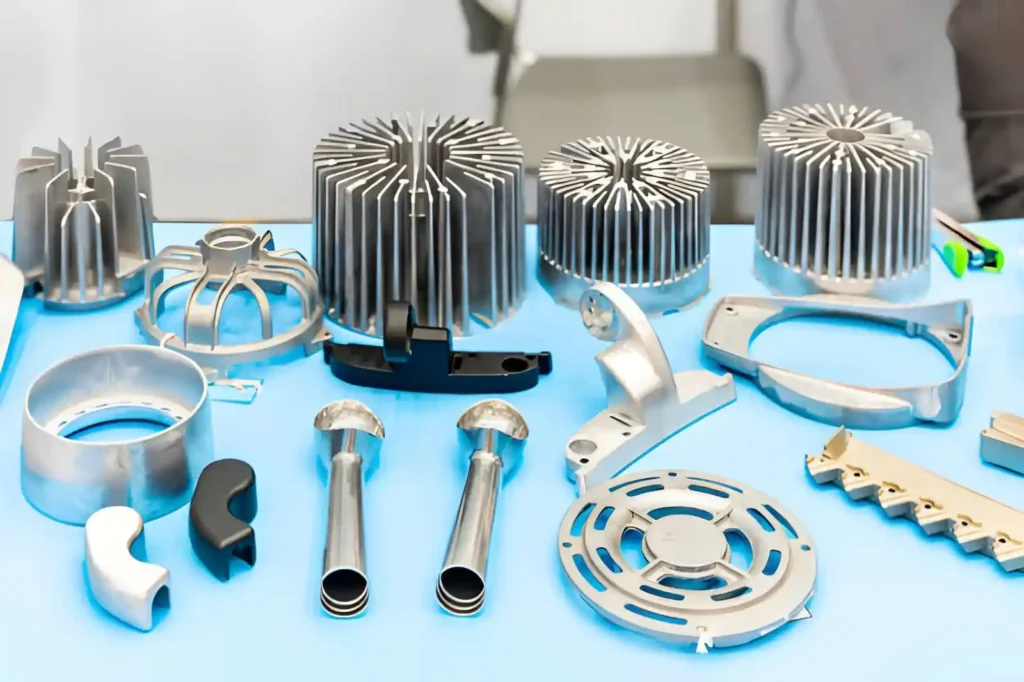
Aluminum die-cast parts
Both materials can be cast into parts using both die-casting and sand-casting methods. During casting, aluminium is more stable and thus easier to control.
Due to its relatively low melting point, Magnesium flows better than aluminium during the casting process, thereby reducing the overall cycle time. Because of this, it is generally necessary to maintain a controlled atmosphere when melting and pouring Magnesium to prevent oxidation.
Die Casting Performance
Aluminium die casting is typically used to manufacture complex and durable parts. As a result of the aluminium die-casting process, parts consistently deliver a high-quality surface finish and uniform strength.
Magnesium die casting, on the other hand, is faster than aluminium die casting due to the lower melting temperature of Magnesium.
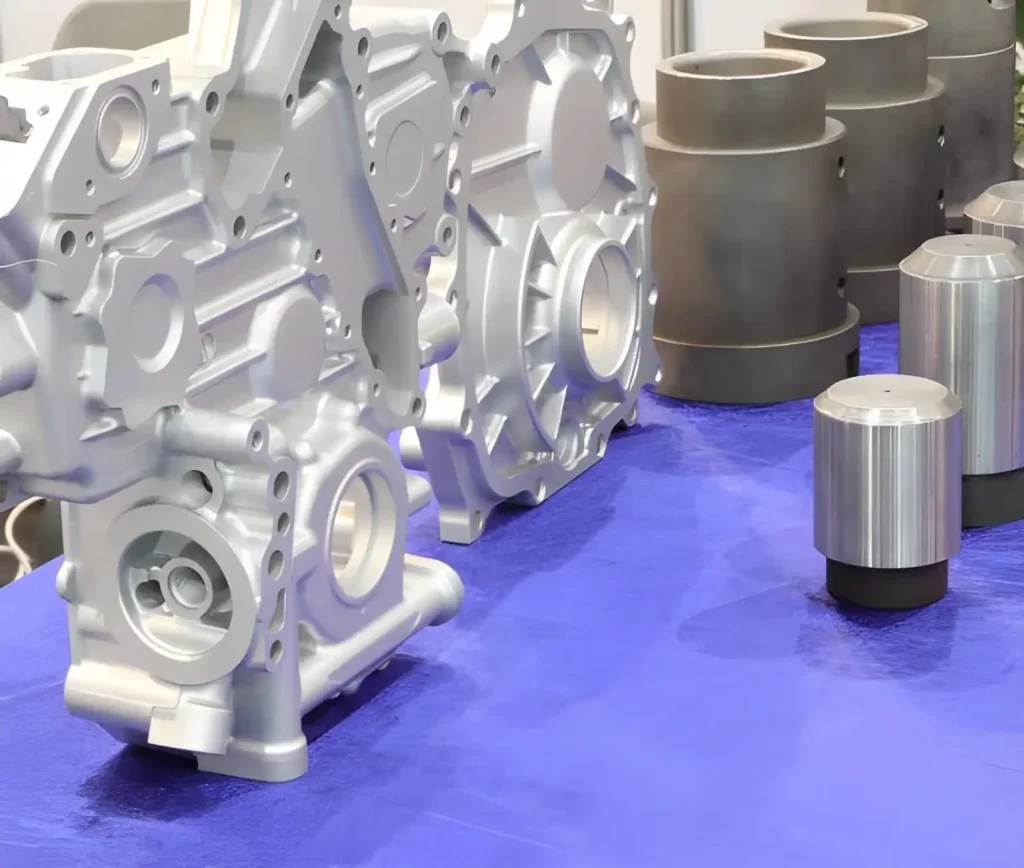
Magnesium die-cast components
Therefore, Mg die-cast parts are typically utilised in applications such as automotive and electronic devices, where weight is a major concern and consistent process control is required.
Extrusion Capability
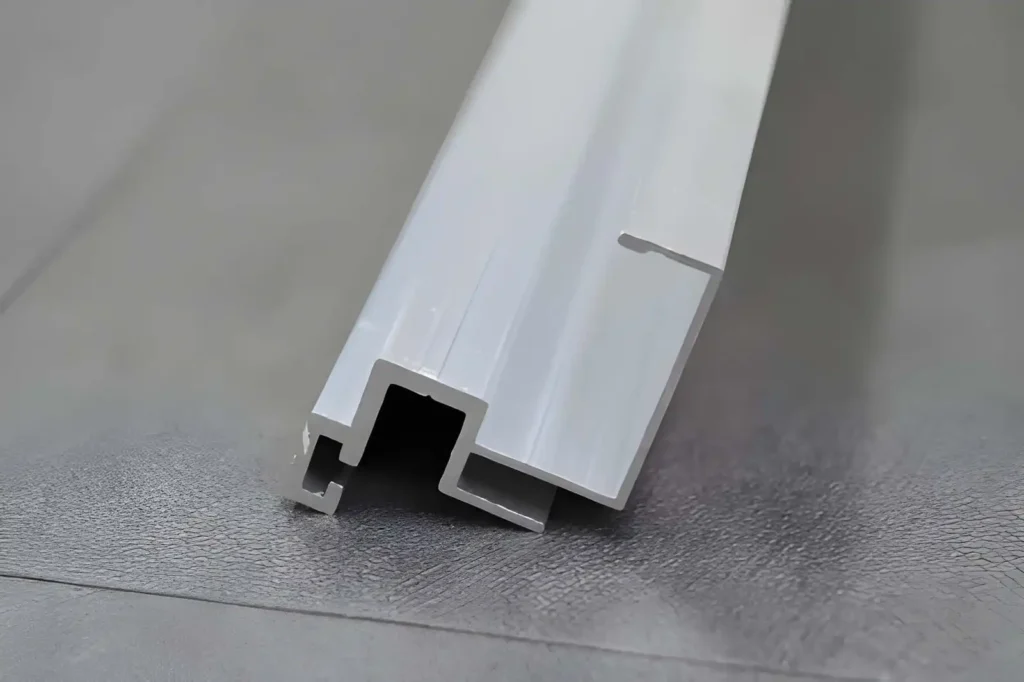
Aluminum extrusion profile
Aluminium is very easily extruded and provides a clean, consistent profile. For this reason, aluminium is commonly used to produce structural sections and frames.
Magnesium, on the other hand, is much more difficult to extrude due to its lower ductility. Therefore, when extruding Magnesium, tighter process control is necessary. Although Magnesium has been successfully extruded, it is not as frequently utilised in extrusion as aluminium.
Machining and Cutting Behaviour
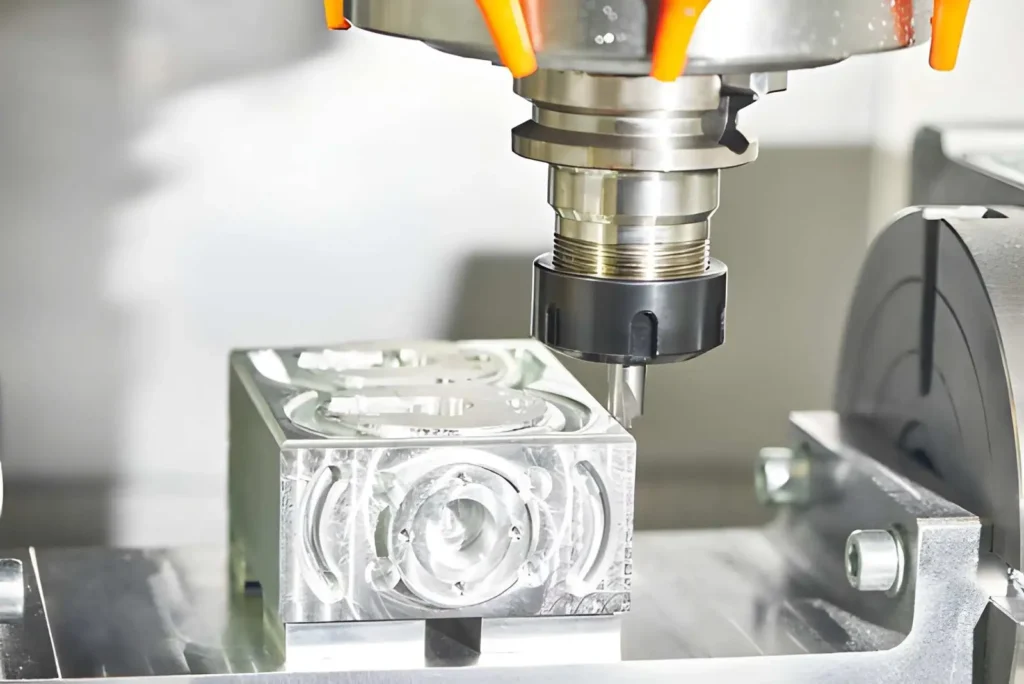
Magnesium CNC milling
Magnesium is much easier to machine and allows for higher cutting speeds. Additionally, due to the characteristics of Magnesium chips produced by machining, they generate less tool wear than aluminium chips. However, because chips generated during Magnesium machining are flammable, additional precautions are required.
Custom aluminum machining is commonly used to manufacture precision parts. Furthermore, due to aluminium’s greater stability during machining, it is safer than magnesium.
Welding and Joining Methods
Aluminium is easier to weld using common welding techniques (e.g., TIG, MIG) and is therefore widely used in structural and assembly applications. Magnesium is more difficult to weld due to oxidation and cracking risks. Therefore, Magnesium often requires welding in a controlled environment. Alternatively, Magnesium may require the use of different welding or joining techniques.
Magnesium Vs. Aluminum: Cost Considerations
Cost will be based on raw material costs, the time required to machine each part, and the time spent handling each part. In terms of actual processing, both materials have very different properties and behaviours.
Material Cost
Aluminium has a wider distribution channel than magnesium and is a more commonly used metal. Therefore, aluminium tends to be less expensive in virtually all markets. Magnesium is also less common; its raw material cost is usually higher than that of aluminium.
Processing and Machining Cost
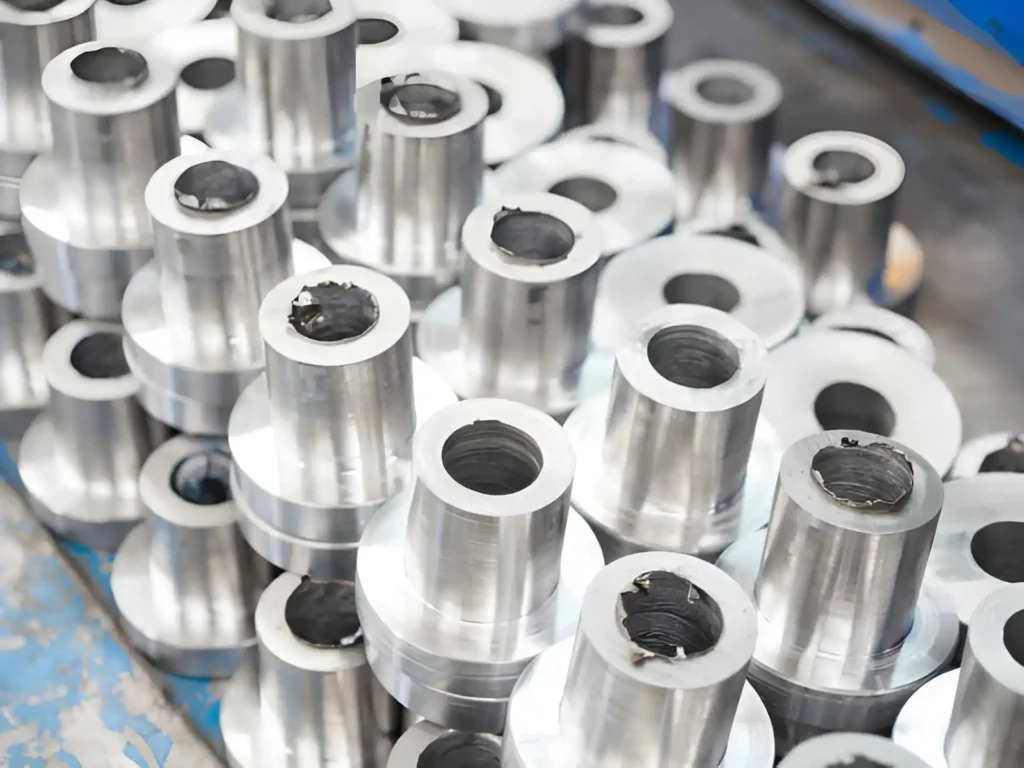
Magnesium CNC turned parts
Aluminium is easy to process and maintain consistency in production. Aluminium has relatively mild tool wear and requires minimal setup time. Magnesium processes quickly and can reduce overall machining time; however, it must be handled carefully because it presents a fire hazard.
Safety and Handling Cost
In addition to requiring an extra layer of safety measures during machining, magnesium chips can ignite if coolant and chip removal are not properly controlled. This can increase operational and setup costs. Aluminium generally does not require specific safety or handling procedures in almost all cases.
Overall Cost Efficiency
Aluminium is generally more cost-effective for standard production runs and large volume batches. However, magnesium can justify a higher cost if the ultimate goal is significant weight savings.
Aluminium Vs. Magnesium: Where Each One Makes Sense
The two lightweight metals are utilised for weight-loss purposes, but exhibit different behaviours in actual parts. Strength, heat resistance, and application will typically determine which metal to choose for a particular component.
Aluminum in Structural Parts
Aluminium is used in applications where strength is needed. Aluminium carries a heavier load than magnesium and remains stable during usage.
Aluminium is commonly used in the structural components of cars (frames, brackets, panels) and in aerospace components. In these cases, structural components need to be able to carry a load without deforming excessively. Aluminium provides an excellent trade-off between the amount of weight lost and the retained strength.
Aluminium in Cooling Parts
Aluminium is commonly used where rapid heat transfer is required. It transfers heat quickly from components and disperses it. Heat sinks, motor housings, and cooling fins are examples of components that utilise aluminium.
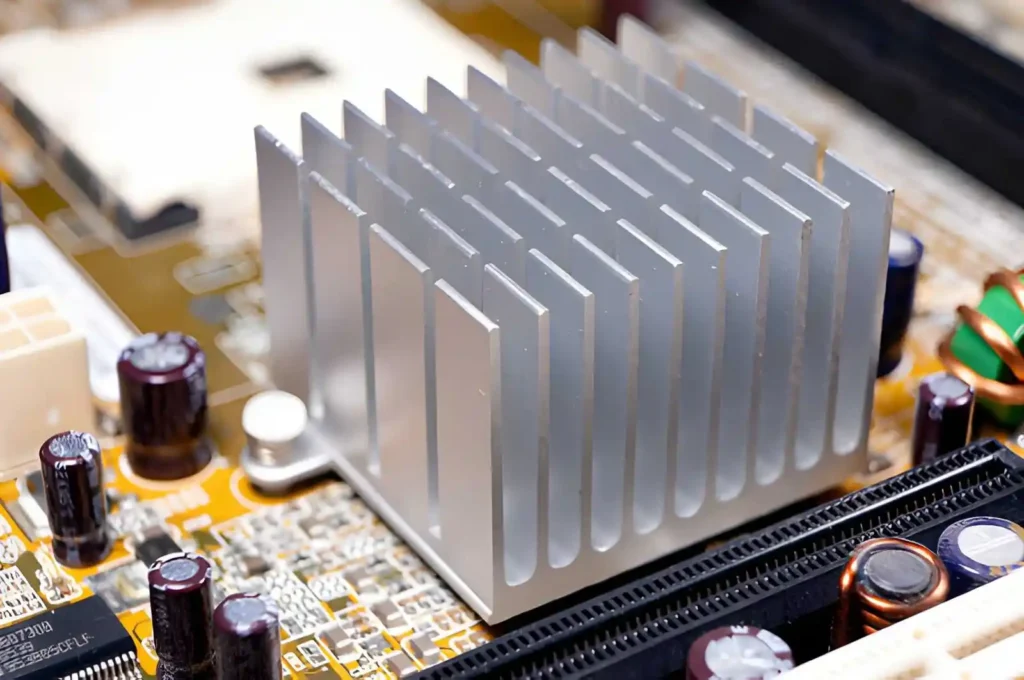
Aluminum heat sink
In many instances, components such as these can become quite warm. As such, rapid heat dissipation is critical. Aluminium performs better in terms of heat dissipation than does magnesium.
Where Aluminum Falls Short
Aluminium has limitations that make it less desirable in certain applications. For example, aluminium will experience excessive wear in frictional interfaces. When aluminium comes into contact with other components that are harder than it is, the aluminium will wear. To mitigate this problem, various coatings and/or insertions may be applied to the surface.
Additionally, aluminium loses its strength at elevated temperatures. When aluminium is heated above 100 – 150°C, it begins to lose its shape. Therefore, aluminium is generally not used in engine compartments or in high-temperature zones without a protective coating.
Magnesium in Lightweight Parts
When strength requirements are secondary to reducing overall system weight, magnesium is the material of choice. Magnesium is significantly lighter than aluminium; therefore, it is used to help minimise the overall weight of a system.
Magnesium is commonly used in the manufacturing of drone components, electronic component enclosures, and some automotive components. In most of these applications, the primary function of the components is to provide a housing or enclosure for the components they contain. They do not carry a significant load.
Magnesium in Electronics
Magnesium is commonly used in electronic component housings. Magnesium is a lightweight metal that also helps block electromagnetic interference.
Magnesium is used in laptop components, handheld device enclosures, and covers. Magnesium provides a means to shield internal components from electromagnetic interference while minimising the device’s weight.
Magnesium in Vibration-Sensitive Parts
Magnesium has a greater ability to absorb vibrations than does aluminium. This characteristic makes magnesium ideal for components that undergo rotation or vibration.
Magnesium is used in gearbox housings, in rotating components, and in some aerospace components. Magnesium reduces vibration-related noise and the stress that can build over time.
What to Actually Choose
- If the part carries a load, use aluminium.
- If heat is involved, use aluminium.
- If weight is the main issue, use magnesium.
- If vibration is a concern, magnesium can help.
Magnesium Vs. Aluminum: Which Metal Should You Use?
Most of the time, there isn’t a “better” or “best” answer. Instead, the best answer depends upon how the part will be used. That’s where selecting the correct material for your job comes into play.
When Weight Reduction Matters
Magnesium would be the better selection if every gram matters. Magnesium is significantly lighter than aluminium, helping reduce the product’s total weight. Drone components, portable devices, and lightweight frames are examples of parts that don’t need to support heavy loads but can take advantage of reduced weight.
When Strength and Durability Matter
The better option for applications that require structural integrity and durability would be Aluminum. In addition to providing greater strength than magnesium, it also provides excellent retention of its form over time.
Components made from aluminium include machine parts, vehicle body structures, and outdoor components. These components need to provide structural integrity and remain durable over long periods.
When Cost and Production Matter
Aluminium is generally cheaper than magnesium for manufacturing processes that involve large quantities. Aluminium is also relatively easy to locate and inexpensive to process. For this reason, manufacturers prefer aluminium for large-scale production. Aluminium’s lower material and manufacturing costs make it an ideal solution for maintaining low costs.
When Machining Is Important
Magnesium machines faster than aluminium and requires less load on the machining equipment; it is a preferred material for high-precision machining jobs. The ability to create parts with a superior surface finish enables fast machining rates, which are beneficial for producing high-quality products. However, as with all materials, machined magnesium has to be handled properly.
When Complex Casting Is Needed
Aluminium offers several advantages when producing cast parts with complex geometries. During the casting process, aluminium flows smoothly through moulds and is relatively easy to fill. As a result of these properties, aluminium is widely utilised in die-casting for the manufacture of parts used in the automotive industry.
Hazards of Machining Magnesium
Magnesium is relatively easy to machine, but it requires careful handling. Even small machining errors can lead to fire or create unacceptable safety concerns.
Fire Risk
The risk of fire for magnesium chips and magnesium dust is extremely high because they can ignite easily. The fire from magnesium burns at extreme temperatures and travels rapidly. You should never use water to extinguish a magnesium fire, as it could make the situation worse.
Chipping
Fine chips are generated when you cut magnesium. Chips tend to accumulate near your machining equipment. It is critical to remove these chips frequently. After removal, store magnesium chips in metal containers to prevent accumulation.
Final Thoughts
At Prolean Mfg, we have experience working with aluminium and magnesium through precision custom metal machining. Accuracy is key at our company, along with a focus on safety and consistent quality results in every job we do.
We will help you determine which material best suits your needs, and we can then manufacture it, whether that’s a prototype or a complete product.
Contact Prolean Mfg to discuss your CNC machining needs and get reliable, application-focused support.