
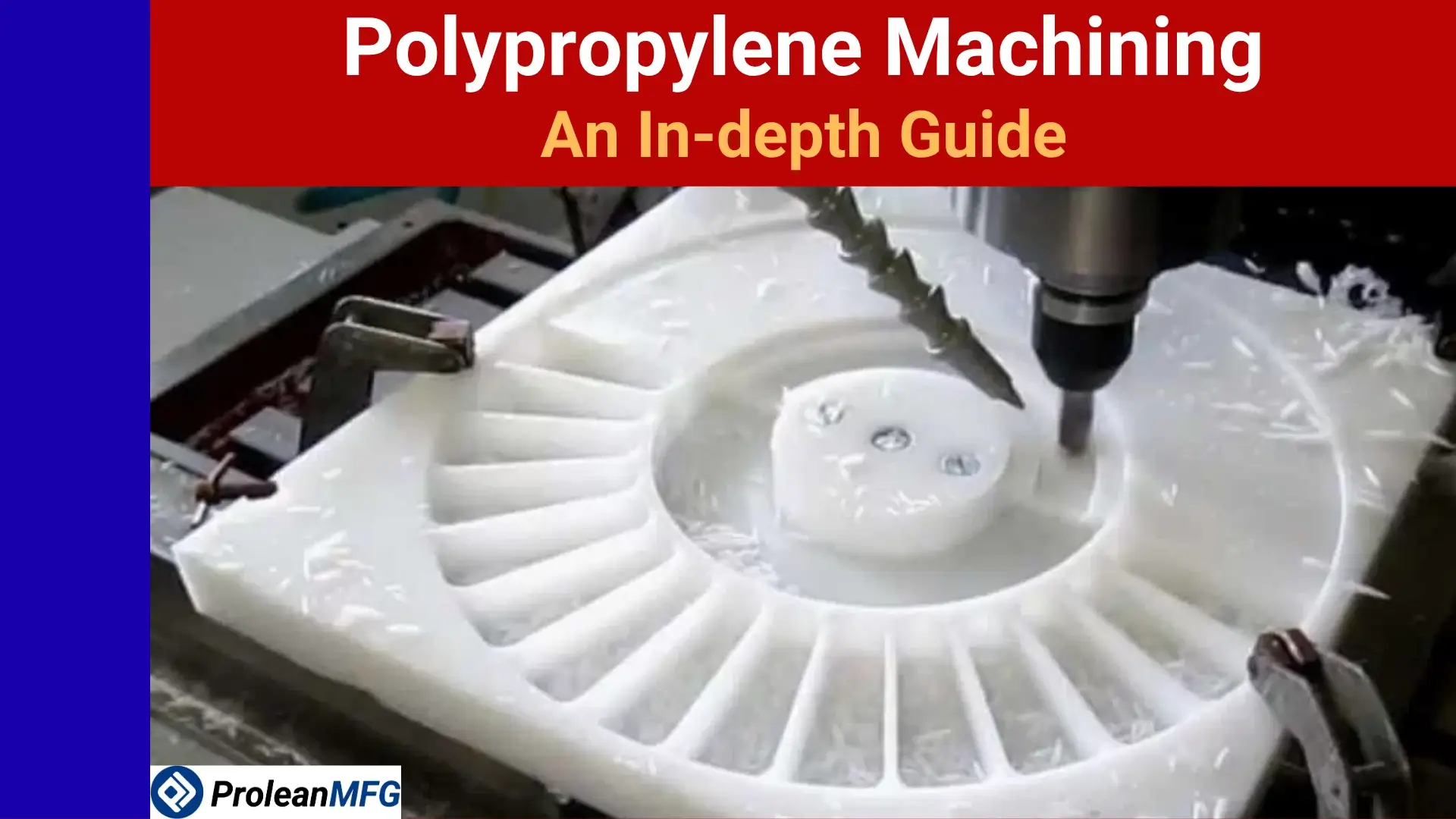

With tens of millions of metric tons of polypropylene manufactured annually, polypropylene plastic is a common feature in CNC machining shops globally. Polypropylene plastic CNC machining involves CNC turning, milling, drilling, and laser cutting of polypropylene into accurate parts for different industries, including automotive, consumer goods, and medical devices.
Polypropylene machined parts have high chemical resistance and low density. PP is a highly machinable material, but the process requires the right setup. If this process is done incorrectly, burrs, warps, and poor tolerances could occur.
Getting quality PP machined parts requires a balance of feed rate, spindle speed, depth of cut, and tooling type.
Read this machining guide for reasons and scenarios to machine PP, parameters that matter, common defects, and main applications of PP machined parts.
What is Polypropylene (PP)?
Polypropylene (PP) is a low-density, high-strength commodity plastic widely used in the automotive, medical, and consumer goods industries.
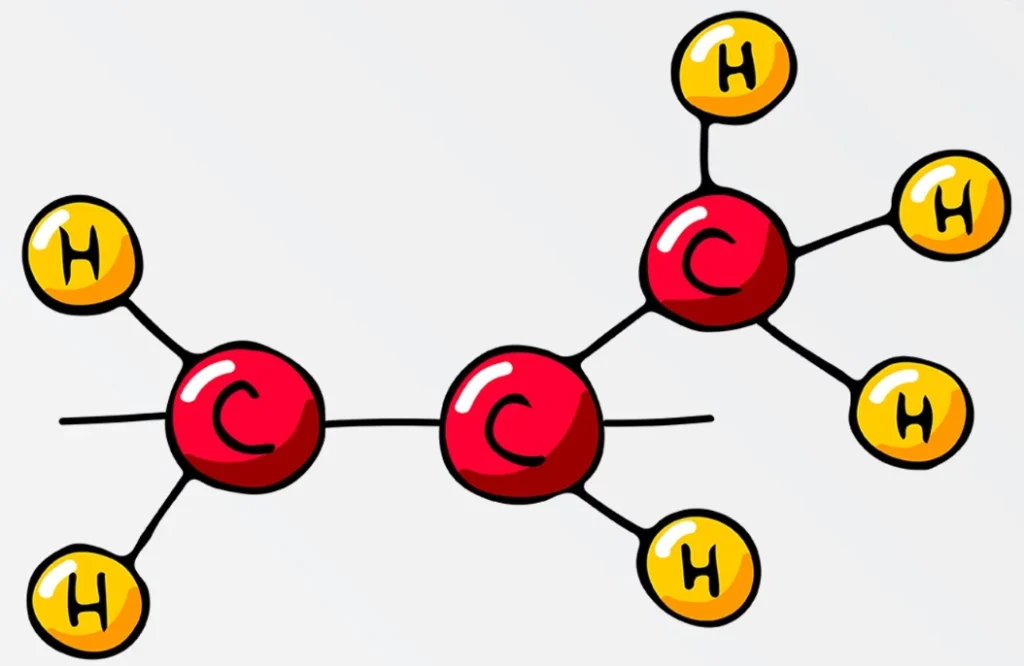
With the chemical formula (C3H6)n, this plastic is a product of the polymerization of the propene monomer. Depending on its production and formulation, PP can be conductive or insulating, soft or hard, light or heavy, and transparent or opaque.
Polypropylene Homopolymer vs Copolymer
For Polypropylene machining, the decision is about polypropylene homopolymer vs copolymer, the two main categories of PP. These materials are distinguished by machinability, rigidity, and impact resistance.
Polypropylene Homopolymer – Higher melting point and higher rigidity
Polypropylene Copolymer – Enhanced flexibility and impact resistance, but less rigidity
As a thermoplastic material, polypropylene can be heated and reshaped many times, with the original polypropylene properties staying intact. This, combined with the excellent chemical, physical, and mechanical properties, makes PP one of the most widely used thermoplastics.
The electrical, mechanical, and thermal polypropylene properties are summarized in the tables below.
Electrical Properties of Polypropylene
| Dielectric Constant Î106 Hz | 2.25 |
| Dielectric loss factor tand 106 Hz | 0.0002 |
| Volume Resistance W.cm | >1017 |
| Surface Resistance W | >1013 |
| Dielectric Strength kV/mm | 100 |
| Moisture Absorption % (at 50%RH) | 0.01 |
Mechanical Properties of Polypropylene
| Density ρ (g/cm3 ) | 0.91 |
| Tensile Strength at Yield s (MPa) | 35 |
| Elongation at Break % | 650 |
| Modulus of Elasticity Tensile Et (Mpa) | 1300 |
| Modulus of Elasticity Bending Eb (Mpa) | – |
| Impact Strength kJ/mm2 | NO BREAK |
| Hardness Ball Indent | 80 |
| Creep 1 % after 1000hr MPa | 22 |
| Coefficient of friction against steel, m | 0.3 |
Thermal Properties of Polypropylene
| Melting Point °C | 165 |
| Glass Transition Temperature °C | -18 |
| Thermal Conductivity W/M°C | 0.22 |
| Specific Heat J/(g.K) | 1.7 |
| Coefficient of Linear Expansion α 10-6 .°K | 110 |
| Safe Working Temp. Short Term °C | 100 |
| Safe Working Temp. Continuous °C | 65 |
[1]
Reasons for CNC Machining for Polypropylene?
Polypropylene is often processed by CNC machining for dimensional accuracy, low volume, design flexibility, non-porosity, chemical resistance, and prototyping speed.
- Dimensional accuracy – Machining holds tighter tolerances than injection molding, particularly for low-volume PP parts
- Low volume – It is an economical manufacturing method for low-volume parts
- Design flexibility – Design revisions are easy to incorporate between iterations without the need for tooling investment
- Non-porosity – The non-porosity of PP machined parts is essential in medical and fluid-handling applications.
- Chemical resistance – PP is resistant to acids, solvents, and bases. The material’s chemical structure remains unchanged during machining.
- Prototyping speed – The transition from a digital model to a physical part takes a few days.
Limitations of CNC Machining for Polypropylene?
The limitations of CNC machining polypropylene include heat sensitivity, poor dimensional stability, tight tolerance ceiling, and low rigidity. This shows that the material’s own properties, not the machining process, are the main triggers of machining issues.
Heat Sensitivity – PP has a low melting point of 165°C, so machining PP should be accompanied by adequate cooling.
Poor Dimensional Stability – With its high coefficient of linear expansion, PP machined parts can easily shift dimensions when the internal stresses relax.
Tight Tolerance Ceiling – The material’s thermal expansion and flexibility can limit the possible tolerances. It achieves lower tolerances than metals and more rigid plastics.
Low Rigidity – Low rigidity comes from the low modulus of elasticity. Thin walls of PP machined parts can easily flex during cutting.
Common CNC Machining Methods for Polypropylene
CNC turning, CNC milling, laser cutting, tapping, and drilling are the leading CNC machining technologies for polypropylene.
CNC Turning
This method is used to produce rotationally symmetric parts. Examples of such parts are shafts, rollers, and bushings.
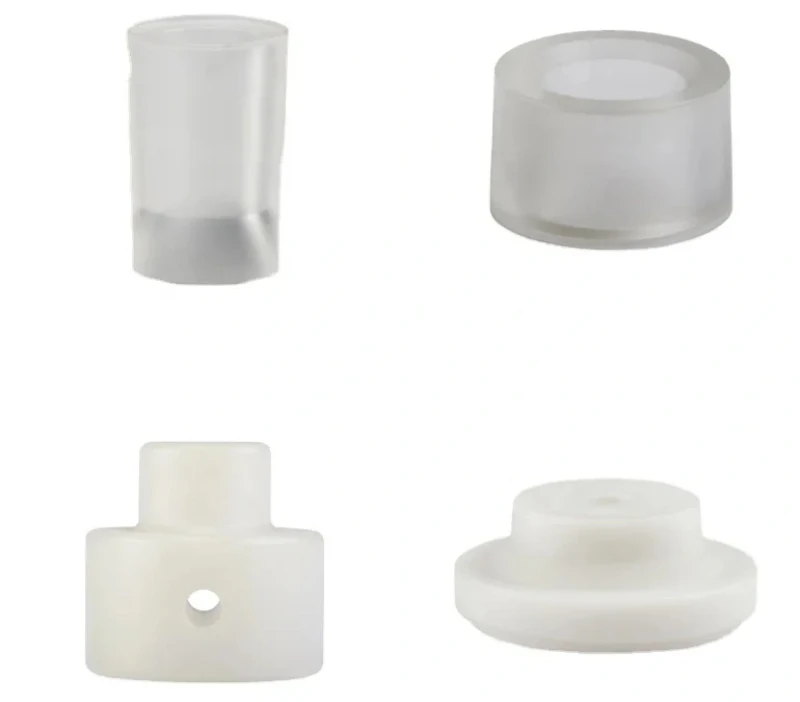
Fast feeds and speeds are required in PP CNC turning to prevent foul boxing of turning tools. Enough side and end clearance is required, as well as a positive tool rake.
CNC Milling
CNC milling is easily the most common machining method for this plastic. It is the ideal process for producing flat, contoured parts.
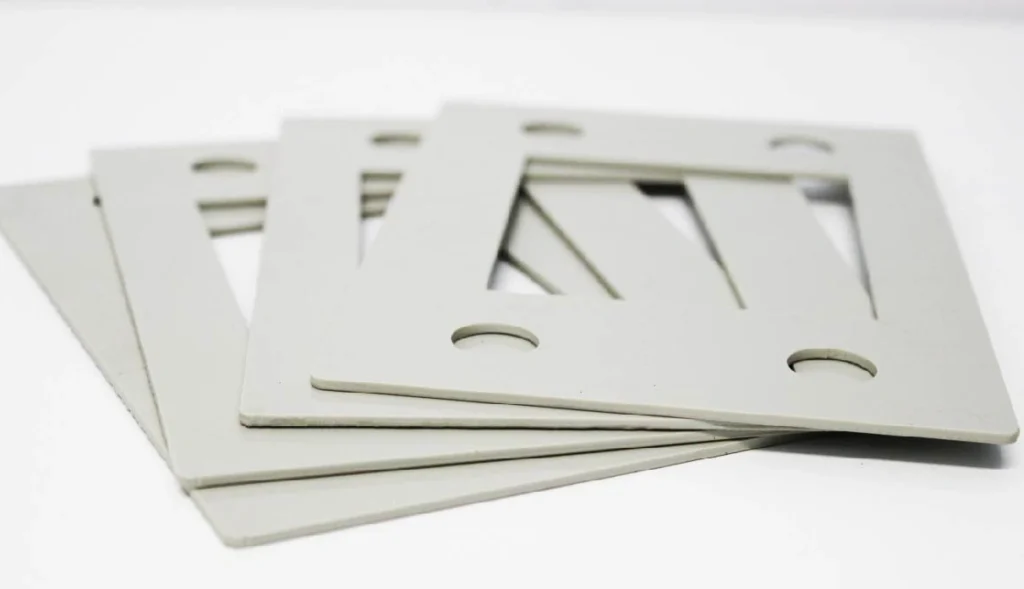
Laser cutting
A laser cutting machine is used to cut PP parts fast. Edge quality may not be that impressive, but the severity of this challenge depends on the PP grade.
Tapping
Tapping is a method of cutting internal threads in a PP part. It is generally a slow machining process because the soft PP can easily strip threads at higher speeds.
Taps with three polished flutes are ideal for chip removal in polypropylene tapping.[2]
Drilling
Drilling is the preferred machining method for producing holes in polypropylene. Since the chip problem is rife for this material, special plastic drills with polished flutes are recommended.
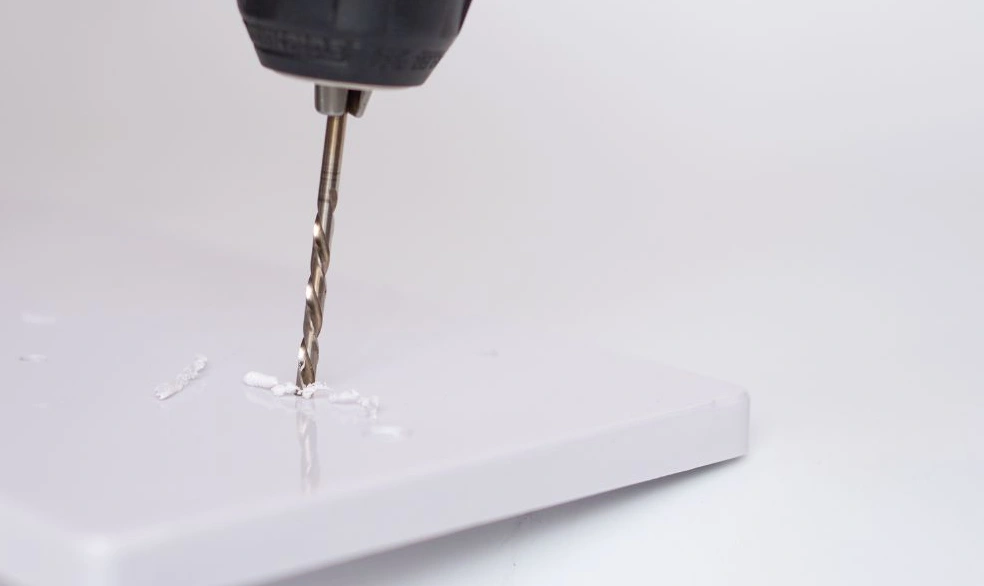
Pointed drills (90° included angle) should be used for small holes. The drill angles for small walls should be 180° to prevent side-spreading. [2]
Polypropylene Machining Important Parameters
For PP machining, the key processes are milling and turning, with parameters such as spindle speed, feed rate, material removal rate, and depth of cut considered.
Below is a summary of these parameters under each machining process.
Polypropylene CNC Milling
- 4,000 to 12,000 RPM spindle speed
- 200 to 1,500 mm/min feed rate
- Balanced surface quality and material removal
- Shallow depth of cut – about 0.2 to 1.5 mm per pass
Polypropylene CNC Turning
- Spindle speeds of 1,000 to 4,000 RPM
- Feed rates of 0.1 to 0.5 mm per revolution
Polypropylene Machining Best Practices
Here are some best practices for effective polypropylene machining:
- Use sharp carbide tools with high rake angles to prevent material tearing. Shearing is the recommended cutting mechanism.
- Use tooling with positive front angles to minimize heat generation and cutting force
- Apply secure but careful clamping because excessive clamping deforms PP
- Anneal PP at 80-100°C before machining. This relieves internal stresses and reduces warping during CNC machining.
- Perform regular inspection and replacement of cutting tools. Dull tools are a major cause of heat generation during CNC machining.
Common Challenges in Polypropylene Machining
Chip adhesion, thermal deformation, surface burrs, and uneven surfaces are serious challenges in PP machining.
- Chip Adhesion – Chips tend to melt and stick to tools in PP machining. The operator may have to constantly remove the chips by hand. The chips are usually in long ribbons.
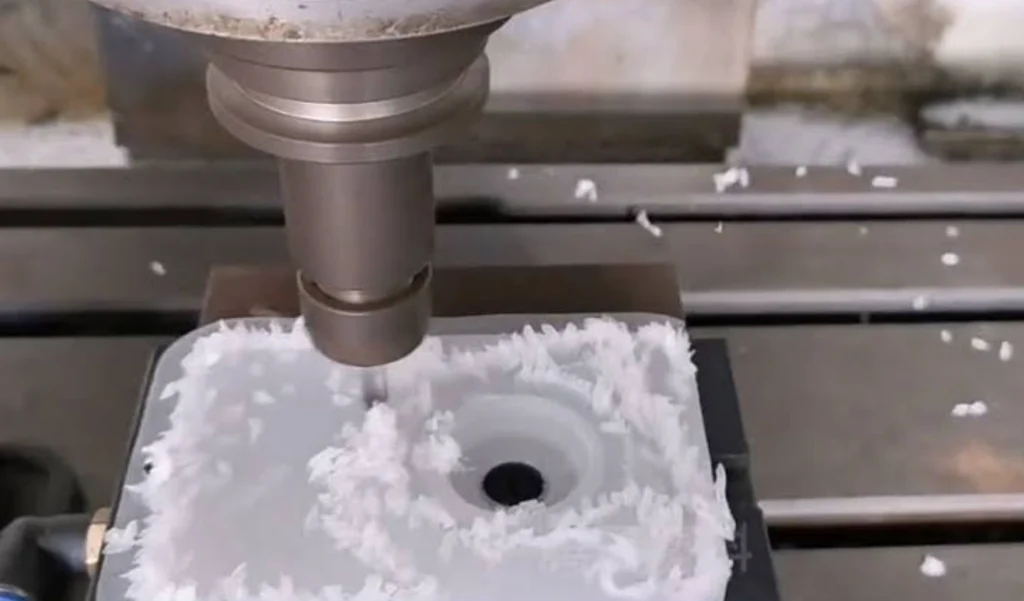
- Thermal deformation – It is difficult to hold size for polypropylene during machining because the plastic must be held tightly. Excessive heat generation can cause the plastic to expand. Operators are advised to use copious amounts of coolant. Frictional heat should also be managed.
- Surface Burrs – PP is ductile, a property that promotes burr formation at the edges during machining.
- Uneven Surface – The surface finish may have variations, and tool marks may be visible in case of tool wear or inconsistent feed rate.
Surface Treatment for Polypropylene Machining
PP machining is typically accompanied by surface treatment such as annealing polypropylene, deburring, cleaning, laser marking, and surface activation.
- Annealing Polypropylene – This stress relief method is required to improve the dimensional stability of CNC machined PP parts
- Deburring – The process removes the burrs left on the edges of the material due to the ductile behaviour
- Cleaning – PP should be cleaned to remove coolant and chip remnants before it can be processed further
- Laser marking – Laser marking is preferred for permanent marking because it doesn’t affect the material’s chemical resistance.
- Surface activation – This is the application of plasma or flame treatment on PP to activate the chemically inert material before bonding.
Main Applications of Polypropylene Machining
Depending on your industry, PP machining may apply to prototyping, low-volume production, chemical processing, plumbing/fluid handling, consumer and packaging applications, and medical and laboratory equipment.
Prototyping Polypropylene Application
Polypropylene machining is common in rapid iteration, an important production process before the manufacturer commits to permanent mold tooling.
Engineers use machined PP prototypes to test fit and function on the material – the actual one, not resin.
Low-Volume Production Polypropylene Application
Polypropylene machining is economical for low-production runs where expensive tooling solutions are not justified.
This application concerns orders below 100, for example, spare parts and niche parts.
Chemical Processing Polypropylene Application
In chemical processing, tanks and fittings are made from polypropylene to safeguard against acid and solvent damage.
Machined PP seals and threads hold up against repeated exposure and use without damage or degradation.
Plumbing/fluid Handling Polypropylene Application
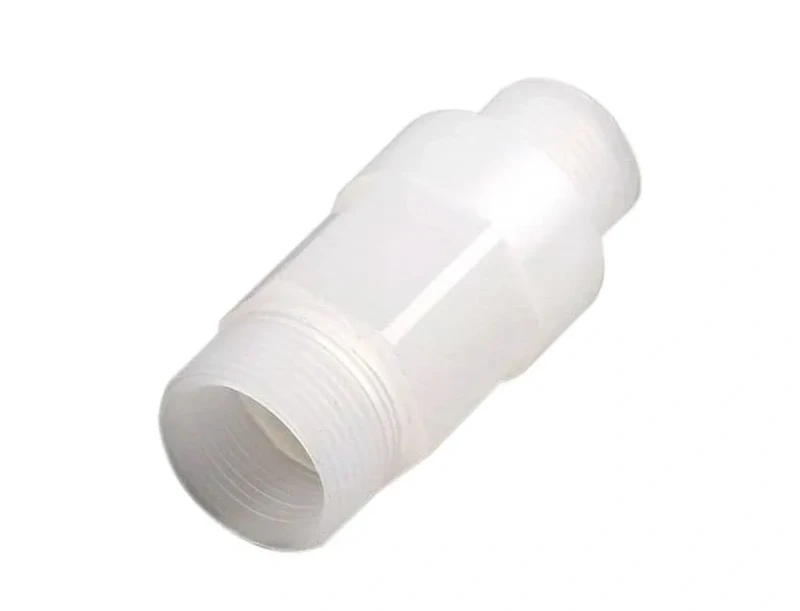
The chemical and water resistance of PP is useful in the performance of fittings, housings, and valves used in plumbing and fluid-handling sectors. Tight tolerance machining is required for leak-free connections.
Consumer and Packaging Polypropylene Application
Examples of these are custom closures and housings. As they are handled and transported frequently, the lightweight, impact-resistant PP parts remain in good condition.
Medical and Laboratory Equipment Polypropylene Application
Whether in the laboratory or general medical environment, the non-porous and sterilizable nature of PP comes in handy. Consider also the use in autoclaves. Equipment and tools stored in the machine can be safely reused after reprocessing.
How is Polypropylene Made?
Here are the core stages of polypropylene manufacturing:
Stage 1: Raw material sourcing and preparation
Stage 2: Polymerization
Stage 3: Quenching and separating
Stage 4: Pelletizing and finishing
Conclusion
CNC machining polypropylene is mainly about the expert management of the plastic’s properties and challenges, such as dimensional drift, heat sensitivity, and low rigidity. With the correct machining parameters, pre-process annealing, and quality tooling, these tendencies are no longer problems.
PP machining is widely used in medical, low-volume runs, and prototyping applications, where the material’s corrosion resistance and non-porous properties outweigh the limitations.
Do you have the specs and now want to get a tangible PP machined part? PP’s low rigidity and heat sensitivity don’t have to compromise your project. Proper process control and tooling selection often help.
Upload the design so we can review its manufacturability and give you a quote within 24 hours. Our CNC machining service experts are ready to check the grade, tolerance, and finish options before you can commit to a production run.
If you require more consultations or advice, be sure to engage our plastic CNC machining experts anytime.
Resources
[2]. https://www.pmpa.org/wp-content/uploads/2021/04/PMPA-Plastics-Machining-Manual.pdf