
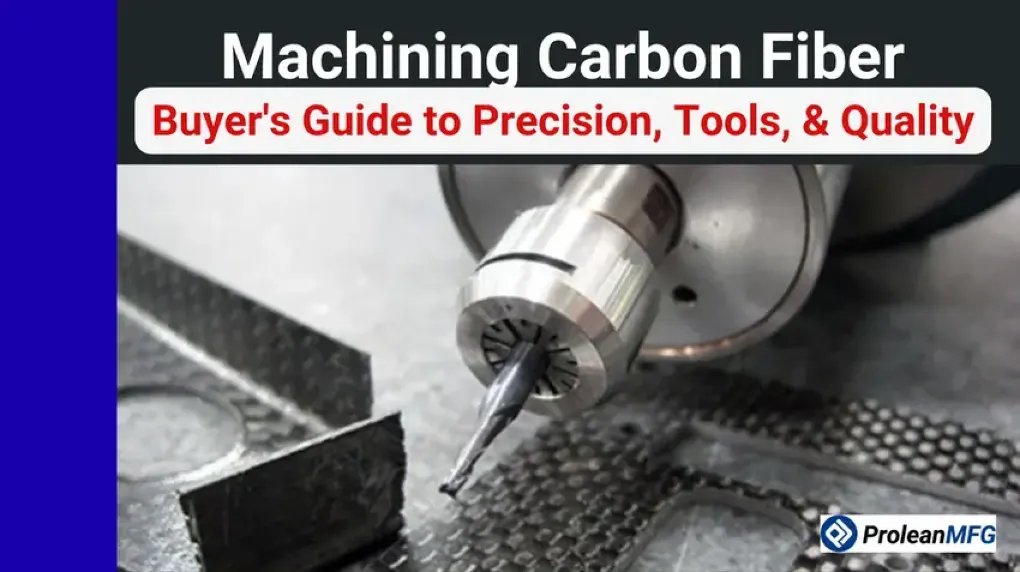

Machining carbon fiber entails turning, milling, routing, drilling, laser cutting, and waterjet cutting of carbon fiber, which is a composite of polymer resin and carbon fibers. This process is popular across automotive, marine, aerospace, and many other industries. The machined carbon parts are rigid, durable, and have a high strength-to-weight ratio.
However, there is the challenge of the layered, resin matrix of carbon fiber being abrasive. To counter the resulting challenges, including poor surface finish, delamination, and tool wear, we provide expert CNC machining of carbon fiber.
Following the best practices of machining carbon fiber is the benchmark of a quality carbon fiber machining service. These include HEPA filtration systems, air blast cooling, sharp polycrystalline diamond (PCD) tools, and optimized cutting parameters.
This article explores the fundamentals of machining carbon fiber. By applying the strategies suggested here, businesses can ensure they get accurate and high-quality carbon fiber parts.
What is Carbon Fiber?
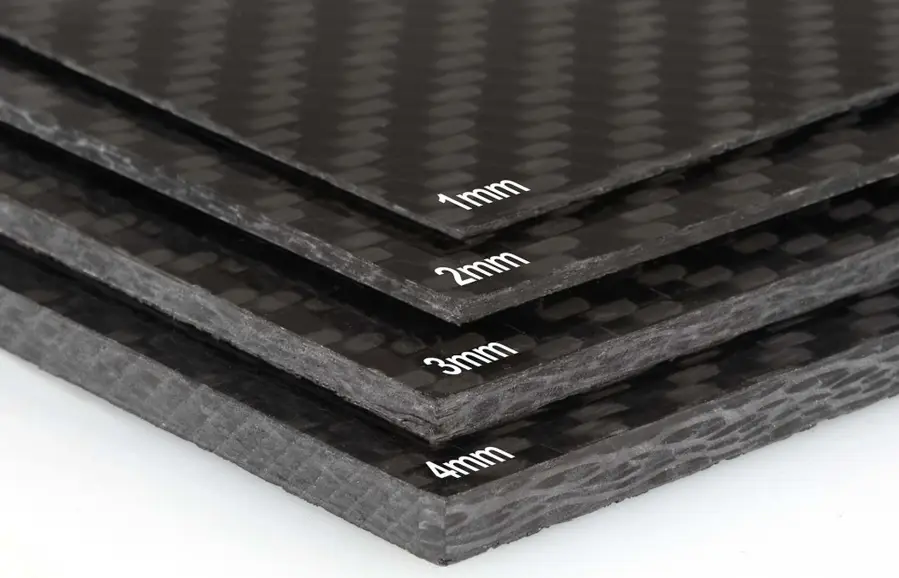
Carbon fiber sheets
Carbon fiber is a lightweight composite material composed of thin carbon filaments. Plastic polymer resin joins these filaments to produce the composite in a vacuumized, pressurized, or heated environment.
The complexity of the weave determines the strength of carbon fiber. If the weave is more complex, the composite is stronger and more durable.
Now imagine the weave placed in liquid plastic, and heated or pressurized to fusion. The type of resin and the angle of weave will affect the overall strength of the composite. Carbon fiber is usually made from epoxy as the resin. [1]
Properties of Carbon Fiber
Carbon fiber is recognizable by its brittleness, creep resistance, low weight, strength, and fatigue resistance. The composite also has a standout strength-to-weight ratio – outdoes many metals.
Machining-relevant mechanical properties of carbon fiber
| Property | Effect on the Machining Process |
| Brittleness | Risk of cracking and delamination |
| Creep Resistance | Dimensionally stable. Suits tight-tolerant parts. |
| Lightweight | Can vibrate during machining; complex fixturing is required |
| High tensile strength | Machining is best done using sharp, wear-resistant tools |
| Fatigue Resistance | Dependable performance in cyclic loading applications |
The Non-Mechanical Properties of Carbon Fiber:
Carbon fiber is corrosion resistant, non-toxic, non-flammable, and electrically conductive.
Corrosion Resistance – No surface treatment is required in many applications – reduces post-machining cost.
Non-Toxicity – Carbon fiber is non-toxic as a bulk material. However, there are several hazards connected to machining carbon fiber.
Non-Flammability – Carbon fiber is thermally stable. However, resin degradation can still occur due to frictional heating during machining.
Electrical Conductivity – This property is relevant in EMI (Electromagnetic Interference) shielding and grounding applications.
Can You Cut Carbon Fiber on a CNC?
Yes, you can cut carbon fiber on a CNC machine. We use this method to produce parts for aerospace, automotive, sporting goods, and many other industrial applications.
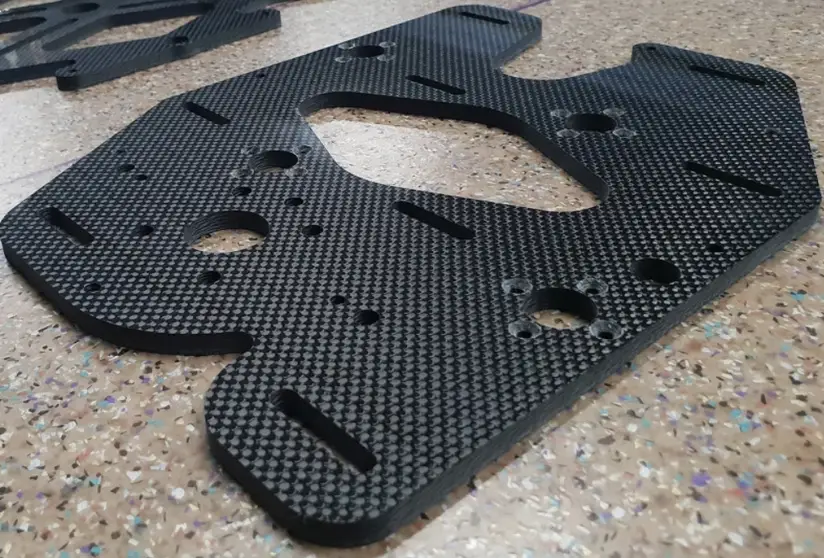
Machined carbon fiber part
However, given the uniqueness of carbon fiber, the machining process follows particular techniques using special tools. The tools should be wear-resistant and sharp. Examples of such tools are the diamond-coated ones.
The feeds and CNC cutting carbon fiber speeds must be optimized. The CNC machine should be rigid enough, and the process should involve a robust dust extraction process to deal with the carbon fiber dust hazards.
The default machining settings are difficult to give. It all depends on the nature or type of parts you want to achieve. The CNC milling settings largely depend on the type of cutter and the thickness of the carbon fiber sheet.
From experience, a cutting speed of 60–180 m/min will comfortably and safely machine most carbon fiber sheets, particularly with carbide tools.
So, in short, there are usually no default machining settings for carbon fiber projects. This is where machining prowess from carbon fiber machining service experts comes in.
Nonetheless, there are usually conservative parameters that even experienced machinists start with.
The specific techniques and equipment used in machining carbon fiber are discussed next.
Main Precision Machining Techniques for Carbon Fiber
The preferred machining techniques for carbon fiber are CNC milling carbon fiber, CNC routing carbon fiber, CNC drilling carbon fiber, laser cutting carbon fiber, and waterjet cutting carbon fiber. We base the selection of the machining method on the production volume, part geometry, and tolerance requirements.
CNC Turning Carbon Fiber
CNC turning carbon fiber is a popular process in the production of cylindrical components. The carbon fiber workpiece rotates as a cutting tool removes material. Cemented carbide and polycrystalline diamond tools are commonly used.
CNC Milling Carbon Fiber
CNC milling carbon fiber is a versatile technique used to produce surface finishes, profiles, and pockets. It is ideal for complex geometries. Stable milling carbon fiber processes can achieve tolerances of up to ±0.05 to 0.1 mm.
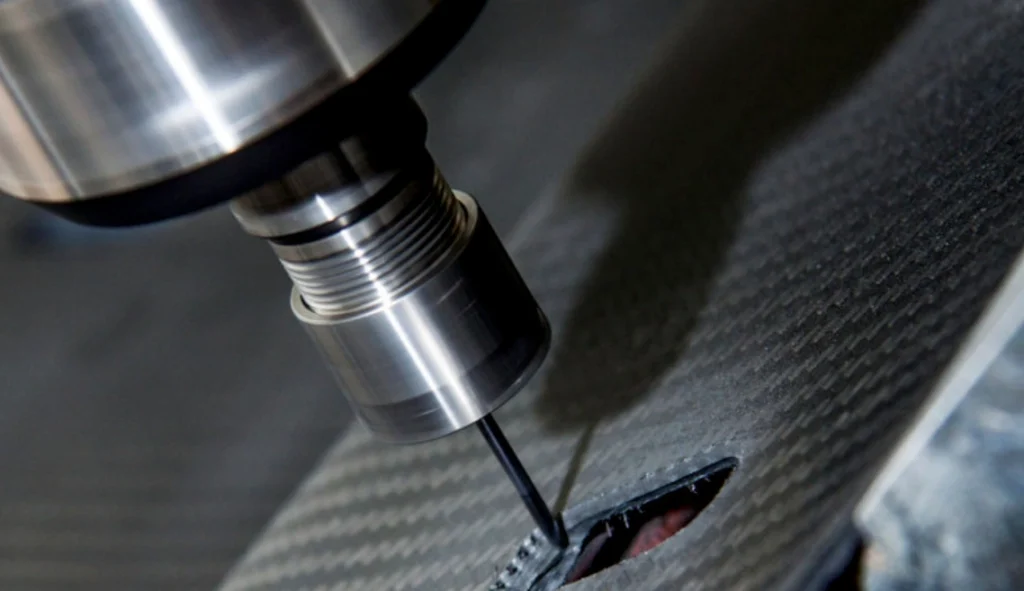
Milling carbon fiber
CNC Routing Carbon Fiber
CNC routing carbon fiber is instrumental in the fast CNC cutting of carbon fiber sheets. Its main limitation is that it doesn’t deliver high-tolerance features. The technique is commonly used in automotive bodies, aerospace skins, and drone parts.
CNC Drilling Carbon Fiber
CNC drilling carbon fiber is considered a high-risk operation. Machinists are mostly worried about delamination on the exit side. Fortunately, there are mitigation measures, including a lower feed rate, the use of backup material, and the use of peck drilling cycles.
These measures are critical. Uncontrolled drilling causes scrap in many machined carbon fiber parts.
Laser Cutting Carbon Fiber
Laser cutting carbon fiber is preferred for CNC cutting carbon fiber sheets. It is a fast and accurate technique. This method is mostly recommended for non-structural applications because the cut edges have resin char.
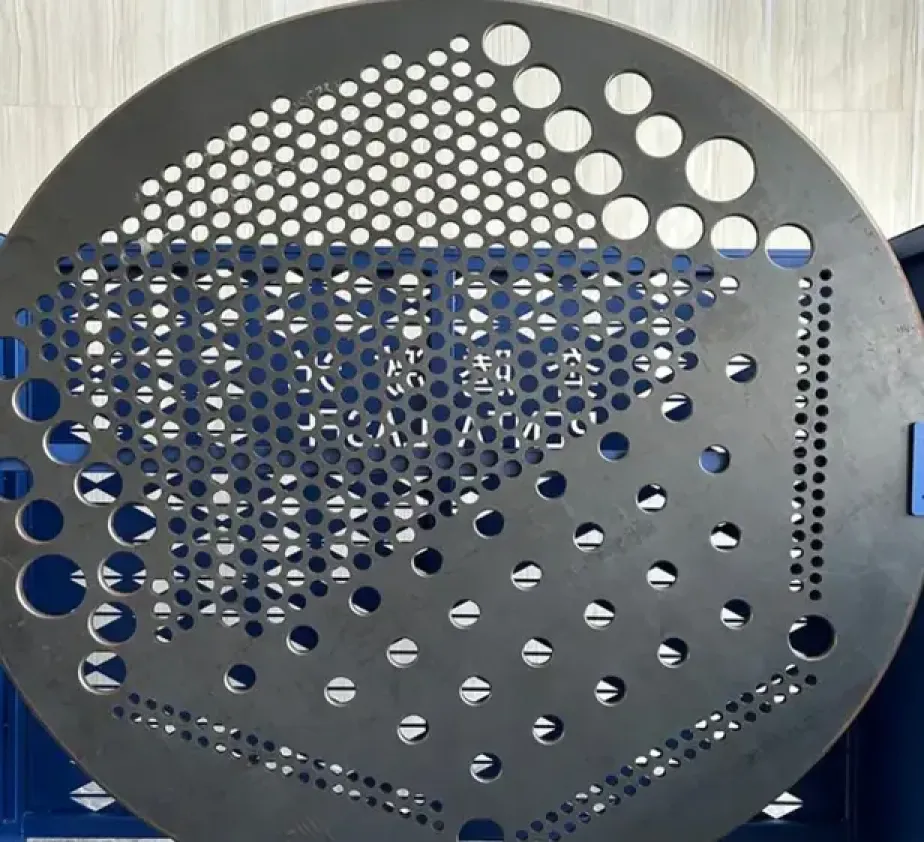
Laser-cut carbon fiber part
Bonding is hampered by these edges. So, if you are planning to use structural bonding, we would recommend mechanical or waterjet cutting. These methods are safer.
Waterjet Cutting Carbon Fiber
Waterjet cutting carbon fiber is a cold cutting process, which eliminates the heat-affected zone (HAZ). There is also no tool wear or resin scorching. The technique is reliable where edge quality is critical.
Consider a different technology if you are interested in 3D features or tight tolerances. Note also that carbon fiber is moisture-absorbent. It might be necessary to dry the material after cutting, before assembly or joining.
Precision Machining Tools for Carbon Fiber
The most popular machining tools for carbon fiber are diamond-coated solid carbide end mills, polycrystalline diamond (PCD) cutters, and solid carbide with polished flutes.
| Precision Machining Tool | Suitability |
| Diamond-Coated Solid Carbide End Mills | Suitable for lower-cost projects and lower production runs |
| Polycrystalline Diamond (PCD) Cutters | High-volume production, superior wear resistance, long tool life |
| Solid Carbide with Polished Flutes | Suitable for prototyping and short production runs |
Advantages of Precision-Machined Carbon Fiber Parts
The main advantages of precision machining carbon fiber parts are:
- UV resistance – Machined carbon fiber parts don’t necessarily require a protective coating in standard service environments. This can minimize life cycle costs.
- High dimensional stability – With its low coefficient of thermal expansion (CTE), carbon fiber provides tolerance stability.
- Easy to machine
- High & low temperature resistance – The material offers stable performance at both elevated and cryogenic temperatures.
- Good aesthetics – Many OEM applications accept weave finishes. Coating costs and timelines can be avoided.
- Large size – The part can be as big as 3000x1500mm
- High wear resistance – the coefficient of friction is very low
Limitations of Precision-Machined Carbon Fiber Parts
The main limitations of machined carbon fiber parts revolve around their proneness to shattering and relatively high cost.
- Shattering or Breaking – Machined carbon fiber parts will shatter or break when their impact or strength limits are exceeded. The risk increases around machined holes and related features. Indicate in your drawings the hole-to-edge ratio. Specify also allowable edge distances. This helps the machinist decide whether the design is structurally feasible.
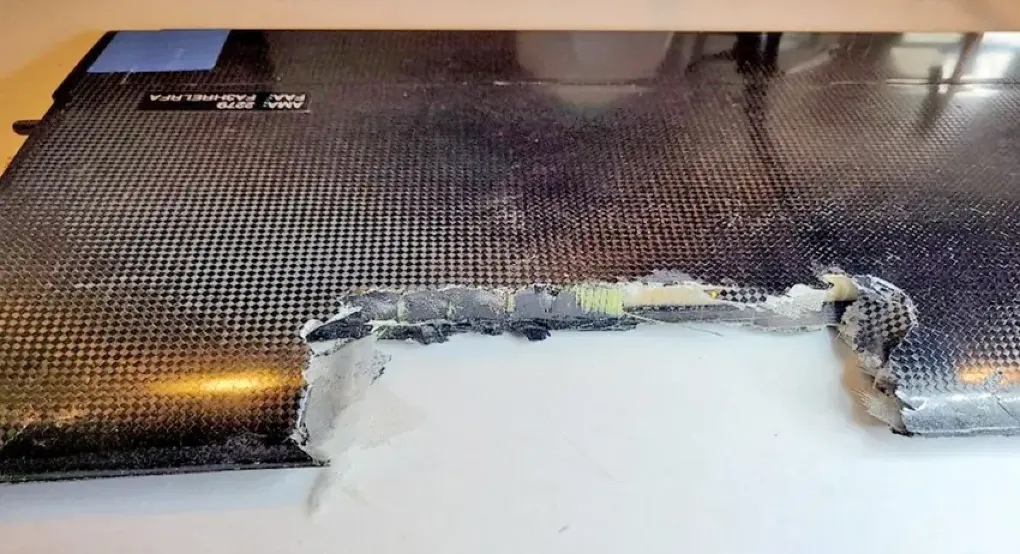
Damaged carbon fiber part
- Relatively High Cost – As a premium material, carbon fiber is relatively pricey. Prices may have dropped in recent years, but the demand is still too low to trigger a substantial increase.
Applications of Machined Carbon Fiber Parts
Machined carbon fiber parts are commonly used in automotive, aerospace, sports equipment, drones, robotics, and tooling applications, among other areas.
Automotive Carbon Fiber Parts
Interior trim panels, brake system parts, and diffusers are notable examples of carbon fiber applications in this expansive industry. This industry values low weight and structural performance, so machined carbon fiber parts are perfect.
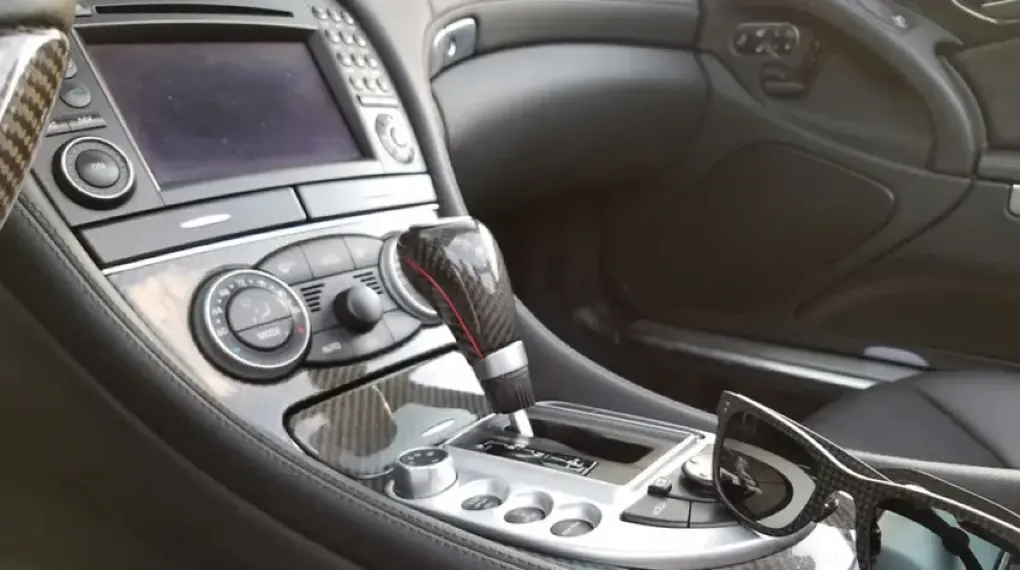
Carbon fiber in automotive
Aerospace Carbon Fiber Parts
Low weight and performance are also key considerations in aerospace, which brings to focus parts such as fairings, brackets, interior panels, and UAV airframe parts.
Carbon Fiber for Sports Equipment
The strength, surface finish, and high tolerance of machined carbon fiber are used for products such as golf shafts, cycling frames, racquet frames, and rowing shells.
Carbon Fiber for Drones
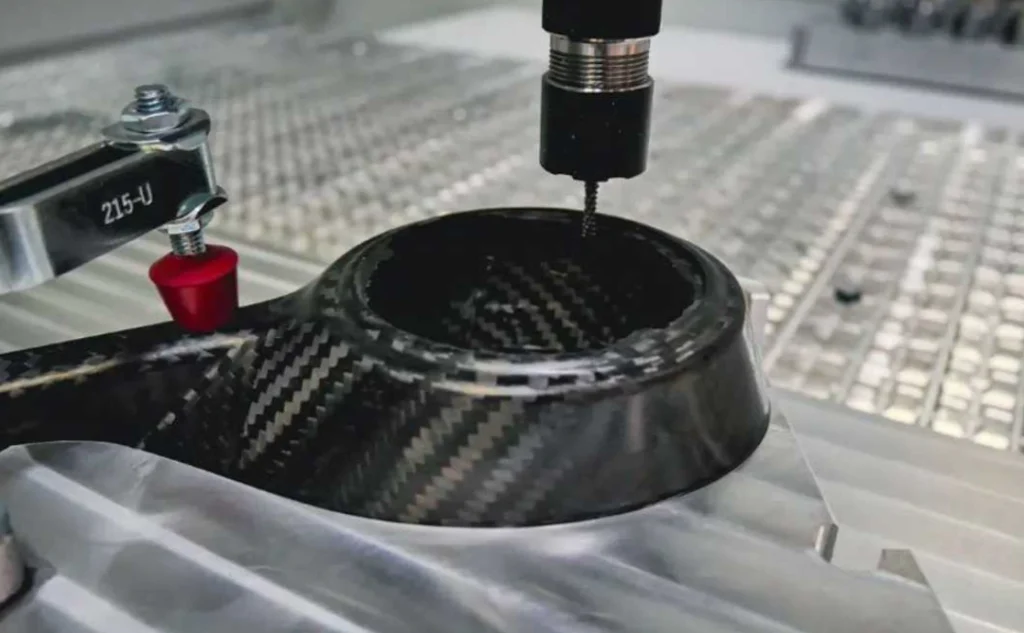
Machining a carbon fiber part for drone
Popular drone parts machined from carbon fiber are arms, airframes, and motor mounts. We use the material to produce low-weight, stiff, and vibration-damping parts using advanced carbon fiber machining service.
Carbon Fiber for Robotics
Machined carbon fiber parts for robotics include structural frames and links.
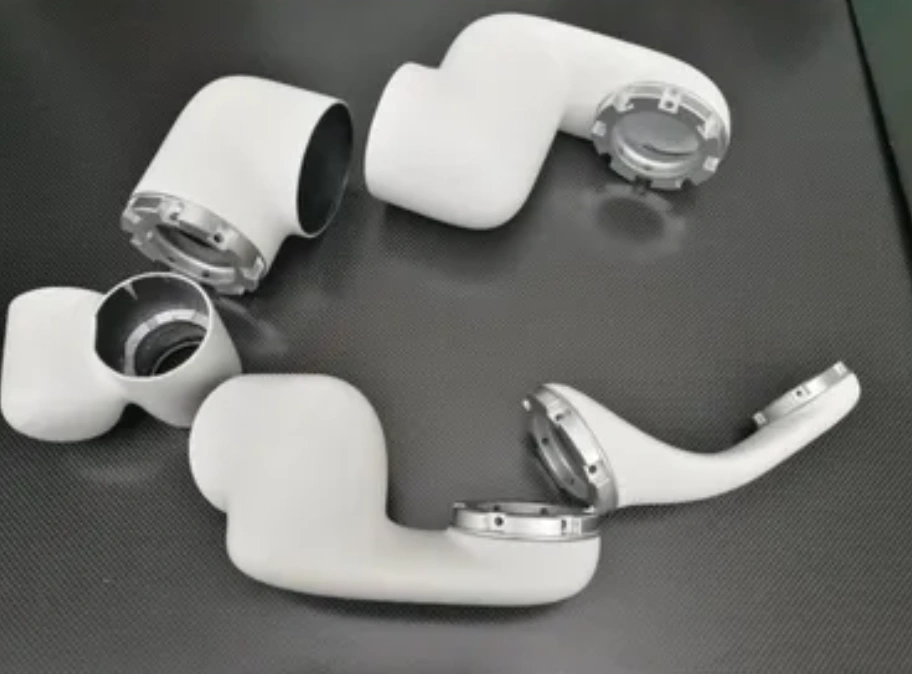
Carbon fiber robot arms
Carbon Fiber for Tooling
Tooling solutions made from carbon fiber include fixtures, jigs, and vacuum tooling. Where multiple thermal cycles are involved, carbon fiber offers better dimensional stability than metals such as steel and aluminum.
Is Carbon Fiber Hard to Machine? Challenges and Solutions
Yes, carbon fiber is relatively harder to machine than other common CNC machining materials, such as stainless steel and aluminum. You can tell this from recurrent issues such as delamination, tool wear, heat generation, dimensional inaccuracies, and poor surface finish.
Delamination
This is the most significant failure mode during CNC cutting carbon fiber. It occurs when the interlaminar bond strength is less than the cutting forces. This commonly occurs at part edges and hole exits.
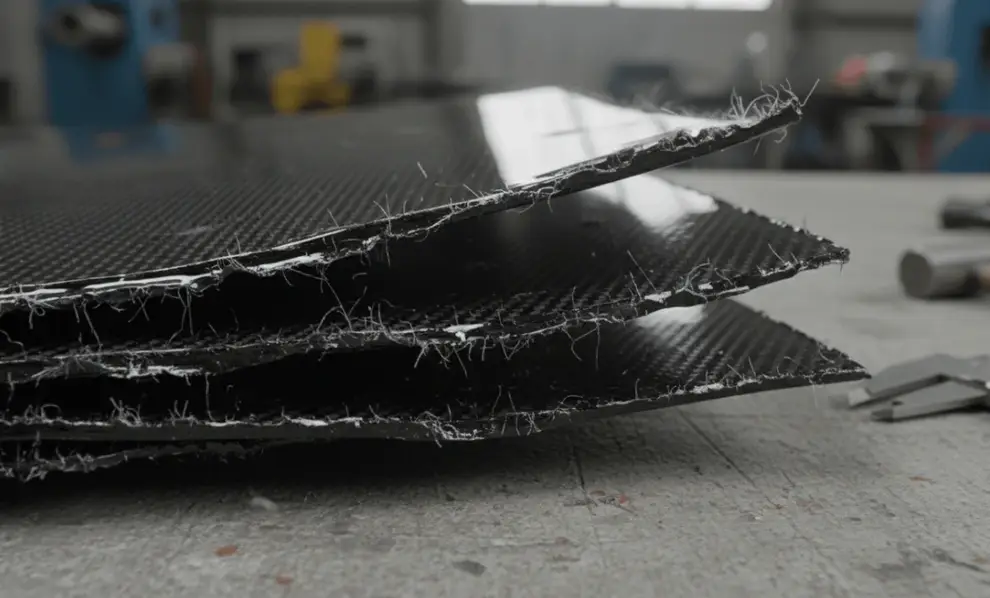
Carbon fiber delamination
Solution: Backup material, peck drilling, optimized feed rates, and sharp tooling.
Tool Wear
Tool wear is also a big challenge, caused by the material’s highly abrasive nature. Standard carbide tooling cannot stand this abrasiveness, with wear occurring within minutes.
Solution: Diamond-coated or PCD tooling.
Heat Generation
Friction produced during machining damages the polymer matrix in carbon fiber.
Solution: Compressed air cooling, controlled feed rates, and high spindle speeds.
Dimensional Inaccuracies
Carbon fiber’s response to machining forces depends on fiber orientation. Only seasoned manufacturers can correctly predict these responses, which are related to the composite’s anisotropic nature.
Solution: First-article inspection (FAI) and rigid fixturing
Surface Finish Quality
Resin smearing can cause surface defects on carbon fiber during machining. Solution: This is preventable through the use of sharp tools and optimizing the chip load. Ensure you specify the required surface roughness in the drawing.
Best Practices for Carbon Fiber Machining
Consistent machining quality for carbon fiber demands consideration of tooling, cutting environment, vibration, inspection, and process parameters. Here are some best practices that we focus on.
- DFM Review – A DFM review is highly recommended before carbon fiber machining begins. We use the strategy to optimize tolerances and geometries for cost-effective and risk-free production.
- Specified Tooling – Since carbon fiber machining is prone to rapid tool wear, inconsistent cut quality, and material degradation, polycrystalline diamond (PCD) or diamond-coated tools should be used.
- Rigid Fixturing – The machinist should always use rigid fixturing when machining carbon fiber to handle vibrations and movements.
- Defined Inspection Criteria – A clear outline of the inspection criteria should be established before machining. Common criteria include surface finish, tolerances, and burr formation.
- Controlled Cutting Environment – The workplace should be clean and equipped with the appropriate dust extraction systems.
Health Considerations When Machining Carbon Fiber
Since carbon fiber machining presents serious occupational health carbon fiber dust hazards, various controls should be followed. They include;
- Waste disposal according to regulations for composite materials
- HEPA-rated extraction and enclosed machining of carbon fiber
- High-volume production should use negative-pressure enclosures
- Personnel in the carbon fiber machining zone should wear P100 respirators
Conclusion
Machining carbon fiber, challenging as it is, is critical in a wide range of industries. Expertly machined carbon fiber parts deliver precise and dependable performance in aerospace, automotive, and many other industries.
The dangers of machining carbon fiber have been highlighted – the tiny parts generated can be unhealthy. We also mentioned the tool wear, heat generation, surface finish, and delamination problems, all of which have remedies.
Ready for professionally machined carbon fiber parts? Visit our CNC machining services page and upload your designs for a timely quote. You can expect precision-machined carbon fiber parts tailored to your project requirements.
References
[1]https://advanced.onlinelibrary.wiley.com/doi/10.1002/adma.202418709