
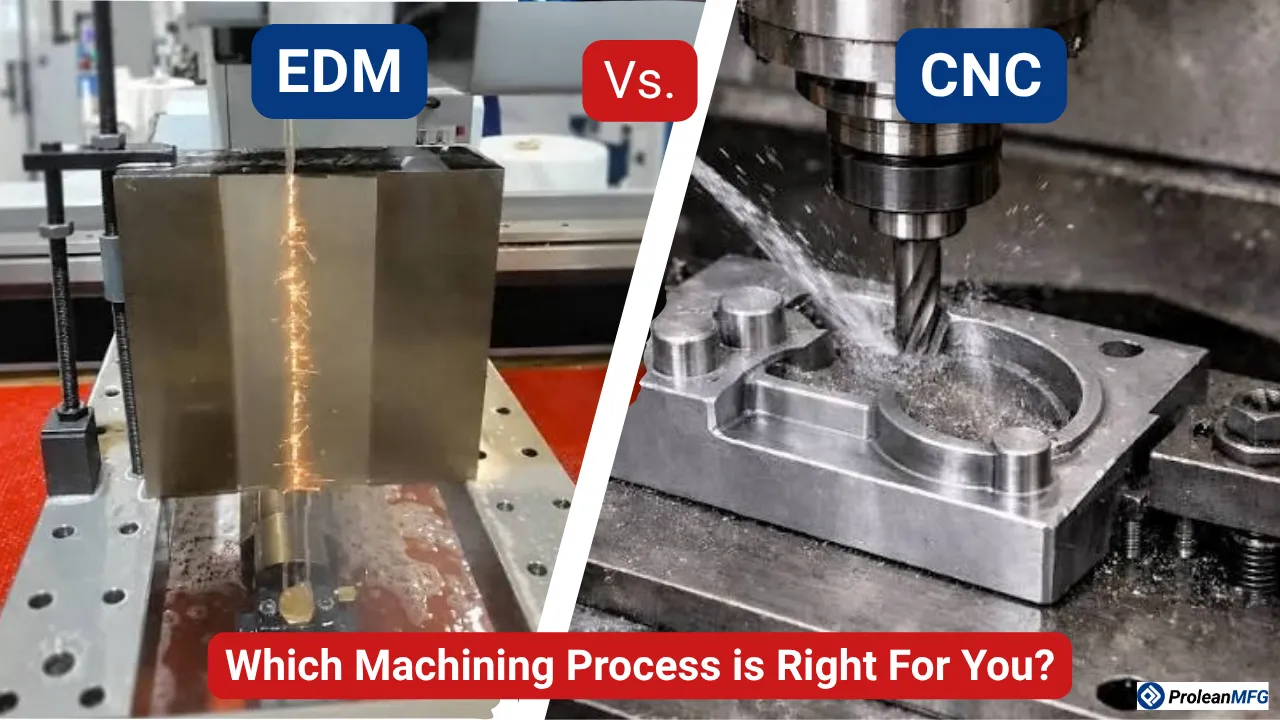

Electrical Discharge Machining (EDM) is a machining process that uses electrical discharges to remove small chunks of conductive material. The tool (electrode) does not contact the material. EDM machining services are preferable for precise, intricate shaping and cutting of hard materials.
In contrast, CNC machining removes material mechanically using rotating tools. It is less precise than EDM because feature sharpness depends on the tool radius. CNC machining is ideal for faster production of simpler parts in larger volumes.
The machining mechanics of EDM and CNC machining differ. This affects the benefits, limitations, and applications. When you get these fundamentals right, you can specify parts with confidence.
Let’s review the comparison of EDM and CNC further below.
What is EDM?
Electrical discharge machining (EDM) is a subtractive manufacturing process that removes material from a workpiece using controlled electrical sparks. This non-contact method is defined by an electrode as the machining tool.
Due to this non-contact nature and its suitability for electrically conductive materials, EDM is the preferred machining method for brittle alloys and hardened steels. Its core benefit is the capability to produce geometries a router or mill can’t.
How Does EDM Work?
The EDM setup comprises a conductive workpiece, dielectric fluid, and an electrode. The workpiece is placed in the dielectric fluid as the electrode produces electrical discharges.
Each spark lasts a fraction of a second at thousands of degrees. It melts and vaporizes a minute section of the workpiece, with the debris being flushed away by the dielectric fluid.
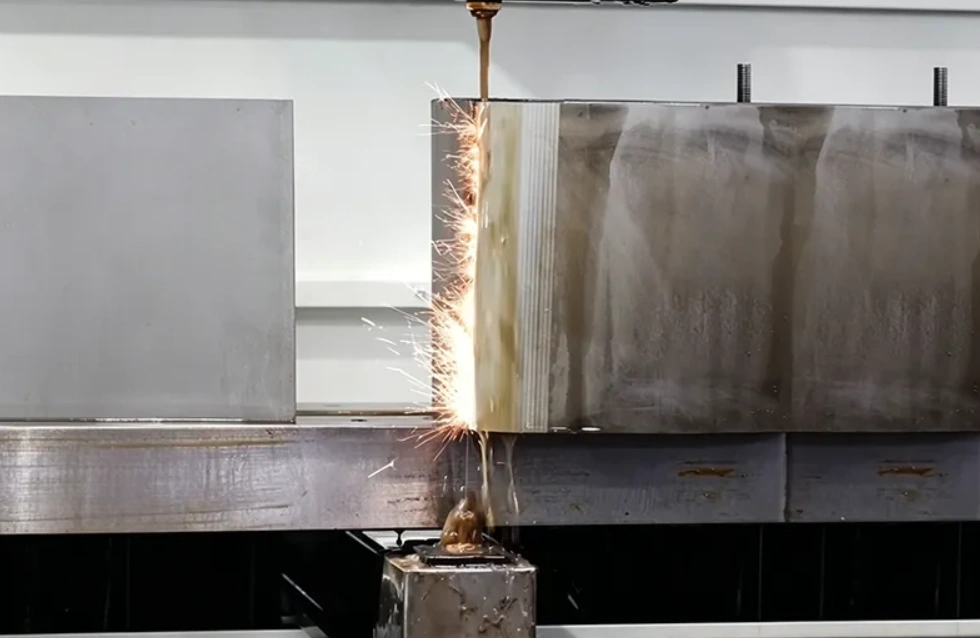
Sparks in EDM
These sparks repeat until the workpiece acquires the shape of the electrode, which is the wire’s path in wire EDM.
If a process doesn’t have a specified type of dielectric fluid, deionized water is ideal for wire EDM, while oil is preferable for sinker EDM.
How Accurate is EDM machining?
EDM is extremely accurate, with EDM machining tolerances normally between ±0.005 and 0.02 mm. This level of tolerance is excellent compared to other metal machining processes.
A notable reason EDM can hold such tight tolerances is the absence of cutting forces. The method can comfortably produce delicate features and thin walls, which are typically difficult to deliver with CNC machining.
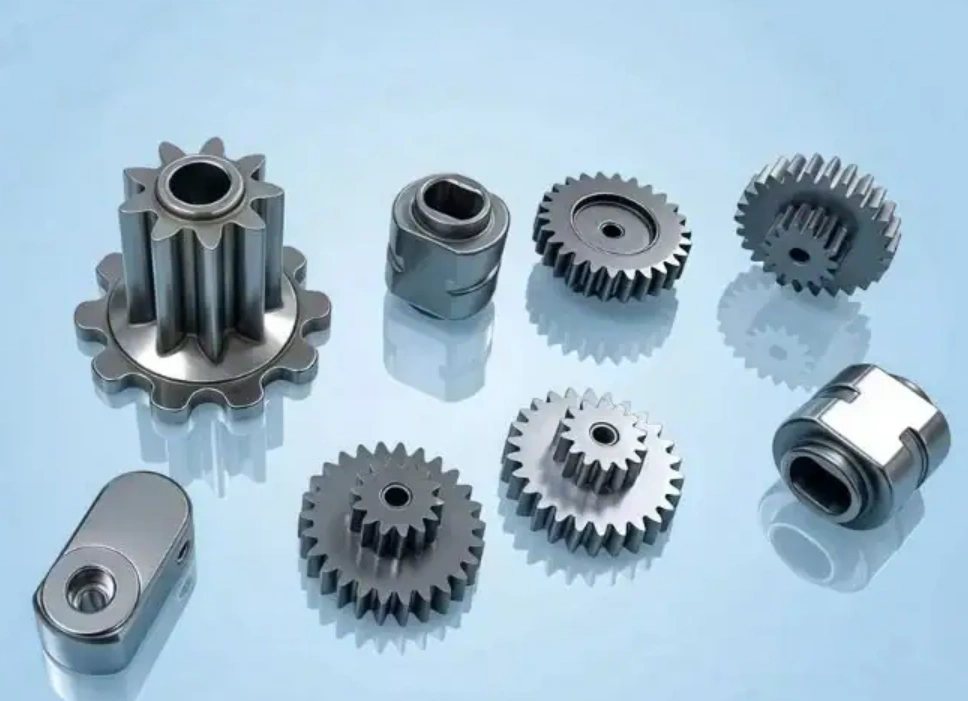
EDM parts
For tolerances below 0.02 mm, consider the EDM manufacturing process as the first choice, not an alternative after CNC machining disappoints.
What are the types of EDM?
EDM is a machining concept that encompasses sinker EDM (die-sink/ram EDM), wire EDM, micro EDM, and small-hole/hole-drilling EDM. Each of these has a distinct electrode type and type of geometry it can produce.
Sinker EDM (Die-Sink/Ram EDM)
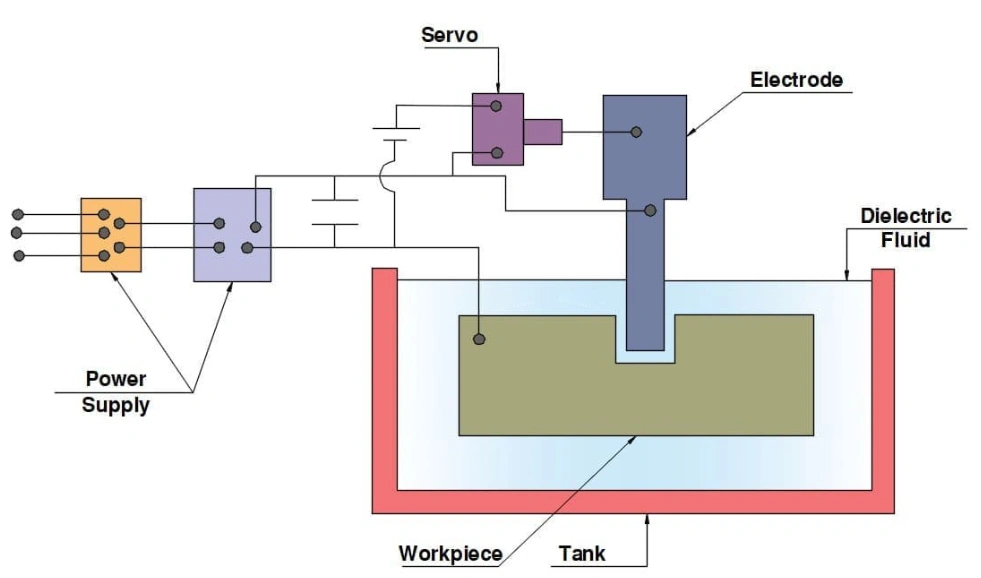
Sinker EDM setup
This type of EDM is commonly used to produce complex cavities. The inverse of the shape of the tool is imprinted on the workpiece. Sinker EDM is based on three main elements: The dielectric fluid, copper electrodes, and electric spark.
Wire EDM
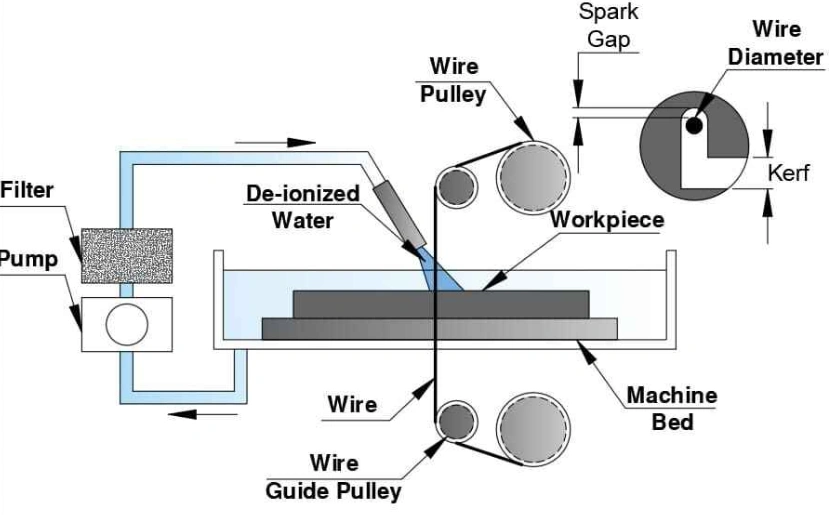
Wire EDM
Wire EDM uses a thin wire electrode, usually 20-50 µm in diameter [1], which is often made of brass. As the wire travels between two reels, a spark forms between the workpiece and wire.
This operation is computer-controlled. Since wire EDM is efficient, its applications range from medical devices and concept prototypes to aerospace and micro-tooling applications.
Micro-EDM
Micro-EDM is a machining technology of choice for conductive materials in the microscale industries. It can manufacture parts sized between 1 and 999 µm. [1] Engineers have found micro-EDM reliable for ultra-precise micro-geometry products.
Small-Hole/Hole-Drilling EDM
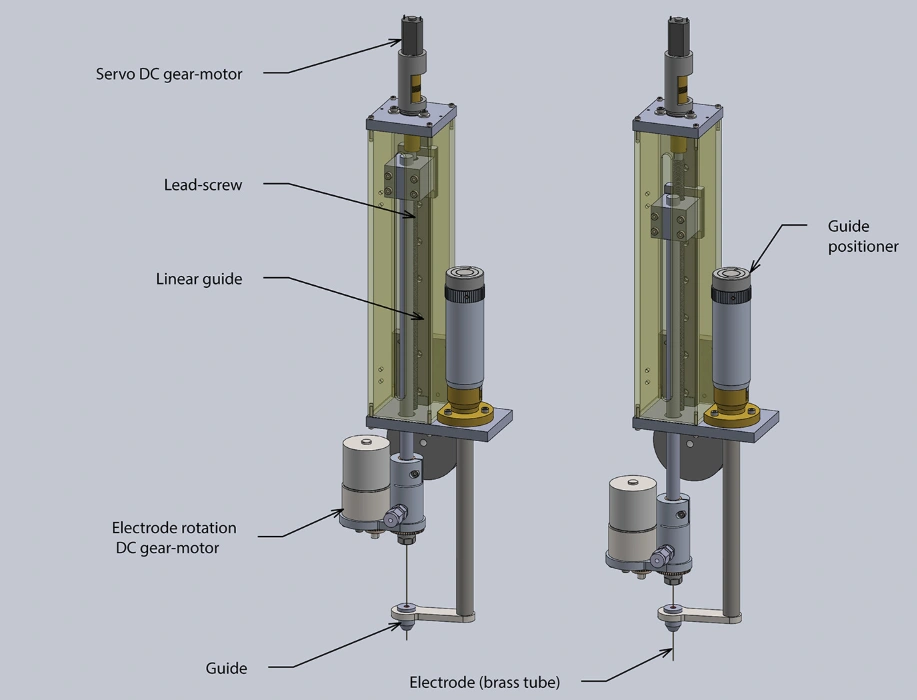
Small hole EDM
Small hole EDM is used in hole drilling. The drilling mechanism is a hollow tube electrode that spins during the machining process. The biggest advantage of small hole EDM is that it can drill holes in hard materials at any angle.
Best Applications for EDM
EDM application areas include aerospace, medical, injection mold cavities/dies, and micro features.
Aerospace Industry
EDM is a favorite manufacturing method for complex parts made of titanium and nickel-based superalloys. Popular aerospace components made by EDM include fuel injection nozzles, combustor parts, and turbine blades.
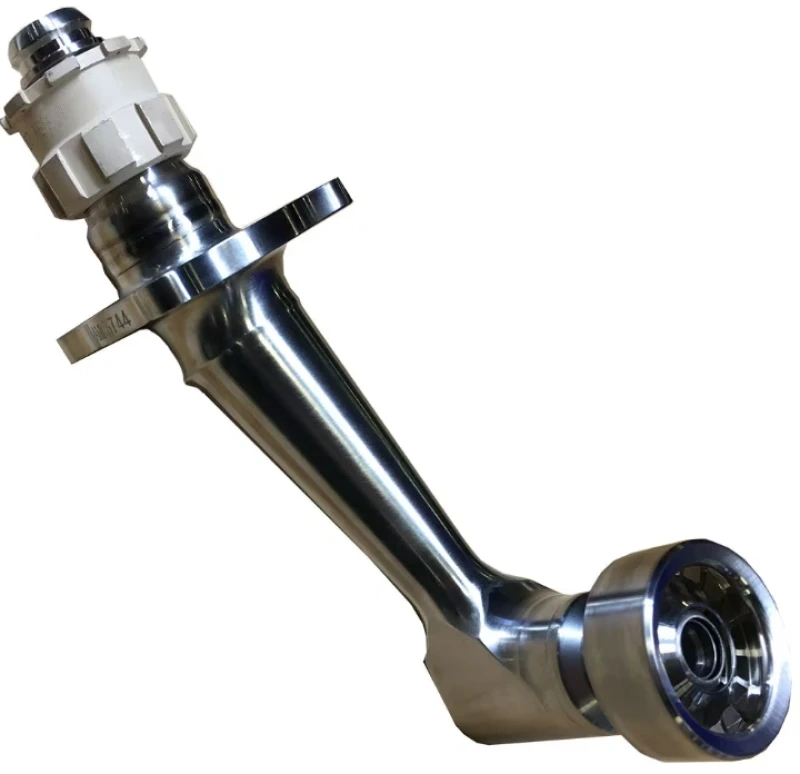
Aircraft fuel nozzle
Medical Industry
EDM is commonly used for implants and surgical devices because it can deliver tight EDM machining tolerances in the alloys used for these small components. Often, precision is more important than volume for these parts.
Injection Mold Cavities/Dies
Mold manufacturing is one of the areas where EDM has prominent application because the method can produce the required shapes the first time – without the need for secondary roughing or re-cutting..
Micro Features
EDM is the standard machining technology for fine slots and small holes. It can access spaces that are too small for a cutting tool to fit. Devices produced using EDM include sensors and precision tooling parts.
If a part is tiny, geometrically complex, and hardened, we would specify EDM by default before we even quote CNC manufacturing process.
Benefits of EDM
With cutting force out of the equation, EDM offers the following benefits;
- The machining process is unaffected by the workpiece hardness
- It can cut micro geometries and sharp internal corners – rotating tools, including CNC machining, struggle with this
- Delivers tight tolerances repeatedly
- It does not generate mechanical forces – important for fragile features such as thin walls
EDM limitations
The major tradeoff for EDM is that it can only work with electrically conductive materials. Here is more on this and other limitations of EDM.
- Limited to electrically conductive materials
- Slow material removal rate
- Electrode re-profiling or replacement requirement due to tool wear
- A custom electrode per machining operation is required in sinker EDM
Confirm the material’s conductivity from the outset if EDM is to be considered. Non-conductivity often rules out this method.
What is CNC Manufacturing Process?
CNC (computer numerical control) machining is a type of mechanical subtractive manufacturing based on programmed toolpaths and a rotating workpiece/cutting tool.
How Does CNC Work?
Like EDM, CNC machines come in different designs – turning, milling, router, etc. The concept for all CNC machines is similar – a toolpath is defined along the X, Y, and Z axes. The cutting tool moves along this toolpath, removing material in a computer-controlled manner.
The machinist uses CAM software to produce a CAD model and subsequently a CNC program. The CNC program indicates the toolpath and other machining details such as feed rate and cutting speed.
The machining process is done in a CNC machine, which comprises parts such as a chuck, tool turret, coolant, and CNC control unit.
Best Applications for CNC Machining
CNC machining is best suited for bulk material removal, structural components, prototyping, and parts requiring a blend of different machining operations.
Bulk Material Removal
The CNC manufacturing process uses aggressive roughing passes to remove large chunks of material. It is a default machining method for workpieces that start as solid billets.
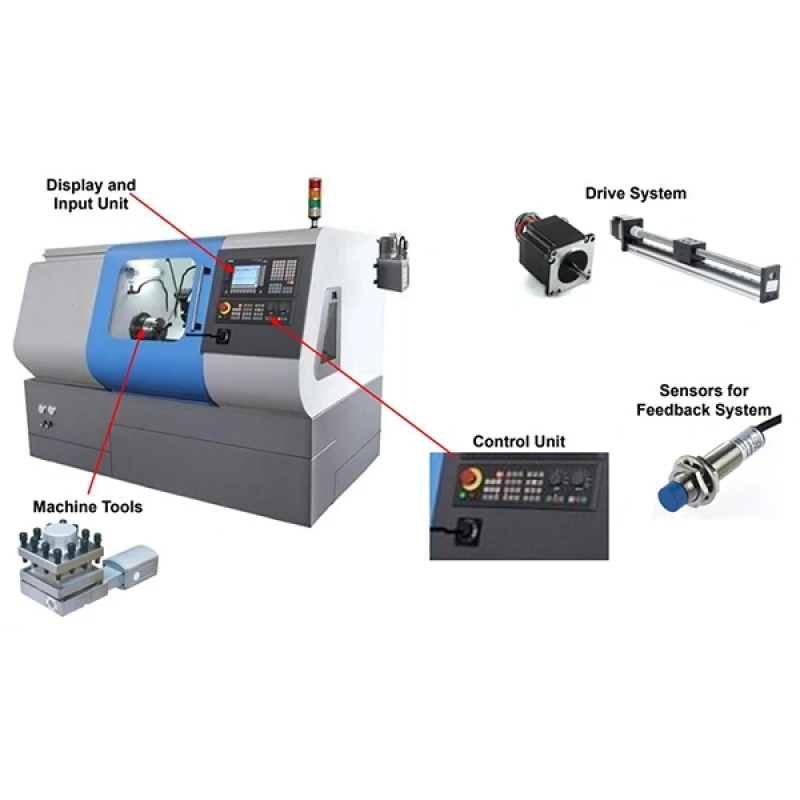
Parts of a CNC machine
Structural Components
Structural components such as shafts and brackets can be sizeable and should hold tight dimensional tolerances. CNC machining can meet these requirements, especially where mechanical strength is a core requirement.
Prototyping
CNC machining’s material versatility allows for the production of functional prototypes. Engineers can validate the form, fit, and function of prototypes without the higher cost and slower speed of EDM.
Blend of Different Machining Operations
Operations such as turning, milling, tapping, and drilling can be performed on one CNC machine. This avoids the rigour of multiple setups when machining a complex component.
CNC machining can be the default specified method if a part is large and made from non-conductive materials. The case is even stronger if the parts are required in large volumes.
Benefits of CNC Machining
CNC’s main advantages are faster material removal rates, cost-effectiveness at volume, wide material compatibility, and a reliable tooling ecosystem.
Faster Material Removal Rate – The stock removal rate in CNC machining is higher than what EDM can achieve. This is especially noticeable in larger pieces.
Cost-Effectiveness at Volume – CNC machining is more economical for larger batches because of lower per-part tooling costs and shorter cycle times.
Wide Material Compatibility – CNC machining processes metals, plastics, and composites. EDM is restricted to conductive materials.
Reliable Tooling Ecosystem – CNC machines use standard tools and toolholders. These components can be used in different machines.
CNC Machining Limitations
As a mechanical cutting method, CNC machining struggles with sharp internal corners, slow/unreliable machining of hardened materials, chatter/deflection on thin walls, and accessing deep, narrow cavities.
If the design has very thin walls or sharp corner radii, consider if EDM would be a better machining option.
If you must use CNC machining for a corner radius, consider relying on a ball mill and 3D contour tool path, especially for small-batch production manufacturing. [2]
EDM vs CNC: Main Differences at a Glance
Below is a table highlighting the main differences between EDM and CNC, including cutting method, material, applications, hardness, tolerances, internal corners, surface finish, tool wear, and cost per part.
| Factor | EDM | CNC |
|---|---|---|
| Cutting method | Erosion/electrical discharge | Mechanical |
| Material requirement | Electrically conductive materials | Conductive and non-conductive materials |
| Best applications | Micro features, intricate cavities, hardened steels | 3D parts, bulk material removal |
| Hardness handling | Material hardness not an issue | Requires slower speeds and special tooling for harder materials |
| Tolerances | EDM machining tolerances are tight at ±0.005–0.02 mm | Tolerances are not as tight: ±0.02–0.1 mm |
| Internal corners/features | Tiny features and sharp corners possible | Features depend on the tool radius |
| Surface finish | Produces a heat-affected zone | Leaves tool marks |
| Tool wear | The electrodes require replacement due to wear | Flank/edge wear on the tool – replacement required |
| Cost per part | Typically slower and costlier for high-volume runs | Faster and more affordable for high-volume runs |
EDM vs CNC Differences Expounded
The main EDM vs CNC differences are along factors such as cost, machining speed, volume, and material.
EDM vs CNC: Cost Comparison – Is EDM more expensive than CNC?
Yes, EDM is normally more expensive than CNC machining from the per-part perspective. The notable overheads for EDM are wire consumption, electrode fabrication, and slower machining speed. For the CNC manufacturing process, the per-part cost is usually lower because the cycles are faster.
This makes CNC machining a better option for general-purpose machining. However, if the emphasis is on harder workpieces, tighter tolerances, and complex geometry, EDM wins.
Note that deciding on cost alone can be misleading- a CNC-machined part with poor tolerances can be more costly in the long run.
EDM vs CNC: Speed Comparison
EDM is much slower than CNC machining; it is designed for precision. CNC machining gains more speed advantage as the workpiece size increases.
EDM vs CNC: Volume Comparison
EDM is the preferable technology for low-volume, precision work, whereas CNC machining is more suited for high-volume manufacturing. CNC’s cost per part and tooling wear decrease with higher order quantities.
In contrast, EDM costs don’t change as significantly with order quantity. Therefore, EDM makes more sense when emphasis is on producing low volumes of complex shapes from hardened material.
EDM vs CNC: Material Comparison
EDM can only machine electrically conductive materials, unlike CNC machining, which can process both conductive and non-conductive materials.
However, it is important to note that, thanks to research, some poorly conductive or non-conductive materials can be EDM processed. A material with a minimum electrical conductivity of 0.1 Scm-1 can be machined by EDM. [1]
Should You Choose EDM or CNC?
The cost and speed requirements should be considered after geometry, hardness, and tolerance requirements.
When to Choose EDM Cutting
Choose EDM cutting when;
- The workpiece hardness is beyond what CNC machining standard tooling can comfortably handle.
- The part requires sharp micro features and internal corners. Consider micro EDM, which can remove 0.1-10 µm in grain size. [1]
- Tolerances must be tighter than ±0.02 mm
- You require one-time mold and die work
When to Choose CNC Cutting
Choose CNC cutting when;
- You require fast turnaround for the parts
- For moderate-to-standard tolerances
- The workpiece is not electrically conductive
- Several machining operations – contouring, drilling, etc.- are required
Wrapping Up
Both EDM and CNC are important in the manufacturing process for different industries, but their approaches differ.
EDM works perfectly for micro-features, hard materials, and tight tolerances. CNC machining wins where more versatility is required, covering mixed materials, bulk material removal, and 3D geometries.
So, consider the part you are planning to produce and ask questions such as: Is precision the biggest goal, or are you looking for numerous simple parts? If you already have the part drawing, share the part file with our engineering team for a professional review.
Alongside a machining process recommendation within 24 hours, we will send a quote for CNC Machining Services.
FAQs
What makes EDM different?
EDM is different because instead of using mechanical cutting, it relies on the eroding effect of electrical sparks. These sparks can machine harder materials than CNC can handle. Its capability to produce micro-features and complex geometries is also unique.
Is CNC cutting expensive?
CNC is more affordable than EDM per part due to its lower tooling costs and faster cycle times. However, it is important to be keen about the price scaling based on part complexity, tolerance requirements, and type of material.
Resources
[1]https://www.researchgate.net/publication/310517257_Electrical_Discharge_Machining_EDM_A_Review
[2]https://academy.titansofcnc.com/files/Fundamentals_of_CNC_Machining.pdf