
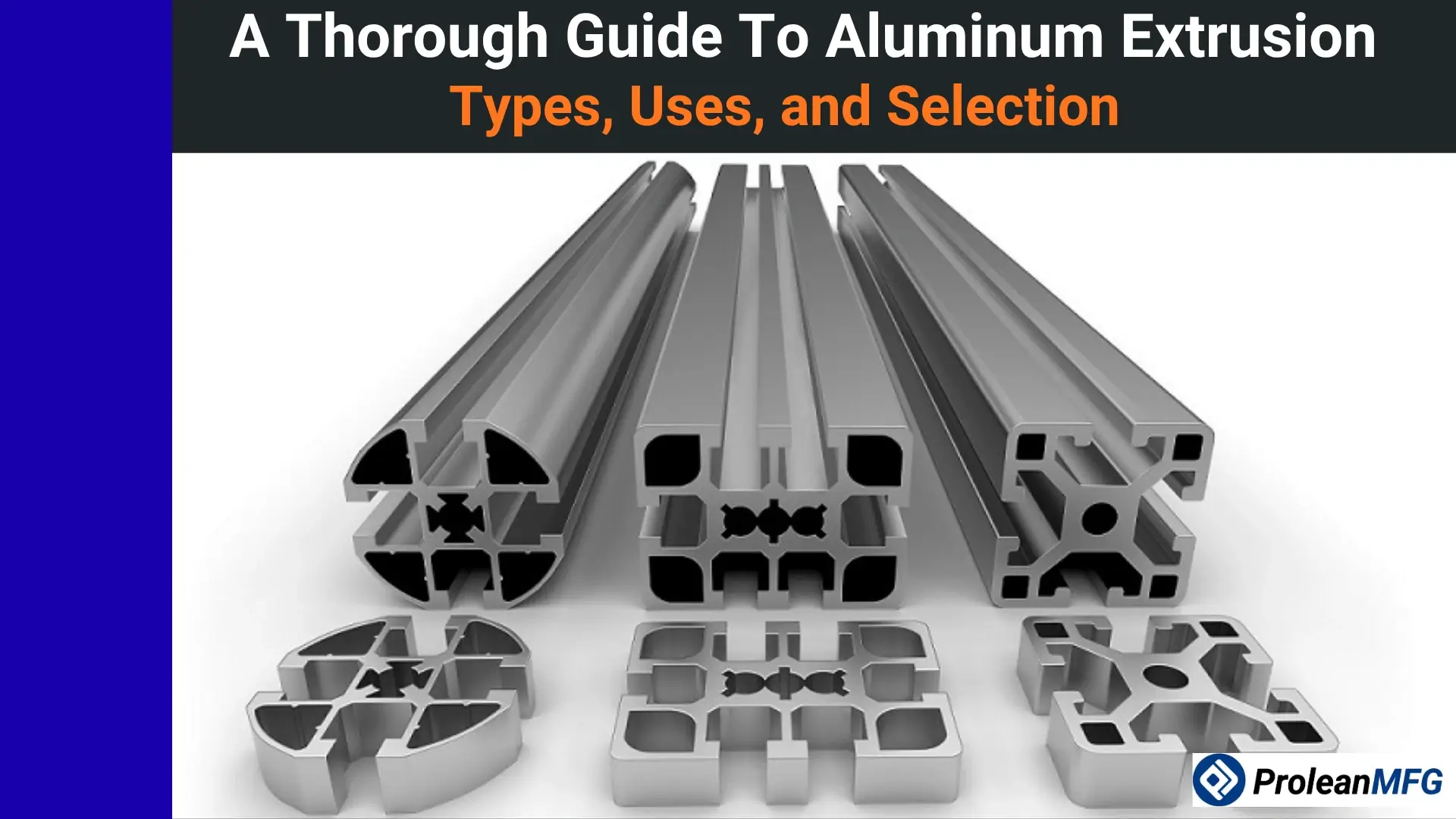

A lightweight, high-strength material like aluminum should be processed correctly for optimal production costs and fast time to market. Aluminum extrusion is one of the most effective aluminum processing methods.
It shapes hot aluminum billets by passing them through a precision die. The aluminum takes the die’s shape.
Extruded aluminum profiles are lightweight, strong, and highly thermally conductive – these properties suit applications such as automotive heat exchangers and aerospace brackets. The material is preferable for applications where performance and low weight matter.
This guide is for you, whether you are considering aluminum extrusion alongside other manufacturing methods like aluminum stamping or die casting, or specifying custom aluminum extrusions. Read on for a review of the aluminum extrusion process, alloys and equipment used, design guidelines, pros and cons, and more.
What is Aluminum Extrusion?
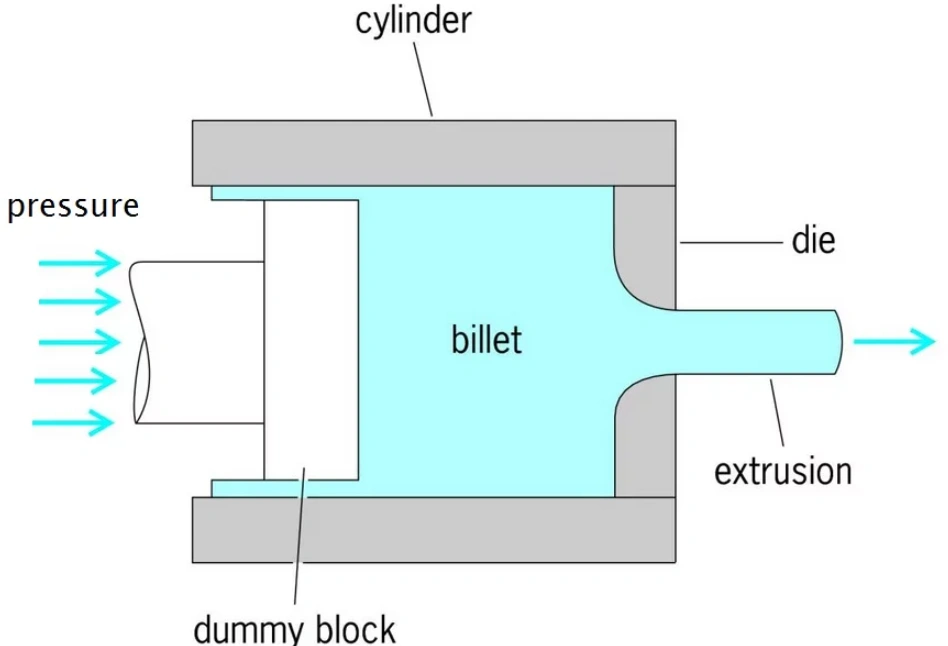
Aluminum extrusion is a manufacturing process whereby hot aluminum billets are forced through a shaped die opening. The die openings come in different sizes and shapes to suit various user requirements.
Qualities of Aluminum Extrusion Products
Extruded aluminum parts have standout properties, which include Low density, high strength, excellent thermal conductivity, corrosion resistance, and ease of processing. The combination of these properties makes aluminum extrusions suitable for a range of demanding applications.
- Low density and high strength
- Excellent thermal conductivity
- Corrosion resistance
- Easy to process into different sizes and shapes
Common Aluminum Grades Used in Extrusion
The common aluminum alloys for extrusion are 2xxx Aluminum Alloys (Aluminum-Copper Alloys), 5xxx Aluminum Alloys (Aluminum-Magnesium Alloys), 6xxx Aluminum Alloys (Aluminum-Magnesium-Silicon Alloys), and 7xxx Aluminum Alloys (Aluminum-Zinc Alloys). Choose an aluminum grade that matches your requirements for strength, extrudability, and application.
2xxx Aluminum Alloys (Aluminum-Copper Alloys): The strong 2024 aluminum is the most popular in this category.
5xxx Aluminum Alloys (Aluminum-Magnesium Alloys): 5083 aluminum is the most common extruded alloy from this category. It has good corrosion resistance; hence, it is most commonly used for marine applications.
6xxx Aluminum Alloys (Aluminum-Magnesium-Silicon Alloys): The list of extruded aluminum for this type includes 6063, 6061, 6060, 6082, and 6005. Alloy 6061 is commonly used for structural components. Alloy 6063 is popular for decorative trims and frames (doors and windows).
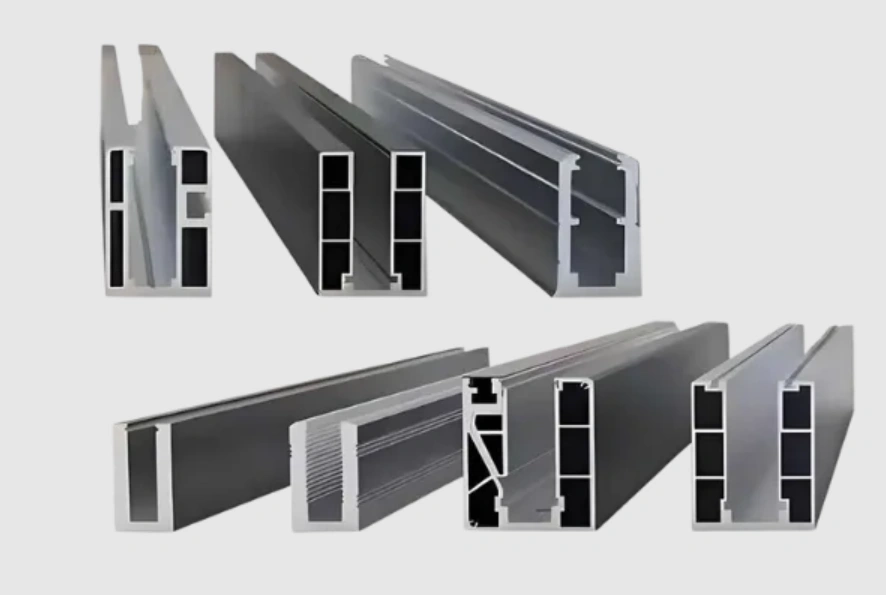
You will mostly find 6060 and 6082 extrusions in the European markets, but their properties are comparable to those of 6063 and 6061, respectively.
7xxx Aluminum Alloys (Aluminum-Zinc Alloys): Alloy 7075 is the standout extrusion option in this class. It is considered the strongest aluminum alloy, with excellent mechanical properties.
What Sizes of Aluminum Extrusions Can Be Processed?
The extrusion press’s capacity determines how large an aluminum extrusion can be. Larger presses can produce larger extrusions, and vice versa.
Consider the following values as a guide to press capacity and its matching extrusion size. The specific capacities and sizes vary by manufacturer.
| Extrusion Press Capacity | Aluminum Extrusion Size |
| <20 MN | Profiles of smaller cross sections – door and window frames |
| 20MN to 50MN | Most aluminum extrusions are produced here |
| 50MN to 100MN | 300- 350 mm – industrial profiles |
| 100MN to 150MN | Structural extrusions thicker than 400mm |
The Aluminum Extrusion Process
The extrusion process entails preparing an aluminum ingot, heating it, extruding it, cooling it, stretching/straightening it, cutting it, and treating its surface. By the end of these stages, the desired profile and size are achieved.
Step 1: Ingot Preparation
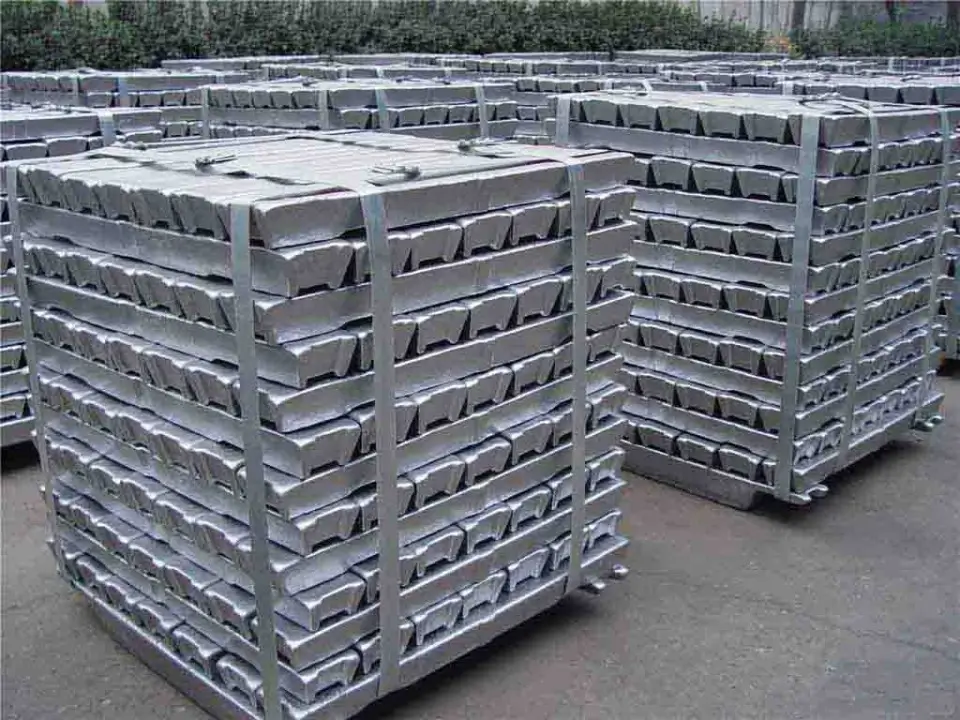
The aluminum ingots should be devoid of surface cracks, gas pores, and slag. They should also be cut to the required dimensions; the pieces resulting from this are called billets. Standard dimensions for aluminum billets vary by the intended use and manufacturer, but the diameter is approximately 152 mm. [2]
Homogenization is also part of ingot preparation. It entails heating the ingots to a temperature of between 450 and 500°C. This thermal process promotes the uniform diffusion of the alloying elements within the metal.
Step 2: Pre-Heating
The aluminum billets are preheated in a furnace to a temperature between 400°C and 500°C, based on the aluminum alloy, to soften them. The melting point of aluminum is around 660° C. [1] Only then can the billets be extruded through the die without cracking.
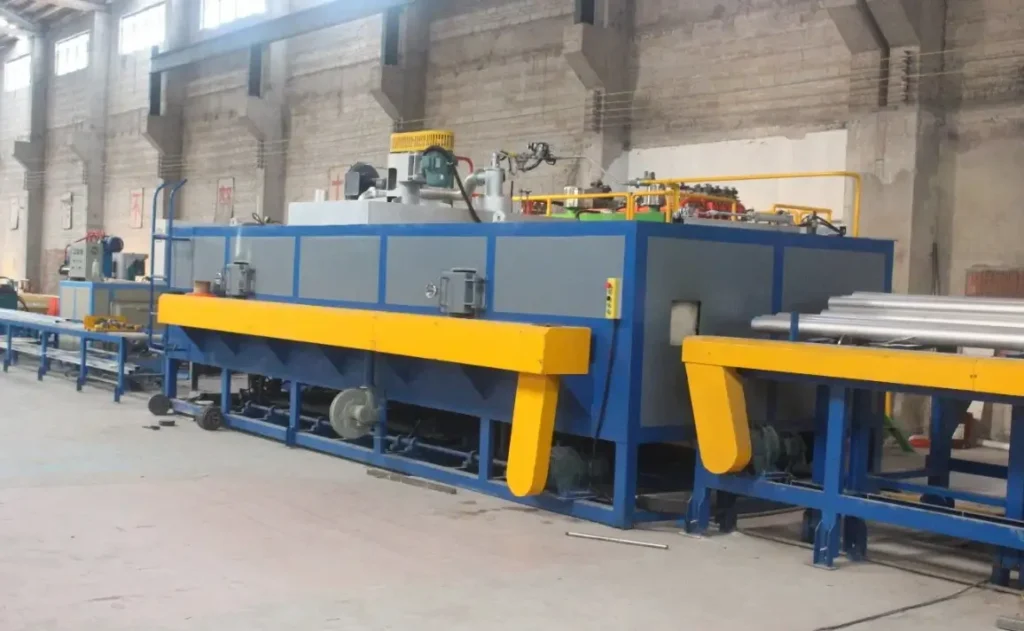
Specifically, preheating improves metal flow characteristics, enables higher extrusion speeds, and minimizes extrusion pressure requirements.
Step 3: Extrusion
Concerning the extrusion stage, the preheated billet is placed in advanced extrusion equipment. This equipment can generate 500 to 6,000 bar of hydraulic pressure as it forces the aluminum through the die. The metal flows through the die cavity and acquires the shape of the die geometry.
Step 4: Cooling
When the extruded aluminum exits the machine, it is at an extremely high temperature of around 300°C. It is immediately subjected to quenching to prevent precipitation hardening. Spray cooling with water is the most common strategy.
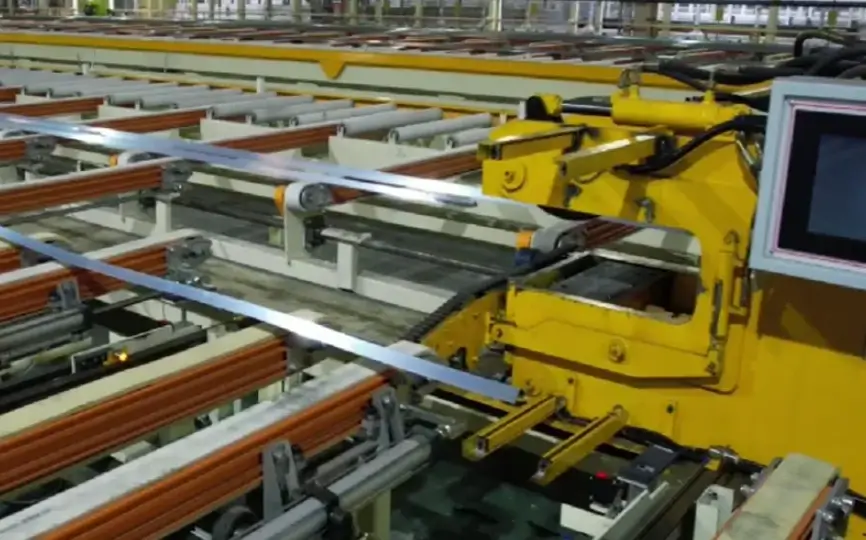
Step 5: Stretching and Straightening
The next step is to stretch and straighten the aluminum for stress relief and improved mechanical uniformity. It is a brief process of about 2-4 seconds, but it is very effective.
Step 6: Heat Treatment
Precipitation hardening heat treatment is then performed for aluminum alloys that require higher strength. Manufacturers typically use two thermal cycles: Solution heat treatment and artificial aging. With a transformed metallurgical structure, the aluminum profile acquires superior mechanical properties.
Note that 2xxx, 6xxx, 7xxx are heat-treatable alloys, while 1xxx, 3xxx, 5xxx are non-heat-treatable alloys.
When we receive your aluminum extrusion drawing, we will review the requested alloy and temper and advise. For instance, if you requested 5083-T6, we will outright advise that it is wrong – 5083 is non-heat-treatable.
Step 7: Cutting and Surface Treatment
The final step is to cut the extruded aluminum profile to the specified length and clean or surface treat according to the requirements. After that, the profiles are inspected and certified to meet the standards and customer requirements.
Equipment Used in Aluminum Extrusion
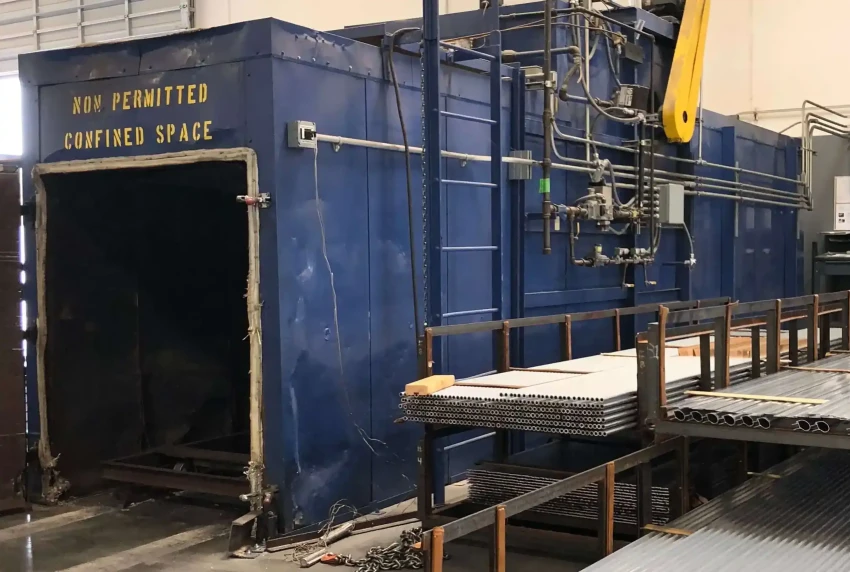
Consistent aluminum extrusion depends on various equipment, namely an extrusion press, a heating furnace for billets, a puller machine, a mold heating oven, an aluminum profile cooling bed, and an aging furnace.
- Extrusion press
- Heating furnace for billet
- Puller machine
- Mold heating oven
- Aluminum profile cooling bed
- Aging furnace
Shapes/Profiles in Aluminum Extrusion
Based on their design, extrusion dies can produce shapes such as hollow, solid, semi-solid, and custom. Each suits different functional or structural requirements.
- Hollow – This profile has one or multiple internal cavities/voids. Common hollow profile types are tubes and square boxes.
- Solid – This profile has no internal cavity. Examples are angles and flat bars.
- Semi-Solid – This type of profile is partially closed. A common one is a C-shape.
- Variable – The variable cross-section profile changes gradually along the length of the material.
- Custom – This profile is designed to meet unique customer requirements. It typically incorporates different shapes and colors.
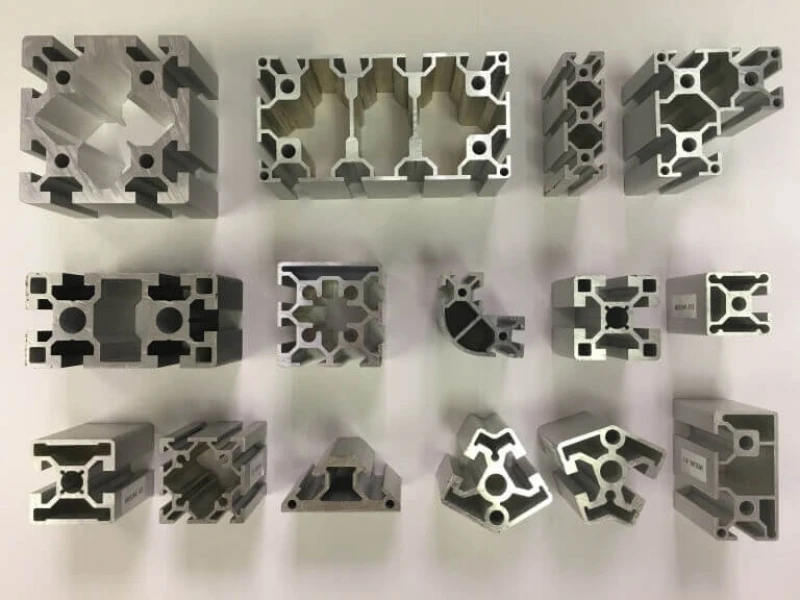
You can request standard aluminum extrusion profiles or collaborate with the aluminum sheet fabrication service provider for custom shapes that suit your specific requirements.
Factors Determining the Quality of Aluminum Extrusion Products
For an aluminum extruded profile to meet dimensional and mechanical specifications, the factors to consider are the alloy type, extrusion temperature, lubrication, extrusion speed, die design, tongue ratio, and cooling rate.
- Type of alloy
- Extrusion temperature
- Lubrication
- Speed of extrusion
- Die design
- Tongue ratio
- Cooling rate
The right aluminum manufacturing partner can help you balance these factors, particularly if you are looking for custom aluminum extrusions.
Design Considerations in Aluminum Extrusion
The key factors to consider in aluminum extrusion design are walls, hollows, tapers, symmetry/asymmetry, grooves/webs/ribs, and perimeter/cross-section ratio.
1. Balanced walls
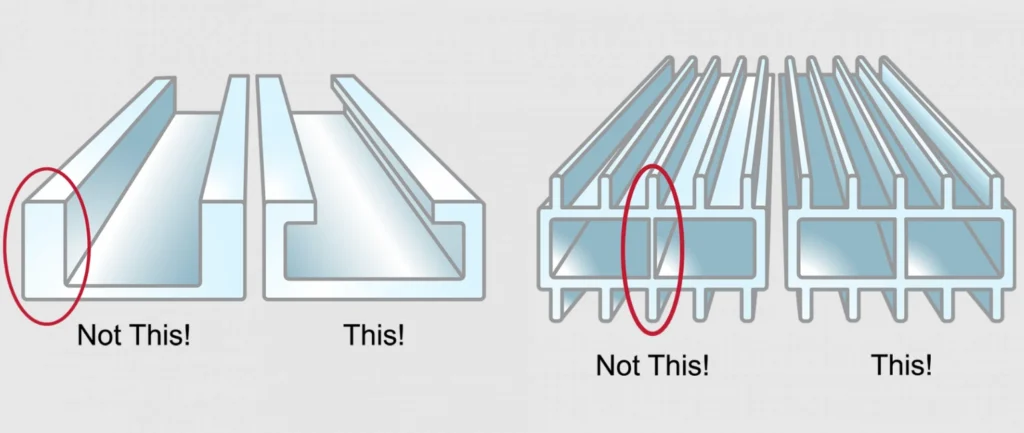
2. Avoid/minimize hollows
3. Generous tapers
4. Practice symmetry/minimize asymmetrical detail
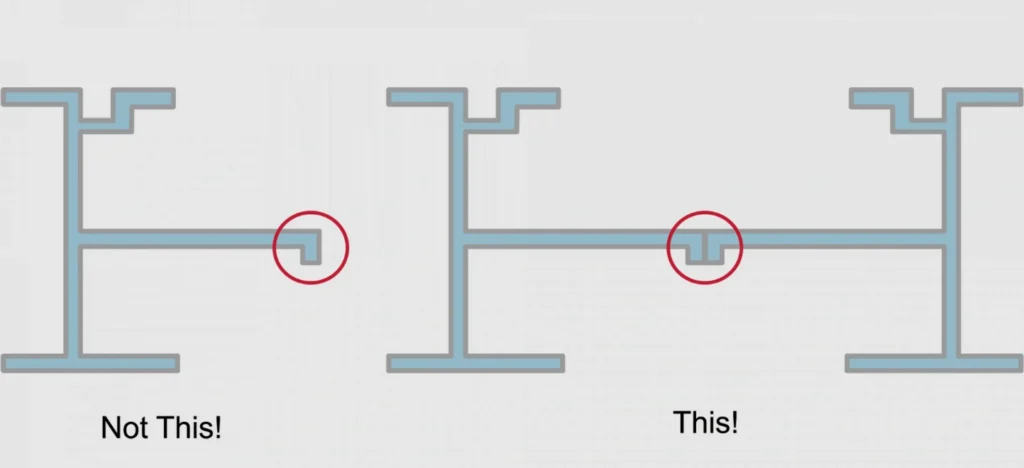
5. Use grooves, webs, and ribs
6. Minimize perimeter/cross-section ratio
Advantages and Limitations of Aluminum Extrusion
The clear advantages of aluminum extrusions include cost-effectiveness, durability, recyclability, and low weight. Like other manufacturing processes, aluminum extrusion has its limitations, which include high tooling cost, relatively low strength, and surface finish limitations.
| Advantages of Aluminum Extrusion | Limitations of Aluminum Extrusion |
| ● Low maintenance ● Recyclable – Aluminum is 100% recyclable ● Cost-effective – reduces the requirement for secondary machining ● High strength-to-weight ratio – Required in automotive and transportation ● Allows for complex designs ● Heat conductive – a valuable property for sizeable thermal structures ● Corrosion resistant – A natural aluminum oxide layer forms on the surface | ● Limited strength compared to options such as steel ● Tooling costs are high for complex profiles ● Surface finish limitations |
Common Applications of Aluminum Extrusion
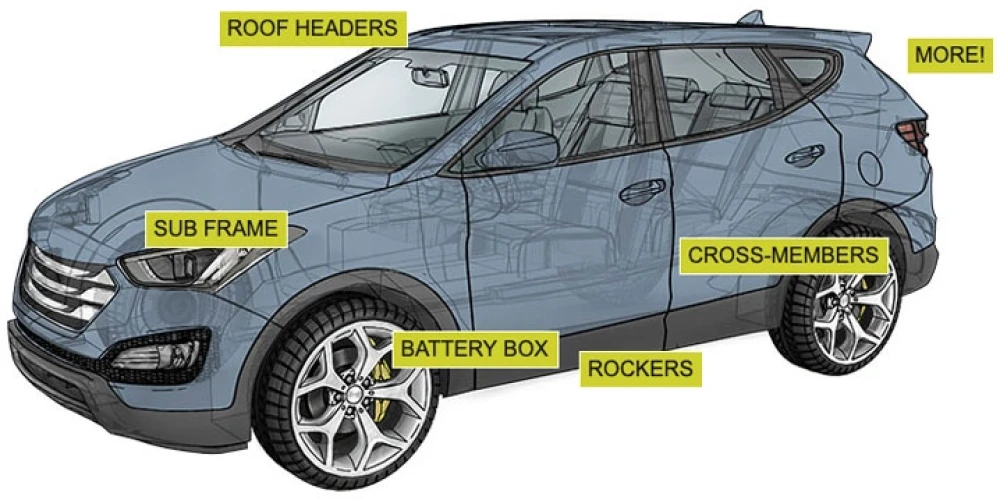
As a versatile product, extruded aluminum is present in Aerospace and aviation, Automotive and transportation, Bicycle and mobility equipment, and Medical and fitness equipment.
- Aerospace and aviation
- Automotive and transportation
- Bicycle and mobility equipment
- Medical and fitness equipment
Sustainability Practices in Aluminum Extrusion
Two key responsible manufacturing practices in the aluminum extrusion industry are the use of environmentally friendly lubricants/cleaning agents and aluminum scrap recycling.
Environmentally Friendly Lubricants and Cleaning Agents
Biodegradable formulas replace harsh chemical solvents. This not only minimizes hazardous waste but also protects personnel’s health while maintaining good die performance.
Aluminum Scrap Recycling
Aluminum is a unique metal with infinite recyclability. Recycling consumes only about 5% of the energy used to manufacture the metal.
Conclusion
Aluminum extrusion is an efficient method to produce lightweight, thermally conductive, and strong profiles at scale. Every stage of the process determines the mechanical consistency, strength, and surface finish of the aluminum profiles.
The process entails several stages, including alloy and die selection, heat treatment, cutting, and surface treatment. Getting these details right is crucial, even for you as the customer.
So, as you plan a project that will use aluminum profiles, use our sheet metal fabrication services. First, consider sharing your aluminum extrusion design file for a professional review. This manufacturability review and the quote come at no cost.
Contact our engineering team to discuss aluminum alloy choice, the best tolerances, and surface finish options.
Resources
[1]. https://aec.org/aluminum-extrusion-process
[2]. https://aluminium-guide.com/aluminium-extrusion-ratio-6060-6063/