

When a sheet metal part comes off the machine, it usually doesn’t look finished. You’ll often see tool marks, rough edges, or small burrs. In some cases, the surface may start to rust if left untreated. Finishing is what makes the part ready for real use. Sometimes you need corrosion protection, especially for outdoor or humid environments. Other times, the goal is a cleaner appearance, smoother feel, or better wear resistance. In electrical parts, the finish may also affect conductivity.
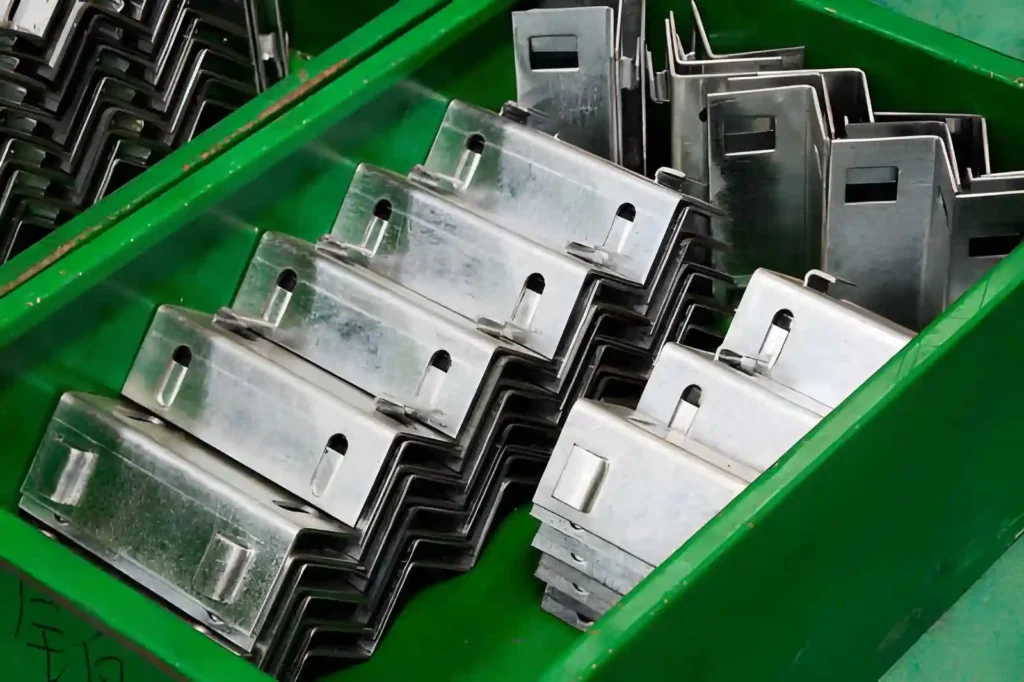
There isn’t one “best” option for every project. Plating, galvanizing, powder coating, anodizing, bead blasting, and passivation all serve different purposes. The right choice depends on sheet metal design, where the part will be used, how much wear it will see, and whether appearance matters.
In short, finishing is not just cosmetic. It protects the metal, improves performance, and helps the part last longer in real working conditions.
Why Add a Surface Finish to Sheet Metal Parts?
Not all sheet-metal parts need a finish, but most often, raw metal will be too scratched, discolored, burred, or show signs of clamping from fabrication to leave bare.
Most surface finishes are applied for one of four basic reasons: to enhance appearance, increase durability, improve performance, or provide corrosion protection.
To Improve Appearance
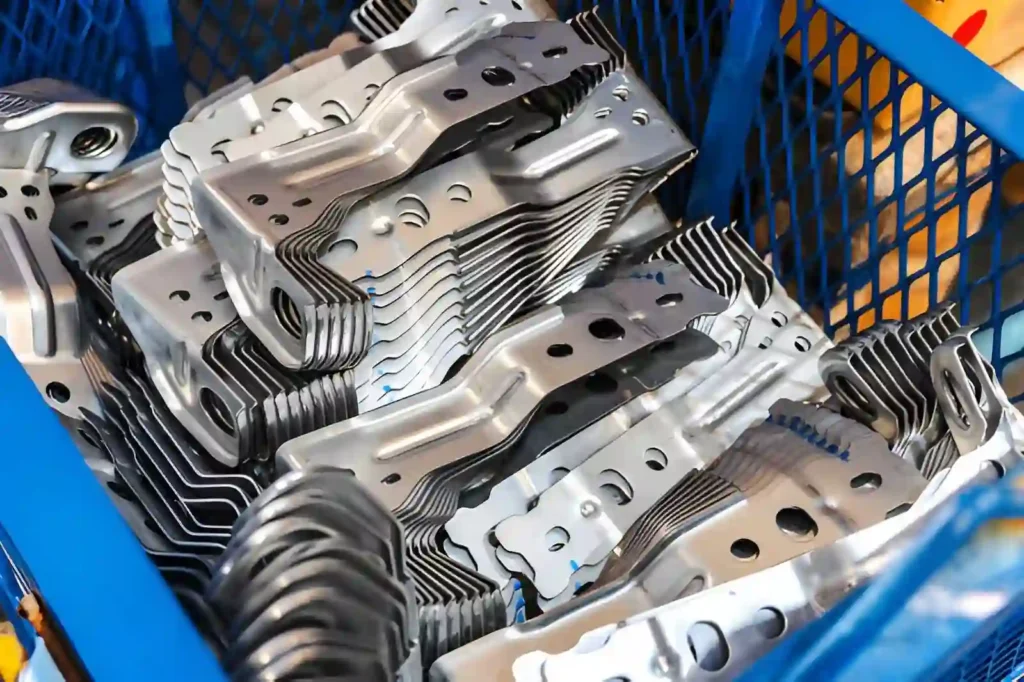
Fabricated parts seldom appear clean and uniform when they first come off the machine. Fabrication can cause heat marks on the part’s edges from cutting processes, and the surfaces may contain scratches from handling.
A finish can cover these visual imperfections, change the part’s color, adjust the surface texture (matte, smooth, etc.), and meet branding requirements. Appearance is significant for parts that will be seen in the final products.
To Increase Durability
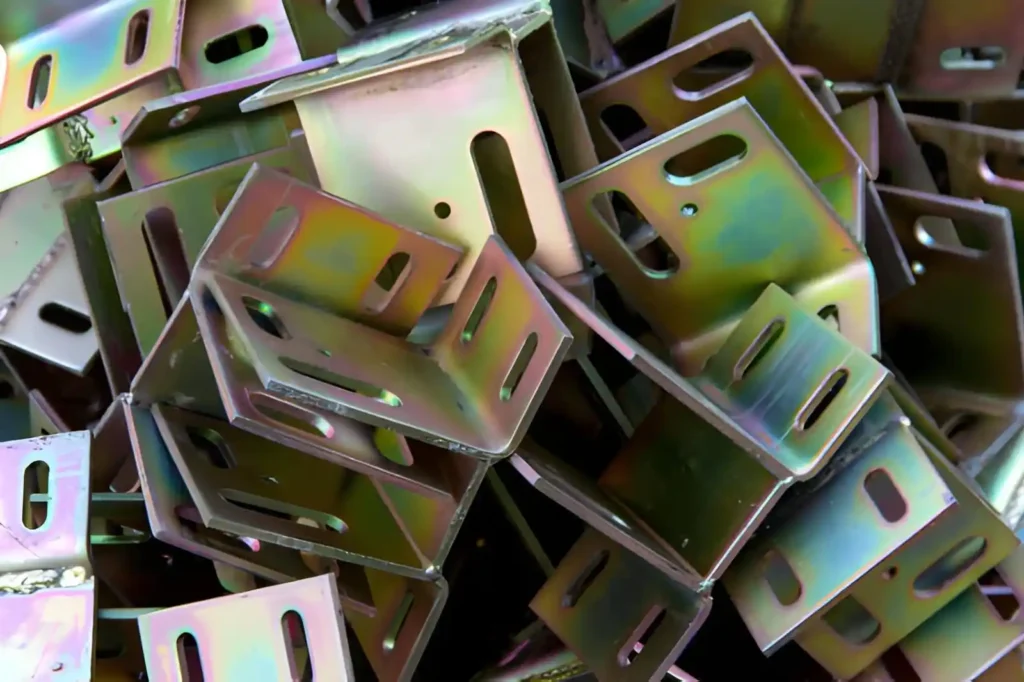
Parts used in areas subjected to friction, impacts, or outdoor use will likely be damaged by the base metal before their intended lifespan.
A finish can improve wear resistance, reduce surface damage, and provide protection against moisture and chemicals.
For Example, anodizing increases the surface hardness of aluminum. Powder coating adds a protective barrier against mechanical damage and weathering.
To Add Functional Properties
In some instances, the finish of a part affects its operation.
Depending upon what property is needed, a surface treatment may:
- Increase electrical conductivity
- Enhance electrical insulation
- Improve chemical resistance
- Prepare the surface for additional processing
There are times when surface texture is intentionally added to aid in the proper bonding of paint or coatings.
To Prevent Corrosion
Corrosion is the primary reason for applying a finish. When metal is exposed to moisture, chemicals, or salt, it will begin to oxidize and weaken over time.
Protective coatings such as powder coating, plating, anodizing, and galvanizing create a barrier between the metal and its environment.
In assemblies containing multiple metals, galvanic corrosion may also occur. Galvanic corrosion occurs when two different metals are electrically connected in a wet environment. The metal that corrodes faster is called the anode, and the metal that does not corrode at all is called the cathode. Galvanic corrosion can be controlled or reduced using various coatings, including sacrificial coatings (such as zinc-coated steel), in which the zinc protects the steel.
When Finishing May Not Be Necessary
If the part is enclosed within equipment and is not exposed to moisture, chemicals, or abrasion, a finish is not required, saving money without affecting function.
Common Approaches to Sheet Metal Finishing
Sheet metal fabricators typically finish their parts by either adding layers of material to the top surface or removing material from it.
Adding a layer can be achieved with plating, coating, etc. In this process, a thin layer of another material is applied to the part to provide improved corrosion protection, visual appeal, or other desired physical characteristics.
Removing the top layer can be accomplished using processes such as polishing. The polish does not add new material to the surface; instead, it smoothes over imperfections such as tool marks, burrs, etc., to create a refined metal surface. (Also read: top metal fabrication companies)
Note: Some finishing processes, like anodizing, black oxide, and chromate conversion coatings, modify the metal surface chemically without adding a thick layer.
Metal Plating and Coating Processes for Sheet Metal
Metal coating is a technique that is used to improve the corrosion resistance, wear characteristics, electrical properties, and appearance of sheet metal parts. From a technical standpoint, there are several techniques to achieve this. Some of the methods involve creating a conversion layer via a chemical reaction with the base metal. In contrast, others involve adding a second metallic or polymeric layer to the base metal.
As follows is a detailed description of some of the most common techniques currently employed in the industry.
Galvanizing (Hot-Dip Zinc Coating)
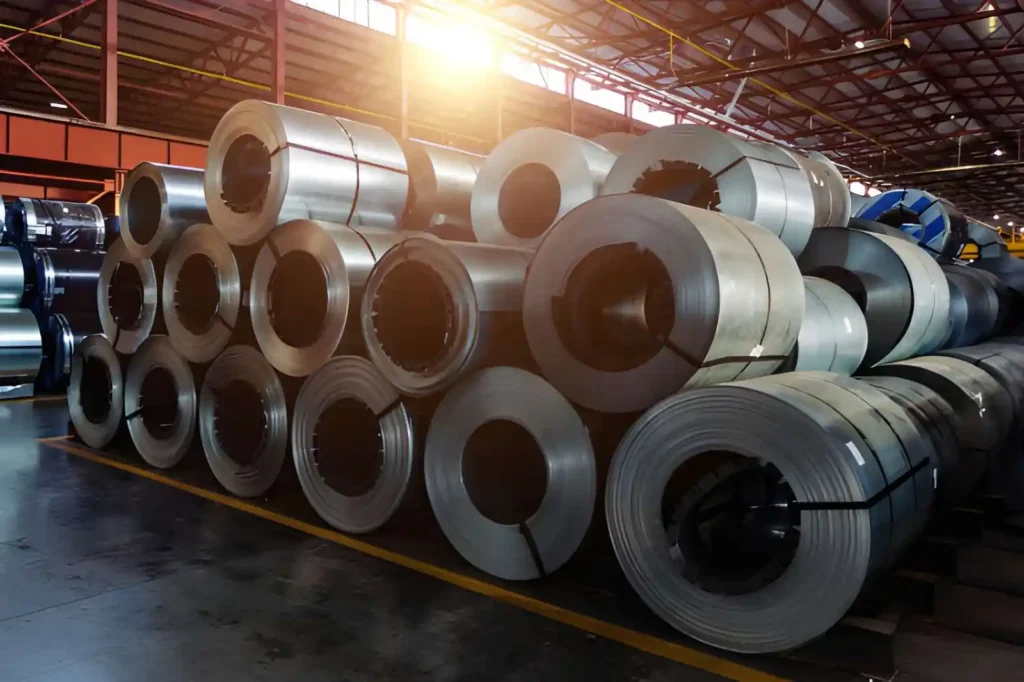
Galvanizing is almost exclusively used on carbon-steel sheet metal. Hot dip galvanizing involves immersing cleaned steel sheet metal into a molten zinc bath at temperatures close to 450°C. During this time, a metallurgical reaction occurs between the iron (Fe) in the steel and the zinc (Zn). This reaction produces layers of intermetallic zinc-iron alloy, which are covered by a nearly pure zinc layer. Hot-dip galvanizing creates intermetallic diffusion layers that bond metallurgically to the sheet metal, providing uniform coverage and strong adhesion.
The zinc layer protects against corrosion in two ways:
- It acts as a physical barrier, preventing corrosive substances from reaching the underlying steel.
- It acts as a sacrificial material; because it corrodes preferentially to the steel, it protects the steel from corrosion.
Galvanizing is widely used for the production of structural panels, enclosures, brackets, and other sheet-metal components intended for outdoor use.
Passivation (Stainless Steel Treatment)
Passivation is a chemical treatment designed explicitly for fabricated stainless steel sheet metal. Stainless steel can form a natural thin chromium oxide (Cr₂O₃) film as a result of the presence of chromium in the steel. However, the processes involved in fabricating stainless steel sheet metal may leave small amounts of free iron on the surface. These small amounts of free iron may act as sites of corrosion initiation.
When a stainless steel part is passivated, it is immersed in a nitric or citric acid solution. The acid removes free iron contamination, allowing the existing chromium-rich oxide layer to reform naturally. The process does not significantly alter the part’s dimensions or surface finish.
Passivation provides improved corrosion resistance for fabricated stainless steel parts, particularly in humid or chemically-aggressive environments.
Anodizing (Growth of Aluminum Oxide Layer by Electrolysis)
Anodizing is an electrochemical process that is primarily used to treat aluminum sheet metal. In this process, the aluminium part to be treated serves as the anode and is submerged in an electrolyte solution (usually sulfuric acid). A cathode is also submerged in the electrolyte solution, and a direct current is applied.
Oxygen ions react with aluminum at the surface to form a controlled aluminum oxide (Al₂O₃) layer. Unlike simple oxidation, the aluminum oxide layer formed by anodizing is thicker, harder, and more uniform.
Under typical conditions, the growth rate of the oxide layer formed by sulfuric acid anodizing is about 20 – 25 µm/hour. The porous nature of the oxide layer formed by anodizing allows dyes to penetrate before sealing, enabling anodized parts to be colored.
The benefits of anodizing include increased:
- Corrosion resistance
- Surface hardness
- Electrical insulation properties
Hard Anodizing
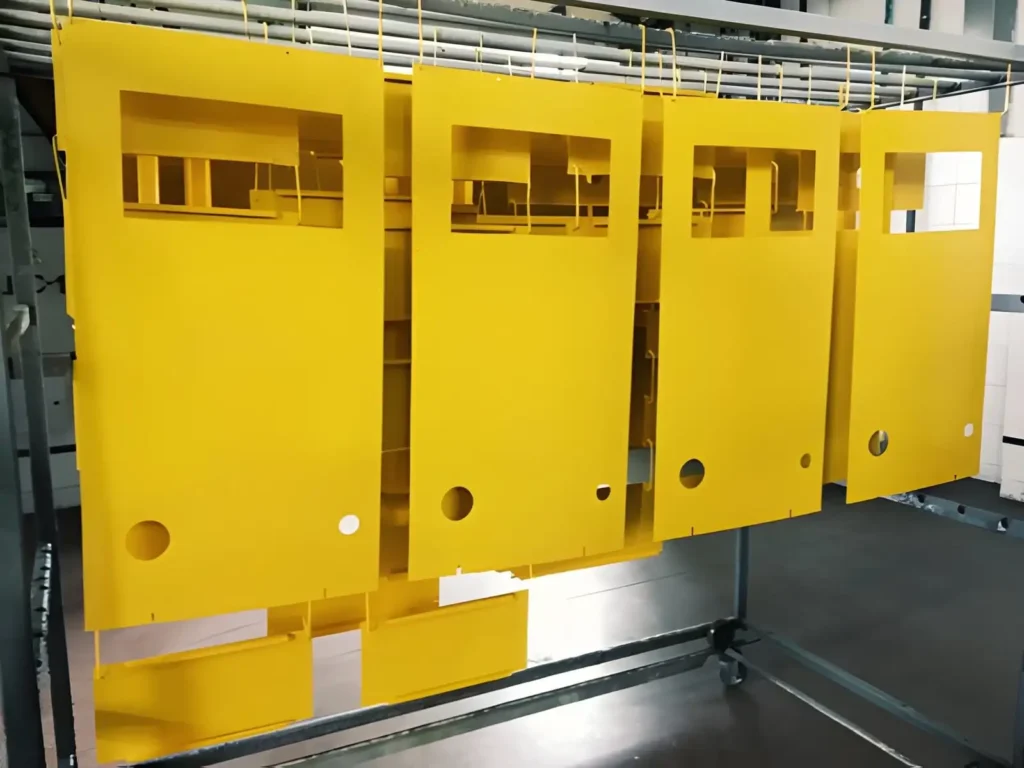
Hard anodizing is carried out under more stringent conditions (lower temperature 0–10°C; higher current density) than standard anodizing. The thickness of the oxide layer formed by hard anodizing varies from 25 µm to 100 µm. The coating hardness can range from approximately 500 to 900 HV, depending on the alloy and process parameters.
Hard-anodized surfaces are generally dark gray to black and are chosen for applications requiring high wear resistance, improved fatigue performance, and low friction. Examples of applications that would benefit from this type of surface finish include mechanical housings, sliding components, and high-load aluminum parts.
Chem-Film (Chromate Conversion Coating for Aluminum)
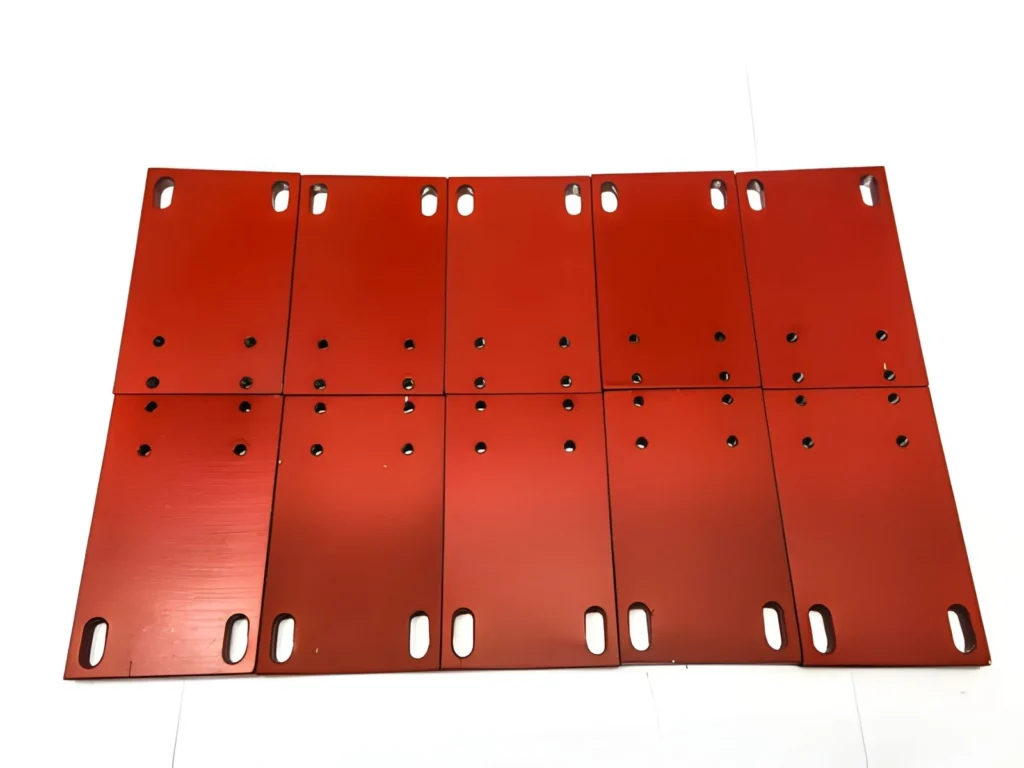
Chem-film, also known as a chromate conversion coating, is a chemical treatment for aluminum and its alloys. Chem-film creates a thin chemical conversion coating by reacting with the aluminum surface. Chem-film coatings can be applied by dipping, spraying, or brushing.
Chem-film coatings are fragile and do not typically affect tolerances. They provide moderate corrosion resistance and improve paint adhesion.
Depending on the formulation of the chem-film coating, the surface color can range from clear to yellow or light gold.
Electroplating
Electroplating is an electrochemical deposition process in which one metal is deposited onto another. When using this process:
- The part to be plated serves as the cathode.
- The plating metal serves as the anode.
- Both the cathode and anode are submerged in an electrolyte solution containing metal ions.
- An electric current drives metal ions from solution onto the surface.
Common plating materials include nickel, chrome, zinc, silver, and copper. Choose a specific finish type considering the sheet metal bend radius chart.
The advantages of electroplating include:
- Improved corrosion resistance
- Increased surface hardness
- Enhanced electrical conductivity
- Improved decorative appearance
However, coating thickness may vary slightly depending on the part’s surface due to the current density distribution.
Black Oxide (Chemical Conversion Coating for Steel)
Black oxide is a chemical conversion process primarily used on steel sheet-metal components. Black oxide is achieved by immersing a steel part in an alkaline oxidizing solution. A controlled chemical reaction converts the steel’s surface to magnetite (Fe₃O₄), forming a thin black layer. Unlike plating, black oxide does not significantly increase the part’s thickness.
After applying the black oxide coating, oil or wax is often used to protect the part from further corrosion and to reduce friction. Applications well-suited for black oxide coatings include fasteners, tools, precision mechanical parts, and other steel parts that require a matte black surface finish. Additionally, the matte black surface finish also helps to eliminate light reflection.
Electroless Nickel Plating
Electroless nickel plating is an autocatalytic chemical reduction process that deposits a nickel-phosphorus alloy layer on a substrate without the use of electric current. To perform electroless nickel plating:
- The sheet metal part to be plated is immersed in a chemical bath containing nickel salts and a reducing agent.
- The reaction causes nickel to deposit uniformly across all exposed surfaces of the substrate.
The fact that the process does not require an electric current means the coating thickness is consistent across all surfaces of the substrate, including those with recessed or internal features.
Advantages of electroless nickel plating include:
- Uniform thickness of the coating
- High corrosion resistance
- Good hardness
- Improved wear performance
Electroless nickel plating is well-suited for applications that require precision sheet metal assemblies and parts with tight tolerances.
How to Choose the Right Sheet Metal Finish Type
Making the right decision on the type of finish for your sheet metal product isn’t simply a matter of aesthetics; the finish impacts your products’ ability to withstand corrosion, their durability, the cost of the finish, and ultimately the dimensional accuracy of the finished product.
Typical Finish Selection Workflow
- Identify base material.
- Determine environmental exposure (indoor, outdoor, corrosive).
- Evaluate mechanical wear or friction requirements.
- Determine electrical or thermal requirements.
- Evaluate aesthetic or branding requirements.
- Compare the cost and manufacturability of candidate finishes.
- Below are some considerations when selecting a finish, presented in an easy-to-read, easy-to-understand format.
Material Compatibility
Not all finishes work equally well with all base metals. Prior to determining a finish, determine if the finish is compatible with the base metal.
For example, anodizing is primarily utilized on aluminum, and passivating is exclusive to stainless steel. Galvanizing and zinc plating are typically used on carbon steel. Powder coating can be applied to most base metals; however, certain base metals, such as cold galvanized steel, may require specialized surface preparation to ensure adequate adhesion.
Therefore, the process of identifying acceptable finishing alternatives should commence at an early stage, even before the final determination of the base metal. Selecting the wrong combination of base metal and finish can result in inadequate adhesion, defective surfaces, or insufficient corrosion protection.
Part Application (Indoor vs. Outdoor Use)
The location and method of application of the part are the most significant factors in selecting the finish.
For parts intended for indoor usage within a controlled environment, a standard finish may be appropriate. For outdoor-use parts, they must withstand rain, moisture, UV radiation, and, in coastal/marine environments, corrosive effects from salt. For parts intended for use in environments where they will be subjected to chemicals, fumes, or harsh industrial conditions, the finish must be capable of resisting chemical attack. In such instances, a thicker finish or specialized treatment(s) may be required.
Environmental Conditions
Beyond whether a part is intended for indoor or outdoor use, consider the potential environmental stressors it may encounter.
Will the part be exposed to:
- High humidity?
- Salt spray?
- Temperature changes?
- Direct sunlight?
- Industrial chemicals?
For example, powder coating provides excellent weathering resistance; however, prolonged exposure to UV radiation may cause color fade, depending on the formulated powder coating. Zinc-based coatings provide sacrificial corrosion protection; however, they may not be the best option in highly acidic environments.
Selecting a finish that matches the part’s actual operating conditions reduces the likelihood of premature failure.
Visual/Aesthetic Requirements
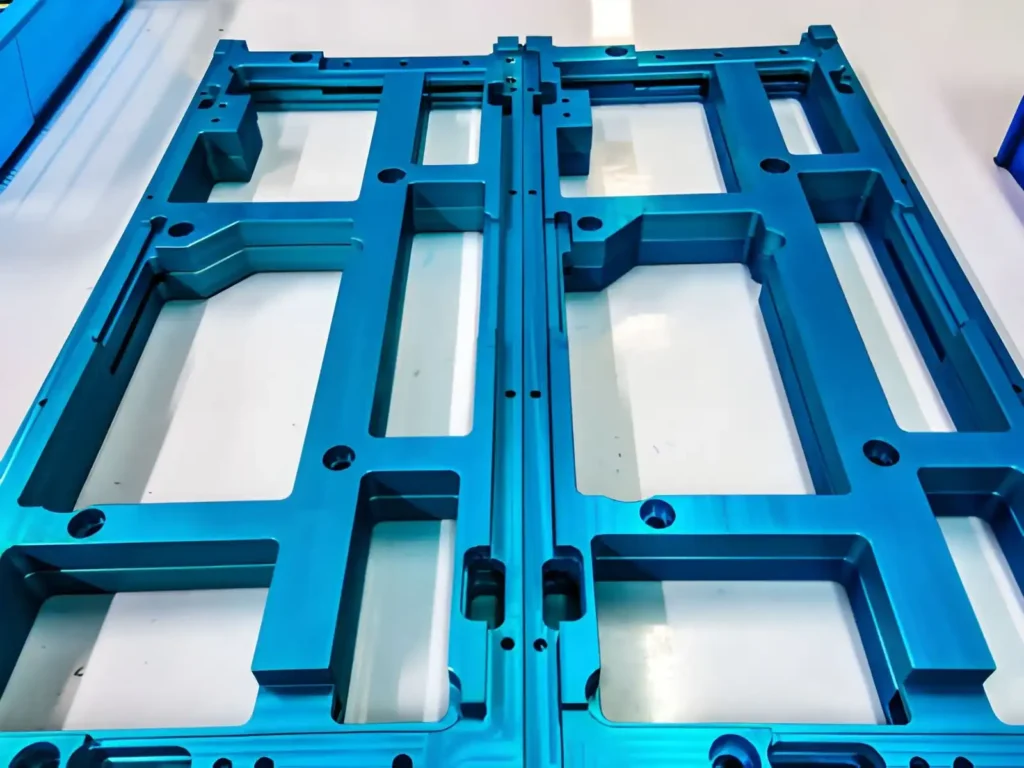
Aesthetic considerations are very relevant when parts will be seen by consumers or used in items they use and interact with.
Different surface treatments result in different appearances (glossy/matte/textured). Anodizing can add color to aluminum. Powder coating provides a wide variety of colors and textures. Black oxide produces a uniform dark color but severely limits color and/or texture options.
The texture of a surface may also affect the friction coefficient (grip) of a component, depending upon how it will be used. This may be critical for the handle or control panel components.
Part Design and Movement
The part’s design also influences the finish selection. When the part contains moving parts or sliding contacts, wear resistance becomes a concern. Thin coatings, such as zinc plating, help reduce friction and provide corrosion protection. Hard anodizing generates increased surface hardness on aluminum parts.
On the other hand, thick coatings, such as those generated by powder coating, may chip or flake off more easily in high-friction areas.
Parts with stable, fixed geometry may utilize a broader array of finishes without concern for mechanical wear.
Combining Surface Finishes
There are times when combining multiple finishes produces superior results.
For example:
- E-coating combined with powder coating provides improved corrosion resistance and enhanced durability.
- The primer layer beneath a powder coating provides improved adhesion and extended protection.
- Anodizing followed by powder coating provides improved durability and appearance on aluminum parts.
However, not all finishes are compatible. Each finish must be technically suitable and properly planned to avoid potential adhesion or performance difficulties.
Cost Considerations
Cost is a practical consideration.
Finish costs depend on:
- Size of the part
- Weight of the part
- Shape of the part
- Base material
- Thickness of the finish
- Number of processing steps
Sheet Metal Finishes at Prolean MFG
At Prolean MFG, our standard sheet metal finish is the as-cut condition. This is the fastest option and comes straight from the cutting or machining process. Parts may show tool marks, small burrs, or minor discoloration from laser, waterjet, or milling operations. These are entirely normal and can be smoothed or removed if needed.
We also offer a range of finishing options to improve both the look and performance of your parts. Finishes can enhance corrosion resistance, durability, and surface smoothness, depending on the material and the part’s intended use.
Our team helps you to choose the right finish for your sheet metal parts, whether it’s for functional protection, visual appeal, or both. Contact us today for sheet metal fabrication service and get an online free quote!