

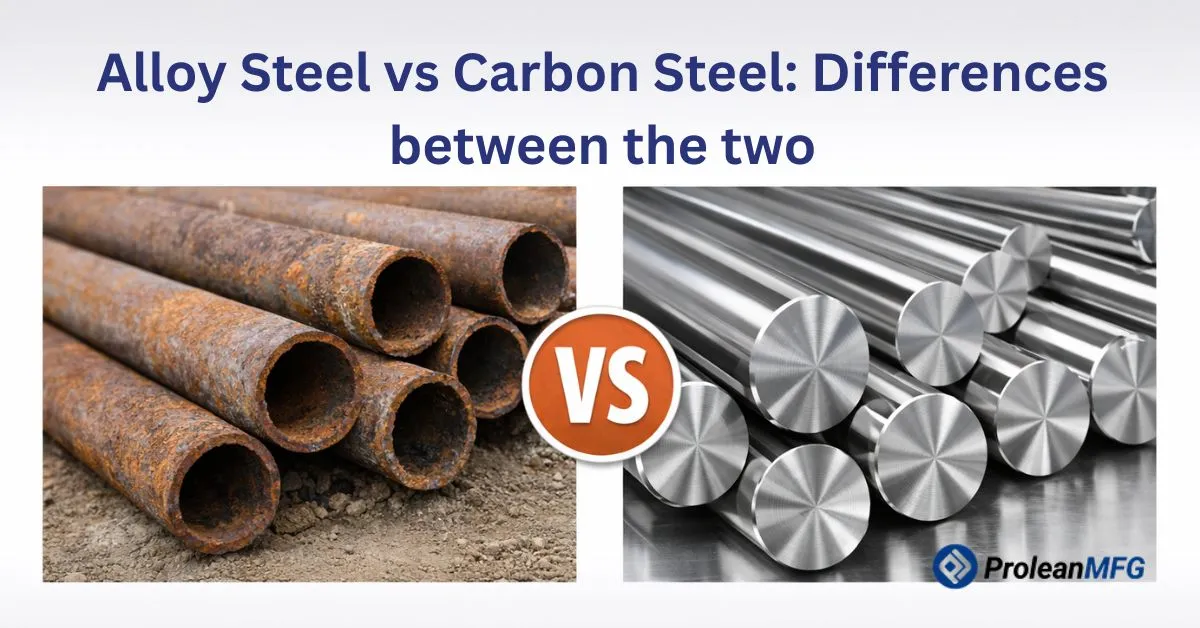

The right steel can make or ruin performance, cost efficiency, and durability. When we compare alloy steel vs carbon steel, the two are the most commonly used materials for manufacturing, construction, and engineering. However, they behave differently under heat and pressure. Understanding the differences between alloy steel and carbon steel is important before choosing a material for high-stakes or precision applications.
The similarities between the two steels end there. Carbon steel is based on its carbon content, while alloy steels add additional elements such as chromium and nickel to improve performance. This results in a wide range of materials that are suitable for a variety of applications, from surgical instruments made with 440C steel to bridges constructed using structural carbon steel.
ProLean Tech provides expert guidance, precision manufacturing services, and custom metal machining to meet your specific needs. Their resource on bending steel will help you determine which material is best for your needs when evaluating your forming and fabrication options.
What is Alloy Steel?
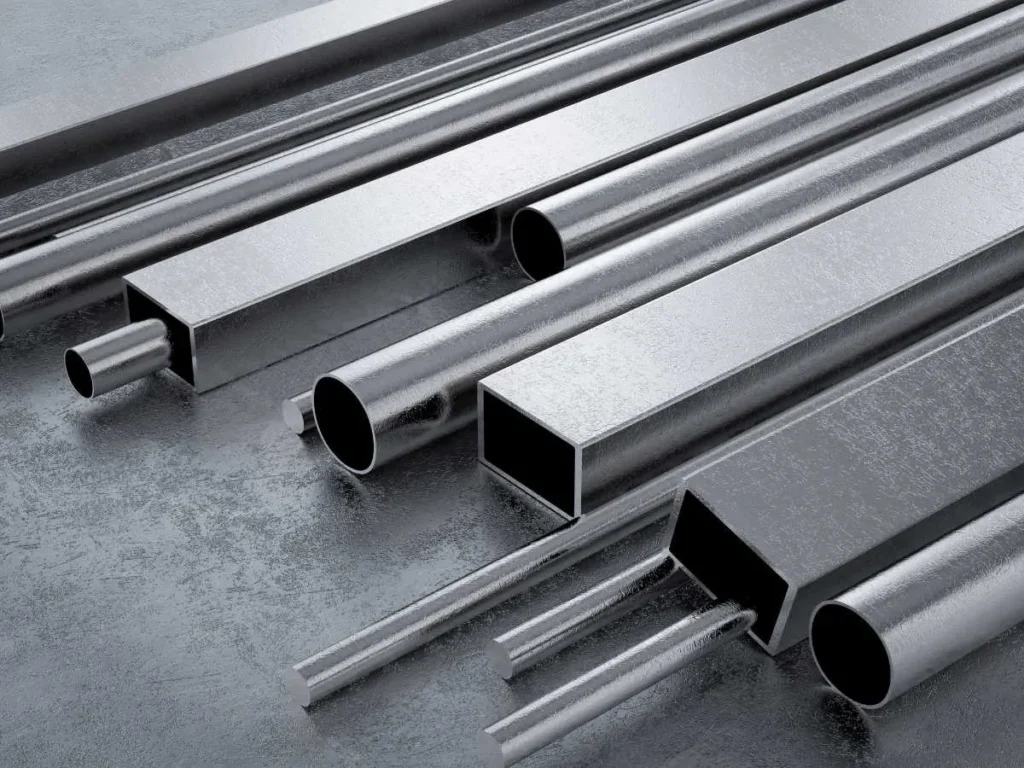
Alloy steel stock – bars, rods, and pipes
Alloy steels are steels that contain intentional alloy additions in higher amounts than plain carbon steel to modify properties. Other alloying elements may include molybdenum or silicon. These alloying elements can be added to steel to improve specific chemical or mechanical properties. These additions can increase strength, hardness, and corrosion resistance. They can also improve wear resistance or heat resistance.
Alloy Steel Types
- High-Alloy steel: Consists of more than 5% alloying element by weight. The most common example is stainless steel, which has a high chromium level that forms a passive oxide film, making it resistant to chemical attack. High-alloy steels can be used for aerospace and tooling where high performance is needed.
- Low-Alloy steel: Has less than 8% of alloying elements. LLow-alloystmainstaythe mainstays of engineering. They offer superior strength, toughness, and hardenability to plain carbon steel, while remaining cost-effective. The most common grades are 4140 and 4434 steels. They are widely used in the automotive and heavy equipment manufacturing industries.
Alloy Steel Applications
The enhanced properties of alloy steel make it the best choice for high-demand applications. This alloy is used in many applications, including automotive drivetrain parts, oil and gasoline pipelines, aerospace structural components, cutting tools and gears, as well as high-pressure vessels. Each grade is characterized by its specific alloy composition. For example, due to its high hardness and corrosion resistance, 440C steel (a high-carbon stainless steel grade) is used for ball bearings and knife blades.
What is Carbon Steel?
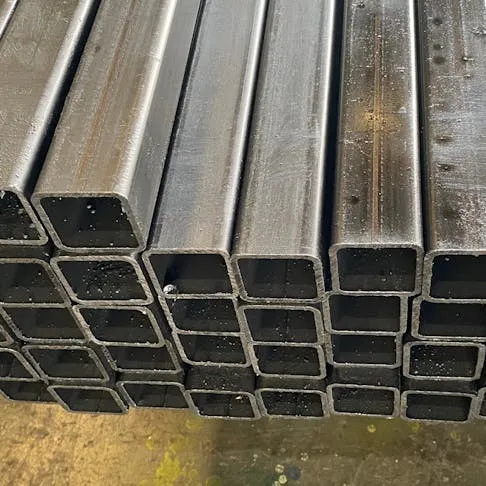
Carbon steel bars
Carbon steel is defined by its carbon content. It contains minimal alloying materials beyond those that occur naturally during steelmaking. The most common steel type accounts for 85-90% percent of the total global steel production. The carbon content of steel directly affects its mechanical properties. Higher carbon means stronger, harder, and more brittle.
Types of carbon steel
- Low-Carbon Steel: Mild steel contains 0.05-0.25% carbon. This form is the most ductile, weldable, and widely used in structural applications, construction, automotive panels, and other applications. It is easy to cut and form, but it does not have the hardness that higher carbon grades do.
- Medium-Carbon steel: contains 0.25-0.60% of carbon. This steel offers a balance between strength and ductility. It is used in railway tracks and other machinery parts that require moderate toughness and hardness.
- High-Carbon steel: contains 0.60-1.50% Carbon. Extremely hard, but also brittle. Cutting tools, wire ropes, and blades are made from this steel. Due to its tendency to crack, high-carbon steel must be handled carefully during welding and forming.
Carbon Steel Applications
Carbon steel is used in construction, infrastructure, and general manufacturing because of its versatility and low price. It’s used for structural beams and pipelines. It is also found in automotive components, hand tools, cookware, rail systems, and other products. Carbon steel is a popular and cost-effective machining process for high-volume manufacturing because of its ease of machining, especially in low- and medium-carbon forms.
What are the Differences between Alloy Steel and Carbon Steel?
Carbon steel and alloy steel are distinguished by more than just their composition. The two categories of material differ in almost every performance metric. Here is a comparison of the key properties.
| Property | Alloy Steel | Carbon Steel |
| Strength | Very High | Moderate |
| Hardness | High | Moderate |
| Toughness | High | Moderate |
| Machinability | Moderate | High |
| Weldability | Moderate | High |
| Corrosion resistance | High | Low |
| Cost | Higher | Lower Prices |
| Ductility | Moderate | High |
Composition
The main difference is in the composition. Carbon steel is composed of iron, carbon, and trace amounts of manganese and silicon. Alloy steel is made by adding chromium or nickel to achieve specific behavior. These additions do not just improve performance; they also change the way steel reacts to heat treatments, chemical environments, and stress. Selecting the right steel grade begins with understanding the differences between alloy and low-carbon steel composition.
Corrosion resistance
The natural corrosion resistance of carbon steel is minimal. It oxidizes rapidly in humid or moist conditions without protective coatings or surface treatments. Depending on the alloying elements in steel, it can provide a significantly higher resistance. The chromium in stainless steels, a subset of high-alloy steels, forms a protective oxide film that makes them highly resistant to corrosion. Low-alloy steels with minor additions of nickel and chromium show significant improvements over plain carbon.
Hardness
Hardness depends on carbon content and heat treatment. Alloy steel can reach high Rockwell hardness levels with the addition of molybdenum and chromium, as well as proper quenching. For example, 440C steel can reach HRC values of 58-60. Heat treatment can be used to harden medium and high-carbon steel, but it rarely reaches the same level of hardness as alloyed grades.
Strengthening Your Body
Alloy steels offer superior strength-to-weight ratios. Low-alloy, high-strength steels (HSLA) are designed to provide high tensile strengths at reduced thicknesses. They’re particularly useful for aerospace and automotive lighting. The carbon steel strength is directly related to the heat treatment and carbon content. High-carbon grades can achieve very high strengths, but at the expense of ductility or weldability.
Toughness
Alloy steels are often favored for their toughness, or the ability to absorb and disperse energy. Nickel is added to alloy steels specifically to increase toughness at low temperatures. The aerospace industry values alloy steel grade 4340 for its high strength and impact toughness. While high-carbon steels are hard, they can be brittle and fail under impact.
Malleability
The malleability of a material is determined by its ability to be compressed without breaking. Low-carbon steel can be shaped by rolling, forging, and bending without cracking. Low-carbon steel is more tolerant when it comes to bending than high-carbon steel or alloy steel. Alloy steels are generally harder and stronger, but they have lower malleability. Most alloy steels can be hot-formed at high temperatures.
Weldability
It is very easy to weld carbon steel, especially low-carbon grades. Weldability drops as carbon content increases. High-carbon steels require pre-heating and after-weld heat treatments to prevent cracking. Alloy steels can present greater welding challenges because alloying elements increase hardenability, and the heat-affected area becomes more brittle. Carbon steel is the better choice for structural applications that require a lot of welding. It’s also safer.
Ductility
Low-carbon steel has the highest ductility, or ability to deform before breaking under tension. As carbon content and alloying components increase, this property decreases. Low-carbon steel is ideal for sheet metal, tubes, and drawn wire because it can be stretched by 20-30% without failure. Alloy steels designed for high strength usually sacrifice some ductility. However, certain grades can balance both by carefully balancing composition and heat treatment.
Cost
Carbon steel is cheaper than alloy steel primarily due to its simpler production and use of fewer raw materials. This cost advantage is crucial for large-scale applications that are not critical. The cost of alloying materials, such as nickel, cobalt, and molybdenum, and the extra processing necessary, make alloy steel more expensive. In demanding applications, the performance gains can justify the price, but carbon steel is still the most economical option.
Applications
Carbon steel machining is used for high-volume, cost-sensitive applications, such as structural framings, pipelines, and auto body parts. Carbon steel is a material that can be efficiently machined at large scales because of its predictable behavior.
Alloy steel machining is used when carbon steels cannot meet the performance requirements. This includes aerospace fasteners and heavy-duty gears. It is also used for pressure vessels, cutting tool components, and components that will be exposed to high temperatures or corrosive conditions.
Alloy Steel vs Carbon Steel for Machining
Alloy steel vs carbon steel
Machinability is an important factor in manufacturing. It directly affects cycle times, tool lifetime, and surface finish. Understanding the difference between alloy and carbon steel is important before deciding on your material.
Carbon steels, in particular low and medium-carbon grades, can be machined with HSS or carbide tools. Tool wear and chip control are easily controlled, as is surface finish. Carbon steel is the preferred choice for large-volume components that are turned or milled.
Alloy steels are generally more difficult to machine. High hardness and strength mean greater cutting forces and faster tool wear. For harder grades such as 440C, you will need carbide or ceramic tools and conservative cutting parameters. It is common to machine alloy steel first in annealed form, and then heat treat it to the final hardness. This balances tight tolerances while maintaining high surface hardness.
Common Mistakes when Choosing between Alloy Steel and Carbon Steel
The wrong steel can cause part failures, extra costs, or fabrication issues. Here are some of the most common mistakes to avoid.
- Overengineering alloy steel: Use of an expensive alloy for non-critical applications adds costs without benefit. There is no need to upgrade if carbon steel meets mechanical requirements.
- Ignoring weldability. Specifying high-alloy steel or high-carbon steel for an assembly that relies heavily on welding can create fabrication challenges. Never just evaluate in-service performance, but always consider the entire manufacturing process.
- Do not confuse hardness and toughness. Hard steel does not mean tough. High-carbon steels can be very hard, but brittle. Material selection for impact-loaded components should be based on toughness, not just hardness.
- It is common to assume that paint or plating can adequately protect carbon in harsh environments. This assumption is costly. Select the right alloy grade when long-term corrosion protection is required.
- Heat treatment is often overlooked. Some alloy steels can only achieve their desired properties through proper quenching, tempering, and annealing. It is common to specify a grade before planning the entire heat treatment process.
Conclusion
Alloy and carbon steel are used for different applications across the engineering spectrum. Carbon steel is a cost-effective material for structural, construction, and general manufacturing. Its excellent machinability, weldability, and dimensional stability make it suitable for large-scale applications. Alloy steels are designed for applications where the strength, toughness, corrosion resistance, and hardness of carbon steel are not enough. Your specific performance requirements, your manufacturing process, and your budget will determine the right choice. The best engineers assess both factors before making a decision.
ProLean Tech is a leader in precision steel manufacturing. From custom metal processing to complex alloys and carbon steel components. Their team can assist you in selecting the best material and process, whether you need components made of low-alloy steel or high-performance 440C. Contact us to discuss your project. We can provide expert advice tailored to your specific application.
FAQs
What is better, carbon steel or alloy?
Both are good in their own way. Carbon steel is best for applications that are cost-sensitive or require a high volume of welds. Standard strength and machinability will suffice. Alloy steel is the best choice when you require increased strength, toughness, or corrosion resistance. Your budget and performance requirements will determine the best choice.
What is the quality of alloy steel?
Alloy steel is considered to be high-quality, especially when used for applications that require it. The alloying elements of the steel are carefully controlled to produce specific mechanical properties. It is also subjected to rigorous testing and heat treatments. For their high-performance, consistent characteristics, grades like 4140 and 4340 are used in the aerospace, automotive, and tooling industries.
What is the strongest steel?
High-carbon steel contains 0.60-1.50% Carbon and is extremely hard, but also brittle. Cutting tools, wire ropes, and blades are made from this steel. Due to its tendency to crack, high-carbon steel must be handled carefully during welding and forming.