
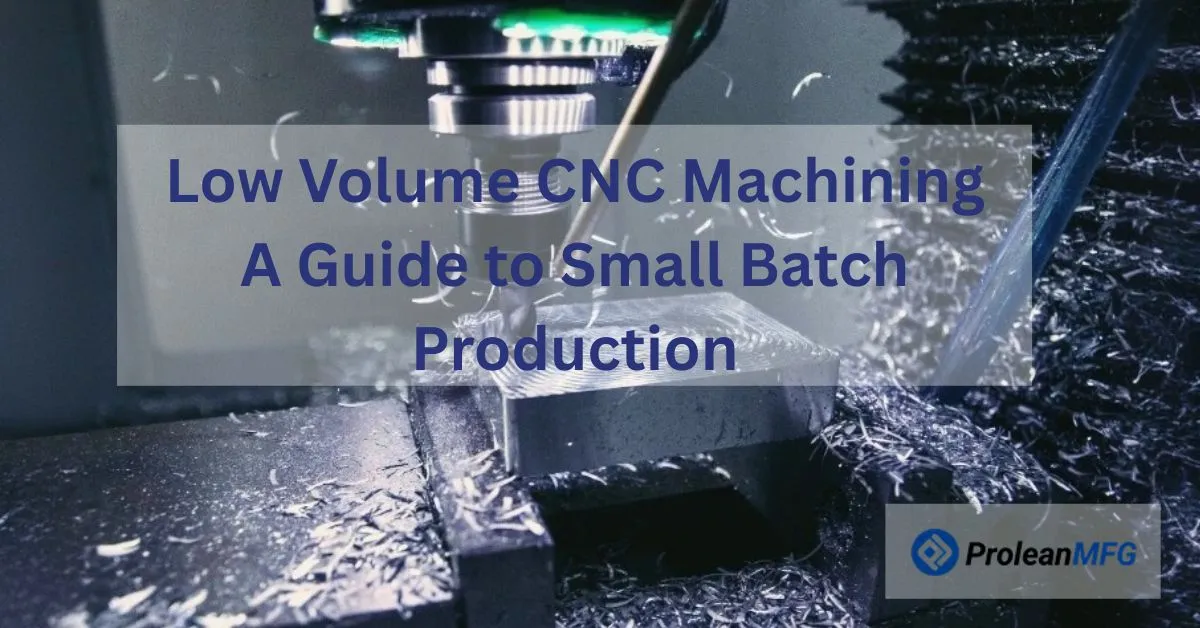

Mass production is not always necessary for manufacturing. Low volume CNC machining is a cost-effective solution for businesses that are developing new products, testing the market, or manufacturing specialized components. This method allows companies to produce anything from a prototype to hundreds of parts, without having to invest in the large upfront costs required by traditional high-volume methods.
ProLean Tech helps businesses from the aerospace, medical, and automotive industries to bring their ideas to life. Understanding the capabilities and considerations for low-volume custom metal machining is crucial for making informed decisions.
What is low volume CNC machining?
Low-volume CNC machining is a manufacturing method that focuses on producing precision parts in smaller quantities using computer numerical control. This method is a bridge between prototyping and mass production. It offers manufacturers flexibility without compromising quality or precision.
Definition and average rates of production
Generally, low-volume CNC machining means running a production cycle for a single unit up to a maximum of 1,000 to 10000 units depending upon industry and part complexity. It should be noted that this can change depending on the industry and the intricacy of the part being produced. In comparison to mass production, CNC machining provides more versatility since mass production necessitates the fabrication of dozens or thousands of identical units.
With the same precision machining techniques and tools used in large-scale production, CNC machining low-volume runs of highly customized parts employs optimized processes for the particular small run. These can be simple geometries, complex geometries that require the use of specific cutting tools, and pre-defined quality control steps in the CNC programming of the tools.
Importance of small-batch production in modern manufacturing
Today’s small-batch manufacturing plays a more crucial role in modern manufacturing compared to yesterday’s mass production. The market conditions of today’s world impose an even greater pressure on manufacturers to respond rapidly and effectively to the changing demands of the customer, introduce innovations on a continual basis, and keep the costs associated with the inventory to a minimum. These objectives conflict with the mass production methods of the past, which created rigid supply chains and excessive inventory.
Manufacturers are considering flexible manufacturing as an approach to support rapid cycles of product development. Flexible manufacturing also gives the opportunity to develop custom replacement parts for obsolete equipment, reach niche markets, and provide manufacturing continuity for supply chain disruptions. Custom small batch CNC machining makes it so that there is little to no disruption to the manufacturing process, allowing for quick changes to be made, and no need for complete replacement of production lines.
The Distinction Between Low-Volume and Prototype Runs
While at first glance, prototyping and low-volume production seem similar, they have very different purposes and are done very differently. Prototype machining is meant to confirm a design and functionality while uncovering any problems that may exist prior to a full run of production. Typically, these runs are for very small production numbers, anywhere from 1 to 5, so that different production runs and design changes can be implemented to create a true comparison.
Whereas, for low-volume production, it is the assumption that the design is, in fact, complete. However, it is not always the same, as parts undergo some refinement during small-scale productions. Therefore, all of the necessary parts to create end-useable products, and not simply test parts, need to be made. The material and design specifications, and even the quality requirements, are meant to be the same as for large batch production. It is that standard that allows small volume production to maintain the same quality and performance.
The Benefits of Low-Volume CNC Production
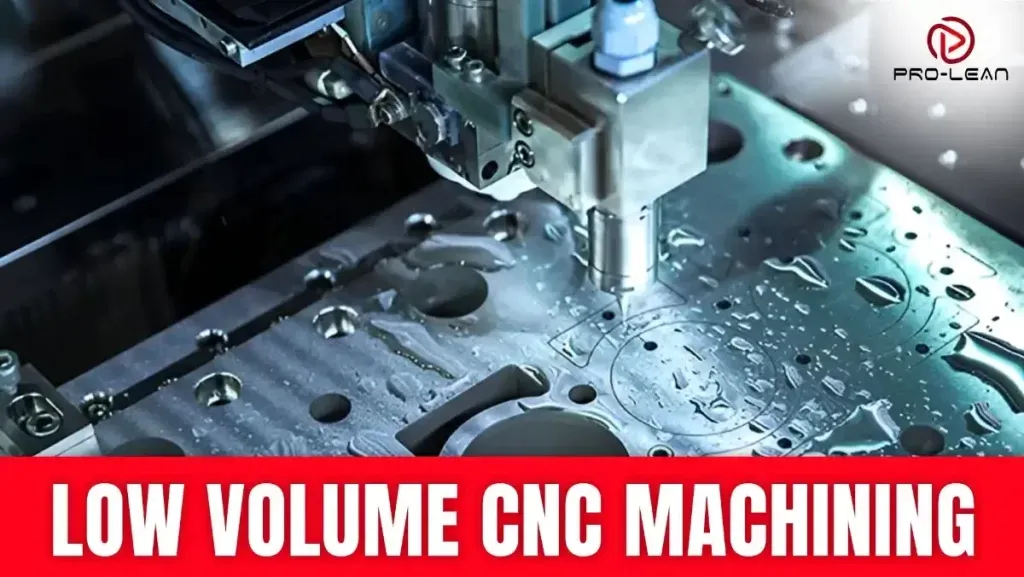
Benefits of low-volume CNC machining
CNC machining has many benefits. It is not just a method of fabricating parts. These benefits have a direct impact on project schedules, budgets, and the overall success of a product.
Short-run Manufacturing
Injection molding and die casting are two examples of small-batch production that reduce upfront costs. The overall costs of the project are lower, even though the unit cost is higher. The cost of dies, molds, and fixtures is avoided.
This cost structure is especially useful for products that have an uncertain demand. This is useful for seasonal products or components that require frequent design updates. Instead of spending capital on outdated manufacturing infrastructure, it can be used to develop new products and market them.
Reduced lead time and faster time to market
CNC machining is faster than other processes that require tooling. After the finalization of CAD files, parts can be produced immediately. Fabrication of the tool and validation will not take many months or even weeks. The majority of low-volume machining tasks are completed within a few days or weeks, depending on the complexity and capacity of the shop.
Businesses can respond to market changes quickly when they have the advantage of speed. They can replace parts that don’t work and refine designs based on feedback from actual users. Custom machining is particularly useful in industries that are competitively based on being the first to market.
Flexible and Iterative Design
CNC affords positive design changes at little cost to the overall design process. CAD files can be modified by engineers after testing. Complex design alterations can be performed without scrapping cost-prohibitive parts. This kind of design process is dependent on CAD’s iterative design flexibility.
Such flexibility creates an opportunity to revise design plans and approaches to the design process at any point. The design process can refine around actual customer demand and input. It can respond to regulatory changes and new specifications for design materials. It is considered a general prototype and design framework when starting a new product.
Reduce Inventory Risks and Improve Supply Chain Response
Risk to assets and the supply chain becomes a positive cash flow and margin contributor as small batch manufacturing is adopted. With no need to store parts or consume working capital in pre-manufactured parts, obsolescence and inventory cost exposure are minimized.
Enduring the challenges of global suppliers’ discontinuity, design flexibility is maintained. You can circumvent any tooling-dependent zones to integrate any manufacturing process. This strengthens the supply chain by eliminating points of vulnerability.
Core Applications and Use Cases
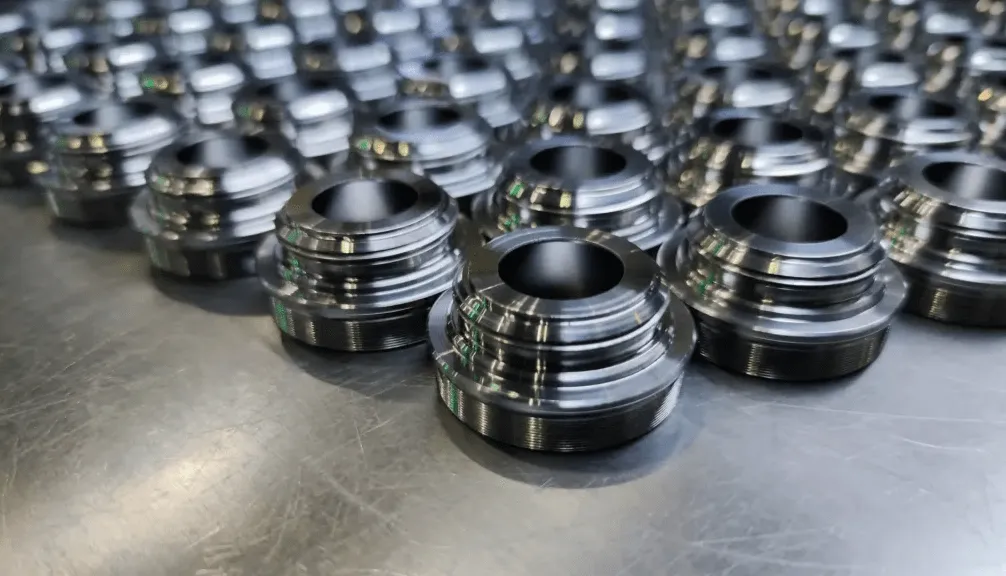
CNC machining for low-volume production
Low-volume machining serves diverse manufacturing scenarios across multiple industries. Understanding these applications will help you identify the situations where this approach is most useful.
Pre-Mass Production Bridge Manufacturing.
Bridge construction is a generator of revenue to businesses and receives positive feedback from clients. Later on, most companies use this mode of manufacturing only as a short-term strategy for production because this mode of production is often incapable of executing large volume production.
The initial units made will be a source of valuable information about the assembly that they need, what manufacturing challenges they will face, and which engineering design changes they should make with mass production in mind. The customer use analysis assists the company in improving the design and avoiding theorizing a model. This reduces the risks as well as the cost incurred in changing the high-volume toolings that are set.
Bespoke Custom Components of the Specialized Industry.
CNC machining can be required in respect to the singular components or small batch production in regard to the aerospace, medical, and defense industries. Such industries often involve high-end CNC machining, detailed documentation, traceability of materials, and strict quality control.
Custom metal machining can be considered as a possible solution to the protection of proprietary designs or the situation in which the performance needed could not be achieved with the help of off-the-shelf components. CNC machining can operate on rare materials, complex geometries, and fine tolerances in the absence of the volume requirements of the traditional manufacturing technique.
Product Testing and Functional Prototyping.
Basic prototyping is not parallel with functional prototyping. Here, a little low quantity CNC machining of the items is performed, and it is then appropriate to undergo a lot of testing or client testing. These components are as close to the last components that will be manufactured, and therefore their components are made using production-grade materials.
Testing scenarios include:
- Durability and Lifecycle validity.
- Compliance and regulatory certification testing.
- Test customer satisfaction on pilot programs.
- Actual performance scenarios Test performance.
The components produced in functional prototyping are often used in the initial production stocks. That is, one step of manufacturing will be eliminated.
On-Demand parts and aftermarket Manufacturing.
The method of on-demand production enables the replacement of parts of equipment that have stopped production to be easily made. This implies that a manufacturer does not have to have a big stock of spare parts since they can make the parts they require using CAD and CNC machines.
An on-demand manufacturing process enables the product usage to be extended and reduces the cost that would occur when such a product becomes outdated. Considering the point of customer satisfaction, it is a good outcome since they will be capable of operating the product as long as they require it. The availability of parts is ensured, or so is the age of the product. The industries that have fewer consumable products, including medical machines, industrial machinery, and transportation, will be one of the solutions of CNC machining.
Technical Capabilities and Machining Processes
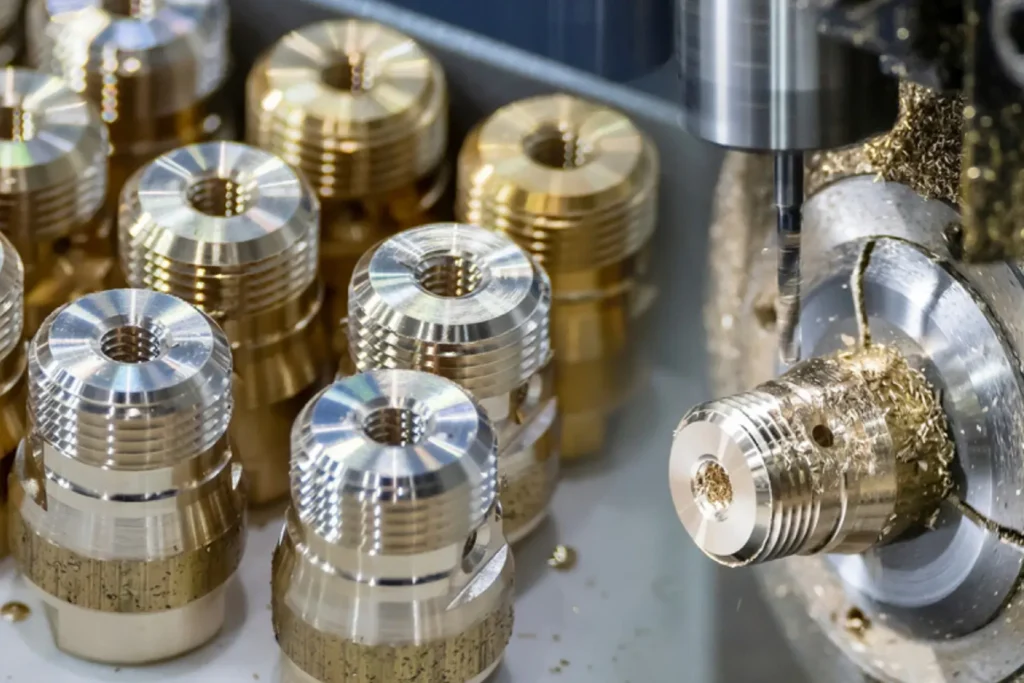
Low-volume CNC turning process
Understanding the capabilities of CNC machining for small batches allows designers and engineers to optimize parts while meeting required specifications.
Precision 5-Axis and 3-Axis Milling
The standard 3-axis CNC milling is a great option for small-batch manufacturing, as it offers excellent precision and can handle parts with simple geometries. These machines use cutting tools that move along the X, Y, and Z axes to create features by controlled material removal. Tolerances are typically +-0.005″.
By adding rotational axes, 5-axis CNC machining can be used to expand capabilities. The cutting tool can approach the workpiece at virtually any angle. This advanced technology allows for complex geometries that are impossible to achieve with 3-axis machines. It also reduces setup time, improves the surface finish, and can be used in conjunction with other equipment. The 5-axis CNC machine can be used to produce parts with complex curves, features, and undercuts on multiple faces. However, the higher rates are usually associated with this increased sophistication.
CNC Turning Centers and Multi-Tasking Centres
CNC turning operations create cylindrical or round components by rotating the workpiece, while cutting tools form the exterior and internal features. This process is excellent for manufacturing shafts and bushings with excellent surface finish and concentricity.
Multi-tasking centres combine milling with turning in one setup. This reduces handling time while improving accuracy on complex parts that require both operations. These machines are especially useful for custom CNC machining where parts have both prismatic and rotational characteristics. They eliminate the alignment errors that may occur when parts are transferred between different types of machines.
Material selection: Plastics, Metals, and Composites
Low-volume CNC machining can accommodate a wide range of engineering materials. Each material has its own unique properties and is suitable for different applications.
Metals:
- Aluminum alloys (6061 and 7075) are lightweight, corrosion-resistant components.
- Stainless steel (303 and 316) is used in medical, food service, and marine applications.
- Titanium for aerospace applications and medical implants that require biocompatibility
- Brass and copper alloys with electrical conductivity and machineability
- Tool steels and wear-resistant components
Engineering Plastics:
- Delrin (acetal), for parts with low friction and dimensional stability
- PEEK for chemical and high-temperature resistance
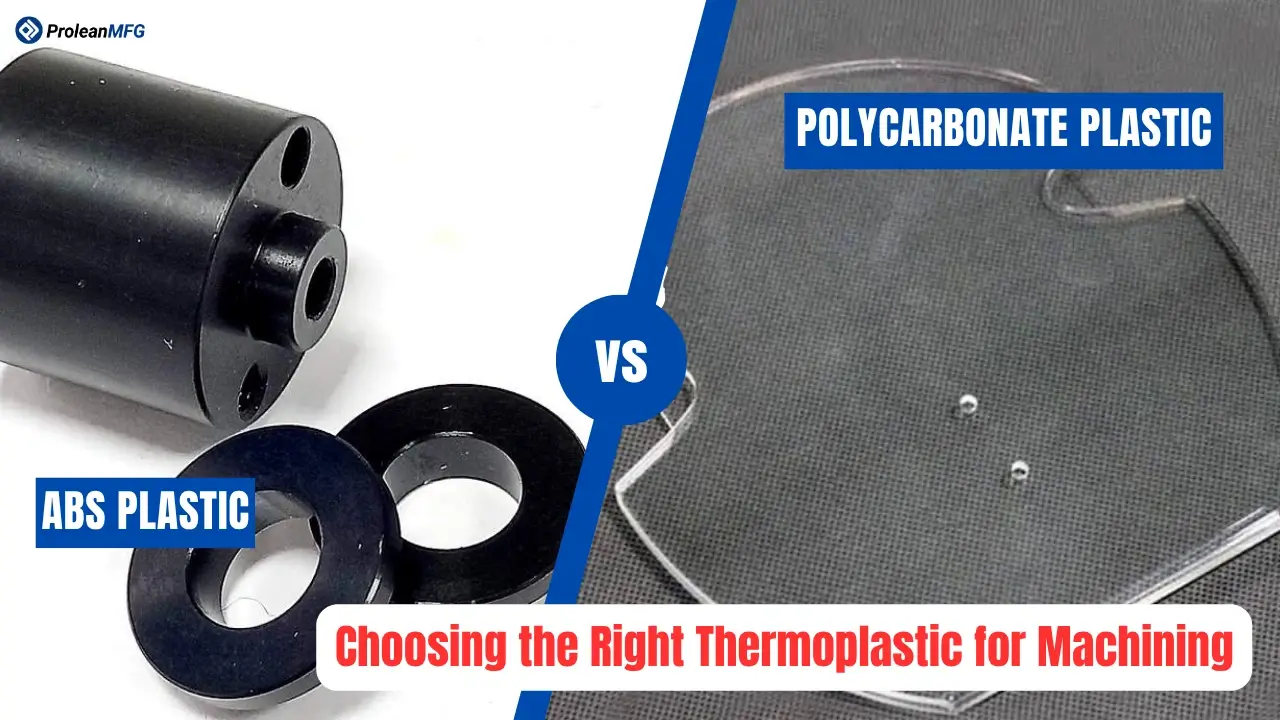
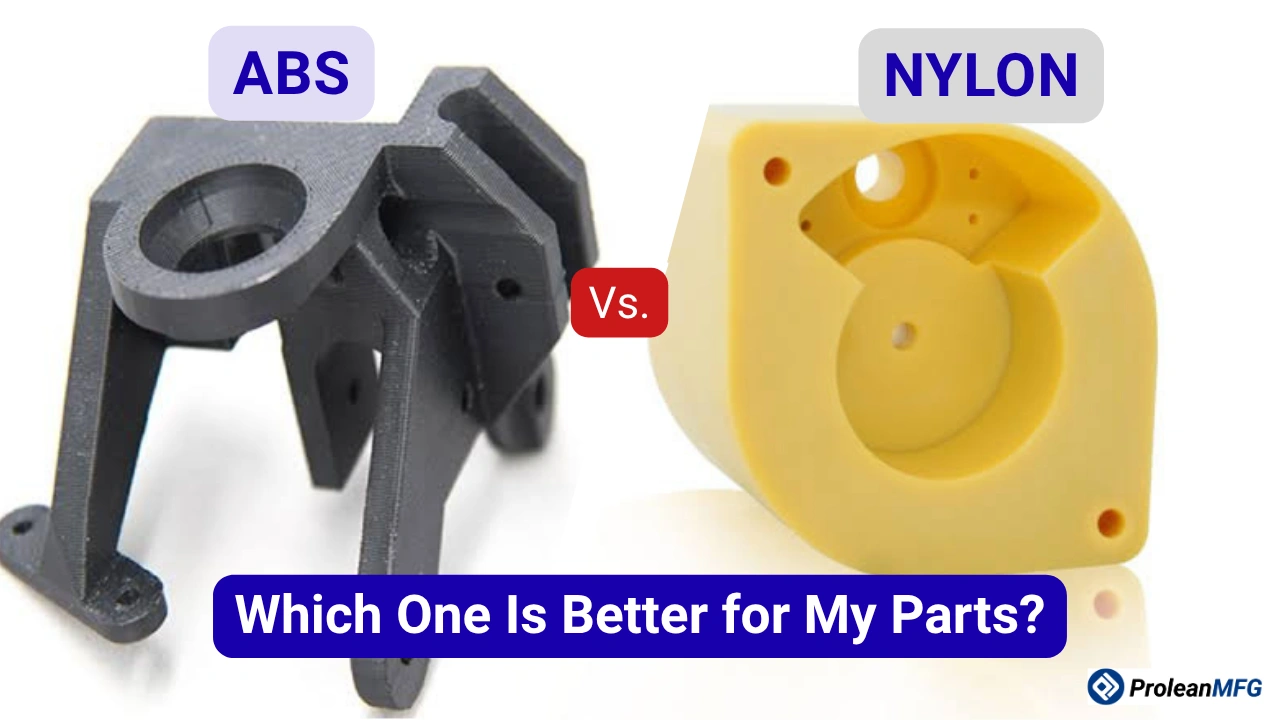
- Nylon for strength and fatigue resistance
- Teflon (PTFE) is a chemically resistant material with low friction.
- Impact resistance and optical clarity of polycarbonate
Material selection has a significant impact on machining parameters, tool choice, and project costs. The advanced precision machining capabilities of materials are the same, but harder materials may require slower speeds and frequent tool changes.
Surface Finishing and Post-Processing Options
Raw surfaces are often not functional or aesthetically pleasing and require further finishing. Custom metal machining projects include:
- Bead blasting for uniform matte finishes
- Anodizing aluminum for corrosion protection and color
- Powder coating is a durable and attractive surface protection.
- Electropolishing to smooth and contamination-free surfaces
- Plating (chrome, nickel, zinc) for enhanced corrosion resistance
The finishing operations are integrated seamlessly into small batch manufacturing workflows. This allows manufacturers to deliver finished, ready-to-use components, rather than forcing customers to coordinate with separate finishing vendors.
Design for Manufacturability (DFM) Tips to Lower Costs
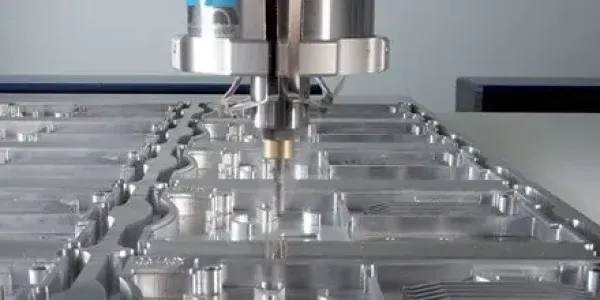
Low-volume CNC machining process
By optimizing the design of parts for low-volume CNC machining, you can reduce production time, minimize tooling needs, and control costs without compromising functionality or quality.
Optimizing part geometry for standard tooling
By designing features around commonly available cutting tools, you can reduce the cost of custom tooling and simplify setup. Standard endmill sizes (1/8″, 14″, 1/2″, etc.). Drill bit diameters and pocket radii should be used to guide hole dimensions and fillet size whenever possible.
Internal corners form fillets that are radiused to match the diameter of the cutting tool. Designers should not specify sharp internal corners, which require extra EDM operations. Instead, they should use the radii created by standard tools. This simple adjustment will reduce the cost and lead time of CNC machining.
Avoiding complex features and tight tolerances
Not all features of a part require the same degree of precision. Specificating tighter tolerances that are not functionally necessary can increase inspection time, require special equipment, and increase scrap risk. Standard tolerances for precision-machined parts are typically +-0.005″. Tighter tolerances are reserved for critical dimensions.
In the same way, features such as deep, narrow pockets, thin walls, or complex 3D contours can increase machining times and risk of tool breakage. Simplifying geometries when possible can reduce costs and maintain part functionality. Concentrating complex features in easily accessible areas reduces the need for specialized tooling and setups.
Selecting Materials and Finishes that are Cost-Effective
Exotic alloys and engineering materials command premium prices. Selecting more cost-effective materials when multiple materials are available to meet the performance requirements can reduce overall project costs. Aluminum alloys are generally cheaper and faster to machine than titanium or stainless steel for applications where they prove suitable.
The finishing requirements also impact the costs. Simple beadblasting or standard surfaces, as they are machined, cost much less than anodizing or other specialized coatings. Finishing only functional surfaces, rather than the entire part, can save money while still meeting performance standards.
Simpler Setups & Fixture Requirements
Costs increase each time a part needs to be repositioned or refixed during machining due to additional setup time and possible alignment errors. The efficiency of reducing setups and costs is improved by designing parts that minimize the number.
Consolidating features onto fewer faces can reduce handling requirements. Incorporating alignment features, or datums, can help ensure accurate repositioning when parts need to be machined on multiple faces. Consider whether it is worth considering splitting complex designs into simpler components to reduce
How these tips save both time and money
All of these design decisions directly affect the time of machining a part and its cost. The standard tools and simplified geometries imply less time and fewer operations to set up. Reducing tight tolerances decreases inspection and rework. Tiny modifications in design that occur at early stages can reduce to serious savings in terms of time and money, manufacturing complexity, and costs.
Comparison: Low Volume CNC vs. Alternative Methods
Understanding how low-volume CNC machining compares to alternative approaches in terms of various factors is essential for selecting the best manufacturing process.
CNC Machining vs. 3D Printing for Short Runs
Both additive manufacturing and small batch CNC manufacturing are suitable for low-volume production but have distinct characteristics.
| Factor | CNC Machining | 3D Printing |
| Material Strength | Metals and plastics for production | Limitation to specific additives |
| Surface finish | Excellent, consistent quality | Smoothness requires post-processing |
| Dimensional accuracy | +/- 0.005″ standard | +-0.010″, typical, but varies depending on technology |
| Part Size Range | Small to Large Components | Build volume is a general limiter |
| Production speed | Faster for metal parts | Faster for complex geometries |
| Cost per part | Reduced for orders >10 units | Very small quantities can be cost-effective |
CNC is the best choice for parts that must meet strict performance requirements or interact with other precision components.
When to Choose CNC Machining:
Use CNC when the parts have to be connected with other precision components (tolerances of up to 0.005 in or smaller), where high mechanical strength is needed (brackets, shafts, housings), where the material has to be certified (aerospace, medical-grade), when the amount of parts is 10-500 units, or when the quality of surface finish has to be consistent without heavy post-processing.
When to Choose 3D Printing:
Use 3D printing if you need to validate a concept within hours (instead of days), intricate internal geometries such as lattice structures or cooling channels that are impossible to machine, small numbers of 1-5 parts where it does not make sense to set up a CNC machine, and production aids such as jigs and fixtures.
Low Volume CNC vs. Injection Molding
The economics of injection molding iarea disadvantage at lower quantities.
Injection molding considerations:
- Tooling costs range from $5,000 to $100,000+, depending on complexity
- The break-even point is typically between 1,000 and 10,000 units
- Mold modifications are expensive for design changes
- Lead time for first parts: 4-12 weeks.
Low-volume CNC machining benefits:
- No investment in tooling required
- Cost-effective for quantities under 1,000 units
- Changes to the design are implemented immediately
- Within days, parts are available
Custom CNC machining is a flexible option for products that have a changing design or uncertain demand. Injection molding can’t match this until the volume justifies tooling costs.
Trade-offs between unit cost and lead time
Understanding the relationship between cost and volume helps determine the optimal point for transitioning between manufacturing methods.
Low Quantities (100-100 Units)
- CNC machining delivers the lowest total project cost
- Lead time is measured in days
- Design iteration remains practical
Medium quantities (100-1,000 units):
- CNC is still competitive in complex geometries
- Plastic parts made of simple plastics may be a good candidate for molding
- Minimum ordering quantity influences decisions
High quantities (1,000+ Units):
- Molding and stamping are becoming more economical.
- Precision metal components are designated CNC.
- Volume justifies tooling investment.
This point can vary depending on the complexity of a part, its material, and quality requirements. Therefore, a project-specific evaluation is essential.
Selecting a CNC partner for low-volume machining
Choosing the best partner for manufacturing can ensure the success of a project, the reliability and consistency of a project, and the effective use of money.
Quality Control and Inspection Standards
For CNC machining services, the reliability of the entire service depends on the quality system of the machining partner. Potential machining partners should have:
- Quality management certification that should include at least ISO 9001 and AS9100
- Well-defined procedures for First Article Inspection (FAI) to ensure that initial parts are built according to specifications
- In-process inspections that prevent defects instead of detection and correction after the fact
- Final inspections performed with various calibrated measuring tools (CMM, optical comparators)
- Defects, materials certification, and traceability (if applicable) to regulated industries
Delivery documentation, along with the parts, should ensure that the parts meet the specifications and ensure traceability in case any problems arise.
Scalability and the Transition to Mass Production
Even if you start with a small batch, consider whether your partner will support you in the future. As demand increases, the need for seamless provider shifts arises, especially for low-volume CNC producers with high-volume capabilities. This way, you don’t have to requalify suppliers or transfer tribal knowledge, which saves considerable effort.
Bridge manufacturing partners who have been active in the design and build of such structures can offer suggestions for adapting the design for mass production while retaining the advantages of CNC machining.
Communication and Engineering Support
- The primary importance of the contractual arrangement is to give the engineering/service partner the full extent of the design. Select partners who offer the following services:
- Design for Manufacturing (DFM), whereby comments and suggestions are provided as part of the quotation.
- Timely and advanced communication of problems or suggestions for improvement.
- Engineering assistance in the selection of materials, recommendation of patterns, and in all other respects;
- Provision of responsive communication to the operational stages of production.
- Client visits to the facility should be easy.
The greater the relational partnership, as opposed to the transactional vendor/customer arrangement, the better the results for the custom process of CNC machining.
Conclusion:
Low-volume CNC machining is an effective manufacturing tool for bridging prototype development and mass production. This is a crucial approach for modern product design, product development, and specialized manufacturing. This approach combines precision machining with design flexibility, cost effectiveness, and smaller volumes. To meet the market’s demand, CNC capabilities are increasing. CNC capabilities are expanding to meet market demand.
ProLeanMFG provides comprehensive small-batch manufacturing as well as rapid prototyping services on demand to diverse industries. Our engineering expertise, precision machining, and quality-focused processes ensure that all components meet your exact specifications, regardless of whether they are prototypes or hundreds of parts. Contact us today to find out how metal machining and custom CNC machining can benefit your next project. We can provide you with the quality, speed, and flexibility your project needs.
FAQs
What is the MOQ of low-volume CNC machining typically?
There is no MOQ for low-volume CNC machining. Most providers of low-volume CNC machining will accept an order for any quantity, even a single unit. As the quantity of units in an order increases, the costs will go down. This is because the time spent on setup is divided between all the components. Each component has an economically viable production range between 10ando 50 units, although this can vary based on the complexity of the component and the machining time required.
How long does a typical CNC project take for small batches?
Small batch CNC production can take 5 to 15 business days, depending on the complexity of the part and the stock of raw material. Rush services can be provided to bring the lead time down to 1 business day for an additional fee. Projects can take longer than 15 business days when the production of the part is pending procurement of raw materials or engineering drawings on a specialized request.
Which industries benefit most from low-volume production?
- Aerospace parts must be manufactured and documented to a certain degree of traceability.
- Medical devices require the designer to draft a Regulatory Submission, as the materials must be biocompatible.
- Aftermarket automotive parts and performance parts.
- Machinery and Equipment for Manufacturing custom and replacement parts.
- Enclosures for Robots and electronic devices are required for military and defense applications.
Customized CNC machining is the perfect solution for industries where there is a need for Quality & low production volume.