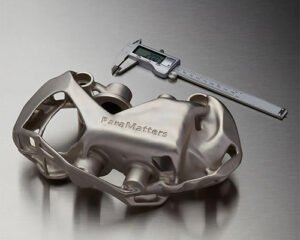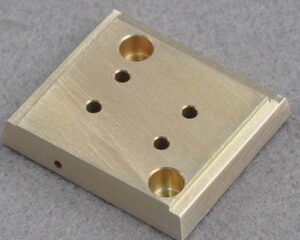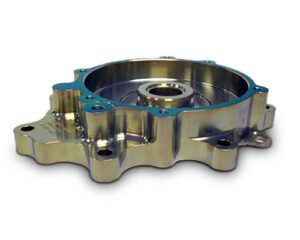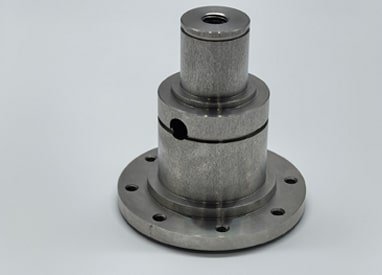
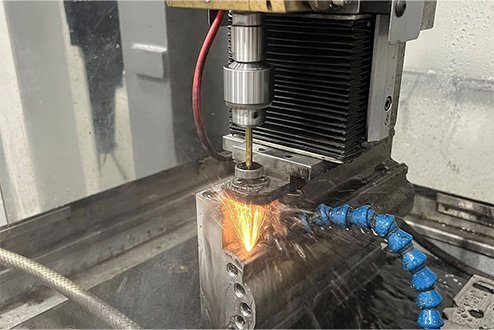
Wire EDM Machining Service for High-Precision Conductive Parts

Precision wire EDM cutting for complex through-profiles, tight tolerances, and hardened conductive materials.

My Web Page

Get a New Wire EDM Quote


✅ File successfully sent!

Our Wire EDM Machining Capabilities

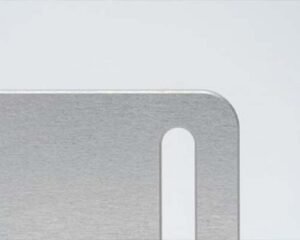
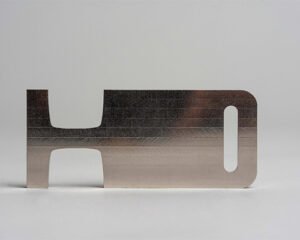
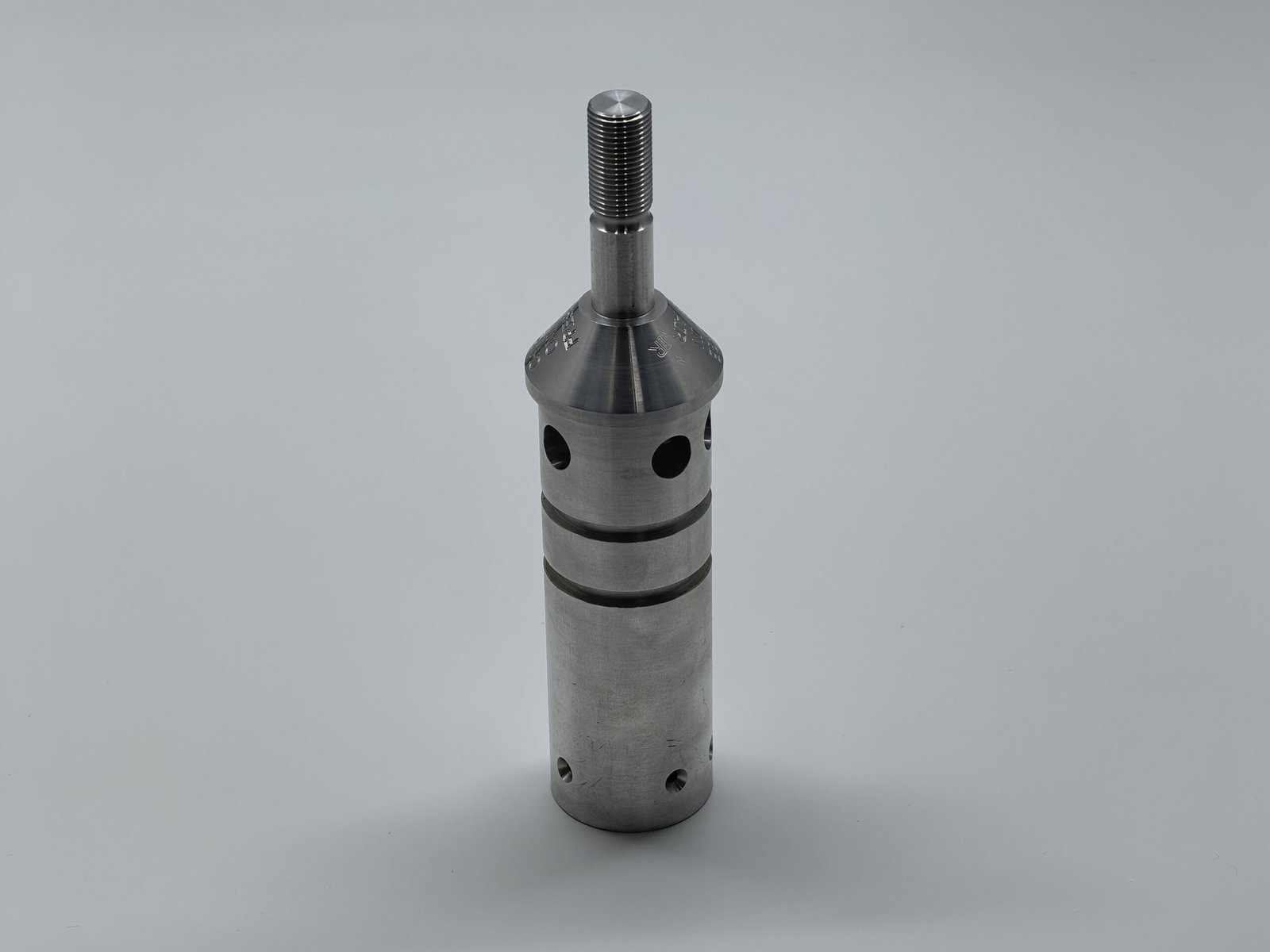
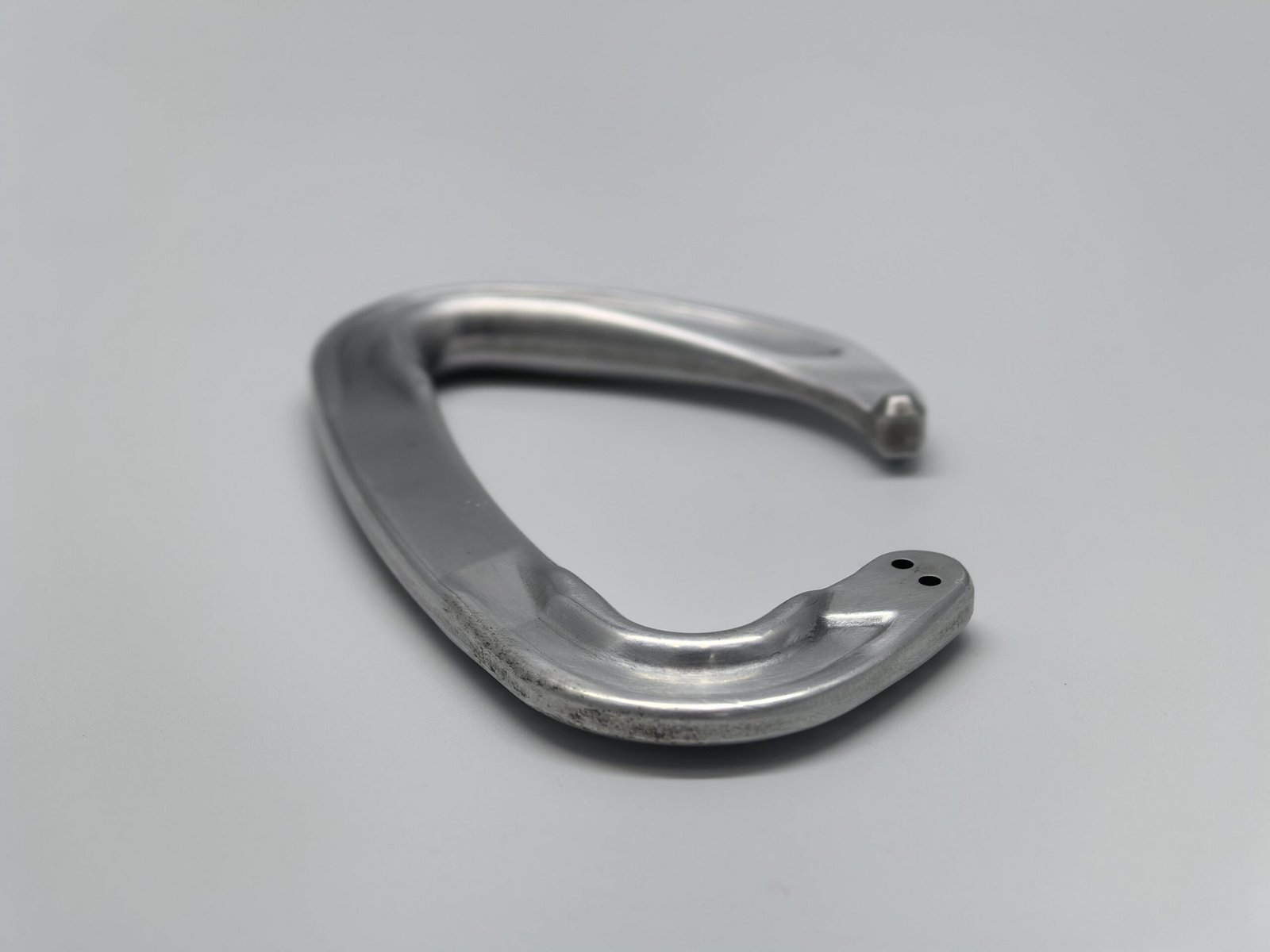
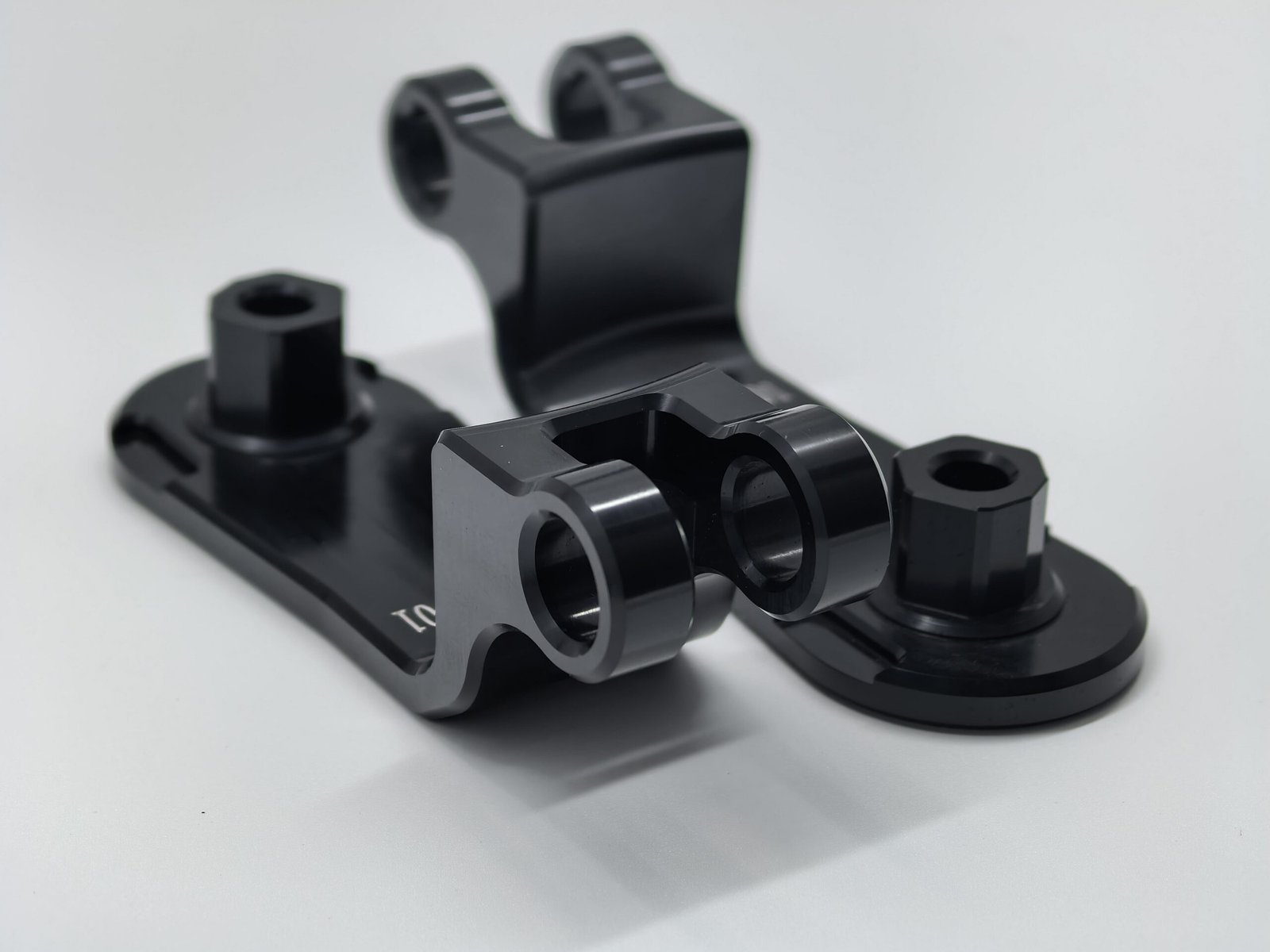
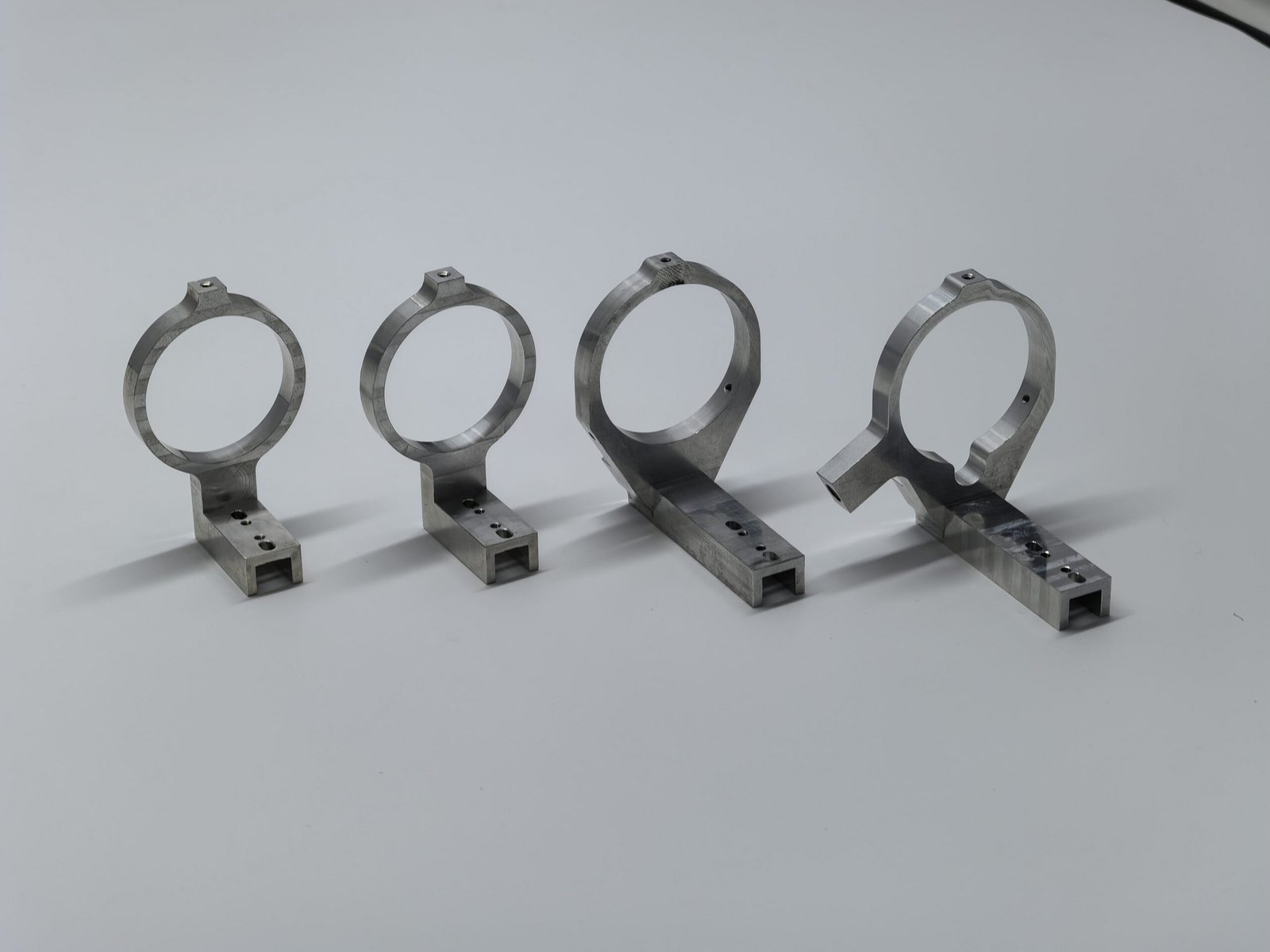
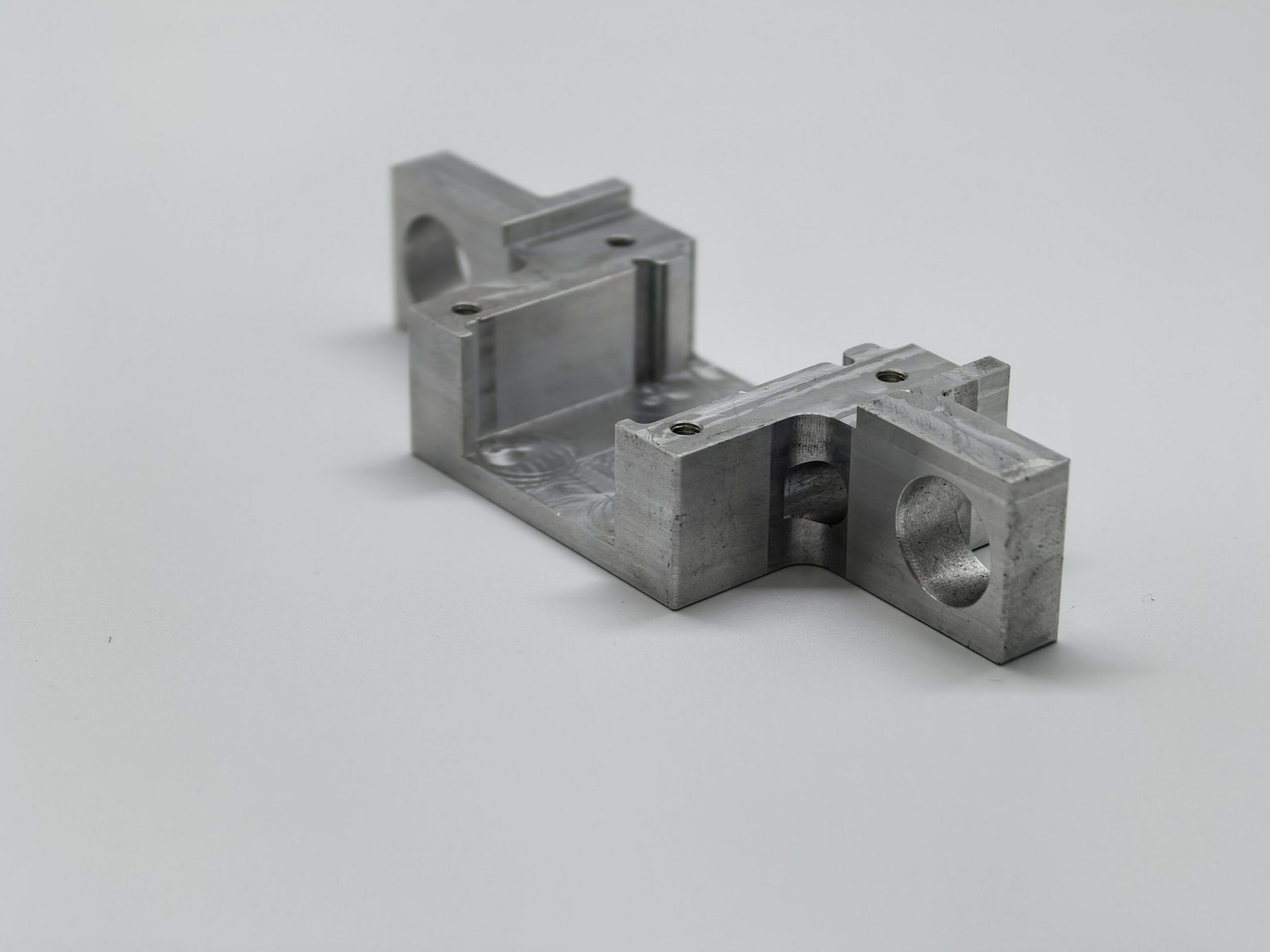
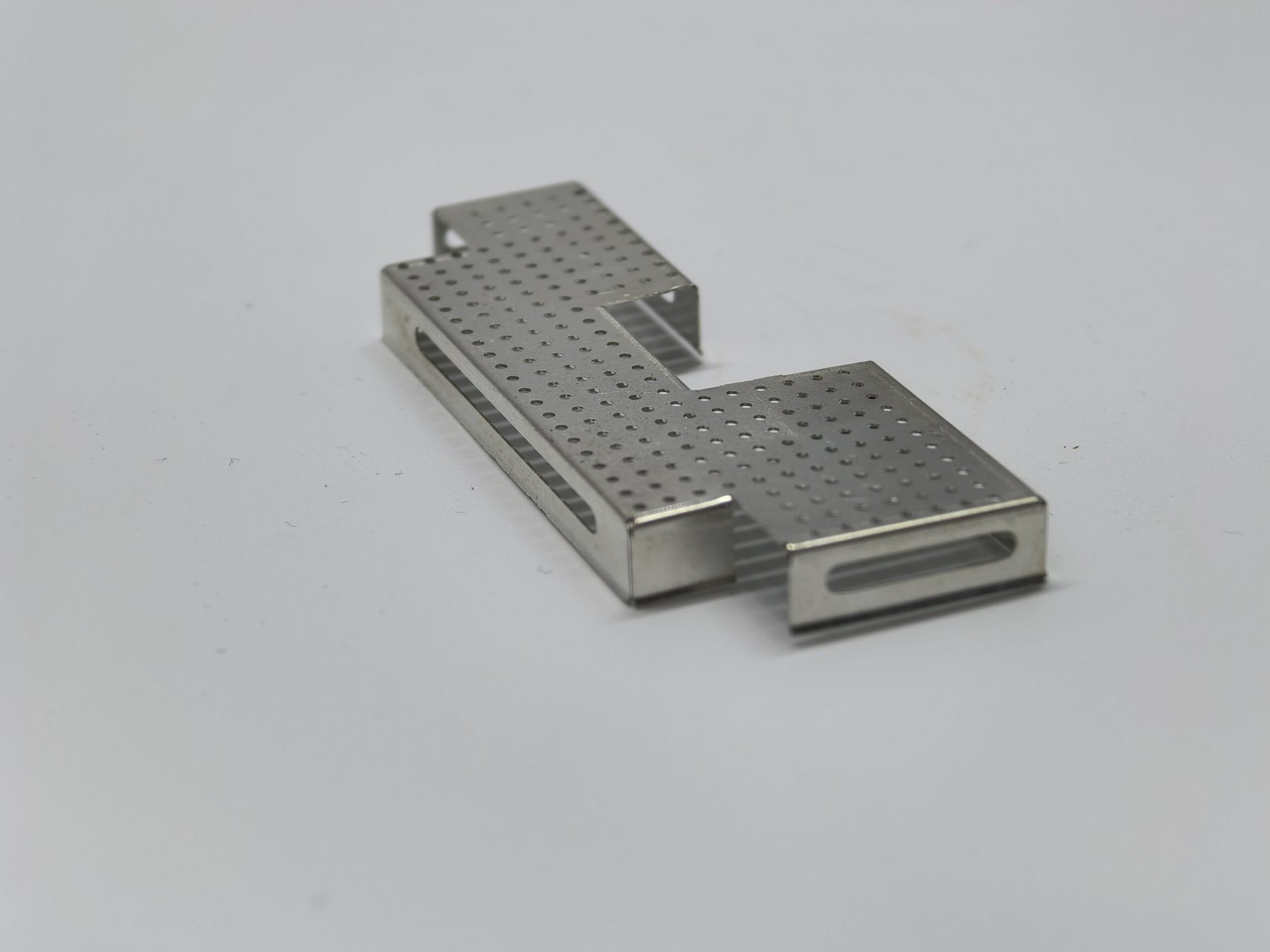
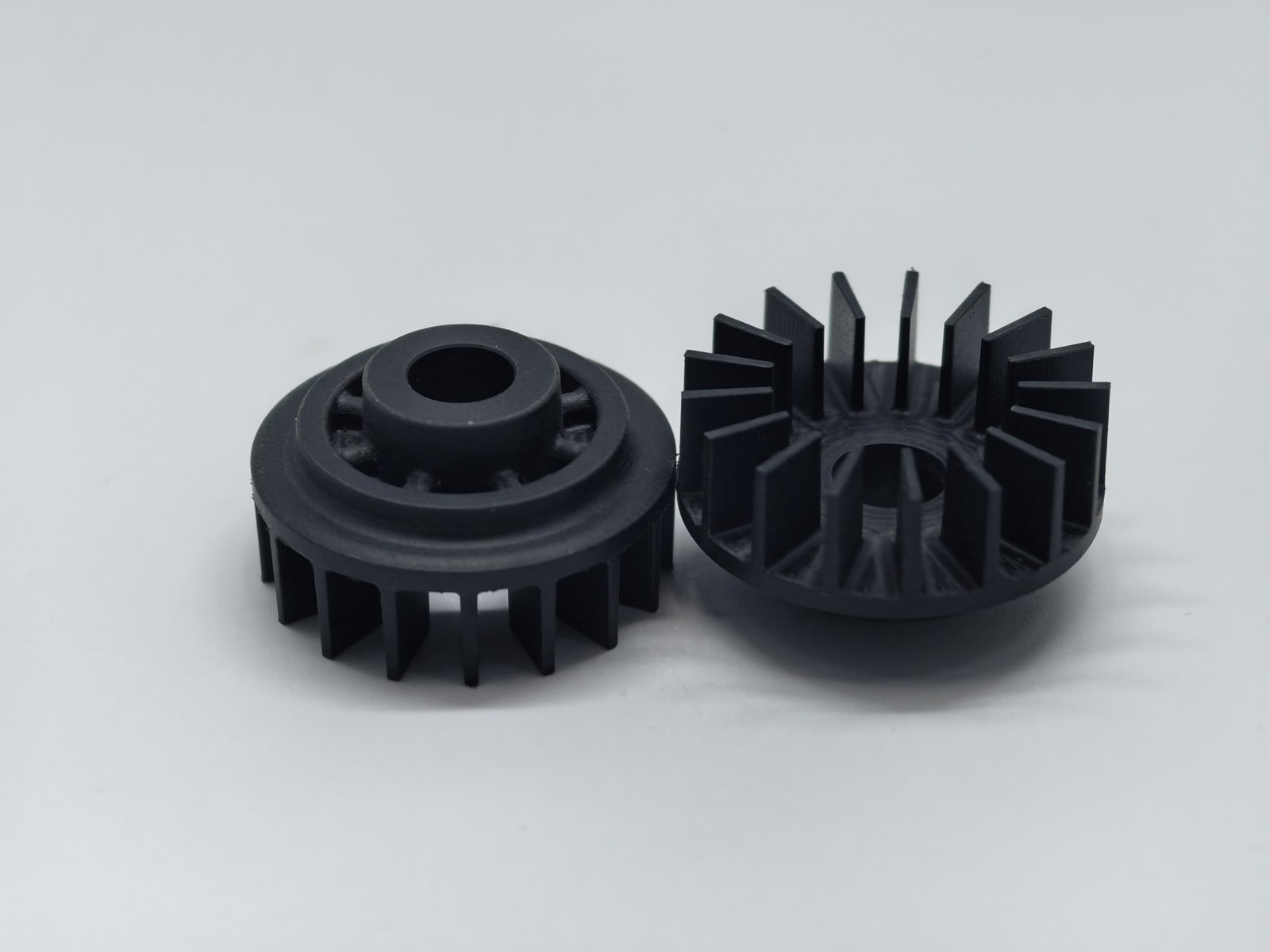
We deliver precision wire EDM parts in days, not months. Using advanced Electrical Discharge Machining, our ultra-thin charged wire cuts through pure conductive and high-hardness metals with extreme accuracy that is perfect for complex shapes, sharp corners, and tight tolerances.

Wire EDM is ideal for parts requiring tight tolerances and complex 2D profiles, especially where conventional machining is limited by material hardness.

Whether you need a prototype, small batch, or high-volume run, we offer fast turnaround, competitive pricing, and exceptional quality.

Wire EDM

Sinker EDM

Hole Drilling EDM

Feature / AspectWire EDMDie Sinking EDMHole Drilling EDM
Machining CapabilityCuts complex through-profiles, contours, and shapesCreates cavities, molds, and intricate internal featuresDrills very small, deep, precise holes in hard materials
Material CompatibilityOnly conductive materialsOnly conductive materialsOnly conductive materials
Geometry LimitationsCannot produce blind holes or closed cavities (wire must pass through)Limited by electrode shape; electrode wear can affect accuracyPrimarily limited to hole-making (not general contouring)
Material Removal RateRelatively slow compared to millingSlow compared to conventional machiningFaster for small hole drilling but limited to that use
ConsumablesSingle-use brass/coated wire, deionized water, filtersCopper/graphite electrodes, dielectric oilBrass/copper tubes, deionized water dielectric
Surface FinishExcellent with multiple skim passesGood finish but electrode wear may affect qualityHole walls may need finishing for critical applications
Heat EffectsSmall heat-affected zone (HAZ) and recast layerHAZ and recast layer possibleHAZ and recast layer possible
Best ApplicationsPrecision parts, punches, dies, extrusion tools, medical & aerospace componentsMold cavities, dies, tooling with complex internal shapesCooling holes, fuel injector holes, turbine blade holes, aerospace & medical micro-holes
Key LimitationsSlow cutting speed, cannot cut blind featuresExpensive electrodes, slower removal rate, high machine costLimited to drilling, not suitable for general machining

Our Wire EDM Machining Materials

We are offering a wide range of Wire EDM Machining materials, from metal materials like aluminum, stainless steel, and brass to plastics like PEEK, nylon, and ABS, with 100+ materials options that are perfect for prototypes and production parts.

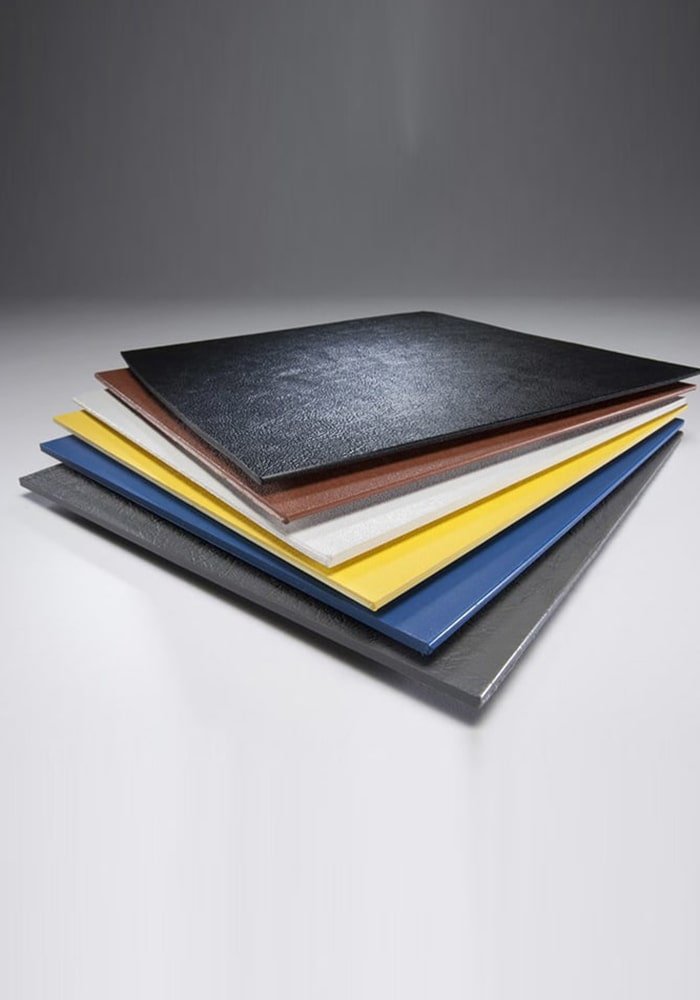
ABS

A tough, low-cost engineering plastic with excellent machinability, impact resistance, and dimensional stability. Commonly used for prototypes, enclosures, and automotive parts.

Color:

Red

Price:

$ $ $

Lead Time:

<7 Days

Max Part Size:

2000×1500×300 mm

Min Part Size:

/

Tolerances:

±0.001 in
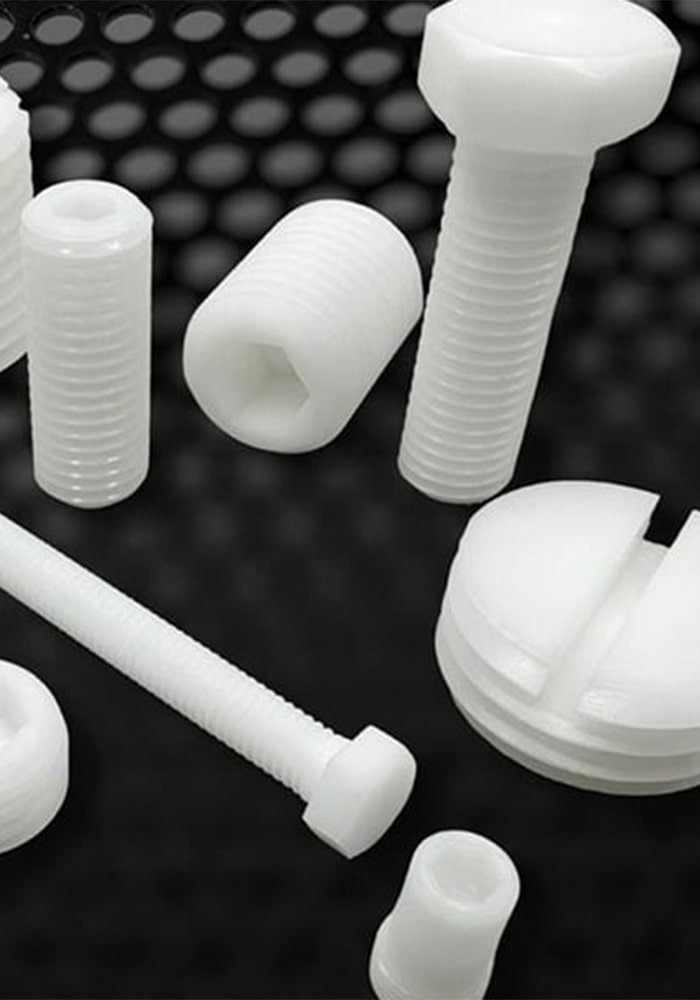
Delrin

Known for high strength, stiffness, and low friction, Delrin is ideal for precision parts like gears, bearings, and rollers requiring wear resistance and stability.

Color:

Red

Price:

$ $ $

Lead Time:

<7 Days

Max Part Size:

2000×1500×300 mm

Min Part Size:

/

Tolerances:

±0.001 in
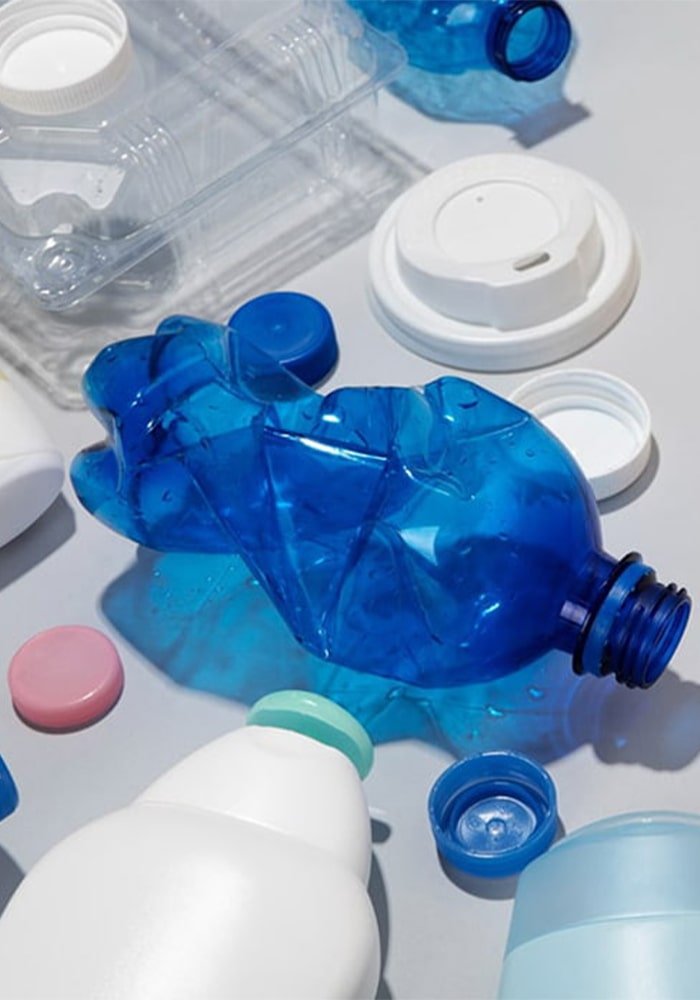
HDPE

Lightweight and chemically resistant, HDPE is easy to machine and widely used for tanks, piping, and food-grade applications. It resists moisture and offers good impact strength.

Color:

Red

Price:

$ $ $

Lead Time:

<7 Days

Max Part Size:

2000×1500×300 mm

Min Part Size:

/

Tolerances:

±0.001 in
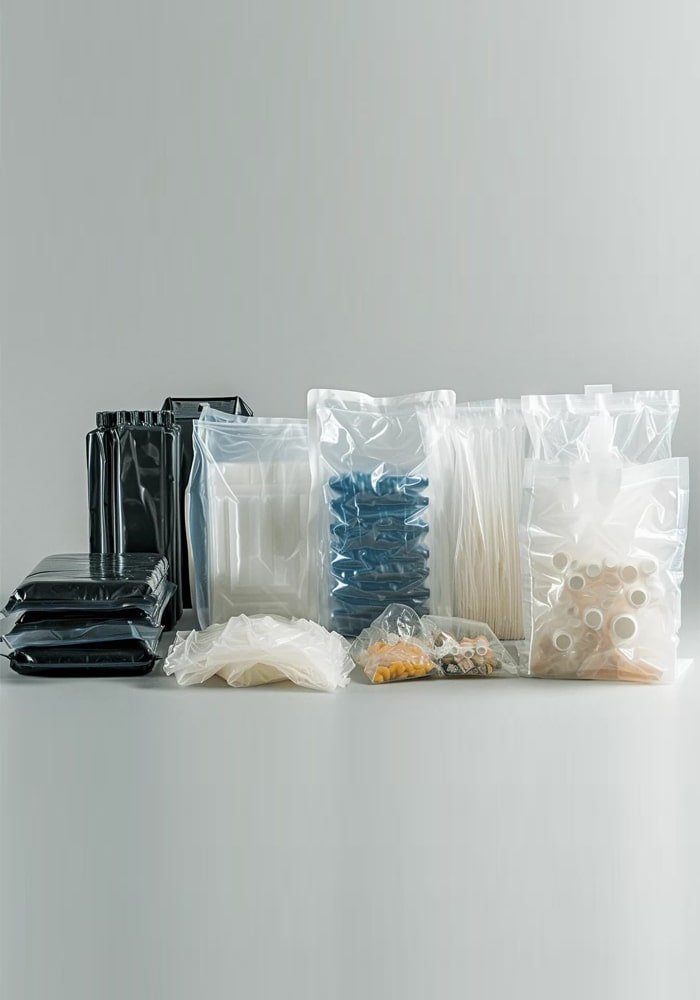
HDPE

More flexible than HDPE, LDPE is valued for its impact resistance and chemical inertness. Suitable for soft components, liners, and lightweight parts.

Color:

Red

Price:

$ $ $

Lead Time:

<7 Days

Max Part Size:

2000×1500×300 mm

Min Part Size:

/

Tolerances:

±0.001 in
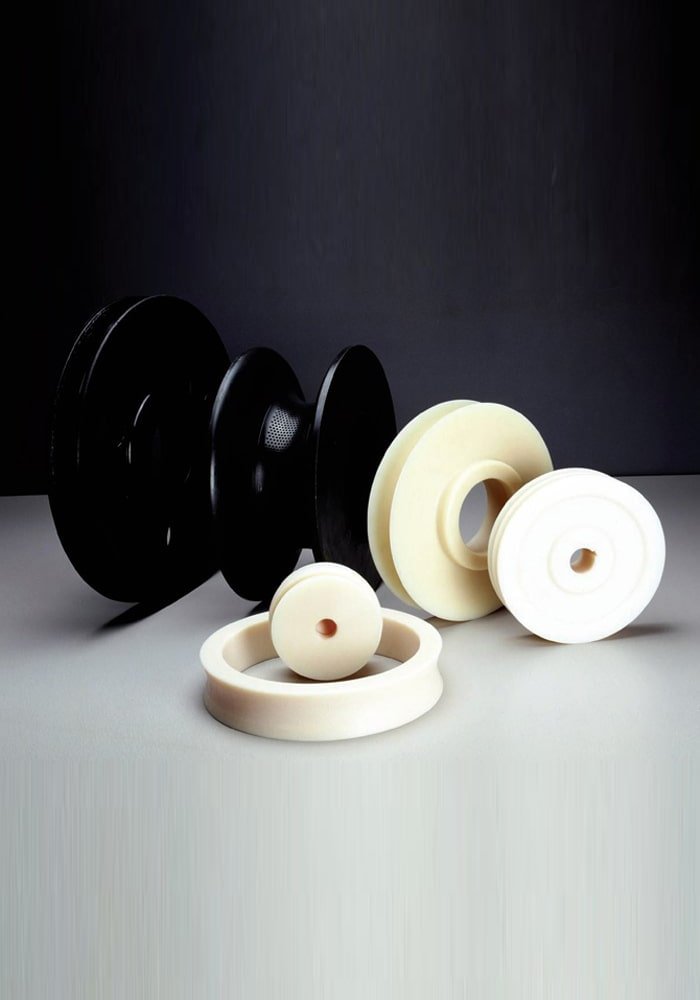
Nylon (PA)

A versatile engineering plastic with high mechanical strength, wear resistance, and good machinability. Commonly found in bushings, gears, and structural parts.

Color:

Red

Price:

$ $ $

Lead Time:

<7 Days

Max Part Size:

2000×1500×300 mm

Min Part Size:

/

Tolerances:

±0.001 in
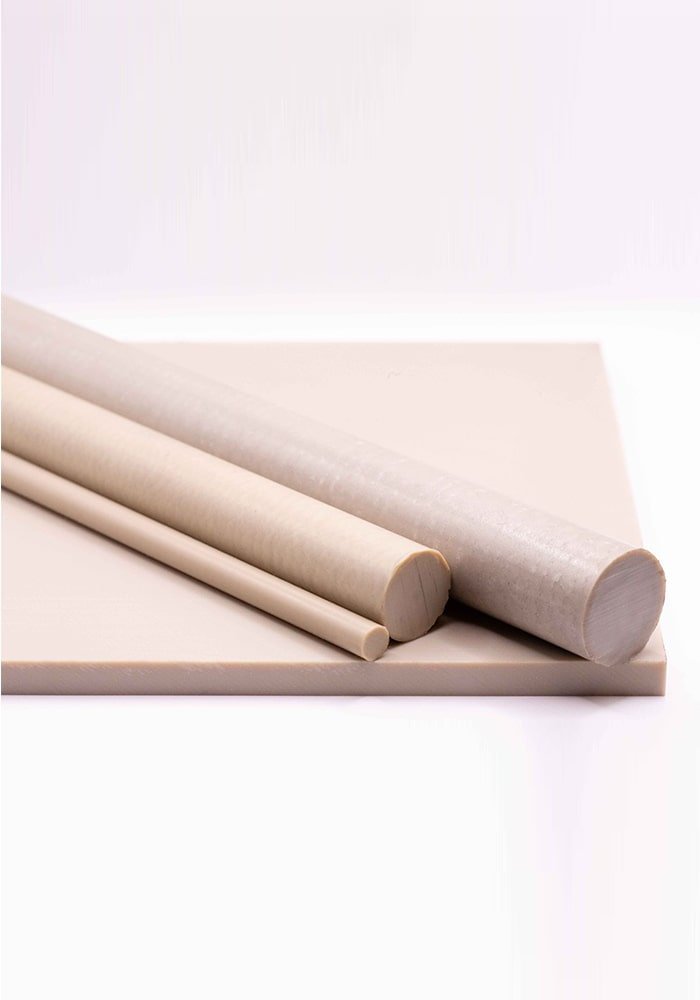
PEEK

A high-performance, heat-resistant polymer with outstanding strength, chemical resistance, and dimensional stability. Ideal for aerospace, medical, and high-heat applications.

Color:

Red

Price:

$ $ $

Lead Time:

<7 Days

Max Part Size:

2000×1500×300 mm

Min Part Size:

/

Tolerances:

±0.001 in
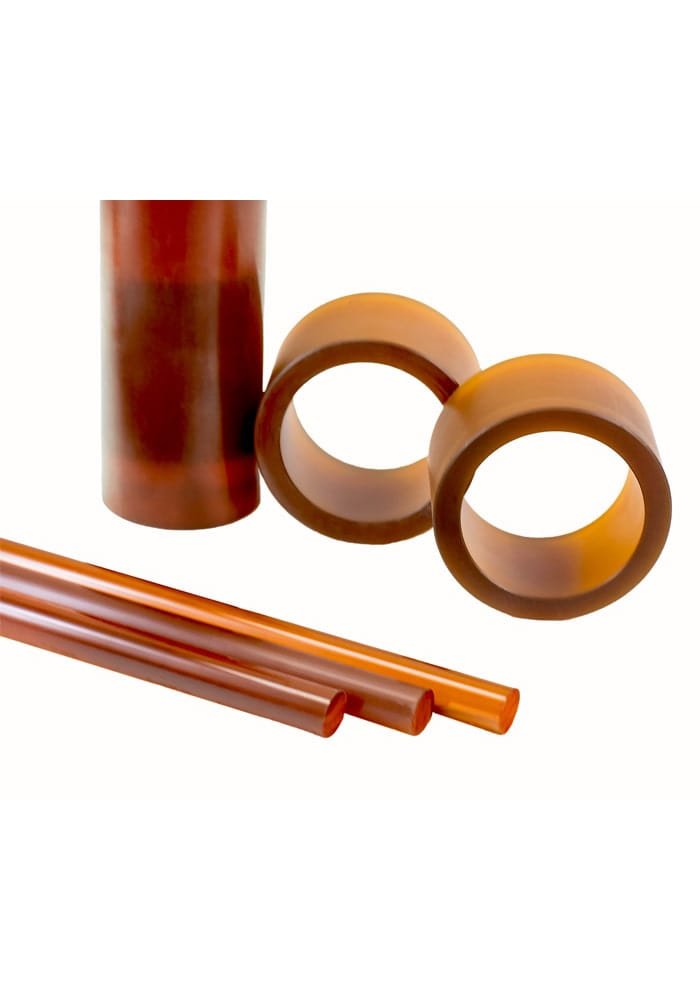
PEI

An amber, high-strength plastic offering excellent heat resistance, flame retardancy, and electrical insulation. Often used in medical devices, aerospace, and electronics.

Color:

Red

Price:

$ $ $

Lead Time:

<7 Days

Max Part Size:

2000×1500×300 mm

Min Part Size:

/

Tolerances:

±0.001 in
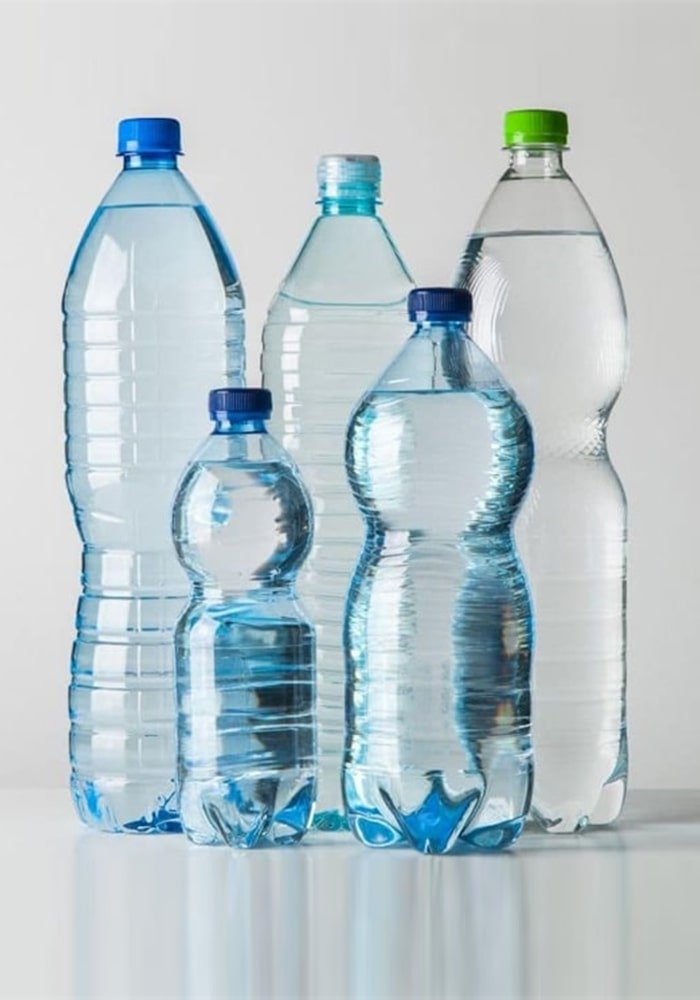
PET

Offers excellent wear resistance, low moisture absorption, and good dimensional stability. Ideal for mechanical parts, food-safe applications, and precision components.

Color:

Red

Price:

$ $ $

Lead Time:

<7 Days

Max Part Size:

2000×1500×300 mm

Min Part Size:

/

Tolerances:

±0.001 in
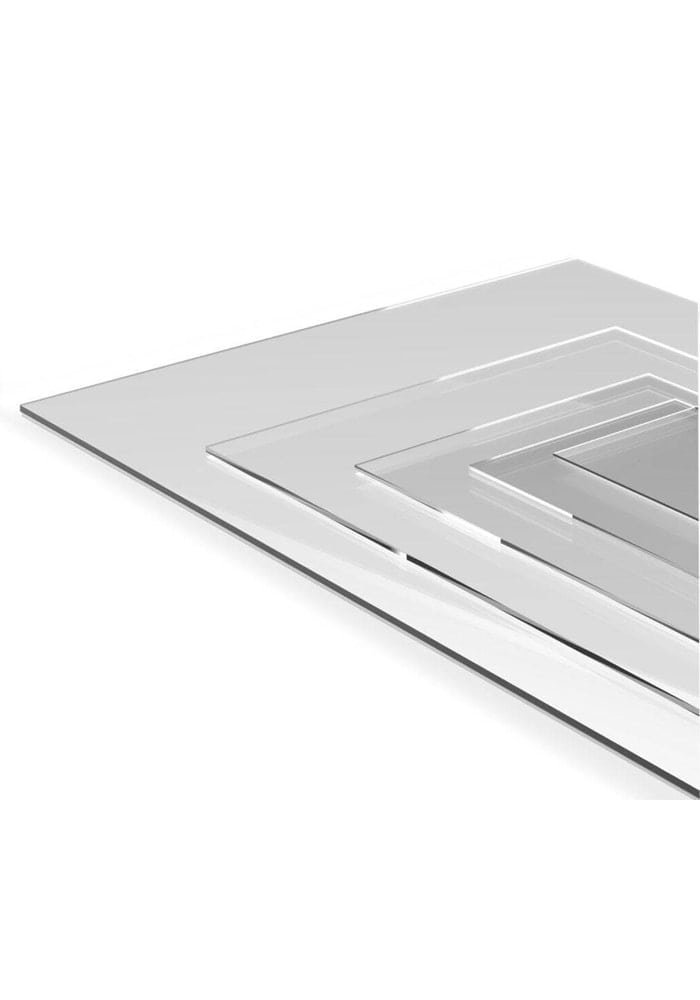
PMMA

A lightweight, transparent plastic with good UV resistance and optical clarity. Frequently used for display cases, light covers, and optical components.

Color:

Red

Price:

$ $ $

Lead Time:

<7 Days

Max Part Size:

2000×1500×300 mm

Min Part Size:

/

Tolerances:

±0.001 in
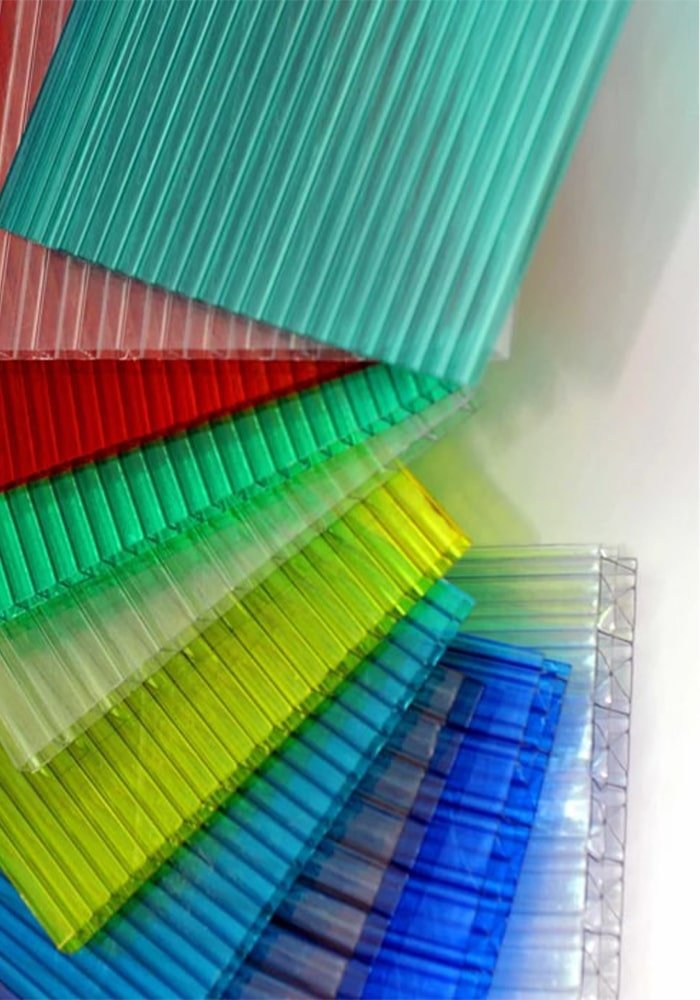
Polycarbonate

Exceptionally tough and transparent, polycarbonate offers high impact resistance and heat tolerance. Perfect for safety enclosures, protective covers, and medical equipment.

Color:

Red

Price:

$ $ $

Lead Time:

<7 Days

Max Part Size:

2000×1500×300 mm

Min Part Size:

/

Tolerances:

±0.001 in
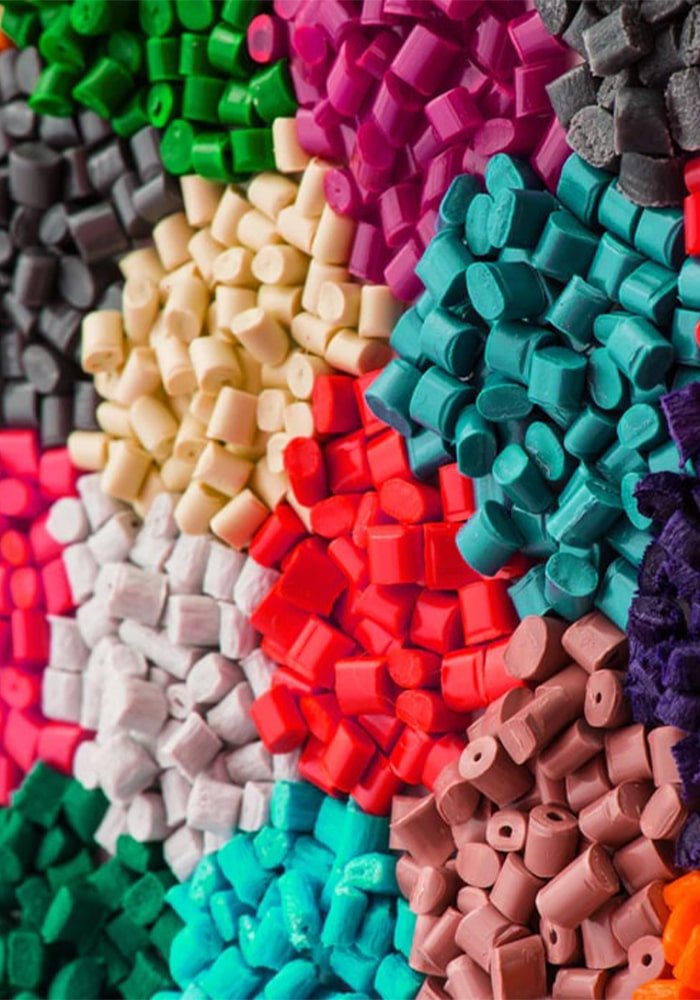
Polypropylene (PP)

Lightweight, chemically resistant, and cost-effective. Suitable for tanks, lab equipment, and applications requiring good chemical inertness.

Color:

Red

Price:

$ $ $

Lead Time:

<7 Days

Max Part Size:

2000×1500×300 mm

Min Part Size:

/

Tolerances:

±0.001 in
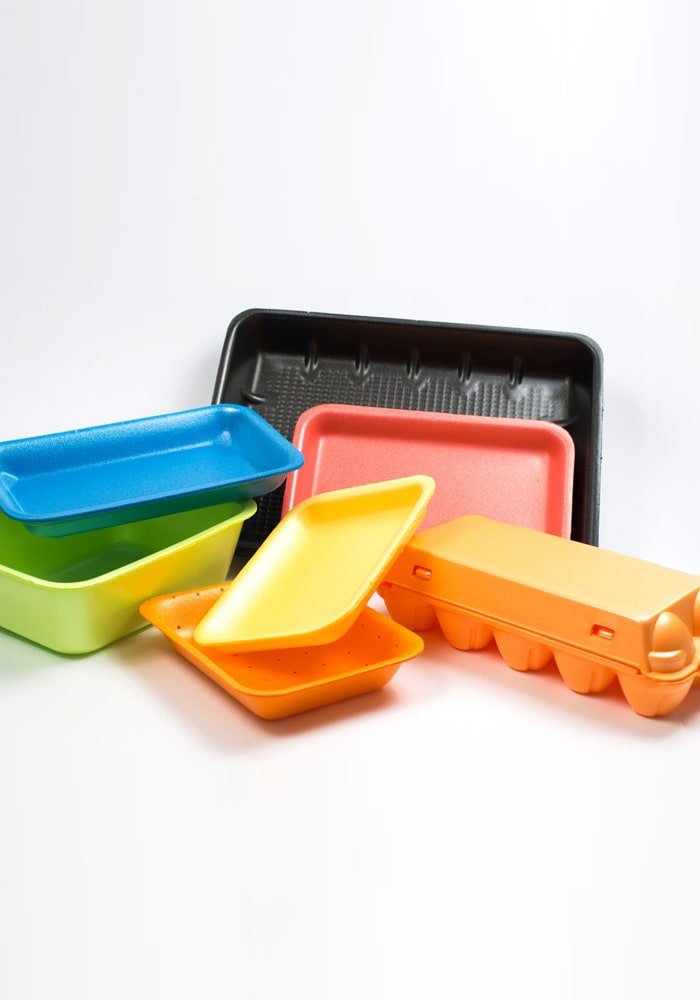
Polystyrene

A rigid, lightweight plastic with good machinability and electrical insulation properties. Used for models, enclosures, and light-duty applications.

Color:

Red

Price:

$ $ $

Lead Time:

<7 Days

Max Part Size:

2000×1500×300 mm

Min Part Size:

/

Tolerances:

±0.001 in
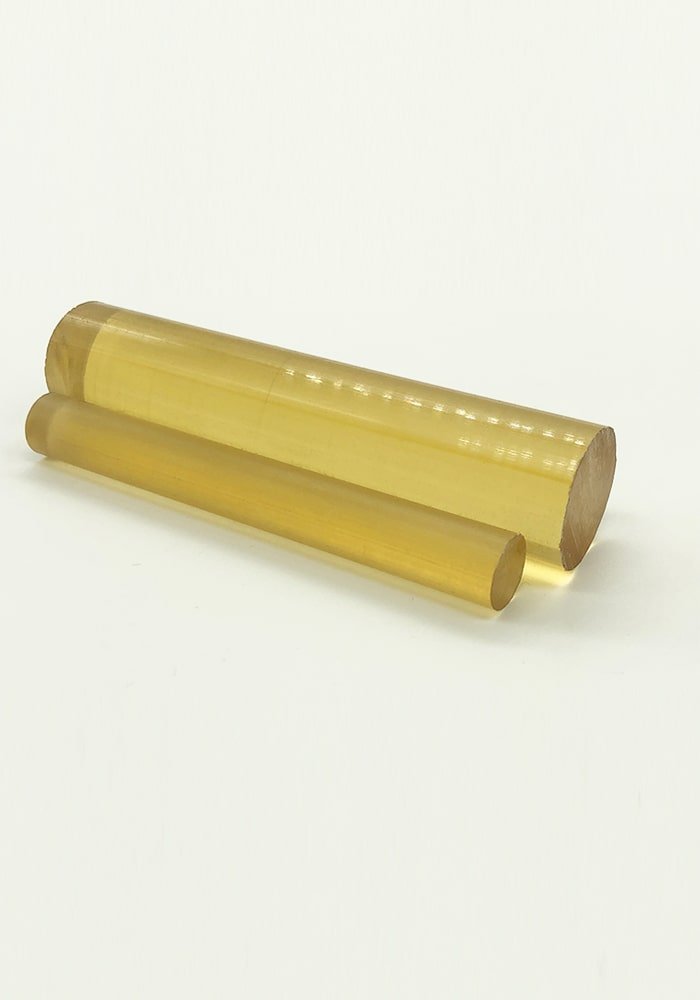
PPSU

A tough, high-temperature plastic offering excellent hydrolysis resistance, ideal for medical, aerospace, and plumbing components requiring repeated sterilization.

Color:

Red

Price:

$ $ $

Lead Time:

<7 Days

Max Part Size:

2000×1500×300 mm

Min Part Size:

/

Tolerances:

±0.001 in
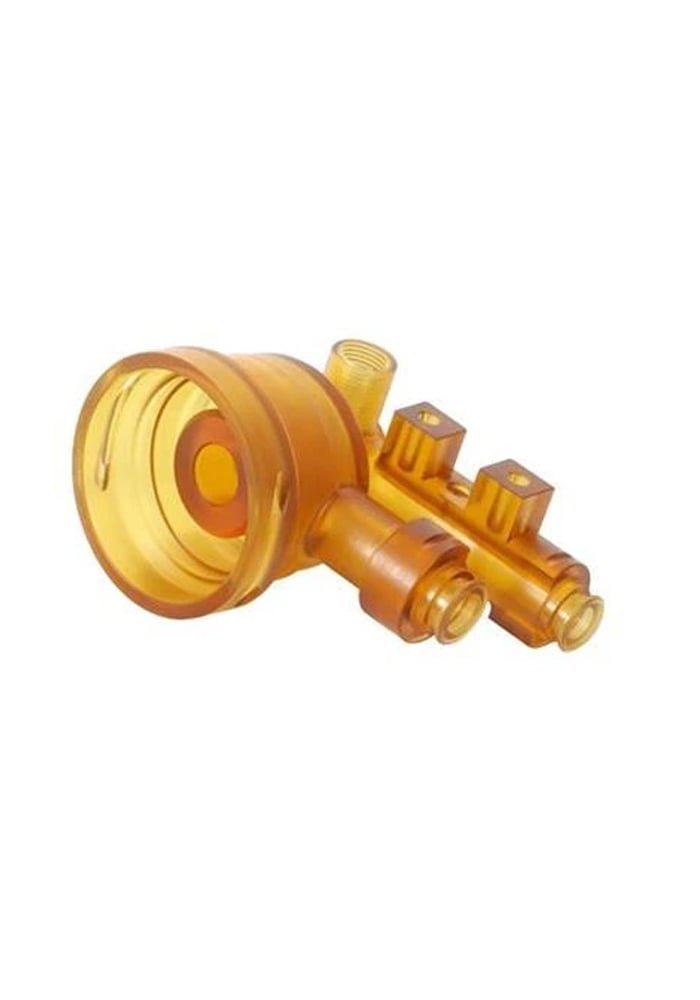
PSU

High heat resistance, good dimensional stability, and excellent chemical resistance make PSU suitable for fluid handling, medical, and electrical components.

Color:

Red

Price:

$ $ $

Lead Time:

<7 Days

Max Part Size:

2000×1500×300 mm

Min Part Size:

/

Tolerances:

±0.001 in
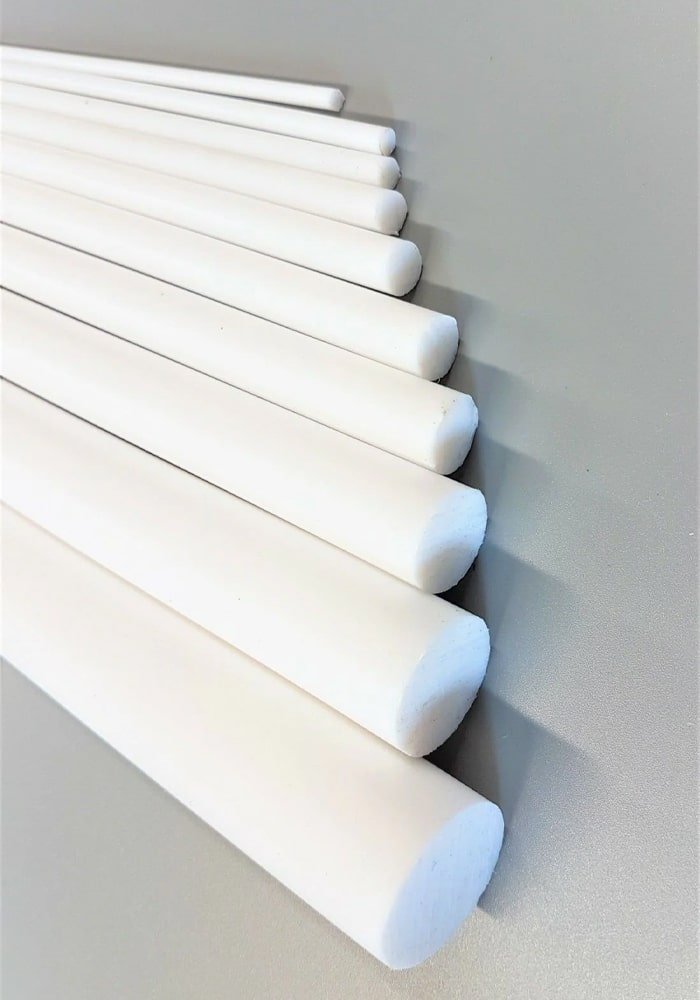
PTFE (Teflon)

Renowned for its non-stick surface, chemical resistance, and wide operating temperature range. Used for seals, gaskets, and parts needing low friction and high purity.

Color:

Red

Price:

$ $ $

Lead Time:

<7 Days

Max Part Size:

2000×1500×300 mm

Min Part Size:

/

Tolerances:

±0.001 in
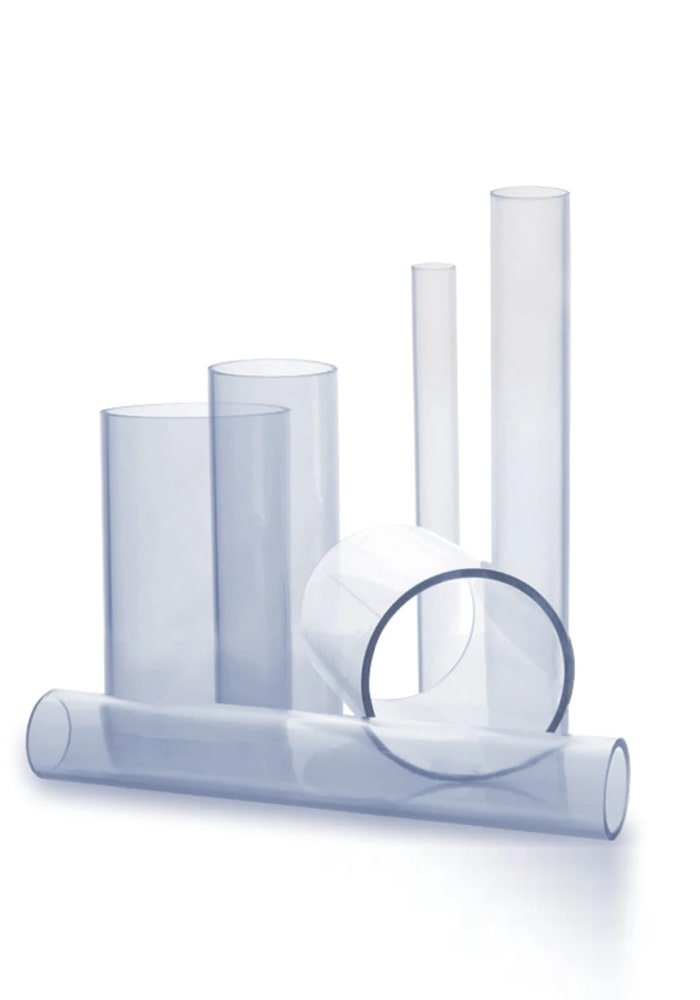
PVC

A versatile, rigid plastic with good chemical resistance, flame retardancy, and cost-efficiency. Commonly used for piping, fittings, and industrial enclosures.

Color:

Red

Price:

$ $ $

Lead Time:

<7 Days

Max Part Size:

2000×1500×300 mm

Min Part Size:

/

Tolerances:

±0.001 in
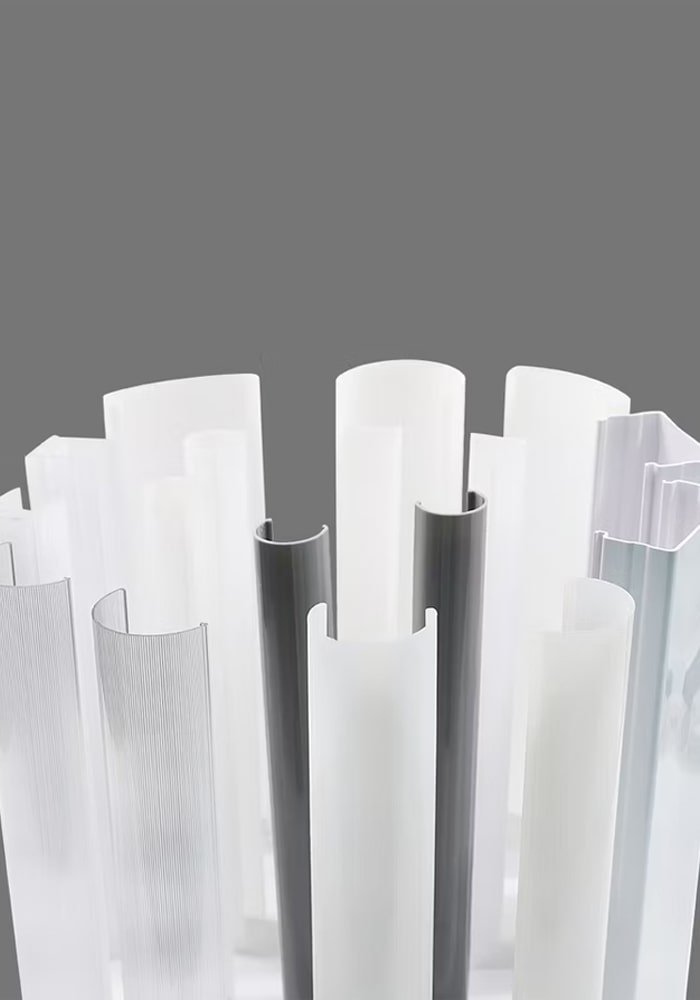
PC

A durable, transparent thermoplastic with outstanding impact resistance, heat tolerance, and dimensional stability. Ideal for machine guards, housings, and optical covers.

Color:

Red

Price:

$ $ $

Lead Time:

<7 Days

Max Part Size:

2000×1500×300 mm

Min Part Size:

/

Tolerances:

±0.001 in
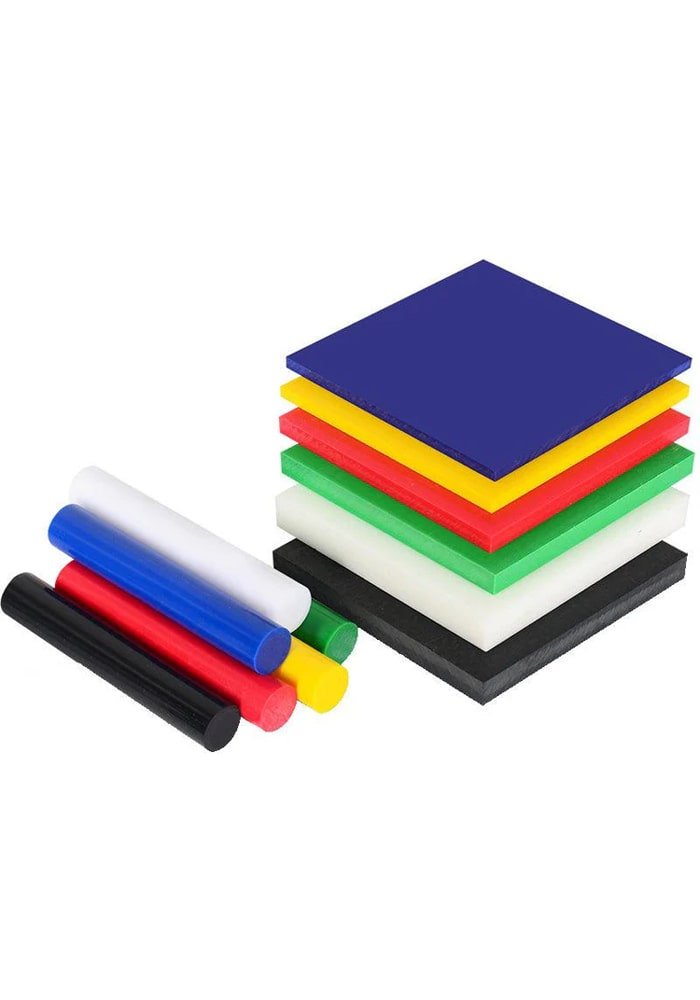
POM

A durable, transparent thermoplastic with outstanding impact resistance, heat tolerance, and dimensional stability. Ideal for machine guards, housings, and optical covers.

Color:

Red

Price:

$ $ $

Lead Time:

<7 Days

Max Part Size:

2000×1500×300 mm

Min Part Size:

/

Tolerances:

±0.001 in
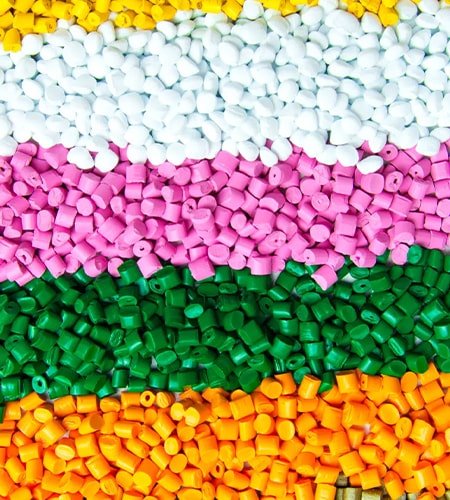
PBT

An engineering thermoplastic with good dimensional stability, electrical insulation, and chemical resistance. Common in automotive connectors and electrical components.

Color:

Red

Price:

$ $ $

Lead Time:

<7 Days

Max Part Size:

2000×1500×300 mm

Min Part Size:

/

Tolerances:

±0.001 in
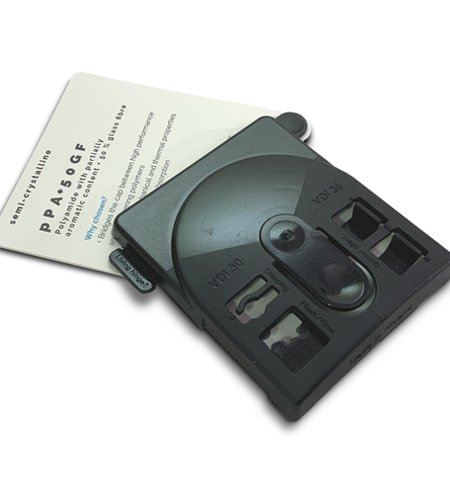
PPA

A high-performance nylon with elevated heat and chemical resistance, making it suitable for automotive, aerospace, and industrial fluid system parts.

Color:

Red

Price:

$ $ $

Lead Time:

<7 Days

Max Part Size:

2000×1500×300 mm

Min Part Size:

/

Tolerances:

±0.001 in
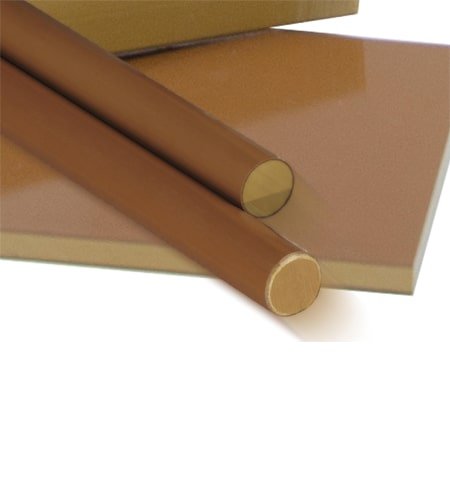
PAI

Offers exceptional strength, wear resistance, and high-temperature stability. PAI is used in demanding aerospace, semiconductor, and medical applications.

Color:

Red

Price:

$ $ $

Lead Time:

<7 Days

Max Part Size:

2000×1500×300 mm

Min Part Size:

/

Tolerances:

±0.001 in
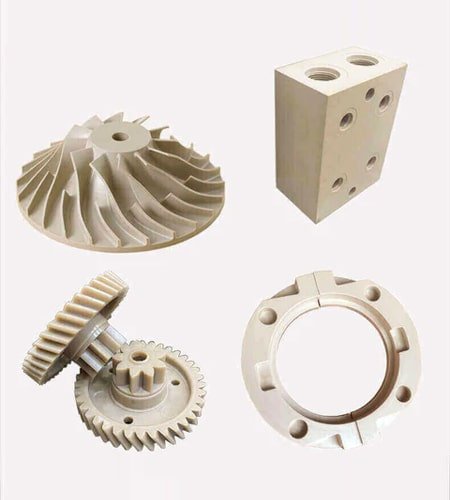
PPS

A high-temperature, chemical-resistant plastic with excellent dimensional stability. Often used in automotive, electronics, and fluid handling systems.

Color:

Red

Price:

$ $ $

Lead Time:

<7 Days

Max Part Size:

2000×1500×300 mm

Min Part Size:

/

Tolerances:

±0.001 in
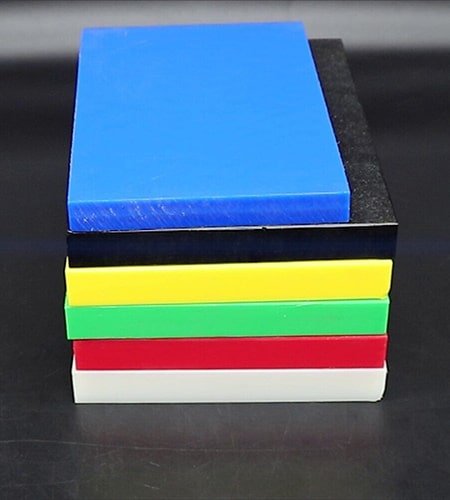
UPE

Extremely tough with outstanding wear and impact resistance. UPE is ideal for liners, wear strips, and parts exposed to abrasion and chemical exposure.

Color:

Red

Price:

$ $ $

Lead Time:

<7 Days

Max Part Size:

2000×1500×300 mm

Min Part Size:

/

Tolerances:

±0.001 in
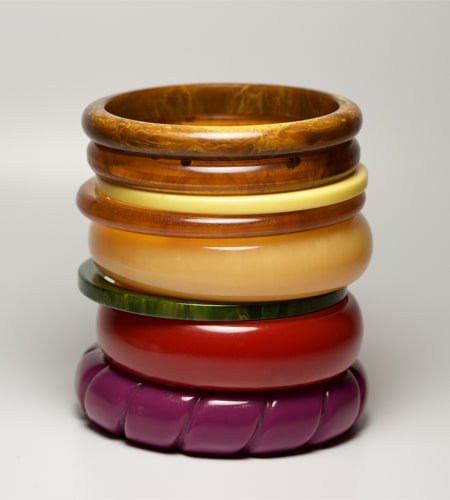
Bakelite

One of the first industrial plastics, Bakelite offers excellent electrical insulation, heat resistance, and rigidity. Common in electrical panels, switches, and legacy components.

Color:

Red

Price:

$ $ $

Lead Time:

<7 Days

Max Part Size:

2000×1500×300 mm

Min Part Size:

/

Tolerances:

±0.001 in
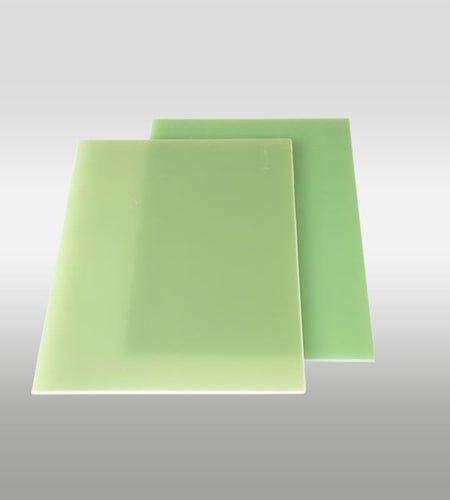
FR-4

A glass-reinforced epoxy material prized for its excellent mechanical strength, electrical insulation, and flame resistance. Widely used in PCB substrates and insulating applications.

Color:

Red

Price:

$ $ $

Lead Time:

<7 Days

Max Part Size:

2000×1500×300 mm

Min Part Size:

/

Tolerances:

±0.001 in
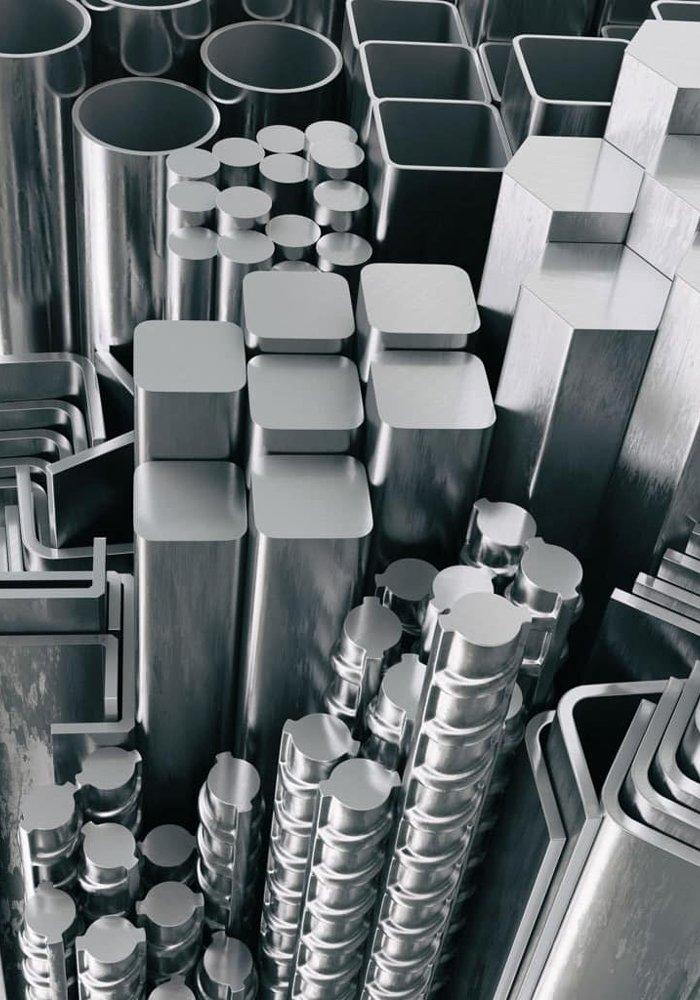
Aluminum

Lightweight yet strong, aluminum offers excellent machinability, corrosion resistance, and thermal/electrical conductivity. Common grades like 6061 and 7075 balance cost and performance, while anodizing enhances surface durability, making aluminum ideal for aerospace, automotive, and electronic housings

Color:

Red

Price:

$ $ $

Lead Time:

<7 Days

Max Part Size:

2000×1500×300 mm

Min Part Size:

/

Tolerances:

±0.001 in
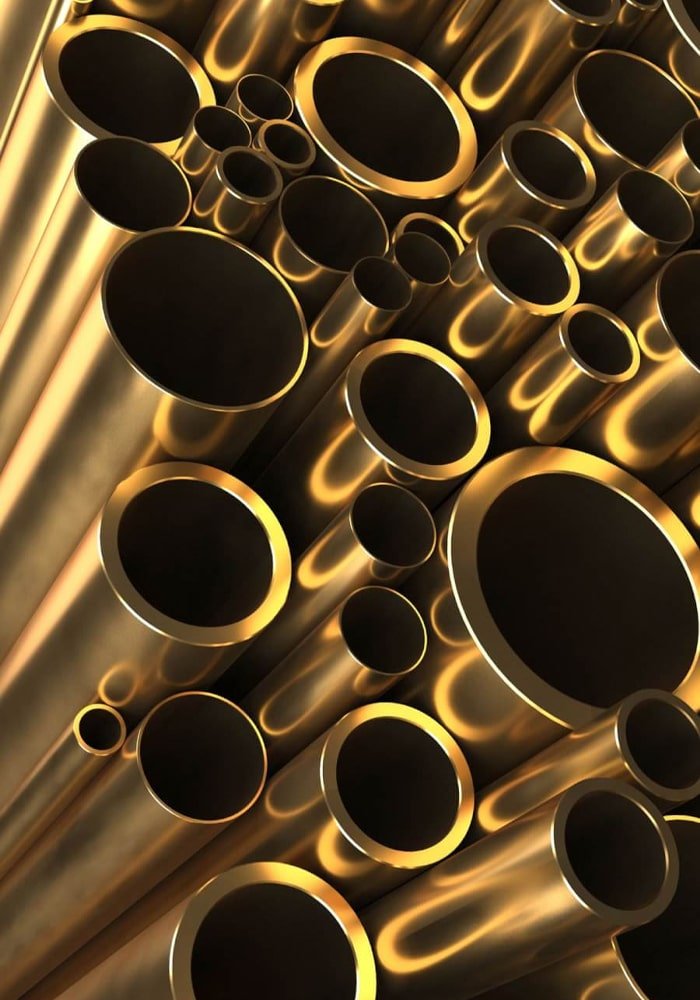
Brass

An easy‑machining copper–zinc alloy, brass provides good corrosion resistance, electrical and thermal conductivity, and a premium gold‑tone finish. Frequently used for decorative hardware, valves, gears, and fittings

Color:

Red

Price:

$ $ $

Lead Time:

<7 Days

Max Part Size:

2000×1500×300 mm

Min Part Size:

/

Tolerances:

±0.001 in
Copper

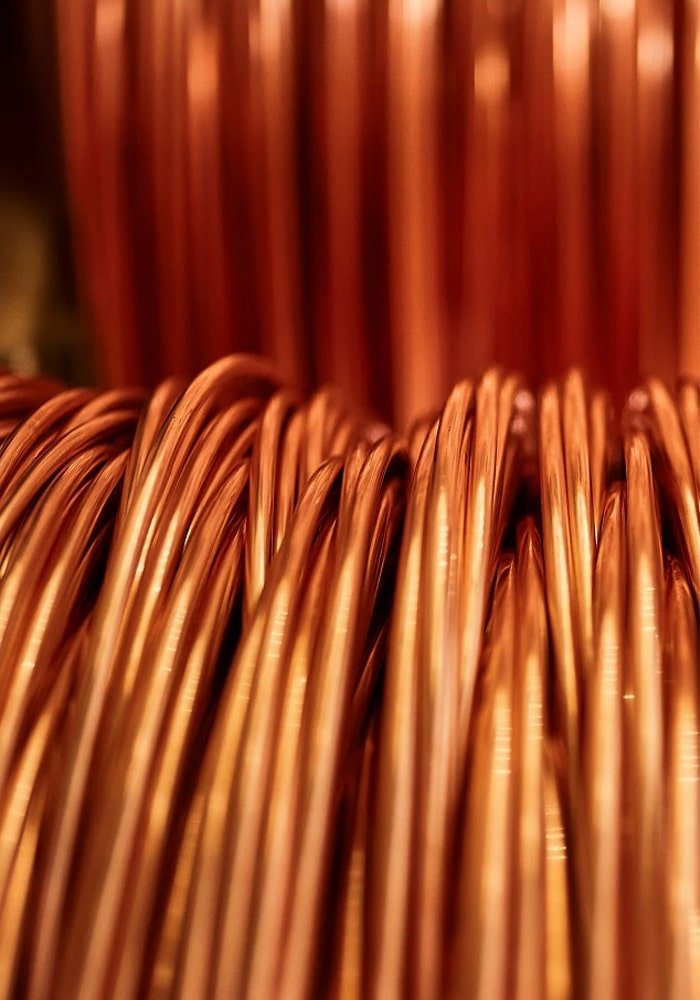
Pure, soft, and highly conductive, copper is favored for heat sinks, electrical contacts, and plumbing components. Its excellent machinability and thermal performance come at a higher cost due to raw material prices.

Color:

Red

Price:

$ $ $

Lead Time:

<7 Days

Max Part Size:

2000×1500×300 mm

Min Part Size:

/

Tolerances:

±0.001 in
Stainless Steel

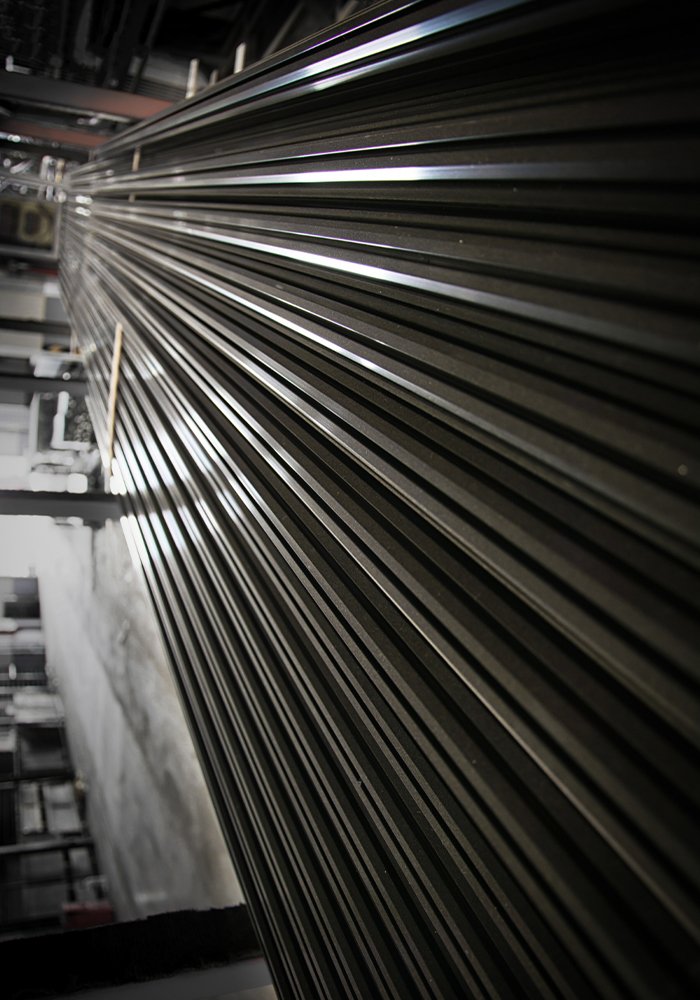
Stainless steels (types 303, 304, 316) offer superior strength, corrosion resistance, and aesthetic finish. Though harder to machine than aluminum or brass, it’s ideal for medical, marine, food‑grade, and architectural parts

Color:

Red

Price:

$ $ $

Lead Time:

<7 Days

Max Part Size:

2000×1500×300 mm

Min Part Size:

/

Tolerances:

±0.001 in
Steel Alloy

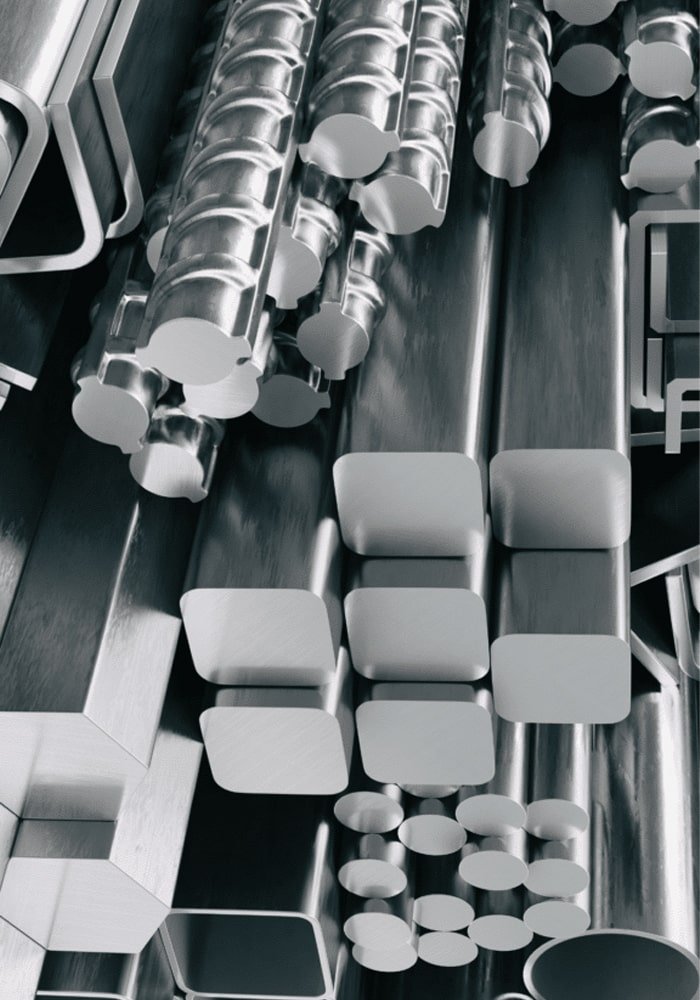
Alloy steels (e.g., 4140, 4340) are engineered for enhanced toughness, wear resistance, and load‑bearing capacity. Common in shafts, gears, and structural parts, they deliver strength but may require tougher tooling.

Color:

Red

Price:

$ $ $

Lead Time:

<7 Days

Max Part Size:

2000×1500×300 mm

Min Part Size:

/

Tolerances:

±0.001 in
metal Steel Mild (Low Carbon)

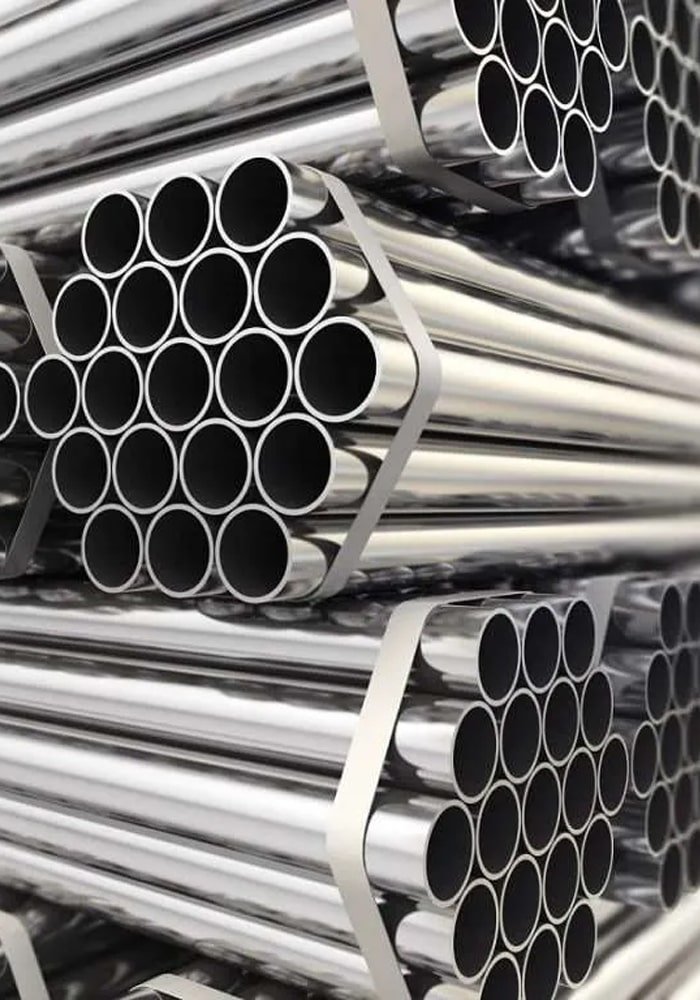
An economical and weldable choice, mild carbon steel offers reliable strength and toughness. It’s popular in general‑purpose parts and industrial applications, often surface‑treated to prevent rust.

Color:

Red

Price:

$ $ $

Lead Time:

<7 Days

Max Part Size:

2000×1500×300 mm

Min Part Size:

/

Tolerances:

±0.001 in
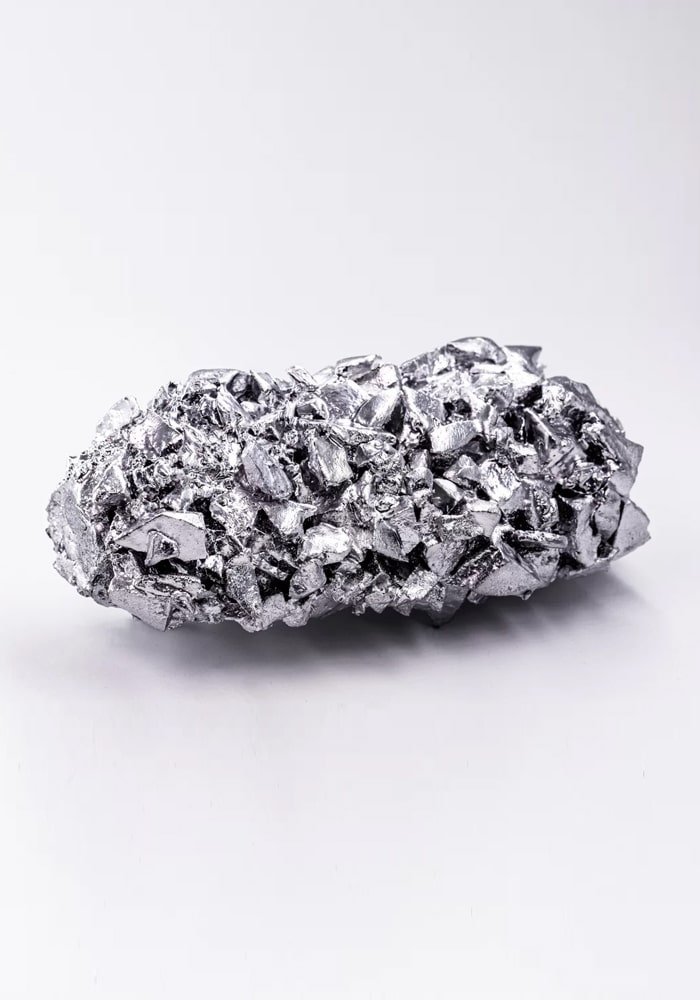
Titanium

Known for its exceptional strength‑to‑weight ratio, toughness, and corrosion resistance, titanium excels in aerospace, medical, and high‑performance applications. Machinability is more challenging, requiring specialized tooling despite its premium benefits

Color:

Red

Price:

$ $ $

Lead Time:

<7 Days

Max Part Size:

2000×1500×300 mm

Min Part Size:

/

Tolerances:

±0.001 in
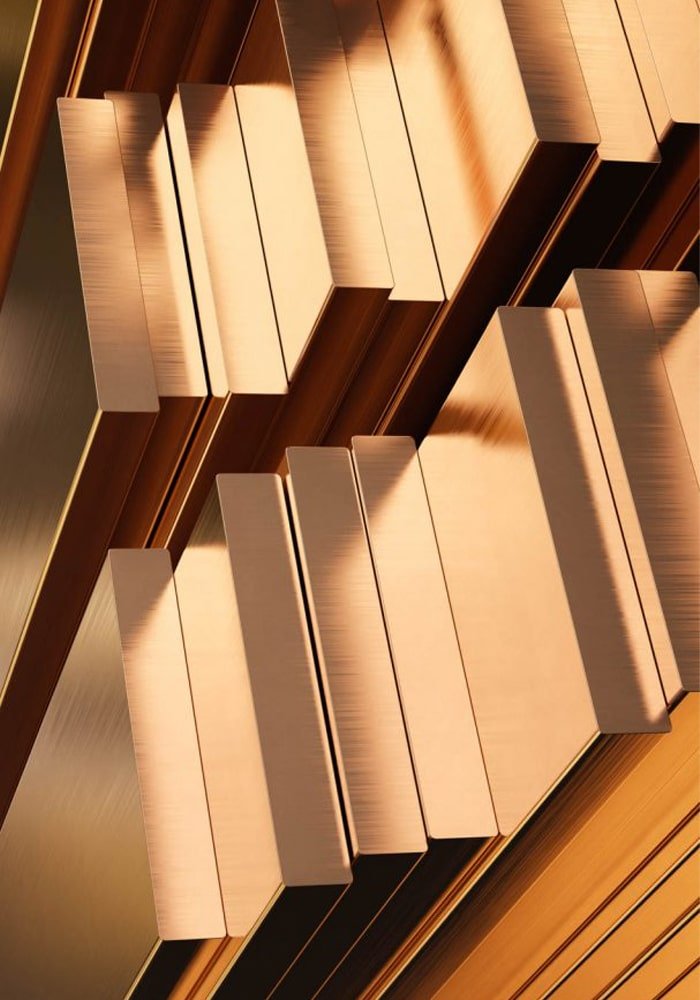
Bronze

Copper‑tin‑based bronze—especially aluminum or phosphor variants—is prized for wear resistance, strength, and corrosion resistance. Commonly used in bushings, bearings, gears, and marine components

Color:

Red

Price:

$ $ $

Lead Time:

<7 Days

Max Part Size:

2000×1500×300 mm

Min Part Size:

/

Tolerances:

±0.001 in
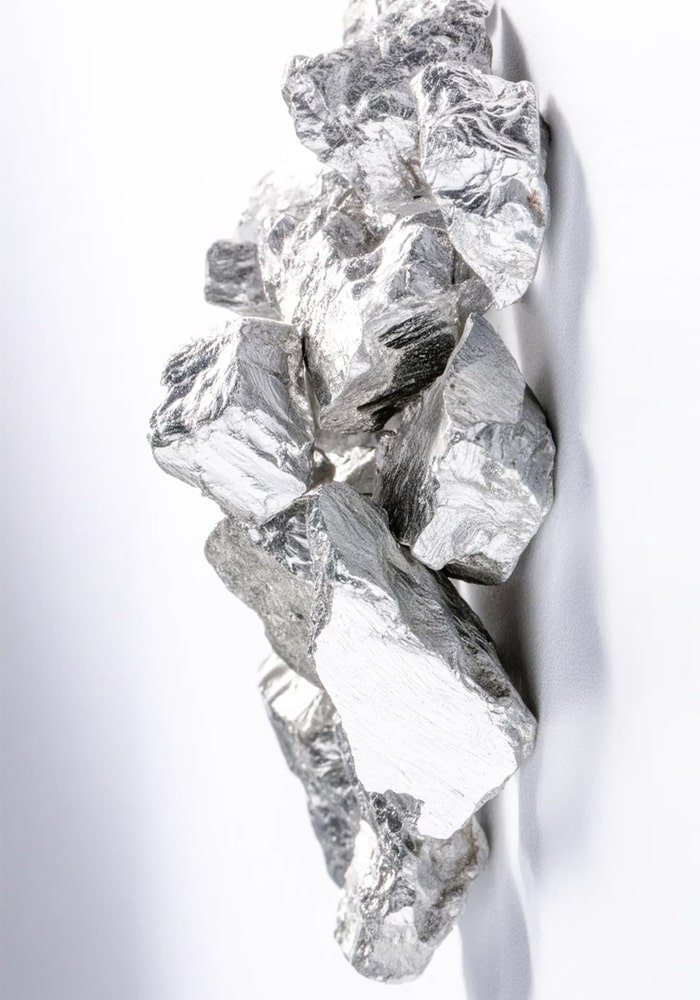
Zinc

Zinc and its alloys are easy to cast and machine, offering good corrosion resistance and dimensional accuracy. Ideal for die‑cast parts, fittings, and corrosion‑resistant components with fine detail.

Color:

Red

Price:

$ $ $

Lead Time:

<7 Days

Max Part Size:

2000×1500×300 mm

Min Part Size:

/

Tolerances:

±0.001 in
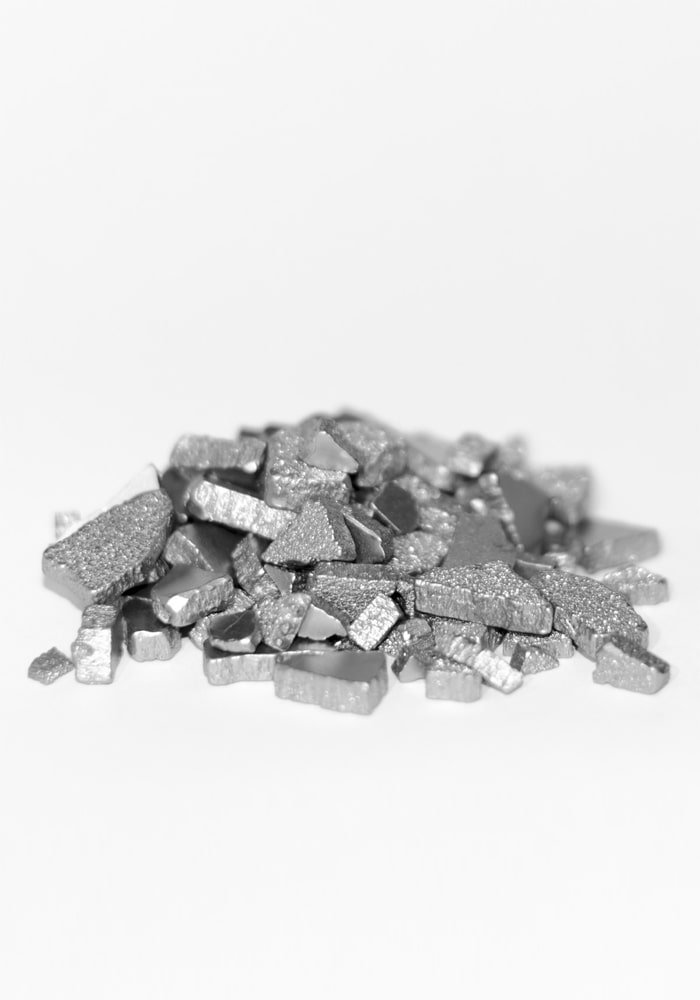
Iron

Including grey and ductile iron, iron is valued for its strength, rigidity, wear resistance, and vibration damping. Commonly used in machinery frames, engine blocks, and heavy‑duty components.

Color:

Red

Price:

$ $ $

Lead Time:

<7 Days

Max Part Size:

2000×1500×300 mm

Min Part Size:

/

Tolerances:

±0.001 in
Why Choose ProleanMFG For Your Wire EDM Machining Services

Certified Premium Quality with Affordable Prices

Our strict quality control procedures, which include CMM inspection, dimensional reports, and material certifications upon request, ensure that every part meets your specifications and expectations.

And our ISO 9001:2015-certified machining processes guarantee precision CNC machined parts with tight tolerances, consistent accuracy, and excellent surface finishes, and we make sure all at an affordable price.

Fast Lead Times with Reliable Delivery

From rapid prototypes to production runs, we offer short lead times as fast as 1 day. Our efficient workflow and advanced 5-axis CNC machining centers keep your projects moving without delays.

Dedicated Engineering Support with Design Feedback

Upload your 2D drawings or 3D CAD files, and our skilled engineers will personally review your design, provide optimized pricing, and suggest adjustments to improve manufacturability and save costs.

From quotation to final delivery, our experienced support team is always available to assist with design advice, material recommendations, production updates, and post-delivery care.

Flexible Prototyping & Production Volumes

Whether you need a single prototype or large-volume production, we have no minimum order quantity (MOQ) and can handle orders of any size with equal care and precision.

Wide Material & Finish Selection

Choose from over 100+ metals and plastics, including aluminum, stainless steel, PEEK, nylon, and more. Available surface finishes include anodizing, powder coating, polishing, and electroplating.

Global Reach with Advanced Capabilities

We serve customers worldwide while providing personalized, responsive service to every client, ensuring you get reliable CNC machining solutions tailored to your specific needs.

Our Wire EDM Machining Finishes

ProleanMFG offers a range of Wire EDM Machining finishing options to improve both appearance and performance. Choose from 20+ finishes or request a custom solution.

As-MachinedThe default finish with visible tool marks. Cost-effective for functional parts or prototypes where appearance is secondary.
Fine Machining (Ra 0.8μm)Offers a smoother, more refined finish than standard as-machined. Needed for parts with tighter tolerance & better aesthetics.
Bead Blasting / Sand BlastingMatte, uniform texture for improved surface look. Ideal for visual parts or preparation before painting/anodizing.
Brushed FinishSatin surface texture. Looks premium and hides fingerprints.
PolishingHigh-gloss mirror finish. Used where aesthetics or friction reduction matters.
Anodizing (Type II & III)Durable, corrosion-resistant oxide layer. Offers color and improved surface hardness. Type III provides harder coatings.
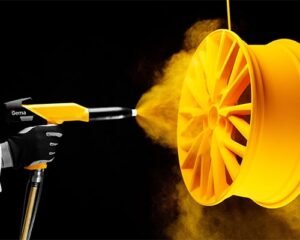
Powder CoatingThick, durable decorative coating. Offered in various gloss levels.
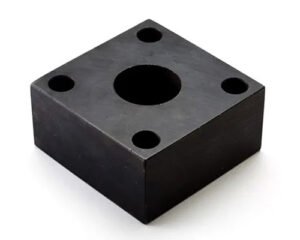
Black OxideProvides a matte black corrosion-resistant finish. Low-cost and non-dimensional.
Electroless Nickel PlatingUniform coating even on complex geometries. Enhances corrosion resistance and wear protection.
Electroplating (Nickel, Zinc, Silver, Gold)Decorative + functional coatings. Enhances corrosion resistance and conductivity (e.g., silver/gold).
Alodine (Chromate Conversion)Prepares aluminum for painting, improves corrosion resistance without affecting electrical conductivity.
Chem Film / Chromate Conversion CoatingLike Alodine, but a broader term. Preps surfaces for painting or adds light corrosion protection.

Our Ordering Process

1

Upload Your CAD File

Securely upload your part design to our online system.

2

Select Specs & Lead Time

Choose your materials, finishes, and preferred delivery time to match your project needs.

3

Get a Fast CNC Quote

Without too much waiting, receive a fast, accurate quote for custom parts manufacturing.

4

Manufacturing/Production Begins Immediately

We assign the best-fit CNC milling centers and start rapid production of your parts.

5

Strict Quality Control

Every part passes through product quality checks to meet the International ISO standards.

6

Fast & Reliable Delivery

We make sure to deliver your precision CNC parts safely packaged and shipped on time.

What Does EDM Stand for in Machining?

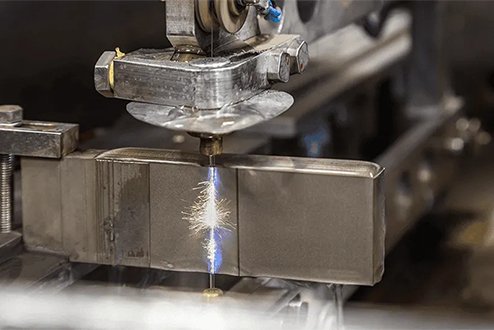
EDM, or Electrical Discharge Machining, also called wire EDM machining, is a high-precision cutting process that uses a thin, electrically charged wire and controlled sparks to cut through conductive metals. 


This non-contact method removes material with extreme accuracy, producing complex shapes, sharp corners, and smooth, burr-free finishes, often without additional processing.


Originating from 19th-century discoveries about spark erosion, modern CNC wire EDM technology now delivers micron-level precision in hard metals like titanium, tool steel, and tungsten carbide. 


Our precision EDM machining services cater to prototypes, small batches, and high-volume production across aerospace, medical, and industrial applications.

What is Electric Discharge Machining?

EDM machining, short for Electrical Discharge Machining, is a manufacturing process that uses controlled electrical sparks to cut and shape hard metals with extreme precision. Unlike traditional cutting methods, EDM doesn’t rely on physical contact between tool and material.

Instead, it erodes the workpiece by generating rapid electrical discharges between an electrode and the metal, making it ideal for intricate shapes, tight tolerances, and hard-to-machine materials.

Types of Electrical Discharge Machining (EDM)

Electrical Discharge Machining (EDM) is available in several specialized forms, each designed to achieve precise results for different manufacturing needs. The three primary EDM processes are Wire EDM, Die Sinking EDM, and Hole Drilling EDM, all capable of cutting hard, conductive materials with exceptional accuracy.

1. Wire EDM (Wire Electrical Discharge Machining)

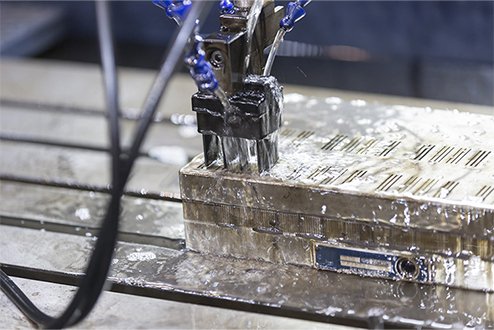
Wire EDM uses a thin, electrically charged wire to cut intricate shapes from conductive metals such as titanium, tool steel, aluminum, and brass. The wire never touches the workpiece & instead, controlled electrical sparks erode the material while the part is submerged in a dielectric fluid, ensuring clean, burr-free edges. 


Guided by CNC controls, wire EDM can produce tight tolerances, complex patterns, and sharp corners that are often impossible with traditional machining. This method is ideal for precision tooling, intricate components, and production parts that demand consistency and high accuracy.

2. Die Sinking EDM (Conventional EDM)

Die sinking EDM, also called ram EDM or plunge EDM, uses a shaped electrode made of copper or graphite to create cavities, contours, and complex forms in a workpiece. The electrode, which mirrors the desired shape, is moved toward the metal while electrical discharges remove material in a controlled manner. 


Submerged in dielectric fluid, this process is perfect for molds, dies, and components with intricate internal geometries that are difficult to machine by conventional CNC methods.

3. Hole Drilling EDM (EDM Drilling)

Hole drilling EDM is designed for producing small, deep, and precise holes in hard metals. Instead of a rotating drill bit, a tubular electrode delivers rapid spark discharges to melt or vaporize the material. This method is especially valuable for starting holes in wire EDM cutting, cooling holes in turbine blades, or any application requiring micron-level precision in hard-to-machine materials.


By selecting the right EDM process, manufacturers can achieve unmatched accuracy, surface quality, and design complexity, making EDM an essential technology for aerospace, medical, mold-making, and high-precision industries.

Advantages of Wire EDM Machining

Wire Electrical Discharge Machining (Wire EDM) offers unmatched precision and versatility, making it a preferred choice over traditional CNC milling and other cutting methods. Because it uses electrical sparks instead of physical cutting forces, wire EDM can achieve tight tolerances, intricate shapes, and exceptional surface finishes without causing material distortion.


One of the key advantages is its ability to machine sharp inside corners, thin walls, narrow slots, and complex tapers that are nearly impossible with conventional machining. Wire EDM can cut materials up to 12 inches thick with tolerances down to ±0.0001″ and surface finishes as fine as 4 Ra (μin), often eliminating the need for secondary polishing. 


The process easily handles hardened tool steels, titanium, carbides, graphite, and exotic alloys, maintaining accuracy even after heat treatment.

Additional benefits include:

No custom tooling required that reduces setup time and cost

No cutting forces, & ideal for delicate or thin-featured parts

Highly repeatable precision that is perfect for production runs

Ability to stack and cut multiple parts simultaneously

Capability to create holes as small as 0.015″ in diameter

Smooth, burr-free edges with no tool marks

⦁ Suitable for multi-axis cutting of complex 3D forms


By combining accuracy, material versatility, and design freedom, wire EDM machining delivers exceptional results for industries such as aerospace, medical device manufacturing, tooling, and high-precision engineering.

Limitations of Wire EDM

Wire EDM is highly valued for its ability to cut intricate shapes with exceptional accuracy, but like any machining process, it comes with certain restrictions. Understanding these limitations helps in determining whether wire EDM is the right choice for your project.

Only applicable to electrically conductive materials

Slower material removal rate compared to CNC milling or turning

High cost of consumables including EDM wire, deionized water, and filters

Wire is single-use and requires constant replacement

Fine finishes and tight tolerances need multiple skim passes, increasing cycle time

Cannot produce blind holes, undercuts, or closed cavities (wire must pass through the workpiece)

⦁ Requires deionized water with continuous filtration and deionization system

⦁ Leaves a heat-affected zone and recast layer on the surface

⦁ May require secondary finishing operations for optimal surface quality

Advantages of Die Sinking Machining

Die Sinker Electrical Discharge Machining (EDM) is a highly precise process ideal for producing cavities, blind features, and intricate shapes that are challenging or impossible to achieve with traditional machining. 


Using an electrode—typically made of copper or graphite—this method erodes material with controlled electrical discharges, enabling the creation of complex geometries with exceptional accuracy.


Because there are no cutting forces, die sinking EDM is perfect for machining delicate features, brittle materials, and hardened metals without distortion. It can also produce smooth surface finishes that often require no secondary polishing.

The process is fully automatable, making it cost-effective for both small runs and large-scale production.

Key benefits include:

Ability to create blind cavities and intricate internal features

High precision and tight tolerances for complex designs

No mechanical stress on the workpiece

Works with all conductive materials, including carbides and certain ceramics

Smooth finishes that reduce or eliminate post-processing

Compatibility with automation for efficiency and consistency


With its versatility and precision, die sinker EDM machining is widely used in mold-making, aerospace, medical components, and high-performance engineering applications.

Limitations of Die Sinking Machining

Restricted to machining electrically conductive materials

Slower cutting speed compared to conventional machining processes

Copper or graphite electrodes are expensive and wear out during machining

High equipment cost and skilled operator requirement increase operational expense

Heat-affected zone and recast layer may form on the workpiece surface


Secondary processes such as polishing or grinding often required for final accuracy and finish

Applications of Wire EDM Machining

Electrical Discharge Machining (EDM) and Wire EDM machining are essential for producing high-precision parts across industries such as aerospace, automotive, medical devices, electronics, and mold-making. 


This process is ideal for custom components requiring complex shapes, tight tolerances, and hard-to-machine materials like titanium, tool steel, carbides, and certain ceramics.


Because EDM is a non-contact cutting method, it can machine delicate features, thin walls, and fine holes without distortion. From low-volume prototypes to full-scale production, EDM offers unmatched precision and repeatability & making it invaluable for critical applications in:

Aerospace & Defense – Turbine blades, engine parts, and high-performance structural components.

Medical Devices – Surgical tools, orthopedic implants, and micro components with fine features.

Automotive & Transportation – Injection molds, extrusion dies, and precision tooling for vehicle components.

Electronics & Robotics – Circuit board tooling, intricate connectors, and micro-scale parts.

Tool & Die Manufacturing – Progressive dies, stamping tools, and hardened material machining.


Wire EDM is particularly suited for full-thickness cuts, intricate contours, and tapered geometries with minimal thermal stress. Whether it’s prototype production or complex multi-part assemblies, EDM machining delivers accuracy and versatility where conventional CNC methods may fall short.

Industries We Are Serving

We partner with businesses in every industry to provide high-precision Wire EDM parts, from prototypes to full production runs. Whether it’s for automotive, aerospace, medical devices, or custom robotics, companies worldwide trust our Wire EDM services for reliable, accurate & precise results.

Precision-machined parts for vehicle systems, EV components, and performance upgrades — built to meet industry safety and reliability standards.

High-performance, tight-tolerance parts for aircraft, drones, defense systems, and satellites, manufactured to aerospace-grade specifications.

Custom CNC components for surgical tools, diagnostic devices, and healthcare equipment, produced with medical-grade materials and ISO-certified processes.

Machined parts for robotic systems, end-effectors, and automation equipment — helping engineers bring next-gen technology to life.

Custom CNC parts for household products, lifestyle gadgets, and new product launches — combining quality, functionality, and cost-efficiency.

Electronics Industry

Precision housings, brackets, and electronic enclosures are machined to tight tolerances for consumer electronics and industrial devices.

Automation Industry

Reliable, high-precision components for assembly lines, automation systems, and industrial machinery — keeping production smooth and efficient.

New Energy

Custom CNC machined parts for renewable energy systems, battery technology, EV components, and power storage solutions, ensuring durability, precision, and performance for the future of energy

Wire EDM FAQ's

Our Wire EDM machining tolerances are as low as ±0.0004 (0.01 mm).

Wire EDM is mainly used for processing all kinds of workpieces with complex shapes and fine precision. 


For example, Wire EDM can process the convex die, concave die, convex-concave die, fixed plate, unloading plate, forming tool, sample plate, fine holes and grooves, narrow slits, arbitrary curves, and so on.

Wire EDM machining requires that the processed material be electrically conductive and it is not possible to machine non-metallic conductive materials. Additionally, Slow efficiency and limited cut size affect the production of large volume production.

Try Prolean Now!

All information and uploads are secure and confidential.

Latest Blog Posts

Understanding High Speed Machining: Benefits and Techniques

Comprehensive Guide To Sheet Metal Brackets

Everything You Need To Know About Aerospace Manufacturing

Scroll to Top