Home » Surface Finishing Services » Yellow Chromate Coating Service
Yellow Chromate Conversion Coating Services
Protect your metal parts with our yellow chromate coating, delivering long-lasting corrosion resistance, superior durability, and a professional finish.
- Premium Quality with Affordable Prices
- ISO 9001:2015, ISO 13485, IATF 16949:2016 Certified
- Fast Turnarounds (Within 12-24 Hours)
Choose ProleanMFG for Yellow Chromate Coating Services
At ProleanMFG, we bring decades of hands-on expertise in yellow chromate conversion coatings applied on zinc, aluminum, steel & metal. Our state-of-the-art labs continuously monitor bath chemistry to ensure consistent quality and defect-free performance.
Whether your parts are small fasteners or large structural components, we’re equipped to handle a full range of sizes with precision. We specialize in delivering ultra-reliable, long-lasting corrosion protection, enhanced durability, and superior metal finishing across aerospace, automotive, and industrial sectors.
Our technical team reviews every project to meet your exact specifications, ensuring your components perform in the toughest environments. Contact us today! (Here, the link to the page Contact Us will be embedded)
Why Choose ProleanMFG For Your Yellow Chromate Coating Services
Certified Premium Quality with Affordable Prices
Our strict quality control procedures, which include CMM inspection, dimensional reports, and material certifications upon request, ensure that every part meets your specifications and expectations.
And our ISO 9001:2015-certified machining processes guarantee precision CNC machined parts with tight tolerances, consistent accuracy, and excellent surface finishes, and we make sure all at an affordable price.
Fast Lead Times with Reliable Delivery
From rapid prototypes to production runs, we offer short lead times as fast as 1 day. Our efficient workflow and advanced 5-axis CNC machining centers keep your projects moving without delays.
Dedicated Engineering Support with Design Feedback
Upload your 2D drawings or 3D CAD files, and our skilled engineers will personally review your design, provide optimized pricing, and suggest adjustments to improve manufacturability and save costs.
From quotation to final delivery, our experienced support team is always available to assist with design advice, material recommendations, production updates, and post-delivery care.
Flexible Prototyping & Production Volumes
Whether you need a single prototype or large-volume production, we have no minimum order quantity (MOQ) and can handle orders of any size with equal care and precision.
Wide Material & Finish Selection
Choose from over 100+ metals and plastics, including aluminum, stainless steel, PEEK, nylon, and more. Available surface finishes include anodizing, powder coating, polishing, and electroplating.
Global Reach with Advanced Capabilities
We serve customers worldwide while providing personalized, responsive service to every client, ensuring you get reliable CNC machining solutions tailored to your specific needs.
Yellow Chromate Coating Overview
Yellow chromate coating is a widely used conversion coating process applied to aluminum, zinc, and other metal surfaces to enhance corrosion resistance and improve the durability of parts. This finishing method chemically reacts with the metal surface to form a protective layer that prevents oxidation, extends service life, and maintains conductivity where needed.
One of the key advantages of yellow chromate is its ability to provide excellent protection without altering the dimensions of precision-machined parts. The coating also improves paint and adhesive bonding, making it a reliable pretreatment for further finishing operations.
In addition to its protective properties, yellow chromate is valued for its distinctive golden appearance, which provides both cosmetic appeal and easy visual identification of treated components.
Key Benefits of Yellow Chromate Coating
⦁ Superior corrosion resistance for aluminum, zinc, and steel parts
⦁ Maintains electrical conductivity on treated surfaces
⦁ Improves bonding strength for paints, primers, and adhesives
⦁ Distinctive yellow finish for visual identification and cosmetic appeal
⦁ Dimensionally stable, will does not affect tolerances of machined components
Yellow Zinc Chromate Considerations
Yellow chromate conversion coating solutions are designed for maximum durability and full compliance with modern regulations. While hexavalent yellow zinc chromate was once the industry standard for cost-effective corrosion protection, its use has been restricted under RoHS directives.
Today, we specialize in trivalent yellow chromate plating, which delivers the same iridescent finish with superior compliance for aerospace, automotive, and industrial applications. For projects requiring higher salt spray performance, we also offer clear trivalent passivation as a cost-effective alternative.
Every finish is applied to ASTM specifications, with both rack and barrel plating options available, ensuring your parts meet demanding performance and regulatory requirements.
Industries We Are Serving
Our 5 Axis CNC machining services support a wide range of industries that demand precision, complex part geometries, and superior surface finishes. We proudly serve the aerospace, automotive, medical, energy, marine, and mold-making industries, delivering custom, high-performance components with tight tolerances and flawless accuracy.
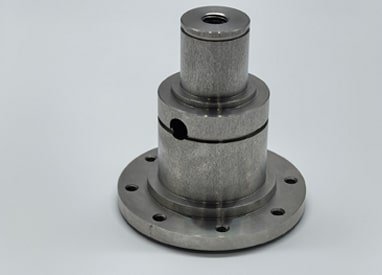
Precision-machined parts for vehicle systems, EV components, and performance upgrades — built to meet industry safety and reliability standards.
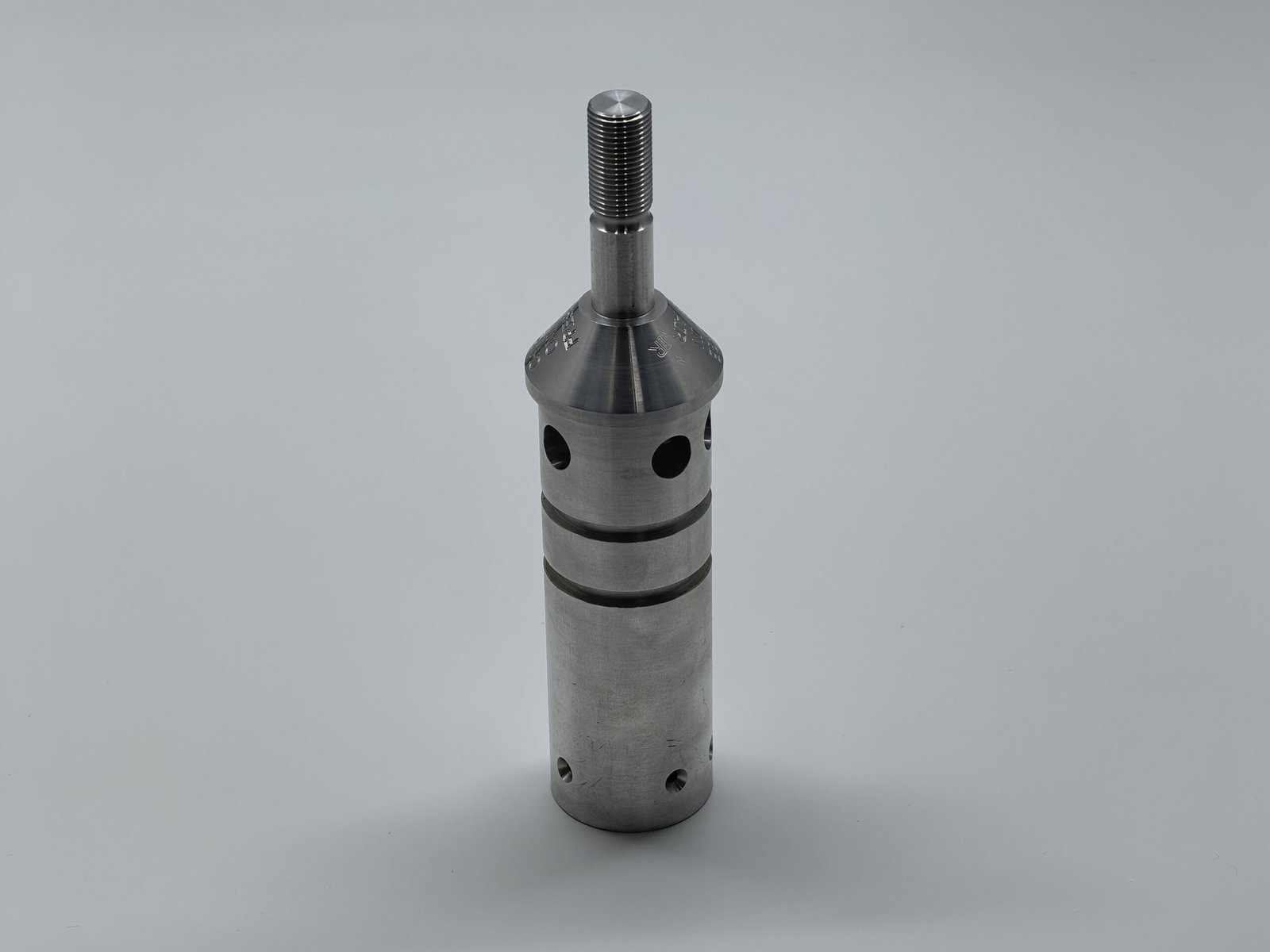
High-performance, tight-tolerance parts for aircraft, drones, defense systems, and satellites, manufactured to aerospace-grade specifications.
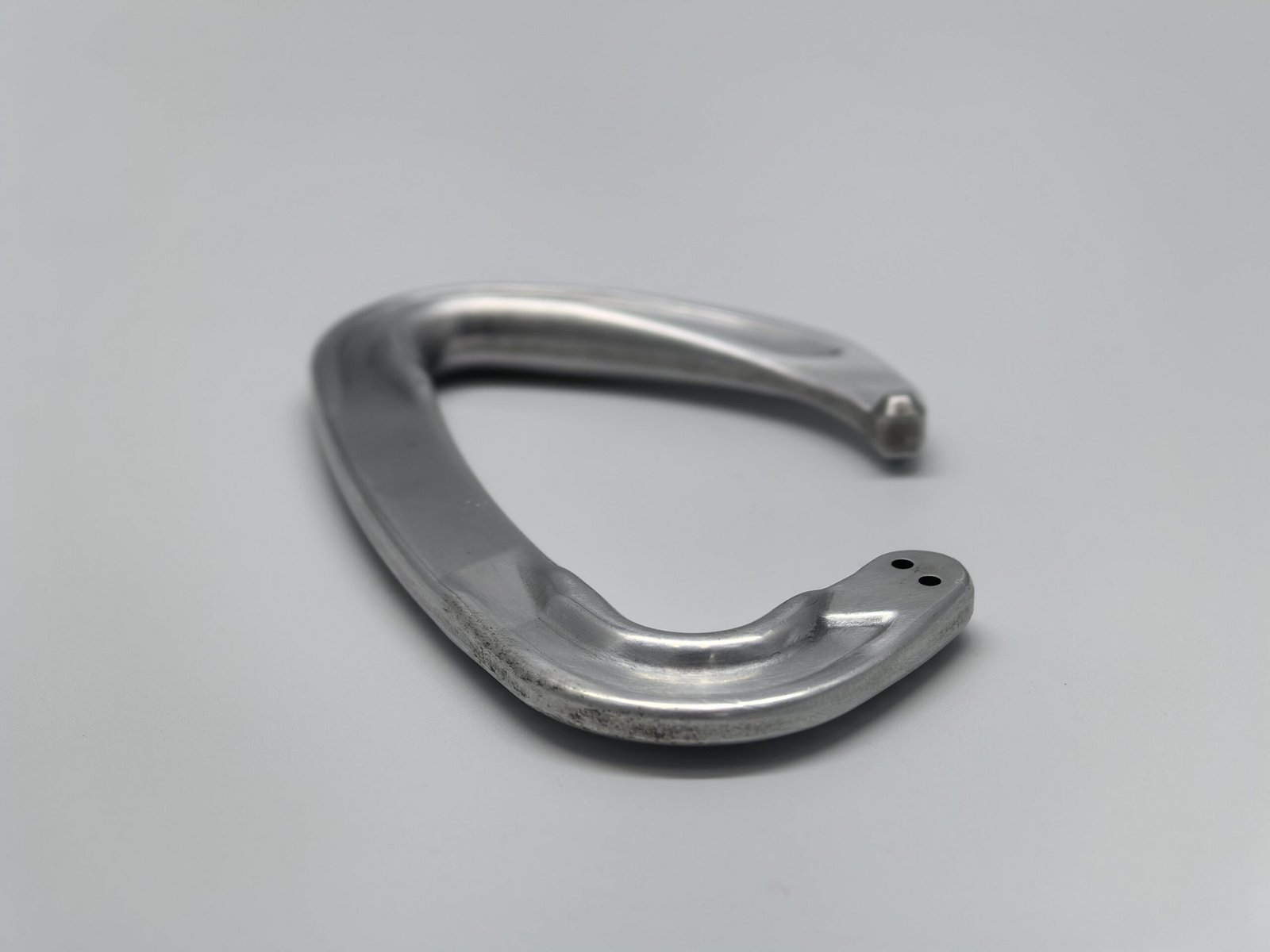
Custom CNC components for surgical tools, diagnostic devices, and healthcare equipment, produced with medical-grade materials and ISO-certified processes.
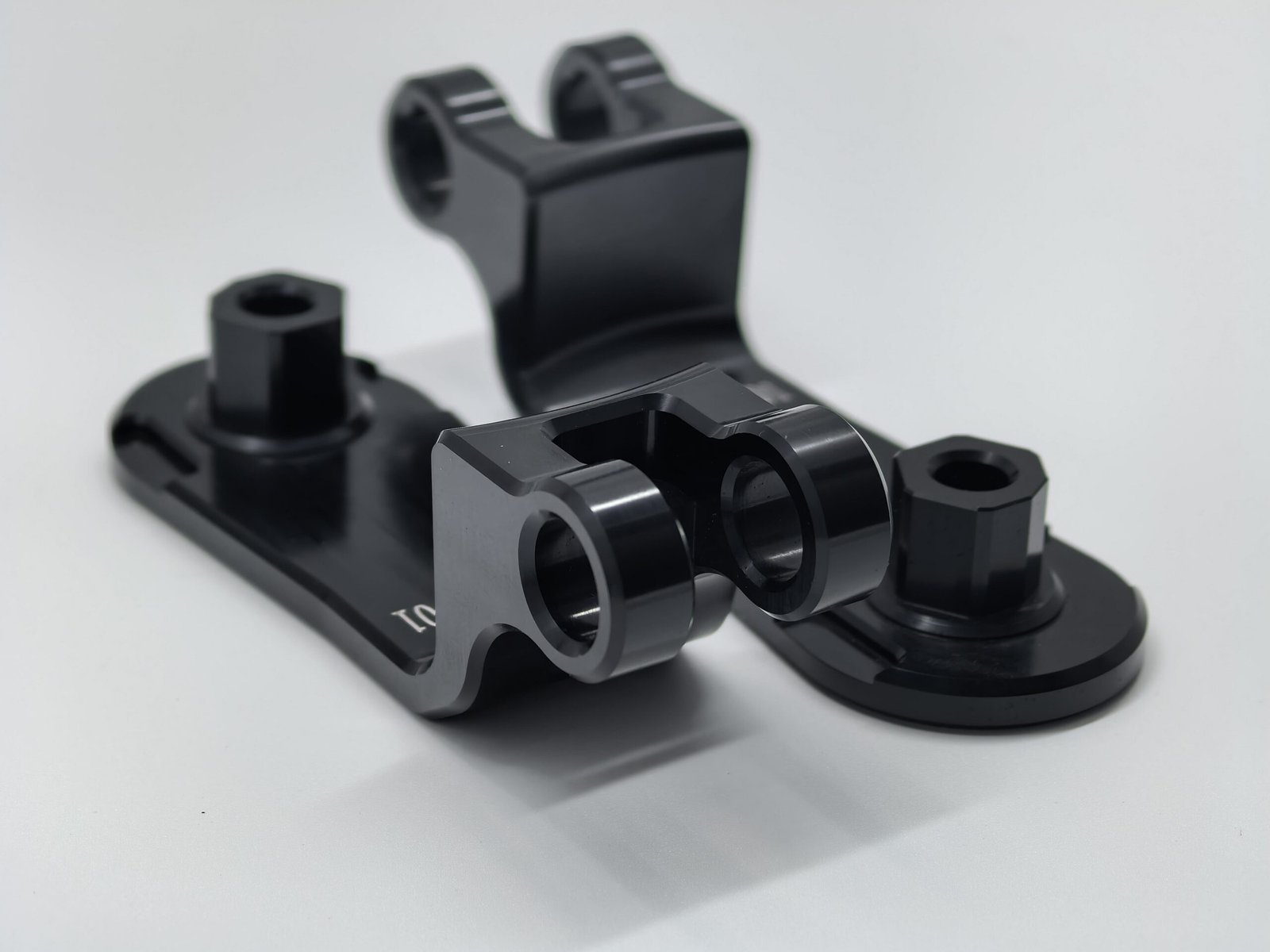
Machined parts for robotic systems, end-effectors, and automation equipment — helping engineers bring next-gen technology to life.
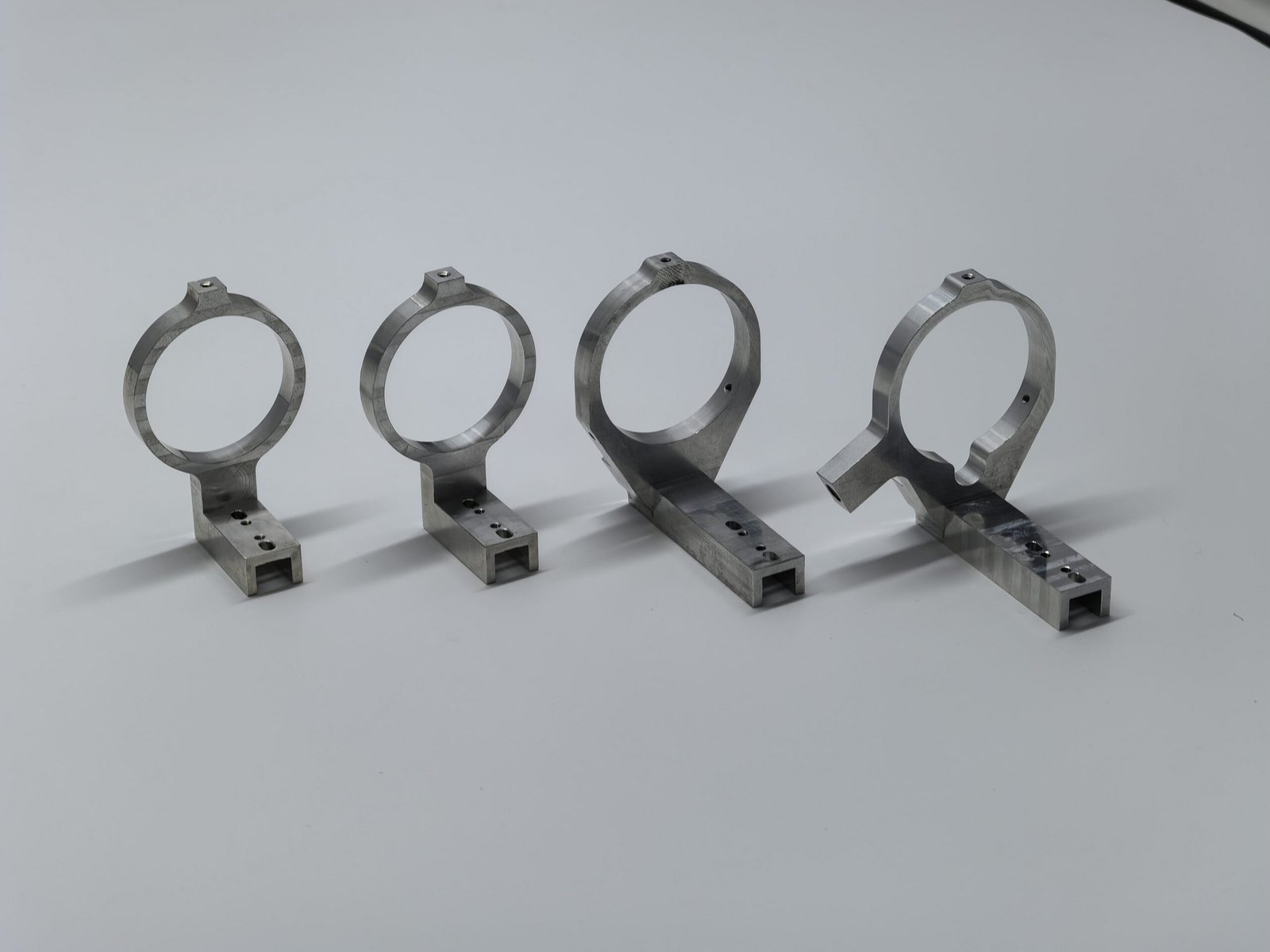
Consumer Goods
Custom CNC parts for household products, lifestyle gadgets, and new product launches — combining quality, functionality, and cost-efficiency.
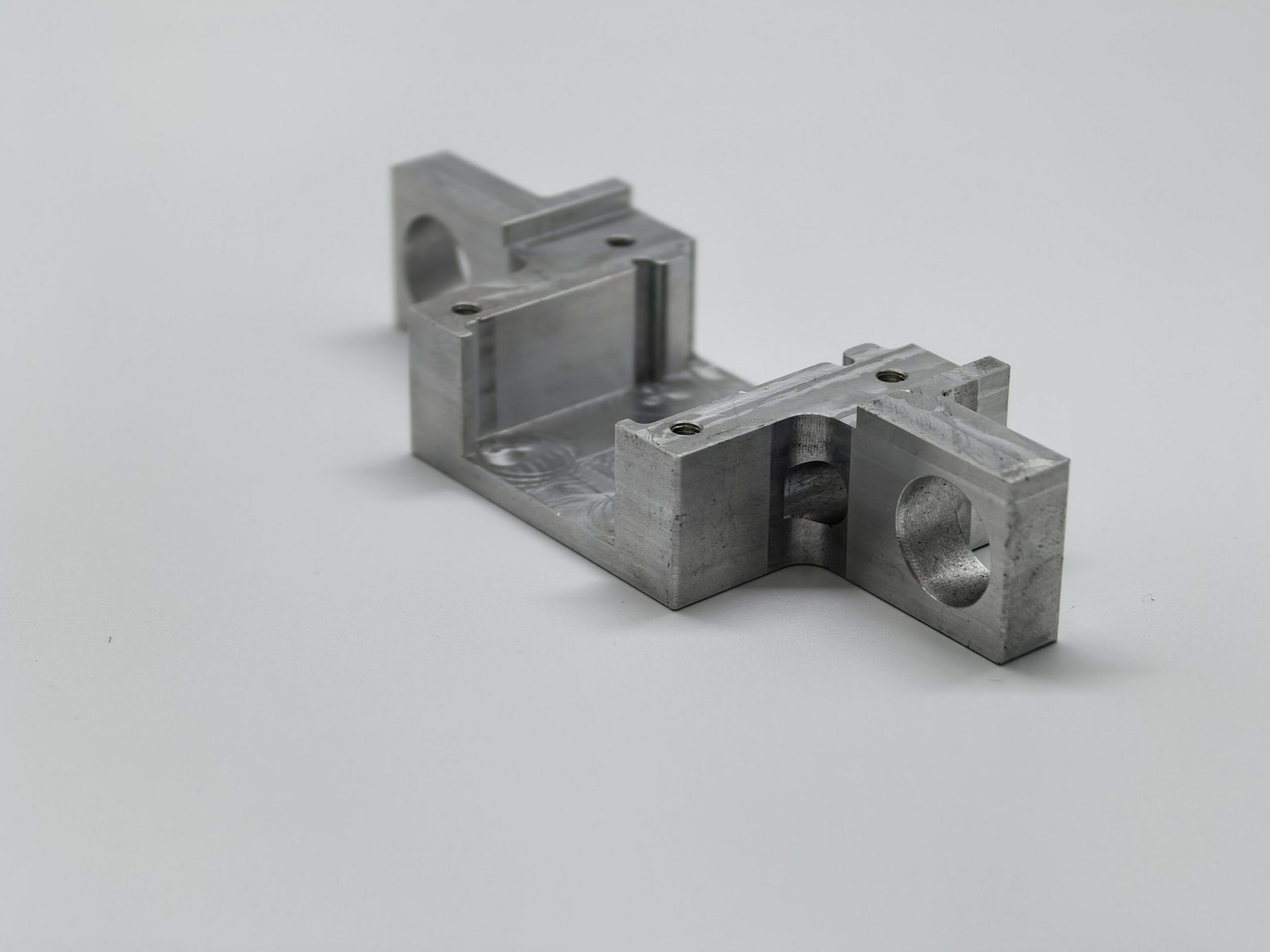
Electronics Industry
Precision housings, brackets, and electronic enclosures are machined to tight tolerances for consumer electronics and industrial devices.
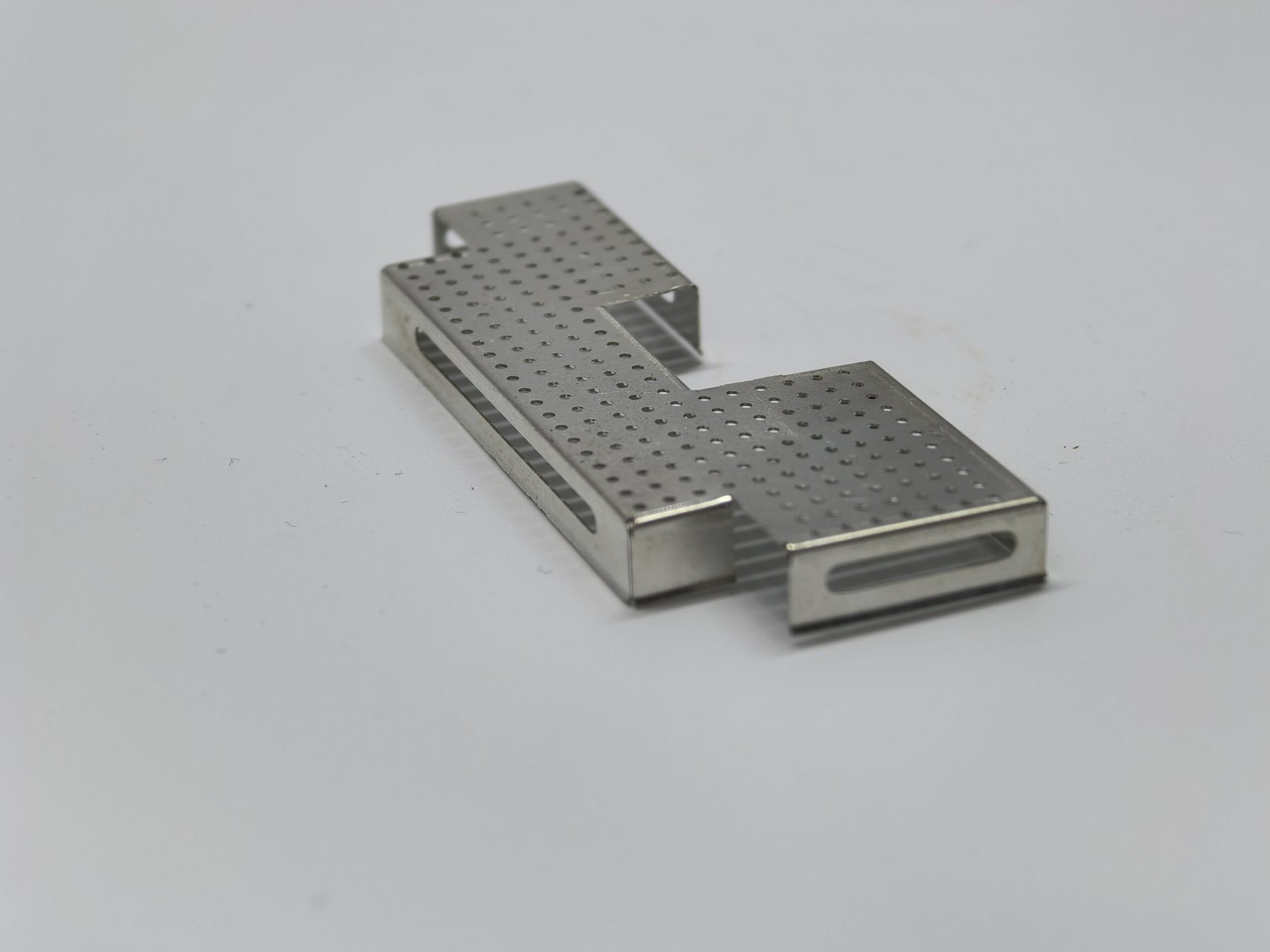
Automation Industry
Reliable, high-precision components for assembly lines, automation systems, and industrial machinery — keeping production smooth and efficient.
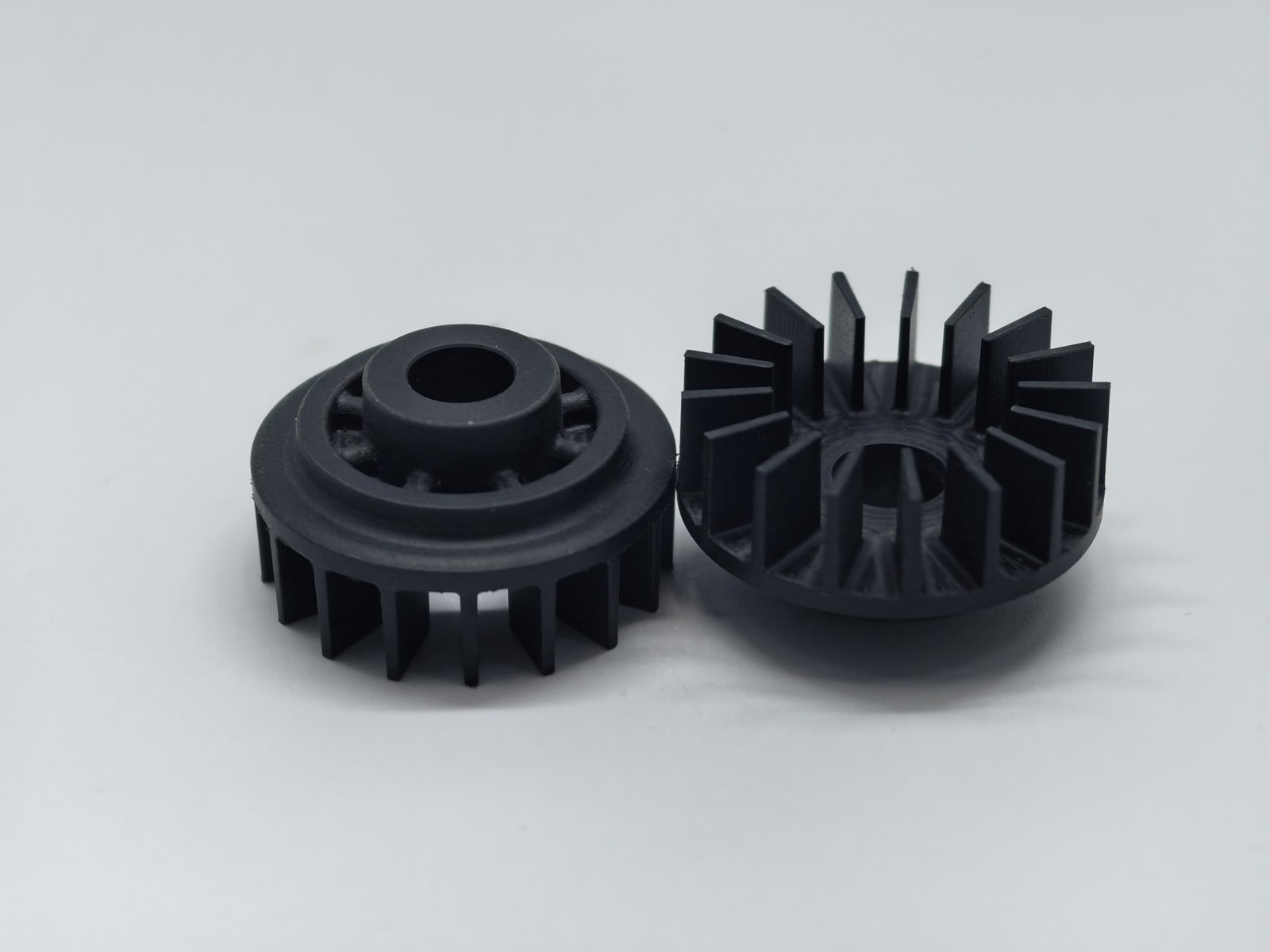
New Energy
Machined parts for robotic systems, end-effectors, and automation equipment — helping engineers bring next-gen technology to life.
Yellow Chromate Coating FAQ's
What is yellow chromate coating used for?
Yellow chromate coating is applied to aluminum, zinc, and steel surfaces to provide superior corrosion resistance, extend part life, and improve bonding for paints and adhesives.
How does yellow chromate protect metal parts?
It works by forming a chemical conversion layer on the metal surface, which seals it against oxidation and environmental wear without changing part dimensions.
Can yellow chromate coating be applied to aluminum and zinc?
Yes. It is most commonly applied to aluminum alloys, zinc-plated parts, and steel components, making it highly versatile across aerospace, automotive, electronics, and industrial applications.
Does yellow chromate coating affect part tolerances?
No. Since yellow chromate is a conversion coating, it doesn’t add measurable thickness, ensuring precision-machined components maintain their dimensional accuracy.
What industries benefit most from yellow chromate services?
Industries such as aerospace, automotive, defense, electronics, and telecommunications rely on yellow chromate coatings for their durability, conductivity, and corrosion protection.
Why is chromate conversion coating widely used in the military?
The military relies on chromate conversion coatings for their durability, corrosion protection, and conductivity. They are applied to aircraft components, weapons, vehicles, and electronics, ensuring reliability in extreme conditions.
These coatings also enhance paint adhesion and extend equipment life in combat and field operations.
What are the main aerospace applications of chromate conversion coating?
In aerospace, chromate conversion coatings protect aircraft parts from corrosion, provide a strong base for paint adhesion, and maintain electrical conductivity where required. They are lightweight, making them ideal for fuel efficiency, and modern trivalent versions align with environmental regulations, ensuring both performance and sustainability.
How does chromate conversion coating compare to other metal finishing methods?
Chromate conversion coating is valued for its affordable corrosion resistance and electrical conductivity. Alternatives like anodizing provide greater wear and corrosion resistance but at higher costs, while powder coating offers aesthetic versatility but less durability in harsh environments.
Electroplating and trivalent coatings are also options depending on performance, budget, and environmental compliance.
What factors should I consider when choosing a chromate conversion coating?
Key considerations include:
- Material compatibility with aluminum, zinc, or magnesium.
- Environmental regulations, such as RoHS compliance (trivalent vs. hexavalent).
- Performance needs, including corrosion resistance and conductivity.
- Aesthetic finish (clear, iridescent yellow, or gold).
- Application method (spray, dip, or brush) based on geometry and production scale.
What are the benefits of chromate coatings for corrosion protection?
Chromate conversion coatings provide sacrificial corrosion resistance, meaning they protect the base metal in aggressive environments.
They improve paint bonding, maintain conductivity, and extend service life without altering part dimensions, making them essential for aerospace, automotive, military, and electronics.
What are the alternatives to chromate conversion coatings?
Alternatives include trivalent chromium coatings (RoHS-compliant), anodizing for aluminum, and organic or powder coatings for eco-friendly protection.
Each option offers unique advantages in durability, appearance, cost, and environmental impact, so the best choice depends on your application’s requirements.