
Electroless Nickel Plating Services
Machining + Plating Coordination
Critical Dimensions Reviewed Before Plating
Request a Plating Quote
Typical Coating Thickness
3 to 40 µm*
Typical Pre-plating Surface
Ra 1.6 µm
Common Visual Appearance
Semi-Bright
Quality Management
ISO 9001: 2015
Why Choose Us
Uniform Coating Thickness
Chemical deposition provides consistent coverage across many edges, recesses, holes, threads, and complex surfaces.
Application-Based Selection
Coating requirements are reviewed against substrate, corrosion exposure, wear, hardness, and dimensional needs.
Controlled Preparation
Cleaning, activation, and substrate-specific pretreatment support coating adhesion and repeatable results.
Selective Masking
Threads, sealing faces, contact areas, and other features can be protected according to drawing requirements.
Inspection Support
Thickness, dimensions, appearance, adhesion, and application-specific documentation can be reviewed with the project.
ISO 9001 Quality System
Processing and inspection are managed through an ISO 9001 quality management system.
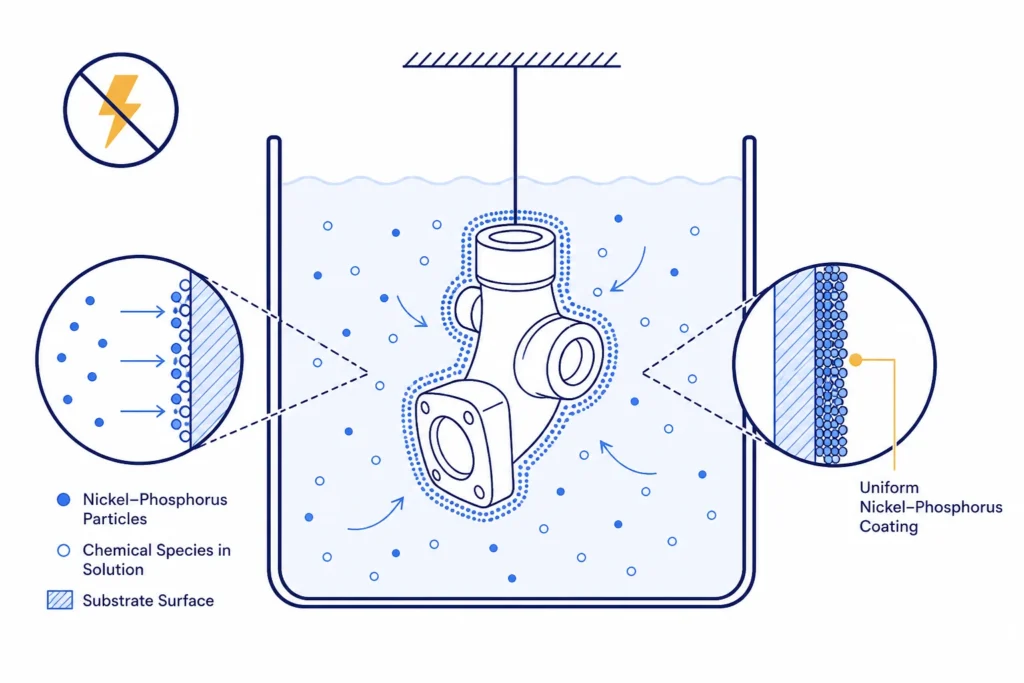
What Is Electroless Nickel Plating?
- No External Electrical Current
- Uniform Functional Coating
- Complex Surface Coverage
- Application-Specific Properties
Electroless Nickel Plating Capabilities
| Capability | Engineering Information |
|---|---|
| Coating System | Functional nickel-phosphorus alloy deposited by an autocatalytic chemical process. |
| Phosphorus Level | Selected according to corrosion, wear, hardness, magnetic behavior, and specification requirements. |
| Coating Thickness | Reference range: 3 to 40 µm. Final thickness is confirmed from the application, substrate, dimensional allowance, and specification. |
| Surface Preparation | Typical starting condition: smooth machined, approximately Ra 1.6 µm (Ra 63 µin), unless the drawing requires otherwise. |
| Visual Appearance | Smooth, semi-bright metallic appearance. Electroless nickel is primarily a functional rather than cosmetic finish. |
| Base Materials | Common engineering alloys can be reviewed; pretreatment depends on the exact material and condition. |
| Masking | Selective masking for threads, sealing surfaces, fits, contact areas, holes, and other identified features. |
| Post-Treatment | Heat treatment, baking, polishing, grinding, honing, or other finishing options reviewed when applicable. |
| Production Volume | Prototype, low-volume, and production requirements reviewed according to part size and process scope. |
| Inspection | Coating thickness, dimensional, visual, adhesion, and corrosion requirements reviewed with the quotation. |
Benefits of Electroless Nickel Plating
Uniform Thickness
Comparatively consistent deposition supports complex shapes and controlled coating allowance.
Corrosion Resistance
Suitable coating selection can help protect parts exposed to moisture, salts, and industrial chemicals.
Wear Resistance
A harder functional surface can reduce wear on sliding, contacting, and repeatedly handled components.
Surface Hardness
Composition and available post-treatment can be selected to improve hardness for demanding service.
Dimensional Control
Uniform deposition helps engineers plan coating allowance on critical interfaces and fits.
Reduced Friction
The coating can improve surface behavior in molds, tooling, and selected moving interfaces.
Internal Coverage
Many bores, recesses, and wetted passages can receive coating without direct line of sight.
Material Upgrade
A functional surface can be added while retaining the bulk properties of the selected base material.
Selecting the Right Phosphorus Level
| Coating Type | General Characteristics | Typical Selection Drivers |
|---|---|---|
| Low Phosphorus | Often selected where higher as-plated hardness, wear behavior, or specific magnetic and electrical characteristics matter. | Wear surfaces, tooling, and selected alkaline environments. |
| Medium Phosphorus | Provides a balanced combination of hardness, corrosion performance, appearance, and process economy. | General engineering components and dimensional restoration applications. |
| High Phosphorus | Commonly selected for stronger corrosion performance and typically non-magnetic behavior in the as-plated condition. | Chemical exposure, oil and gas, electronics, and corrosive environments. |
Compatible Base Materials
Aluminum Alloys
Material-specific cleaning, deoxidizing, and activation are required.
Carbon Steel
Surface cleanliness and heat-treatment condition are reviewed.
Alloy Steel
Hardness and hydrogen-embrittlement requirements may apply.
Stainless Steel
The passive surface requires controlled activation.
Copper Alloys
Alloy composition and surface condition affect pretreatment.
Brass
Composition and zinc content should be identified.
Tool Steel
Hardness, grinding allowance, and post-treatment require review.
Nickel Alloys
Exact grade and service requirements should be provided.
How Electroless Nickel Plating Works
Part Review
Drawing, coating areas, substrate, tolerances, and masking are confirmed.
Cleaning
Oil, grease, residue, and manufacturing contaminants are removed.
Activation
Material-specific pretreatment creates a clean, active surface.
Masking
Features that must remain uncoated are protected.
Deposition
The part remains in the controlled bath until the target coating is reached.
Inspection
Parts are rinsed, post-treated as specified, and checked.
Design Considerations for Plated Parts
Coating Allowance
Account for coating on bores, diameters, grooves, threads, fits, and mating surfaces. Identify the final dimension and whether it applies before or after plating.
Masking Boundaries
Mark every uncoated area and define clear start and stop locations for sealing faces, contacts, threads, holes, and interfaces.
Blind Holes and Passages
Identify internal features requiring coating and geometries where drainage, trapped solution, or air pockets may affect processing.
Threaded Features
State whether internal and external threads should be plated, masked, chased, or manufactured with coating allowance.
Surface Condition
The coating follows the underlying surface. Tool marks, scratches, porosity, welds, and defects can remain visible after plating.
Post-Plating Finishing
Identify grinding, honing, polishing, heat treatment, baking, or final machining so sufficient allowance can be planned.
Electroless Nickel vs. Electrolytic Nickel
| Factor | Electroless Nickel | Electrolytic Nickel |
|---|---|---|
| Deposition Method | Autocatalytic chemical reaction | Applied electrical current |
| Thickness Distribution | Comparatively uniform on wetted surfaces | Varies with current density and geometry |
| Complex Geometry | Good coverage of many recesses, bores, and internal features | Greater risk of edge buildup and low-current areas |
| Composition | Commonly nickel-phosphorus alloy | Primarily nickel |
| Dimensional Planning | More predictable where deposition remains uniform | Uneven buildup may require additional allowance |
| Common Purpose | Functional corrosion, wear, hardness, and dimensional performance | Functional or decorative, depending on the process |
Industries
Aerospace & Defense
Automotive
Oil & Gas
Marine
Electronics
Industrial Machinery
Tooling & Molding
Energy & Automation
Components
- Valves
- Pump Components
- Shafts
- Gears
- Hydraulic Parts
- Fuel-System Components
- Molds and Dies
- Connectors
- Housings
- Manifolds
- Fasteners
- Bearing Surfaces
- Chemical-Processing Parts
- Precision Machined Components
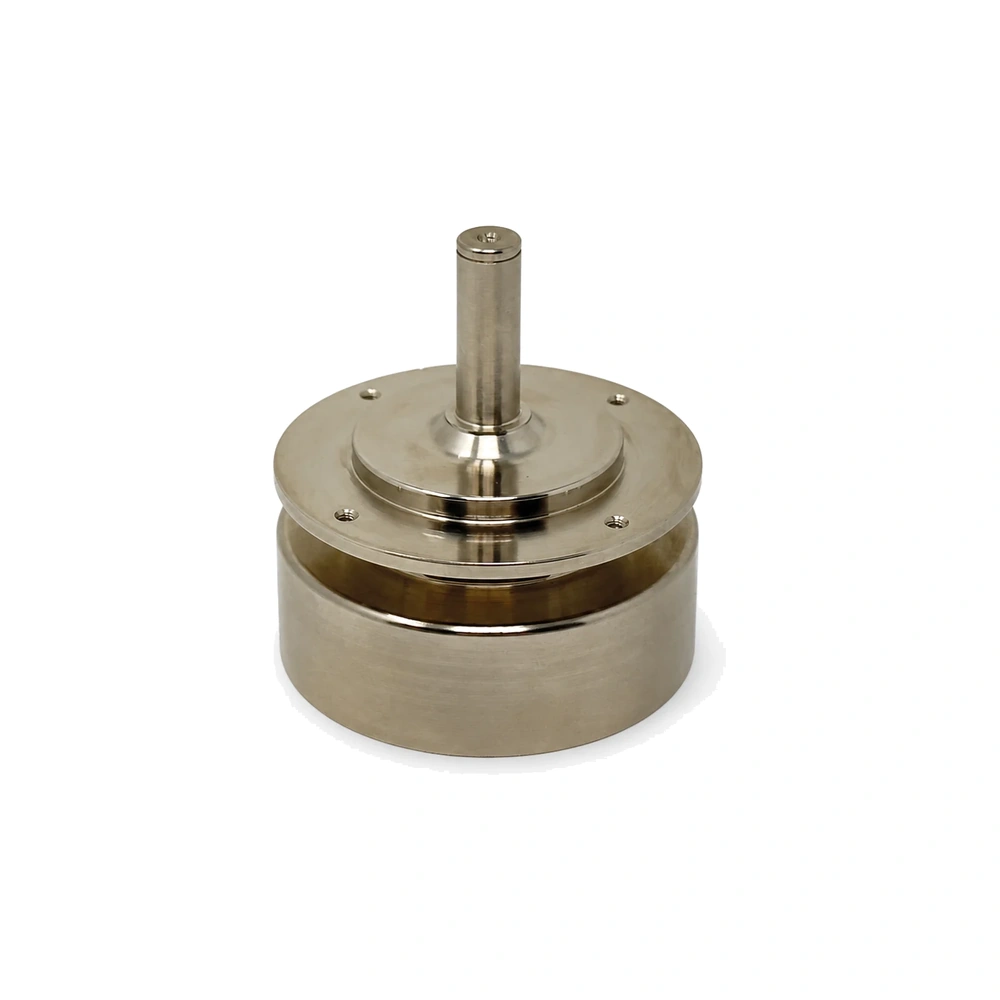
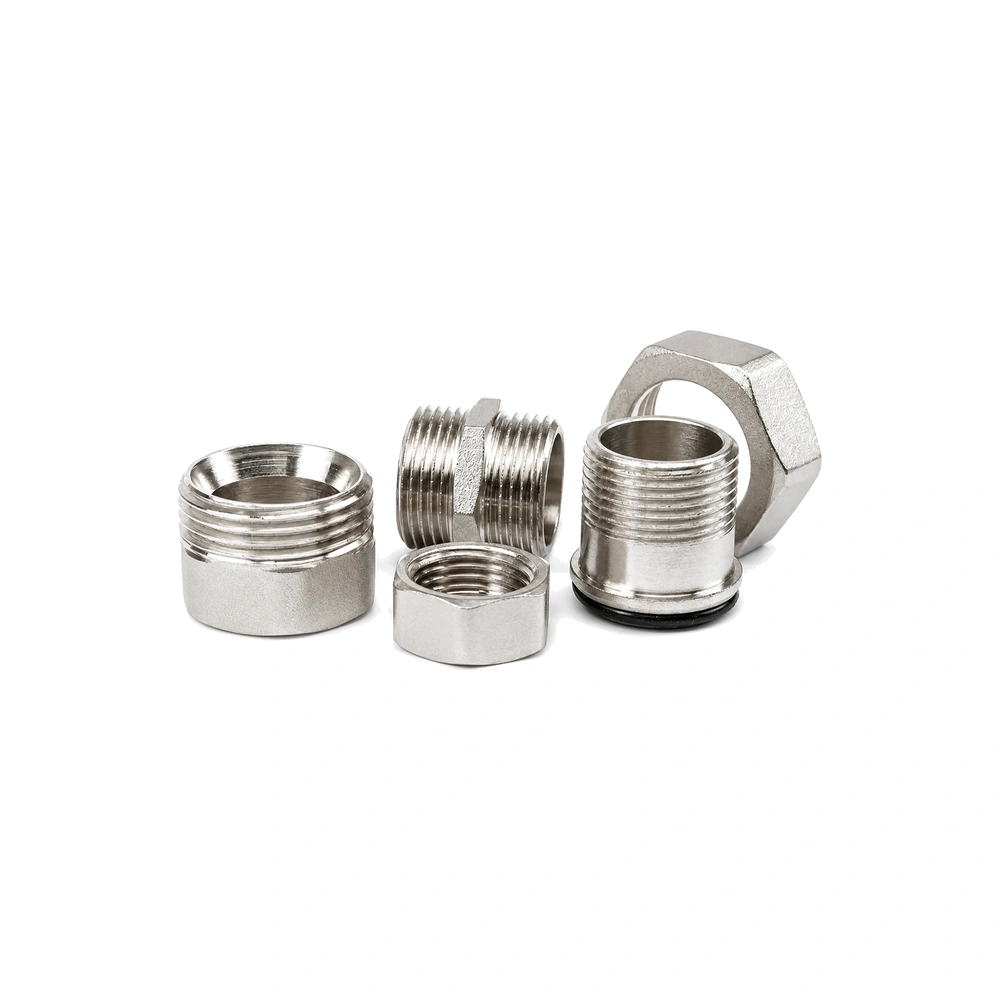
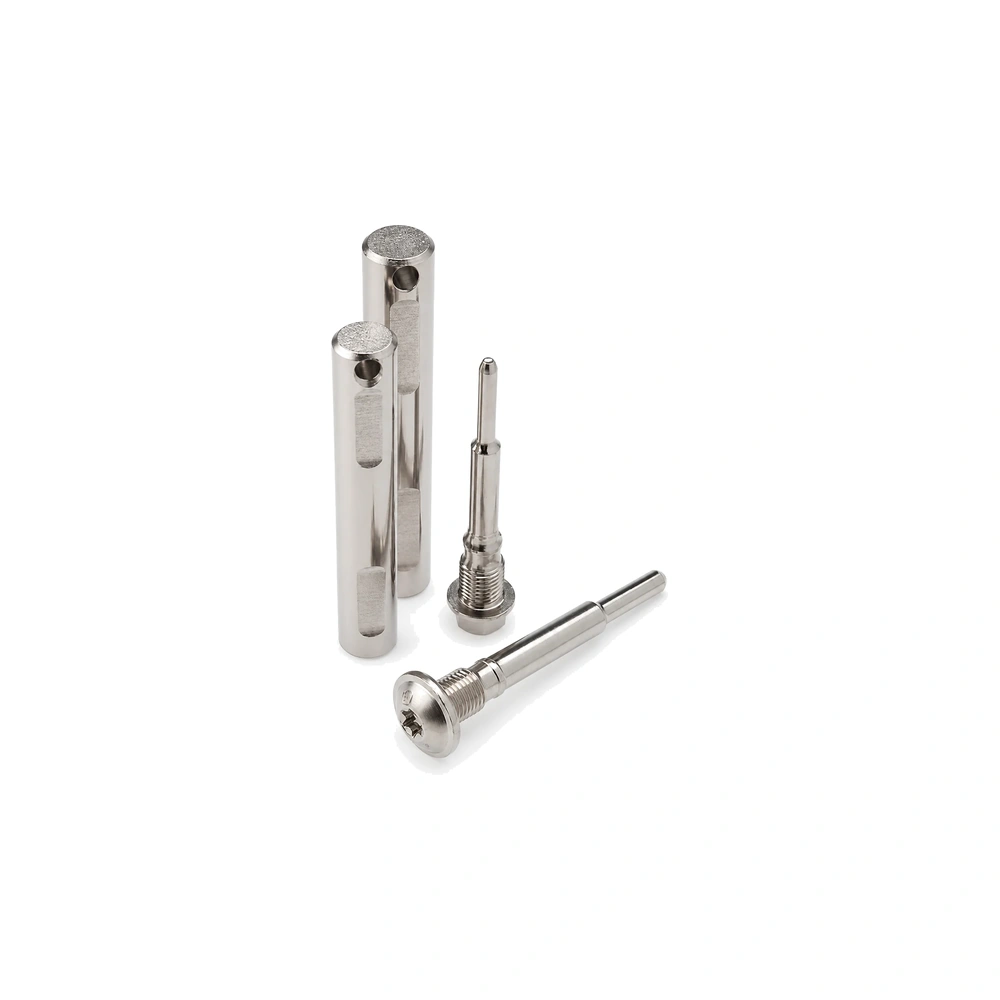
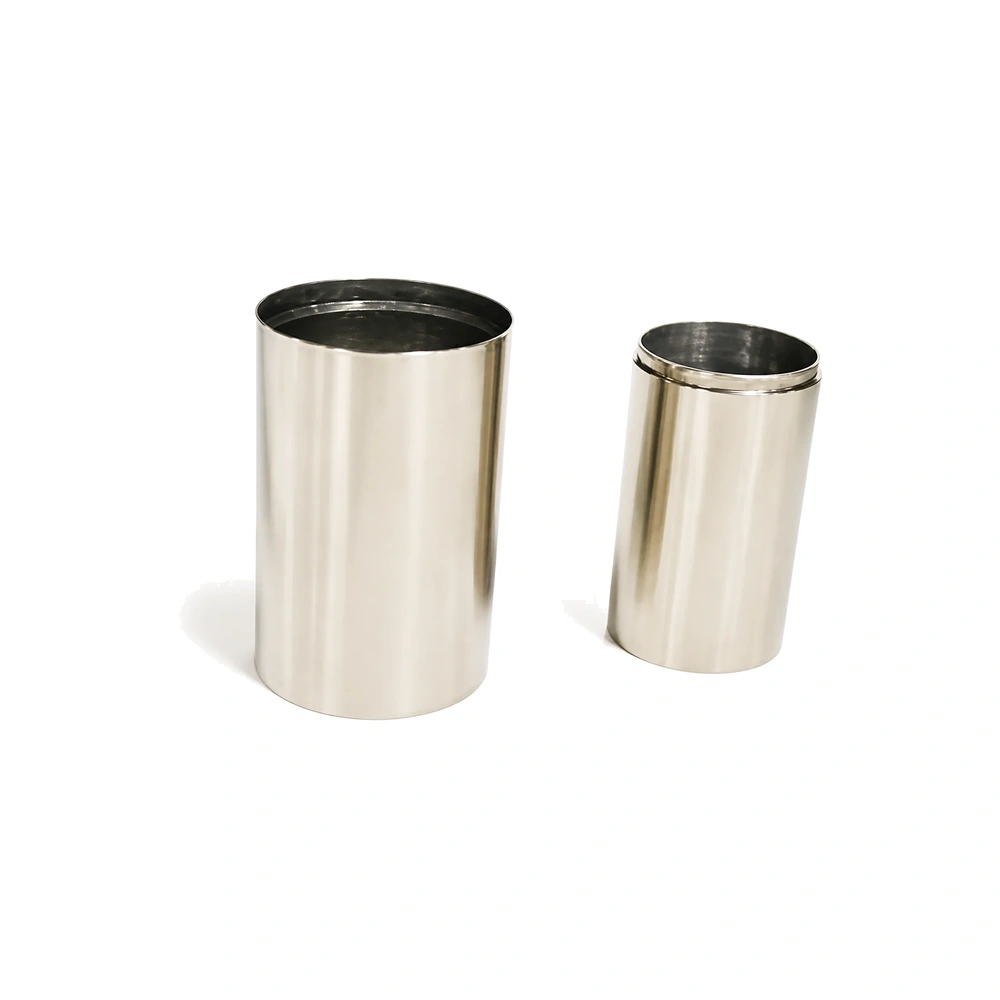
Gallery of Plated Parts


Quality Control and Inspection
Coating-Thickness Measurement
Measurement method and locations are selected according to part geometry and reporting requirements.
Visual Inspection
Appearance, coverage, staining, pitting, roughness, and visible defects can be checked.
Dimensional Inspection
Critical dimensions can be identified for pre- or post-plating inspection.
Application-Specific Testing
Adhesion, corrosion, hardness, and additional requirements are reviewed with the project.
Specifications and Documentation
- ISO 9001
- ASTM B733 Review
- MIL-DTL-26074 Review
- AMS 2404 Review
- Customer Specifications
Start With an Engineering Review
Define the Plating Requirements Before Production
For a Faster Review
- 2D drawing and 3D CAD model
- Base material, grade, and heat-treatment condition
- Coating areas and masking boundaries
- Required thickness and final dimensions
- Corrosion, wear, hardness, or magnetic requirements
- Quantity, inspection documents, and applicable standard