Home » Surface Finishing Services » Anodizing Service
Anodizing Services
Instant quotes on custom machined parts with anodizing and metal finishing services.
- Premium Quality with Affordable Prices
- ISO 9001:2015, ISO 13485, IATF 16949:2016 Certified
- Fast Turnarounds (Within 12-24 Hours)
Choose ProleanMFG for Anodizing Surface Finishing Services
ProleanMFG is a trusted manufacturing partner specializing in precision machining, anodizing, and advanced metal finishing solutions. Since our founding, we’ve been committed to delivering high-quality services that meet the exacting standards of industries where reliability matters most.
We proudly serve aerospace, automotive, telecommunications, electronics, medical, defense, and commercial sectors, providing customized finishing and machining solutions that ensure durability, performance, and compliance with global quality standards.
At ProleanMFG, our mission is simple: to transform raw materials into high-performance components through innovation, precision, and expert finishing.
We are currently dealing with below Anodizing Type Finishing Services
| Feature | Type II Anodizing (Decorative) | Type III Anodizing (Hardcoat) | Type III Anodizing with PTFE |
|---|---|---|---|
| Primary Purpose | Cosmetic finish + moderate protection | Maximum hardness, wear & corrosion resistance | Hardcoat durability + low friction & enhanced lubrication |
| Typical Thickness | 10 – 25 μm (clear ~10 μm, colors ~15 μm) | 35 – 50 μm (0.0013” – 0.0019”) | 35 – 50 μm with PTFE embedded |
| Colors Available | Clear, Black, Red, Blue, Orange, Gold | Black, Natural/Dark Gray (thicker = darker) | Usually Black or Dark Gray (PTFE may slightly dull finish) |
| Surface Finish Options | As-machined, bead-blasted (matte/glossy), brushed | As-machined or bead-blasted (cosmetic optional) | Same as Type III, with PTFE infused |
| Gloss / Appearance | Glossy (reflective) or matte (low glare) | Matte to semi-gloss, utilitarian look | Matte or semi-gloss, slightly lubricated feel |
| Durability | Good (decorative use + light corrosion resistance) | Excellent (hard, dense oxide coating for industrial use) | Superior (hardcoat + PTFE gives wear resistance + self-lubrication) |
| Corrosion Resistance | Moderate – suitable for consumer & light industrial | High – performs well in harsh/abrasive environments | Highest – resists chemicals, salt, and extreme wear |
| Friction / Sliding Properties | Normal anodized surface (not lubricated) | Low friction compared to raw aluminum | Very low friction (PTFE acts as built-in lubricant) |
| Electrical Insulation | Provides basic insulation | High dielectric strength | High dielectric + reduced static buildup due to PTFE |
| Cost | Most economical | Higher than Type II | Premium (highest cost due to PTFE treatment) |
| Best For | Consumer products, decorative components, branding parts | Aerospace, defense, heavy machinery, automotive | Moving assemblies, sliding components, marine, oil & gas, aerospace tribological parts |
Color Options for Aluminum Anodizing Type II
Color anodizing offers a durable, decorative finish that enhances both the appearance and performance of aluminum components.
Slight variations may occur depending on alloy composition and surface preparation, but the following shades represent the most popular anodizing colors available.
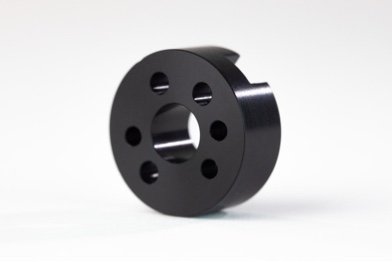
Black Anodizing (Black MLW)
Closest to: RAL 9004, Pantone Black 6
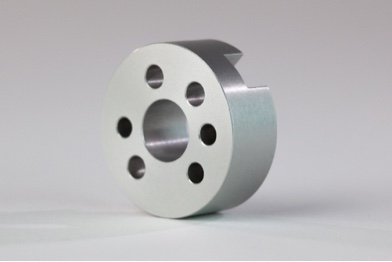
Clear / Natural Anodizing
Appearance varies depending on base material and thickness.
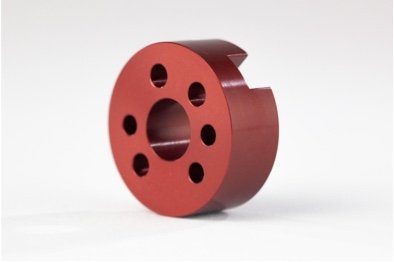
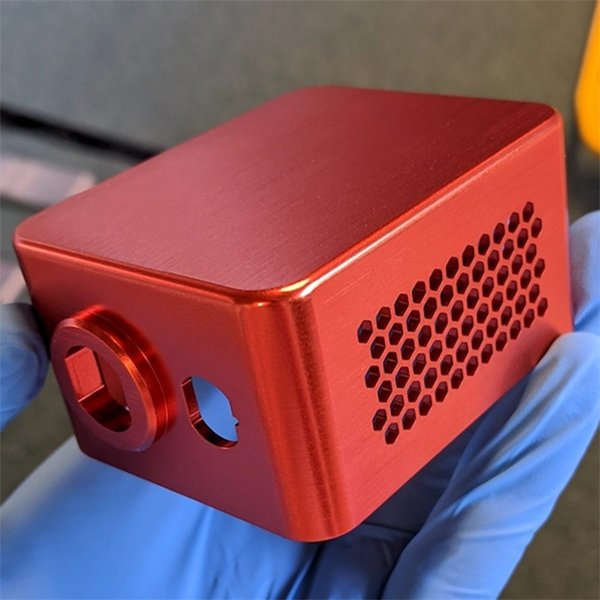
Red Anodizing (Red ML)
Closest to: RAL 3031, Pantone 1805
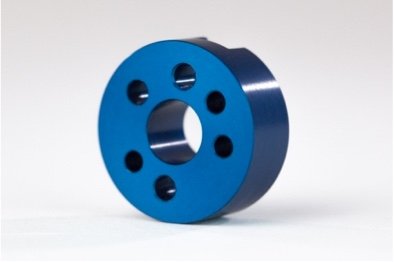
Blue Anodizing (Blue 2LW)
Closest to: RAL 5015, Pantone 3015
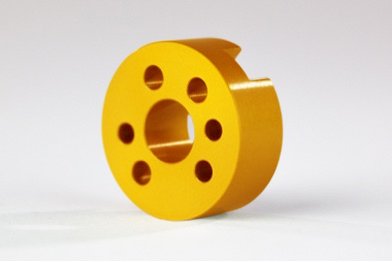
Orange Anodizing (Orange RL)
Closest to: RAL 1037, Pantone 715
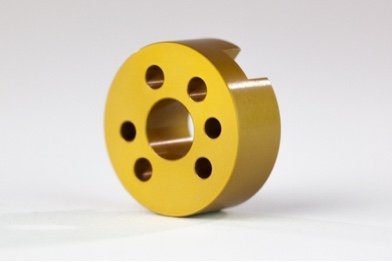
Gold Anodizing (Gold 4N)
Closest to: RAL 1012, Pantone 612
Color Options for Aluminum Anodizing Type III (Hardcoat)
Type III anodizing is generally functional rather than decorative, but limited color choices are available. The most common finishes include:
Black Hardcoat Anodizing
A dark, uniform finish that improves wear resistance and reduces glare.
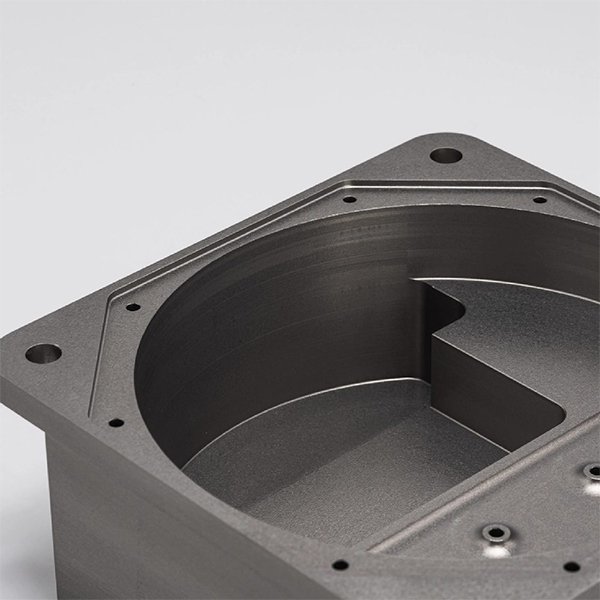
Natural Hardcoat Anodizing
Ranges from light gray to dark gray depending on thickness.
Color Options for Aluminum Anodizing Type III with PTFE
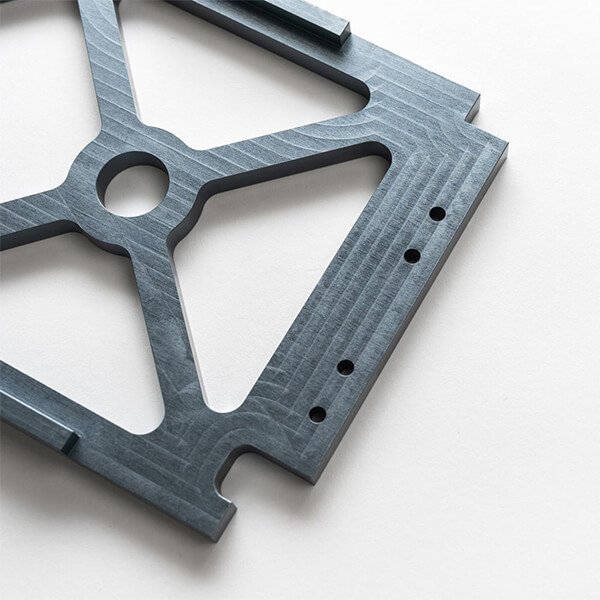
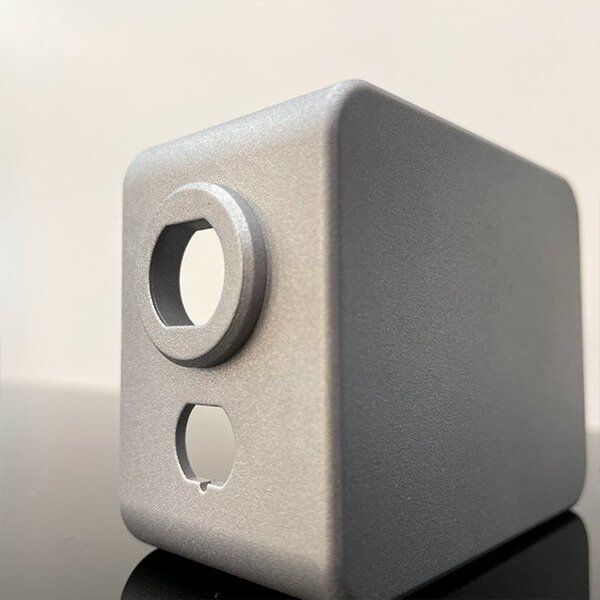
Type III with PTFE combines the durability of hardcoat anodizing with the low-friction benefits of PTFE (polytetrafluoroethylene). This makes it especially valuable for parts that require long-term wear resistance, self-lubrication, and superior corrosion protection.
Unlike decorative Type II, the color palette for PTFE anodizing is functional and limited in scope. The most common finishes include:
Black Hardcoat with PTFE
Deep black with a slightly matte, lubricated surface.
Dark Gray / Natural Hardcoat with PTFE
Varies from medium gray to dark charcoal, depending on thickness.
Key Properties of Bead Blasting Service
| Feature | Details & Value |
|---|---|
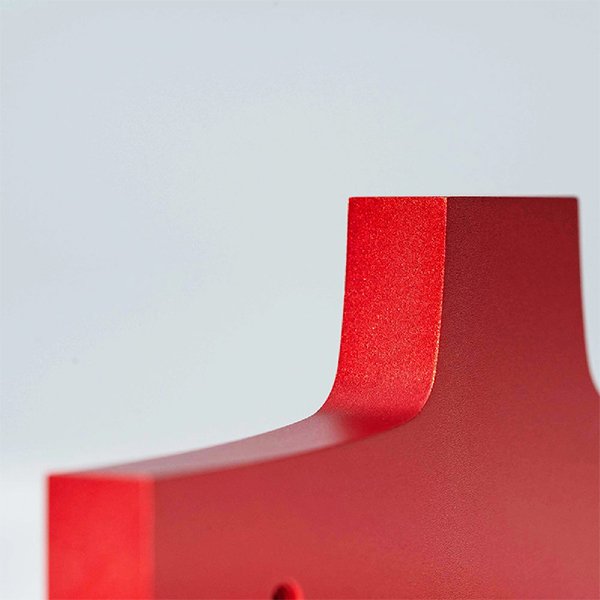
| Compatible Materials | Works with ABS, Titanium, Aluminum, Brass, Copper, Stainless Steel, and Tool Steel – ensuring a wide range of applications for both functional and aesthetic needs. |
| Finish Color | White Glossy – clean, professional appearance suitable for both prototypes and end-use parts. |
| Cosmetic Options | Available upon request – can enhance part appearance for presentation or customer-facing applications. |
| Surface Texture | Matte – reduces glare, hides minor surface imperfections, and delivers a smooth touch feel. |
| Applicable Thickness | Not limited by part thickness – suitable for thin-walled and thick components alike. |
Why Choose ProleanMFG For Your Anodizing Services
Certified Premium Quality with Affordable Prices
Our strict quality control procedures, which include CMM inspection, dimensional reports, and material certifications upon request, ensure that every part meets your specifications and expectations.
And our ISO 9001:2015-certified machining processes guarantee precision CNC machined parts with tight tolerances, consistent accuracy, and excellent surface finishes, and we make sure all at an affordable price.
Fast Lead Times with Reliable Delivery
From rapid prototypes to production runs, we offer short lead times as fast as 1 day. Our efficient workflow and advanced 5-axis CNC machining centers keep your projects moving without delays.
Dedicated Engineering Support with Design Feedback
Upload your 2D drawings or 3D CAD files, and our skilled engineers will personally review your design, provide optimized pricing, and suggest adjustments to improve manufacturability and save costs.
From quotation to final delivery, our experienced support team is always available to assist with design advice, material recommendations, production updates, and post-delivery care.
Flexible Prototyping & Production Volumes
Whether you need a single prototype or large-volume production, we have no minimum order quantity (MOQ) and can handle orders of any size with equal care and precision.
Wide Material & Finish Selection
Choose from over 100+ metals and plastics, including aluminum, stainless steel, PEEK, nylon, and more. Available surface finishes include anodizing, powder coating, polishing, and electroplating.
Global Reach with Advanced Capabilities
We serve customers worldwide while providing personalized, responsive service to every client, ensuring you get reliable CNC machining solutions tailored to your specific needs.
Anodizing Overview
Anodizing is an advanced electrolytic passivation process that enhances the natural oxide layer on metal surfaces, most commonly aluminum alloys. This process improves corrosion resistance, wear resistance, and bonding strength for paints, adhesives, and coatings, making it a preferred finishing method across aerospace, automotive, medical, and industrial applications.
By altering the microscopic texture and crystal structure of the metal, anodizing creates a durable surface that resists cracking and peeling over time. While anodic films are harder and more resilient than traditional metal plating or paint, they can be porous, which is why sealing is often applied to maximize corrosion protection.
Beyond performance, anodizing also offers cosmetic advantages. Porous anodized coatings can absorb dyes in a wide range of colors, while thin, transparent coatings produce unique optical effects. This makes anodizing equally valuable for functional durability and aesthetic design.
Types of Anodizing at ProleanMFG
Key Uses & Benefits:
⦁ Improved aesthetics with color options and surface finish⦁ Stronger bonding ability for primers, adhesives, and coatings
⦁ Excellent wear resistance for high-friction parts
⦁ Superior corrosion resistance compared to untreated metals
⦁ Better heat dissipation for thermal management
Design Considerations for Aluminum Anodizing
When preparing aluminum parts for anodizing, it’s important to account for fixturing, thickness, and masking requirements to achieve the best cosmetic and functional results.
⦁ Jigging & Contact Marks: Parts are mounted on racks during processing, which creates small non-anodized marks at the contact points. If cosmetic appearance is critical, indicate acceptable jigging zones in your technical drawing.
⦁ Electrical Insulation: Anodized aluminum surfaces become non-conductive, making them ideal for components that require electrical isolation.
⦁ Type II Anodizing (Decorative): Thin coatings (10–25 μm) have minimal effect on dimensions. Masking is optional but recommended if threads, bores, or precision areas must remain bare.
⦁ Type III Anodizing (Hardcoat): Thick layers (35–50 μm) can affect tolerances. We mask critical fits and threads by default unless you specify full anodizing.
⦁ Type III with PTFE: Offers the same thickness as Type III but with self-lubricating properties. Masking is advised for sealing surfaces, moving assemblies, or tight tolerances unless PTFE treatment is required.
Industries We Are Serving
Our 5 Axis CNC machining services support a wide range of industries that demand precision, complex part geometries, and superior surface finishes. We proudly serve the aerospace, automotive, medical, energy, marine, and mold-making industries, delivering custom, high-performance components with tight tolerances and flawless accuracy.
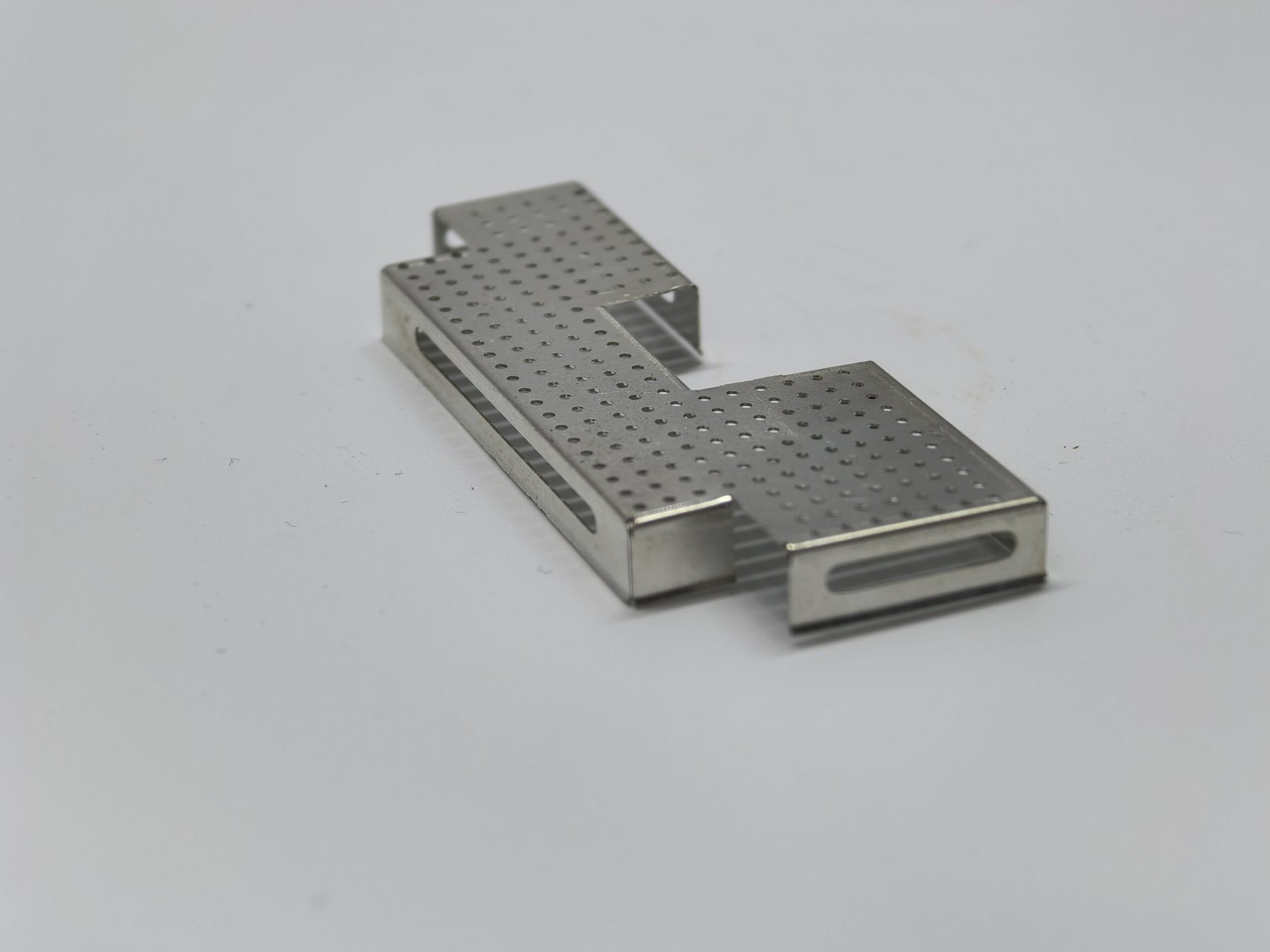
Precision-machined parts for vehicle systems, EV components, and performance upgrades — built to meet industry safety and reliability standards.
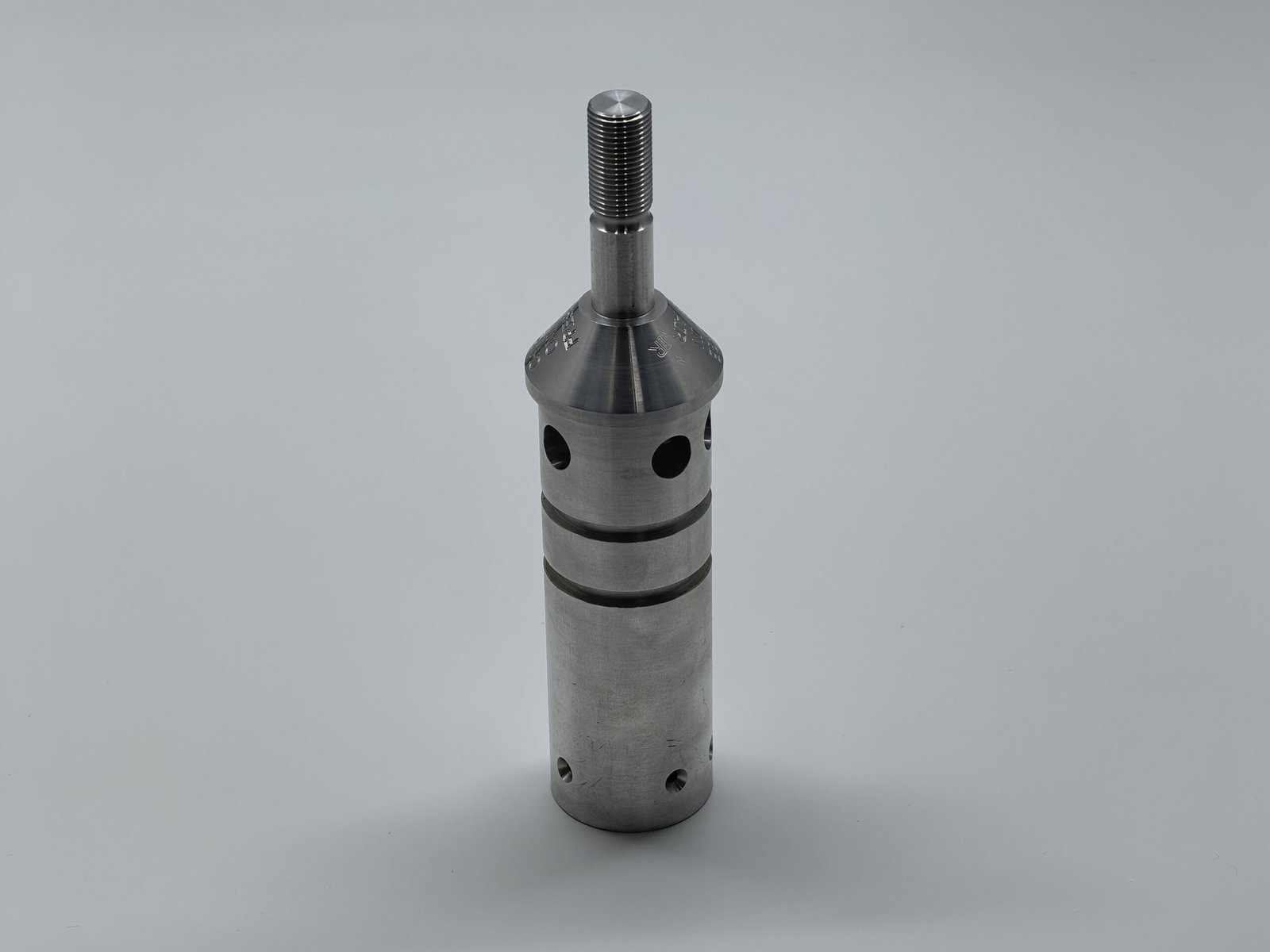
High-performance, tight-tolerance parts for aircraft, drones, defense systems, and satellites, manufactured to aerospace-grade specifications.
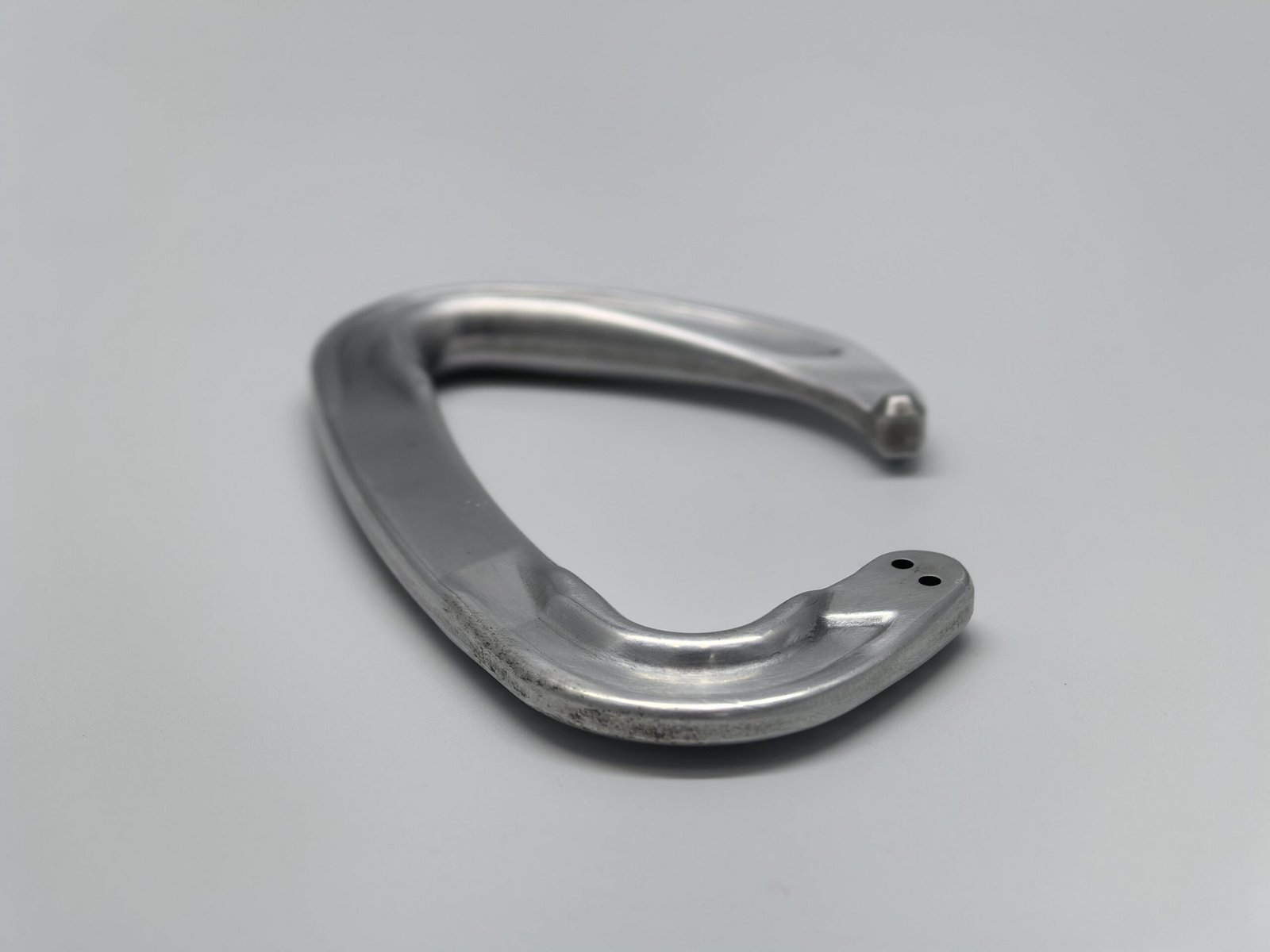
Custom CNC components for surgical tools, diagnostic devices, and healthcare equipment, produced with medical-grade materials and ISO-certified processes.
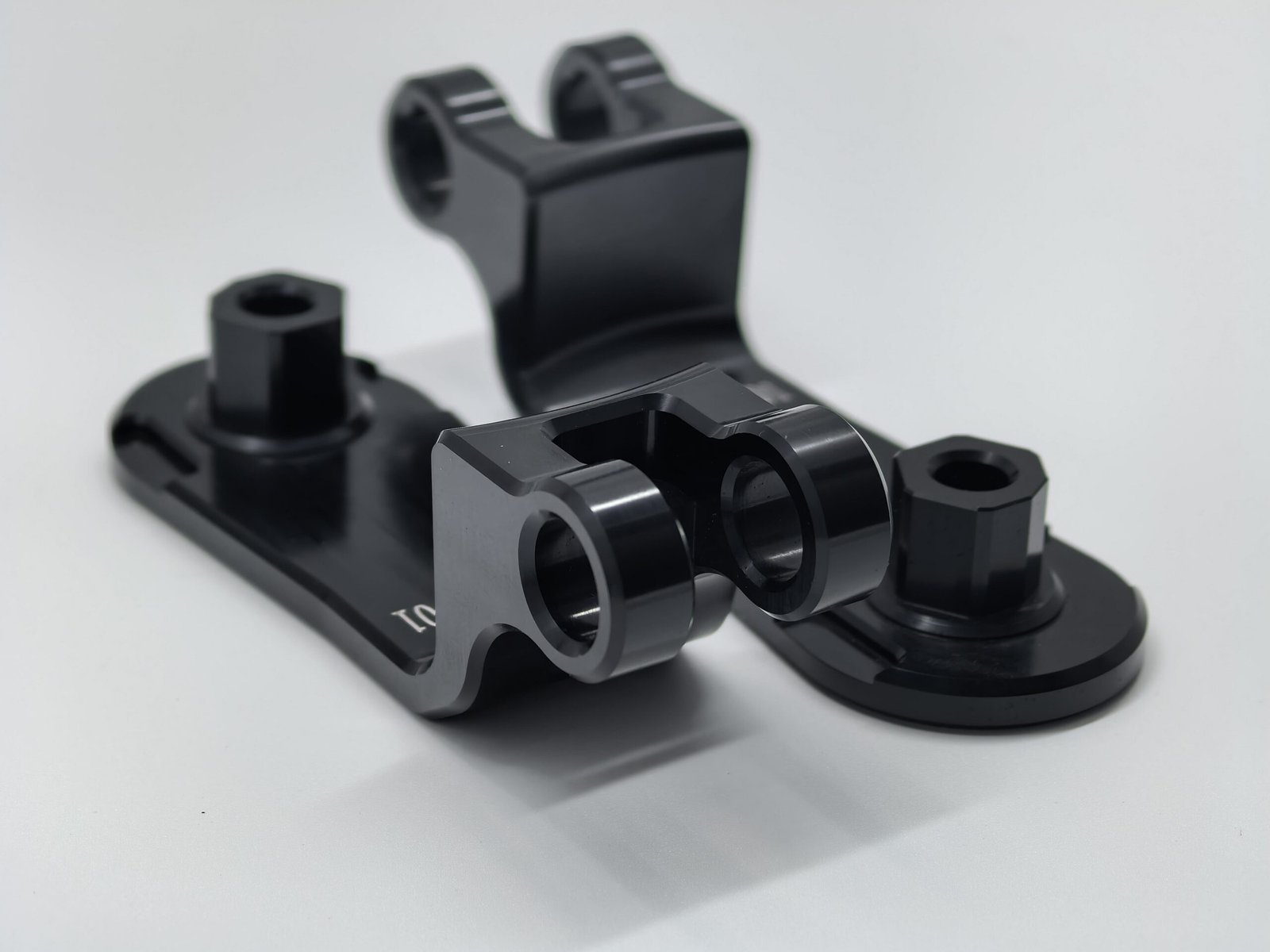
Machined parts for robotic systems, end-effectors, and automation equipment — helping engineers bring next-gen technology to life.
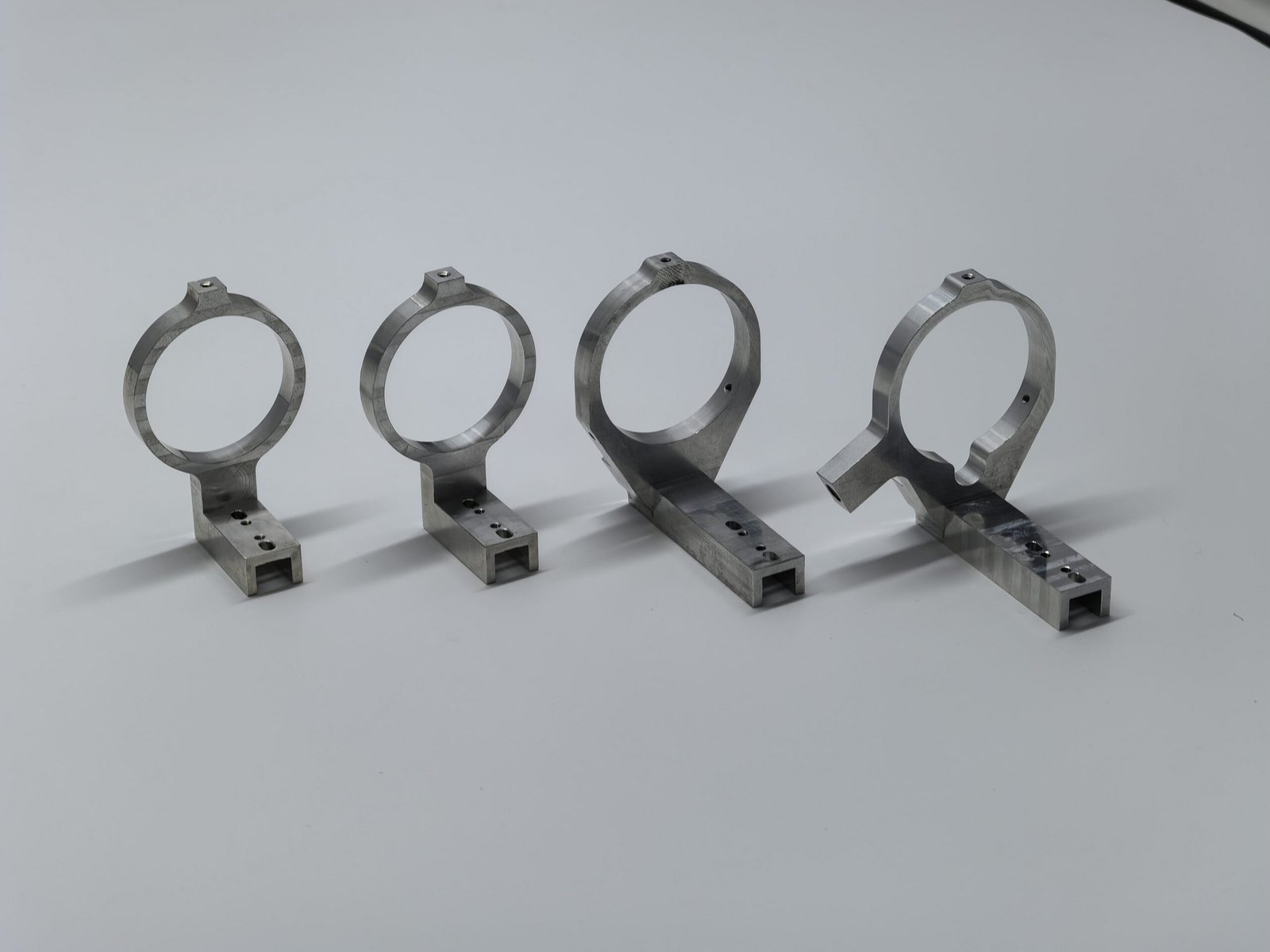
Custom CNC parts for household products, lifestyle gadgets, and new product launches — combining quality, functionality, and cost-efficiency.
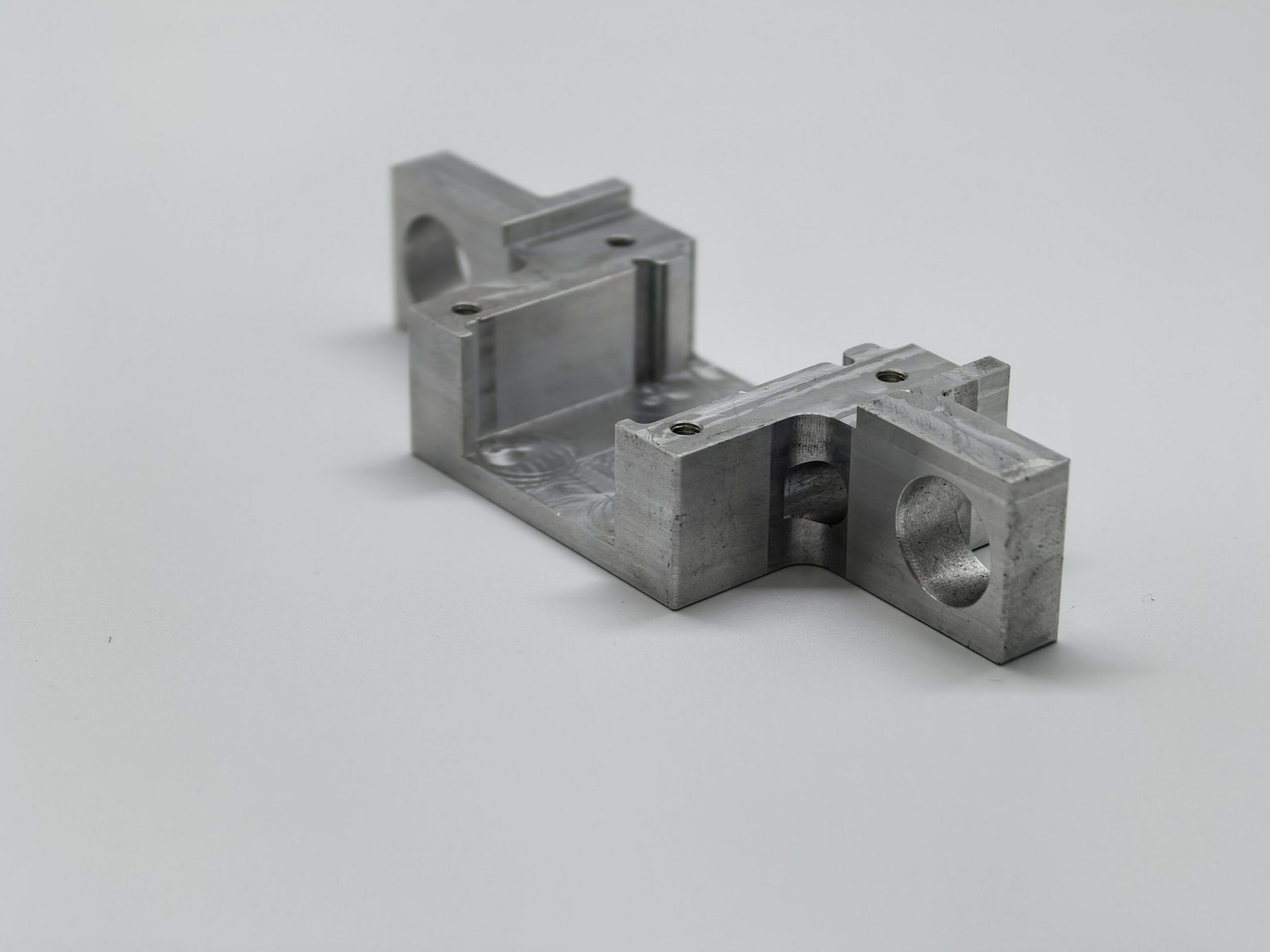
Electronics Industry
Precision housings, brackets, and electronic enclosures are machined to tight tolerances for consumer electronics and industrial devices.
Reliable, high-precision components for assembly lines, automation systems, and industrial machinery — keeping production smooth and efficient.
New Energy
Machined parts for robotic systems, end-effectors, and automation equipment — helping engineers bring next-gen technology to life.
Anodizing FAQ's
What is anodizing and why is it important?
Anodizing is an electrolytic process that enhances the natural oxide layer on metals, most commonly aluminum. It improves corrosion resistance, wear protection, bonding strength for paints or adhesives, and can also add decorative finishes.
What types of anodizing do you offer?
ProleanMFG provides Type II anodizing, Type III hardcoat anodizing, and Type III with PTFE coating, giving customers options for durability, wear resistance, and cosmetic finishes based on their project needs.
Which industries benefit from anodizing services?
Our anodizing solutions are widely used in aerospace, automotive, electronics, defense, medical devices, and industrial equipment where strength, performance, and reliability are critical.
Can anodized parts be colored?
Yes. With Type II anodizing, the porous coating can absorb dyes in a wide range of colors, offering both functional protection and aesthetic appeal. Hardcoat anodizing can also be dyed, though the range of available colors is typically more limited.
What are the main advantages of anodizing over painting or plating?
Unlike paint or plating, anodizing creates a finish that is integrated into the metal surface, making it harder, more durable, and less likely to peel or chip. It offers long-lasting corrosion resistance, wear protection, and heat dissipation, making it ideal for demanding applications.