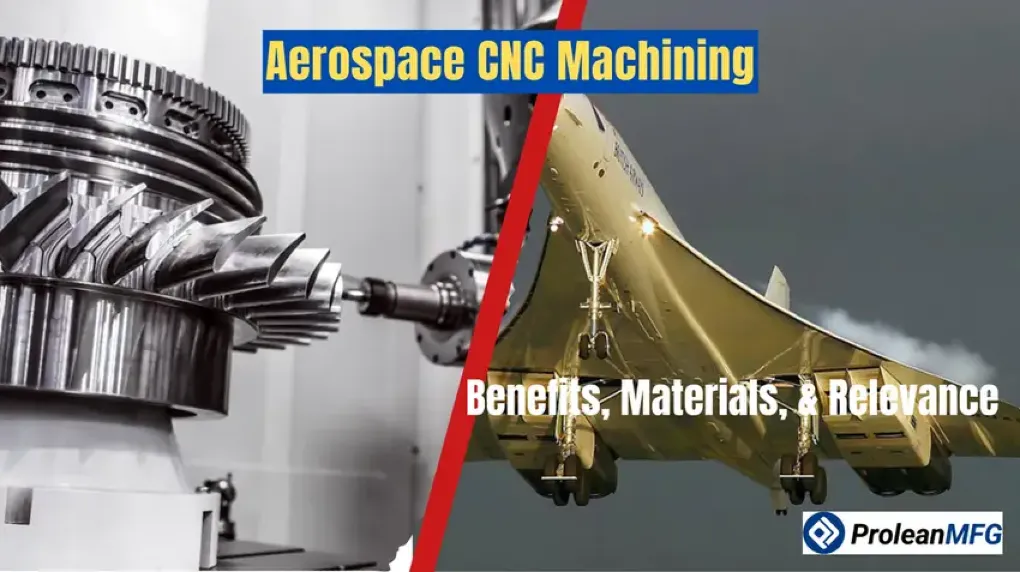

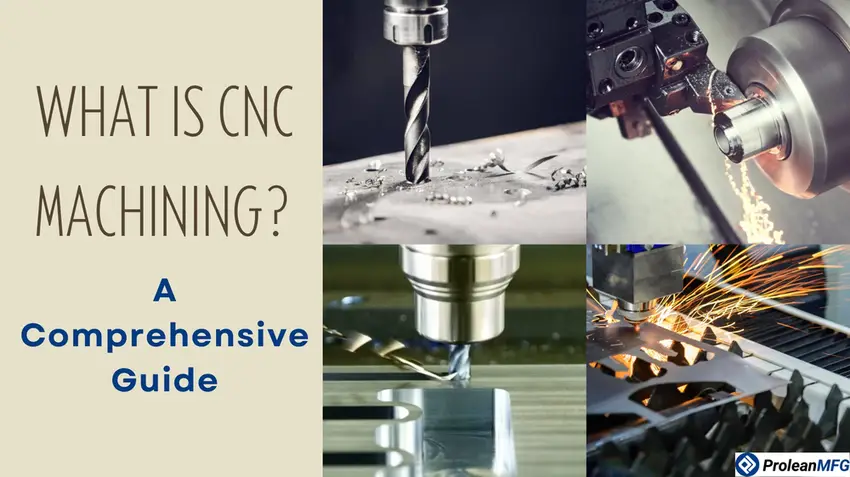

Ever since the CNC (Computer Numeric Controlled) machining technology took root in the 1940s, it has transformed the manufacturing space, and indeed the world, in unimaginable forms. Apart from improving working conditions, the technology brings immense accuracy, adaptability, productivity, and processing control to the manufacturing environment.
Many industries use CNC machining for the mentioned benefits, from orthotic devices and MRI machines in the medical industry, to landing gear parts and electrical connectors for aerospace.
There are so many applications of CNC machining, but so are the material options. Based on the component’s requirements and user preferences, materials that CNC machines can handle include metals, plastics, and composites.
Modern CNC machines have top-level capabilities that enable them to achieve all this – advanced software, hi-tech features, sturdy construction, and superior safety.
This guide is a coverage of the CNC machining method, from the working principle to types of processes, and the best materials to be CNC machined to alternatives of the technique.
A Short History of CNC Machining
The journey to today’s ultra-accurate CNC machines has been nothing short of exciting. A lot of transformation has occurred since the 1940s, when the CNC method first emerged.
During those initial years of CNC machining, specifically 1949, John T. Parsons was contracted to manufacture helicopter rotor blades. With the help of Frank Stulen, the father of modern CNC machining, used a system of punched cards and data points to instruct the machine where to remove material and generate the rotor blade.
Just like that, the duo founded CNC machining technology because in 1952, MIT created a true numerical control machine, which was controlled by a punched roll of tape.
The punched tape was a precursor to digital solutions when the computer emerged in the 1960s. The arrival of this technology was remarkable, considering that the punched tape would frequently wear and tear, causing errors.
The computer age significantly transformed CNC machining, bringing in the accuracy and versatility of the technology we enjoy today. The advent of the computer came with the storage of digital designs and the correction of errors as they occur.
The industry took even bigger milestones with the merger of CAM and CAD with CNC machines. The resulting enhancement in the cost-effectiveness of manufacturing has had a huge impact on the industry.
The latest milestone in CNC machining is the introduction of multi-axis machining in the form of 5-axis machining. This machining capability produces complex parts accurately and fast.
Today, the continuous advancement and improvement of CNC machining are largely pegged on the advancement in computer technology. CNC machining is now highly integrable with automated environments, manual intervention is more limited, and sensor technology is also now part of the processes.
What is CNC?
Principally, CNC (Computer Numerical Control) is a unique technology that merges tangible manufacturing with digital designs. It takes programs and transforms them into machine movement, resulting in precise parts used in a wide range of industries.
This manufacturing technology applies to many manufacturing materials, mostly from the broader categories of metal and plastic.
How Does CNC Work?
CNC works by assigning each item to be manufactured with a special international CNC programming language referred to as G-code. The CNC machine has a microcomputer called a machine control unit (MCU) that stores this G-code. The G-code is usually combined with M-code for CNC machining operations.
The G-code handles the machine’s functioning and movement, while the M-code is for external operations. The program is very comprehensive, bearing instructions for things like feed rate, spindle rotation, starting and stopping coolant flow, and so forth.
At the start of the CNC machining process, engineers generate the part’s computer-aided design (CAD) drawing and translate it to G-code. The specific steps are covered in more detail below.
In short, CNC works in tandem with machines to minimize human errors and accrue benefits such as;
- Elimination of manufacturing bottlenecks
- Improved human safety
- Reduced wastage
- Minimized costs
- Enables contoured machining
What Does CNC Machining Mean?
CNC precision machining entails the use of computer-controlled machines and tools to remove material from a workpiece. It is the cogwheel of modern precision manufacturing, which is characterized by fine tolerances, versatility, and safety.
This subtractive method is different from alternative manufacturing methods such as injection molding (formative) and 3D printing (additive). While it is a material removal method, the specific approach to this process differs for individual CNC machining techniques.
CNC machining comprises several tools, methods, and technologies, all designed to offer unique results depending on the end requirements. The main categories of CNC machining are;
- CNC turning
- CNC Milling
- Turn-milling Compound
- CNC Cutting
- CNC Drilling
- CNC Grinding
- Wire-Cutting
- Laser Cutting
CNC machined parts have tight tolerances and great surface finish, although the exactness of these features depends on the tool, machining approach, and the specific workpiece material.
Talking of workpiece material, virtually any material can be CNC machined. CNC machinable materials are metals, plastic, wood, composites, and others.
Types Of CNC Machining Processes
As listed above, there are several CNC machine manufacturing processes including turning, milling, turn-milling, drilling, and cutting. These fundamental processes cut, shape, and fine-tune different materials depending on design requirements. Understanding the meaning and relevance of these operations is the key to truly optimizing the capabilities of CNC precision machining
Here are more details about these critical processes;
CNC Turning
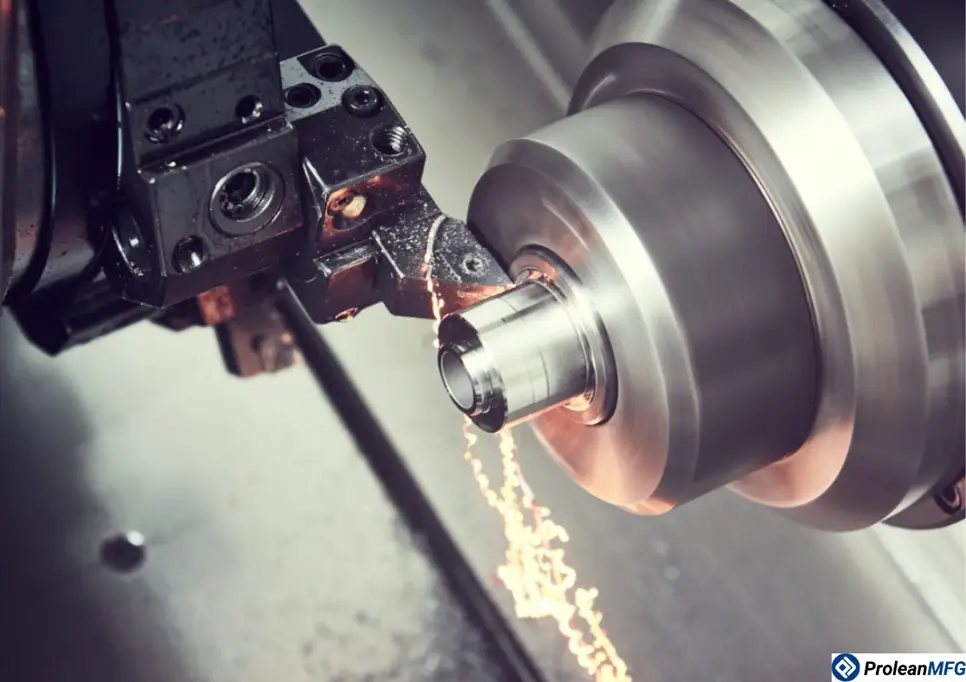
CNC turning
CNC turning is a machining process whereby the cutting tool is stationary and the workpiece rotating. This technique is performed on the lathe machine, with the CNC program controlling the direction, speed, feed rate, and cooling.
Examples of types of CNC turning operations are facing, straight turning, boring, grooving, taper turning, and parting off. CNC turning has numerous applications including gears and threads.
CNC Milling
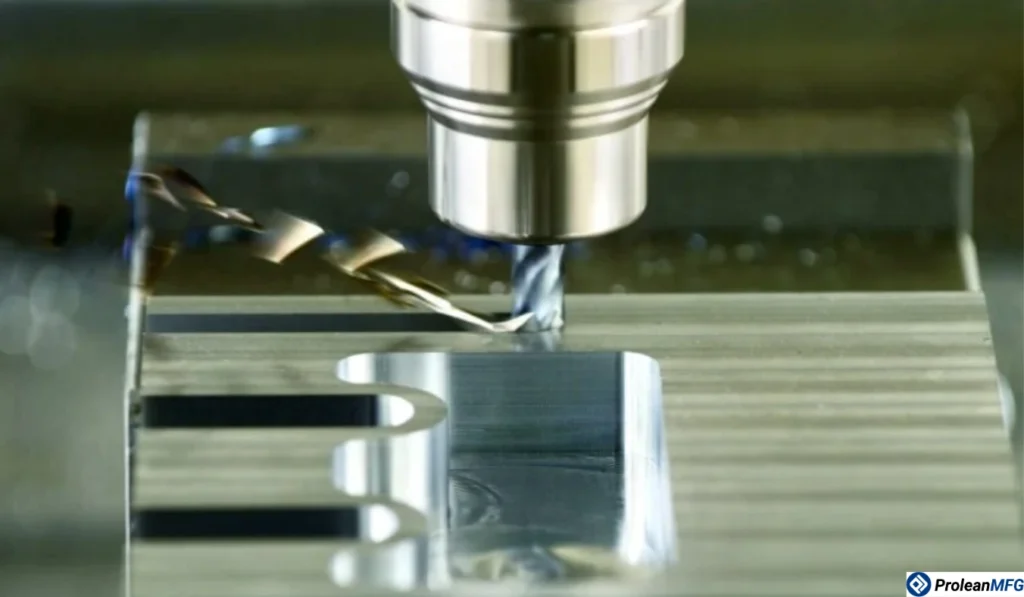
CNC milling
CNC milling is a subtractive manufacturing process entailing a multi-tooth cutting tool held by a rotating spindle, removing material from a workpiece. The tool removes material layer-by-layer until the desired shape, profile, or surface finish is attained.
CNC milling processes include Peripheral (Slab) Milling, plain milling, face milling, end milling, and angular milling. These and several other forms of CNC milling are useful in the many industries that rely on the process – Automotive, aerospace, consumer items, medical, marine, military, etc.
Turn-milling Compound
Turn milling is a compound process comprising turning and milling techniques. It is a perfect setup for performing multi-sided machining, which is essential in an industry like aerospace.
The main advantages of turn milling are reduced machining time and increased part accuracy. Manufacturers with limited machine room consider this solution as worthwhile.
CNC Cutting
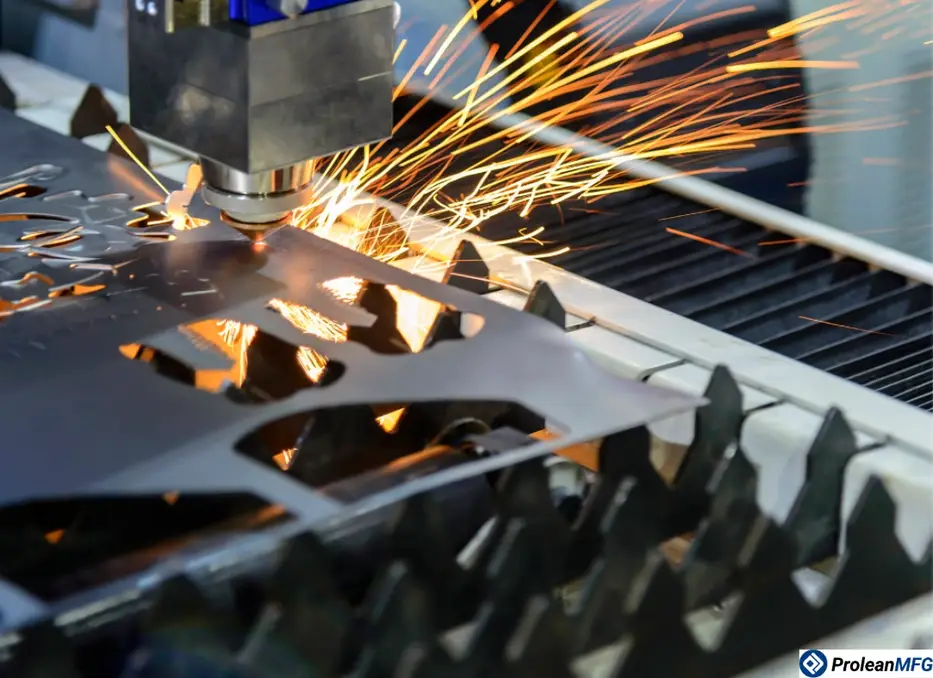
CNC cutting
CNC cutting involves precise control of cutting tools and the general cutting operation using computer programs. There are different forms of CNC cutting, each designed for a particular project property, for instance, materials.
The most common types of CNC cutting are CNC Laser Cutting, CNC Waterjet Cutting, CNC Plasma Arc Cutting, Endless Diamond Wire Cutting, and CNC Machine Tool Cutting.
CNC Drilling
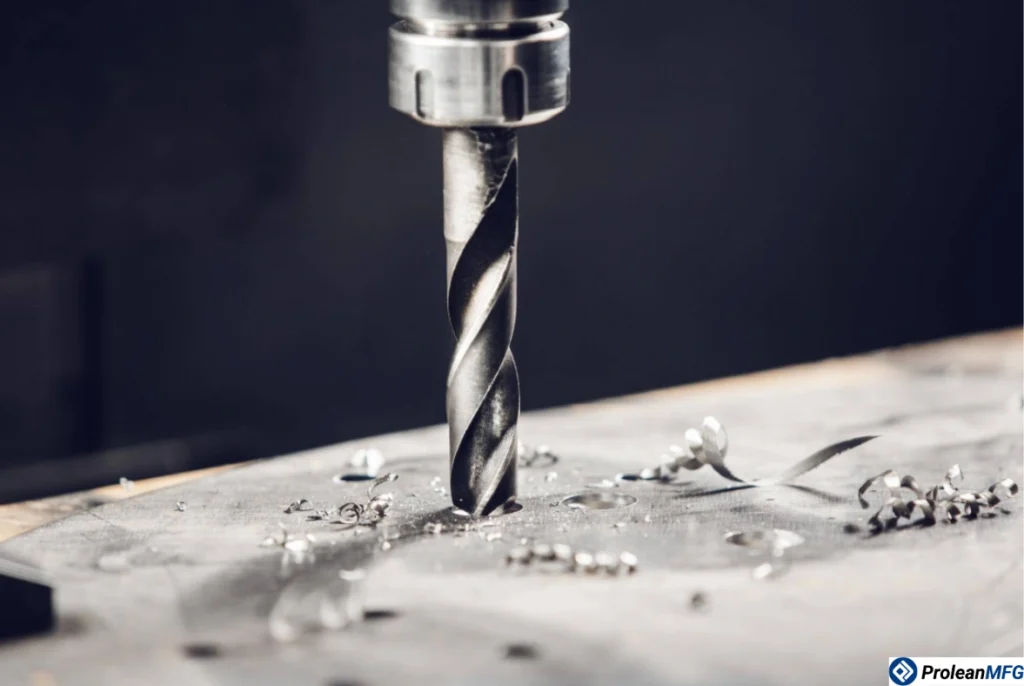
CNC drilling
Computer Numerical Control (CNC) drilling is a drilling technique whereby the drill bit is controlled by a computer program. It is an automatic process involving a series of steps: CAD file, importation of the file into CAM software, and the drilling operation.
Manufacturers have a range of CNC drilling options to choose from including CNC Deep Hole Drilling, CNC Turret Drilling, Horizontal CNC Drilling, Vertical CNC Drilling, and Micro-drill Press.
CNC Grinding
CNC grinding is the precise removal of material from a workpiece using a computer-controlled grinding wheel setup. This technique is applied on different materials, such as ceramics, composites, metals, and plastics.
Used in automotive, mold-making, aerospace, and railway industries for its numerous benefits, CNC grinding technology is available as cylindrical grinding, surface grinding, internal grinding, centerless grinding, and creep feed grinding.
The CNC Machining Process – Steps
Behind every meticulously machined part are fundamental CNC machining steps or processes. These are driven by advanced tools and code, working in tandem for accurate parts. The main steps of CNC machining are preparation of the Computer Aided Design (CAD) model, converting the model for machine-understandable format, executing the machining process, and the inspection and quality assurance step.
Computer-Aided Design (CAD) Model Preparation
In this first step, the designer prepares a 2D/3D design file using AUTOCad or any other applicable tool. When complete, this file should contain all the important details of the envisaged part – dimensions, tolerances, shapes, and so forth.
CAD Model Conversion
Then comes the conversion part to align with the machine’s system, whereby the CAD file is loaded to Computer Aided Manufacturing software. This software generates the G-code, which is understandable by the CNC machine.
Tool Path Creation
Although not often considered part of these steps, creating the tool path and determining the cutting tool before the G-code file is necessary. The machinist can control and alter this tool path as necessary.
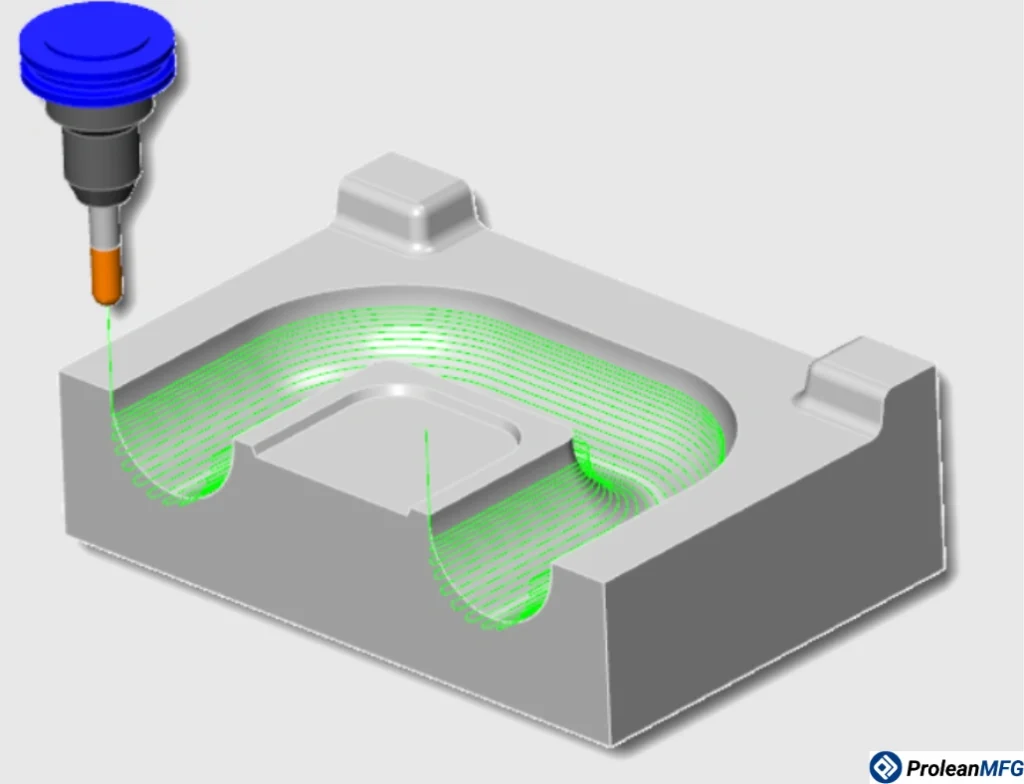
CNC machining tool path
The Machining Process
After fixing the workpiece on the table or holder, the machinist can start the machining process. Pressing the ON button starts executing the program and proceeds to the end. If there is a need to stop the operation midway, there would be instructions to that effect in the G-code.
The Role Of Machinists In The CNC Machining Process
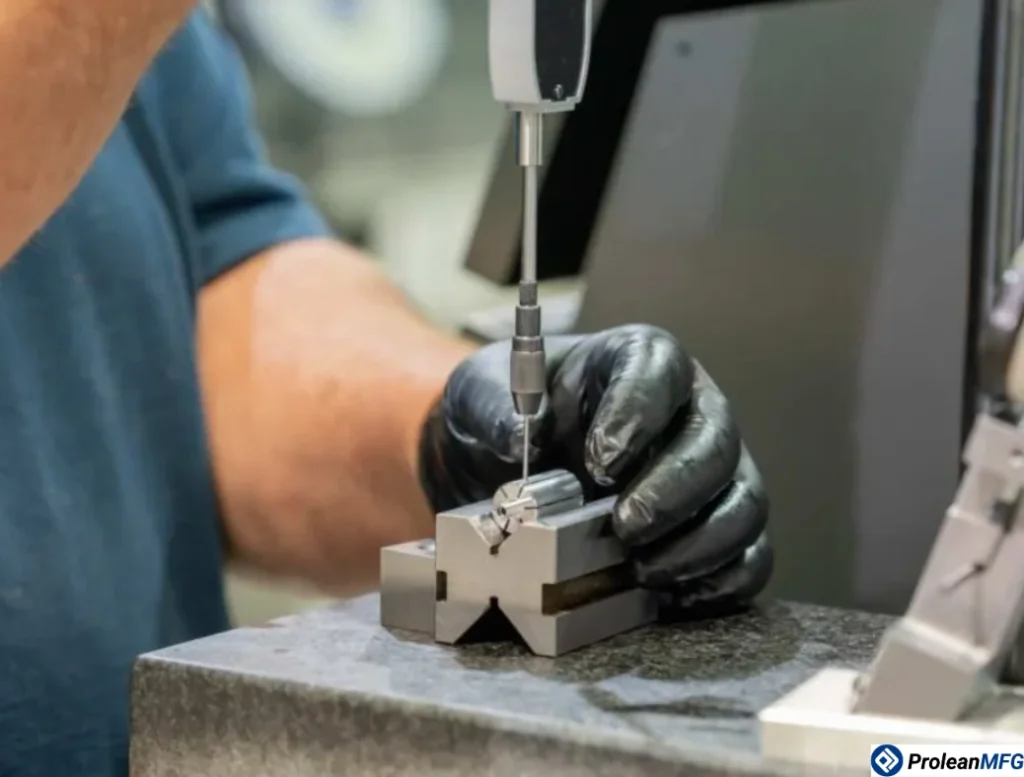
Even with the advances that is evident in CNC machining, machinists still have an important role to play. Indeed, the quality of machining operations heavily depends on these professionals. Machinists are the brains behind designing, setting up the machines, and overall, ensuring the entire process is flawless and cost-effective.
Designing
While most machinists handle ready-made designs, a concrete understanding of CNC design and CNC programming is necessary. You never know when it may be necessary to adjust the design or code.
Setting Up
CNC machinists are required to set up the equipment for each production run. This skill entails a lot including choosing cutting parameters, cutting tools, machine adjustments or calibrations, ensuring best practices for safety, and so on.
Flawless Performance
The smooth performance of CNC precision machining depends on processing, the related maintenance, and quality control. All these fall under the machinist’s docket.
CNC machinist
What Are The Types Of CNC Machines?
CNC machine is a general term for a broad range of machines engineered for precision and reliability. They can be categorized in different ways, but the most effective and common one is the number of axes.
This gives types of CNC machines such as 2-axis, 3-axis, 4-axis, and 5-axis. The more the number of axes, the more the axes the machine can rotate about, and the more complex the parts it can produce.
Each CNC machine type has its special role in advanced manufacturing.
2-Axis CNC Machine
2-Axis CNC machining
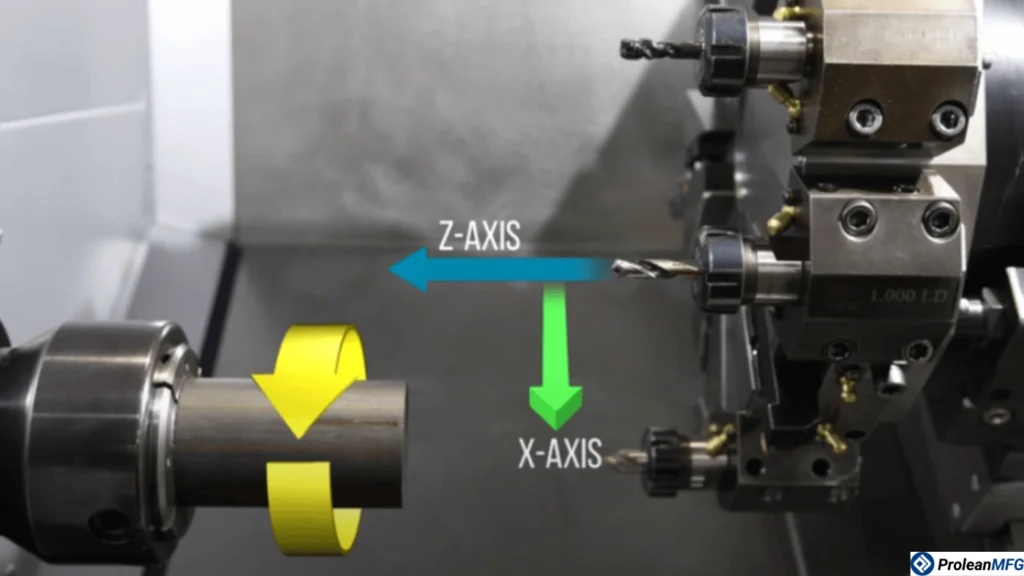
This is the most fundamental form of CNC machining, typically associated with lathe machining, and made up of only two axes – X and Z. A turret or tool post carries the tools so the machinist doesn’t have to change them regularly. This configuration is popularly used for turning operations.
3-Axis CNC Machine
3-axis CNC machine
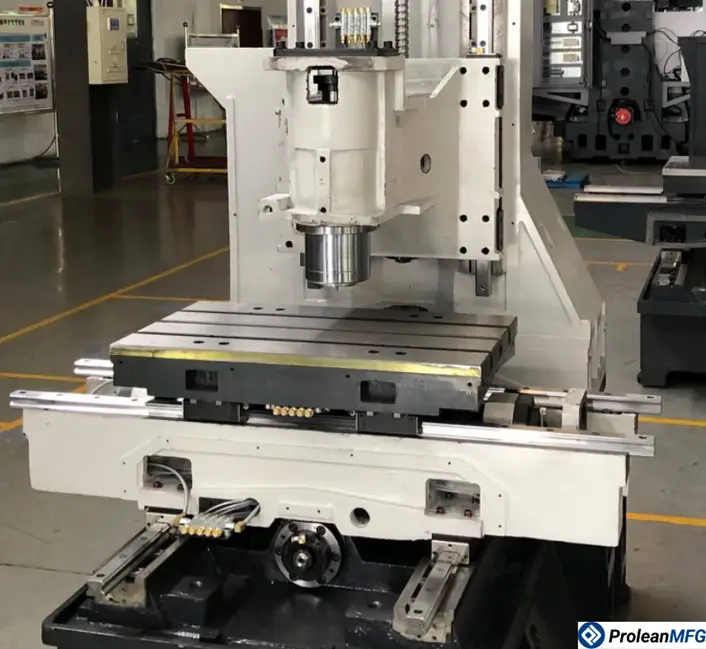
This advancement of the 2-axis CNC machine adds an extra linear axis to the setup. Therefore, the cutting tool moves in the X, Y, and Z directions, while the workpiece is stationary. Most fundamental milling processes are based on this configuration.
4-Axis CNC Machine
4-axis CNC machine
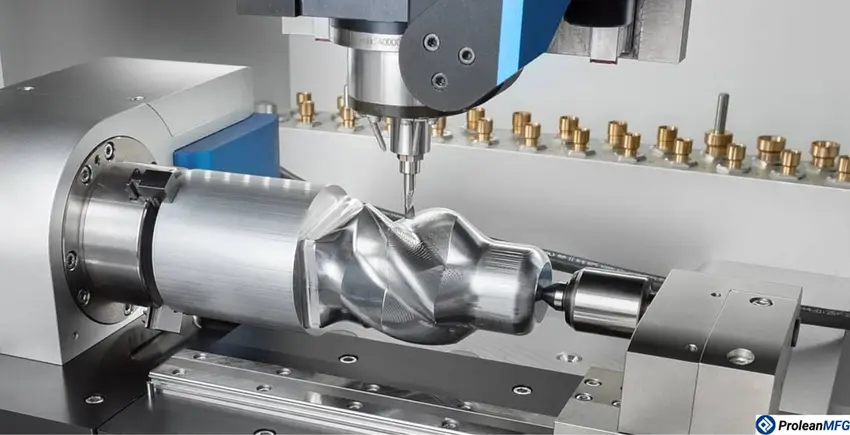
The 4-axis CNC machining capability is where complex features and holes come in. It adds a rotation aspect to 3-axis CNC machines, making the machine much more versatile and complex.
5-Axis CNC Machine
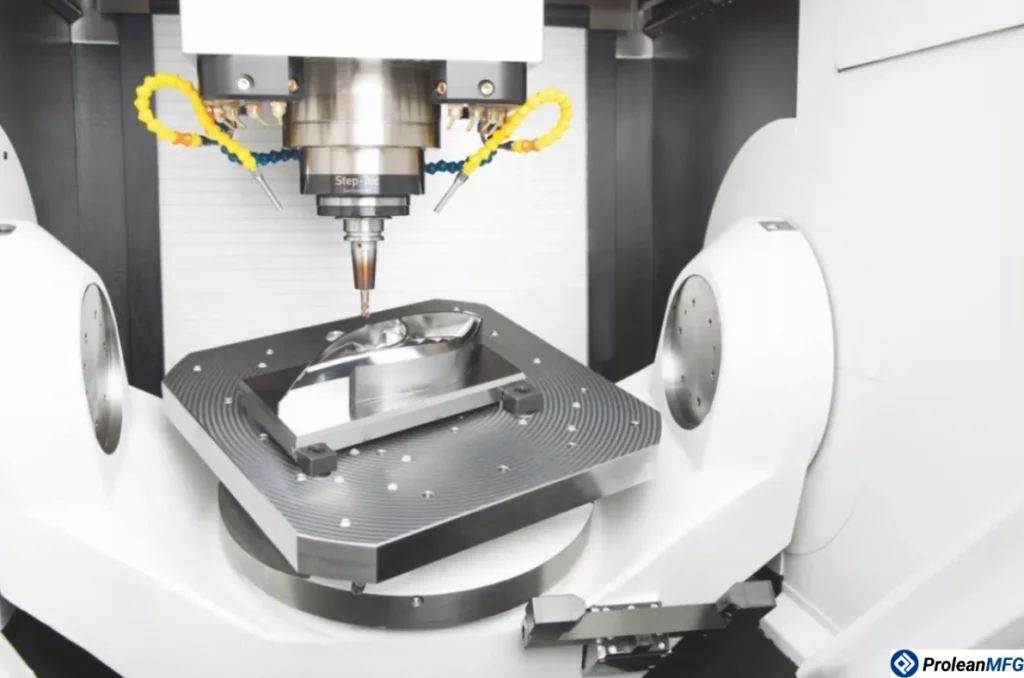
5-axis CNC machining
For even more versatility and complexity, manufacturers also use the 5-axis CNC machine. This highly advanced configuration has two extra rotational axes to add to the three linear axes of 3-axis CNC machines.
Advantages and Limitations of CNC Machining
CNC machining, being a manufacturing process, is prone to some drawbacks, but the focus is also on the many advantages it offers to the manufacturer and user alike.
No matter the type of CNC machine in question, the secret is to always weigh the speed, accuracy, and cost against factors such as processing time and machining versatility.
What Are The Advantages Of A CNC Machine?
The efficiency, precision, and predictability of CNC machines is incomparable to what conventional machining solutions can offer. The advantages below have redefined how industries do business and brought immense profits to those who use the technology or engage with superior CNC machining services providers:
- High accuracy
- Unmatched precision
- Versatile performance across different industries
- Uninterrupted machining for hours
- Higher scalability
- Design saving or retention for the future
What Are The Limitations Of A CNC Machine?
Regardless of the highlighted advantages above, CNC machines can have drawbacks, or what we can call trade-offs. High costs and the need for expert machinists are the prominent considerations in this regard.
- High Initial Costs of CNC Machines
- Requirement for highly-skilled personnel
- Limited product size on most CNC machines
How Much Does CNC Machining Cost?
The cost of CNC precision machining varies a lot, but it can generally be high, particularly for custom parts and low volumes where complex designs are required. The truth is that there are many hidden costs in CNC machining that every user or client needs to be aware of.
These costs relate to CNC programming, product inspections, downtime, training, tooling, and maintenance. Fortunately, there are effective ways of minimizing CNC machining cost including;
- Avoid unnecessary deep cavity machining
- Moderate on tolerance ranges
- Optimize CAD designs
- Avoid complex designs
- Choose a reliable CNC manufacturer
Types Of Software Used In CNC Machining
Behind every workflow in a CNC manufacturing environment are machines deriving their finesse from a software ecosystem. There is a program for every part machining project, which dictates various aspects, including toolpath and finishing quality.
CAM software, CAD software, and CAE software all collaboratively work to ensure design concepts are transformed into usable parts.
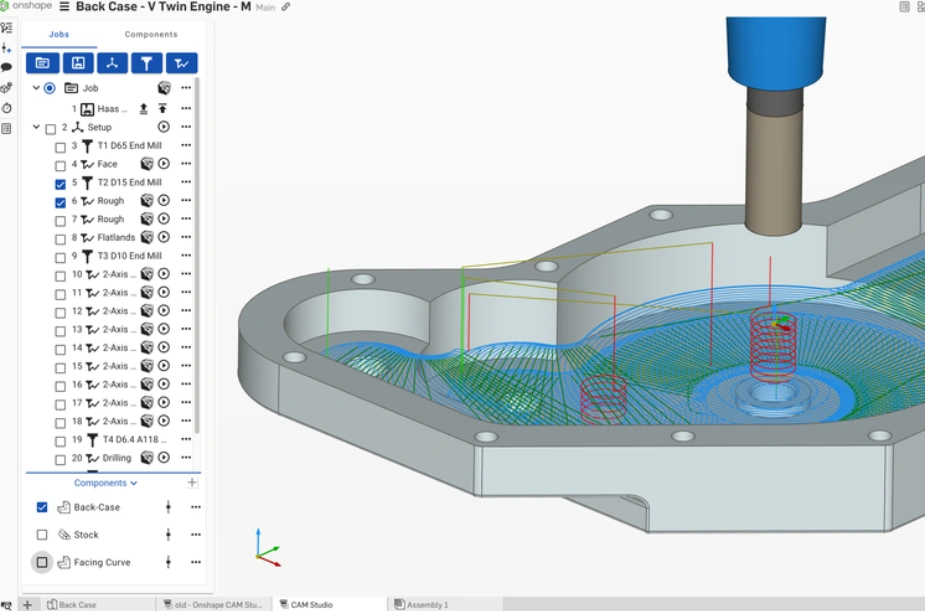
CNC design software
CAD Software
CAD software is an important tool that CNC machining designers use to generate 2D or 3D models of the envisaged product. It is a means to minimize human error by creating precise complex models.
CAM Software
CAM software takes the models created by CAD software and generates the tool paths and G-code for the CNC machine. Some benefits of this software are minimized human errors, increased throughput, and reduced manufacturing times.
CAE Software
CNC designers may also require computer-aided engineering (CAE) when fine-tuning designs. Usually, this software is mostly used in improving optimization and movements and related aspects.
Main Raw Materials For CNC Machining
The choice of raw material for CNC machining by the manufacturer in conjunction with the customer affects many aspects of machining, from machining tools to finishing options. Both metals and non-metals can be CNC-machined, provided the relevant machine settings are applied.
Metals
The list of metals that can be CNC machined is endless. Common ones are;
Aluminum – It is lightweight, durable, and strong, especially for certain alloys.
Brass – CNC machined brass parts are prominent in plumbing, electronics, and home interior hardware.
Magnesium – This soft metal is equally applicable in many areas, and common in CNC machining projects
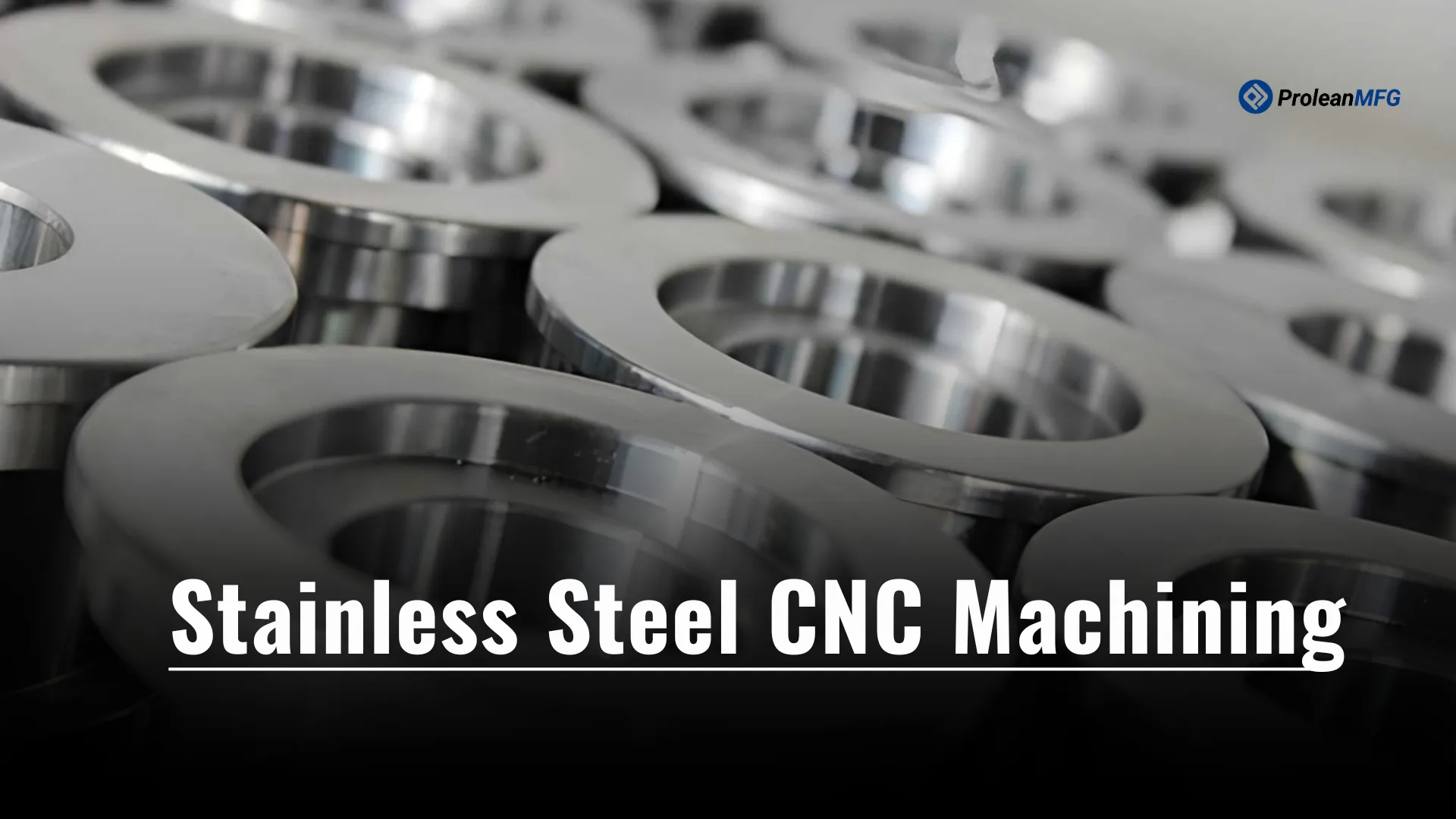
Stainless steel – The durability, strength, and versatility of this metal are excellent properties for CNC machined parts.
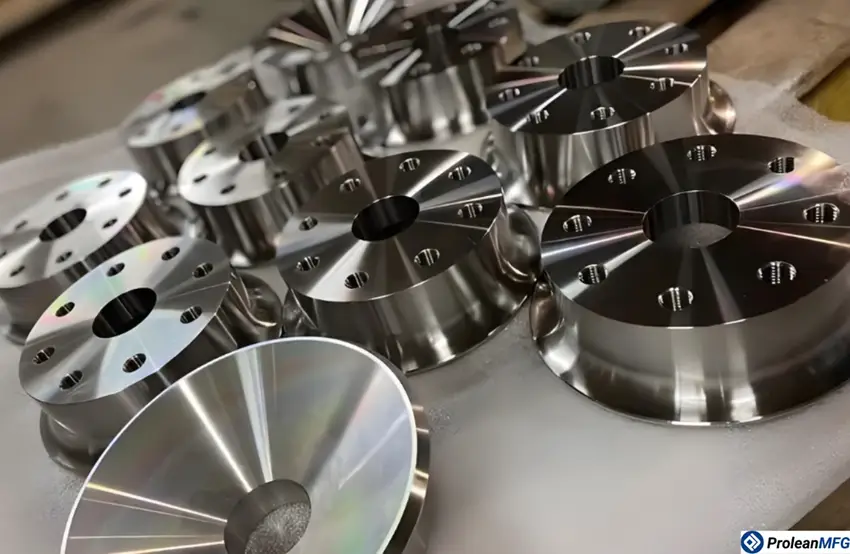
Stainless steel CNC machined parts
Plastics
Hard and strong plastics are perfect candidates for CNC machining materials. The resulting parts from ABS and similarly high-quality plastics are excellent performers in automotive and other industries.
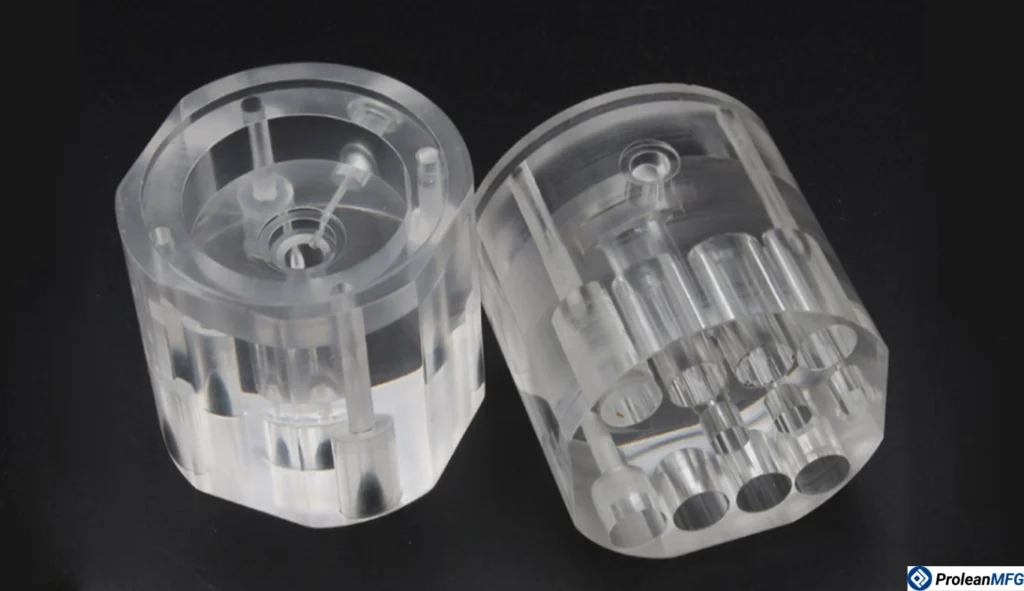
CNC machined plastic parts
Composites
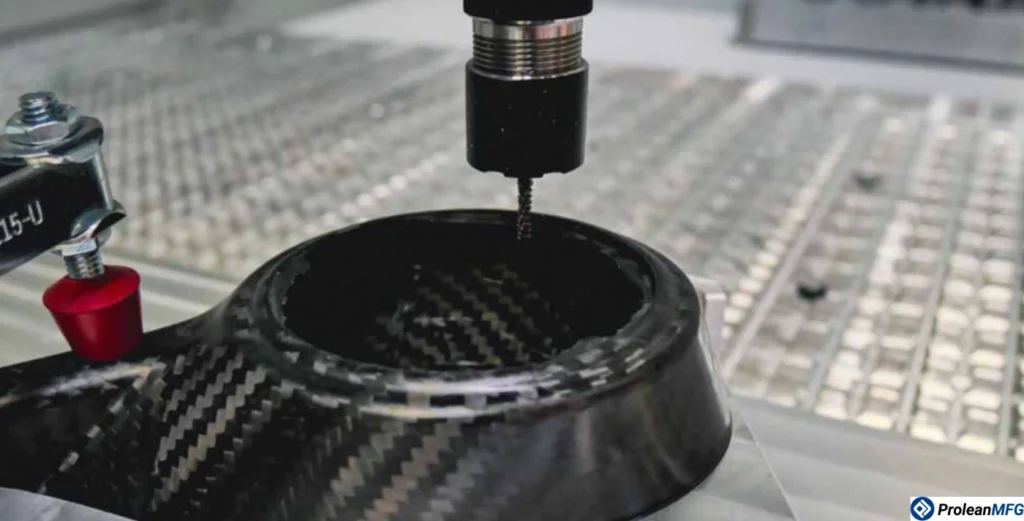
Composites like foam and carbon fiber are also CNC machinable to create parts for applications where high strength and low weight are critical. Diamond-coated tools are most preferred for CNC machining composites because they have limited delamination issues.
CNC machining composite material
CNC Machining Applications
From automotive parts to medical devices, there are countless CNC machining applications. The versatility of this technique and its unmatched capabilities appeal to manufacturers for a broad range of industries.
As the table below summarizes, virtually no industry doesn’t have a connection to CNC machined parts.
| Industry | Examples of CNC machined parts | Common Raw Materials in CNC Machining | Common Surface Finishes |
| Aerospace | Turbine blades, aircraft parts eg. landing gears, electrical connectors, valve parts, shafts | 7xxx series aluminum, 304 stainless steel, 316, 316L, 304L, titanium alloys, engineering plastics | Anodizing, powder coating, passivation, polishing |
| Automotive | Engine blocks, transmission shafts, enclosures, power trains | Aluminum alloys, copper alloys, steel grades, titanium alloys, magnesium, alloys, plastics, composites | Powder coating, anodizing, polishing, grinding, buffing, electroplating, chrome plating, heat treatment |
| Electronics | Heat sinks, housings | Aluminum, brass, copper, plastics, stainless steel | Plasma Electrolytic Oxidation (PEO), powder coating, etching, hot stamping |
| Medical | Prosthetics, dental devices, surgical equipment | 316, 316L, & 17-4 PH stainless steels, Titanium alloys, PEEK, medical-grade Polycarbonate | Anodizing, passivation, bead blasting, polishing, ceramic coating |
| Marine | Propellers, fittings | Aluminum alloys, brass, titanium, stainless steel, plastics | Marine-grade paint, electropolishing, anodizing, electroless nickel plating |
| Military | Truck parts, weapon components | Stainless steel, Inconel, titanium, aluminum | Black oxide coating, powder coating, passivation, thermal spray coating, chemical conversion coating |
| Oil & gas | Valves, drilling equipment, pipes | Aluminum, Brass, Copper, Stainless Steel, Special Alloys | Phosphate coating, passivation, zinc plating, black oxide coating |
| Telecommunications | Enclosures, mounts | stainless steel, steel, brass, and aluminum | Chromate conversion coating (Alodine), powder coating, anodizing, bead blasting, zinc plating |
| Consumer products | Bicycles, watches, home appliances | Aluminum, copper, steel | Anodizing, electropolishing, painting, polishing |
| Food processing | Conveyor systems, machinery | Stainless steel, aluminum, food-grade plastics | Electropolishing, passivation, buffing, polishing, anodizing |
Alternatives to CNC Machining
While CNC machining is such a versatile and precise machine, it is not the only way to produce parts for manufacturing. Alternatives such as 3D printing and casting are also playing important functions in the development of precise parts for different industries. The suitability of an alternative manufacturing strategy depends on many things, including part complexity, application, and material.
3D Printing
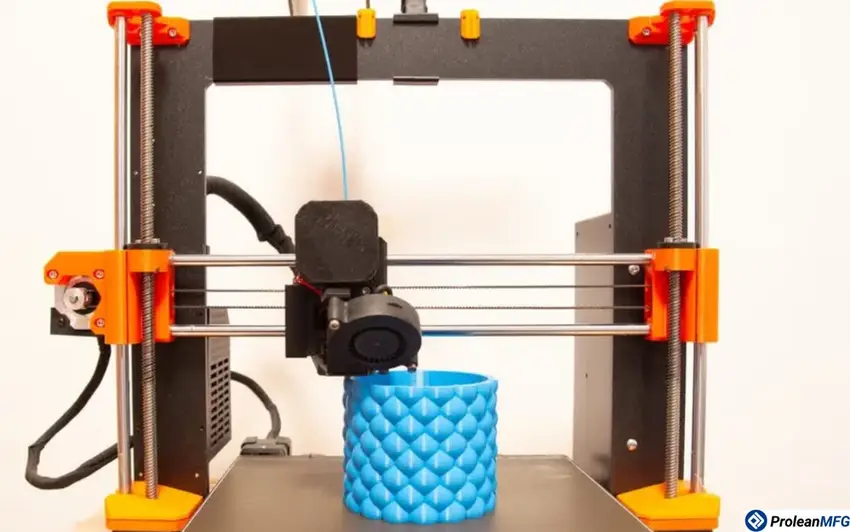
When it comes to custom manufacturing and prototyping, few processes are better than 3D printing. This additive manufacturing technique involves layering of material until the final product is achieved. It all starts with a CAD-based 3D model, which is then translated into 2D layers and G-code.
This G-code is readable by a 3D printer, whose function is to lay material on a special platform to create a 3D object. The placement of these layers can differ, hence the emergence of different 3D printing technologies including;
- Fused deposition modeling
- Selective laser melting
- Selective laser sintering
- Stereolithography
3D printing
Casting
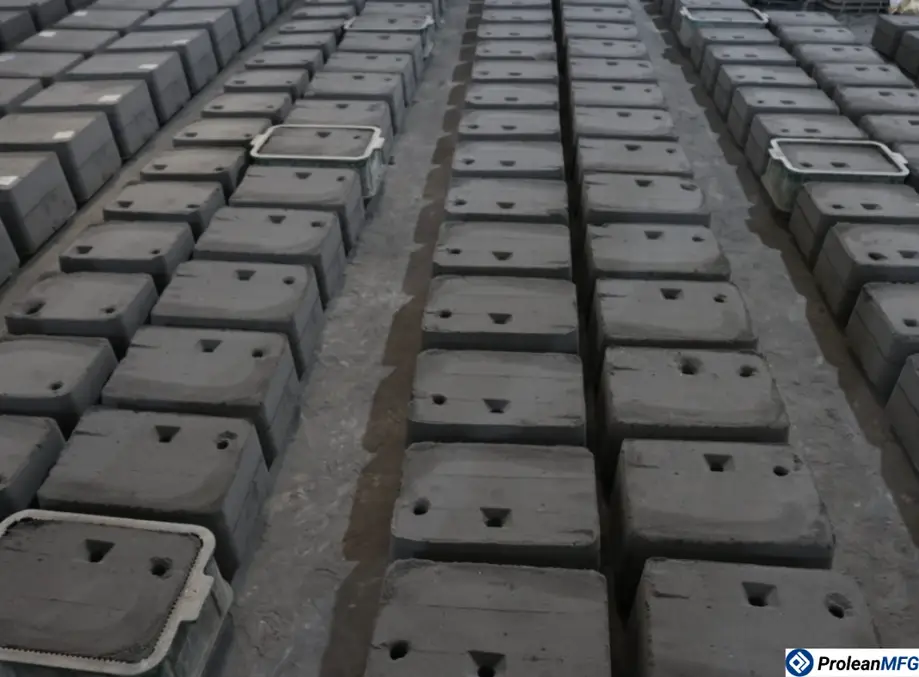
Casting is a conventional and alternative method to CNC manufacturing for its limitless design possibilities, larger production runs, and cost-efficiency. This manufacturing process, metal casting to choose one version, entails pouring molten material into a die and leaving it to solidify and cool.
In some instances, casting incorporates CNC machining as a supplemental process to attain better tolerances and surface finish. Popular casting methods are sand casting, investment casting, die casting, and pressure casting.
Sand casting
Conclusion
Automation, precision, and adaptability meet at one point – CNC machining. With continued technology advancements, this technique can only improve and drive manufacturing innovation even further.
At ProleanMFG, we have all types of CNC machining capabilities, including milling, turning, drilling, boring, and threading.
For more information on these capabilities and what our company can deliver, contact us today.