
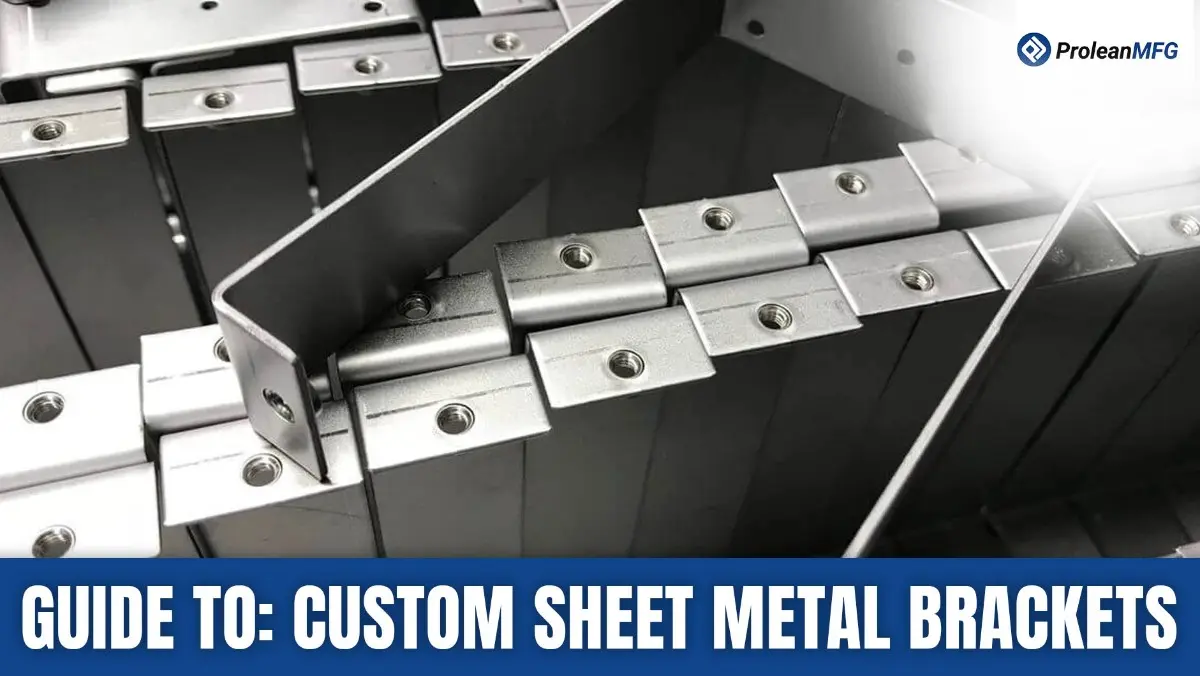

What makes a great sheet metal bracket, and how do you choose the right one for your application?
Sheet metal brackets are important components that connect, support, and mount metal parts in various industries, from construction and aerospace to electronics and consumer products.
Whether it is a gusset bracket for added strength, a Z bracket for offset mounting, or an L-shaped bracket for structural alignment, selecting the right bracket design ensures optimal performance and durability.
ProleanMFG provides custom sheet metal fabrication solutions for brackets with precise construction, tight tolerance, and specialist finishing.
In this guide, you’ll explore the types of sheet metal brackets, design considerations, materials, fabrication techniques, and applications.
Let’s dive in to help you determine the exact type of bracket for your project requirements.
What Are Sheet Metal Brackets?
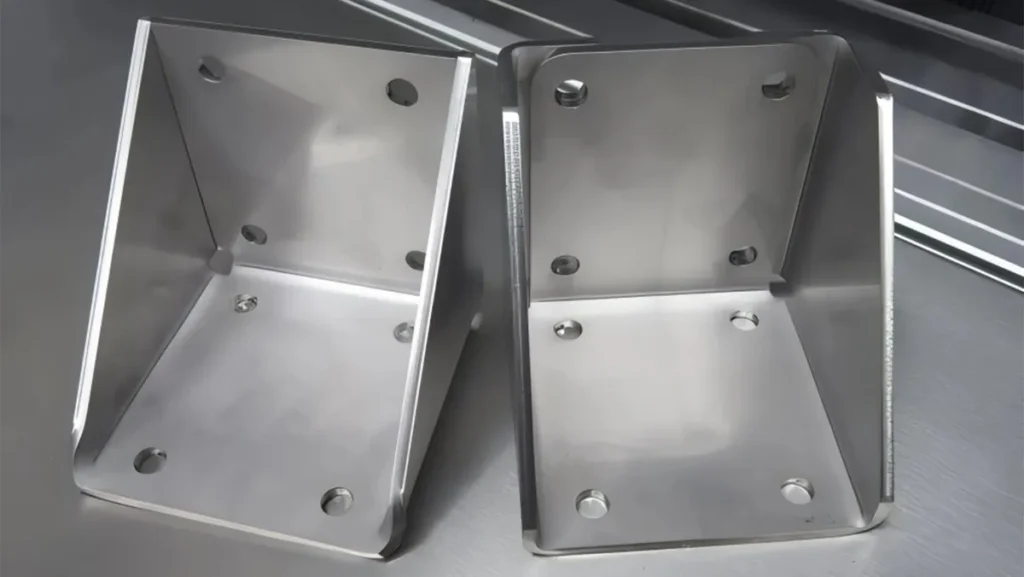
Fabricated Sheet Metal Brackets
A metal bracket is designed to attach inside boxes, frames, or other structures. It helps make nearby parts of your design stronger.
These brackets are usually made from thin metal sheets using laser cutting, punching, bending, and welding—key processes in sheet metal fabrication. They come from 0.3mm to 6mm in thickness.
The type of bracket and what it is used for determines the material. Standard options include stainless steel, aluminum, cold rolled, and zinc-coated steel.
These materials are chosen for their rust resistance, strength, and ease of machining or forming.
Different Types of Metal Brackets
When selecting the right sheet metal bracket, understanding the available bracket styles is important to achieve both structural integrity and design efficiency.
From L bracket to Guseet bracket, each type performs a unique function—whether it‘s mounting parallel surfaces together or reinforcing a complex custom enclosure.
Let’s take a look at different types of metal brackets:
1. L-Shaped Brackets
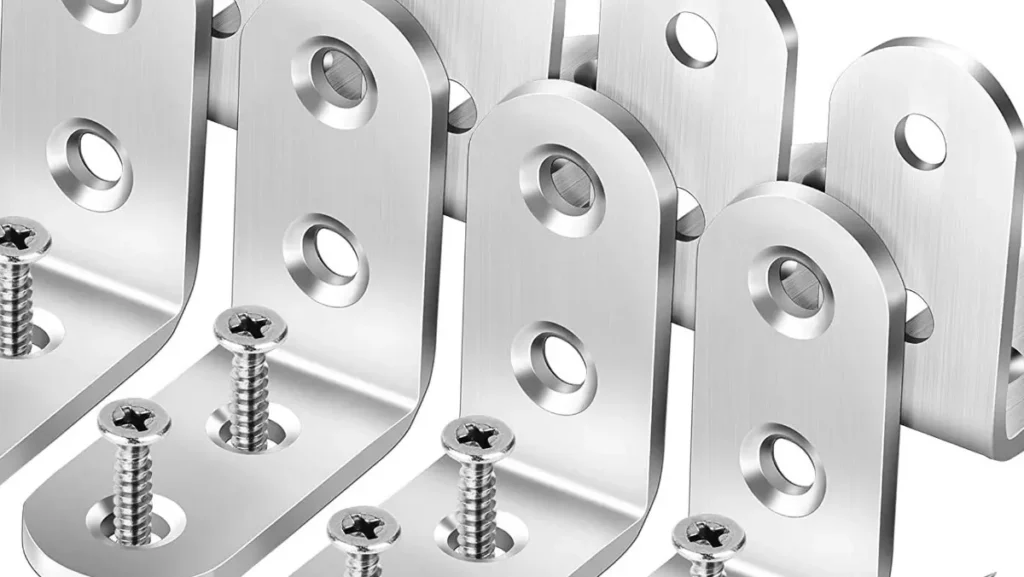
Stainless Steel L-Shaped Brackets
Also known as L brackets or corner braces, they form a 90-degree angle and are typically used to connect perpendicular surfaces for added structural support. They are also found in furniture, wall fixtures and electronics.
2. U-Shaped Brackets
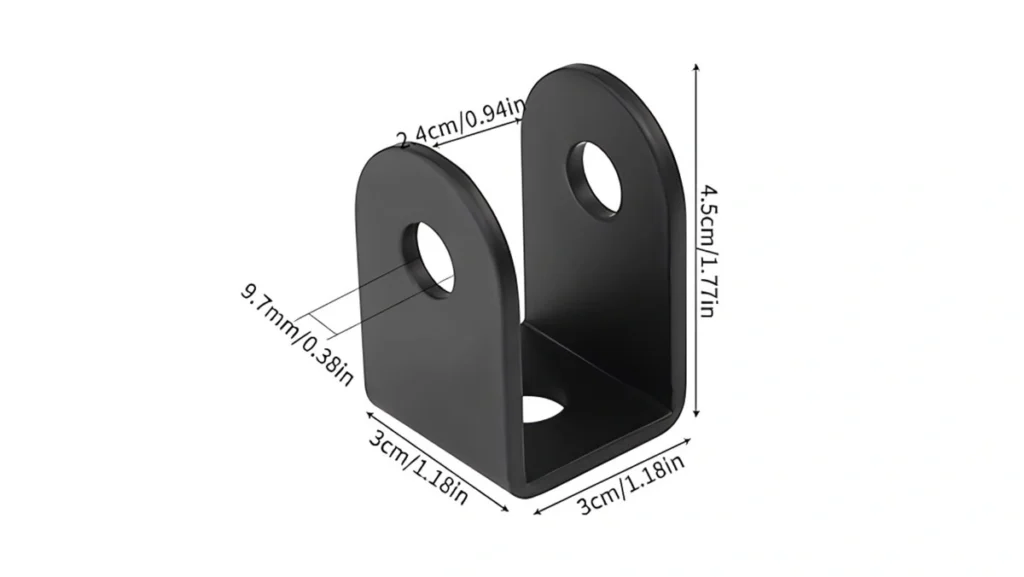
U-Shaped Bracket with Dimensions
They are commonly used as U brackets for pipe supports, cable trays, or to hold cylindrical objects. Depending on the application, they may also be referred to as saddle brackets or channel brackets.
3. Z Brackets
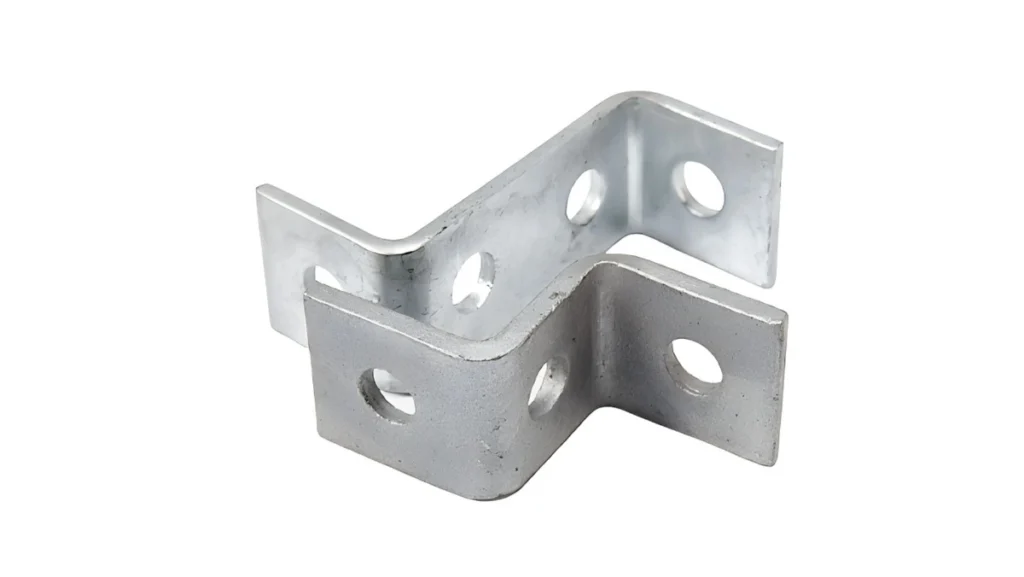
Two Silver Z-Shaped Brackets
Z brackets are metal support components shaped like the letter “Z,” commonly used to join or mount surfaces at a right angle. They offer strong, compact reinforcement in structural frames, shelves, or wall installations where space is limited.
4. Angle Brackets
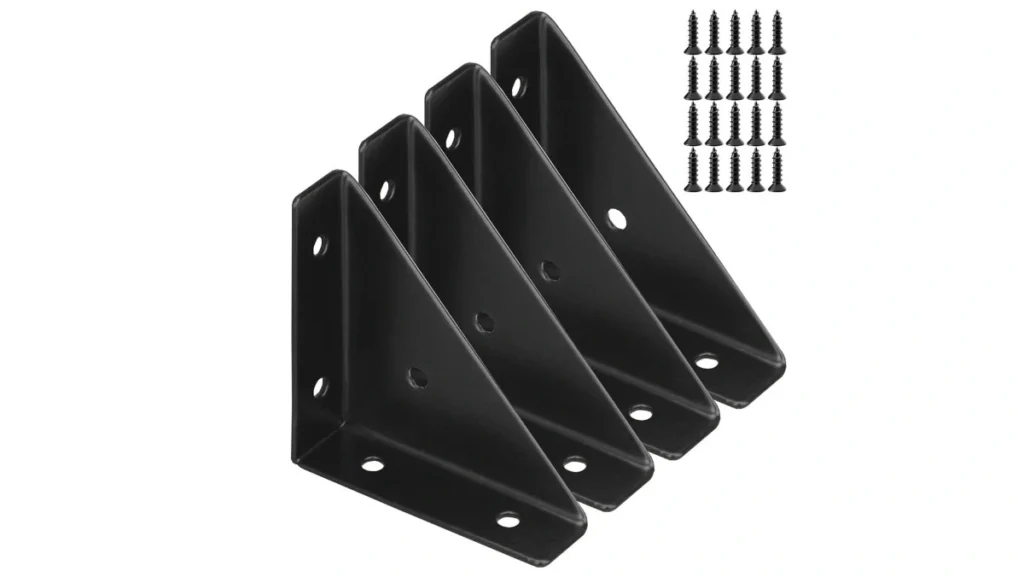
Black Angle Brackets
With the size of a triangle, these brackets provide additional support and are used in bridges and buildings, reinforcing structural joints.
5. Gusset Brackets
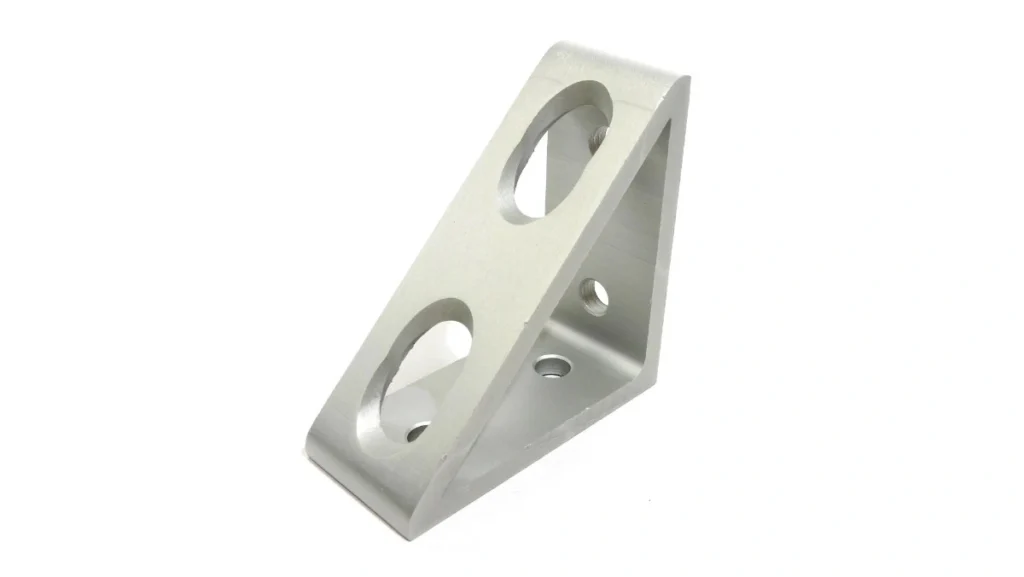
Aluminum Gusset Bracket for Support
Gusset brackets are designed for stiffness and durability. These brackets provide stiffness between adjacent surfaces and increase joint strength with additional materials.
6. Offset Brackets
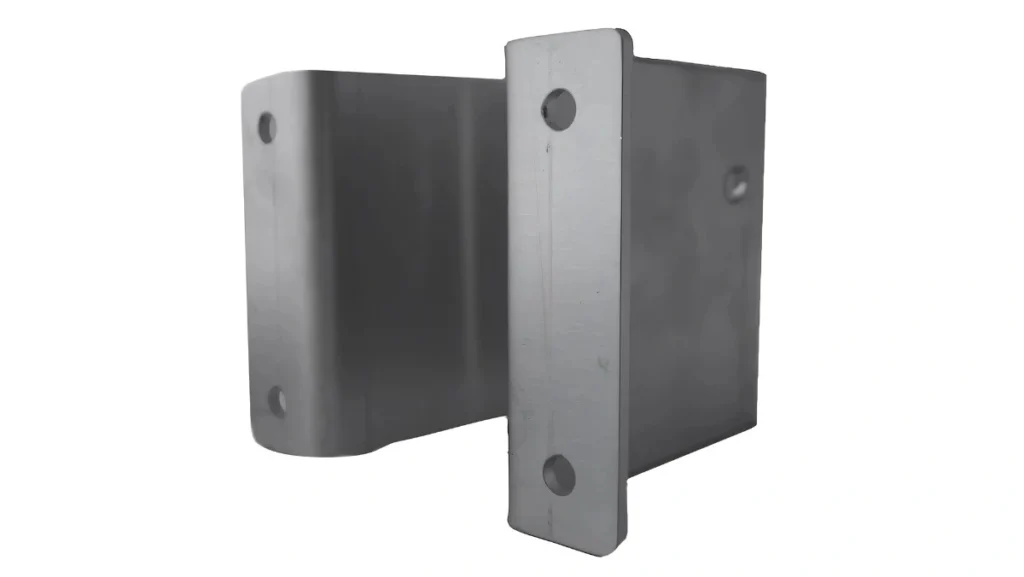
Offset Brackets
By combining the characteristics of Z and U shapes, the offset brackets help when components are not linearly aligned. These are ideal for complex enclosure design scenarios.
7. T-Shaped Brackets
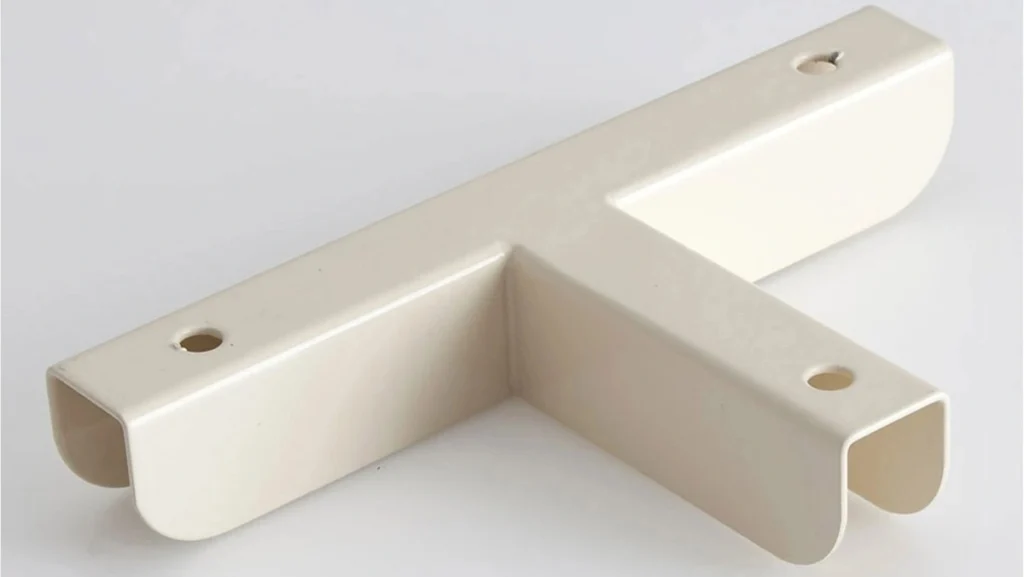
Beige T-Shaped Wall Bracket
T-shaped brackets help connect three directions, allowing mounting in multi-angle structures such as frames of heavy equipment.
Bracket Design Consideration
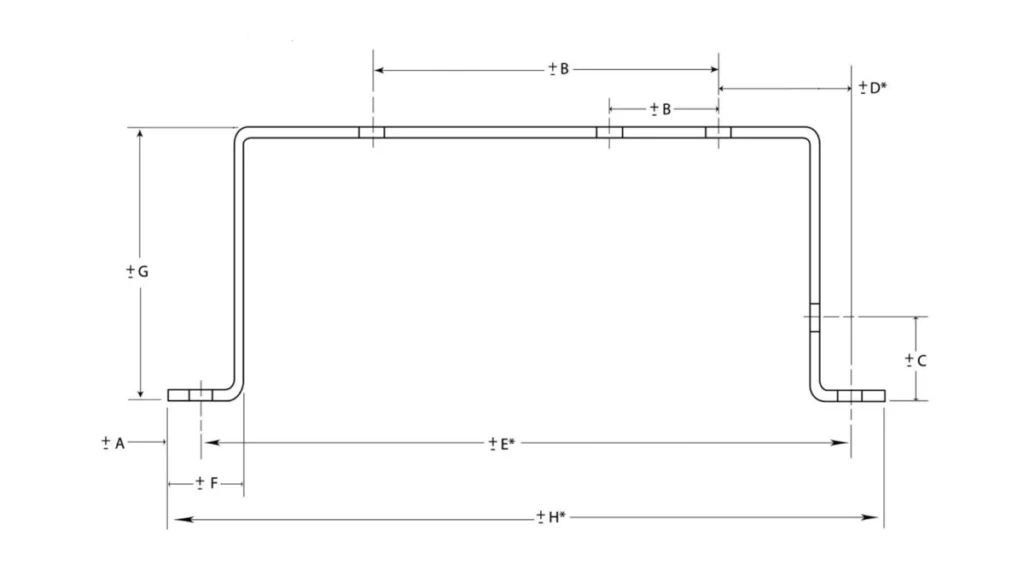
Bracket Design Tolerances and Dimensions
When you need a metal bracket, consider these design ideas:
- Ensure that holes match fastener specs.
- Use CAD software to define bracket surface features.
- Specify the weld lines if necessary.
- Keep tolerance values tight to fit and function.
- Design brackets are used for ease of mounting and hardware installation.
If necessary, consult the expert designers to finalize your bracket design with a tight tolerance.
Sheet Metal Bracket Materials
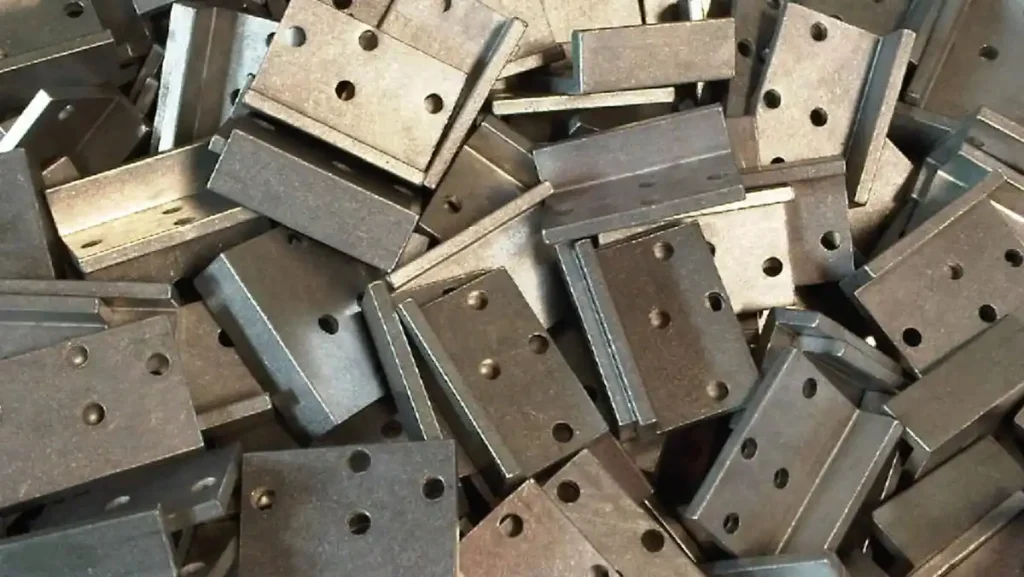
Assorted Sheet Metal Bracket Materials
It is necessary to choose the right material to ensure bracket performance, durability and finish quality. ProleanMFG work with a wide selection of metals to match specific load-bearing, environmental, or aesthetic requirements.
1. Stainless Steel
In exposure to harsh environments, it is known for its extraordinary corrosion resistance and durability, and it is usually used in industrial, medical, and marine applications.
2. Aluminum Brackets
Lightweight yet strong, offering excellent material strength and corrosion protection. Ideal for electronics, aerospace and custom decorative finish brackets.
3. Cold Rolled Steel
Provides excellent structural strength and is highly machineable. Works well with surface finishes such as powder coating or electroplating, which enhance corrosion resistance and appearance.
4. Zinc
Often used in electroplate finishes, zinc improves surface corrosion resistance and adds to the life of the bracket.
5. Brass, Copper, and Titanium
Selected for speciality use cases that require conductivity, heat resistance or specific strength-to-weight properties.
These materials also support various finishing options such as passivation, dry powder, and anodizing, enhancing performance and aesthetic appeal.
Mounting and Applications of Brackets
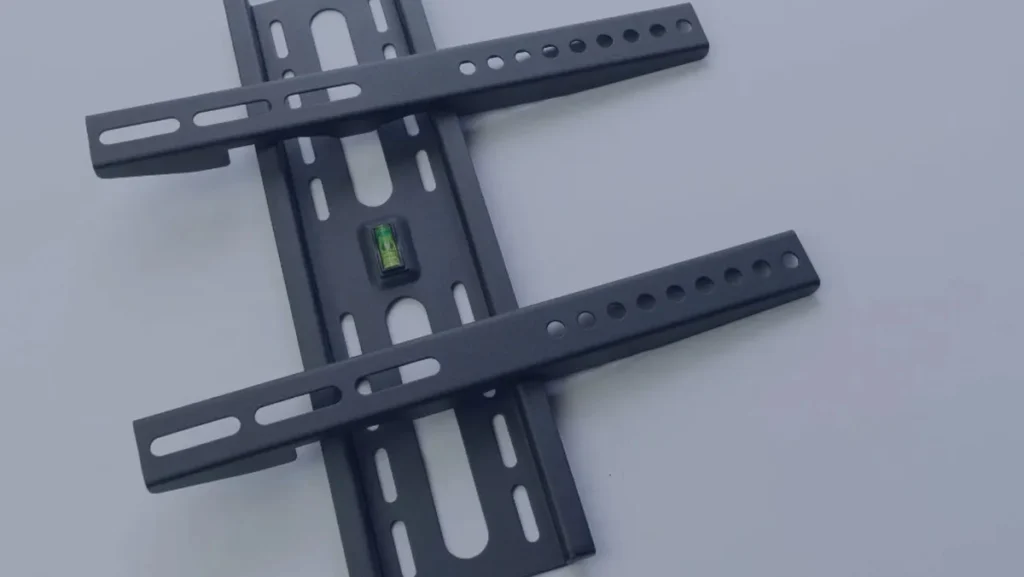
Wall Mount Bracket Application
Brackets are designed to join or support structures by mounting them securely in place. Depending on the type of bracket, they provide stability in mechanical systems, enclosures or load-bearing frames.
| Industry | Use Cases |
| Automotive | Battery mounts, body panels, and engine enclosures |
| Aerospace | Panel support, structural reinforcement, fixture mounts |
| Construction | HVAC supports, wall enclosures, and curtain walls |
| Medical | Surgical bed frames, tray holders |
| Electronics | Device housing, custom enclosure, component supports |
| Architecture | Used in architectural design for aesthetics |
Mounting methods often involve:
- Threaded or unthreaded holes for fastener attachment
- Using bottom flanges to stabilize large brackets
- Designs that mount to the inside of cases or panels
ProleanMFG account for real-world installation needs—ensuring all brackets provide rigidity where required and integrate easily with your assembly line or installation workflow.
Why Choose Custom Brackets?
Custom bracket solutions ensure that your design aligns perfectly with your product specs. Whether you need a custom sheet metal bracket for a new device or to resume an existing enclosure, custom options provide:
- Freedom to choose bracket styles
- Accuracy using precision machining
- tailored finishes like powder coating or anodize
Conclusion
Choosing the right sheet metal bracket is important to ensure stability, durability and functionality in your design. From L-shaped to gusset bracket, each type plays a unique role in mounting, support and enclosure construction.
With a wide range of materials such as stainless steel, aluminum, and cold rolled steel, and finishing options such as anodize and powder coating, ProleanMFG provides precision and strength.
Whether you need standard parts or a custom bracket, we ensure tight tolerances and top-notch quality every time. Start today with a fast and free quotation from ProleanMFG and see how we turn your ideas into production-ready sheet metal brackets.