
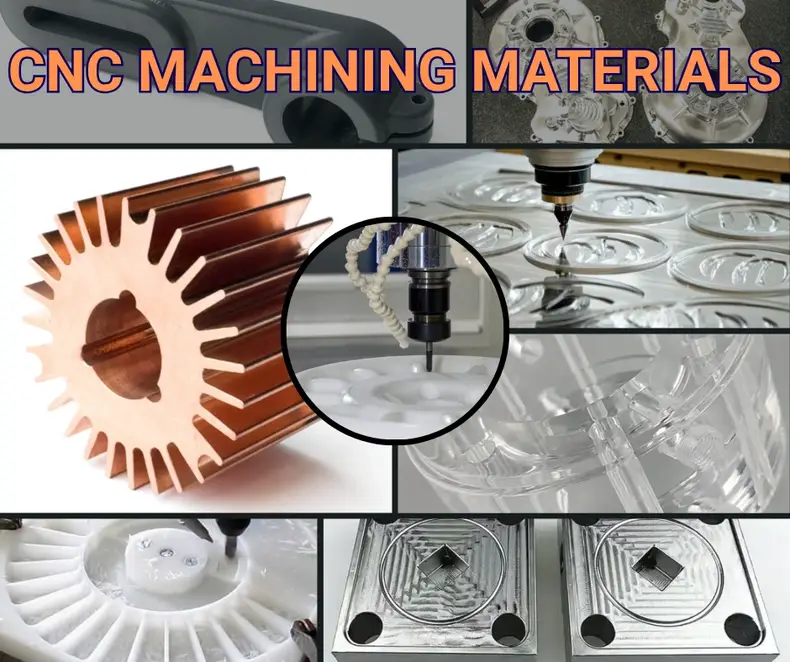

In the earlier years for CNC machining materials, aluminum and steel were the dominant options. The picture in workshops today is very different, with high-quality alloys, plastics, and composites also viable CNC machining materials.
Indeed, even the most critical industries, such as aerospace and medical, have diversified their materials. And that’s where another dimension emerges – the effect of material choice on various project aspects. The strength, surface finish, processing time, and cost of the part are highly related to the type of material used.
A good CNC machining strategy takes care of all these angles related to the material. This article answers all your questions about materials for CNC machining, and guides on how to get quality parts.
The Historical Perspective Of CNC Machining Materials
Akin to many technological developments, the types and properties of CNC materials have undergone massive changes throughout history. Indeed, the available materials have been reflective of the technology of the day.
When the first CNC machine emerged in the late 1940s, steel was the core material, highly available, strong, and versatile. When CNC machining came along, it made processing of this material faster and more efficient. Aluminum and phenolic plastics were also useful in this era.
Stainless steel would grow in use in the 1960s, a time when thermoplastics were also emerging. With the arrival of G-code programming, producing accurate parts from these materials was highly enhanced. Thermoplastics were particularly widely applied in electronic projects as the industry grew.
In the period that followed all the way to the 1980s, composites and titanium machining became more common, as the CNC machining concept became more widely accepted. The aerospace sector was one of the biggest beneficiaries of these developments, specifically regarding precisely machined parts.
By now, the machining industry was still struggling with programming and cutting tools, aspects that made the production of complex parts challenging. With industry players relentlessly pushing to improve matters, it wasn’t surprising that improved tooling was attained in the 1990s. During this time, the industry witnessed the first CAD/CAM integration.
With the accompanying software development and increased computing power, this integration came with;
- Development of toolpaths from 3D models,
- Capability to machine more complex geometries,
- Capability to reuse digital models,
- Enhanced machining precision,
- Shortened lead times,
And more enhancements.
These developments have continued from the 2000s to date, with some manufacturers even looking at the sustainability angle of CNC machining materials. From multi-axis CNC to live tooling, hybrid CNC machines, and AI-oriented CNC, this era has been remarkable for the industry. Overall, the older materials are still at play, but the machining processes are faster, more accurate, and more reliable than ever before.
What Materials Are Used In CNC Machining?
CNC machining services are central to manufacturing in many industries, and the range of materials processed through the technology is proof. Metals, plastics, and composites are common categorizations for these materials.
More about these materials is in the next section.
Common CNC Machining Metals
As intimated above, older materials, including metals, are still at the core of CNC machining processes. Aluminum, steel, and titanium alloys are still at the center of projects, which tap into the versatility, strength, and ideal weight of these materials. Other metals considered for CNC machining projects are brass, copper, lead, and magnesium.
Aluminum
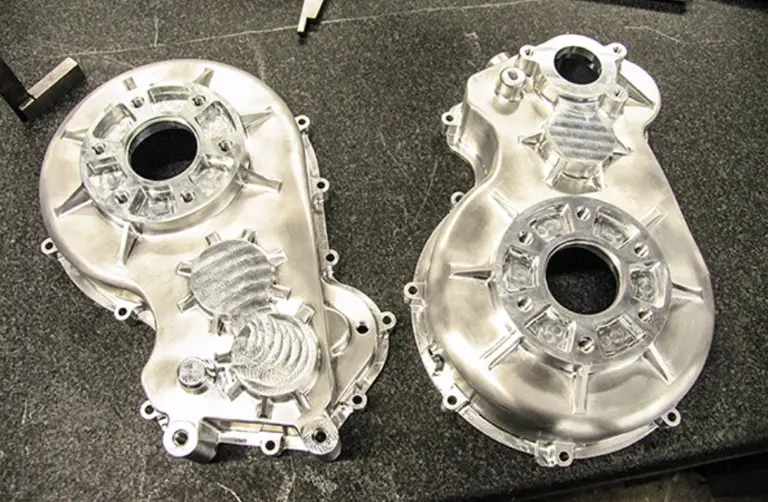
CNC machined aluminum parts
Aluminum is one of the most popular CNC machining metals because it is corrosion-resistant, machinable, and has a high strength-to-weight ratio. Grades or alloys under this material have different price ranges, but generally, they are also affordable and widely available.
Examples of aluminum alloys commonly CNC machined are 7075 aluminum, 6061 aluminum, and 5083 aluminum.
Steel
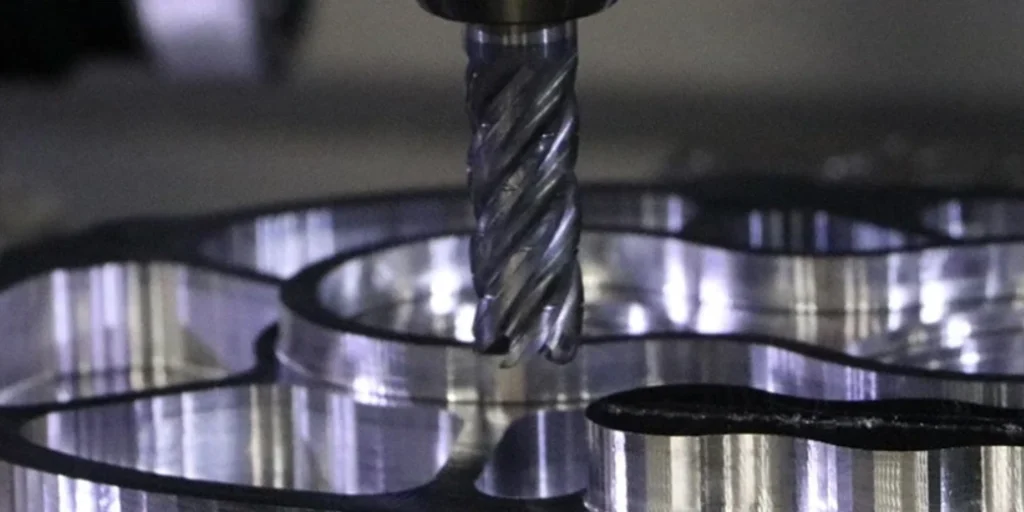
Stainless steel machining
Steel is also widely used in CNC machining projects, including aerospace, automotive, manufacturing, and consumer goods. It beats many materials in hardness, strength, machinability, and toughness. Some CNC machined steel products are aeroplane landing gears, drivetrain parts of a car, and turbines.
Titanium Alloys
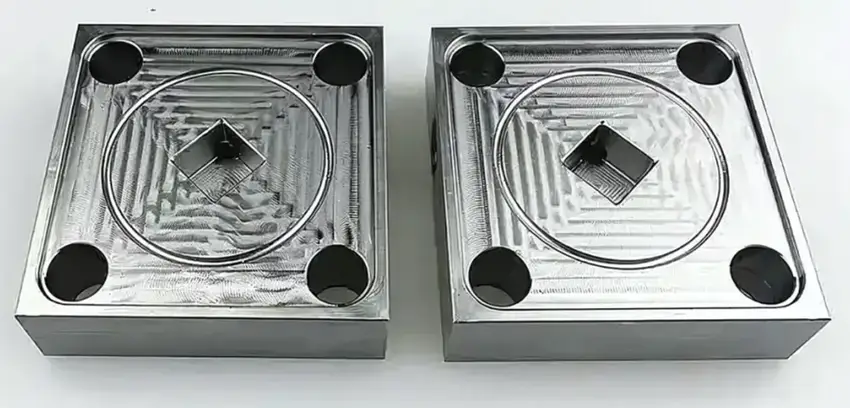
Titanium parts
Titanium may not be as easy to CNC machine, but it is still used for specific purposes because of its unmatched properties – high strength, high corrosion resistance, good heat resistance, good low-temperature performance, and low thermal conductivity.
Some of the specific applications of titanium alloys are aerospace engine parts, artificial medical joints, and reactor parts in chemical plants.
Brass
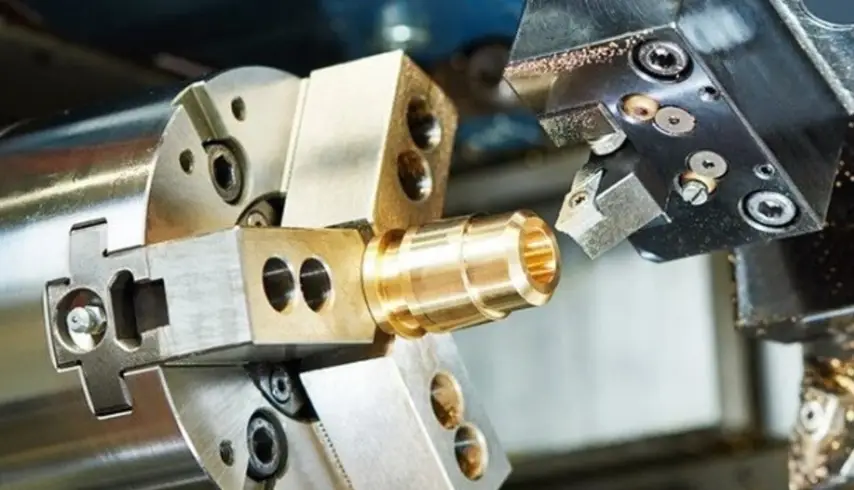
Brass CNC machining
The corrosion resistance, conductivity, and malleability of brass are highly regarded in many metal factories. It doesn’t stop there; the metal is aesthetically appealing and recyclable. No wonder they call it the ‘golden child’.
In CNC machining projects, users choose from a range of brass alloys, including 360 brass, the durable 230 brass, and the warm-looking C220 Brass, among others. CNC-machined brass parts are present in aerospace connectors, automotive radiators, surgical instruments, and plumbing fittings.
Copper
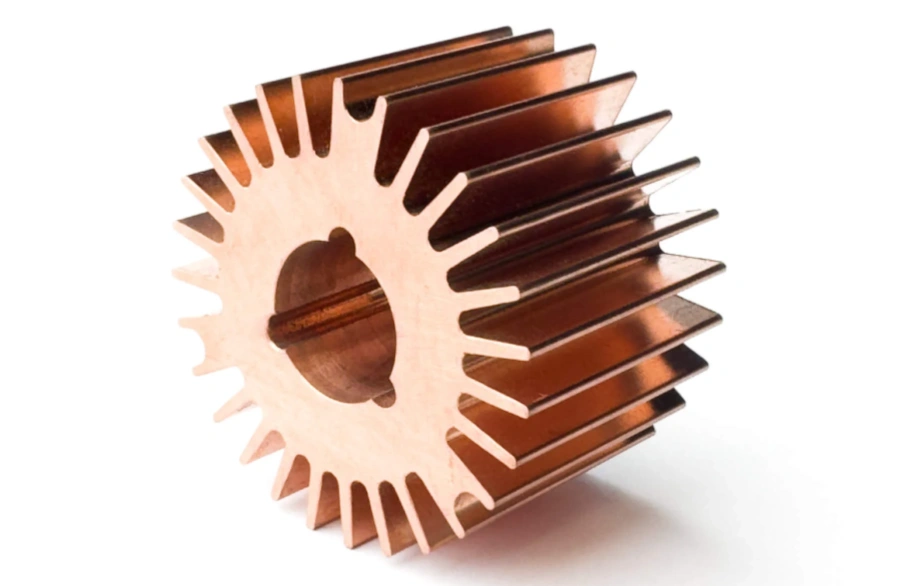
Copper part
Copper has superior electrical and thermal conductivity, good machinability, corrosion resistance, and malleability; thus, it is one of the versatile materials for CNC machining projects. Its CNC parts supply is common in electrical components, aviation parts, and medical devices.
Magnesium
AZ31B magnesium and other alloys of the metal have excellent machinability, strength-to-weight ratio, and corrosion resistance. When the form of the metal presented for CNC machining is from extrusion or rolling, the machining process is usually flawless.
CNC machined magnesium parts are common in electronics housings, automotive, and aerospace.
Common CNC Machining Plastics
Metals may be prominent in CNC machining, but plastics have also carved out a significant niche in the market. Parts machined from ABS material, acrylic, acetal, and Polypropylene (PP) are common in the market. Manufacturers are also using nylon, polycarbonate, PEEK, and Polyvinyl Chloride (PVC) to produce very functional CNC machined parts.
Why are these CNC machining plastics special? Let’s look at each of these examples now.
ABS Material
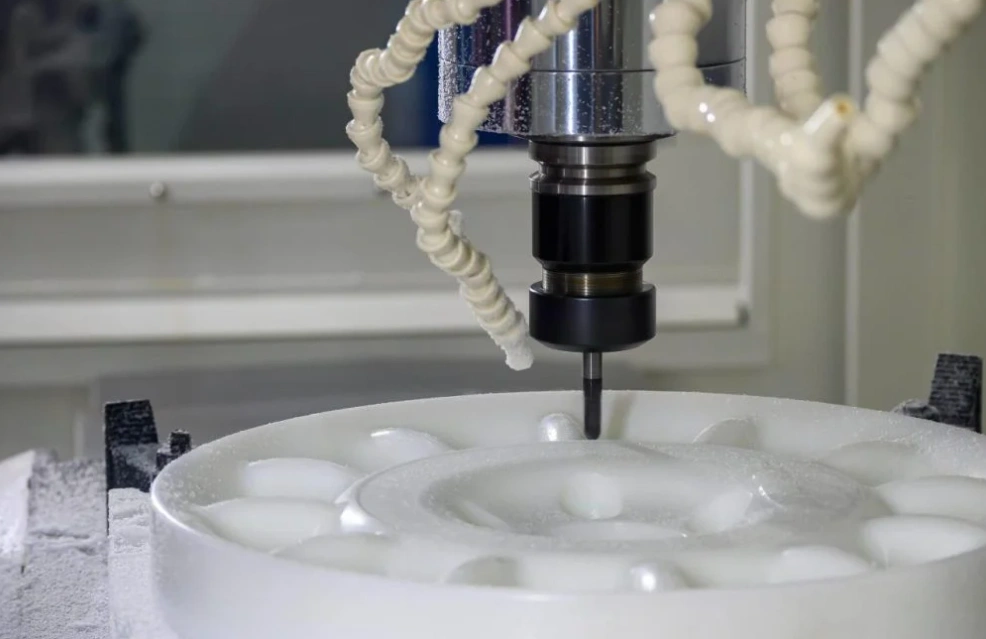
ABS material CNC machining
ABS (Acrylonitrile Butadiene Styrene) is tough, strong, and easy to machine. Its superior impact resistance suits products that are constantly subjected to stress and wear. ABS CNC machined parts are popular in housings, consumer products, electronics, and automotive components.
Acrylic
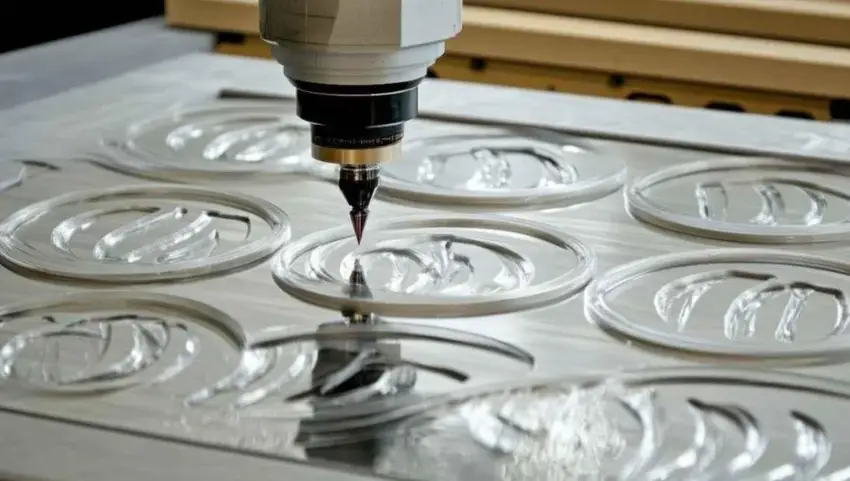
Acrylic CNC machining
With its superior mechanical properties and easy machinability, acrylic (PMMA) is another popular plastic in CNC machining. This material maintains an excellent surface after machining due to its excellent dimensional stability. Its parts are relevant in automotives, lighting fixtures, and outdoor signage.
Acetal
This thermoplastic, also called POM, has equally excellent dimensional stability and stiffness. These characteristics qualify it as one of the most suitable CNC machining plastics. Manufacturers use acetal parts in bearings, bushings, and gears.
Polypropylene (PP)
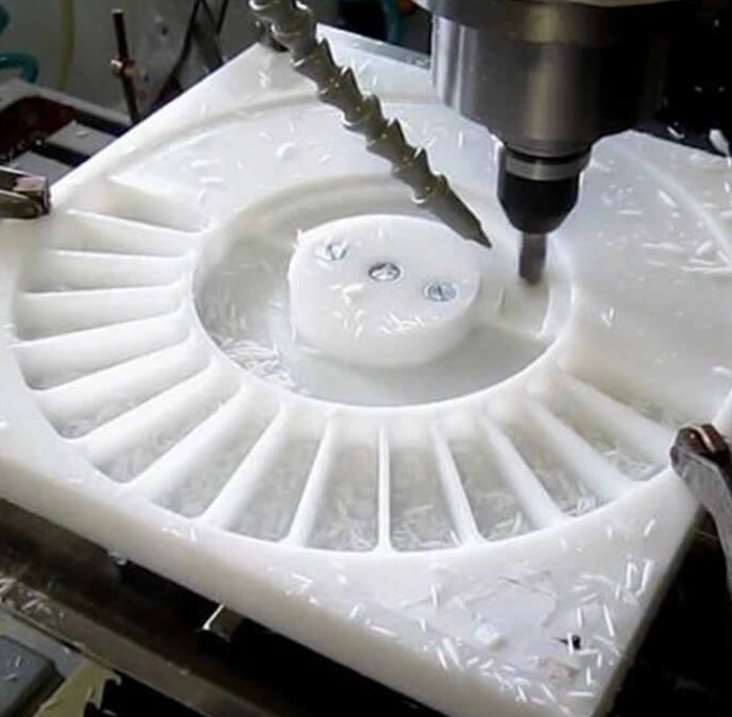
Polypropylene machining
Polypropylene (PP) offers excellent impact resistance, chemical resistance, durability, and versatility, properties that make it suitable for a broad array of applications. It has a high strength-to-weight ratio and has a smooth finish on CNC machining. Its popular uses include automotive and medical parts.
Nylon – Nylon 6 and Nylon 66
The most popular nylon grades for CNC machining are Nylon 6 and Nylon 66, both highly regarded for their superior mechanical properties. These materials are used in electrical insulators, gears, bearings, and other applications where heat resistance and toughness are prioritized.
Polycarbonate
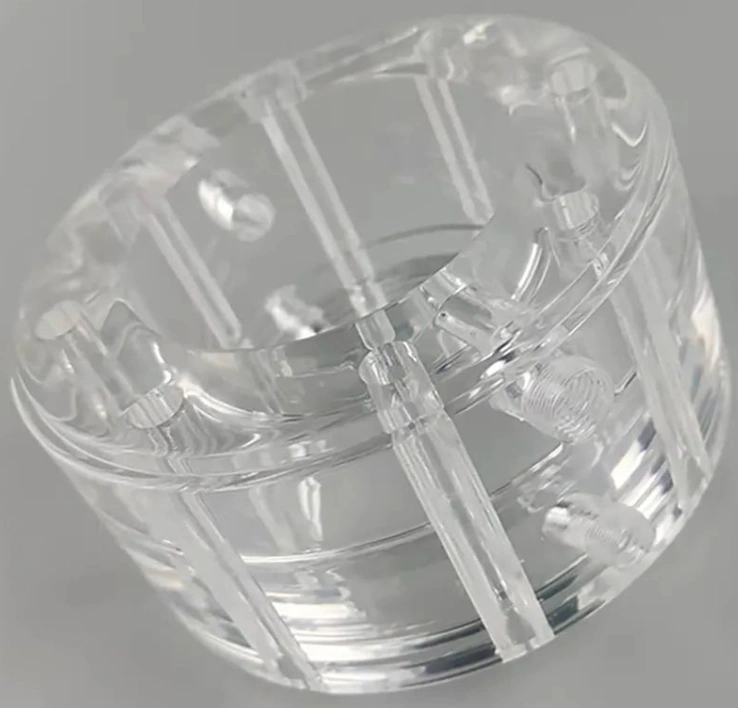
A polycarbonate part
This is another popular thermoplastic polymer in CNC machining circles, mostly for its impact resistance, strength, and toughness. The material also has excellent resistance to UV light and heat, so it works superbly in outdoor and indoor applications. Due to transparency, polycarbonate is common in lenses, electronic parts, and glazing.
Polyetheretherketone (PEEK)
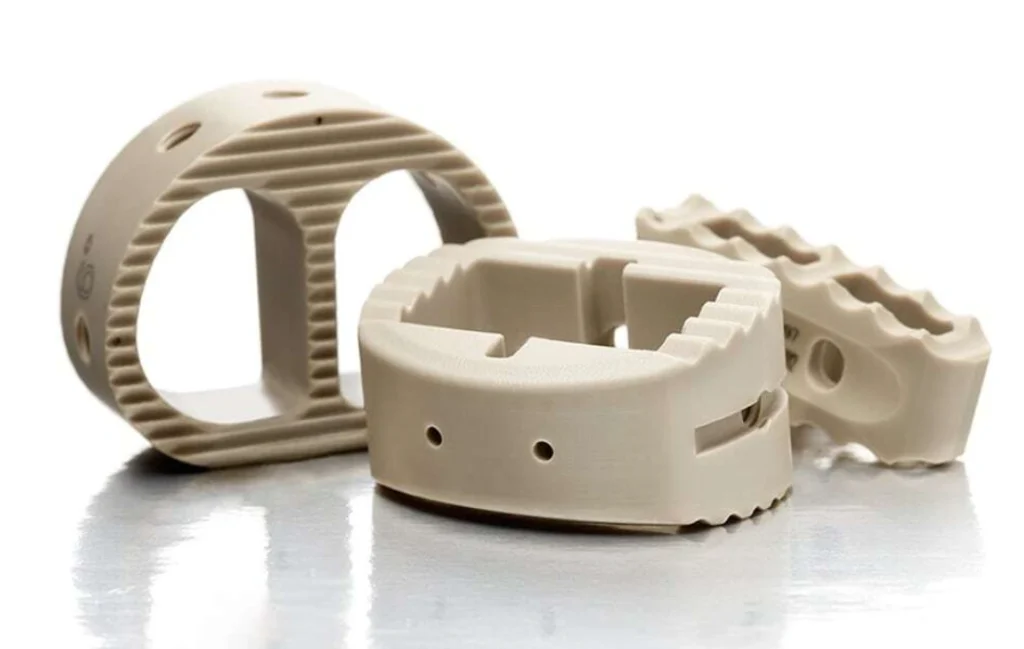
CNC machined PEEK parts
Polyether Ether Ketone is one of the most high-performing materials in its category, very popular for resistance to heat, wear, and chemicals. It is perfect for medical implants, insulators, engine parts, valve seats, and aerospace parts.
Polyvinyl Chloride (PVC)
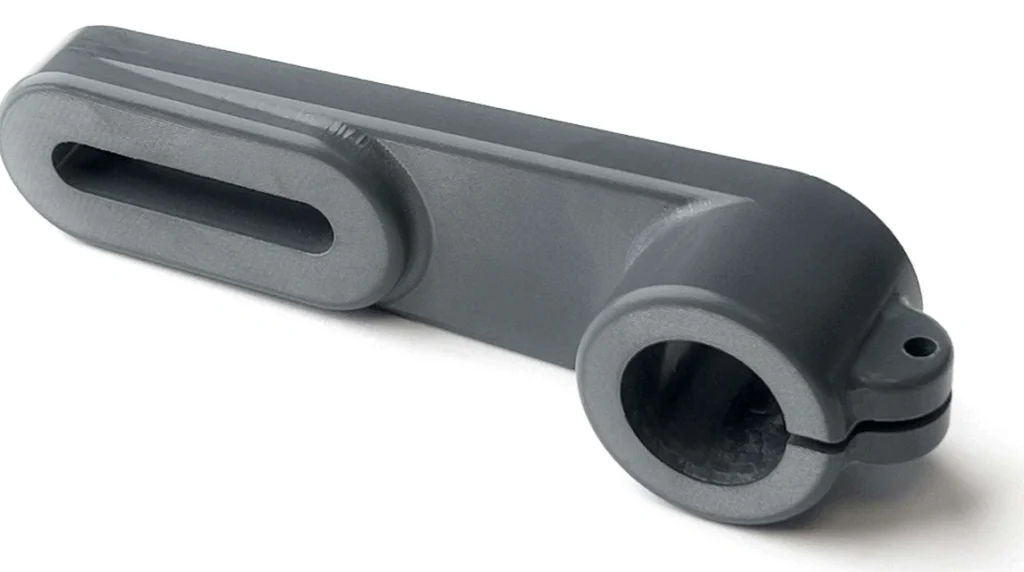
A PVC part
This thermoplastic material is highly durable, backed by its incredible strength and chemical resistance. Manufacturers can choose from either the flexible or rigid version. CNC machined parts of PVC are common in insulation, plumbing fittings, and pipes.
Common Composites For CNC Machining
Another group of CNC machining materials is composites, which are highly regarded for chemical resistance, wear resistance, low weight, and high strength. We are talking about options like Carbon Fiber Reinforced Polymer (CFRP), Aramid Fiber Reinforced Polymer (AFRP), Ceramic Matrix Composites (CMC), and Hybrid Composites.
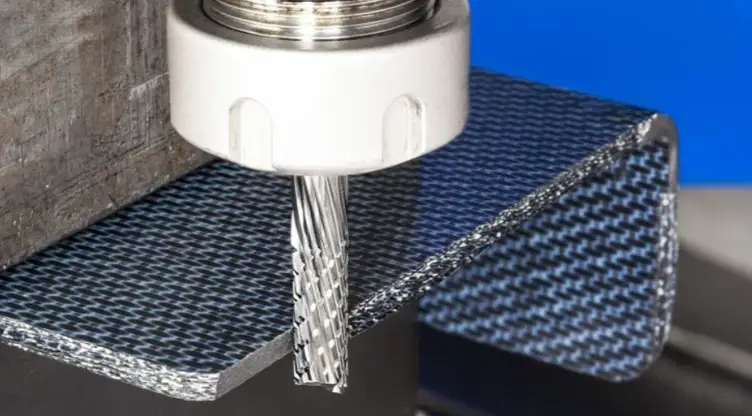
Composite CNC machining
Engineers will tell you that composites in CNC machining fill the gap left by other materials. They contain at least two components, that is, the matrix and reinforcement. Together, the components create a very unique material with properties from each.
The chart below presents various types of composites alongside their advantages and common uses of their CNC-machined parts.
CNC Machining Material Chart For Composites
| Common composite type | Key properties/advantages | Common applications |
| Aramid Fiber Reinforced Polymer (AFRP) | Tough, impact-resistant | Aerospace, marine |
| Carbon Fiber Reinforced Polymer (CFRP) | High strength-to-weight ratio, fatigue-resistant | Aerospace, automotive |
| Carbon/Glass Hybrid | Cost-effective, strong | Automotive, drones |
| Epoxy-Based Composites | Strong, chemical-resistant | Aerospace, electronics |
| Glass Fiber Reinforced Polymer (GFRP) | Strong, cost-effective, corrosion-resistant | Architecture, electronics |
| Hybrid Composites | Mixed properties | Automotive and aerospace parts |
| Phenolic Laminates (e.g., Bakelite) | Electrical insulation, heat-resistant | Electrical housings, transformers |
| Thermoplastic Composites (e.g., PEEK, PEI) | Heat resistant, chemical resistant, sustainable | Medical parts, some aircraft parts |
What Is The Hardest Material To CNC-machine?
The material recognized as the hardest to CNC machine is diamond, which has a hardness rating of 10 on the Mohs hardness scale. The material owes this unique property to its atomic structure, which is characterized by carbon that has undergone pressure and heat-related transformation over billions of years deep in the Earth’s crust.
Even the man-made diamonds are subjected to the same conditions, albeit over a shorter period (months).
Notably, other materials are also very strong, including boron carbide, silicon carbide, and tungsten carbide.
Material Properties And Effect on CNC Machining Techniques
The best CNC machining companies are experts at aligning machining techniques to material properties. The strength, electrical conductivity, thermal conductivity, hardness, and general machinability are important properties that dictate which CNC machining methods are the most appropriate.
For instance, a thermally sensitive material needs high-temperature management during the machining process; otherwise, the part may get damaged.
Hardness, which is the extent to which a material scratches or bends without damage, is a critical factor in CNC machining. The hardest materials make excellent cutting tools for CNC machining, and this is where carbide, tool steel, and related materials come in.
Mechanical and tensile strength, too, are important in CNC machining processes. The CNC machined parts should be able to withstand pressure.
Other material properties worth considering are machinability, weight, thermal performance, heat resistance, availability, and environmental impact.
So, What Is The Best Material For CNC?
When it comes to selecting from the many CNC machining materials outlined here, confusion can easily take over. A material may have promising performance, but its cost is way beyond the budget.
Some materials have certain good properties and a few undesirable ones, depending on the project. Since a perfect CNC machining material may not be forthcoming, weighing each of the factors can help in getting the best one.
So, how do CNC machining experts decide which material to use?
- Consider The Part’s Application
The operating environment, mechanical loads, compliance requirements, the required finish, and weight requirements are important areas to check when thinking about the part’s application. These points help manufacturers choose the best CNC machined materials for products.
- Machinability Is A Major Factor
Machinability is another crucial consideration for these materials, knowing that some materials are either too hard or too soft to be machined. For those that lie in between, it pays to know how easily they respond to cutting.
The idea is to apply the right machining strategy for each material type. The variability of composites, the softness of plastic, and the hardness of titanium must be addressed.
- What Are The Properties Of The Material?
This is a furtherance of the point above because the properties of a material affect its machinability and other factors essential in CNC machining. The manufacturer must account for specific material properties like hardness and strength.
That’s for mechanical properties, but when it comes to chemical properties, the material’s resistance to chemicals and corrosion is worth considering. For optimal thermal performance, characteristics such as the coefficient of expansion and thermal conductivity are checked.
- Post-Machining Requirements
The aesthetics and functionality requirements of a machined part can also help choose the ideal material. A smooth surface can make a part look more appealing and also help reduce wear. Different materials do not respond to smooth finishing efforts similarly. Some are easier to smoothen, for instance, aluminum, as compared to composites.
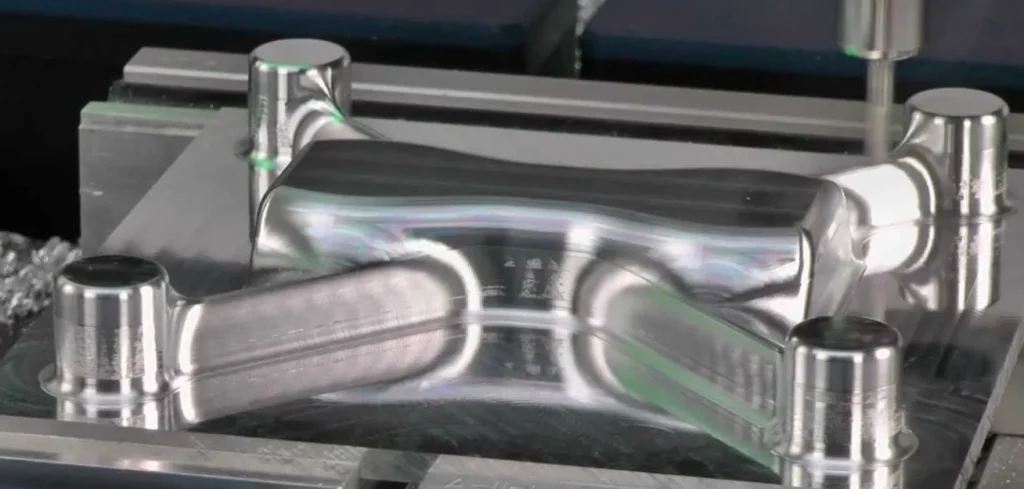
Smooth aluminum part
- Availability and Cost
The availability and cost per unit for the material are also important in this selection process. Some materials may cost more but with justification, while others are cost-effective if used for specific purposes.
- Industry Compliance
For critical industries such as aerospace and medical, compliance to regulations supersedes many other requirements. There are regulations from the FDA, ASTM, ISO, and others to ensure compliance to requirements for durability, safety, and such criteria.
More On The Cost Angle For Different Machining Materials
Focused on the budget for the CNC machining project? Maybe you should focus more on the materials used. As mentioned in the last point, the machining cost is greatly affected by the type of material.
Many aspects of the material are at play here, including the type, grade, form, quantity, and market conditions.
Metal types like mild steel, cast iron, brass C360, and aluminum 6061 are relatively readily available, hence more affordable to CNC-machine. But there are price disparities even among the common metal types. For instance, stainless steel tends to be more pricey than aluminum.
Titanium and PEEK are even more expensive because they have superior properties and can be challenging to manufacture. Specifically, titanium is difficult to machine due to its high hardness, which can make frequent tool replacement necessary.
When you dig deeper, you find that material grades can also have different prices. For instance, given its superior strength, 7075 aluminum is more expensive than 6063 aluminum.
Addressing Specific CNC Machining Challenges Related To Different Materials
Machining different materials presents unique experiences and challenges because every material has its own properties and machining requirements. The best machinists and manufacturers know how to counter heat generation, tool wear, and material deformation. Modern precision machining has the tricks and means to address these challenges.
Heat Generation
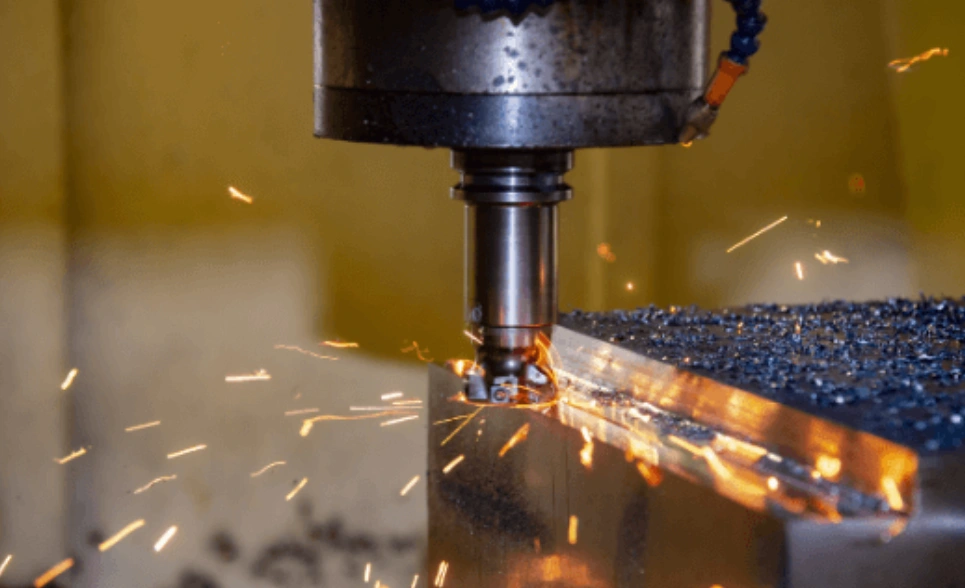
Machining heat generation
Heat generation within the machine and even the cutting tool-workpiece interaction is a common challenge in CNC machining metals. For the cutting tool, heat can be generated by improper cutting parameters, inadequate cooling, and tool wear. When it comes to machine overheating, overworking can be the issue.
Upholding CNC machine cleanliness, regular machine maintenance, ensuring proper cooling, quality tool sharpening, and correct machining parameters can help avoid this problem.
Gumming And Melting In Plastics
Plastics tend to melt, gum, burr, and crack during CNC machining, and this can easily render the process unreliable. To still take advantage of the lower cost and better corrosion resistance of the material, manufacturers use the following approaches;
- Fly-cutting, which is a high-precision technique that generates very minimal heat
- Using more passes
- Deburring
- Optimizing the tool path
- Choosing the appropriate cutter
Tool Wear In Harder Materials
Harder materials require higher cutting forces, and this puts strain not only on the entire machine but also on the cutter. Hardened steels, ceramics, stainless steels, and titanium alloys are examples of materials in this category.
Fortunately, there are CNC machines specifically designed for steel and tools, including CBN (Cubic Boron Nitride) Tools, carbide tools, PCD (Polycrystalline Diamond) Tools, and ceramic tools.
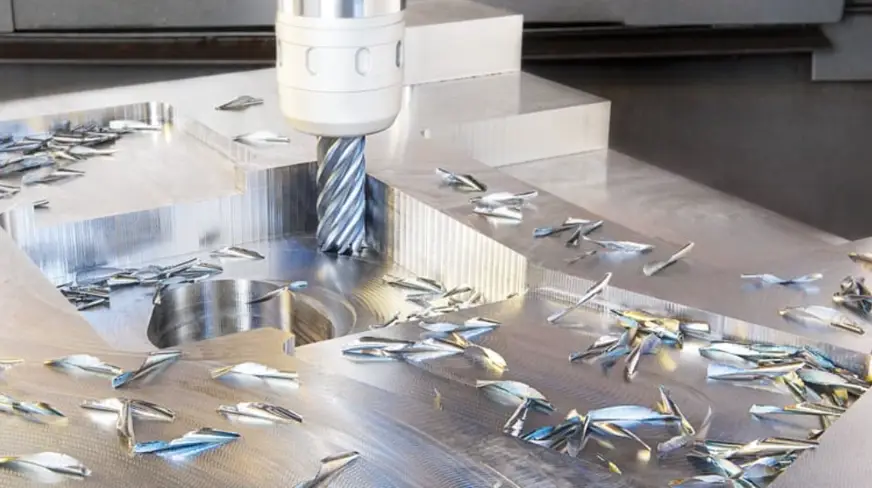
Carbide tool milling
Apart from choosing the right tool, manufacturers should ensure the right tool geometry and optimize cutting parameters.
Burred Edges In Softer Materials
Burrs refer to the raised edges or protrusions on the machined material. They are common in soft materials, especially due to poor machining techniques, inadequate cooling, and incorrect machining parameters.
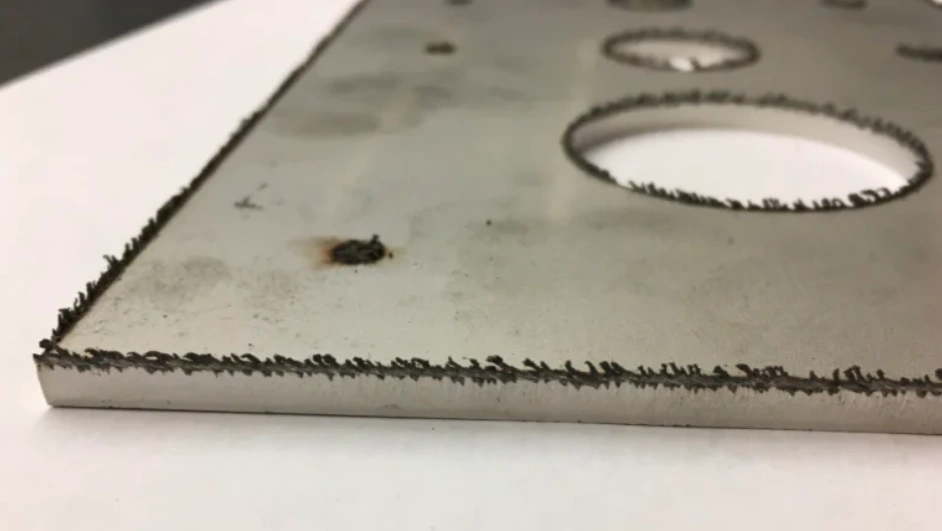
Metal plate with burred edges
Ways to avoid this issue include ensuring the correct cutting parameters, utilizing thermal deburring and related methods, and properly cooling the machining area and cutting tool.
Inconsistent Machining in Composites
By their mere property of containing different materials, composites are bound to present inconsistent properties, which are a nightmare in a standard CNC machining operation. The machined parts can easily have glaring dimensional inaccuracies.
Manufacturers avoid this by using diamond-tipped and carbide-tipped tools, managing depth of cut and other parameters, and applying the right quality and amount of coolant.
In Conclusion
Selecting the best CNC machining materials requires a balance of several properties, including machinability, thermal conductivity, strength, and cost. This means the supplier has to be very reliable, and so should be any activities and processes in between before the material is transformed into a product.
With ProleanMFG as your CNC machining services provider, you can rest assured that the materials have been sourced from the best and processed correctly. Our services and products are customer-centric, so we always advise on the best machining materials.
Furthermore, we comply with the highest material quality standards in China and overseas. Contact our experts today to discuss more about CNC machining materials and discover how you can get quality CNC parts supply.