
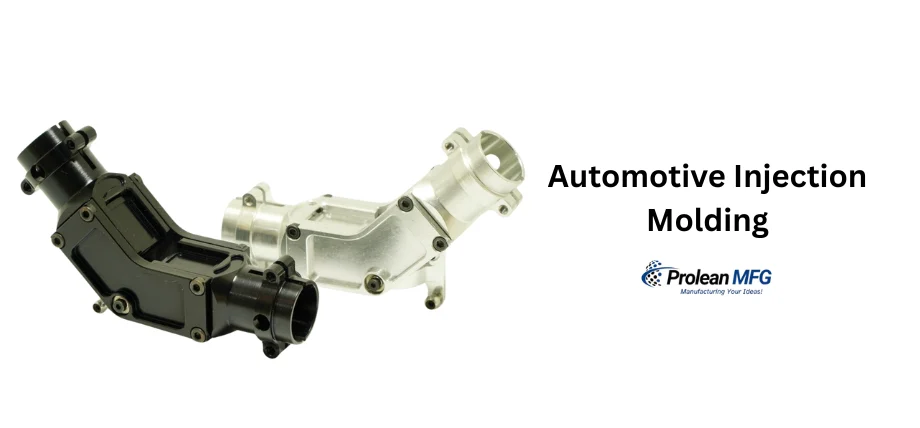

Injection molding is one of the most versatile and diverse manufacturing processes used in the automotive industry and is present in the current era. Automotive injection molding is widely used due to its high precision and efficiency when producing plastic components.
It enables automotive manufacturers and OEMs to produce high-quality parts at a cost-effective rate using lightweight materials such as plastic and other composites essential in modern automotive production.
This means that automotive injection and the injection molding process have become a vital component in manufacturing vehicle parts and components.
After reading this article, those seeking to know about automotive injection will have an in-depth understanding of injection molding materials and processing steps, focusing on key aspects such as design considerations and tooling.
What Is the Injection Molding Process for the Automotive Industry?
The injection molding process is one of the most efficient production methods used to manufacture precise plastic parts. The generic idea of the process is to inject molten plastic into a detailed injection mold and then cool, forming the automotive part.
The initial step of the injection molding process is to select a suitable injection molding material that fulfills all the requirements of the desired component.
The most commonly used materials are thermoplastics, which are melted and injected into a mold under high pressure to form the injection-molded part, and can then be processed further.
Injection molding for the automotive industry has become vital to produce high-quality parts with consistent and accurate polished surface finishes. Since it is an automated process that uses machines, the automotive injection molding process boasts precision in parts production.
The process manufactures many injection-molded products and parts for cars and vehicles, from exterior parts such as door handles to body panels and grilles.
The injection molding process has numerous benefits, one of them being quality management. This means the process ensures that injection-molded components and parts meet the automotive industry’s standards.
Injection molding companies use various testing procedures during processing and post-processing to ensure the parts meet standards.
Injection molding is ideal for short runs of prototype parts and high-volume production for Automotive OEMs.
Key Components Produced Through Injection Molding
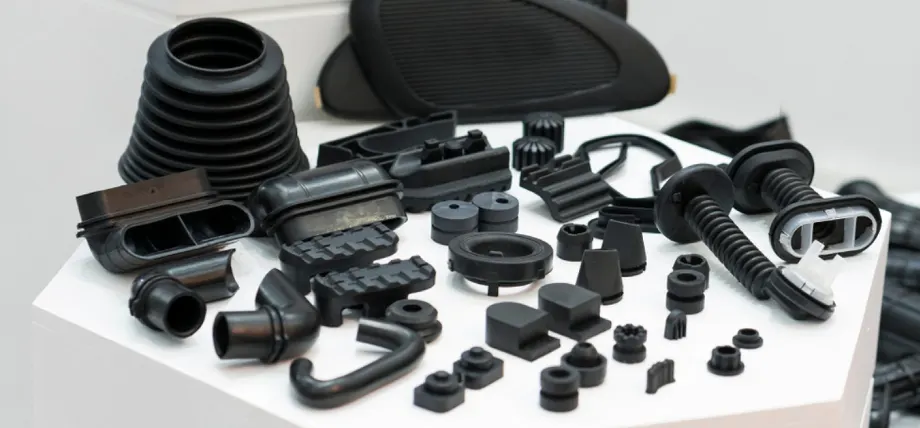
Injection molded automotive parts
Injection molding is highly renowned for producing highly precise parts and components that cater to various applications, such as aesthetics and functionality in the modern automotive industry.
Injection molding is used to manufacture many automotive components, encompassing exterior and interior car parts and accessories. Some of the most common automotive parts produced using this process are mentioned below:
Interior Components
Automotive interior parts require a high-quality surface finish, which can only be produced using injection molding. This means that injection molding is vital to produce interior components such as air vents and door panels that are aesthetically appealing and exude a slick loo.k
Exterior Parts
Automotive injection molding is the leading manufacturing method for producing common exterior components such as grilles, bumpers, and body panels. They are made to be robust and durable since they need to withstand UV rays and wear all year round.
Plastic Decorative Elements
Common trim pieces and decorative elements that add to the aesthetic appeal of a car are made using injection molding since they need to be precise and seamless to further enhance the look.
Hood Components
Under-the-hood components, such as electric motor housings and other parts used in various car components, are made using injection molding.
Automotive manufacturers leverage the versatility and exceptional precision that injection molding provides to produce parts such as bumpers and door handles using plastics for their lightweight and durability.
This means that the injection molded expertise enables you to make plastic molded parts that can substitute heavy metal parts, reducing weight, which improves fuel efficiency. In EVs, it aids in offsetting the weight of heavy battery systems.
What Materials Are Suitable for Injection Molding Durable Car Parts?
Material selection is one of the most important steps in the automotive injection molding since the plastic material chosen has to meet the requirements of the automotive application.
This means that this step is a defining factor that sets up your automotive component for success or failure, whether it meets the demanding requirements of the automotive application.
The most commonly used materials are various thermoplastics due to their adaptability to complex shapes and versatility without compromising durability. Some of the most common materials for automotive injection are mentioned below:
Polypropylene (PP)
Polypropylene is one of the most widely used materials for injection molding due to its lightweight and resistant properties that outcompete other materials. It is a cost-effective option to manufacture bumpers, interior components, and various under-the-hood parts.
Acrylonitrile Butadiene Styrene (ABS)
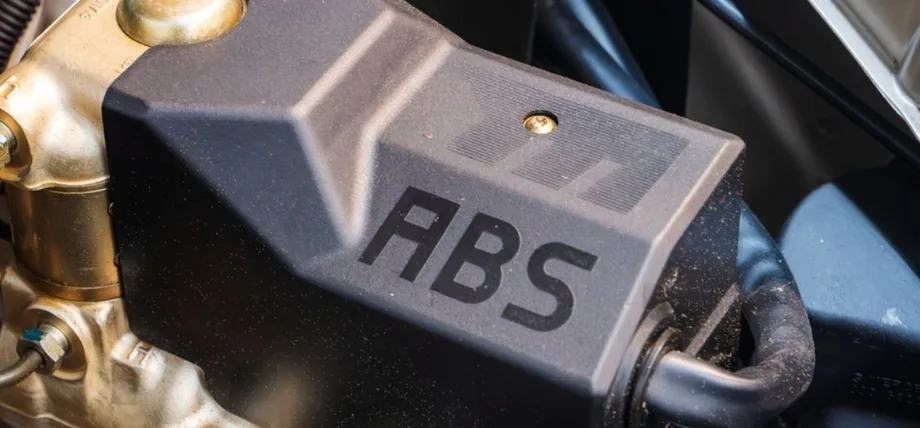
ABS plastic cover
ABS is a highly durable plastic renowned for its surface finishes and impact resistance, making it suitable for interior parts and door panels.
Polyamide (PA)
Polyamide is commonly known as nylon and is used to make under-the-hood components that need to function in high temperatures, such as radiator pipes and air intake, since it can withstand high mechanical stress and temperatures.
Polycarbonate
PC is transparent and is used in exterior trim and parts that need to be seen through to function, such as headlamps and lamps.
Materials selection can vary depending on the requirements of the automotive part, and injection molding service works with automotive OEMs to select the most suitable material that balances various aspects such as cost, durability, and feasibility.
Additionally, thermoplastic injection molding is now advanced enough to be integrated with other materials such as glass and carbon to produce reinforced thermoplastics that are cost-effective and durable.
Design Considerations for Automotive Injection Molding
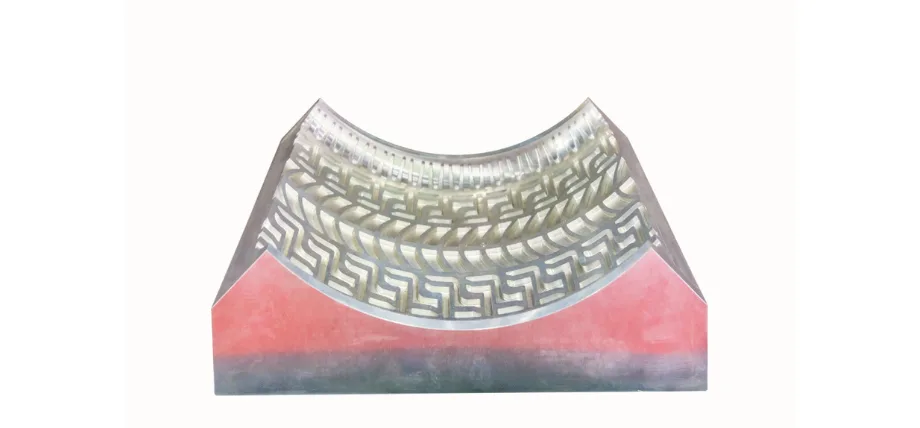
Machined mold section of a tyre
The success rate of the automotive injection molding process relies almost entirely on the injection mold. A high-quality and professionally designed mold will always result in precise dimensions and consistent quality across all units.
- Material Flow and Cooling: The molten plastic materials must flow uniformly in all the crevices to ensure precise part production without defects. Also, the mold must have proper cooling channels so post-injection plastic isn’t properly cooled.
- Draft Angles: Draft angles aid in safely removing the part without any damage. This means that integrating the draft angle makes removing the final product from the mold easier without damage.
- Tolerance and Precision: Automotive parts must be precise to function harmoniously; any variation can ruin a functioning system. To avoid such occurrences, a mold must have precise dimension that produces parts and components with tight tolerances, especially in the case of electric motor housing and interior parts
- Surface Finish: The aesthetics and appearance of the part produced using injection molds are directly related to the surface finish of the mold. This is one of the main reasons molds used for automotive applications are polished and feature a detailed surface finish to produce the highest quality components.
Injection molding companies utilize modern technology such as 3D printing for prototyping and rapid iteration of molds. Prototype molds allow manufacturers to test various designs and approaches to the same product to ensure that the final injection molded plastic parts are of the highest quality.
Apart from this, the molding process also depends on varying parameters such as injection speed, injection pressure, and cycle time to produce high-quality parts. Injection molders and automotive companies work together to optimize these parameters.
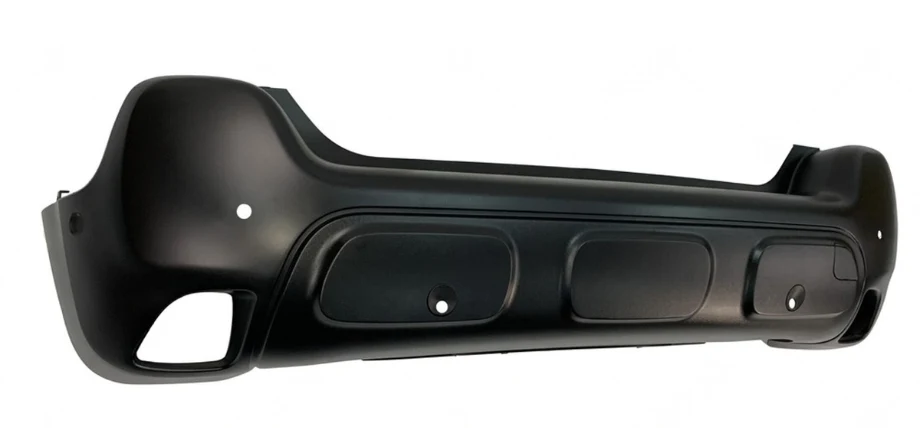
Injection mold car bumper
Conclusion
Automotive injection molding has become a vital component of the automotive industry as it efficiently produces cost-effective plastic components with exceptional precision and durability.
The process is extremely versatile as it can accommodate various complex shapes, ranging from exterior components such as headlights to interior trims, like dashboards and door panels.
Parts manufacturers use materials like polypropylene and polycarbonate to produce high-quality parts that utilize the materials’ properties, such as lightweight and chemical resistance, to improve durability and fuel efficiency.
Injection Molding and Mold Machining Service
PROLEANMFG provides high-quality mold machining and injection molding services for prototyping and car part production. You can learn more about mold machining through our guides and request a free quote today.