

Many things define aerospace manufacturing, but the key ones are unbending regulatory compliance, high-level precision, and strict safety. To suit these requirements and the technological advances of the aerospace industry, many manufacturers turn to aerospace CNC machining.
This is a technology for producing complex, high-precision parts such as landing gears and structural parts. A computer controls the movement of the cutting tools and workpiece.
A prominent aspect of CNC machining is the ability to comply with ISO 9001 certification and other industry requirements. You may not get the technology’s level of high precision with manual machining.
More about this aerospace parts manufacturing method, including benefits, CNC machining materials, process, and certifications, is covered in the article.
What is Aerospace?
Aerospace is a wide sector comprising submarkets such as commercial, general aviation, defence, and space. As of 2025, the market was valued at approximately USD 402.75 billion. Indications show that the market is on a growth path.
Other than the growth, it is worth noting that the aerospace sector is one of the most regulated. Mostly, the reason is that air travel is relatively risky. Engineers are relied on to design and manufacture durable, functional, and safe components and systems.
Every related process, including aerospace tooling and machining, must work towards achieving 100% quality parts.
What is Aerospace CNC Machining?
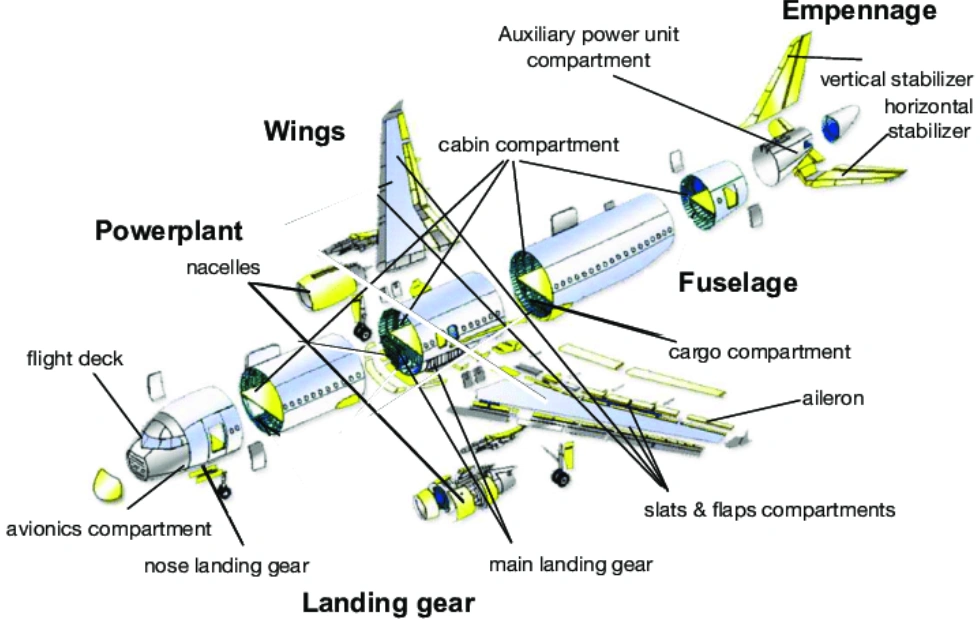
Aircraft parts
Aerospace CNC Machining refers to the use of computer numerical control (CNC) technology to produce durable, safe, and functional parts for aircraft and spacecraft. It is different from standard machining because it is stricter on quality. Also, the geometries tend to be more complex.
Parts are produced for a wide range of applications, including commercial aircraft, helicopters, space ships, and military aircraft. To meet the strict requirements, manufacturers use high-quality raw materials, usually premium metal alloys and related materials.
Why Precision is Critical for Aerospace Parts
The aerospace sector requires parts with tight tolerances and predictable accuracy because improper fit can trigger disastrous system failure. Engineers don’t want scenarios where structural stress increases uncontrollably.
Without the recommended precision levels, part fit and load transfer will be at serious risk for these parts.
So, CNC machining aerospace parts should meet precision requirements for not only certification & safety, but also traceability and regulatory compliance.
Certification & Safety – Aerospace parts are closely checked for ±2 μm repeatability. This ensures reliability even under extreme stress for parts in the landing gear, turbines, and so on.
Traceability – Traceability is another means to enhance component quality, reliability, and safety. Comprehensive records should be kept for each stage of the manufacturing process. This promotes accountability for precision and other elements.
Regulatory Compliance – Regulatory standards require aerospace components machining to meet dimensional accuracies down to the micron level. Tolerances within ±0.0001 inches should be maintained.
Benefits of CNC Machining for Aerospace Parts
CNC machining capabilities benefit the aerospace sector in different ways, including high precision, material versatility, automation, fast design iteration process, consistent accuracy, and high part complexity.
High Precision
High precision is non-negotiable for the aerospace industry, and one of the core characteristics of CNC machining. This manufacturing method helps enhance the safety and performance requirements by delivering tight tolerances.
Material Versatility
CNC screw-machining for aviation and related services can use a wide range of materials, from aluminum grades to titanium. With this kind of flexibility, engineers can use the best materials for an application in terms of corrosion resistance, strength, creep resistance, wear resistance, and so forth.
Parts customers don’t have to worry about lengthy transitions from prototype to manufacturing. Further, they can comfortably source various aerospace parts from a single CNC machining company.
Automation
This is another big benefit for clients in the precision-driven aerospace industry. Minimal manual intervention means that parts can be produced faster with consistency and high quality.
Aerospace customers looking for critical parts with tight tolerances and reliable performance can be confident in aerospace precision machining solutions.
Fast Design Iteration Process
The capability of CNC machining to turn digital CAD models into tangible parts with minimal tooling is absolutely necessary in aerospace manufacturing. Due to the industry’s requirement to meet strict performance and safety requirements, designs are often revised.
So, the swiftness of CNC machining is valuable to the industry. Therefore, a customer can move from the concept stage to physical parts faster, without loss of quality.
Consistent Accuracy
When you manufacture parts in batches, and each batch must be identical to the other one, you need the reliability of aerospace CNC machining. Aerospace applications widely rely on the technology to meet interchangeability requirements.
High Part Complexity
Advanced CNC machines support the requirement for complex parts in the aerospace sector. Internal cooling channels, turbine blades, and lightweight structural ribs are examples of the many parts that require this capability.
CNC Machining Processes for Aerospace Manufacturing
To meet the strict demands, aerospace precision machining relies on CNC turning, CNC milling, CNC drilling, EDM machining, and grinding as the main machining processes. These techniques complement each other for quality aerospace components machining.
CNC Turning
CNC turning entails a fixed single-point tool removing material from a rotating workpiece. It produces cylindrical parts.
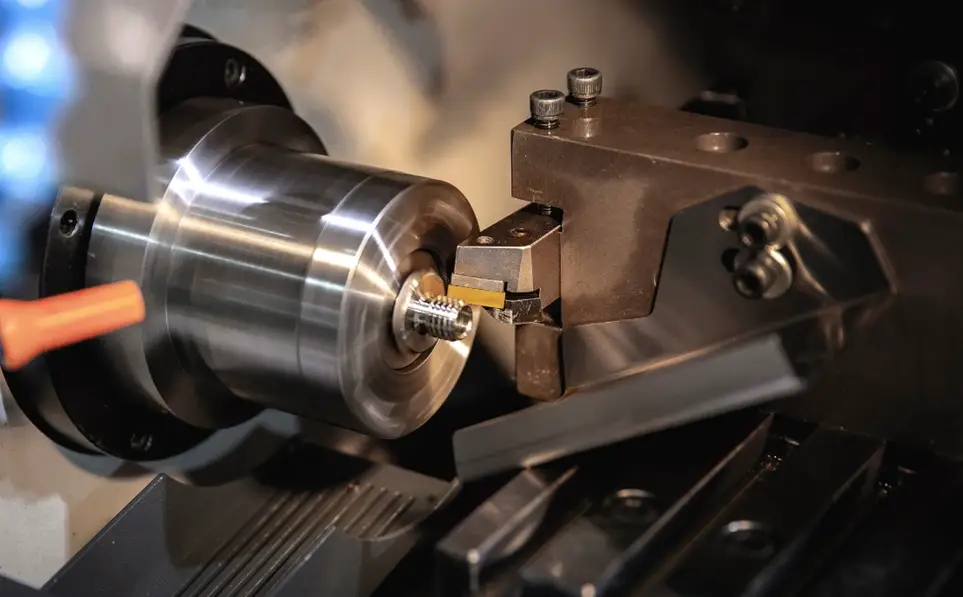
CNC turning
CNC Milling
CNC milling is critical for the production of complex aerospace parts. The process is characterized by rotary cutters removing material from a stationary workpiece. Two major categories of CNC milling, 3-axis and 5-axis CNC milling, are discussed below.
3 Multi-Axis CNC Machining (Milling)
The 3-axis CNC milling technology operates on the X, Y, and Z axes. It is perfect for making brackets, housings, and other aerospace parts with minimal or no complex features. Multiple setups are required for complex parts.
5-Axis CNC Machining (Milling)
With its additional two rotational axes, 5-axis CNC machining allows for simultaneous multi-directional operation. We use this approach to produce more complex aerospace parts, such as turbine blades and impellers. Of course, the surface finish and geometric accuracy are also better than in 3-axis CNC milling.
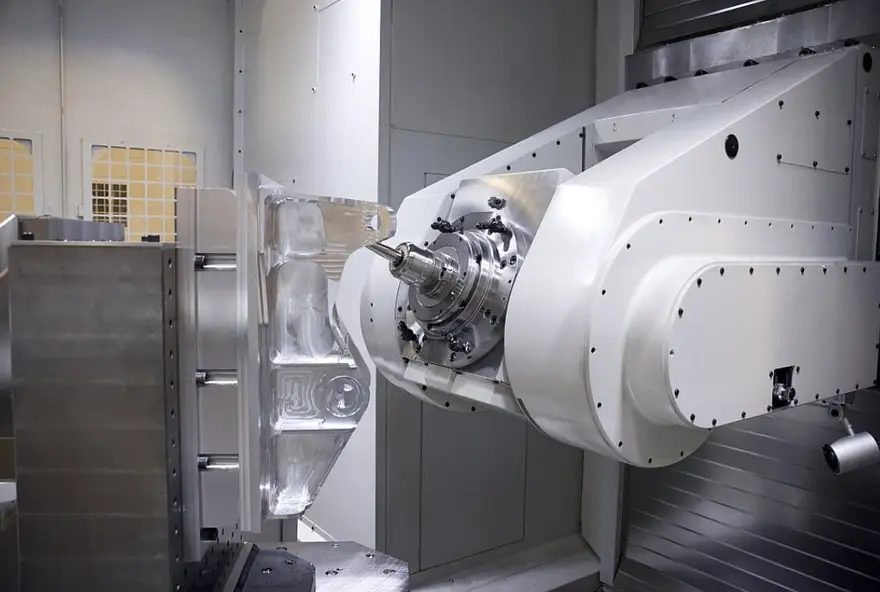
5-axis machining
CNC Drilling
CNC drilling is used to produce precise holes for assemblies, fluid passages, and fastening. The positional accuracy of the technology is high, usually within ±0.02 mm. It ensures the perfect alignment of parts and structures.
EDM
EDM (Electrical Discharge Machining) makes high-quality, complex parts from Inconel, titanium, and other hard metals. With tolerances as close as ±0.005 mm, the technique is ideal for making sharp internal corners and other intricate features.
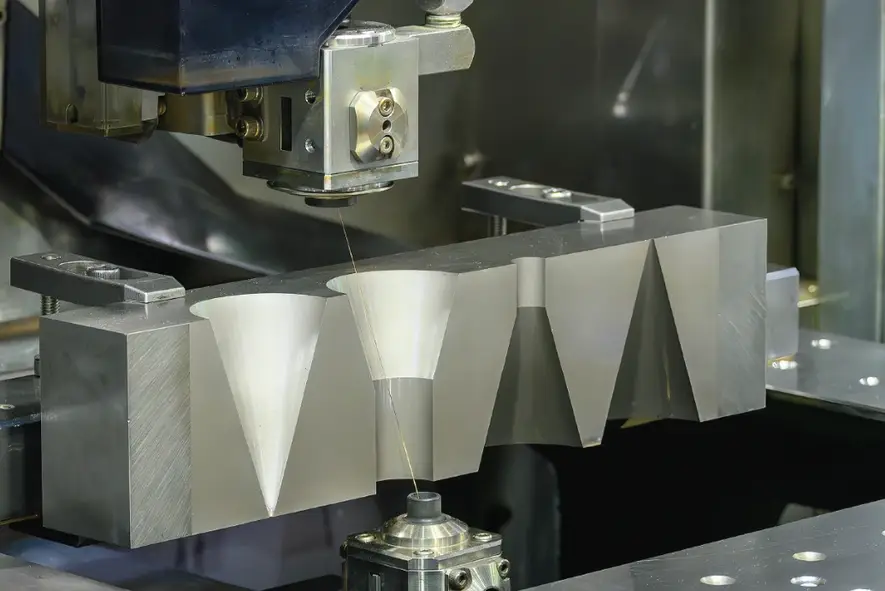
EDM
Grinding
When you need excellent roughness values (Ra 0.2–0.4 µm), look no further than modern grinding. The resulting fine finishes are exactly what’s needed for tight fits in some aerospace components.
CNC Machining Materials for Aerospace Parts
The demanding requirements of CNC machining aerospace parts notwithstanding, there are several suitable CNC machining materials. Advanced polymers, aluminum alloys, and stainless steel are the most notable ones.
Advanced Polymers
Advanced polymers form a crucial group of high-performance materials comprising engineering plastics, specialty polymers, high-performance polymers, and, in some instances, polymer blends.
Advanced polymers are common in aerospace manufacturing, where their unique blend of low weight, thermal stability, and mechanical resistance comes in handy. PEEK is among the most popular polymers for this sector.
Its machined parts are commonly used for seals, insulators, and structural components.
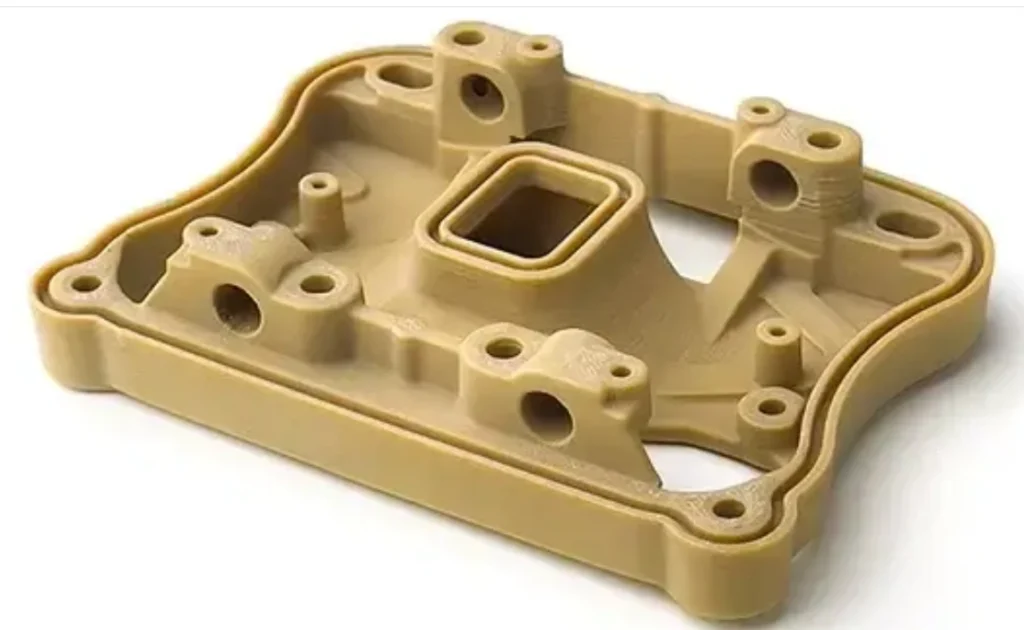
PEEK aerospace part
Aluminum Alloys
There are various aluminum alloys for custom aerospace machining, each bringing unique properties to the industry. On top of the list are options such as 7075 aluminum and 7050 aluminum.
7075 aluminum is widely used for its excellent mechanical properties and machinability. Manufacturers specifically prefer to use T7351 because it is highly versatile.
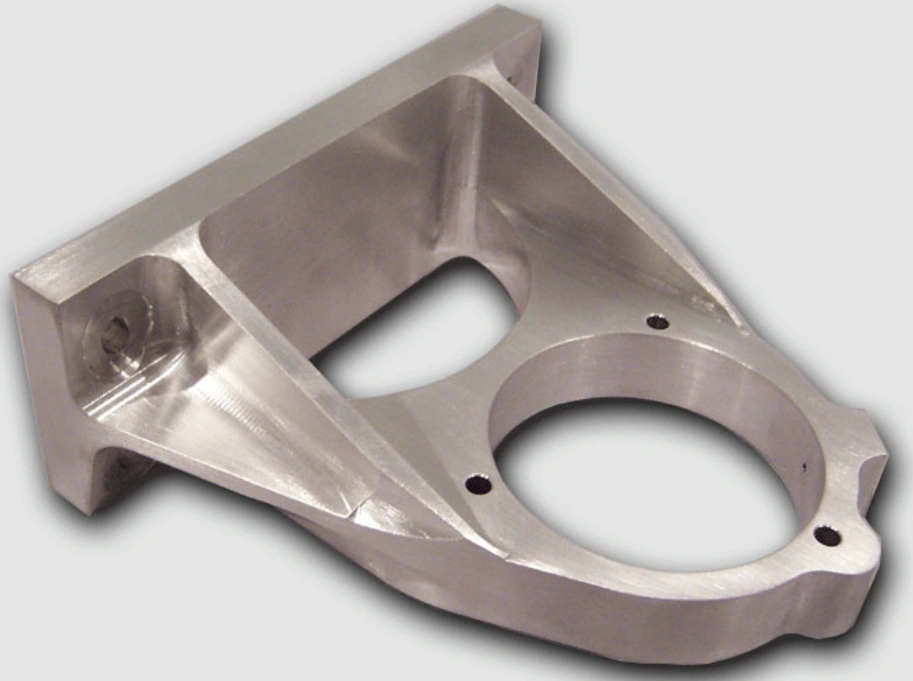
7075 aluminum aircraft part
For 7050 aluminum, the main selling points are fracture toughness, corrosion resistance, and unmatched workability. The most processed form is the T7451 plate, which is used to manufacture complex parts.
Stainless Steel
Despite the emergence of lighter materials, stainless steel is still relevant in the custom aerospace machining industry. Options such as 304 and 316 are commonly used for their mechanical stability and corrosion resistance.
Titanium and Titanium Alloys
We mostly use titanium for its high temperature resistance and strength-to-weight ratio. Ti-6Al-4V is one of the most widely used alloys in the aerospace industry. Cutting speeds are expertly controlled to address the material’s work-hardening.
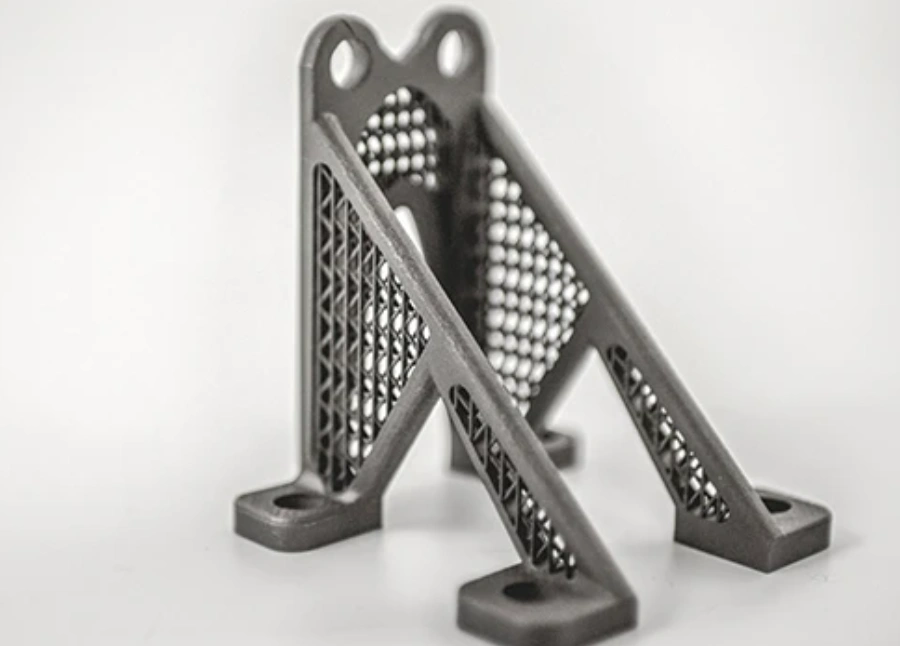
Titanium aerospace part
Carbon Steel
Carbon steel is a cost-effective, strong, and tough material. Some of its grades have load-bearing and wear-resistance capabilities suitable for structural supports and shafts.
Brass
This machinable and dimensionally stable material is perfect for electrical connectors and precision fittings. One of the most likely places for its parts is in instrumentation.
Bronze
Bushings and bearings made of bronze have low friction and high wear resistance. The material is galling-resistant and has good load-bearing properties.
Copper
Copper’s electrical and thermal conductivity is indisputable. Its machined parts are highly recommended for heat exchangers and electrical contacts. Despite its relative softness, expert advanced CNC machining produces dimensionally stable parts.
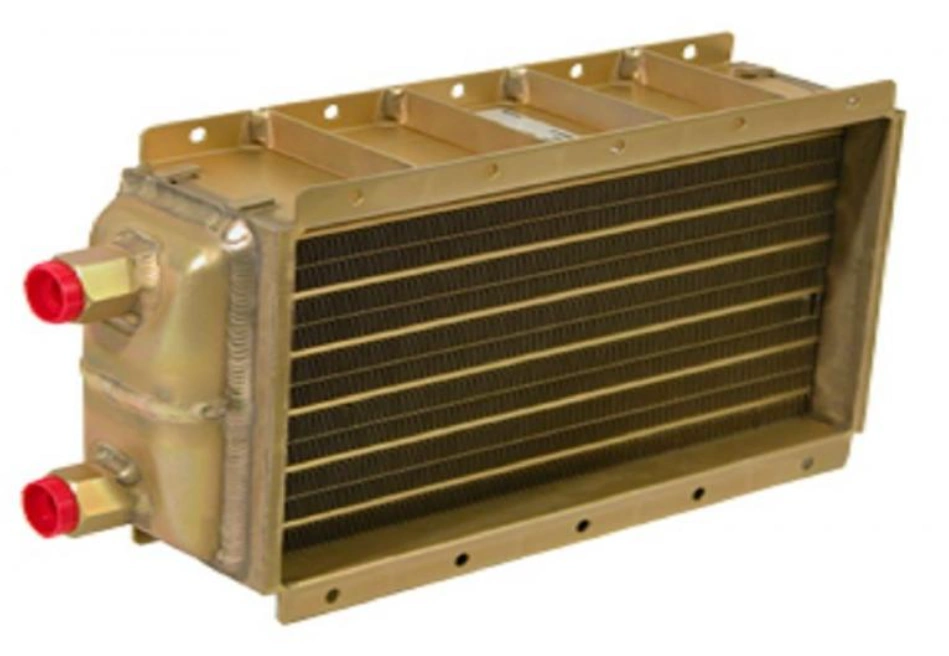
Aircraft heat exchanger
Inconel Superalloys
These nickel-based materials are built for extreme application environments. They are particularly renowned for high-temperature performance. Expect Inconel machined parts in exhaust systems and turbine engines.
Common Surface Finishes for Aerospace CNC-Machined Parts
The most popular surface finishes for aerospace CNC-machined parts include anodizing, passivation, shot peening, and chromate conversion coating (Alodine).
Anodizing: Predominantly performed on aluminum aerospace parts, anodizing (Type II & Type III) enhances surface hardness and corrosion resistance. For parts exposed to mechanical contact, we prefer using Type III anodizing, which is also called hard anodizing.
Passivation: The removal of surface contaminants and enhancement of corrosion resistance. It is a popular surface treatment process for stainless steel aerospace parts.
Shot Peening: A surface work-hardening process that generates plastic deformation in a material. The material acquires compressive residual stress. It is an effective technology for enhancing fatigue resistance in parts.
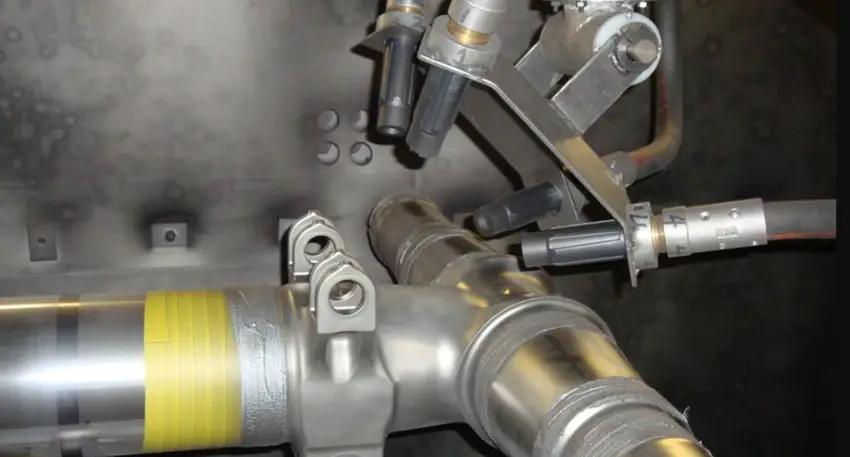
Shot peening
Chromate Conversion Coating (Alodine): A surface finishing process is ideal for aluminum alloys. Since the method doesn’t hinder electrical conductivity, it is perfect for electrical interface components.
Specific Applications of Aerospace CNC Machining
From turbine blades to landing gear components, aerospace precision machining delivers the precision and overall quality required for critical parts in the sector.
The list of applications of this high-level machining also includes turbine rotors, fuselage frames, engine housings & mounts, avionic enclosures, hydraulic system parts, and custom aerospace fasteners, among others.
Turbine Blades and Rotors – Turbine blades and rotors require perfect surface finishes and tight tolerances. Quality machining ensures these parts perform optimally in extreme pressure, heat, and mechanical stress.
Landing Gear Parts – Aerospace precision machining for these parts is critical for fatigue resistance and strength. The relevant landing gear system parts are designed and machined to withstand forces during landing and takeoff.
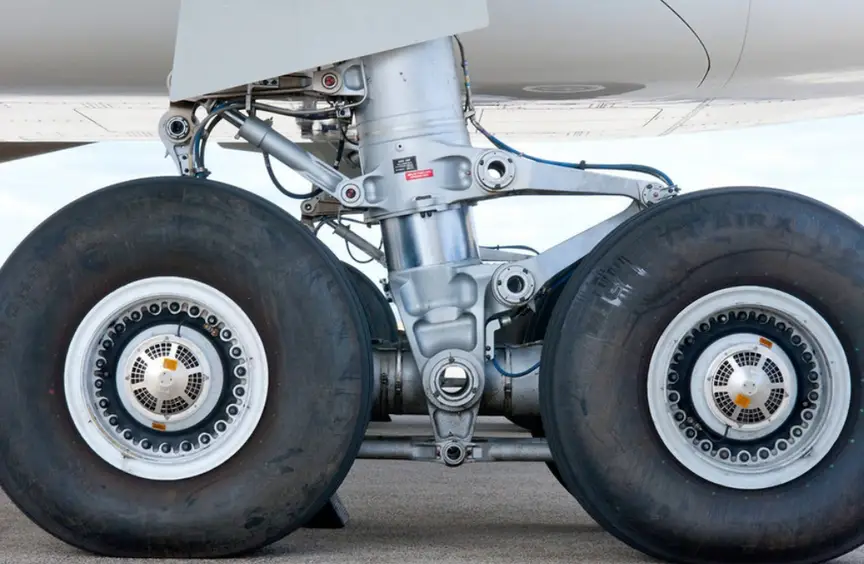
Landing gear
Fuselage Frames – CNC machining is an effective manufacturing method for various fuselage frame components. It helps maintain the high strength-to-weight ratio required in aerospace components.
Engine Housings & Mounts – Engine housings and mounts should manage alignment and vibration for the overall reliability of the engine. Manufacturers largely rely on the dimensional accuracy of aerospace milling parts to achieve this.
Avionic Enclosures – Expert aerospace components machining extends to these enclosures, which protect sensitive electronics.
Hydraulic System Parts – Manifolds and valves, leak-prone parts, are machined to counter such problems. This makes flight control components dependable.
Custom Aerospace Fasteners – Aerospace milling and other machining strategies help make critical custom parts for consistent and safe performance.
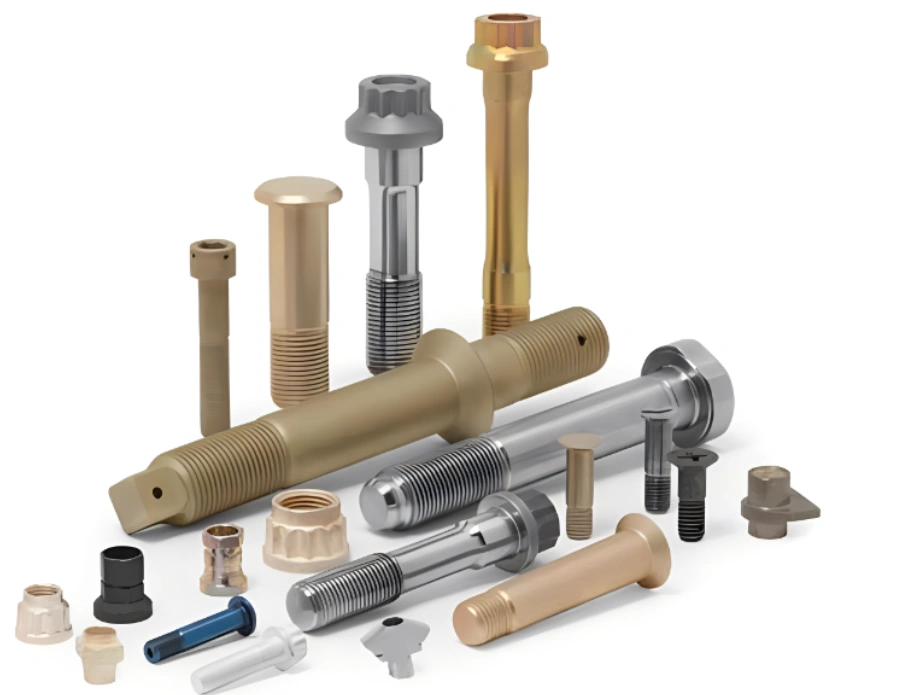
Aircraft bolts
Main Certifications in Aerospace CNC Machining
CNC machining companies intent on partnering with aerospace agencies and OEMs must adhere to key certifications and standards, including AS9100, ITAR, ISO 9001, and NADCAP.
AS9100: This is a quality management certification for the aviation, space, and defense industries. AS9100-certified parts are built for reliability, compliance, and reduced risk.
ITAR (International Traffic in Arms Regulations): ITAR in the aerospace industry is required for CNC-machined aerospace parts for the military. It focuses on components and data security.
NADCAP – The NADCAP (National Aerospace and Defense Contractors Accreditation Program) certification is designed for manufacturers performing heat treatment, nondestructive testing, and other special processes.
CNC Manufacturing Design Tips for Effective Aerospace Parts
To help manage the common aerospace machining challenges, here are some manufacturing strategies we can apply:
- Specialized manufacturing lines – Product types can trigger the deployment of specialized lines for better process flow.
- Better Scalability – Swiss machining technology, high-speed milling machines, and similarly advanced machinery can enhance scalability.
- Adhere to Industry Standards – Maintaining ITAR and the other industry standards ensures the high quality of machined aerospace parts.
- Better Fixture Design – Enhance CNC machining through a time-saving fixture design.
Common Challenges in Aerospace CNC Machining
Professional aerospace precision machining is about managing challenges such as material machinability, certifications & regulations, extreme precision requirements, and cost considerations.
- Material Machinability
A material like titanium has excellent properties, but machining it is demanding. Challenges such as heat resistance and extreme strength put significant strain on the cutting tool and machinery. The result includes longer machining time and tool wear, elements that can increase project cost.
- Certifications and Regulations
CNC machining for aerospace must comply with standards such as ISO 9001:2015 and AS9100. As you would guess, such certifications and regulations add to the complexity of the product.
- Extreme Precision Requirements
Expect tolerances of ±0.002 to ±0.01 mm for aerospace CNC-machined parts. This is not easy for many manufacturers. Even more challenging is that there is usually no room even for slight deviations.
- Cost Considerations in Aerospace CNC Machining
The CNC machining costs for aerospace parts can be relatively high. Inconel and titanium, common materials in the industry, can be cost-prohibitive. Stringent inspection, high traceability, and tight tolerances are other triggers of high cost.
Alternatives to CNC Machining in Aerospace Manufacturing
Three manufacturing technologies that can replace aerospace CNC machining are forging, investment casting, and 3D printing.
Forging
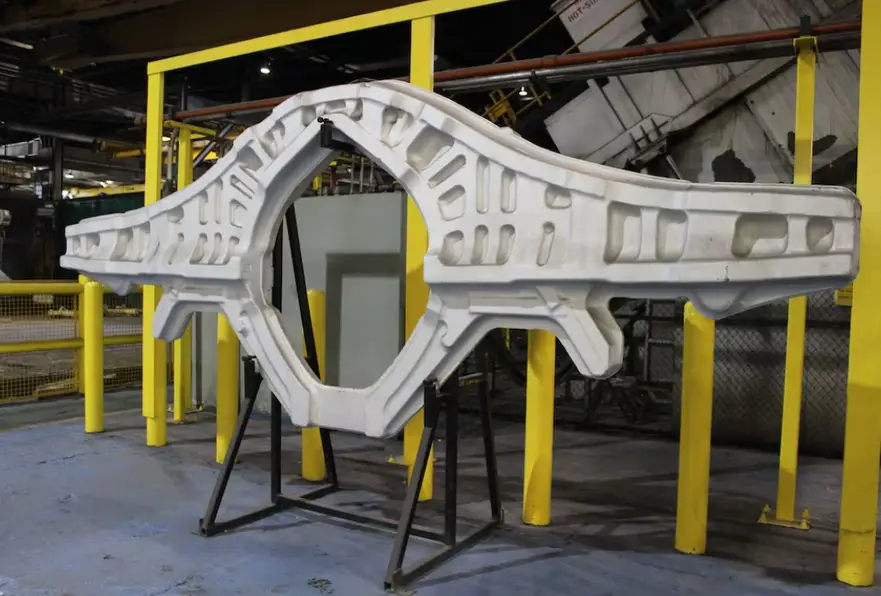
Forged aircraft part
Forging entails forming metal under intense pressure. The process enhances the material’s mechanical strength by manipulating the grain structure. For aerospace parts, forging will often precede CNC machining, which provides dimensional accuracy.
Benefits: Good strength, fatigue strength, and structural integrity
Limitations: Tolerances need refining, and geometric complexity is limited
Investment Casting
Investment casting, also called “lost wax” casting, starts with the formation of a wax pattern for the aerospace casting parts. A ceramic material is used to encase the pattern.
When the ceramic material is heated, the wax melts away. The resulting mold is used to produce aerospace casting parts.
Benefits: Supports complex geometries and good surface finish for aerospace casting parts
Limitations: Longer lead times, high tooling costs
Additive Manufacturing (3D Printing)
Additive manufacturing entails layer-by-layer building of metal parts. This manufacturing method can be used to produce complex, lightweight parts that are difficult to produce by CNC machining.
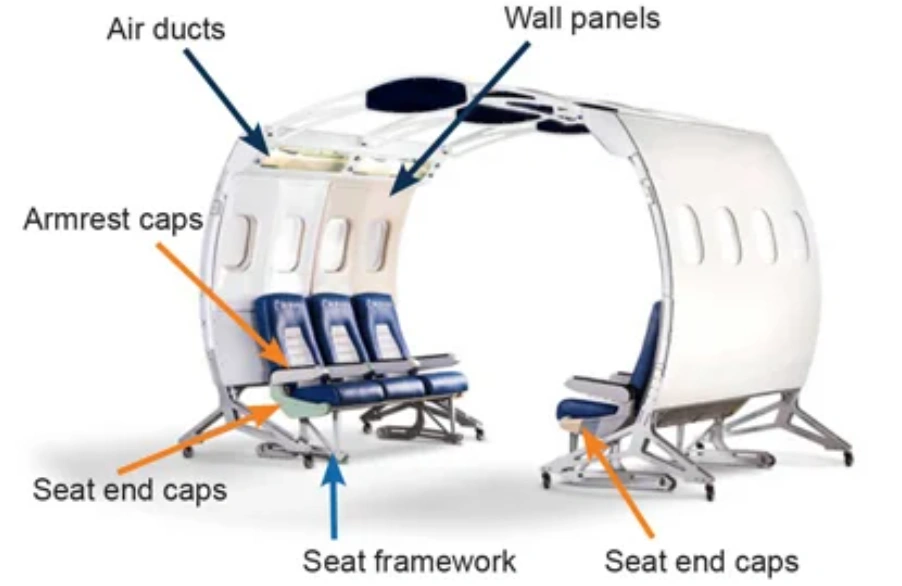
Aircraft 3D printed parts
Benefits: Unmatched design freedom, lightweight parts, low material waste
Limitations: Material & size limitations, relatively poor tolerances
Notable Aerospace Companies Using CNC Machining
Companies such as Boeing, Airbus, SpaceX, and GE Aerospace are renowned users of aerospace tooling and machining solutions for various manufacturing parts.
Boeing – 5-axis CNC machining technology for landing gear beams, wing ribs, and other parts.
Airbus – High-speed CNC milling to produce aluminum-lithium fuselage panels with maximum precision.
SpaceX – Making Inconel parts for the engine combustion chambers.
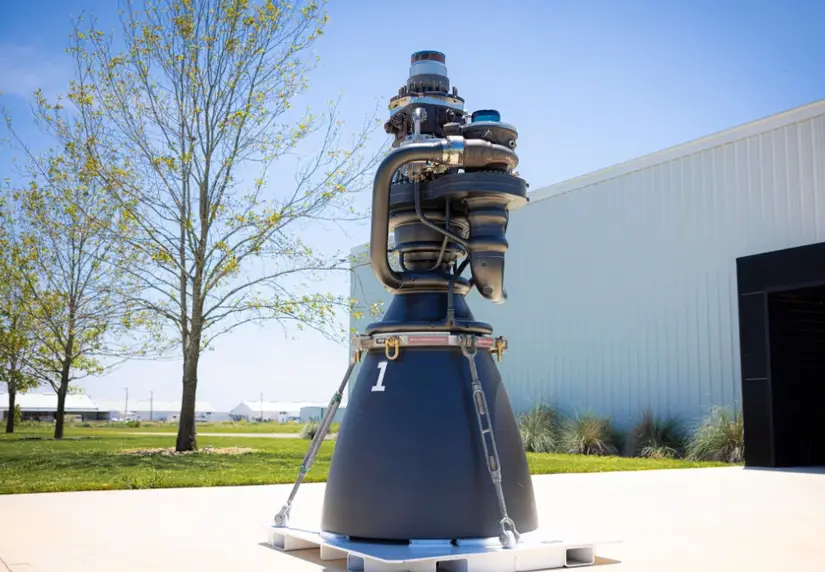
SpaceX engine
GE Aerospace – Advanced 5-axis machining solutions to manufacture nickel turbine parts.
Future of Aerospace CNC Machining
The future of aerospace CNC machining looks exciting, defined by constant developments fueled by modern technological advances. You can expect to see more and more of the following aspects in the industry:
- Use of super alloys and other advanced materials
- Better cutting and tooling technologies
- Increased automation
- More use of complementary additive manufacturing
- Use of digital twins and simulation tools
In Conclusion
As discussed in the article, aerospace CNC machining uses precision CNC turning, multi-axis milling, EDM, CNC drilling, and CNC grinding on a wide range of materials, including titanium, aluminum alloys, stainless steel, and others.
That’s how industry players get quality and reliable parts to cater to requirements for fatigue resistance, corrosion resistance, strength, low weight, and dimensional stability.
At ProleanMFG, we offer cutting-edge CNC machining solutions for our aerospace clients. Whether it’s aerospace prototyping or full-scale manufacturing, you can get all the parts you need under one roof.
Get in touch today to learn more about our aerospace CNC machining service.