
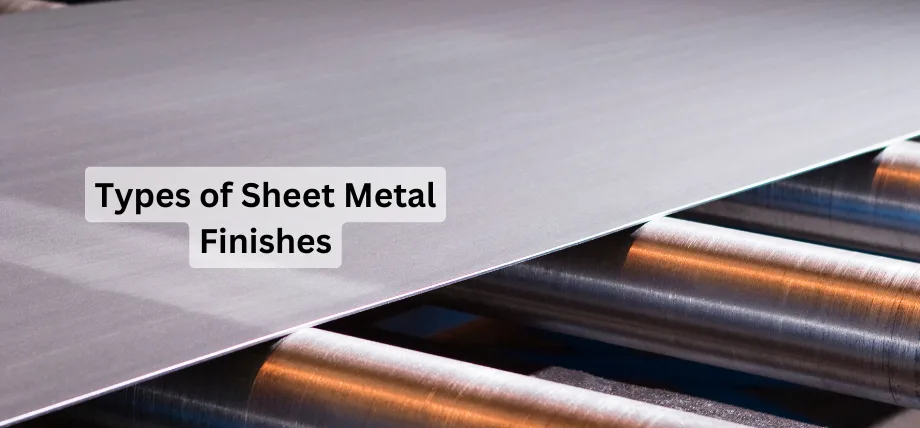

In manufacturing, precision sheet metal fabrication is a highly valued process producing a wide range of components and metal products. It is used in the construction, automotive, and aerospace industries.
The finishing process applied to the surface of sheet metal significantly influences the final metal part’s performance, durability, and aesthetic appeal.
You must choose the right sheet metal finish to enhance corrosion resistance and improve surface texture. The right choice also ensures that the metal surface’s functional and cosmetic requirements are met.
This article will explore the different types of sheet metal finishes and all their categories, like mechanical, chemical, and coating finishes, so that you can decide on the right finish for certain applications.
Mechanical Finishes
Characteristics like texture, visual appeal, and smoothness can be achieved by applying the sheet metal’s surface to physical processes that alter it.
You can apply a mechanical finish using an abrasive technique that upgrades the appearance of the metal and surface roughness without changing its chemical composition.
Below are some of the most common mechanical finishes available for sheet metal materials.
Brushed Finish
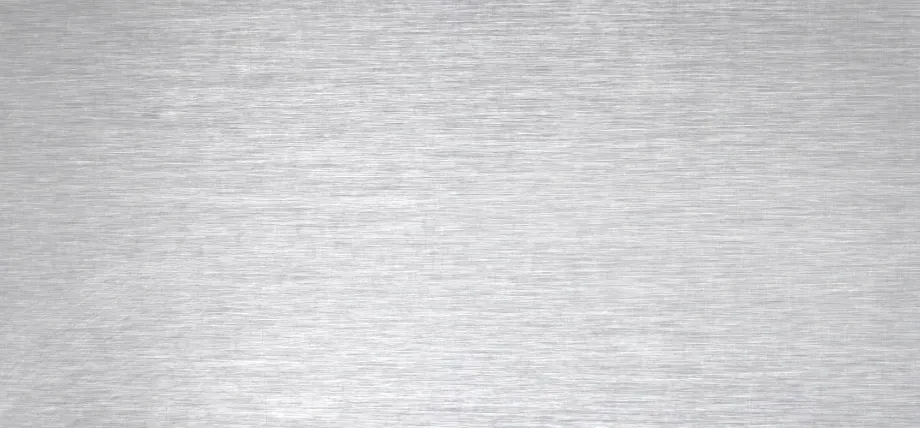
Brushed sheet metal
The brushed finish is obtained by using an abrasive belt or pad, applied on the metal surface in a linear motion. It creates a unidirectional grain, resulting in a matte surface with a fine linear texture.
Commonly, to create an acceptable appearance suitable for decorative applications such as architectural panels or appliance surfaces, the brushed finish is used for stainless steel sheets.
It improves the surface of the part by smoothing it and keeping it durable. Stainless steel finishes with the brushed texture are appreciated for thwarting minor scratches and wear and tear, especially in heavy-traffic environments.
Polished Finish
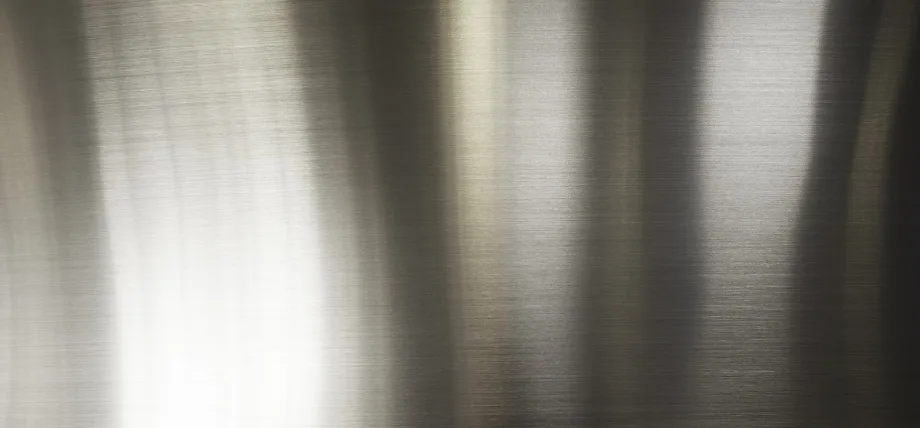
Polished metal
Polishing is done using finer abrasives to obtain a smooth surface on the metal. Polishing varies from matte to mirror finish depending on how refined it is.
Mirror finishing is extensive polishing resulting in a very reflective, that is, mirror-like surface, perfect, from aesthetics to functionality, as in cases for a very smooth finish, e.g., for medical instruments, food-grade stainless steel, etc.
Additionally, polishing reduces imperfections and maintains cleanliness, which improves the surface of the sheet metal. So, it is highly valued in hygienic environments.
However, you must handle the polished metal surface with care because it can be scratched.
Bead Blasted Finish
The bead blast propels fine glass beads at moderate pressure to create a uniform matte surface. This treatment results in a matte finish with low reflectiveness.
So, it is usually appropriate where an aesthetically appealing finish is desired but would otherwise be too glossy with a polished look.
Bead blast finishes are applied on stainless steel and aluminum alloys so that the surface texture is consistent enough that it prevents fingerprint marks and slight surface imperfections.
Among consumers, the finish is often used on electronic products and decorative metal pieces, which enhances the durability and sleek look.
Grained Finish

Grained sheet metal finish
A grained finish is produced by mechanically abrading the sheet metal surface with belts or wheels into a linear or circular pattern. This finish spotlights grain direction, which can greatly improve the appearance of a metal component.
Grained finishes are generally put on aluminum or stainless steel for a uniform finish that reinforces contemporary design. It also allows surface texture customization, which only makes the treated sheet metal parts more versatile for architectural or industrial applications.
Chemical Finishes
Electrochemical and chemical processes allow chemical finishes to modify the metal surface by enhancing properties such as corrosion resistance, hardness, or appearance.
For specific types of metal like stainless steel or aluminum, these finishes are most effective are widely used in demanding environments.
Anodizing
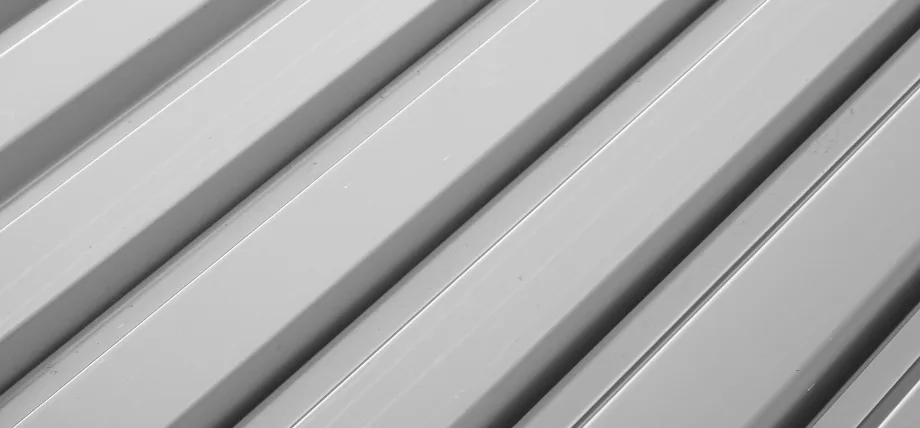
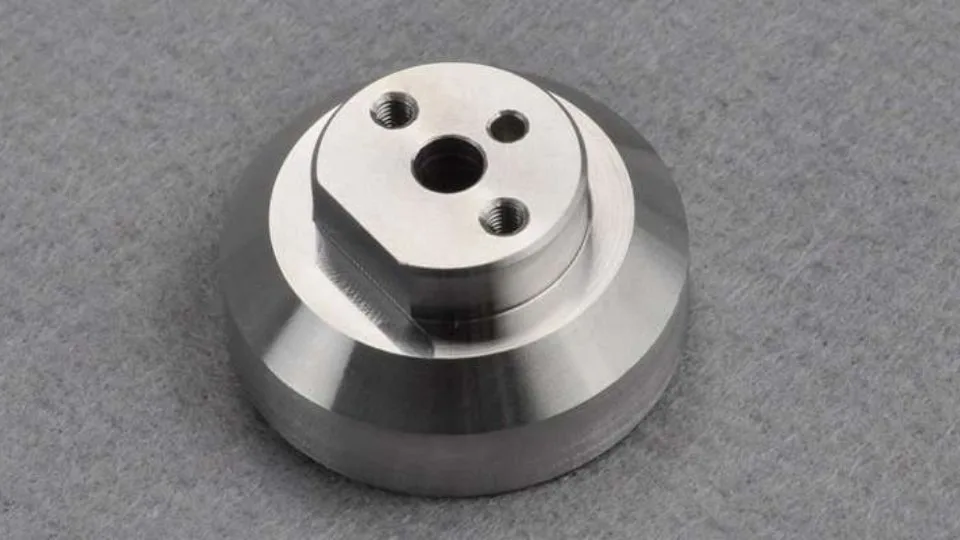
Anodizing is a term denoting an electrochemical technique that creates a protective layer of aluminum oxide on the surface of aluminum alloys.
The method remedies the natural thin oxide layer by growing it thicker through the transmission of an electric current across an electrolyte, consequently enhancing corrosion resistance and durability.
The anodized finish can be dyed in many colors for aesthetic appeal, so it is appropriate for architecture, consumer products, and so forth. The oxidized sheet metal will withstand scratches and wear since the anodized layer is hard and smooth.
Passivation
Passivation generally refers to treating stainless steel parts with a chemical solution, usually consisting of nitric acid or citric acid, for removing contaminants from the surface and allowing an oxide passive layer to be formed.
This oxide layer offers better corrosion resistance to the steel sheet, but making it suitable for harsh environments, such as marine or chemical process applications, requires extra coatings.
The passivation will not provide any significant alteration to the finish on the metal surface, allowing the metal to maintain its standard finishing appearance while improving its lifespan.
This finishing process is very crucial to ensure that stainless steel components have durability in industries that need to maintain corrosion resistance and hygiene.
Chemical Etching
Chemical etching uses either acid or alkaline solutions to selectively remove the material from the sheet metal surface, thereby creating patterns or textures. Usually, this process is carried out to create intricate patterns or to texture metal surfaces for both functional and decorative applications.
Etching brings about a reduction in surface roughness or an increase in adhesion of paints or coatings, leading to a very high-quality finish. It is a highly versatile method. Metal fabrication shops can use it to create intricate designs on sheet metal components for both functional and cosmetic purposes.
Pickling
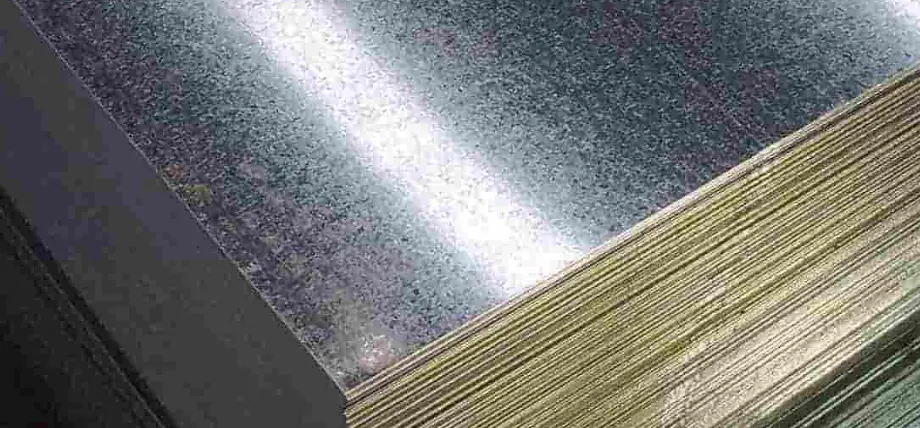
Pickling a metal surface
Pickling is a process of immersing the metal in an acidic solution to dissolve surface impurities like scale or rust from steel or stainless steel. It leaves a clean, smooth surface ready for further finishing or coating.
This improves their corrosion resistance, as well as renders the surface uniform to be worked on with different finishing methods.
Coating Finishes
Coating finishes involve applying a protective or decorative layer to the surface of the sheet metal.
Powder Coating
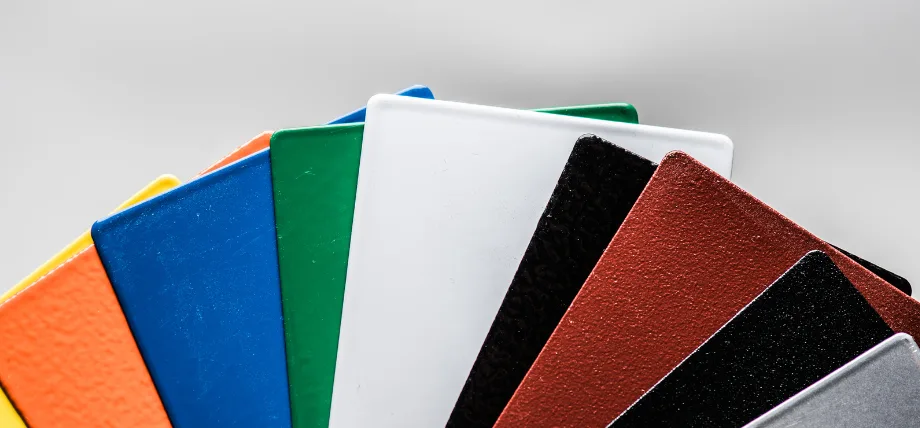
Powder-coated plates
Powder coating applies a dry powder to the metal surface; when heated, it produces a durable, protective coating. This method yields a smooth and even finish that is highly resistant to chipping, scratching, and fading.
Powder coating on steel and aluminum parts is widely used due to the diverse range of finishes it can provide, exciting colors, and textures.
This coating confers the greatest corrosion resistance, especially for outdoor use in automotive and architectural applications, where durability and an aesthetically pleasing finish are essential.
Painting
Painting takes paint as a liquid coating and applies it on the sheet metal surfaces using a spray or brush. Usually, this finish allows the greatest color choice and variety of texture and can be used for functional and cosmetic finishes.
Painting shields and protects metals from corrosion and environmental degradation. It is most commonly used on steel and aluminum parts that require a high-gloss or matte finish, depending on the application.
Proper surface preparation is critical to ensure adhesion and longevity of the painted finish.
Galvanizing
Galvanized finishes are widely used in construction and industrial applications, where steel parts are exposed to moisture or harsh weather conditions. The zinc coating provides a sacrificial layer, ensuring long-term protection for the underlying metal.
Galvanizing refers to coating steel parts with zinc for corrosion protection. The zinc acts as a strong and corrosion-resistant barrier when applied to the steel by hot-dip galvanizing or other means, consequently lengthening the lifespan of the steel component.
Galvanized finishes are commonplace in construction and industrial settings, where steel parts are exposed to moisture or weather. As the zinc layer is sacrificial, it ensures that zinc-coated steel parts enjoy long-term protection.
Electroplating
An electroplating process will deposit a thin layer of metal. Various metals can be used, like zinc, nickel, and chrome-on the surface of the sheet metal. So, it is employed to enhance the look of the metal, resistance to corrosion, and resistance to wear.
Electroplated finishes are frequently provided to give a shiny reflection, which makes them ideal for decorating applications.
This finishing is also applied to the surfaces of steel or stainless steel parts to enhance durability and aesthetics in industries ranging from automotive to consumer electronics.
As a result, these finishes enhance both the functional and aesthetic properties of the metal, offering a wide range of finish options to suit specific requirements.
Choosing The Right Sheet Metal Finish
Selecting the appropriate sheet metal finish is a highly crucial decision because the performance, longevity, and aesthetic appeal of the final metal part depend on it.
The choice can be made by factoring in the type of metal, the intended application, environmental conditions, and desired visual outcome.
You must consider the following factors:
Application Requirements:
Determine the functional needs of the sheet metal part.
For example, components exposed to harsh environments such as marine or chemical conditions require treatments such as passivation or galvanizing for increased corrosion resistance.
Decorative applications, on the other hand, may demand a brushed or polished finish that is suitable for aesthetic needs.
Material Compatibility:
Make sure the finish used is compatible with the metal type.
For instance, anodizing is suitable for aluminum alloys, but powder coating or galvanizing finishes are more suitable for steel parts.
Stainless steel finishes, like passivation, are designed to complement the inherent properties of stainless steel sheets.
Environmental Conditions:
Take into account the environment where the metal component will find application.
Outdoor applications call for sturdy and corrosion-resistant finishes such as powder coating or galvanizing, whereas interior surfaces may consider cosmetic finishes such as polishing or bead blasting for a smooth or textured finish.
Cost and Production Constraints:
Keep in mind the budget and capability of the metal fabrication shop. Some finishing techniques, like electroplating or anodizing, may add to the cost.
Maintenance needs:
Assess the finish requirements, such as long-term maintenance.
For instance, a polished mirror-like finish may require cleaning every day to keep it looking good, whereas a powder coat or galvanized finish could be ideal for sustained weathering and performance.
The technical and aesthetic requirements must be looked at in tandem to make the best choice of the finish.
Stainless steel sheet polishing or passivation helps maintain hygiene and corrosion resistance in food processing plants, whereas galvanizing or powder coating would protect steel parts of outdoor structures from weathering.
By carefully assessing these factors, engineers and designers can select the right finish to meet both technical and aesthetic requirements.
For example, a stainless steel sheet used in a food processing facility may benefit from a polished or passivated finish to ensure hygiene and corrosion resistance, while a steel part in an outdoor structure may require galvanizing or powder coating for protection against weathering.
Sheet Metal Fabrication Services
PROLEANMFG offers sheet metal fabrication services, including sheet metal bending, sheet metal welding, sheet metal punching, and many other finishing services for sheet metal parts.
Get an absolutely free quote today!
Conclusion
The selection of an appropriate sheet metal finish is a pivotal step in ensuring the functionality, durability, and aesthetic quality of metal products. Each type of finish—whether mechanical, chemical, or coating—offers unique benefits tailored to specific applications and types of metal.
By aligning the choice of finish with application requirements, material compatibility, environmental conditions, and aesthetic goals, manufacturers can achieve optimal performance and visual appeal in their sheet metal components.