How does Swiss turning support slender parts?
In guide-bushing operation, the rotating bar advances through support close to the tool. This limits unsupported length during cutting. It reduces one source of deflection; it does not remove all vibration or guarantee a tolerance.
How does Swiss turning differ from conventional turning?
A common Swiss route uses a sliding headstock and support near the cutting zone. Conventional turning typically holds stock in a chuck or collet and moves tools along it, with extra supports when needed. Some Swiss machines offer non-guide-bushing operation. Select by geometry and the actual configuration.
What bar-stock details should I provide?
Provide alloy, condition, bar diameter and variation, straightness, surface quality and required material records. Bushing fit and feeding requirements may justify stock preparation. Confirm sourcing and inspection requirements in the quote.
Can a Swiss part need secondary operations?
Yes. Tool access, machine configuration, transfer gripping, cut-off requirements, burr removal, finishing or inspection can require additional steps. Integrated cross drilling or back work depends on the available tooling and setup.
How are diameter limits and tolerances confirmed?
Submit the drawing and stock details. Actual bar capacity, support arrangement, feature geometry, material, final treatment and measurement method determine feasibility. Conflicting legacy diameter and tolerance figures are not adopted as unconditional limits here.
How do quantity and complexity affect cost?
Compare programming, setup, bar preparation, cutting, secondary work, finishing, inspection and material utilization at your quantity breaks. A repeat run may distribute setup costs across more parts, but Swiss does not automatically produce a cheaper part.
How is batch consistency assessed?
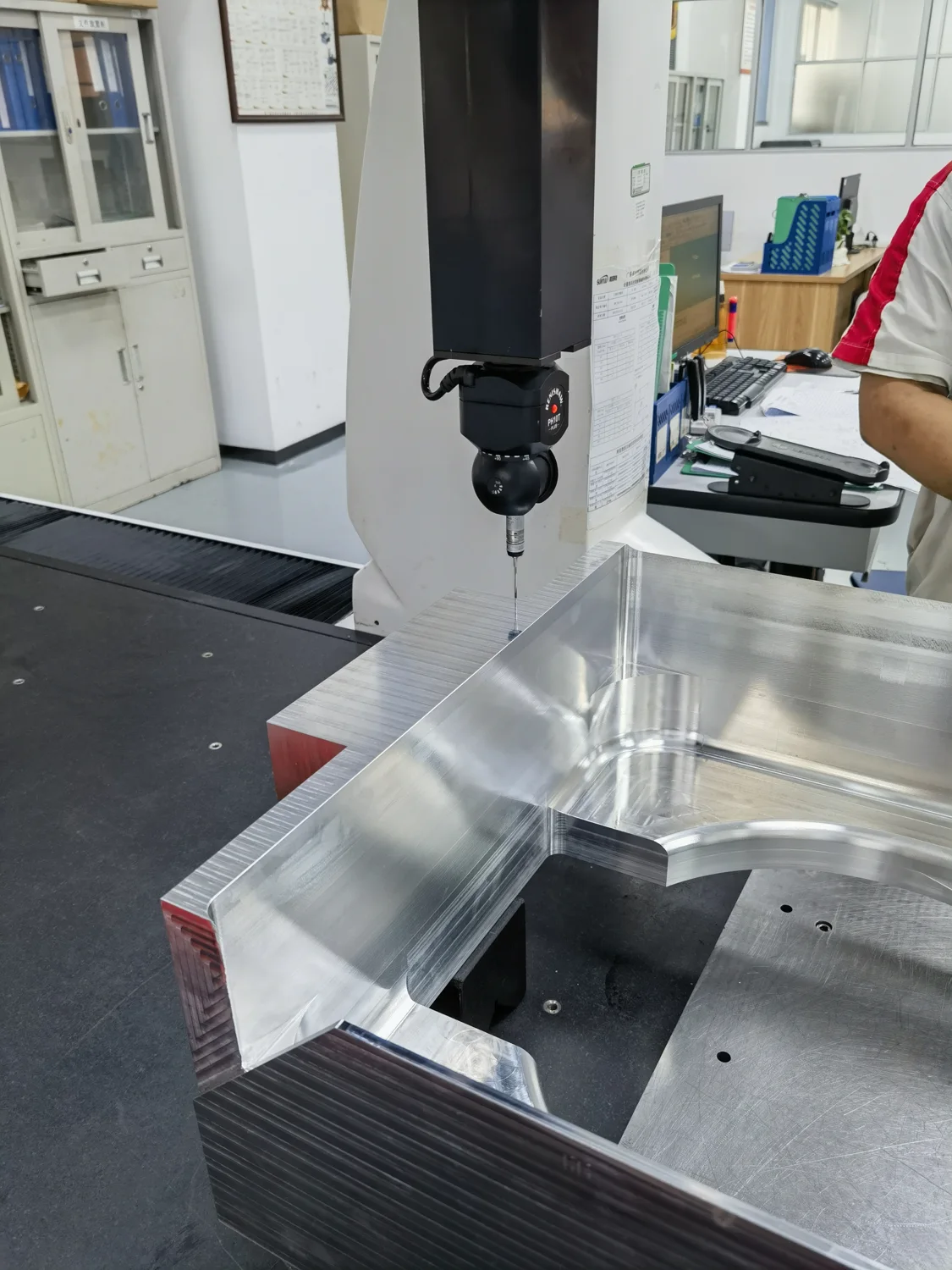
Agree critical characteristics, first-article approval, sampling and tool-wear checks, with material and revision traceability. Define the inspection state of slender parts. Process capability claims require appropriate production data and an agreed study.
What files and schedule information are needed?
Send STEP/STP or IGES and a controlled PDF drawing, material/condition, quantities, finish, inspection scope and target date. Manufacturing lead time depends on sourcing and the complete route; it differs from quote response time. Quote links open the existing RFQ page.