
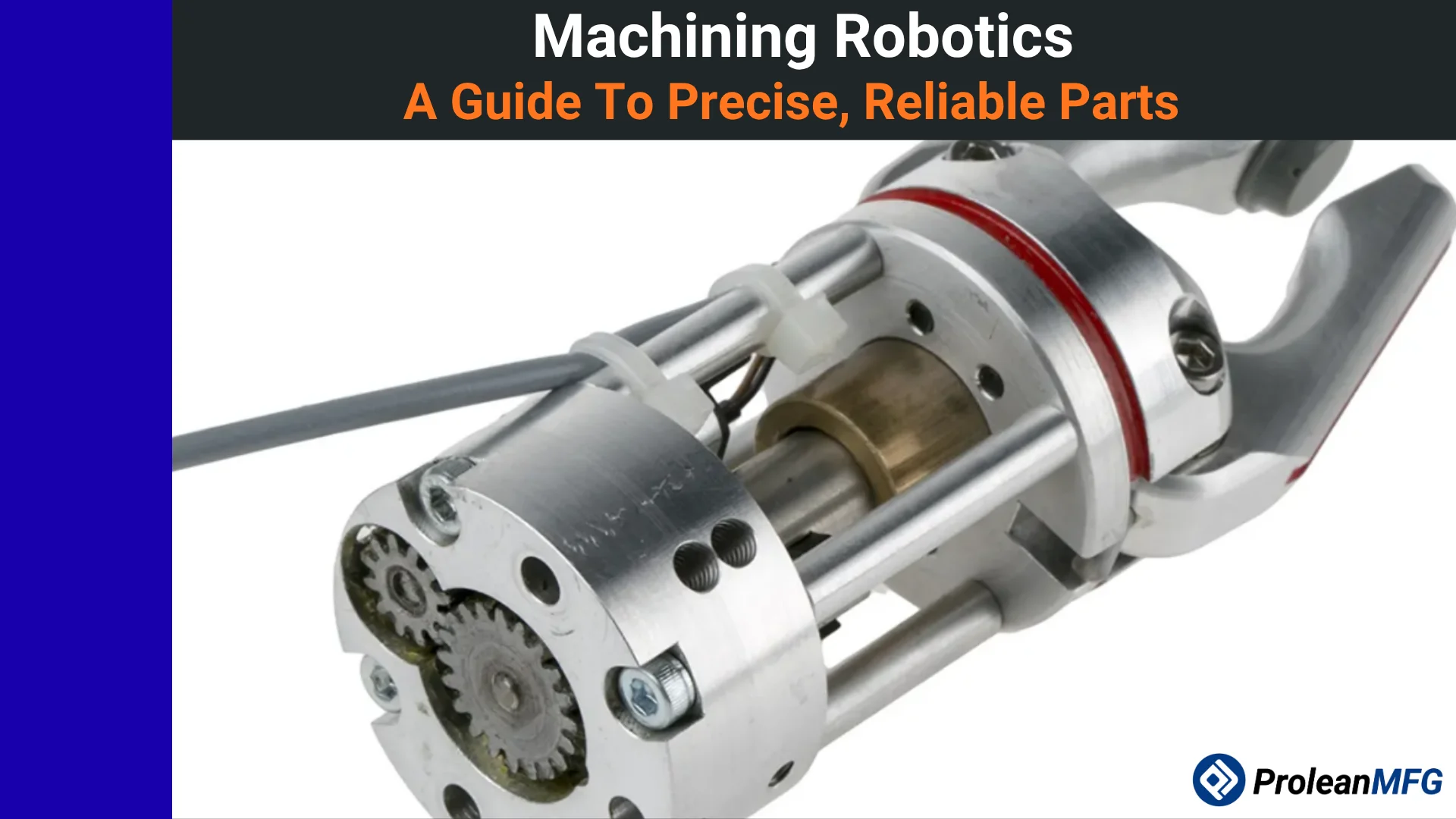

Precision is second nature to robotics machining. A housing seated incorrectly or a misaligned shaft can jeopardize the accuracy of the whole system. Robotics manufacturers live with this reality of machining robotics.
For effective machining robotics, the question is how to produce precise parts for consistent, repeated, and dynamic performance.
CNC machining ticks many important boxes, including predictable accuracy, material versatility, and tight tolerances. It is dependable for actualizing designs for end effectors, structural frames, and other robotic components.
Whether you are producing a full run of sensor housings or a single prototype frame, CNC machining can deliver the results you require. The details are within this comprehensive guide, which covers processes, materials, tolerances, and finishes.
Keep reading.
Key Takeaways
- Precision robotics manufacturing depends on CNC machining for parts. Benefits include material versatility, tolerances as tight as ±0.005 mm, fast turnaround, and repeatable, scalable production.
- Material type and surface finish decisions are as important as those of part geometry. Titanium Ti-6Al-4V suits surgical robots, 7075-T6 aluminum is ideal for strength, 6061-T6 aluminum supports machinability, and 17-4 PH stainless steel is preferable for couplings and shafts. Finish options include powder coating, passivation, and Type II and Type III anodizing.
- Robotics machining tolerances are tighter than in standard CNC machining work. Standards applied include ISO 2768 and ASME Y14.5.
What is Machining Robotics?
Machining robotics refers to using precision machining methods to produce robotic parts such as shafts, gears, mounts, end-effectors, and frames. These components are designed to withstand dynamic loading, structural reliability, and tight tolerances.
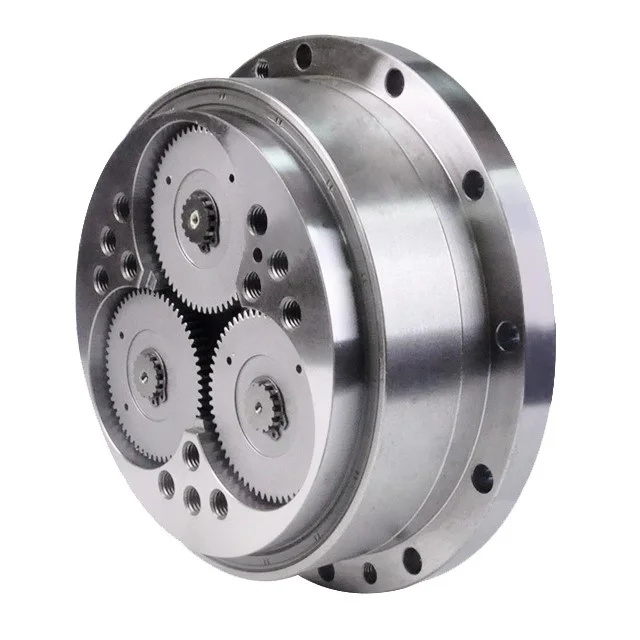
One measure of quality manufacturing is consistency. A machine meant to perform the same riveting operation countless times a day must be manufactured to the tightest tolerances. CNC offers this characteristic. It is a perfect fit for producing a variety of robotics parts.
ProleanMFG produces quality, precise, and durable machined parts for robotics. We understand the stakes involved, so we maintain the highest quality standards.
How Does CNC Machining Influence Robotics Manufacturing?
CNC machining is the manufacturing backbone that turns robot machining designs into advanced, reliable machines. The technology matters because it offers speed, material versatility, precision, repeatability at scale, and the ability to produce complex geometries.
- Production Speed: The time from CAD to finished part is relatively short – several days. The manufacturing team can iterate designs quickly and release the robotic product to the market.
- Material Versatility: CNC machining supports a wide range of materials from metals such as aluminum and titanium to plastics such as PEEK.
- Precision: A tolerance of ±0.005 mm offers the accuracy required for actuators, gears, and joints.
- Repeatability at Scale: The first CNC-machined part and the 200th one match. This repeatability supports assembly and system maintenance.
- Complex Geometries: Multi-axis CNC machining requires few setups to produce intricate frames and housings. Incremental errors are minimized.
Main Machining Processes for Robotics Manufacturing
Specialized machining processes for robotics include CNC turning, CNC milling, CNC grinding, 5-axis machining, and CNC Swiss machining. Engineers choose each process based on functional and complexity requirements.
CNC Turning
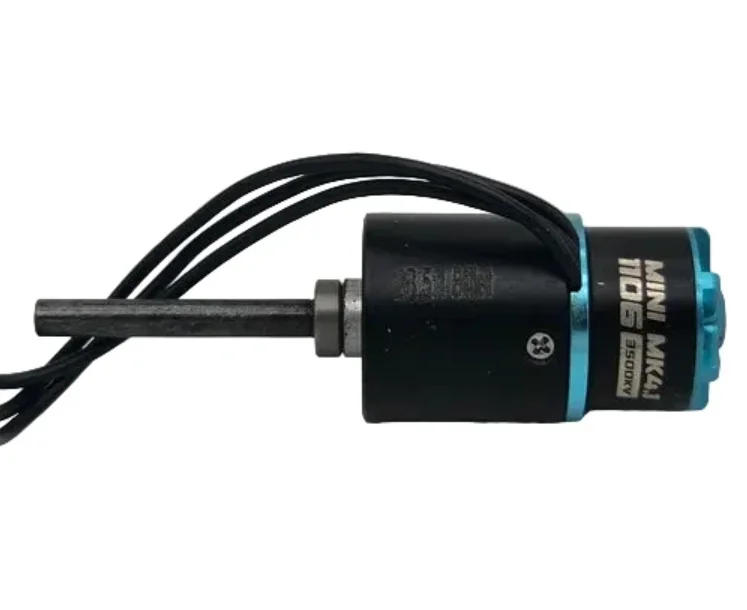
CNC turning is used in the initial stages of producing cylindrical components such as wheels and shafts.
CNC Milling
CNC milling is a preferred machining process for parts with complicated shapes. Slots and grooves in robotics are good examples. Specific parts include structural frames and actuator housings.
CNC Grinding
Computer-controlled abrasive wheels achieve smooth finishes on robotic parts. It can be used on internal surfaces, external surfaces, or contoured surfaces.
5-Axis Machining
Some robotic parts are easier and faster to produce through the more complex 5-axis machining method. The most relevant area is in robotic joint manufacture. The interaction of three linear axes and two rotary axes minimizes setup errors and ensures precision machining of this critical component.
CNC Swiss Machining
The CNC Swiss machine has distinct features: a guide bushing and a sliding headstock. It is useful in manufacturing long, slender parts such as tiny shafts, sensor housing pins, and transmission pins.
Materials for Parts in Machining Robotics
While high-performance polymers are gaining traction, conventional alloys are still relevant in robotics production. Options like aluminum, copper, and steel offer good mechanical properties and corrosion resistance. Engineering plastics also play a role in robotics manufacturing.
Aluminum Alloys
Aluminum alloys are widely used for machined robotics parts. They are lightweight, corrosion-resistant, cost-effective, and easy to machine. These properties may vary depending on the specific aluminum alloy.
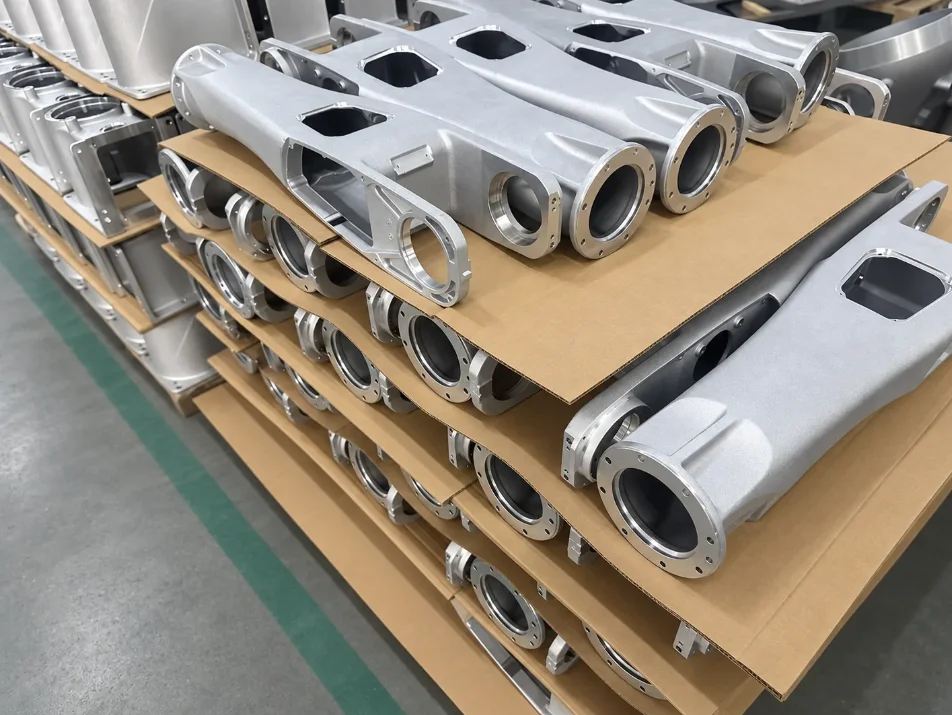
For many robotics machining projects, the main aluminum alloys are aluminum 7075-T6 and aluminum 6061-T6. 7075-T6 offers extra strength, while 6061-T6 is more machinable.
Titanium Ti-6Al-4V
Titanium machining difficulty is well-documented, but the metal’s corrosion resistance, strength, and biocompatibility are too good to ignore. With effective process control, Ti-6Al-4V helps make dependable parts for medical end-effectors and surgical robotics.
Stainless Steel
17-4 PH stainless steel is popular for loaded parts such as shafts and couplings. It is stiff and strong. A higher corrosion resistance than aluminum means this material could be a good alternative if its higher cost and lower machinability are not top considerations.
Engineering Plastics – PEEK
Engineering plastics are commonly used for lightweight components such as wheels, insulators, and bushings. PEEK is a popular machinable engineering plastic for robotics parts.
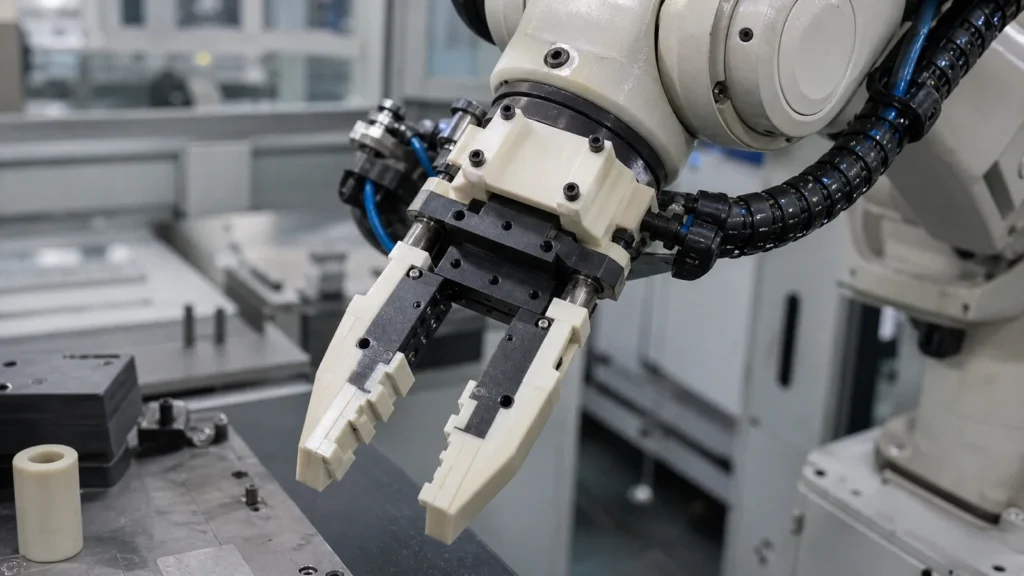
PEEK’s chemical resistance is a major benefit in robotics, though machining should address the risk of heat deformation.
Robotics Parts Made by CNC Machining
Structural parts, end effectors, and sensor/electronic housings are the main components that incorporate CNC machining. Each has its set of requirements, including material rigidity and part precision.
Structural Parts
Frames and mounts for robotics should be firm and precisely aligned for system support. Shafts and other motion components require tight tolerances to transmit power efficiently.
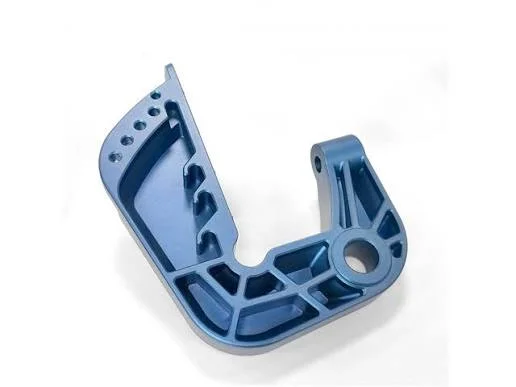
End Effectors
Precision is vital for end-effectors. CNC machining ensures this through;
- Geometrical precision
- High dimensional accuracy
- Wear-resistant contact surfaces
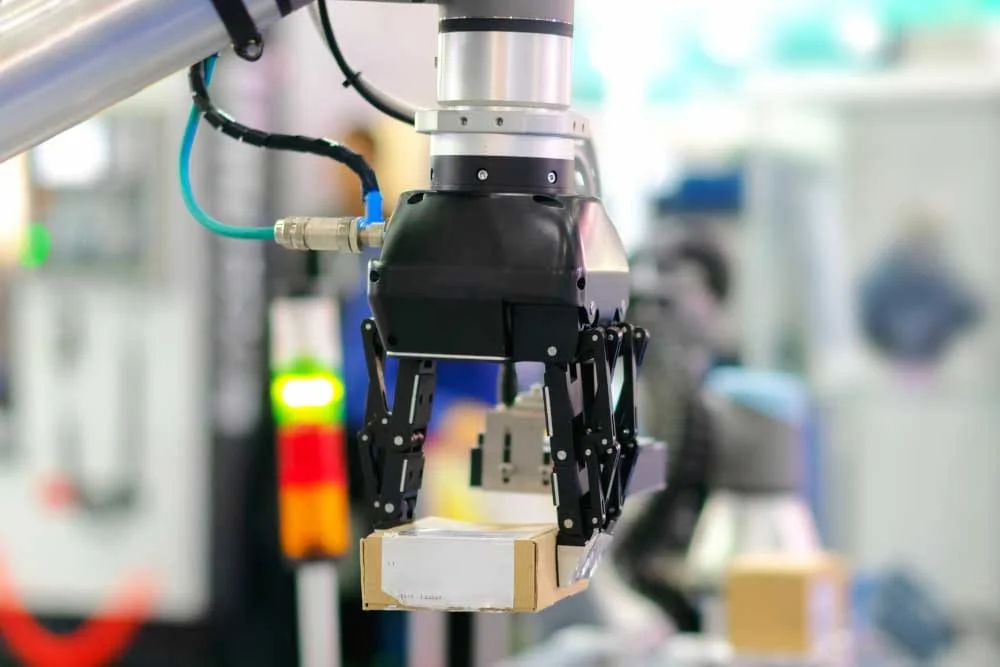
Sensor/Electronic Housings
Sensors and electronic housings protect the essential robotic components. Beyond that, they ensure the components remain at their designated locations. Again, CNC is a valuable technology because it can make;
- Accurate mounting geometry
- Impact-resistant enclosures
- Tight seams
Surface Treatment Methods for Machining Robotics
Regarding surface treatment, nickel/gold plating, passivation (stainless steel), hard coating, and anodizing (aluminum) are the main functional finishes. Aesthetic finishes are also applied; the options are bead blasting and powder coating.
Nickel/Gold Plating
Nickel and gold plating apply a thin layer of the material on robotic parts for wear and corrosion resistance. The nickel-copper combination is popular in PCB manufacturing.
Nickel is often applied first to provide a barrier between gold and copper. The gold layer is then applied on top, primarily to promote corrosion resistance and conductivity.
Passivation (Stainless Steel)
Passivation enhances the corrosion resistance of stainless steel by removing free ions from the metal’s surface. Since passivation is a chemical process, it is very effective in corrosion resistance for shafts and other parts that could be exposed to humidity.
Hard Coating
Hard anodizing (Type III) is a preferable treatment for parts that are perpetually mechanically loaded – sliding joints and gears. It can also be used for electrical isolation in the robotic device.
Anodizing (Aluminum)
Anodizing (Type II) is a widely adopted surface finish for aluminum. Its main function is corrosion resistance, but it can also be used for color coding in assemblies.
Bead Blasting
The fine ceramic or glass media produces a matte finish on the machined surface. This mechanical process does more than just deliver a professional appearance; it also hides small machining marks.
Powder Coating
Powder coating is a dominant dry surface finish for machined parts for robotics. The process produces a chemically resistant and durable coating that can be specified to meet the diverse functional requirements in robotics.
Different operating conditions for robotics are covered by different powder coating specifications, including for ESD-sensitive areas, collaborative robots, and industrial robots.
Tolerances and Quality Standards for High-Performance Machined Parts for Robotics
Part precision is more important in machining robotics than in standard CNC work. It affects repeatable motion and positional accuracy.
Robotic manufacturers depend on the tolerances derived from ASME Y14.5 and ISO 2768. [1][2]
The standard requirements for general dimensions, thread quality, bearing fits, and surface finish are as outlined below.
| General Dimensions | ISO 2768-m |
| Thread Quality | 6g external, 6H internal |
| Bearing Fits | Clearance fits – H7/g6Press fits – H7/p6 |
| Surface Finish | Non-contact surfaces – Ra 3.2Mating surfaces – Ra 0.8 – 1.6 |
CNC Machining vs Other Robotics Manufacturing Methods
CNC machining, injection molding, die casting, and 3D printing can be compared along material performance, design complexity, manufacturing precision, cost-effectiveness, and production cycle.
Material Performance
CNC machining uses manufacturing-grade engineering plastics and metals. The machined robotic parts have mechanical properties that closely match the final part.
Injection molding and 3D printing compromise in aspects such as layer adhesion and fillers.
Design Complexity
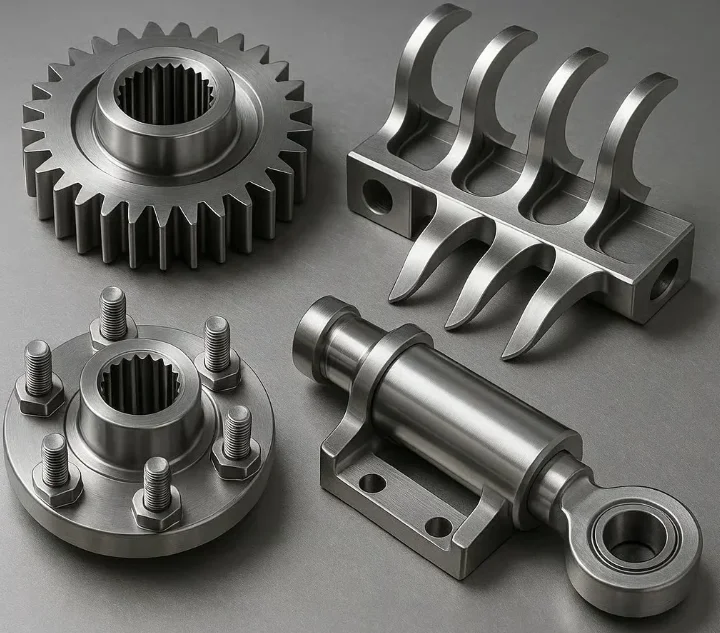
CNC machining using advanced 5-axis technology can produce complex geometries, but 3D printing and injection molding win in certain areas. 3D printing thrives in internal geometries, where it would be impossible to use CNC machining. Injection molding is a better method for uniform-thickness parts in high volumes.
Manufacturing Precision
CNC offers the highest possible precision compared to injection molding, 3D printing, and die casting. 3D printing usually requires secondary machining for quality surface finish and tolerance.
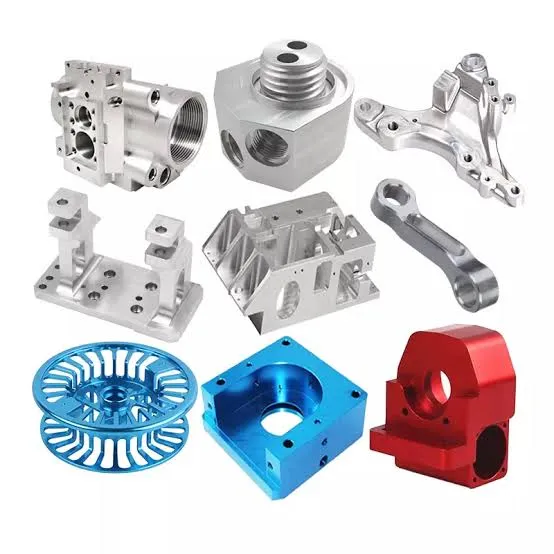
The precision of injection molding and die casting is tool-dependent, so it reduces over time as the tool wears out.
Cost-Effectiveness
The lack of tooling costs makes CNC machining more cost-effective for low to medium volumes. Die casting and injection molding become more affordable per part as the initial tooling investment starts to pay off.
Production Cycle
With no tooling lead time, CNC machining has faster turnaround than injection molding and die casting. The weeks-long tooling duration for injection molding and die casting increases the lead time significantly.
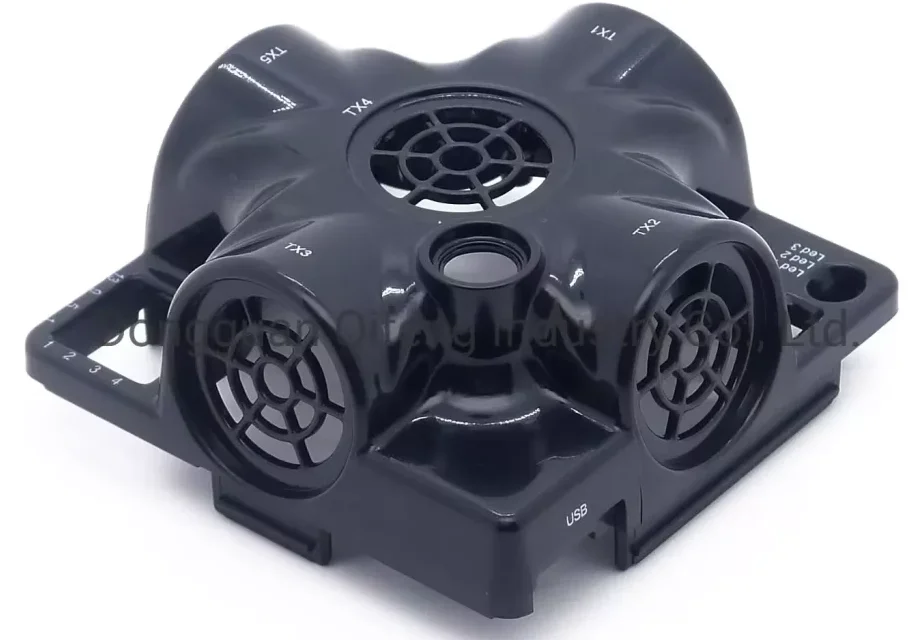
However, once the tooling for injection molding and die casting is ready, speed per part is faster. The production cycle for 3D printing is the slowest of the four options.
Advantages of CNC Machining in Robotics
The benefits that make CNC machining a preferred choice in robotics manufacturing include;
- Wide material compatibility
- Good mechanical properties
- No tooling costs
- Tight tolerances
- Fast turnaround
Limitations of CNC Machining in Robotics
CNC machining may not be used for some robotics parts for these reasons;
- Limited geometrical capability for some complex parts
- Longer cycle times for intricate jobs
- Higher material waste – a major concern for titanium and other expensive materials
- Higher cost at volumes – per part
Cost Drivers in Machining Robotics
The cost of a machined robotics part depends on factors such as part geometry, production volume, tolerance requirements, surface finish specifications, and type of material.
- Part Geometry – Machining complex geometry can require multiple setups and tight tolerances, which can increase cost
- Production Volume – The per-part cost in machining increases with production volume, although the rate is not as high as in injection molding
- Tolerance Requirements – When tight tolerances are specified, the machining process tends to last longer due to more inspection time and slower machining speeds.
- Surface Finish Specifications – Secondary processes such as anodizing and plating are also notable cost drivers.
- Type of Material – Aluminum and standard steel are significantly more affordable than PEEK and titanium.
Challenges in Machining Robotics
Machining robotics presents specific challenges such as;
- Striking a balance between strength and weight
- Safeguarding slender and thin-walled parts
- Machining titanium and other difficult materials
- Maintaining tight tolerances in assemblies
Summary
Machining plays a critical role in robotics manufacturing, delivering the precision, quality, and cost-effectiveness required in modern systems.
From material versatility and capability to embedding modern technology, smooth surface finish and the capability to meet tight tolerances, machining is a technology of choice for anyone looking to manufacture reliable robotic systems.
For you to experience the full potential of CNC machining for robotics, you need a machining partner who gets it right the first time. Our CNC machining services cover what this guide has expounded on, from sensor covers to frames. The parts are designed and built for the rigours of robotics.
Upload your part design today; let’s review it and respond within 24 hours, and then witness us deliver a precise part for your robotics project.
Resources
[1]. https://www.gdandtbasics.com/asme-y14-5-gdt-standard/
[2]. https://qualityforum.zeiss.com/migration/images/137_8bb2b6eeb6a9e6554d254c216a890c89.pdf