


Inconel machining is challenging, considering Inconel 718’s commonly cited 10% AISI machinability. [1] This is poor by the standards of reference steels. For its toughness, the material is used to produce parts for some of the most challenging industrial environments, including corrosive exhaust gases and high-temperature jet-engine environments.
Correct Inconel machining is a key requirement – a wrong feed rate or toolpath can chip the tool’s cutting edge, scrap the workpiece, or work-harden it.
Inconel machining challenges and the quality of the machined parts can be tied to one issue: The superalloy’s low thermal conductivity, high nickel-chromium content, and machining-related work hardening.
Understanding the link between properties and machining is key to unlocking the superiority of Inconel’s machined parts in demanding environments. Read on for more about machining Inconel, including grades, machinability, and applications.
What is Inconel?
Overview
Inconel® refers to a group of high-strength nickel-based superalloys with excellent heat resistance and corrosion resistance. Its building blocks are nickel/chromium and iron/steel, but there are additional elements – copper, cobalt, titanium, and others.
Key Inconel properties
The key Inconel properties are high corrosion resistance, high heat resistance, and difficulty in machining. These properties make Inconel stand out from other CNC machining materials and determine how the machined parts perform.
- High Corrosion Resistance – Inconel resists corrosion from water and many chemicals. This makes Inconel machined parts valuable in energy and chemical processing industries.
- High Heat Resistance – Inconel 718 can be used from sub-zero temperatures to approximately 704°C.[1]
- Difficult to Machine – Inconel is difficult to machine. It negatively affects several machining metrics, including tool wear, required machining power, and surface finish quality
Common Inconel grades: What the buyer should know
The four most common Inconel grades are 600, 625, 718, and X-750. Grade selection affects the material cost, machining time, tooling, and the level of technical support required for consistent performance.
A reputable Inconel manufacturer can guide clients on the correct grade. Important qualifications of a grade are the required mechanical performance, corrosion resistance, machining requirements, and thermal resistance.
| Inconel Grade | Key Properties | Common Applications |
|---|---|---|
| Inconel 600 | Carburization at high temperatures and good heat resistance | Heat treatment fixtures, furnace parts |
| Inconel 625 | Corrosion-resistant, approximately 17% on the AISI Machinability Index [2] | Fluid handling systems, chemical parts, and exhaust systems |
| Inconel 718 | 10% on the AISI Machinability Index, difficult to machine [1] | High-stress fasteners, turbine discs |
| Inconel X-750 | Excellent performance at high temperatures, corrosion resistant, oxidation resistant, strong | Fasteners, springs, gas turbine components |
What are the Advantages of Inconel in CNC machining?
CNC-machined Inconel parts provide heat resistance, oxidation resistance, corrosion resistance, strength, and dimensional stability.
- Heat Resistance – The superalloy maintains dimensional stability and strength at high temperatures
- Oxidation Resistance/Corrosion Resistance – Inconel works perfectly under chemical and exhaust gas conditions
- Fatigue/Creep Resistance – This material is dependable in mechanical loading and cyclic thermal applications
- Dimensional Stability – Inconel is a dependable material with exceptional dimensional stability under sustained stress and heat.
What are the Disadvantages of Inconel in CNC Machining?
The main limitations of Inconel in CNC machining are high cutting forces, limited tool life, high manufacturing cost, poor thermal conductivity, and rapid work hardening.
- High Cutting Forces – They cause tool deflection and wear. The results, for instance, for tool deflection include loss of dimensional accuracy.
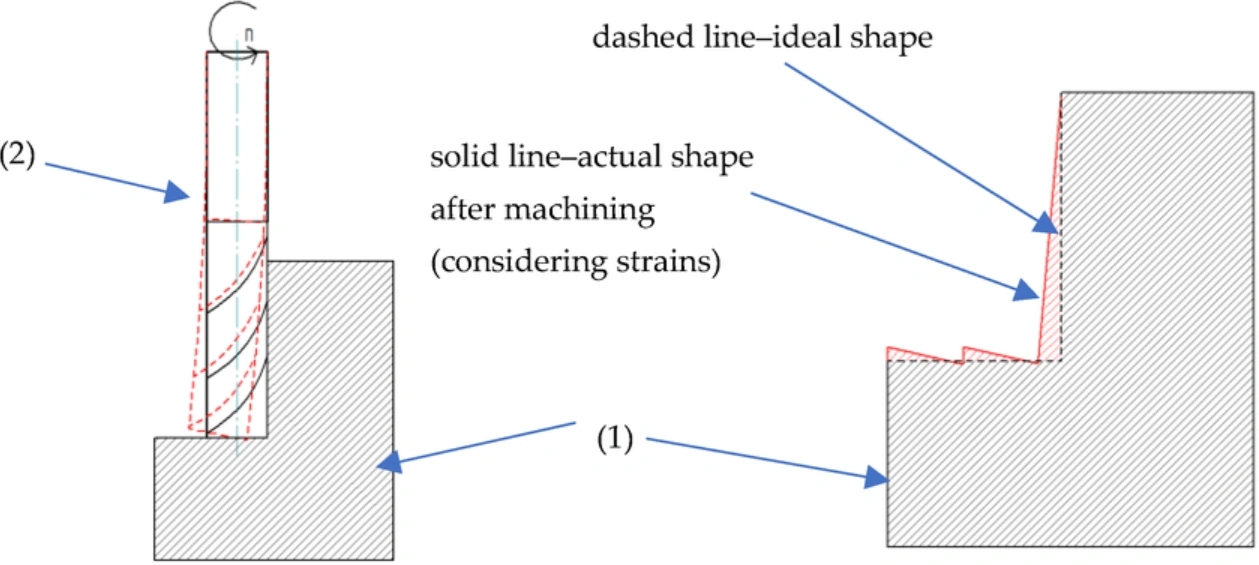
Effect of tool deflection
- Limited Tool Life – The carbide cutting tool for machining Inconel can last approximately 20-40 minutes.
- High Manufacturing Cost – Tool wear, slow machining speeds, and stringent inspection requirements add up to high production cost
- Poor thermal conductivity – Due to Inconel’s poor thermal conductivity, heat doesn’t dissipate effectively; it concentrates at the cutting edge
- Rapid work hardening – The Inconel 718 machined surface can reach 360 H.V [3], which can exceed that of the cutting tool.
Where are Inconel machined parts used?
Popular application areas for Inconel machined parts are industrial and energy systems, structural and thermal parts, and gas turbine engine parts.
Industrial and energy systems – These include sealing components, heat exchanger parts, and furnace fixtures that operate at high temperatures for long durations.
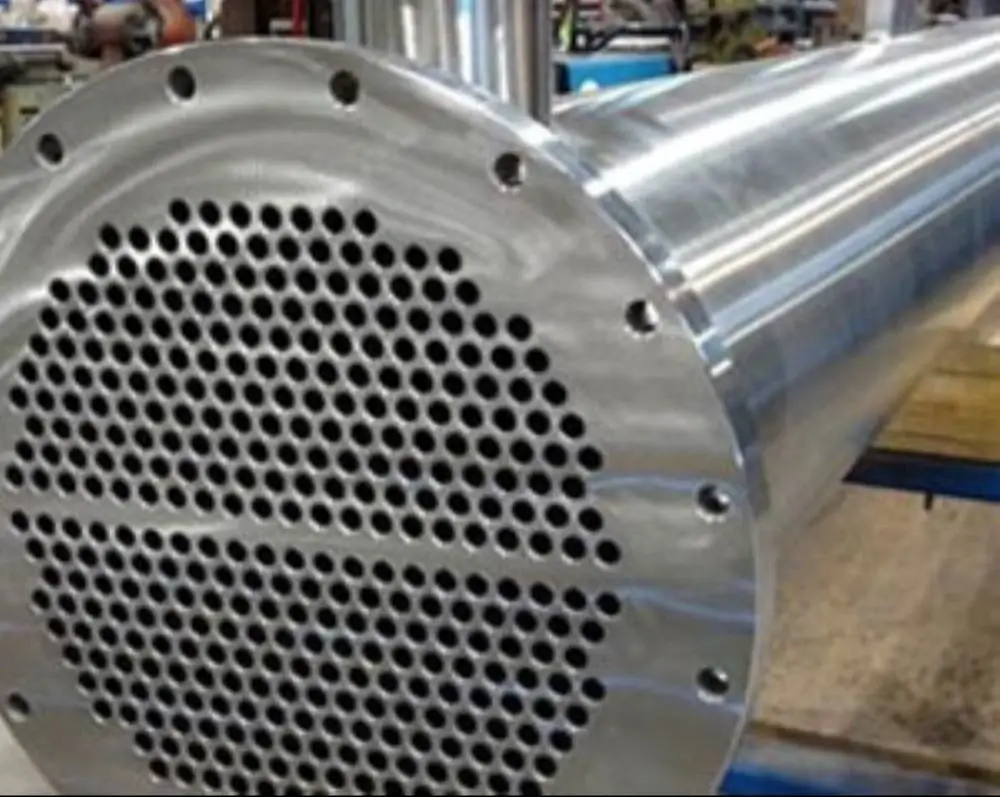
Inconel heat exchanger part
Structural and thermal parts – Mostly associated with the aerospace industry, aerospace Inconel parts include mounting brackets and exhaust sections.
Gas Turbine Engine Parts – These parts operate at high rotational speeds: turbine blades, discs, and seals
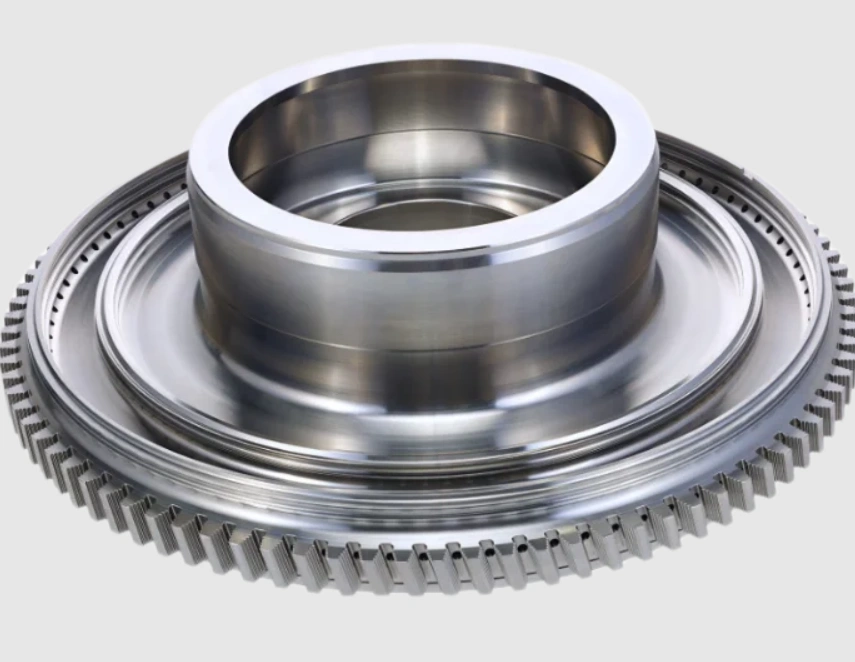
Inconel turbine disc
What is the Machinability of Inconel?
Using the AISI Machinability Index benchmark, Inconel 718 is at 10% and Inconel 625 at 17%. [1][2] This is poor based on the performance of other structural alloys.
Since the machinability score is too low, machinists may not consider the machining speed. The debate shifts to how to protect the surface quality and tool health.
The tool life is measured in minutes, not hours, as it would be in other metals and structural alloys.
Why is Inconel Difficult to Machine? Solutions
Inconel’s poor machinability stems from tool breakage, built-up edge, and work hardening. These challenges are compounding, but there are fixes that machinists use.
Tool Breakage
Tool breakage is caused by poor fixturing, cutting interruptions, and excessive feed on cutting tools. This can be remedied through timely tool replacements and reducing the feed rate on worn-out tools.
Built-up edge (BUE) on the Tool
This occurs when the Inconel workpiece distorts the cutting tool, causing it to fracture. Using tools coated with TiAlN/AlTiN, applying sufficient coolant, and maintaining the recommended minimum cutting speed of 60 SFM help.
Work Hardening
This is plastic deformation around the cutting edge. It can harden the surface to a higher Brinell level than that of the carbide tool. Tools should be sharp enough to prevent deformation. If specifications allow, the Inconel material should be solution-annealed first. Also, the feed rates should be adequate.
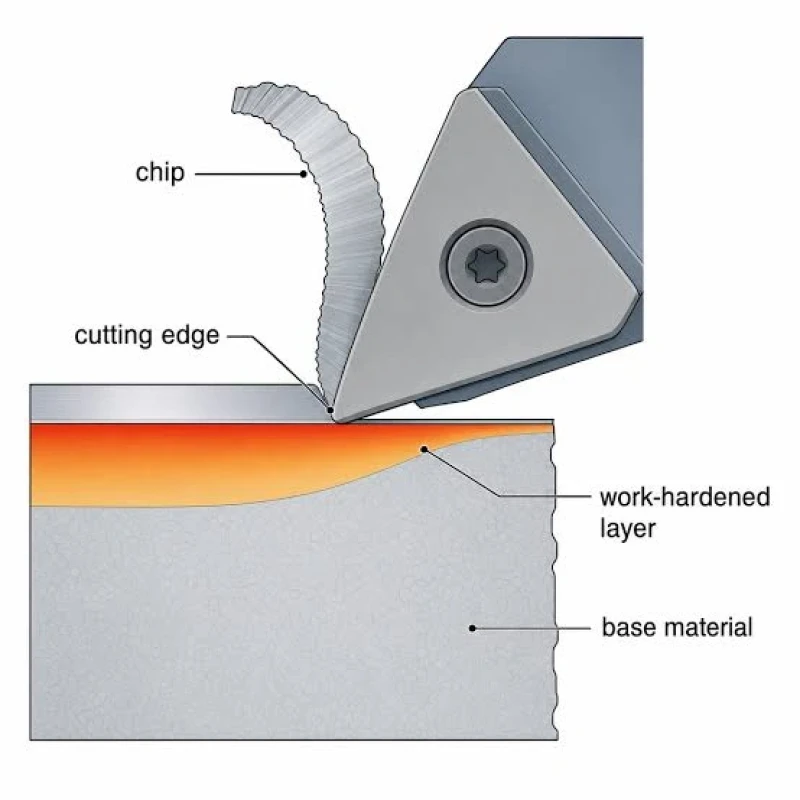
Work hardening
Work hardening is a major reason peck drilling Inconel is discouraged. The repeated insertion of the drill bit in peck drilling dislocates the microstructure. The surface hardens and becomes difficult to machine.
Is Inconel 625 Hard to Machine?
Yes, machining Inconel 625 is difficult because of its high heat resistance, toughness, and tendency to work harden. Its machinability index is approximately 17%. [2]
When producing a part from a superalloy as hard as Inconel 625, every cut is a challenge. Heat buildup and tool wear are major concerns for Inconel machining vendors.
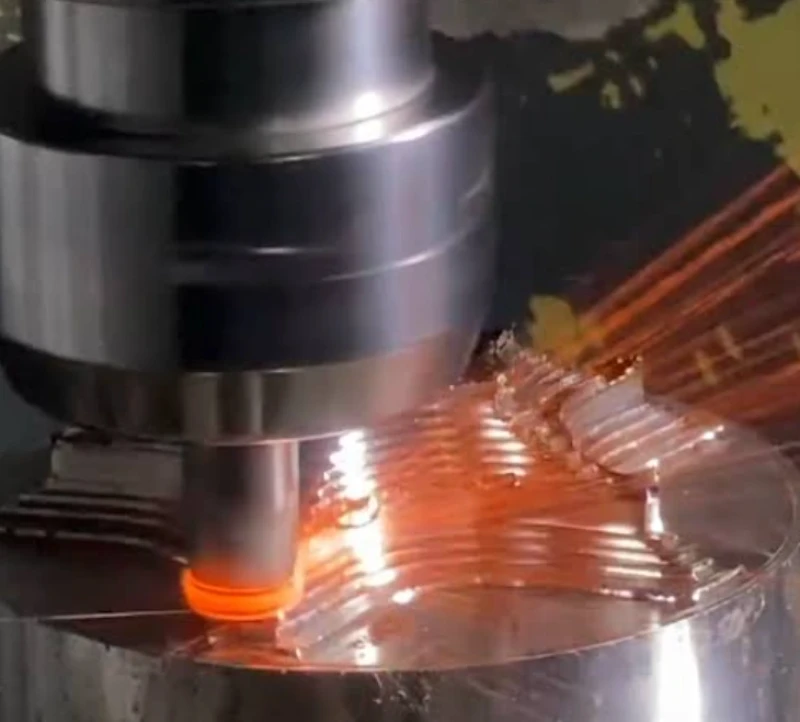
Inconel 625 milling
Heat builds up because the material has a low thermal conductivity, which complicates machining. As Inconel 625 holds onto the heat and machining continues, the cutting tool undergoes stress, and the workpiece could get damaged.
A CNC milling center for the superalloy should be rigid and controllable to handle the heat generated and cutting forces in machining Inconel.
More on Tools for Machining Inconel
Dealing with Inconel toughness and heat buildup requires the correct tooling, with options such as carbide tools, ceramic tools, coated tools, and High-Speed Steel (HSS) tools. These tools counter the hardness of Inconel and help produce precise parts.
Carbide Tools: This is the standard tool for machining Inconel. Machining vendors equip carbide tools with high positive rake angles to promote smooth cutting and chip removal.
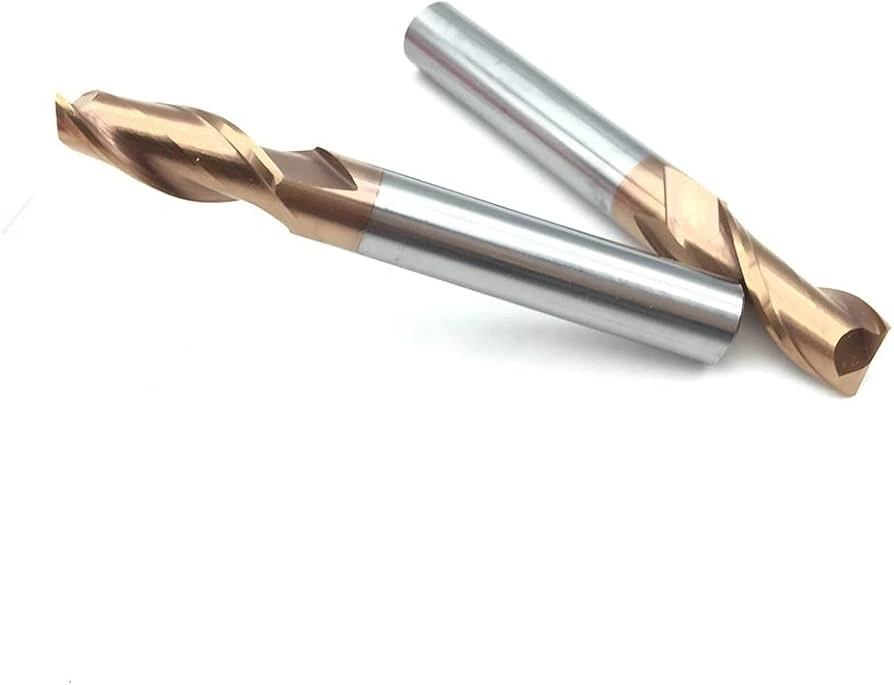
Tungsten carbide cutting tool
Ceramic Tools: Ceramic tools are built for high-temperature machining. These tools retain their mechanical integrity even at elevated Inconel machining temperatures.
Coated Tools: Coated in TiAlN (Titanium Aluminum Nitride), these tools are also dependable in high-temperature machining environments. The coating is a heat shield.
High-Speed Steel (HSS) Tools: HSS tools for machining Inconel material are limited to light cuts or roughing. They are not recommended for sustained machining of this superalloy because they wear fast.
The Cost Aspect in Inconel Machining Projects
Top factors in an Inconel machining project quote are stock material, machining time, tool wear, geometry, inspection requirements, and documentation scope. Ensure you work with an experienced Inconel manufacturer to align your machining project with certifications and Inconel grade.
Here’s how each of these factors drives the cost of Inconel machined parts.
Stock Material: Inconel stock is much more expensive than standard structural alloy. Cost may also increase depending on whether the alloy is annealed or hardened, as these conditions affect machinability.
Machining Time: Slow feeds and cutting speeds lengthen the machining time. This aspect of cost is much higher than for the same geometry in CNC machining materials such as aluminum and steel.
Tool Wear: With carbide tool life of less than an hour, tooling costs can be very high without the correct tool type and machining strategy.
Part Geometry: Features such as thin walls and deep pockets are difficult enough to produce in less demanding materials. For Inconel machining, achieving toolpaths for such features can be extremely challenging.
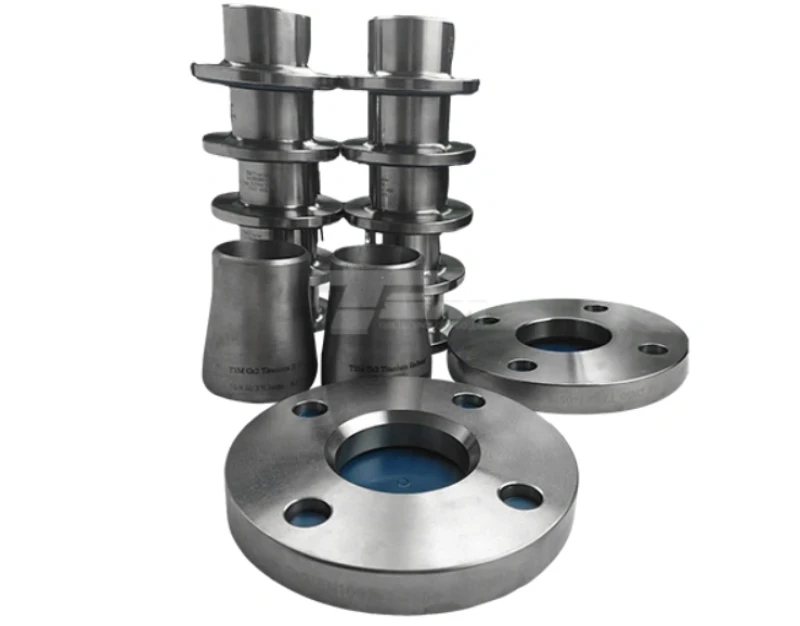
Inconel X-750 parts
Inspection Requirements: Surface finish requirements and tight tolerances demand strict inspection.
Documentation Scope: Processing and quality overhead is further increased by the requirements for documents such as CMM reports and AS9100 certification.
In Conclusion
Inconel machined parts thrive where alloys would fail- high-temperature conditions, energy, aerospace, and so on. This resistance works against Inconel when it comes to machining.
Consistent Inconel machining for a full production run is bound to be challenging due to built-up edge, work hardening, and tool breakage. Fortunately, experienced CNC machining service providers know the remedies, including coating tools with TiAlN/AlTiN and using firm fixturing.
As you source Inconel machined parts, consider starting with a manufacturability review. A call or message to the ProleanMFG engineering team will trigger a review of risk concerning tool wear, heat concentration, and tolerances, within 24 hours. You will then receive a free quote for CNC machining services before production can start.
FAQ
What Materials Cannot be CNC Machined?
Materials that cannot be CNC machined include carbon fiber composites, tempered glass, super soft metals, ceramics, and flexible polymers. These materials present a mixture of challenges, ranging from deformation to shattering.
References