
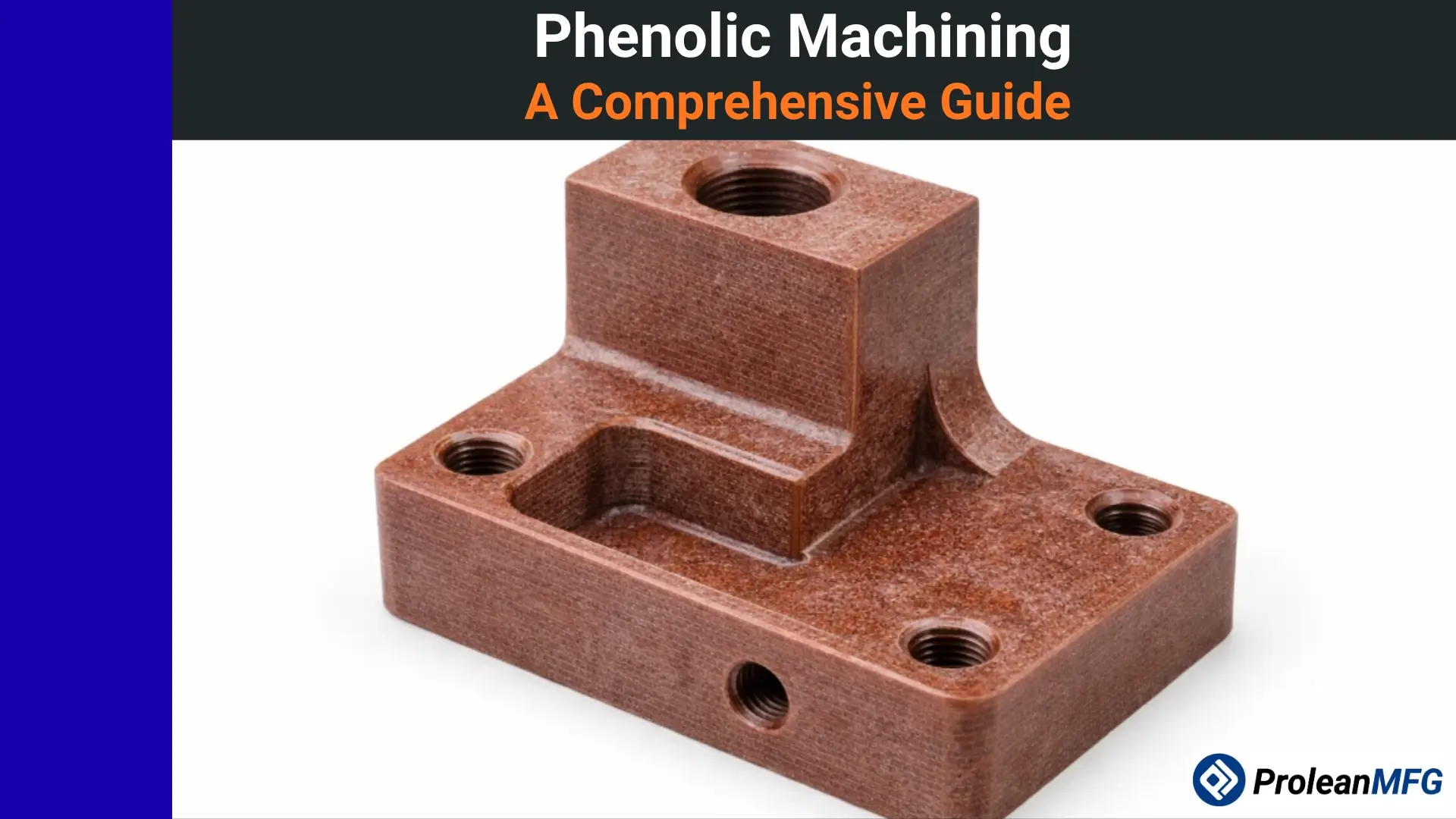

Phenolic machining is a plastic machining process entailing shaping and cutting reinforced phenolic laminates into precise parts using chamfering, grinding, cutting, and milling methods. These composites are commonly reinforced with glass, cloth, or paper.
Consider a switchgear part that must withstand constant friction and insulate against high electrical potential differences. The part should maintain its shape despite countless thermal cycles.
Phenolic can withstand such conditions, making it useful in aerospace, telecom, semiconductor manufacturing, among other industries.
But machining phenolic material requires the right combination of technology and skills because of the material’s layered, reinforced structure. This guide explains these aspects, including tooling, handling, and cooling strategies to counter chipping, delamination, and cracking.
What is Phenolic Material in CNC machining?
Phenolic is a composite material defined by robustness and dimensional stability. The material is produced from phenolic resins with cotton fabric, linen, or glass reinforcement with phenolic resin.
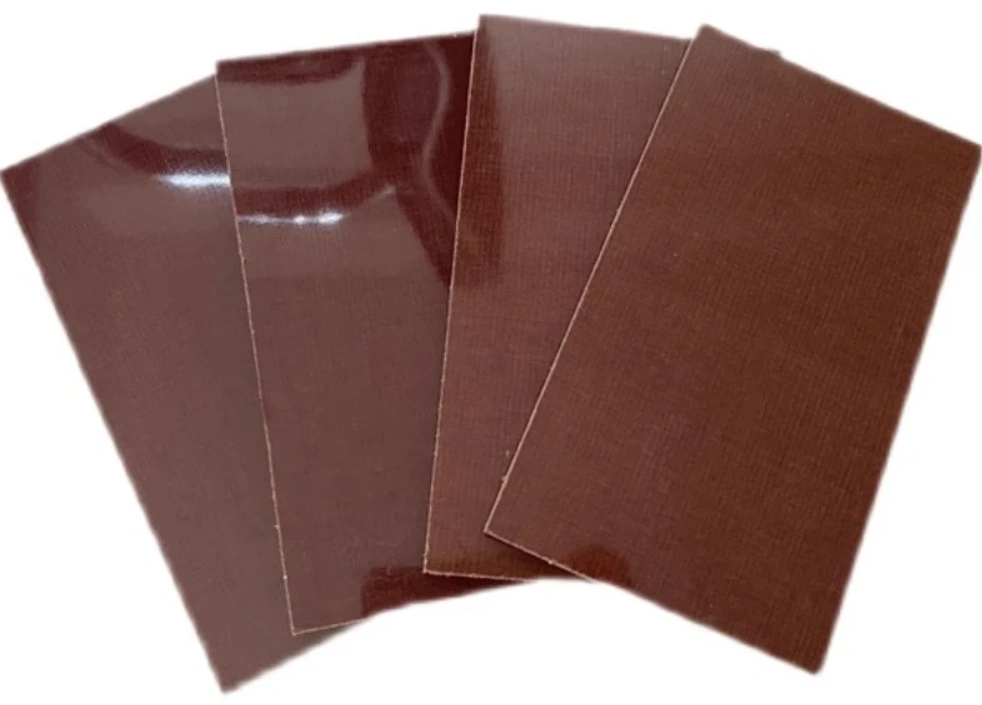
Many phenolic CNC-machined parts offer a good strength-to-weight ratio, hence are ideal for applications such as aerospace and electrical.
Representative Physical Properties of a Phenolic Laminate
Phenolic is dense and compact, with low water absorption by the standards of many engineering plastics. However, these phenolic properties can vary depending on whether you are working with cloth, glass, or paper-based phenolic.
Here are data points for a specific phenolic grade referenced in the source.
| Density | 1.34 g/cm³ |
| Water absorption | 1.8% |
[1]
Representative Mechanical Properties of a Phenolic Laminate
Phenolic properties in this category include high hardness (Rockwell M100), compressive strength, and tensile strength. It is distinguished by its excellent wear resistance, rigidity, and dimensional stability.
However, its impact resistance is limited compared to tougher engineering plastics. The material can fracture or crack under sudden load or shock.
| Hardness, Rockwell M | M100 |
| Tensile Strength | Lengthwise – 13,000 PSICrosswise – 9,000 PSI |
| Flexural Strength | Lengthwise – 22,000 PSICrosswise – 16,000 PSI |
| Compressive Yield Strength | 37,000 PSI |
| Izod Impact, Notched | Lengthwise – 1.35 ft-lb/inCrosswise – 1.10 ft-lb/in |
[1]
Electrical Properties of Phenolic Laminate
With its high electrical resistivity, insulation resistance, and dielectric strength, phenolic plastic is usually a dependable insulator.
| Arc resistance | 15 seconds |
| Dissipation factor | 0.045 @1 MHz |
| Dielectric Strength | 625 (V/mil) short time, 1/8″ thick |
[1]
Thermal Properties of Phenolic
Phenolic properties include a relatively high maximum service temperature of 140°C for the referenced phenolic grade. Its UL94 flammability rating is excellent at HB, which implies a slow horizontal burn rate.
| Thermal conductivity | 7.0 x 10⁻⁴ cal/cm-sec-°C |
| Maximum Operating Temperature | 140°C |
| Flammability, UL94 | HB |
[1]
Common Phenolic Types for Machining
Four phenolic types are suitable for CNC machining: Canvas phenolic, linen phenolic, glass phenolic, and paper phenolic.
Paper Phenolic
This phenolic type is made from cellulose paper layers. Paper reinforcement can be both smooth and electrically insulating. For low-stress applications, you can consider this low-cost phenolic type.
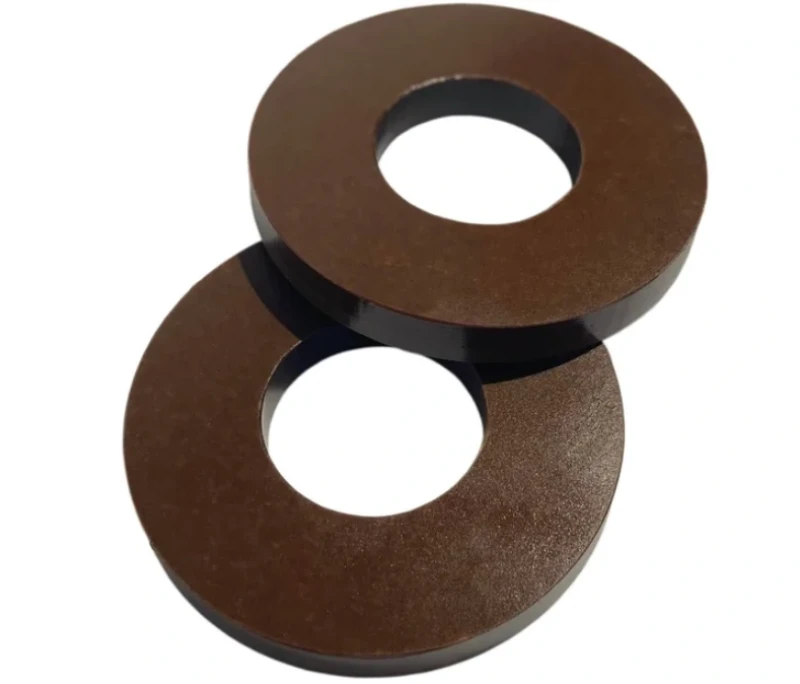
Glass Phenolic
Glass-based phenolic uses glass fiber as reinforcement. This material provides better moisture resistance and dimensional stability in relation to standard organic-fiber phenolic laminates.
Canvas Phenolic
This laminate is reinforced with woven cotton canvas fabric. It has higher toughness and impact resistance than paper phenolic. With its good mechanical strength, this phenolic type is used in gears, pulleys, and structural supports.
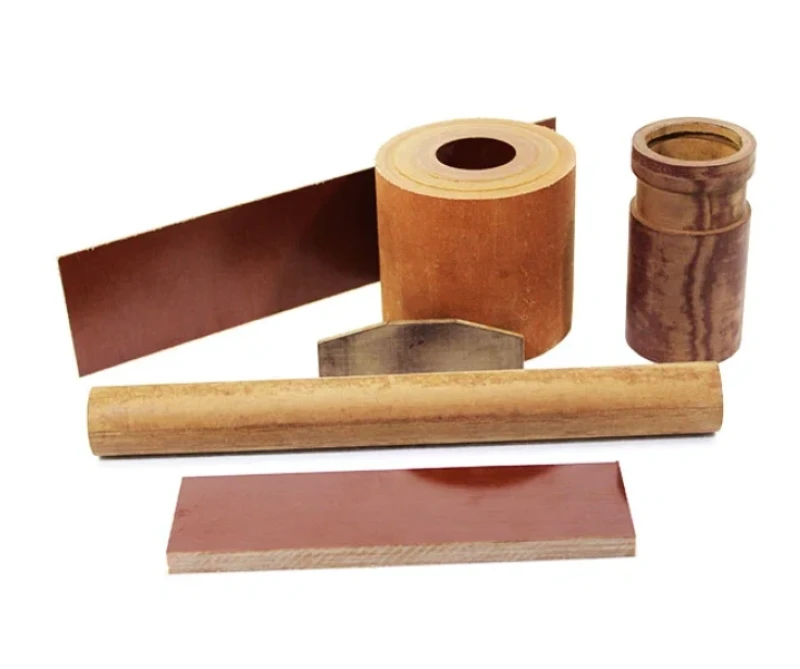
Linen Phenolic
Linen phenolic is comparable to canvas phenolic, but its woven cotton fabric is finer. A high strength-to-weight ratio and dimensional stability make linen phenolic laminate suitable for bearings, bushings, and precision-machined parts.
Different Machining Phenolic Material Processes
Phenolic parts can be cut, CNC milled, chamfered, and surface-ground based on the required geometry, size, and surface quality of the part.
Phenolic Cutting
This is the initial process that reduces phenolic stock to sizes that can be easily processed. Sharp tooling and controlled machine settings are used to prevent issues such as delamination.
Phenolic CNC Milling
CNC milling is a subsequent machining process that primarily delivers precise phenolic geometries. The most important requirement in CNC milling is to use the right machining parameters and tooling to minimize tool wear and heat buildup.
Phenolic Chamfering
Phenolic parts require chamfering, a process that forms angled edges. The feature is important for enhanced handling safety and reduced chipping.
Phenolic Surface Grinding
The machinist uses surface grinding to achieve accurate finish tolerances and flatness on the composite parts. This process usually comes after cutting or milling.
Factors Influencing Phenolic Machinability
Getting a clean, precisely machined phenolic part comes down to three crucial factors: tooling, cooling, and material handling.
- Tooling
Tooling selection is evident in the surface finish. A clean cut is possible with sharp carbide/diamond-coated tooling with the correct geometry, but not with a dull tool.
Excessive cutting forces and poor tooling can cause delamination and cracking. Premature tool wear may also occur.
- Cooling
The cutting edge will always produce heat in phenolic machining, so the cooling strategy is worth focusing on. Using mist or compressed air is usually effective in ensuring the structural and aesthetic properties of the material. Since phenolic is water-sensitive, flood cooling should be avoided.
- Material Handling
The moisture absorption rates can vary across phenolic grades. The storage and handling of the stock can determine machinability for grades that absorb excessive ambient moisture. Storing the material in a sealed area and/or applying a protective coating can help maintain the machining environment.
Advantages of Phenolic in CNC machining
The five main advantages of phenolic in CNC machining are high mechanical/compressive strength, low water absorption, chemical resistance, electrical insulation, and cost-effectiveness.
- High Mechanical and Compressive Strength – The material’s high strength is instrumental in load-bearing and structural applications.
- Relatively Low Water Absorption – Low water absorption helps in maintaining the material’s dimensional stability.
- Good Chemical Resistance – Many phenolic laminate types offer good chemical resistance. They can perform reliably against selected acids, solvents, and oils, depending on the specific grade.
- Good Electrical Insulation – Phenolic has high electrical resistance and dielectric strength. These properties enhance insulating performance.
- Cost-Effective – The comparison here is with high-performance engineering plastics. Phenolic laminates tend to deliver a relatively more economical blend of electrical, mechanical, and wear performance.
Limitations of Phenolic in CNC machining
The three standout limitations of phenolic in CNC machining are brittleness, health risks during processing, and a limited temperature range.
- Machining a Brittle Material – Brittleness is the main challenge of phenolic in CNC machining. Sharp tools with the right geometry are best for machining this composite material. A dull tool does not shear the edge; instead, it shatters it.
- Dealing with Health Risks During Processing – The fine phenolic dust produced can pose a serious respiratory hazard. Under the right conditions, the combustible dust can pose a fire or explosion risk, as documented in the EPRA Dust Explosion Guidelines 2011.[2]
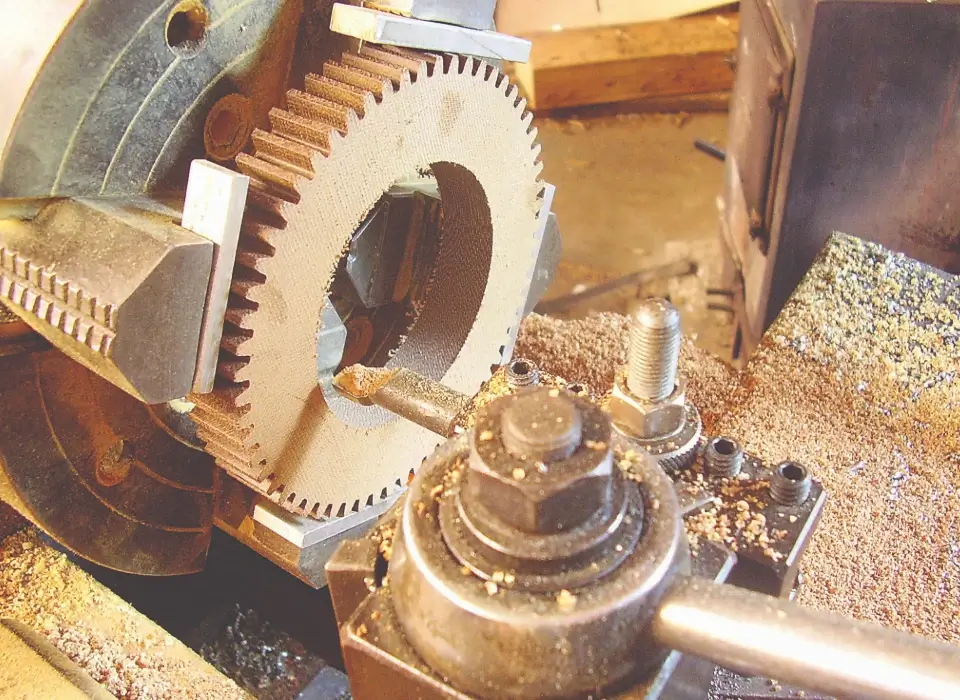
Recommended measures include preventing or managing ignition sources, sufficient earthing of conducting objects, and using “ATEX-compliant” equipment where necessary.
- Limited Thermal Ceiling
The referenced phenolic type has a maximum operating temperature of 140°C. While this can suit most general mechanical and insulating components, it may be limited in sustained high-heat applications, for instance, under-hood automotive applications.
Applications of Phenolic Machined Parts in Various Industries
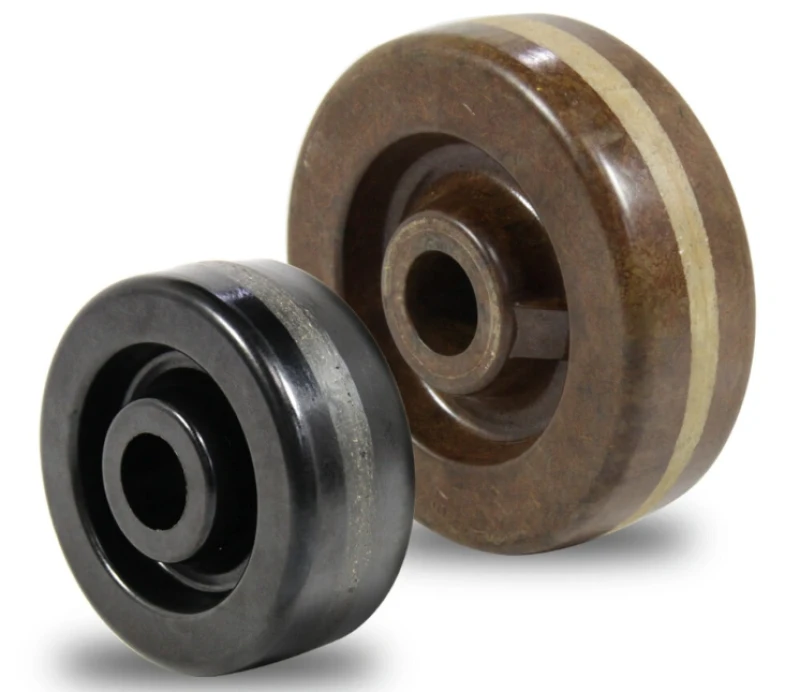
Phenolic machined parts have established applications in the aerospace, semiconductor, and telecom industries. Example components are gears, bushings, fasteners, insulating panels, structural parts, and rollers.
Common Challenges in Phenolic Machining
As with other composites, machining phenolic presents challenges such as surface cracks, delamination, warping/deformation, dimensional inaccuracy, and edge chipping.
- Surface cracks
- Delamination
- warping/deformation
- Dimensional inaccuracy
- Edge chipping
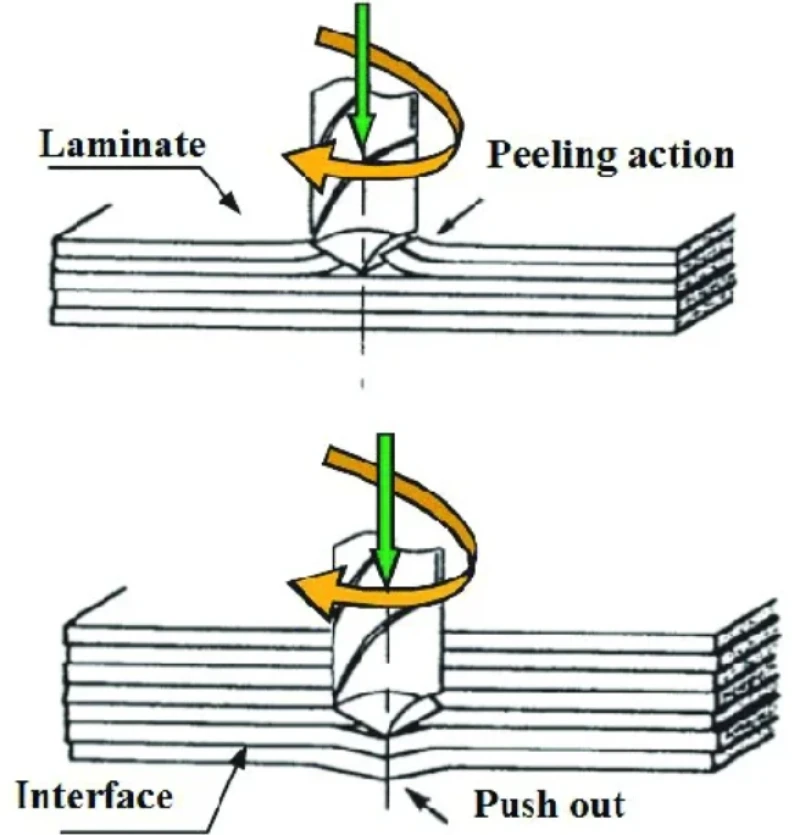
Remember these challenges concern how fibers and composites respond mechanically to machining tooling, parameters, and conditions.
Final Words
Phenolic provides a useful combination of electrical insulation, mechanical performance, and thermal stability. This can only be assured on a machined part if the process is performed professionally.
The composite material comes in various reinforcement types. The machinist should also consider the laminate properties, reinforcement type, and failure risks when considering a suitable machining strategy.
If you already have the phenolic machining design, share it with the experts in CNC machining services so it can be turned into phenolic parts. We know the specifics required to machine this material, from tooling to process control.
Contact us today for a no-obligation quote within 24 hours.
FAQs
Can phenolic machined parts be used outdoors?
Although phenolic parts have good chemical resistance, prolonged exposure to humidity and UV can degrade them. Protective coatings should be applied to enhance the performance of these parts outdoors.
Resources
[1]. https://zirconiaceramicsparts.com/pdf/Specs/PhenolicLESpecs.pdf
[2]. https://epra.eu/wp-content/uploads/EPRA_Dust_Explosion_Guidelines_2011_V1_20012011.pdf