
PASSIVATION FINISH SERVICES
- Precision Machining + Passivation
- Citric and Nitric Acid Processes
- ISO 9001 / ASTM A967 Quality Standards
Why Choose Us
Machining + Finishing
Material-Specific Chemistry
Masking Review
Engineering Support
Inspection Options
Prototype to Production
No Build-Up
Conversion treatment
Minimal
Dimensional Change
No MOQ
Prototype to Production
Confirmed
Turnaround Time
Clean, Uniform Surfaces With Lasting Corrosion Resistance
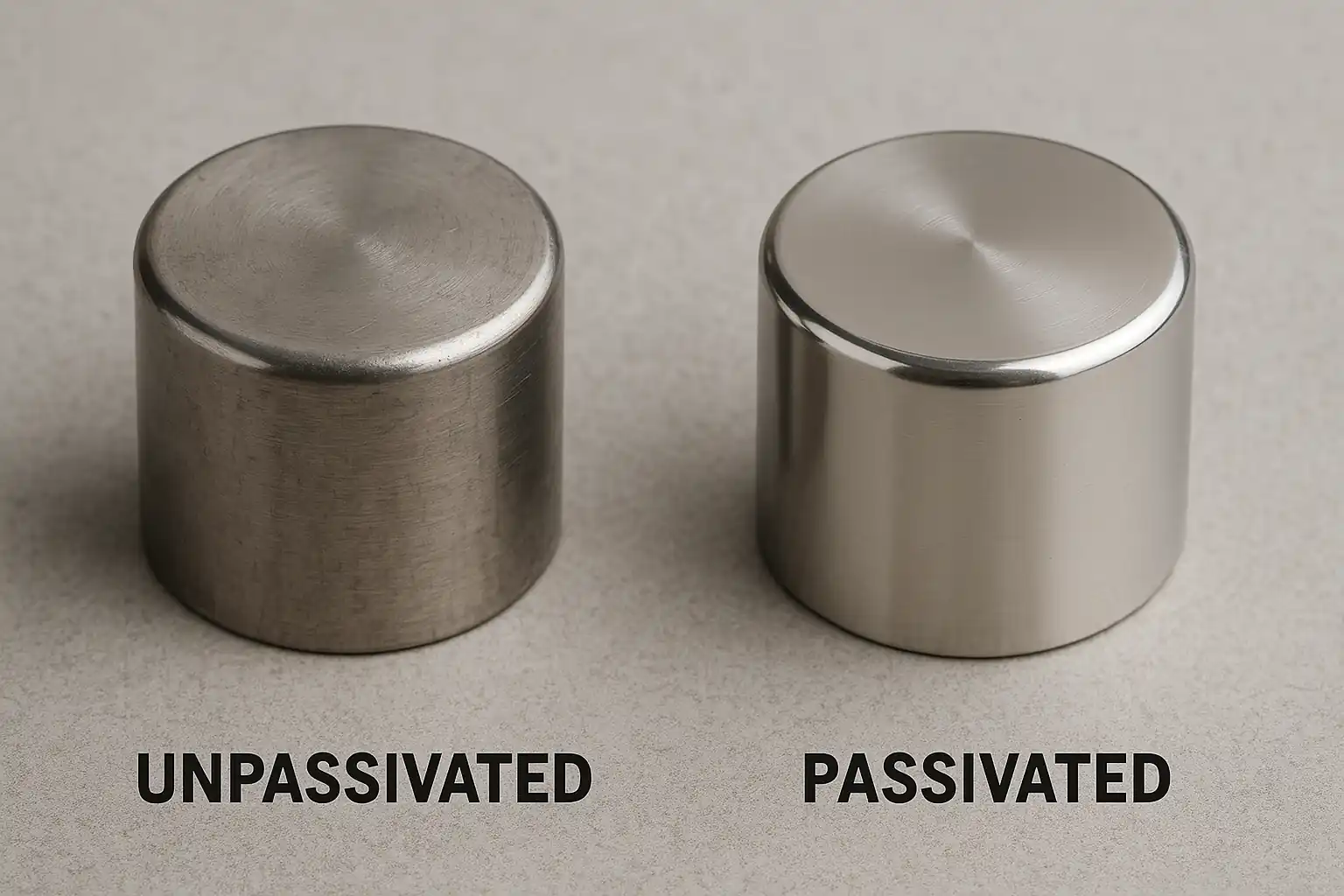
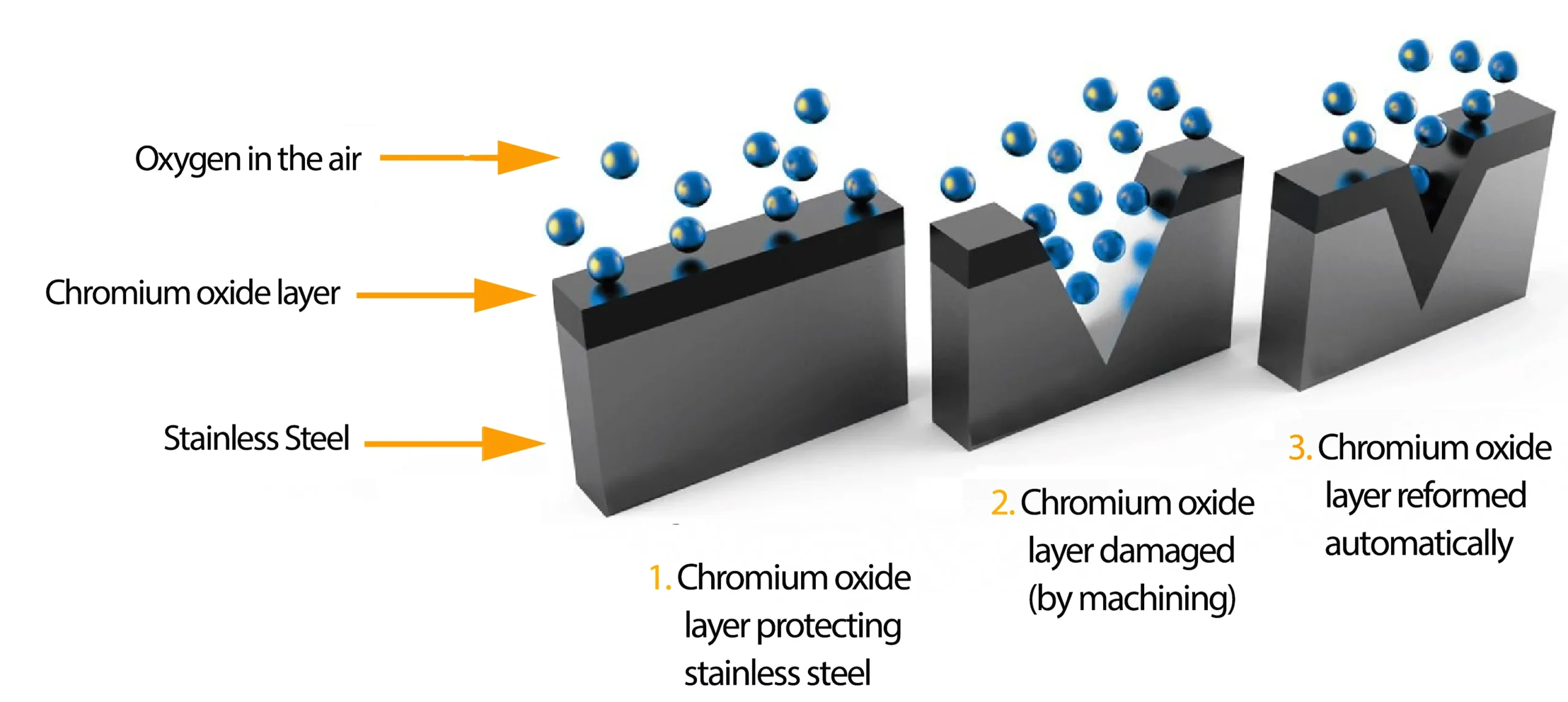
Passivation is a controlled chemical treatment that removes free iron and surface contaminants from stainless steel. A material-specific citric or nitric acid bath promotes the formation of the chromium-rich passive oxide layer that gives stainless alloys their natural corrosion resistance. Typical concentrations of acid are Citric acid (4–10 wt%) and nitric acid (20–50 vol%).
Because passivation is not a plated coating, it adds no meaningful build-up. Proper cleaning, rinsing, controlled chemistry, and verification help retain the part’s original appearance, geometry, and critical fits.
Coating Type
Hot alkaline passive oxide layer
Thickness
0.5–2 µm
Surface
Machined, blasted, polished
Colour
Matte to semi-gloss black
Common Substrates
Carbon, alloy and tool steels; cast iron
Accuracy
Minimal dimensional changes
Corrosion
Good with oil/wax seal
Hardness
Relief for HRC ≥40
Standards
ISO 9001 quality control, salt spray testing, FAIR, and CMM inspection as required
Value
Cost-effective for all production volumes
Passivation Finish Capabilities at ProleanMFG
Part Complexity
Ready-to-Assembly Parts
Automated Setup
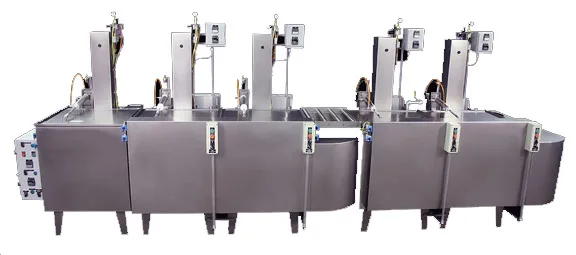
Controlled Chemistry
Material Diversity
Dimensional Accuracy
Quality Inspection
Part Size Range
Why Choose ProleanMFG?
Machining + Finishing Coordination
Our machining and finishing teams coordinate part geometry, surface preparation, coating sequence, and final requirements through one managed workflow.
Engineering Review
Engineers review drawings, material condition, functional surfaces, sealing requirements, and applicable specifications before production begins.
Masking & Critical-Feature Review
Threads, datum faces, sealing surfaces, electrical contacts, and other no-coat zones are identified before processing.
Dimensional Control
Critical dimensions and mating features are tracked from machining through finishing to help preserve fit and function.
Inspection & Documentation Support
Projects can include visual and dimensional inspection, lot traceability, Certificates of Conformance, FAIR documentation, and reports.
Standards-Based Process Review
Common ferrous substrates and materials requiring specialized passivation chemistry are routed through the appropriate controlled process.
Advantages of Passivation Finish
Passivation combines a thin conversion layer with optional sealing to improve appearance, handling, lubricity, and corrosion resistance without meaningful build-up.
Improved Corrosion Resistance
The porous oxide layer absorbs and retains lubricant, reducing friction between moving surfaces and easing the break-in period.
Dimensional Preservation
Unlike thick organic coatings, passivation largely preserves the electrical conductivity of the metal substrate.
Clean, Uniform Surfaces
The chemically formed black finish maintains visual consistency at operating temperatures up to approximately 900°F (482°C).
Base Finish Retained
Because passivation is a conversion treatment rather than an electroplated deposit, embrittlement risk is substantially reduced for most components.
Specification Compatibility
Standard cleaning, immersion, rinsing, and sealing cycles can be completed in roughly 20–40 minutes for many parts.
Longer Service Life
Parts can be welded through the finish while the converted surface also provides a practical base for paint.
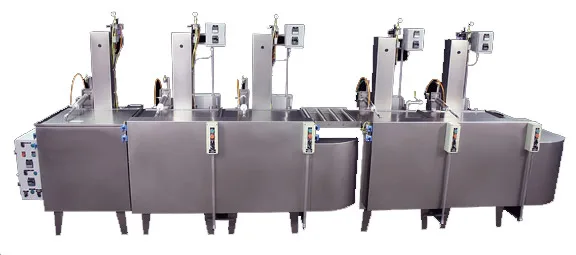
How Is Passivation Finish Carried Out?
Pre-Clean
Parts are degreased in an alkaline or solvent-based cleaner to remove oils, cutting fluid, handling residue, and other contaminants.
Rinse
An acid dip removes rust, mill scale, and heat-treatment discoloration, producing a clean and consistent metallic surface.
Passivation Bath
Parts are thoroughly rinsed in water to remove residual cleaner and activation chemistry.
Intermediate Rinse
Components are submerged in a hot alkaline salt solution at 140–146°C (285–295°F) for approximately 10-30 minutes.
Final Rinse & Dry
An agitated cascade deionized-water rinse clears trapped salts from threads, blind holes, recesses, and complex geometry.
Inspect And Release
Parts are impregnated with oil, wax, or polymer sealant, then dried and inspected for appearance, coverage, and dimensional compliance.
Passivation Finish Applications and Component Examples
Automotive
Aerospace & Defense
Medical
Food & Beverage
Pharmaceutical
Semiconductor & Industrial
How We Ensure Quality of Your Parts?
Inspection and documentation scope is agreed before production and tied to the drawing, applicable specification, and project requirements.
Material Verification
Material certificates can be reviewed, and alloy or hardness testing can be arranged when required.
In-Process Control
Bath alkalinity, concentration, temperature, and water-break controls are managed during processing.
Visual Inspection
Visual checks for appearance and uniformity are available within the agreed inspection scope.
Passivation Verification
Oxalic acid spot, adhesion, specification spot tests, and salt spray exposure can be arranged when required.
Final Dimensional Review
Post-bake treatment or mechanical testing for hardened parts is available when material condition and specifications require it.
06 Final Release
CMM inspection, dimensional reports, lot traceability, Certificate of Conformance, and FAIR documentation are available when specified.
Specifications and Documentation
- ISO 9001 Quality Control
- ASTM A967 Review
- ASTM A380 Review
- AMS 2700 Review
Accurate information about pricing and lead time
Get a Passivation Finish Quote from ProleanMFG
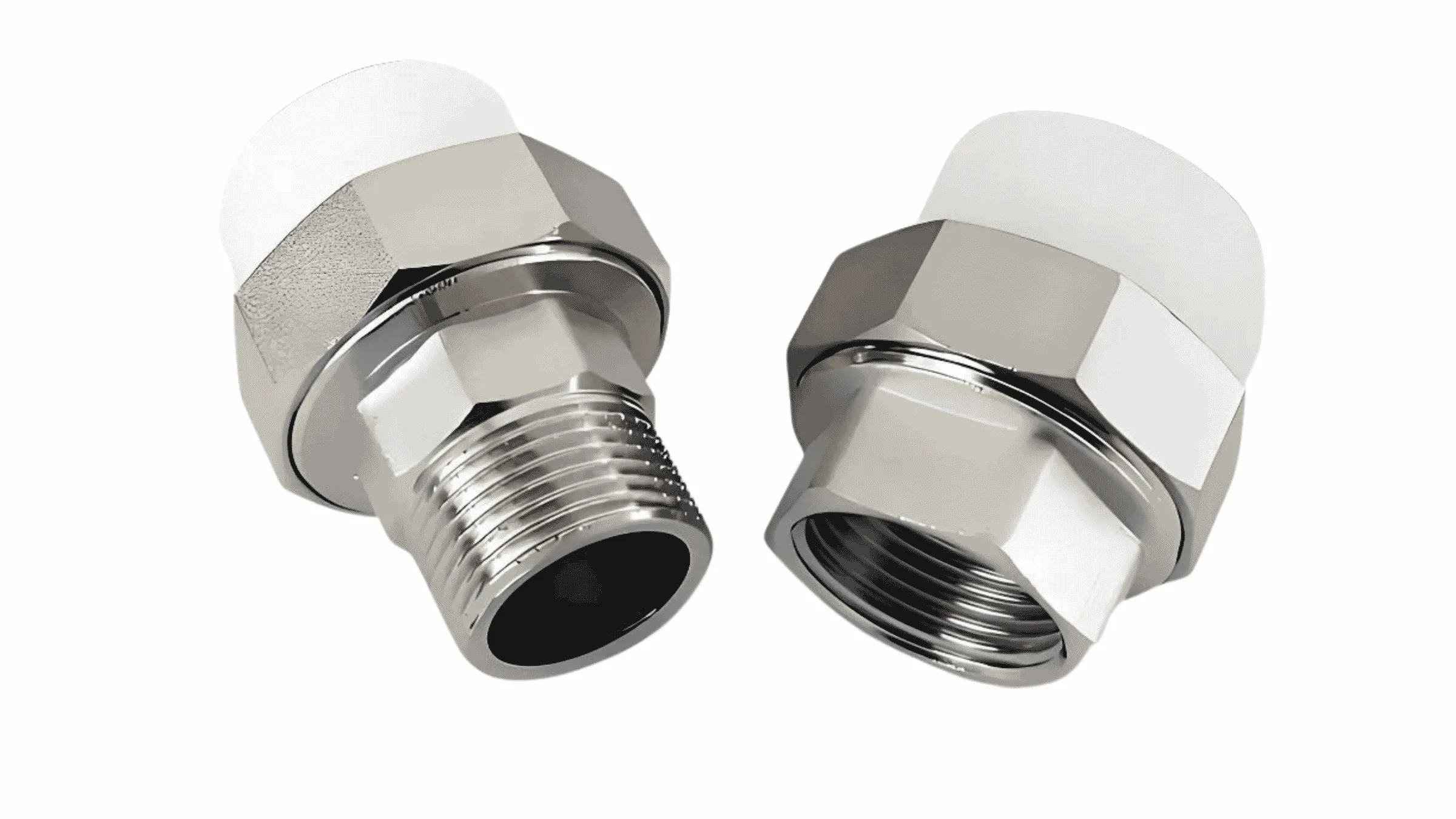
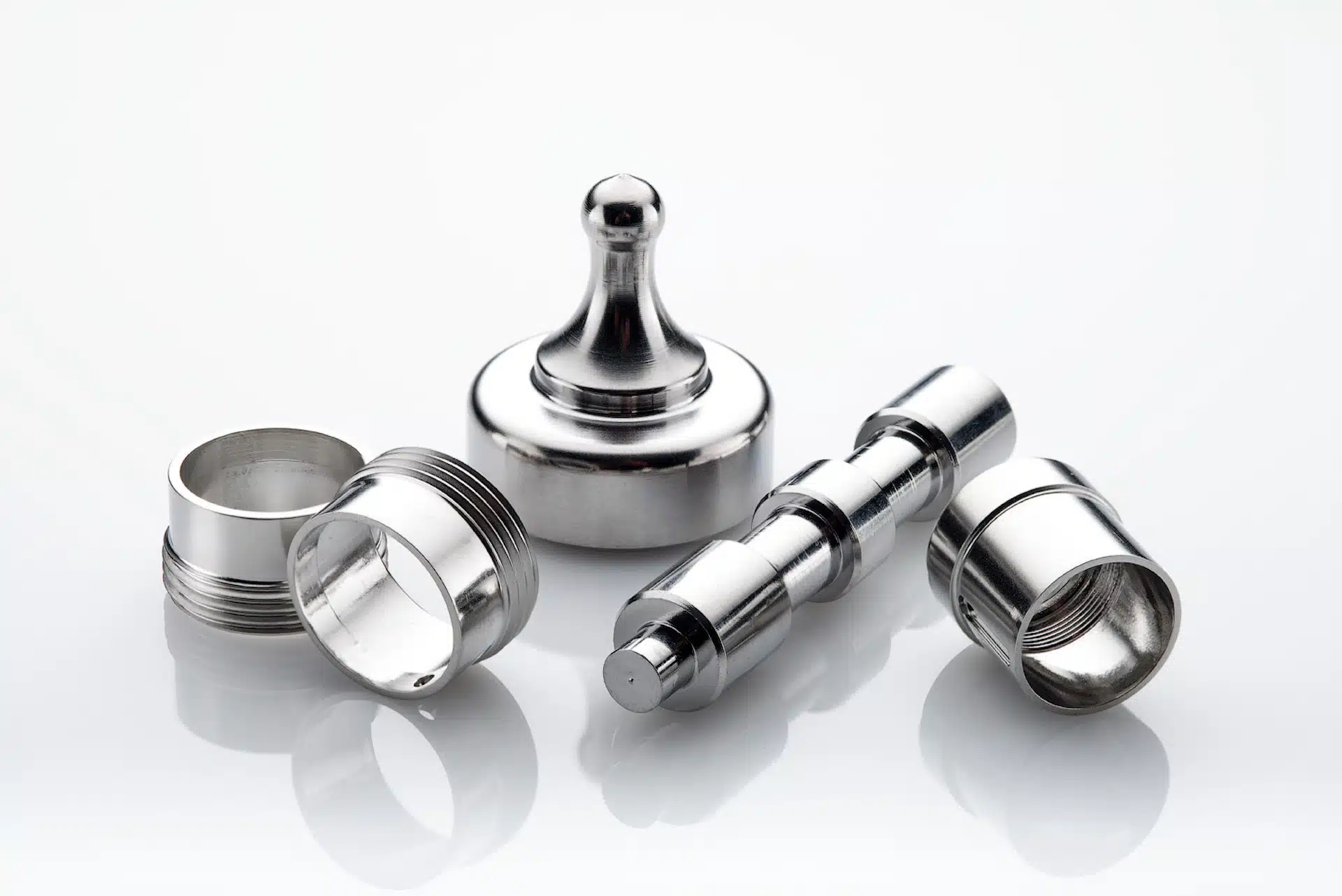
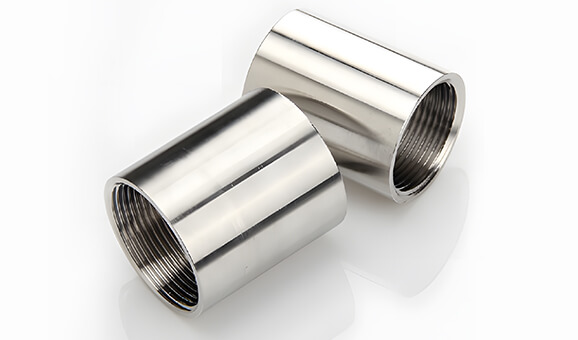
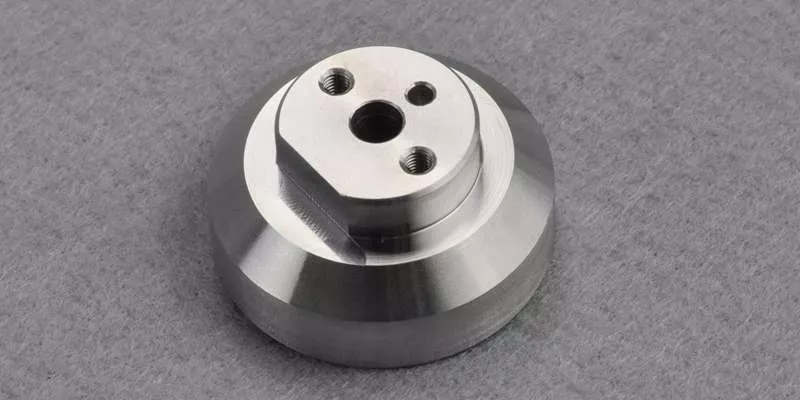
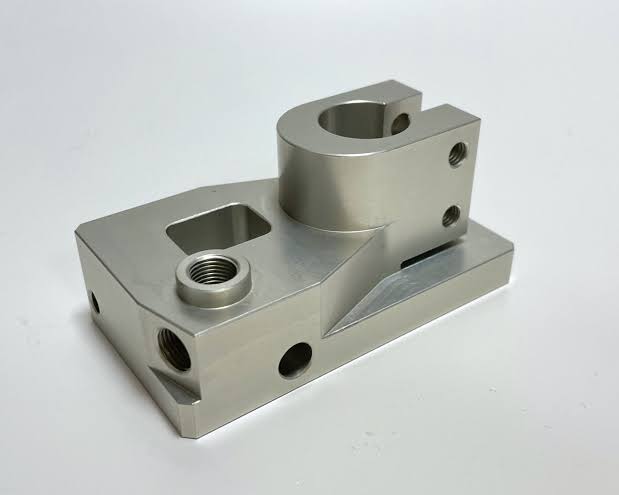
Passivated Stainless Components
Stainless Steel Passivation vs Other Surface Finishing
| Treatment | Corrosion resistance | Appearance | Surface change | Best use |
|---|---|---|---|---|
| Citric acid passivation | ★★★★☆ | Essentially unchanged | Very low | Best direct alternative to nitric passivation |
| Electropolishing | ★★★★★ | Bright/smooth | Removes surface material | Medical, food, pharmaceutical, high-cleanliness parts |
| Pickling + passivation | ★★★★★ | Matte/dull | More aggressive | Welded parts, heat tint, heavy oxide removal |
| Chemical cleaning + passivation | ★★★★☆ | Unchanged | Very low | General industrial stainless parts |
| Electrochemical polishing/passivation | ★★★★★ | Smooth/bright | Controlled material removal | High-end stainless components |
| Mechanical polishing + passivation | ★★★★☆ | Satin/mirror depending on polish | Mechanical removal | Decorative + corrosion-resistant components |
| Stainless steel oxide/blackening | ★★★☆☆ | Black | Very small | When black appearance is required |
When to Use Passivation Finish?
- Choose it when stainless parts need better corrosion resistance without added coating thickness.
- Select it when the original dimensions and metallic appearance must remain essentially unchanged.
- Use it after machining, welding, or grinding may have introduced free iron contamination.
- Specify it when ASTM A967, ASTM A380, AMS 2700, or customer-defined verification is required.
Design for Manufacturing Considerations
Drain And Vent Blind Cavities
Specify the Exact Alloy Grade
Identify Mixed-Metal Features
Define the Surface Condition
Remove Weld Scale And Heat Tint
State the Required Test Method
Get a Passivation Finish Quote from ProleanMFG
Define the Finish Before Production
Send your drawing, material, coating area, masking, quantity, and applicable specification.
For a Quick DFM Review
- 2D drawing or 3D CAD model
- Material grade and heat treatment
- Surface condition and critical features
- Final dimensions and inspection needs
- Blind holes and trapped features
- Applicable standard and target lead time