
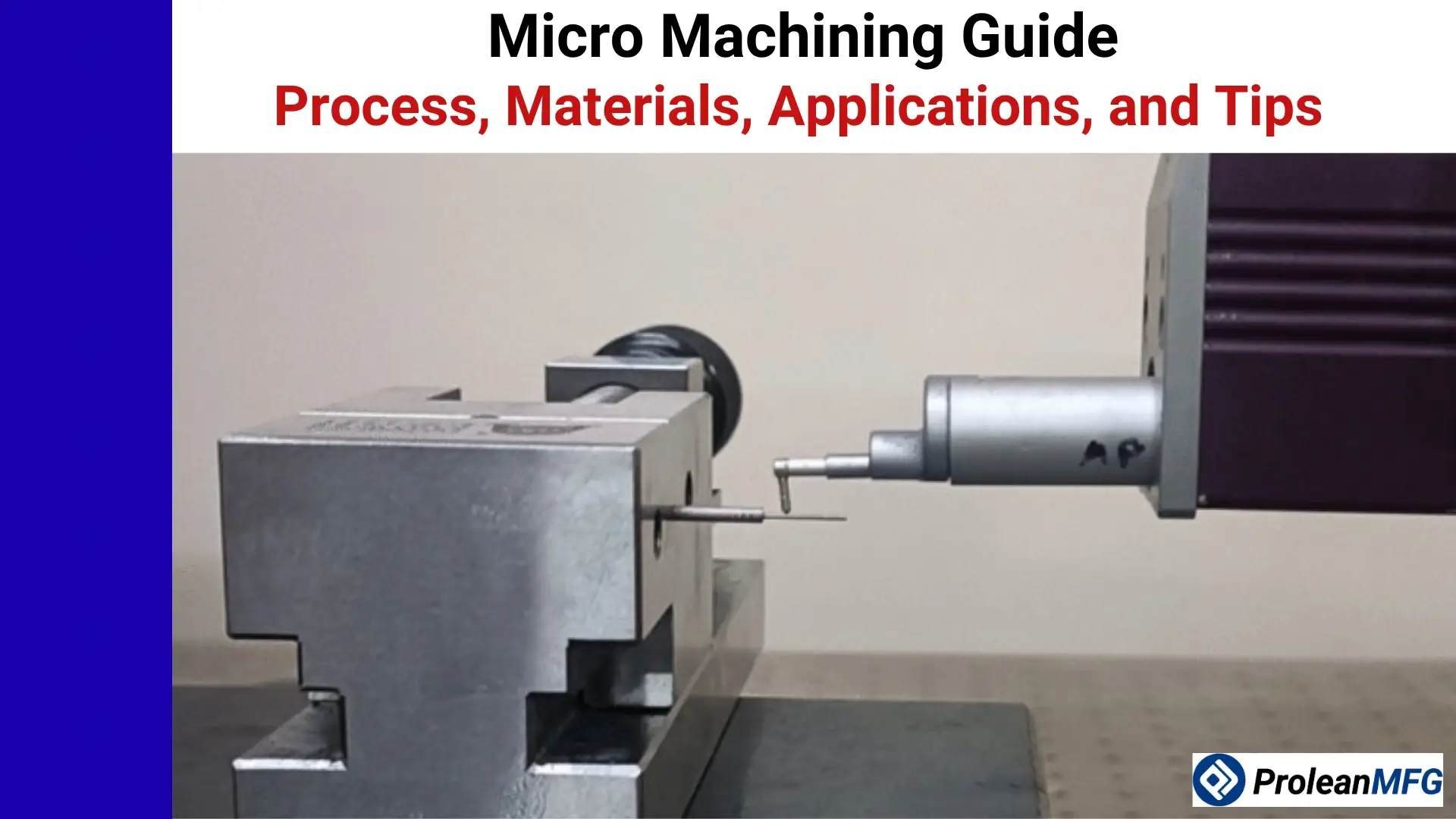

Micro machining is a complex fabrication method that operates on a dimensional range as small as several micrometers. It is more precise than conventional machining, with tolerances going to the microscale.
As popular as it is, conventional machining cannot process parts that are too small or too precise to the micron level. A hair-thin vascular stent, a tiny connector, a micron-sized fuel injector nozzle – such components can only be reliably produced by micro CNC machining.
Micro CNC machining involves specialised tools and techniques to cut and shape material to micron accuracy. Repeatable super precision is just one aspect of micro machining; the process also delivers fewer production errors, higher energy efficiency, and less waste.
Micro CNC machining is usually specified for complex or small-scale jobs. It offers the flexibility and precision required in aerospace, medical, electronics, and robotics applications.
What Is Micro Machining?
Micro machining is a machining process characterized by microscopic material removal to attain high geometrical accuracy. With a precision on a scale of ±1 to ±5 micrometers, the cuts and components in micro CNC machining are unimaginably tiny.
Micro machining should not be confused with nano-machining, a branch of nanotechnology, and macro machining.
The table below summarizes the differences.
Table of the operation range and achievable surface quality of nano-, micro-, and macro-machining processes.
| Element | Nano-Machining | Micro-Machining | Macro-Machining |
| Size of machined area | 1–105 μm2 | 1–105 mm2 | 1–105 cm2 |
| volume removal in one machining step | from 10−3 to 102 μm3 | from 10−3 to 102 mm3 | from 10−3 to 102 cm3 |
| Material removal rate | from 10−5 to 1 μm3 s−1 | from 10−5 to 1 mm3 s−1 | from 10−5 to 1 cm3 s−1 |
| Relative figure error | from 10−5 to 10−3 | from 10−7 to 10−5 | from 10−5 to 10−3 |
| surface roughness (Sa) | 1–102 Å | 1–102 nm | from 10−1 to 10 μm |
[1]
Every step in micro milling, micro drilling, and all the other types of micro manufacturing is tightly controlled. Toolpaths are designed to machine only what’s necessary, and advanced vibration controls dampen the slightest motion.
Micromachining can be categorized as physical, chemical, and mechanical machining based on the nature of physical material removal.
Physical: Includes ion beam machining and laser beam machining
Chemical: Includes electrochemical machining and reactive ion etching
Mechanical: The two main categories are cutting and abrasive machining. Subcategories are diamond turning and diamond milling, and precision grinding and polishing, respectively.
Micro Machining vs. Conventional Machining: What’s the Difference?
The clearest distinction between micro machining and conventional machining is the scale. The machined parts in micro machining are so tiny that sometimes, a microscope might be required to inspect them.
That scale difference highlights differences in precision, geometric intricacy, tolerances, and surface finish.
With micro machining as used in precision manufacturing, there is almost no room for error. The sheer complexity and size of the features make the requirements tight. Micro threads, micro holes, miniature grooves, and thin walls are some of the features for the finest details.
Let’s summarize the differences between micro machining and conventional machining in a table.
| Element | Micro machining | Conventional machining |
| Workpiece size | Smaller, often in sub-millimeters | Larger |
| Geometry | Intricate and fine | Simple to moderate |
| Tooling | Micro tools | Standard cutters |
| Precision | Extreme precision | Common shop tolerances |
| Tolerances | Sub-micron level tolerances | Typically ±0.005″ |
| Surface finish | Mirror-like finish | Functional finish |
The Micro Machining Process
The machining logic for this method is similar to conventional machining: start with design and DFM review, move through machine setup, material removal, inspections, and finally, verify the work.
Step 1: Design: The CAD model and drawings are reviewed. The checks are for tolerances, feature sizes, and tool accessibility. DFM principles are applied for machining practicality.
Step 2: Machine setup: This entails securing and aligning the workpiece, followed by the installation of the relevant micro tools.
Step 3: Micro machining: The machine produces the miniature features, guided by the programmed toolpath. Various techniques are applicable, including:
- Micro milling
- Micro turning
- Micro drilling
- Micro grinding
- Micro EDM
Step 4: Process inspection: Keen inspection is performed during machining to ensure burrs, tool wear, or dimensional errors do not occur.
Step 5: Final verification: The machined part is compared to the CAD model to ensure the correct features, dimensions, tolerances, and surface finish.
Technologies for Micro Machining
Technologies for micro machining include micro EDM, micro LBM, micro milling, micro turning, and micro drilling.
The choice is based on feature size, material, and tolerance requirements.
Micro EDM: Electrical sparks are used to machine materials and produce components such as micro molds and dies.
Micro LBM: Focused laser beams produce high aspect ratio microscale features for various applications, including PCB manufacture
Micro Milling: Precise machining of complex geometries and shapes in intricate applications such as micro channels.
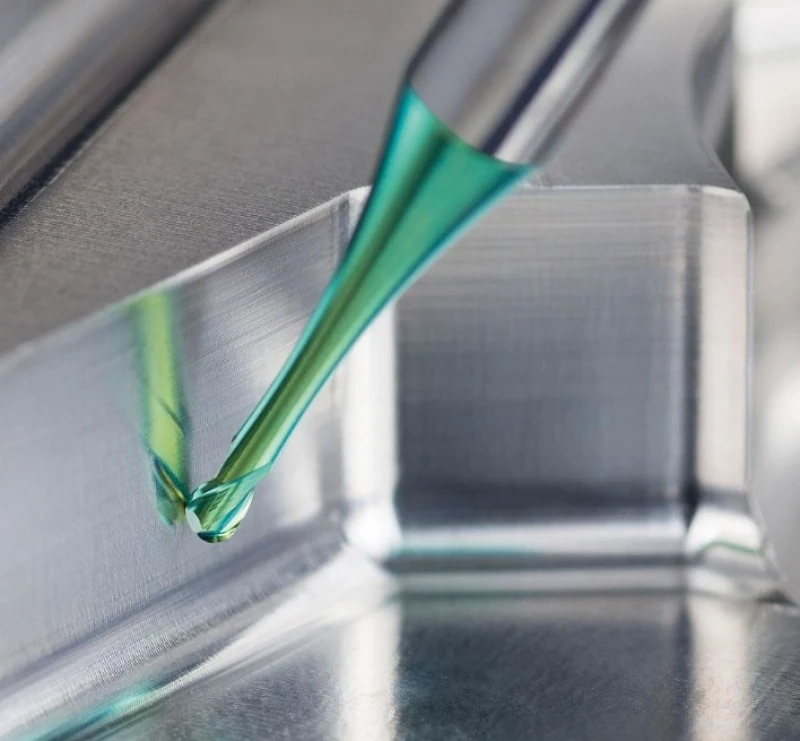
Micro Turning: Typical technique for miniature cylindrical parts in aerospace, medical, and other precision-part applications.
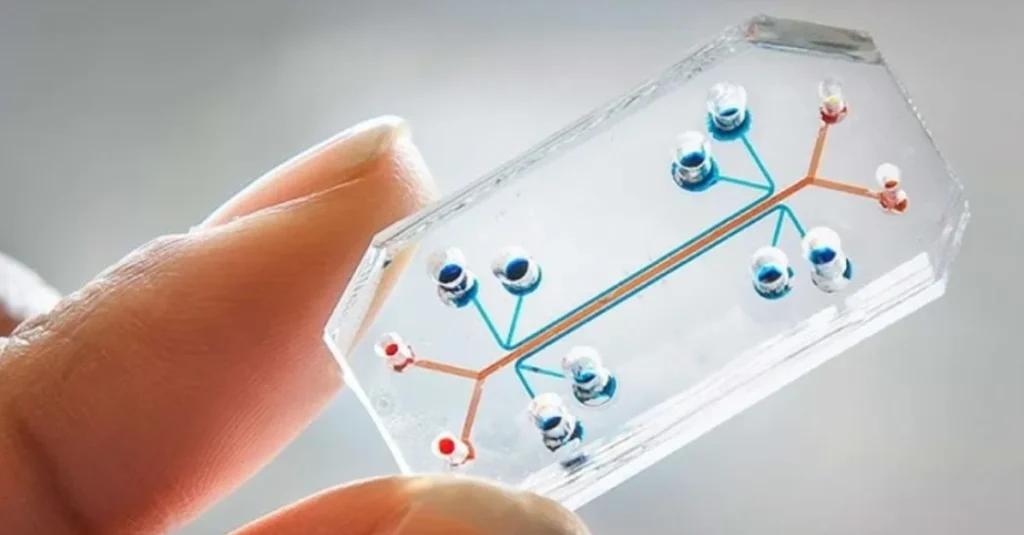
Micro Drilling: Laser and ultrasonic technologies are typically used to produce precise micro holes. The technique is relevant in microfluidics.
Materials That Can Be Micro Machined
Materials that qualify for micro machining include metals, plastics, ceramics,
glass, and composite materials. Indeed, most engineering materials are machinable using this method. However, the machinist should ensure the specific machining method and desired tolerances match the material.
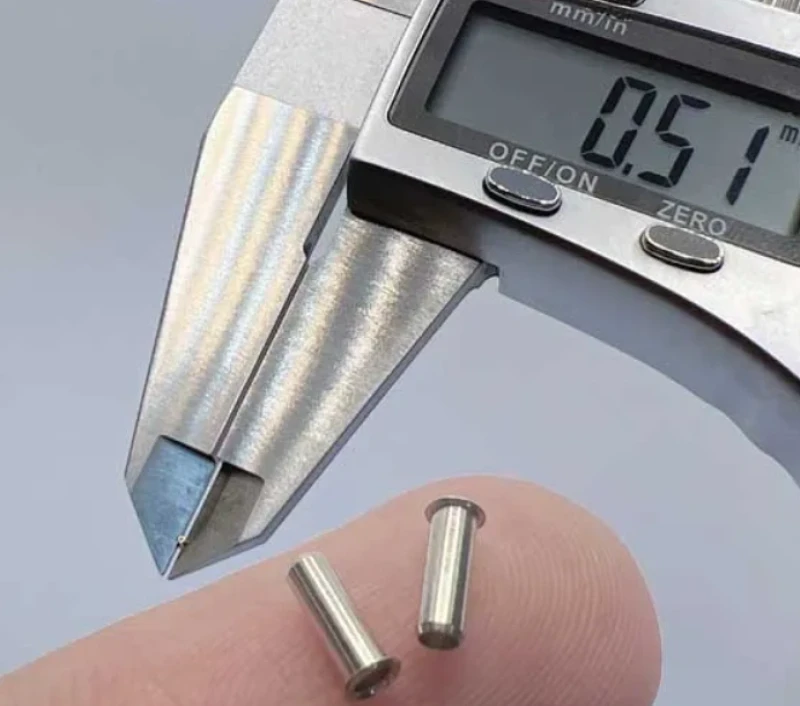
- Metals – High dimensional accuracy is achievable for metals such as aluminum, steel, and titanium. Sharp tooling, high spindle speeds, and rigid setups are common best practices.
- Plastics – Options include engineering plastics like PEEK and nylon. Sharp tooling and controlled machining parameters help prevent burr formation and melting.
- Ceramics – Despite their brittleness and hardness, ceramics such as Zirconia and alumina can be micromachined with diamond tooling and the right cutting parameters.
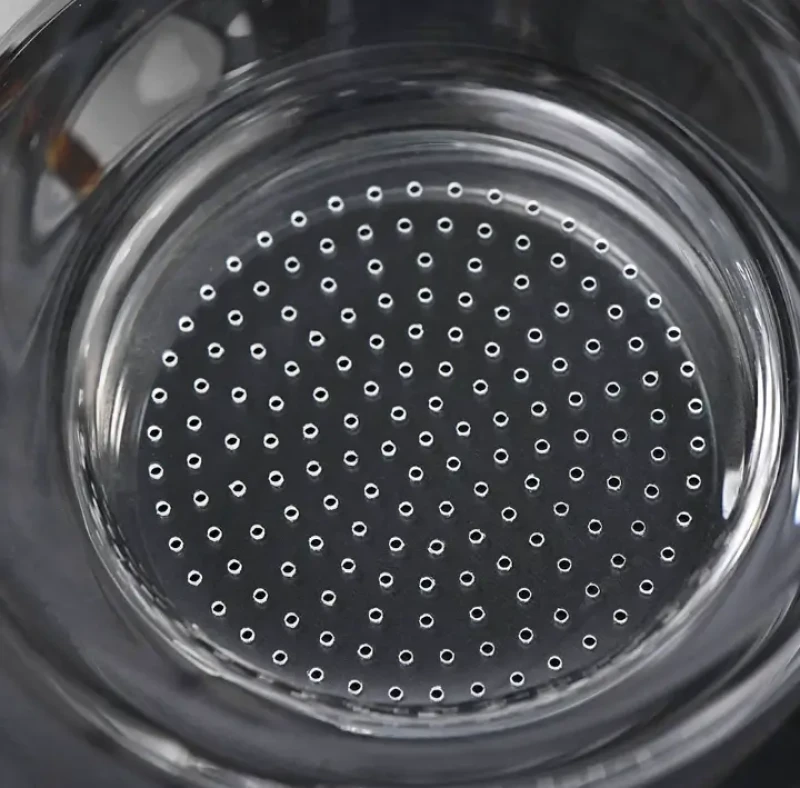
- Glass – Glass makes excellent micro features such as micro grooves and channels. Like in ceramics, diamond-tipped tools are effective in glass machining.
- Composite materials – Polyesters, phenolics, epoxies, and other thermoset composites are excellent at the microscale. Optimized spindle speeds, sharp tooling, and chip management are required.
Tolerances and Precision To Expect from Micro Machining
Tolerances in micro machining are extremely tight, often indicated in single-digit microns, say ±1–5 microns.
For precision in micro machining, the factors that come into play include:
- Tool wear monitoring
- Environmental controls – vibration, temperature
- Operator expertise
- Machine rigidity
Where Is Micro Machining Used? Key Applications
Automotive, electronics & telecommunications, aerospace, semiconductor, and
medical industries use various miniature components made by micro machining. Features that are too small to be machined using conventional machining are often produced through this method.
Automotive Industry
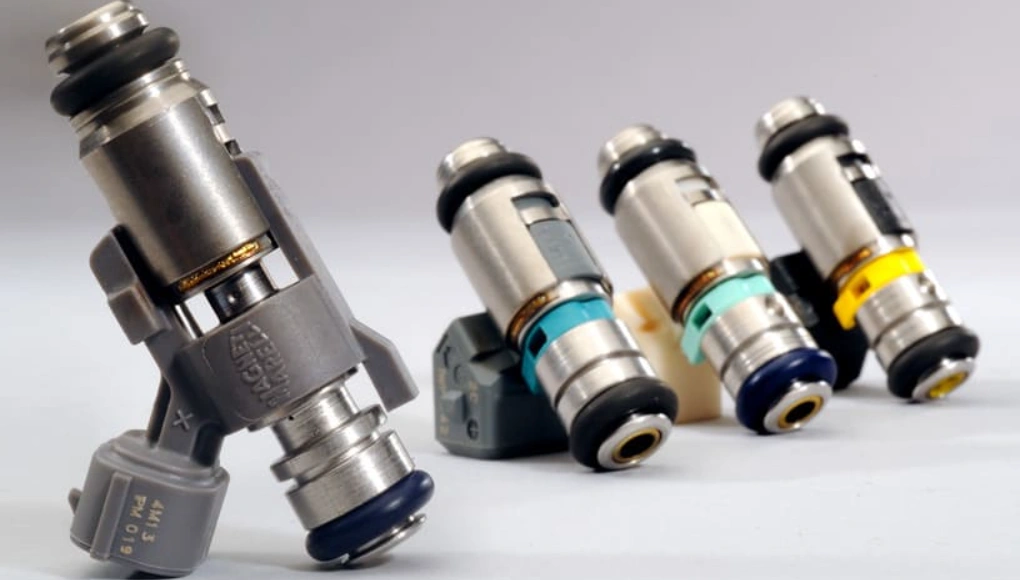
The automotive industry uses micro CNC machining for parts such as sensors and fuel injection nozzles.
Electronics and Telecommunications
Tiny components such as micro-circuitry covers and connectors are made using micro machining. The same applies to antenna parts in telecommunications.
Aerospace Industry
In the aerospace industry, micro CNC machining is central in the production of control mechanisms, sensors, and fuel injectors. The technology delivers the required ultra-precision.
Semiconductor Industry
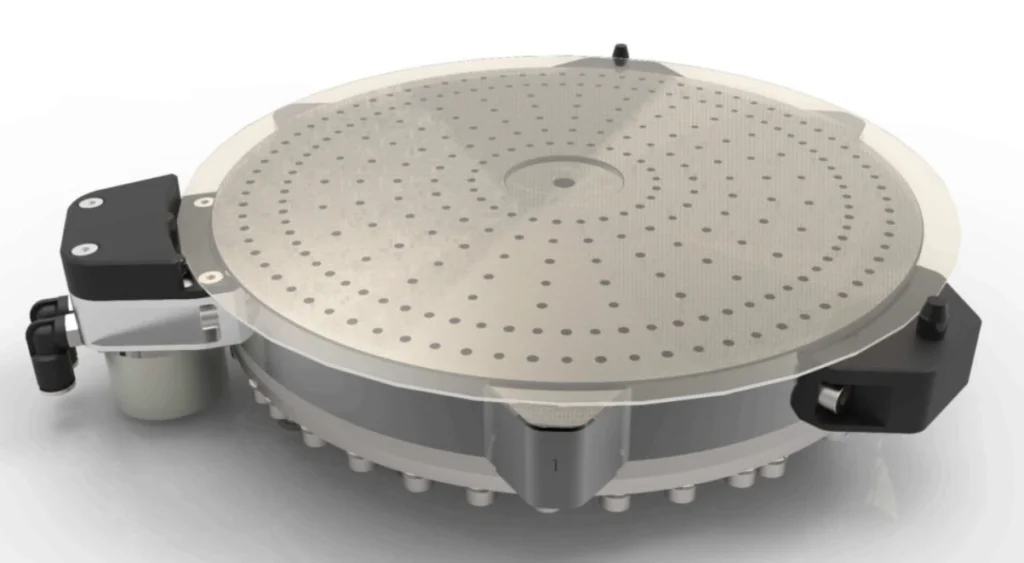
This is another big user of micro-machining technology, for instance, in the making of wafer-handling components. Micro-sized tooling used in chip production is also micro-machined.
Medical Industry
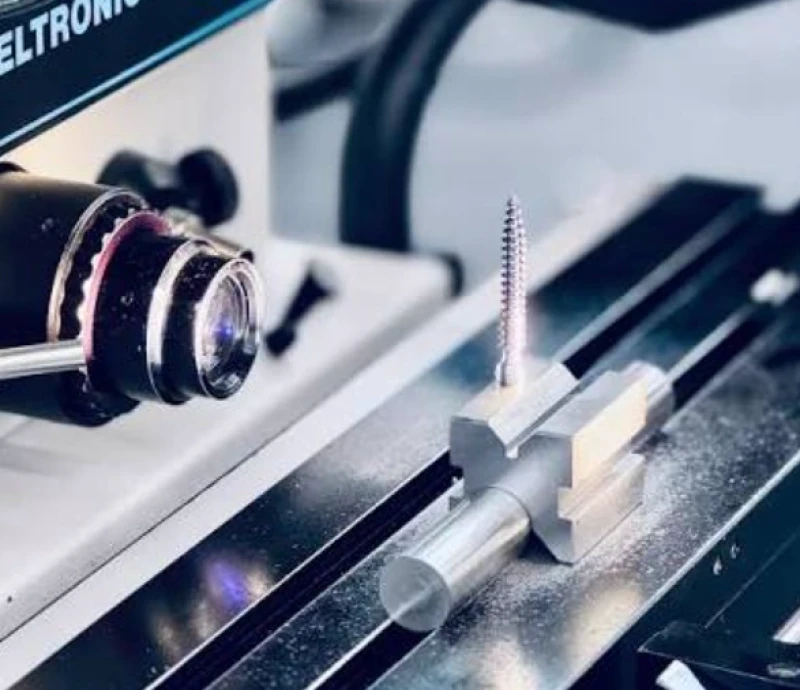
The micro-level precision of this machining method helps the medical industry to achieve the complexity and usability of components such as endoscopic grippers, bone screws, and vascular stents.
Advantages and Limitations of Micro Machining?
Micro machining unlocks advantages such as extreme precision, miniaturization, superior surface finishes, and intricate geometries. However, it comes with several trade-offs, including slower cycle times, higher cost per part, and higher risk of tool wear/breakage.
Advantages of Micro Machining
The advantages of micro machining are;
- extreme precision
- Miniaturization
- superior surface finishes
- intricate geometries
Limitations of Micro Machining
The limitations of micro machining include;
- slower cycle times
- higher cost per part
- higher risk of tool wear/breakage
Is Micro Machining Expensive? Key Cost Factors
The cost per part in micro machining is generally higher compared to conventional machining. The cost drivers are primarily machine cost, precision requirements, micro-tooling costs & tool wear, inspection/metrology, extended setup and process development, and long machining cycle times.
- Machine Cost – The equipment used in micro machining is expectedly expensive. The superior precision level is driven by advanced feedback systems and ultra-high spindle speeds.
- Precision Requirements – This machining approach requires ultra-tight tolerances. This translates to slower feeds and more machine setups.
- Micro-tooling Costs and Tool Wear – When it comes to tooling, a combination of being delicate and expensive makes the costs unbearable and often unavoidable. The fact that most tools are single-use makes the mathematics even more glaringly different from traditional machining.
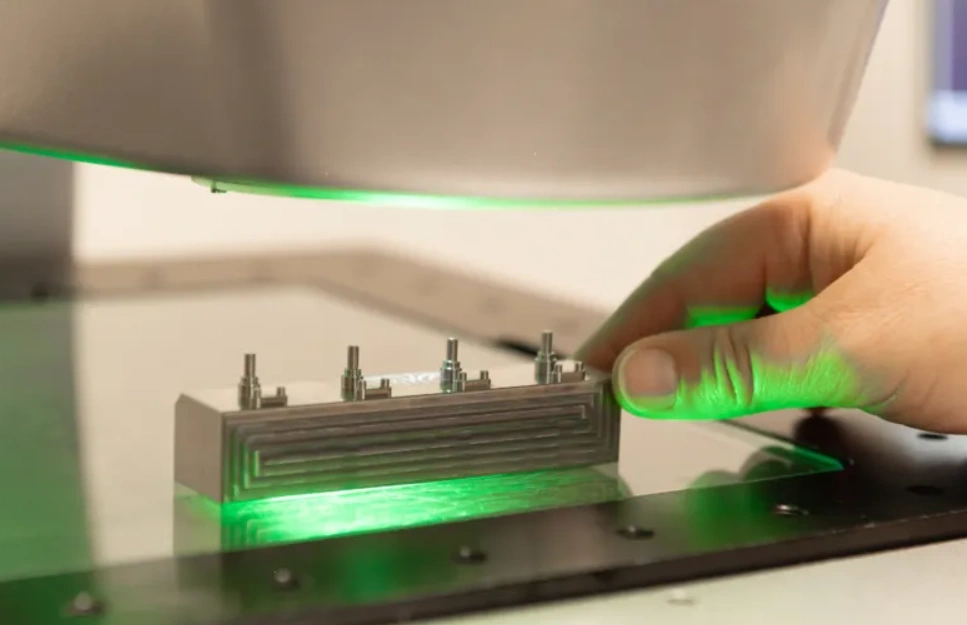
- Inspection/metrology – Specialized costs and processing time increase further from this verification requirement. A range of modern metrology machines are used, including inspection vision systems, optical comparators, and digital microscopes.
- Extended Setup and Process Development – The higher requirement for trial cuts and programming makes machining extremely expensive.
- Long Machining Cycle Times – Slower speeds and smaller feeds increase the machining time significantly.
Challenges That Come With Micro Machining — How Are They Solved?
The unique challenges emanating from micro machining’s unmatched tight margins include tool breakage, surface finish defects, and producing tiny, precise holes. The good thing is that machinists have, over time, established a solution for each challenge.
- Tool breakage – stable machine, controlled cutting parameters
- Surface finish defects –
- Producing tiny, precise holes – Electron Beam Drilling, EDM Drilling, and other specialized methods
Design Guidelines for Micro Machining (DFM Tips)
The quality of a micro-machined part starts at the design stage, and the guidelines to follow revolve around wall thickness, corner radii, tolerance, material used, feature size, and inspection.
Here’s how our engineers use precision manufacturing expertise to ensure micro-machining projects succeed and meet requirements.
- Wall Thickness – Considering structural limits of the material
- Corner Radii – Avoiding sharp internal corners
- Tolerance – Applying tight tolerances only where functionally required
- Material Used – Aligning the material choice with the tolerance requirements. Softer materials hold tolerances better than harder ones.
- Feature Size – Maintaining low depth-to-width ratios to avoid issues such as tool breakage
- Inspection – The design accounts for metrology access
One of the basics of micro machining is to design for inspection or measurement first. The argument is that if a part can’t be reliably measured after production, controlling it during machining is likely also a challenge.
Micro Machining Support for Sustainable Manufacturing
The high precision in micro machining naturally promotes sustainability through recycling, reduced material waste, sustainable practices, and energy efficiency.
- Recycling – Metal chips and scrap are recyclable
- Reduced material waste – Material removal is precise
- Sustainable practices – Environmental impact can be minimized with professional tooling and material recycling ( for instance, coolant)
- Energy efficiency – The power draw per part for the advanced micro-CNC machines is low
A Brief History and Future of Micro Machining Technology
The micro machining technology has roots in the 1990’s. An increased demand for smaller medical and semiconductor parts prompted engineers to devise techniques that use smaller tools and systems to produce smaller parts.
They first upgraded machines for higher speed and capability to handle small parts. Nowadays, Swiss-type lathes equipped with high-speed air spindles and live tooling are used in micro machining.
The Road Ahead for Micro Machining
Smart manufacturing, nanotechnology, artificial intelligence, and additive manufacturing are driving the future of micro machining. Overall, these technologies enhance the precision and speed of today’s methods.
Smart Manufacturing – Real-time sensors enable adaptive control, thus identifying machining issues during the process, not during final inspection.
Nanotechnology – As nano-scale material control scales new technological heights, finer parts can be produced. The gap between nano and micro fabrication is narrowing.
Artificial Intelligence – Artificial intelligence is transforming micro CNC machining through predictive maintenance and optimized toolpaths.
Additive Manufacturing – The emergence of 3D printing/micro machining hybrid systems is making it possible to use micro machining as a finishing process for finer tolerances.
Conclusion
Micro machining is not merely a scaled-down version of traditional machining. It is a technology defined by controls, tooling, and tolerances that the common machining shop may not achieve.
Getting a micro-machined part follows the conventional machining logic that starts with material selection and design, triggering a series of steps to inspection for precision and overall part compliance.
If you seek tighter tolerances, smaller features, and more intricate geometries than conventional CNC machining can deliver, the answer is in micro CNC machining. This is where ProleanTech’s advanced CNC machining services for micro parts come in.
Our machining specialists engage you from the design review to detailed inspection to ensure no costly reworks occur.
Share your drawing for review and receive a quote within 24 hours.
Resources