
Home » CNC Machining Materials for Custom Parts » Alloy Steel CNC Machining Services
Alloy Steel CNC Machining
CNC machining of alloy steel parts including 4140, 4340, and tool steels.
Designed for high-strength, wear-resistant, and tight-tolerance applications.
Core Capabilities
- Machining of hardened and pre-hardened alloy steels (HRC 20–45)
- Tight tolerances up to ±0.01 mm
- Multi-axis machining for complex geometries
- Heat treatment coordination (quenching, tempering)
- Surface hardening options (carburizing, nitriding)
- Inspection with CMM and hardness testing
Get a Alloy Steel CNC Machining Quote
Why Use Alloy Steel in CNC Machining
Material Characteristics Relevant to CNC Machining
Alloy steels are selected in CNC machining when higher strength, fatigue resistance, and wear performance are required compared to standard carbon steels.
The addition of alloying elements such as chromium, molybdenum, and nickel improves hardenability and mechanical stability, especially for parts subjected to cyclic loads or surface wear.
However, these properties also increase machining complexity, requiring controlled cutting parameters, appropriate tooling, and post-machining heat treatment to maintain dimensional accuracy.
Key Benefits
• High tensile and yield strength for load-bearing parts
• Good fatigue resistance under cyclic stress
• Wear resistance for sliding and contact surfaces
• Hardenability for through or surface heat treatment
• Mechanical stability in demanding environments
*Compared to carbon steel, alloy steel is typically used when higher strength, wear resistance, or heat treatment performance is required in CNC-machined components.
Common Alloy Steel Grades for CNC Machining
4140 Alloy Steel
• Application: Shafts, gears, and structural components
• Machinability: Moderate (pre-hardened condition preferred)
• Heat Treatment: Quenching and tempering (HRC 28–32 typical)
• Machining Note: Good balance of strength and machinability; widely used for general-purpose CNC parts
4340 Alloy Steel
• Application: High-load components, aerospace and automotive parts
• Machinability: Lower than 4140 due to higher strength
• Heat Treatment: Can reach HRC 35–45 after treatment
• Machining Note: Higher cutting forces and tool wear; requires rigid setup and optimized parameters
8620 Alloy Steel
• Application: Gears and case-hardened components
• Machinability: Good in annealed condition
• Heat Treatment: Carburizing for hard surface with tough core
• Machining Note: Machined before heat treatment; distortion may occur after carburizing
Tool Steels (P20, H13, D2)
• Application: Molds, dies, and tooling components
• Machinability: Varies (P20 easier, D2 more difficult)
• Heat Treatment: Often pre-hardened or requires secondary hardening
• Machining Note: High hardness increases tool wear; requires carbide tooling and low cutting speeds
Material selection in CNC machining depends on strength requirements, heat treatment condition, and machinability trade-offs affecting cost and precision.
CNC Machining Capabilities for Alloy Steel
Capabilities include multi-axis machining, tight tolerance control, and machining of pre-hardened and hardened alloy steel components.
CNC Milling
• Suitable for complex geometries and multi-face machining
• Tolerance up to ±0.01 mm
• Surface finish up to Ra 1.6 µm
• Applicable for structural housings and precision components
CNC Turning
• High precision for cylindrical parts and shafts
• Concentricity control for rotating components
• Tolerance up to ±0.01 mm
• Suitable for bearing journals, pins, and shafts
Hardened Material Machining
• Machining of pre-hardened and heat-treated steels (up to HRC 45)
• Finish machining after quenching and tempering
• Use of carbide and coated tools for wear resistance
• Controlled toolpath strategies to maintain dimensional stability
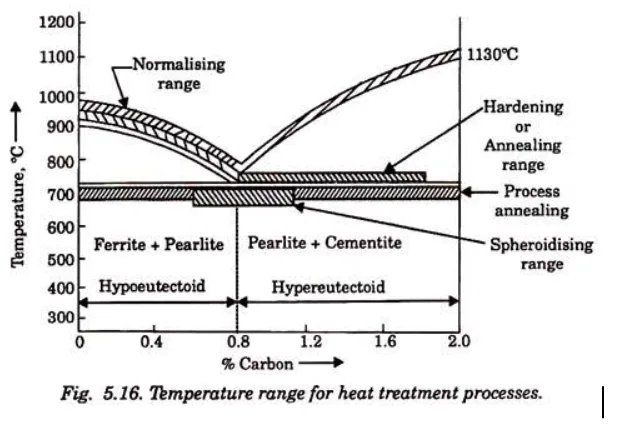
Heat Treatment & Surface Hardening for Alloy Steel Parts
• Quenching & Tempering
Used to increase overall strength and toughness of alloy steel parts.
Machining is typically performed before heat treatment, followed by finish machining if required.
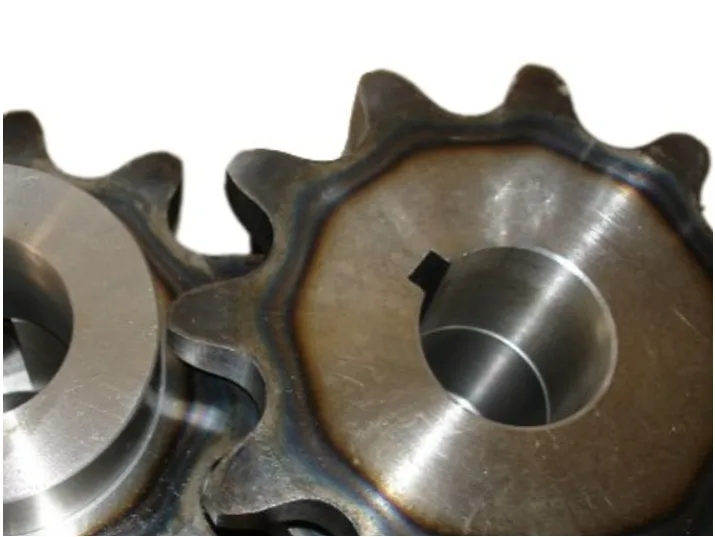
• Carburizing
Creates a hard surface layer with a tough core, commonly used for gears and wear components.
Post-treatment distortion may occur, requiring dimensional compensation or secondary machining.
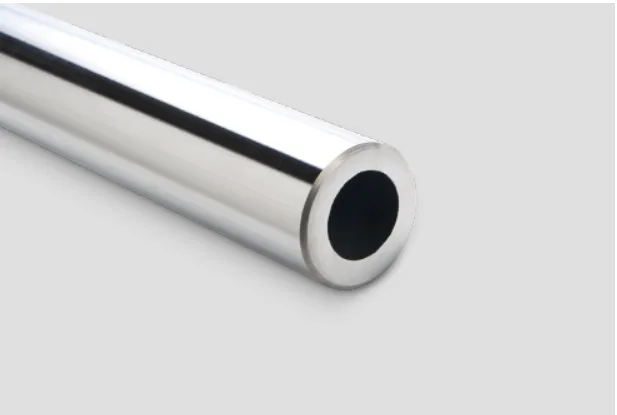
• Induction Hardening
Applies localized surface hardening to specific areas such as shafts or bearing surfaces.
Minimal distortion compared to bulk heat treatment, suitable for precision components.
• Nitriding
Provides a hard surface layer with minimal distortion and good wear resistance.
Often applied after final machining, reducing the need for post-processing.
Heat treatment selection affects machining sequence, dimensional stability, and final tolerance. Process planning should account for material deformation and finishing requirements.
Applications of Machined Alloy Steel Parts
Applications of Machined Alloy Steel Parts
Automotive & Heavy Machinery
- Drive shafts
- Transmission gears
- Structural brackets
Tooling & Mold Systems
- Mold bases
- Die components
Industrial Equipment
- Wear-resistant components
- Load-bearing structures
Alloy steel is preferred for applications requiring mechanical reliability and long service life.
Automotive & Heavy Machinery
- Drive shafts
- Transmission gears
- Structural brackets
Tooling & Mold Systems
- Mold bases
- Die components
Industrial Equipment
- Wear-resistant components
- Load-bearing structures
Alloy steel is preferred for applications requiring mechanical reliability and long service life.
Engineering Support & Quality Control
Engineering Support and Quality Assurance
- DFM review before production to identify machining risks
- Heat treatment planning to control distortion and hardness variation
- In-process inspection for critical dimensions
- CMM inspection for final dimensional verification
- Hardness testing after heat treatment
- Surface integrity verification for functional performance
- Material certification to ensure traceability
Our engineering team evaluates machining strategy based on hardness condition, geometry complexity, and performance requirements.
Frequently Asked Questions
Is alloy steel difficult to machine?
Alloy steel is generally harder than carbon steel and aluminum. Machinability depends on grade and heat-treatment condition. Proper tooling and cutting parameters are essential.
Can hardened alloy steel be machined?
Yes. Finish machining of hardened alloy steel is possible with appropriate tooling and rigid setups.
Does heat treatment affect tolerances?
Yes. Heat treatment can cause distortion. Finish machining after heat treatment is commonly used to restore dimensional accuracy.
What is the difference between carbon steel and alloy steel?
Alloy steel contains additional elements to improve strength, toughness, and wear resistance.